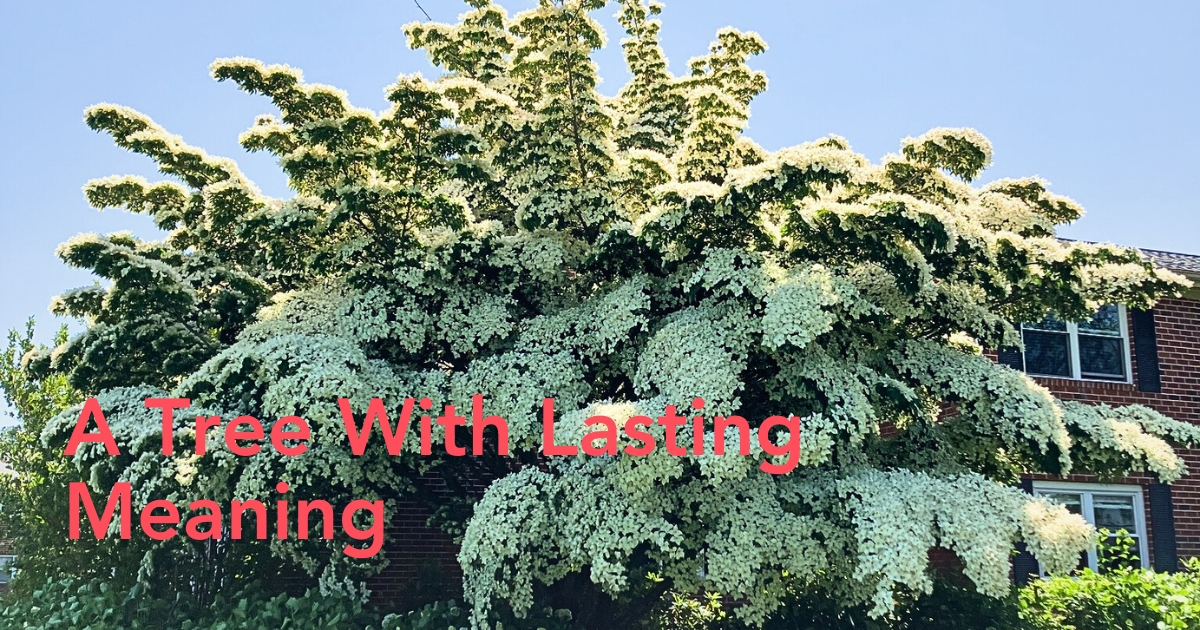
The North Carolina state flower is a plant widely recognized across the American South. It marks the transition of seasons and has become part of the region's cultural and natural identity. This article examines why this flower is important, how it became an official symbol, and why it remains a point of pride for North Carolina.
The story of the state flower speaks to the connection between people and place. It shows how nature can shape identity and how a single species can come to represent history, beauty, and a shared sense of belonging. The goal is to explore its background in a way that helps readers understand its meaning and lasting presence.
What Is the State Flower of North Carolina?
The official state flower of North Carolina is the flowering dogwood. It was formally chosen in the early twentieth century to celebrate a species that had long been a familiar sight across the state. The dogwood’s seasonal display made it one of the most recognized native plants in the region. Its presence in local forests, towns, and gardens created a natural link between the people of North Carolina and their environment.
Choosing the dogwood was also a way of acknowledging the role of native plants in shaping the state’s character. It spread across the landscape, from the mountains to the coastal plain, and had deep roots in the region's natural history. By the time lawmakers made it official, it was already part of the way many residents identified their home.
A Short History of How Dogwood Was Selected
North Carolina adopted the flowering dogwood as its state flower in 1941. The move came after years of informal recognition, as the dogwood had been widely admired for its seasonal presence. Earlier conversations in the legislature had focused on other candidates, but public opinion consistently favored the dogwood as the flower best representing the state's identity.
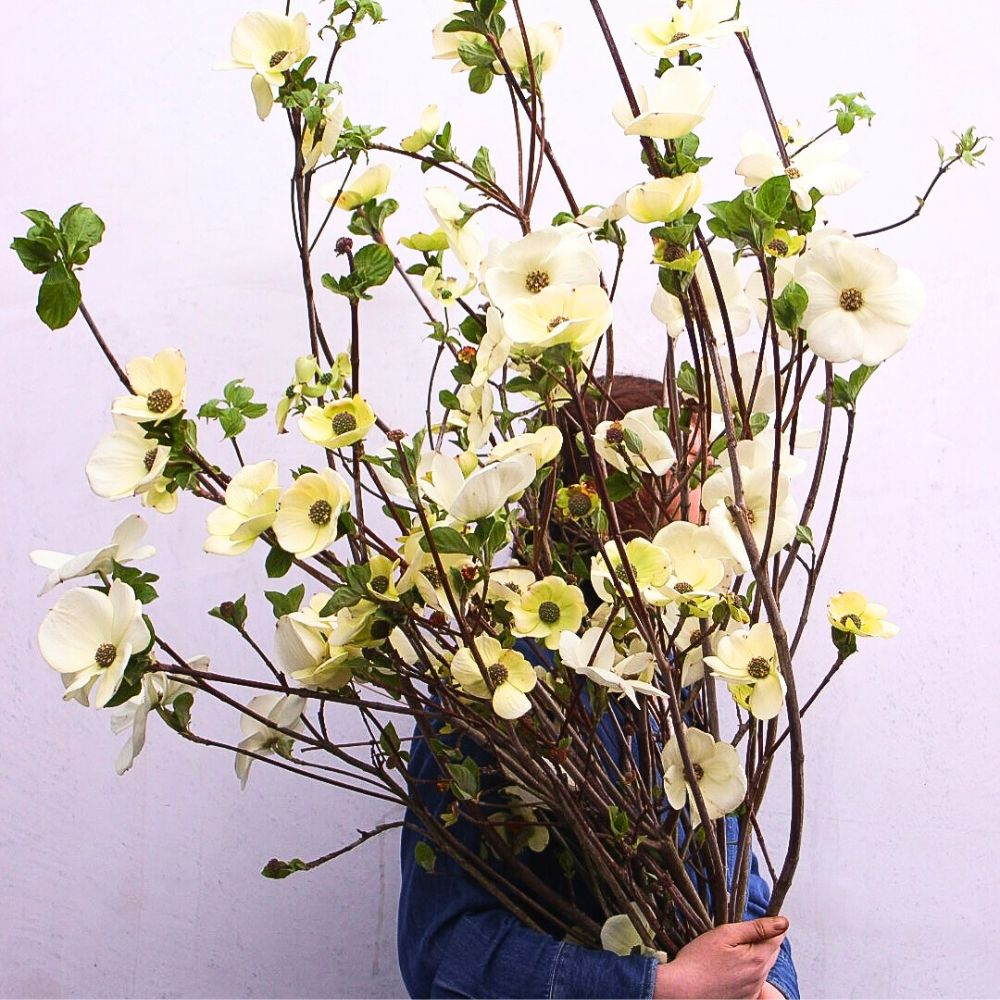
Historical records show that public support and cultural familiarity influenced the final decision. The dogwood had long been part of local writing, art, and folklore. Its early spring appearance signalled renewal and hope after the winter months. As North Carolina’s population grew and communities developed, the dogwood remained common in both wild and planted landscapes. All these factors eventually shaped its official selection.
The Meaning and Symbolic Associations of the Dogwood
The flowering dogwood has gathered many symbolic meanings over time. In North Carolina, it represents resilience, renewal, and connection to the natural world. Its flowering season coincides with the landscape's shift into spring, making it a sign of growth and change. Many communities mark this period with festivals and seasonal traditions that highlight the natural cycle of the year.
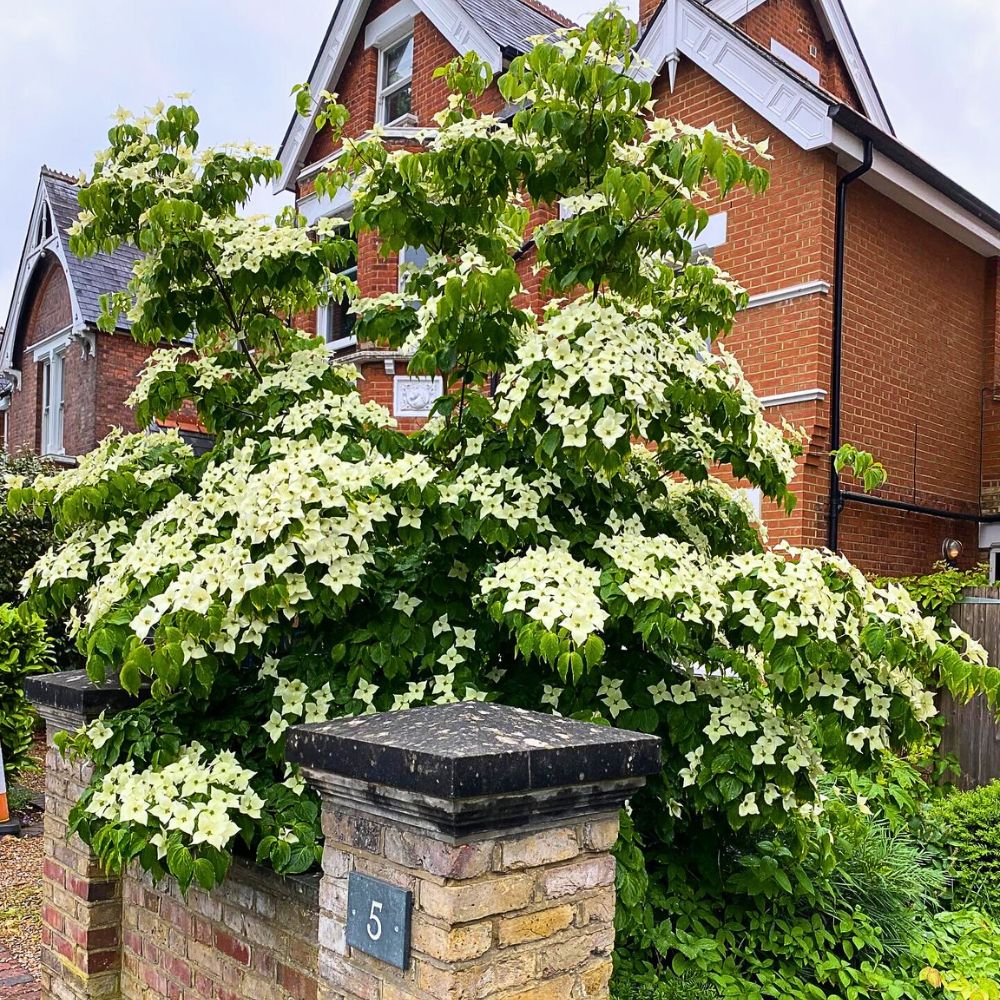
The dogwood has also been associated with stories and legends that deepen its place in local culture. These stories reflect how people relate to the natural world around them. They reveal how the presence of a tree or flower can inspire shared meaning within a community. The dogwood’s symbolism, therefore, extends beyond its appearance to encompass emotional and cultural memory.
Where the Flowering Dogwood Grows in North Carolina
The dogwood grows naturally across almost all parts of the state. It thrives in forests, along roadsides, in suburban areas, and in many private gardens. Its adaptability is one reason it became such a defining feature of the North Carolina landscape. From the Appalachian Mountains to the Piedmont and the coastal regions, the dogwood remains a familiar presence.
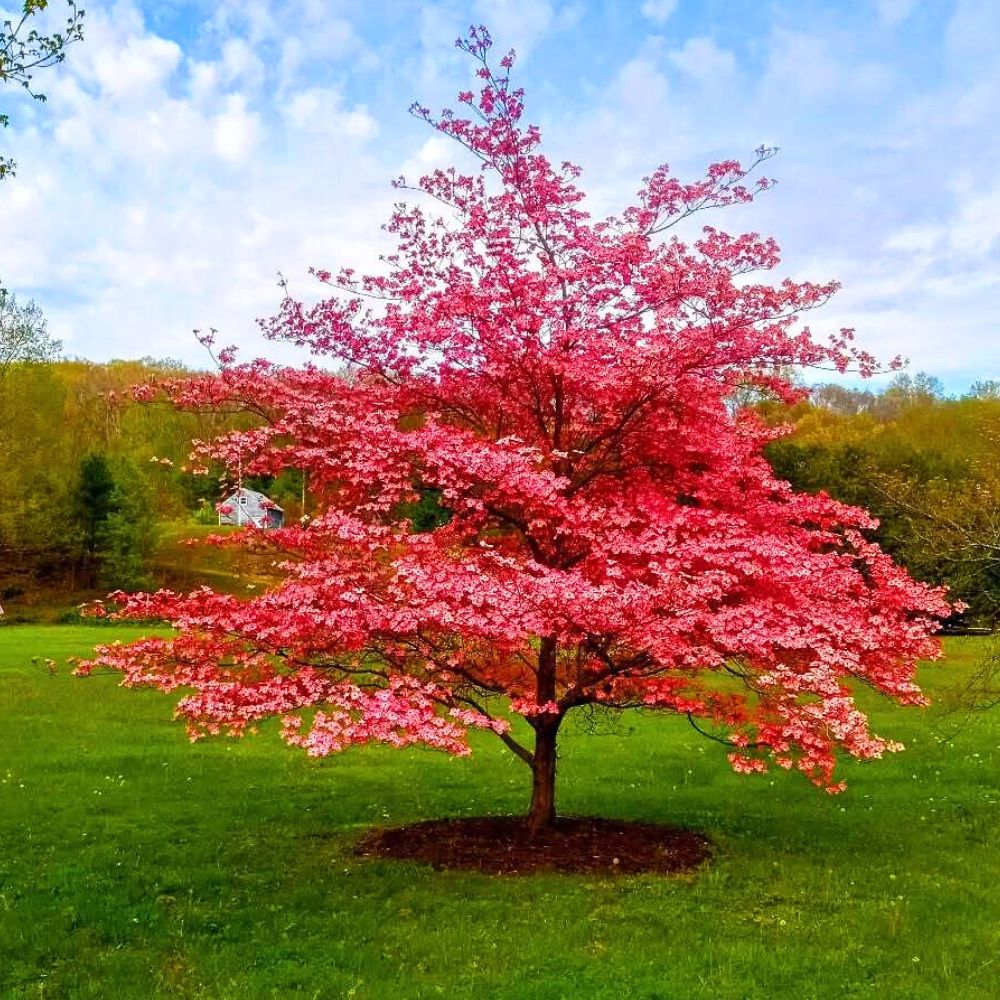
In the wild, dogwoods often grow at the edges of woodlands or beneath taller canopy trees. Their growth pattern allows them to occupy transitional spaces that support a wide range of plant and animal life. This natural distribution helped shape how North Carolinians view the dogwood. It has always been nearby, marking the start of spring, and connecting different parts of the state under a single shared species.
Natural Characteristics That Make the Dogwood Distinct
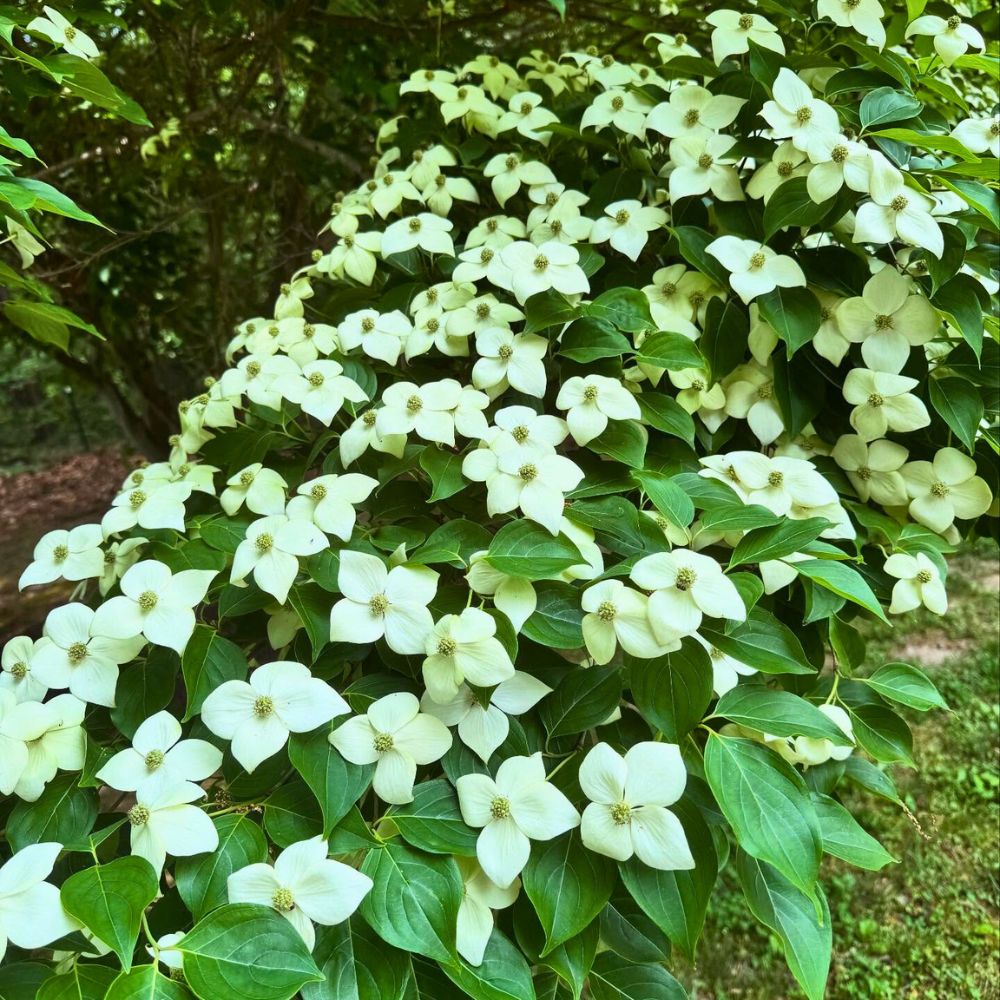
The flowering dogwood stands out among native trees for several reasons. Its seasonal display is the most recognisable feature, with its flower-like bracts appearing each spring. These bracts surround a cluster of small true flowers at the center. The contrast between the broad bracts and the small flowers gives the dogwood a distinct visual presence that many people associate with North Carolina’s spring season.

The tree also has a growth habit that suits various landscape types. It is moderate in size, which makes it easy to plant in yards, parks, and public spaces. This has contributed to its continued popularity and to residents' sense of familiarity when encountering it.
The Dogwood in North Carolina History and Folklore
Stories about the dogwood appear throughout North Carolina’s cultural history. It is referenced in local writing, community traditions, and regional folklore. Some stories highlight its seasonal arrival. Others speak to the deeper symbolic associations that people attach to it.

These stories reveal the role of plants as cultural markers. They show how communities assign meaning to what they see around them. The dogwood’s long history in the region gave people a shared reference point that could be passed down through generations.
The Dogwood in Modern North Carolina Life
Today, the flowering dogwood remains deeply associated with North Carolina identity. It is used in branding, design, and visual culture throughout the state. Institutions and community groups often choose the dogwood as a symbol of local pride. Many towns hold seasonal events that incorporate the flowering season into public celebrations.
Its presence in private gardens continues to grow as well. Homeowners often choose dogwoods because they carry meaning beyond aesthetics. Planting a dogwood tree can feel like participating in a long tradition. It can also serve as a personal symbol of connection to the state.
Why the Dogwood Became Such a Strong Cultural Marker
There are several reasons why the dogwood became so deeply rooted in North Carolina culture. First, the tree appears across the state in both natural and developed areas. Second, it has a strong seasonal rhythm that people recognise year after year. Third, it has been part of the region’s natural history for centuries. These combined factors created a plant that people associated with memory, place, and community.
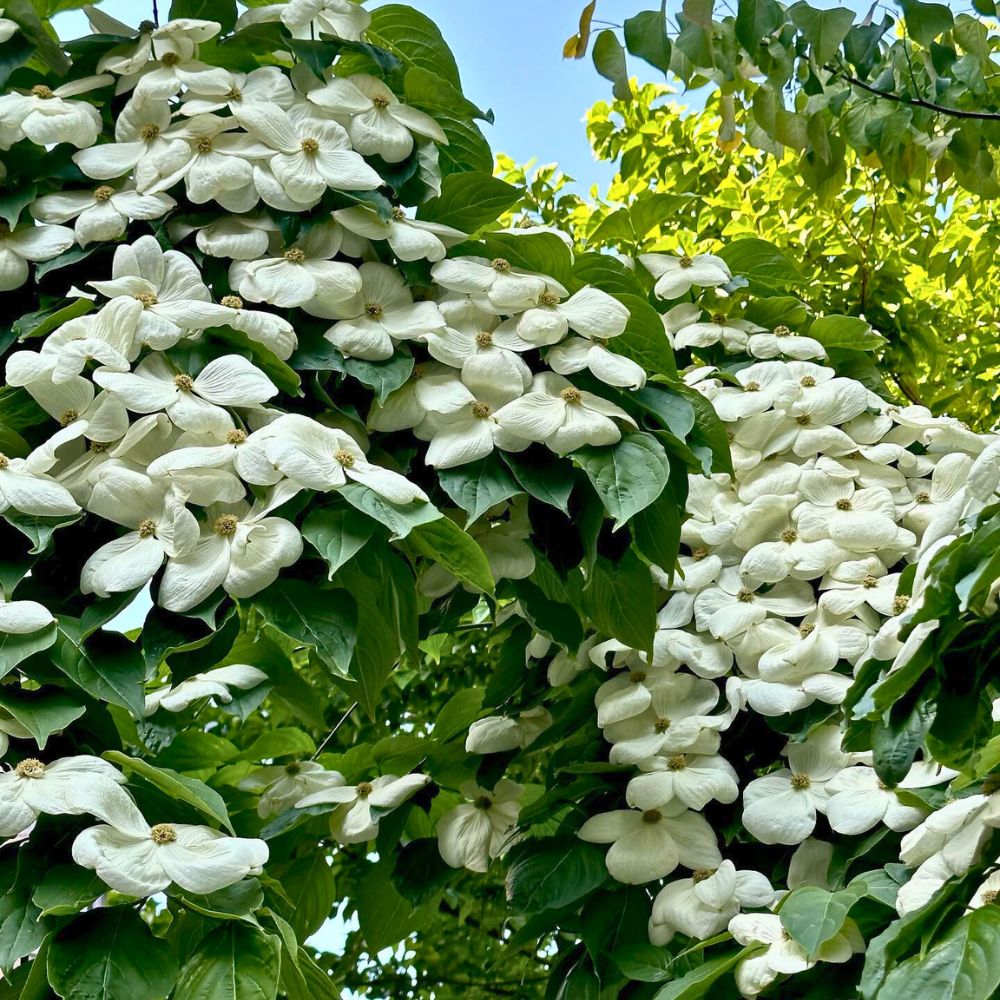
It is also a species that invites attention. Its early spring display encourages people to look up and observe the changing season. Over time, this repeated experience creates attachment. The dogwood becomes woven into moments of personal and collective memory.
Conservation and the Future of the State Flower NC
In recent decades, dogwood populations have faced disease pressures, including dogwood anthracnose. Conservation efforts have been ongoing to protect wild populations and to encourage planting of resistant varieties. These efforts support the tree's long-term survival and protect a symbol that holds deep meaning for North Carolina residents.
Many environmental groups and community organisations encourage people to plant native dogwoods to maintain biodiversity and preserve cultural heritage. These efforts remind people that the state flower is not simply a historical designation. It is a living part of North Carolina’s environment and identity.
The Dogwood’s Place in American Regional Identity
While the dogwood is recognized across the United States, its identity is powerful in North Carolina. This regional connection demonstrates how a single species can assume different meanings depending on its geographic context. In North Carolina, the dogwood represents home. It represents continuity across generations. It represents the natural landscape that shapes daily life.
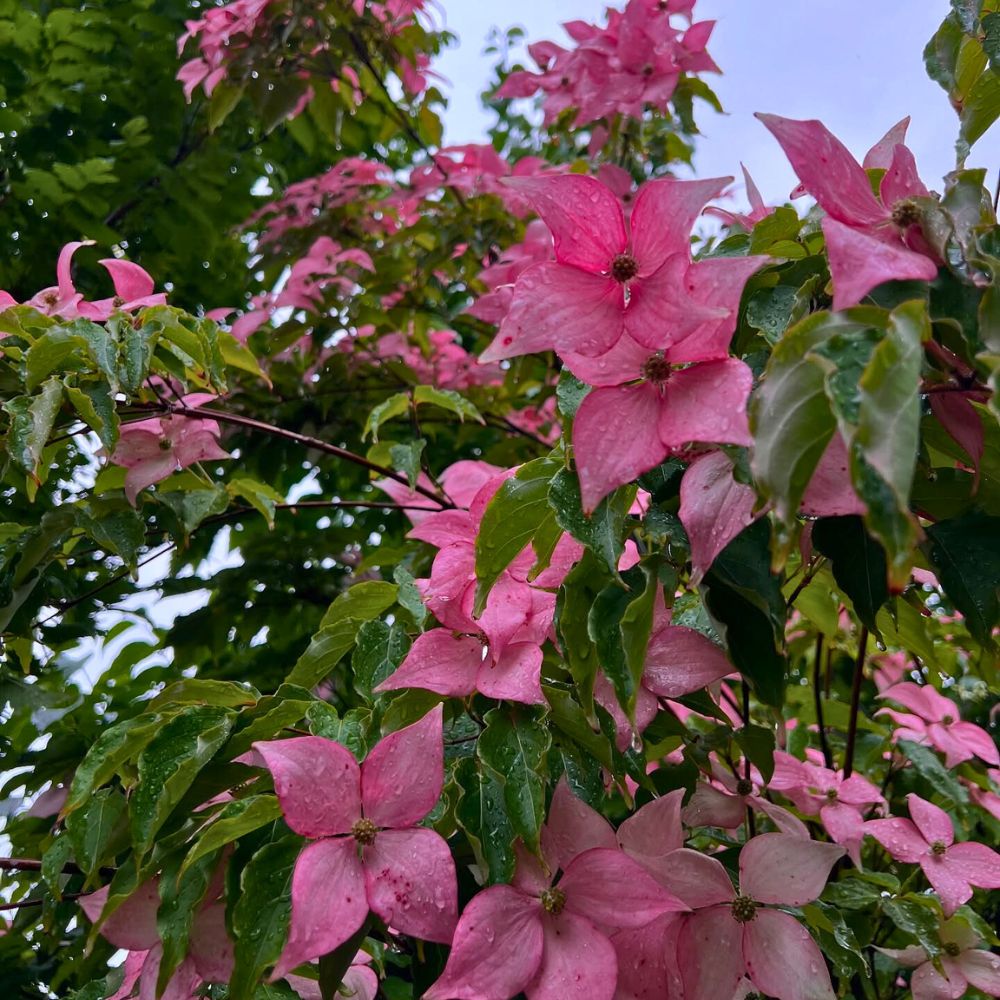
This sense of belonging makes the dogwood more than a botanical fact. It becomes a symbol that captures the spirit of the state and reflects the values people associate with their home.
Why the Dogwood Matters Today
The dogwood remains significant because it serves as a reminder of the relationship between people and nature. It encourages appreciation for the local environment. It connects residents to their past and shapes their sense of place. In a rapidly changing world, such symbols help anchor identity and provide continuity.
Its presence also supports local ecosystems. Dogwoods offer food and habitat for birds, insects, and other wildlife. This ecological role further strengthens its value within the state.
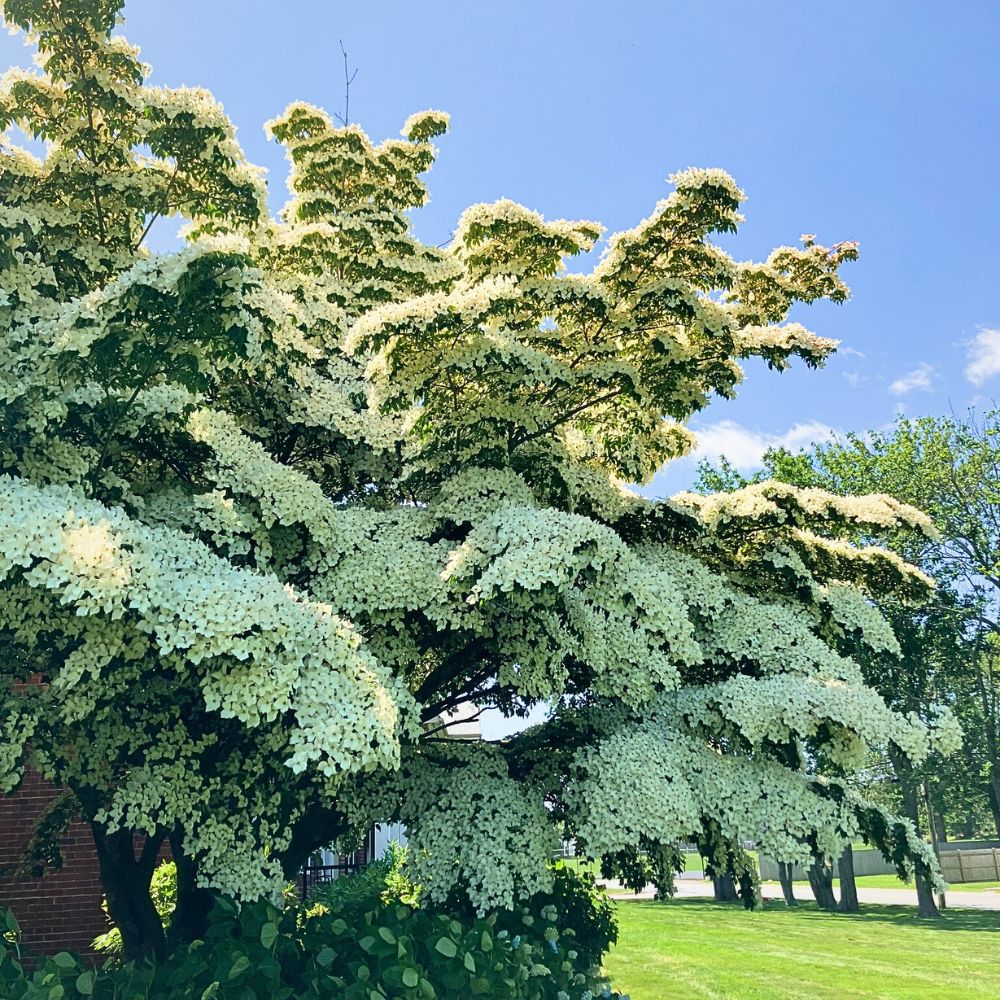
The flowering dogwood remains one of the most familiar and meaningful symbols in North Carolina. It tells the story of the state’s natural landscape, its cultural traditions, and the relationship between residents and their environment. Its place in history and everyday life continues to grow as each new generation recognises its importance.
To understand the North Carolina state flower is to understand part of the character of the state itself. This tree stands as a reminder of connection, continuity, and the natural rhythms that shape community life. There is always more to explore about the traditions and stories tied to local flowers and plants, so continue reading to learn more about how nature shapes the places we call home.
Header image by @Newport Tree Conservancy.