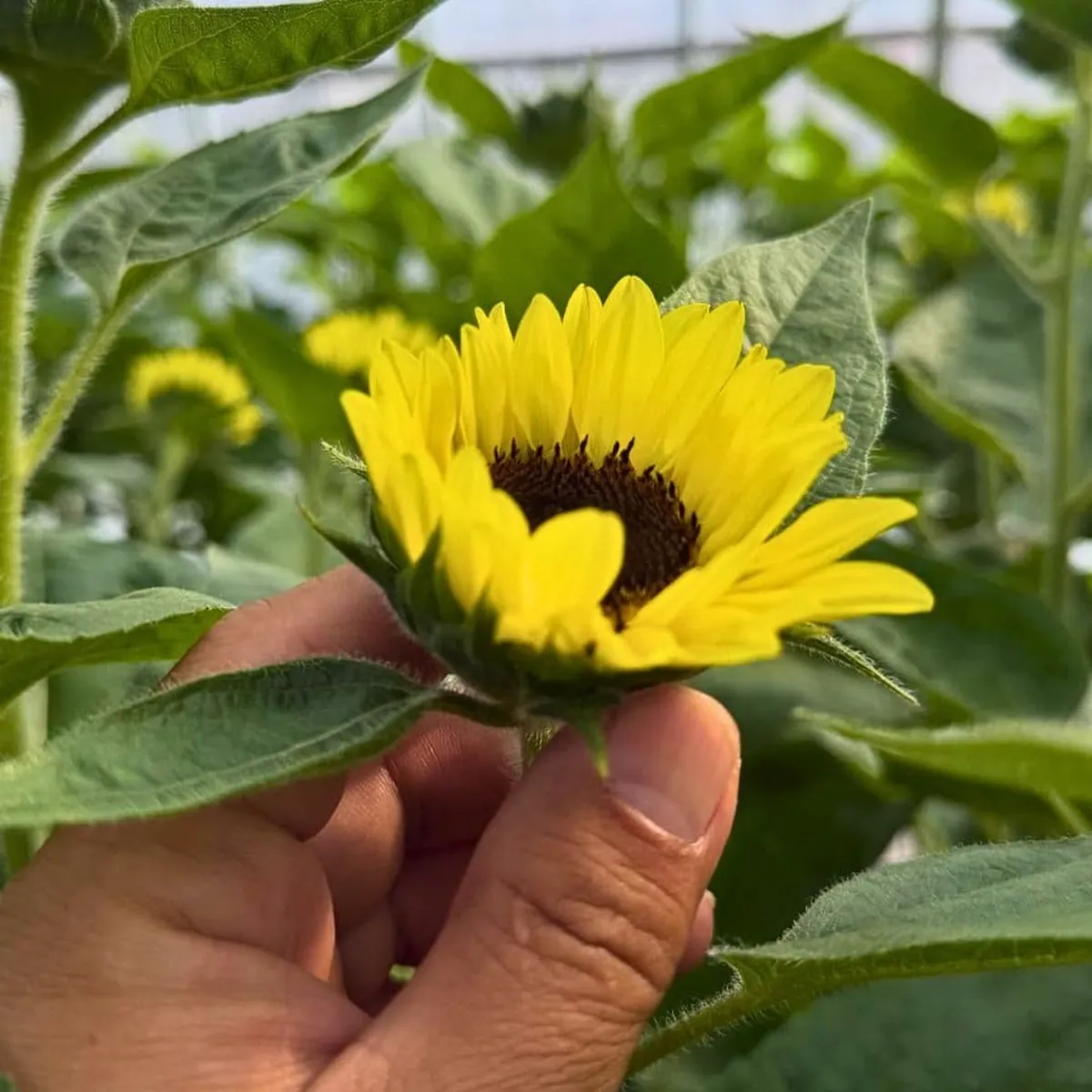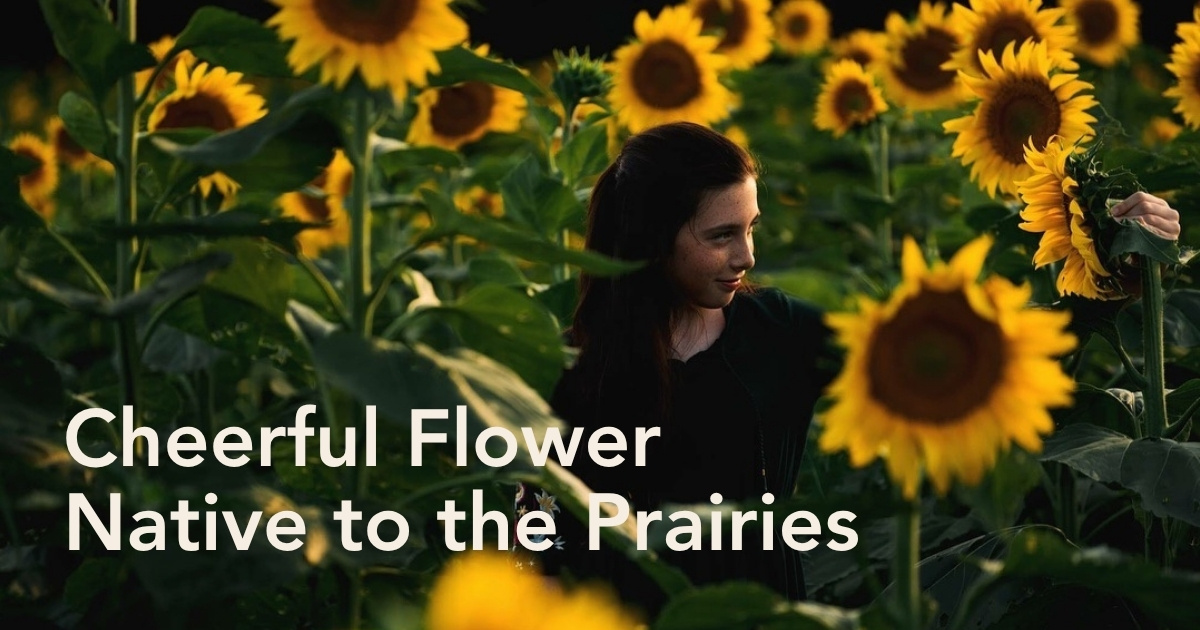
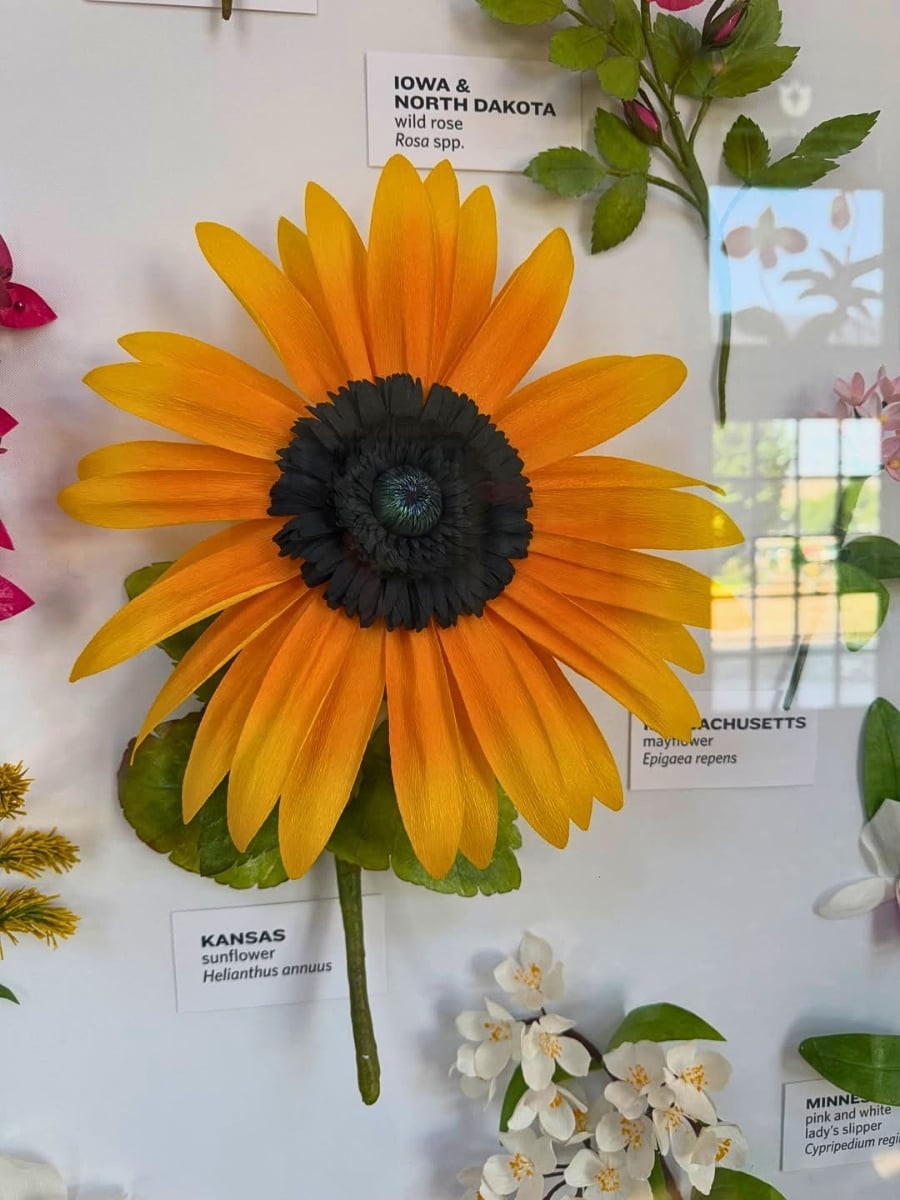
The sunflower, or Helianthus annuus, is native to North America, and its wild version still grows across the state of Kansas, often along roadsides, in gullies, and on untended ground where it has little help getting established. But here, it is smaller and scrappier than the cultivated varieties grown commercially, with a thinner stalk and a smaller flower head. But the resemblance is unmistakable. This wild ancestor is really where today’s Kansas state flower comes from.
Essentially, even before sunflowers lined up as neatly cultivated rows across the Kansas farmland, they grew wild, untamed, and scattered across the open prairie, remaining tall and unbothered, with their faces (just the usual way) following the sun, and no one tending them. Their wild lineage is, to a great extent, partly what makes the sunflower the ideal official state flower of Kansas, a title it got back in 1903.
How Kansas Landed on the Sunflower
When Kansas lawmakers sought to choose an official state flower, wild sunflowers had already spread across the state’s prairies for generations and were familiar to just about anyone who had spent time outdoors in the state. Farmers had noticed it growing along fence rows and open fields, perhaps even treated it as a persistent weed rather than anything worth celebrating, yet there it remained, growing bright regardless of the conditions. It made an obvious case for itself.
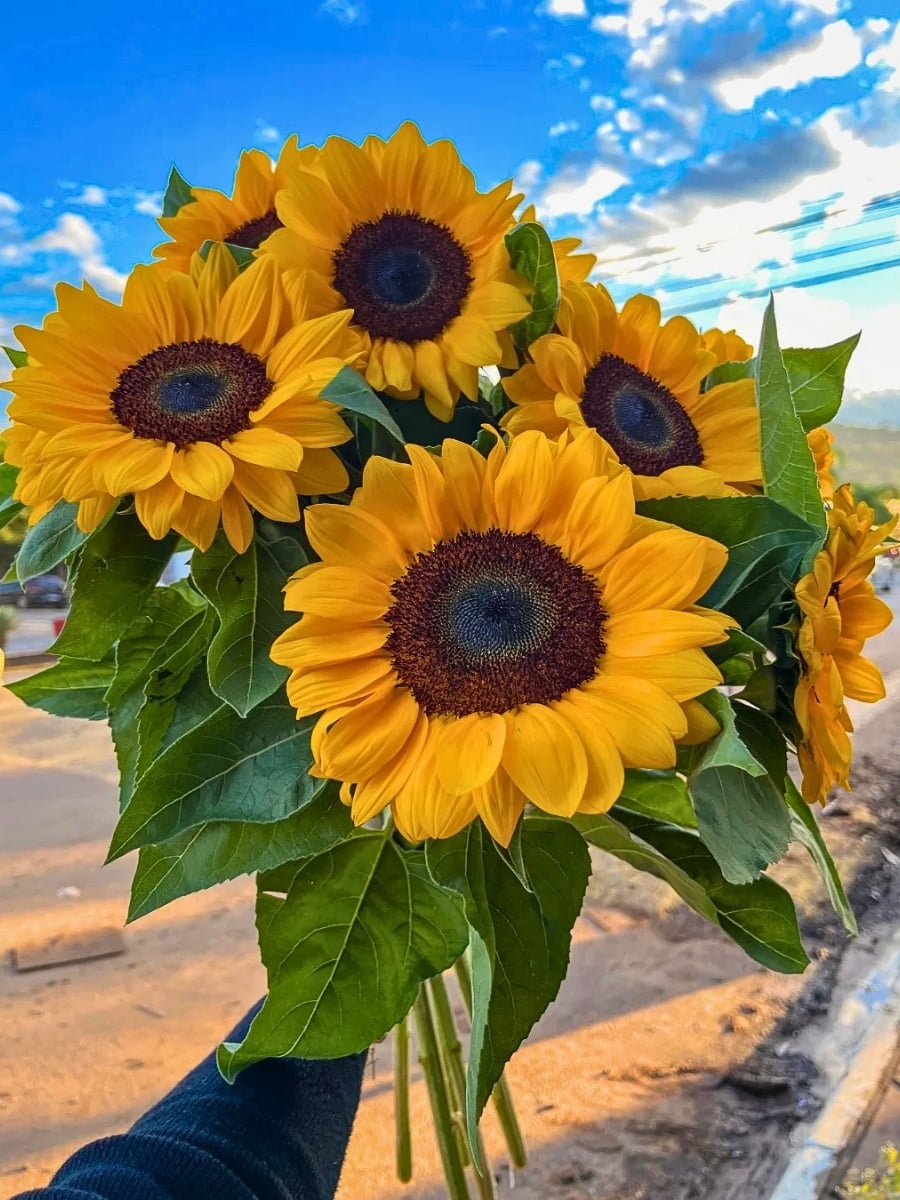
Picking the sunflower in 1903 was not really an announcement so much as recognition of a flower that had been part of Kansas daily life all along. Not needing to be planted or cultivated then, the flower had already claimed the land on its own, and so lawmakers just put a name to what residents already knew.
Since Kansas was still working to define its identity as a fairly young state, a flower growing freely across its own land said something different from one that would have been chosen purely based on how it looked in a bouquet. The sunflower characterized a plant that belonged to Kansas specifically, not borrowed from somewhere else.
How Wild Sunflowers Look Up Close
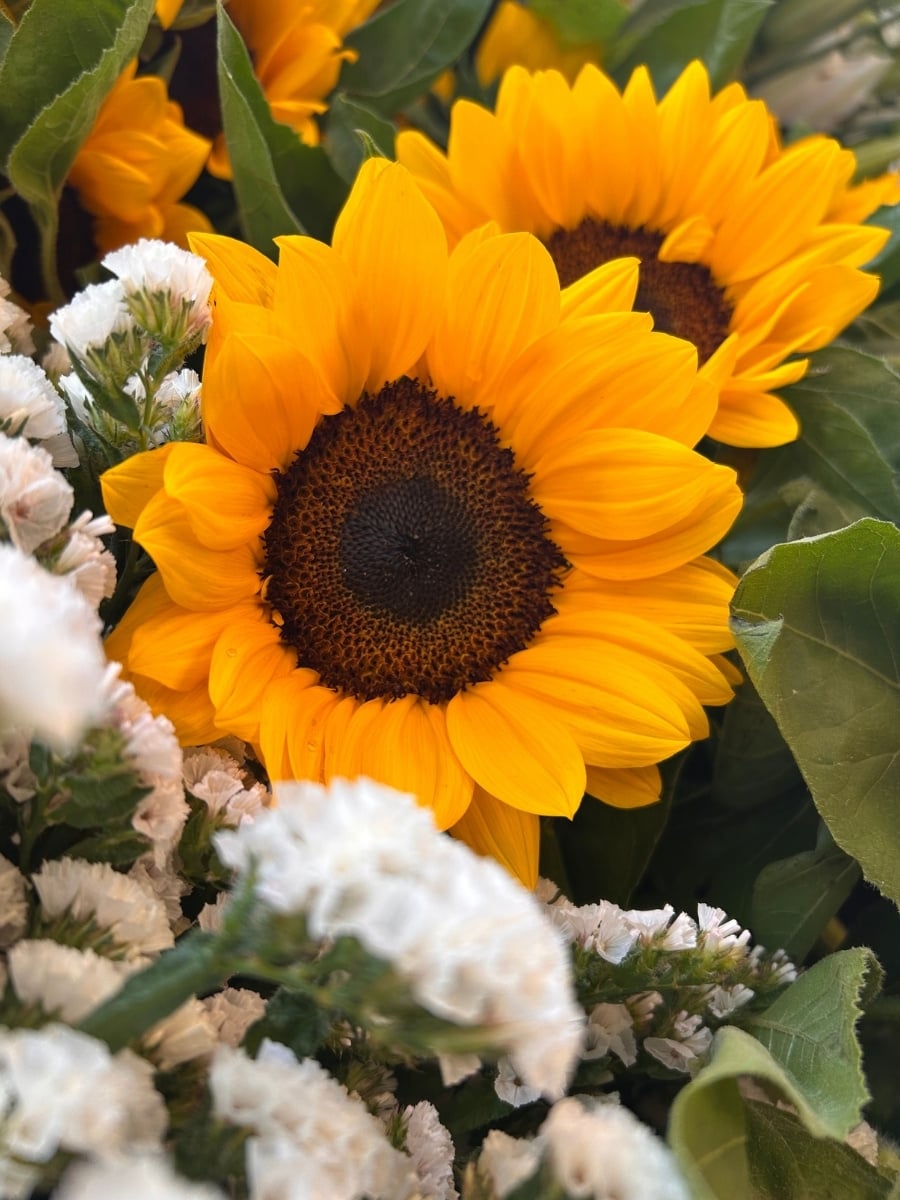
The wild sunflower shares the same basic shape as its cultivated relatives. It has a ring of bright yellow petals surrounding a dense, dark center packed with hundreds of tiny individual flowers that eventually mature into seed. But where a cultivated sunflower grown for harvest might produce one large, heavy head on a single sturdy stalk, the wild version tends to branch out, producing several smaller flower heads on one plant.
Wild sunflowers also share the well-known habit of turning to follow the sun through the day, known as heliotropism, most noticeable in young plants before the flower head grows heavy enough to settle into a fixed position, usually facing east. Watching a whole patch of these wildflowers along a Kansas roadside, all angled in the same direction, gives a small sense of how deliberate this behavior seems in practice, even though it is really just biology at work, driven by growth hormones that respond to light on either side of the flower's stalk.
Wild sunflowers also tend to be more drought-tolerant than their cultivated cousins, with deep taproots that reach several feet down in search of water. Their root structure lets them survive in dry, compacted soil that would leave most other plants struggling. This explains why they grow reliably along gravel shoulders and unused ground where little else takes hold.
A Long History on the Plains
Indigenous peoples (Native Americans) across the Great Plains first domesticated the wild sunflower plant roughly 5,000 years ago. They began farming sunflowers around 3,000 B.C., cultivating them for food and using the seeds for oil, flour, and other staples, before European settlers arrived.
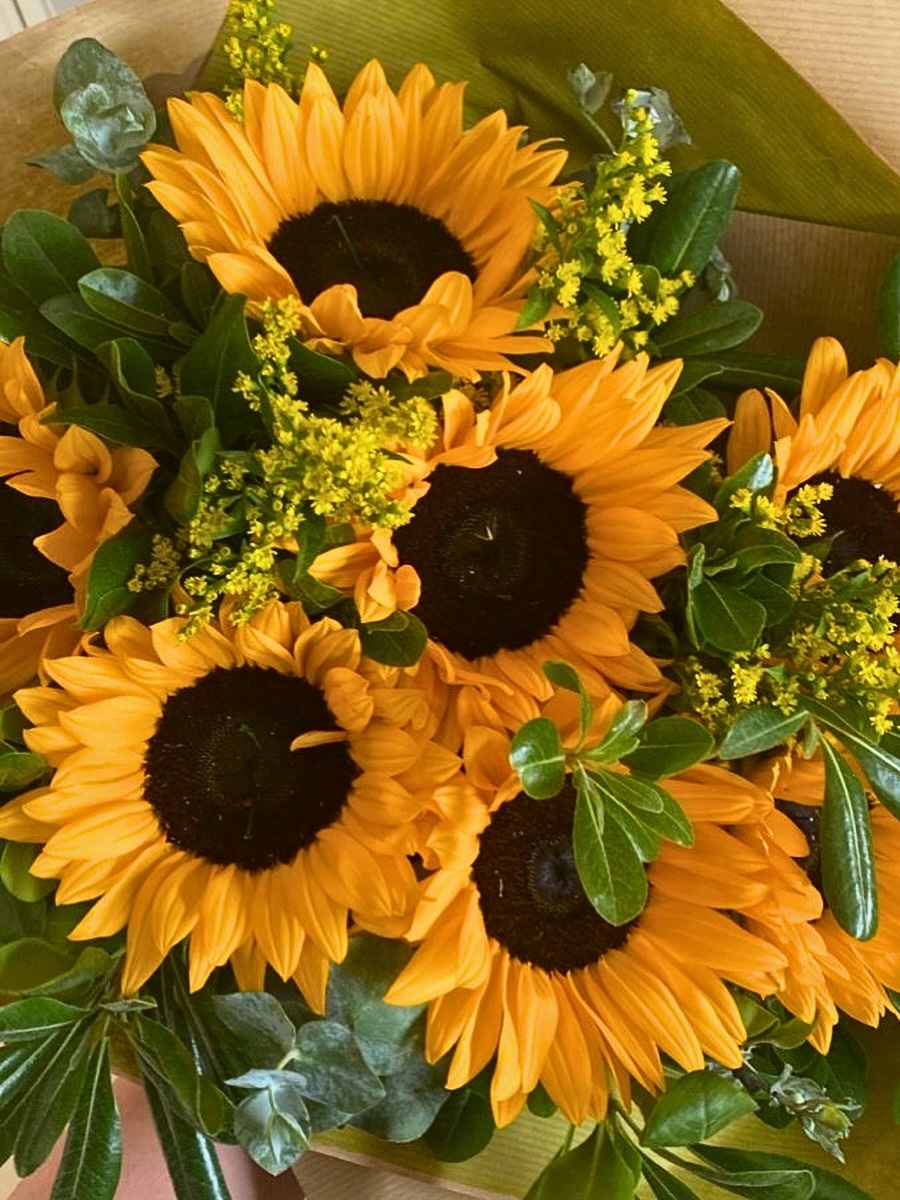
Archaeological evidence suggests that since sunflowers may have been domesticated in North America as early as several thousand years ago, they are among the continent's oldest cultivated crops. Some of the earliest cultivated varieties in North America were bred from wild stock much like what still grows across Kansas today, meaning its connection to the region is much deeper.
Interestingly, the sunflower eventually traveled to Europe through Spanish explorers in the sixteenth century, where it was grown first as a curiosity and later cultivated widely across Russia and Eastern Europe for its oil. Much of what came back to North America in the form of large, commercially bred sunflower varieties in fact descends from the European breeding programs, meaning the sunflower's journey from wild Kansas prairie to modern farmland took a fairly long detour before returning home.
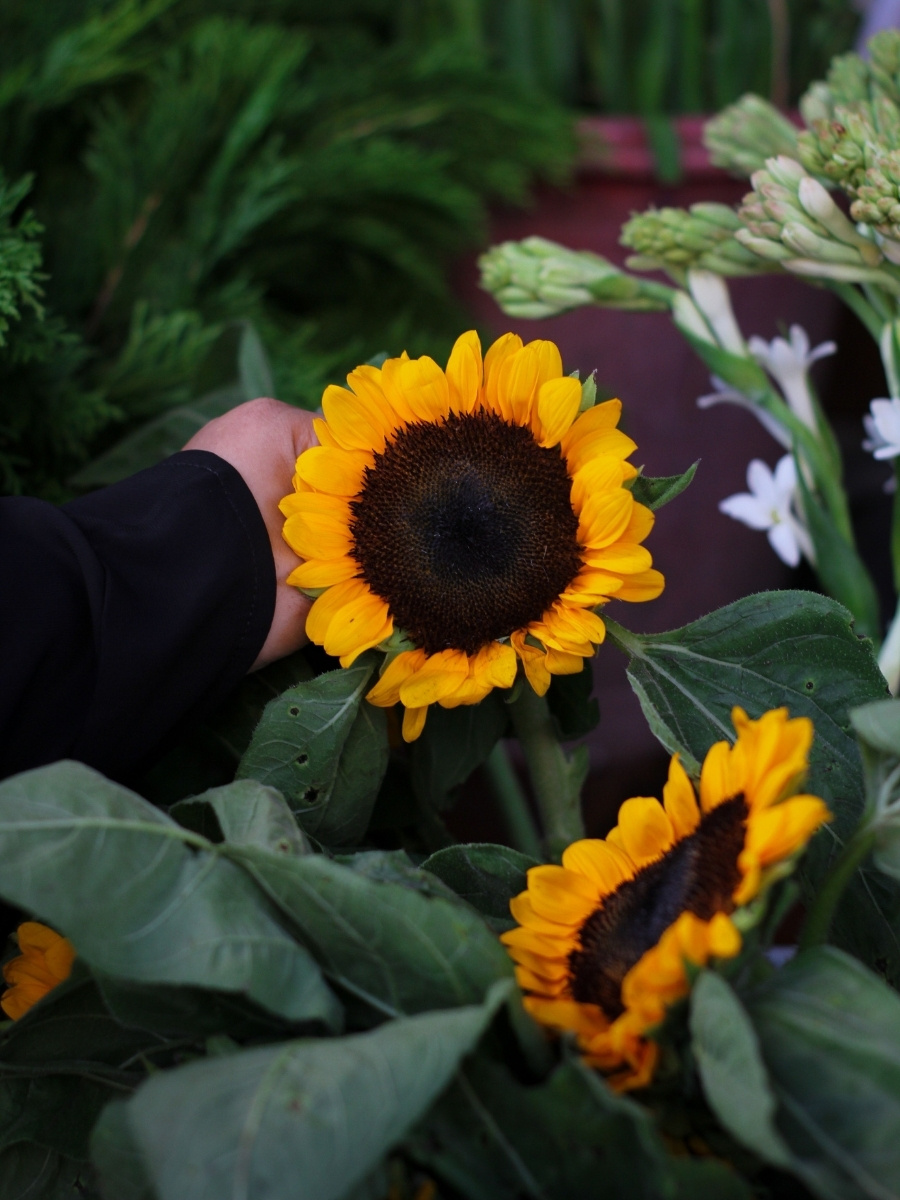
The agricultural history, nonetheless, lines up naturally with Kansas's identity as a farming state. The state remains one of the leading producers of sunflower seeds and oil in the U.S and much of what is grown commercially traces its roots back to wild varieties from the open plains. The line between the wild sunflower that shaped the state symbol and the cultivated crop grown across Kansas now is, therefore, thinner than it might seem.
Why the Sunflower Fits Kansas So Well
Sunflowers, wild or cultivated, tend to have a fairly steady set of associations, including warmth, positivity, and a steady, uncomplicated cheerfulness. For Kansas, a state shaped by wide-open land and a long agricultural tradition, it fits well. It doesn't grow in the shade or hide from difficult conditions, but stands out in open fields, fully exposed to sun and wind, holding its ground anyway.
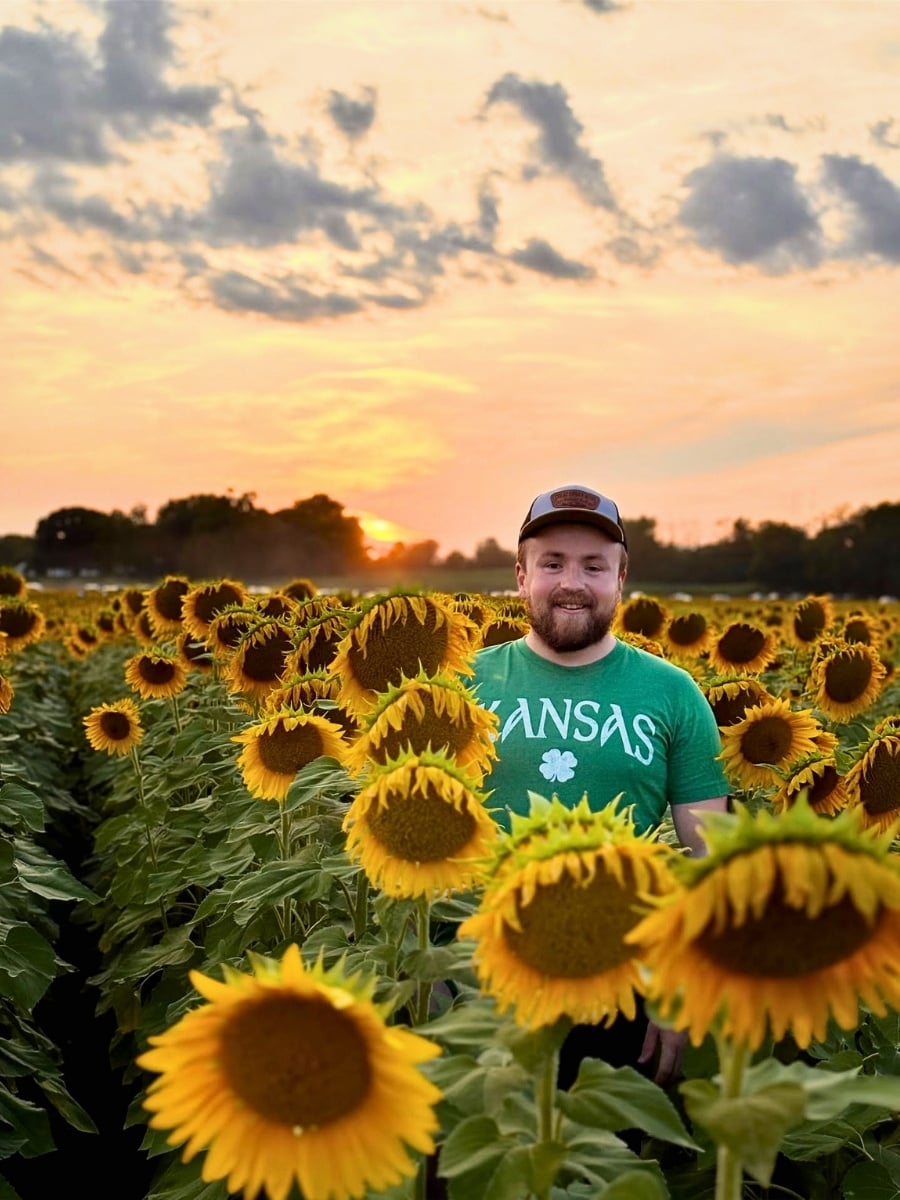
The flower is also persistent. The wild sunflower thrives in poor soil and dry conditions without complaint, doing well in the ground that would distress and give other plants trouble. Its endurance aligns with how people often describe life on the Kansas plains, shaped by weather that doesn't always cooperate, and the land too.
Kansas has also taken up the association and the official state flower designation so well, too. The nickname ‘Sunflower State’ has stuck for more than a century, showing up on license plates, road signs, and plenty of local branding across the state. It is a rare case where a state's chosen symbol aligns so closely with how outsiders and residents tend to picture the place: open fields, tall stalks, and a flower that holds its own regardless of the circumstances.

A State Symbol, a State Identity and Why It Is Part of Kansas’ Daily Life
But symbolism and aesthetics aside, sunflowers play a practical role in the Kansas economy. Commercial fields grown for seed and oil cover significant stretches of the state’s farmland, with sunflower oil now a common alternative to other cooking oils.
Wild sunflowers, on the other hand, continue providing pollen and nectar for bees, feeding birds through their seeds, and helping stabilize soil on land where little else takes hold. Conservation groups restoring native prairie across the state often include wild sunflower varieties in their seed mixes for this reason.

Home gardeners and commercial growers have also taken an interest in the wild form and used it to breed other varieties too, instead of focusing on the oversized cultivated types bred purely for seed production. There are, as a result, plenty of varieties grown purely for ornamental and cut flower purposes, bringing a bit of the flower’s prairie character into the home (garden).
Essentially, for Kansas, the sunflower state symbol comes up in different places. Be it on the state flag, on official seals, and even in plenty of local art and branding that draws on the state's early agricultural and prairie history and heritage.

This flower's staying influence partly comes from its connection to a wild plant that hardly needed cultivation and tending to thrive. That’s quite the picture of why, more than a century after Kansas made it official, this floral choice still holds up strongly, remaining a fairly fitting description of what the state is about.
Featured image: @evangreenwell13. Header image: amy_cyphers.