One red rose, 1,500 hectares, no license. The breeder says talking got nowhere, so it's time to go to court and see what the case means for every grower waiting on the next variety.
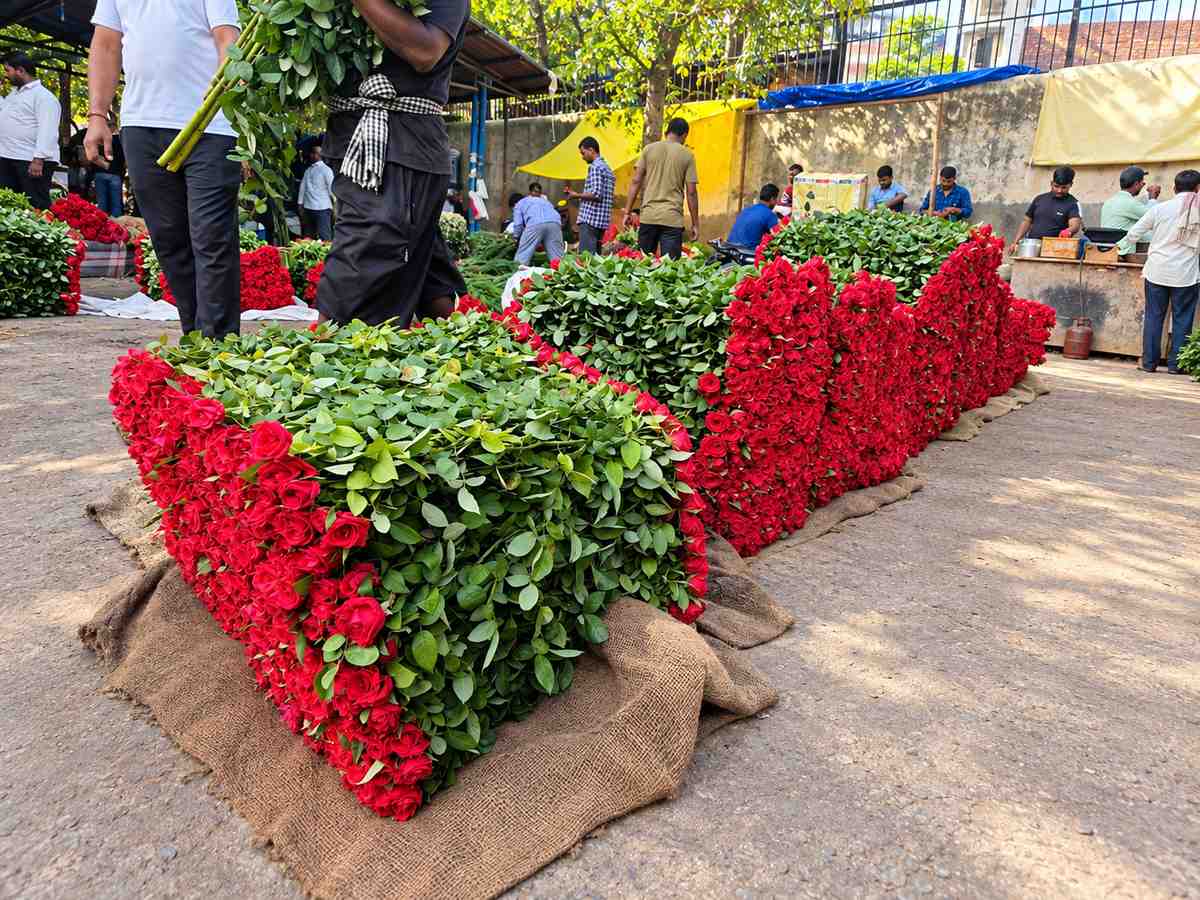
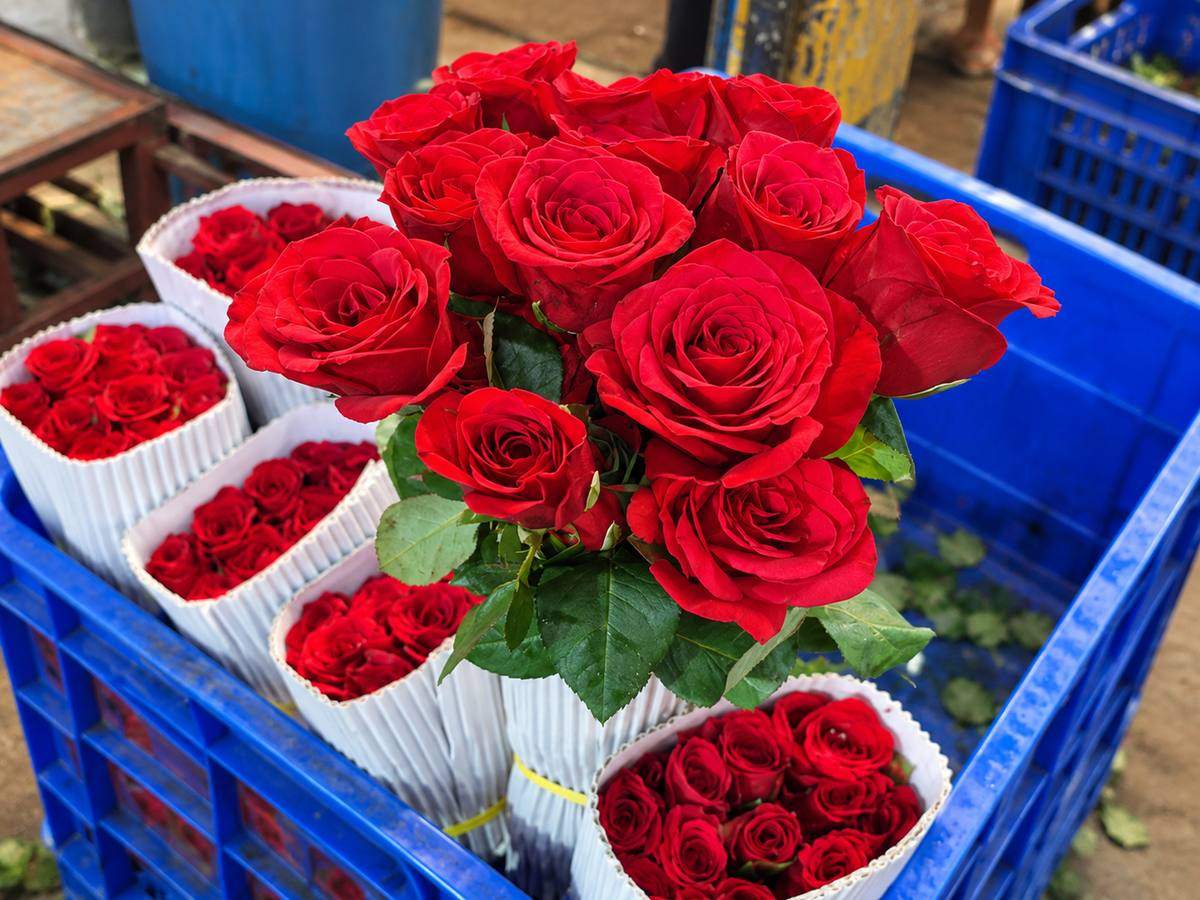
Walk through Indian wholesale flower markets and one red rose appears again and again: flowers harvested from Meiflemingue, a variety from Meilland International. In North and West India, these flowers are widely marketed under the trade name TOP SECRET®, while in South India they are marketed as TAJ MAHAL®. Meilland says almost none of the Meiflemingue plants behind this production were planted with permission.
After a visit to India with CIOPORA and Moerheim Roses & Trading India, the Bangalore firm that represents the variety there, he wrote that the situation "is moving forward" and that Meilland expects "to enforce and legalize the situation and finally come back to this great country." When Thursd's Arnold Wittkamp asked whether the route would be the courts or a deal with the growers, he answered in one word and a reason: court, "as there was no serious discussion with the auction or the consolidators."
For plant breeders' rights in India, this is the biggest rose case in years. It lands six weeks after India's Supreme Court handed breeders its first ruling under the country's plant variety law. Here is what is at stake, and why the growers who planted the rose have as much riding on it as the breeder.
One Variety, Different Trade Names
The variety at the center of the case is Meiflemingue, a crimson hybrid tea from Meilland International. Meiflemingue is the variety's sole denomination worldwide. Flowers harvested from Meiflemingue plants may, however, be marketed under different trade names. In North and West India, these flowers are widely promoted and sold under TOP SECRET®, while in South India they are marketed under TAJ MAHAL®.
Meilland initially provided Meiflemingue plants to TANFLORA, with flowers harvested from the variety to be promoted under the TAJ MAHAL® trade name. The public-private partnership was one of Meilland's first licensed growers in India in 2008/2009. According to Meilland, TANFLORA has since stopped paying royalties. Over the years, particularly in North and West India, TOP SECRET® has become the much better-known trade name for flowers harvested from Meiflemingue plants.

The distinction between the variety denomination and the trade names used for its flowers is not simply a branding issue. A study commissioned by the Netherlands embassy in New Delhi and published in March 2025 found that growers who bought 'Taj Mahal' plants from a local nursery often had no idea they were growing a protected variety registered under a different name. Its author, Dr. Narendra Kumar Dadlani, wrote that the confusion leads growers to "refuse even to consider payment of royalty, terming it as a form of cheating." The same study concluded that in India the royalty problem is mostly a rose problem. Gerbera, carnation, and Chrysanthemum growers largely pay, because licensed propagators sell them the plants with the royalty built into the price. Roses, which any grower can multiply from a cutting, are where the system leaks.
Why the Courts and Not a Deal
The Dutch study's interviewees include a former director of Meilland Roses in Bangalore, and the variety is registered with India's Protection of Plant Varieties and Farmers' Rights Authority under the denomination Meiflemingue. Meilland has since confirmed the registration number as 319/2016. Meilland says the dispute has now moved beyond discussions. Legal notices and infringement proceedings have been initiated against Auction Center Bangalore and Mr. Srikanth Bollapally, Chairman of the Flower Growers Council, concerning Meiflemingue and other protected varieties.
Matthias Meilland's reply names the two places where a deal could have been struck: the auction, and the consolidators who bundle small growers' volumes for the trade. Neither, in his words, was ready for serious talks. So enforcement goes through a courtroom instead, which the Dutch study calls the country's slowest road. Infringement cases, it warns, "take years to secure a decision" before judges who are rarely versed in plant variety law. That is the gap CIOPORA has agreed to help close: the breeders' association is partnering with the PPVFRA on a training program for the judiciary, and in July 2026 it said it is exploring a mission to India after the authority's chairperson, Dr. T. Mohapatra, addressed its annual meeting in Alicante.
What India's Supreme Court Decided Six Weeks Ago
The timing is not an accident. In August 2026, the Supreme Court of India upheld PepsiCo's registration of the FL 2027 potato, the variety behind Lay's chips, in the court's first ruling under the Protection of Plant Varieties and Farmers' Rights Act of 2001. The court revoked the registration in 2021 after PepsiCo sued a group of farmers in Gujarat. The court held that suing for infringement is not by itself a reason to strip a breeder of its rights, while farmers keep the specific defense the Act gives them for their own farm produce. Kavitha Kuruganti, the activist who brought the revocation case, said the ruling applies farmers' rights "in letter but not in spirit," as Down to Earth reported.
For rose breeders, the potato case settles one question and leaves the big one open. Settled: a registration in India holds, and enforcing it is legitimate. Open: how far the farmers' clause reaches when the "produce" is a cutting that becomes a new plant. CIOPORA has argued since 2018 that vegetatively propagated ornamentals need different rules from seed crops. A rose case that reaches a high court may be the one that answers it.
The Growers Pay Too, Just Later
It is tempting to read this as breeder against grower. The Dutch study reads it differently. Its central finding is that non-payment has already cost Indian growers the thing they say they want most: new varieties. Breeders stopped bringing their newest material, so growers work with a red introduced in 2009, sell it at home, and export mainly around Valentine's Day and Mother's Day to markets where the variety is not protected. Meilland, meanwhile, shows its newest reds at IFTEX in Nairobi, where licensed propagation is the norm, and the royalty is built into the plant price. Anyone who has worked on a Kenyan farm knows what that relationship buys: trial plants of the next variety before the market has seen it, a breeder's agronomist on the phone, and a name you can export under. That is the deal India's rose growers are locked out of, and it is how rose breeding pays for itself in the first place.
Karnataka has started to move. According to the study, the state has proposed negotiating royalties directly with breeders, multiplying approved varieties through registered propagators, and subsidizing up to half the cost of new varieties for growers, with a Center of Excellence for floriculture planned near Bangalore. The International Flower Auction Bangalore has agreed to run awareness programs, and the study asks grower bodies such as the Growers Flower Council of India, whose president Bollapally Srikanth spoke to Thursd last year, to do the same for their members.
What Happens Next
Three things to watch. Whether the court grants Meilland an injunction, and how fast. Whether "legalize" means a licensing window for growers already producing Meiflemingue plants whose flowers are marketed under the TOP SECRET® or TAJ MAHAL® trade names, potentially turning what Meilland says is 1,500 hectares of unauthorized production into royalty-paying production. And whether Meilland, once that is settled, brings new varieties back to India. The breeder's own line is the one growers should hold him to: "Better varieties make a better market for all, from growers to consumers."
For scale: 1,500 hectares is ten times the rose area the Netherlands has left, 150 hectares across fifty growers in 2024. On one variety. Without a license. Europe learned what unlicensed roses cost when a shipment was seized at Schiphol last year. India is about to find out in court.
Sources: Matthias Meilland on LinkedIn, 12 September 2026; Study on Royalty Payment and Plant Breeders' Rights in Indian Floriculture, Netherlands Ministry of Agriculture, Fisheries, Food Security and Nature, March 2025; CIOPORA, India Emerges as a Strategic Opportunity for Plant Breeders, July 2026; Down to Earth on the Supreme Court's PepsiCo ruling, August 2026; Nieuwe Oogst on Dutch rose acreage, December 2024.
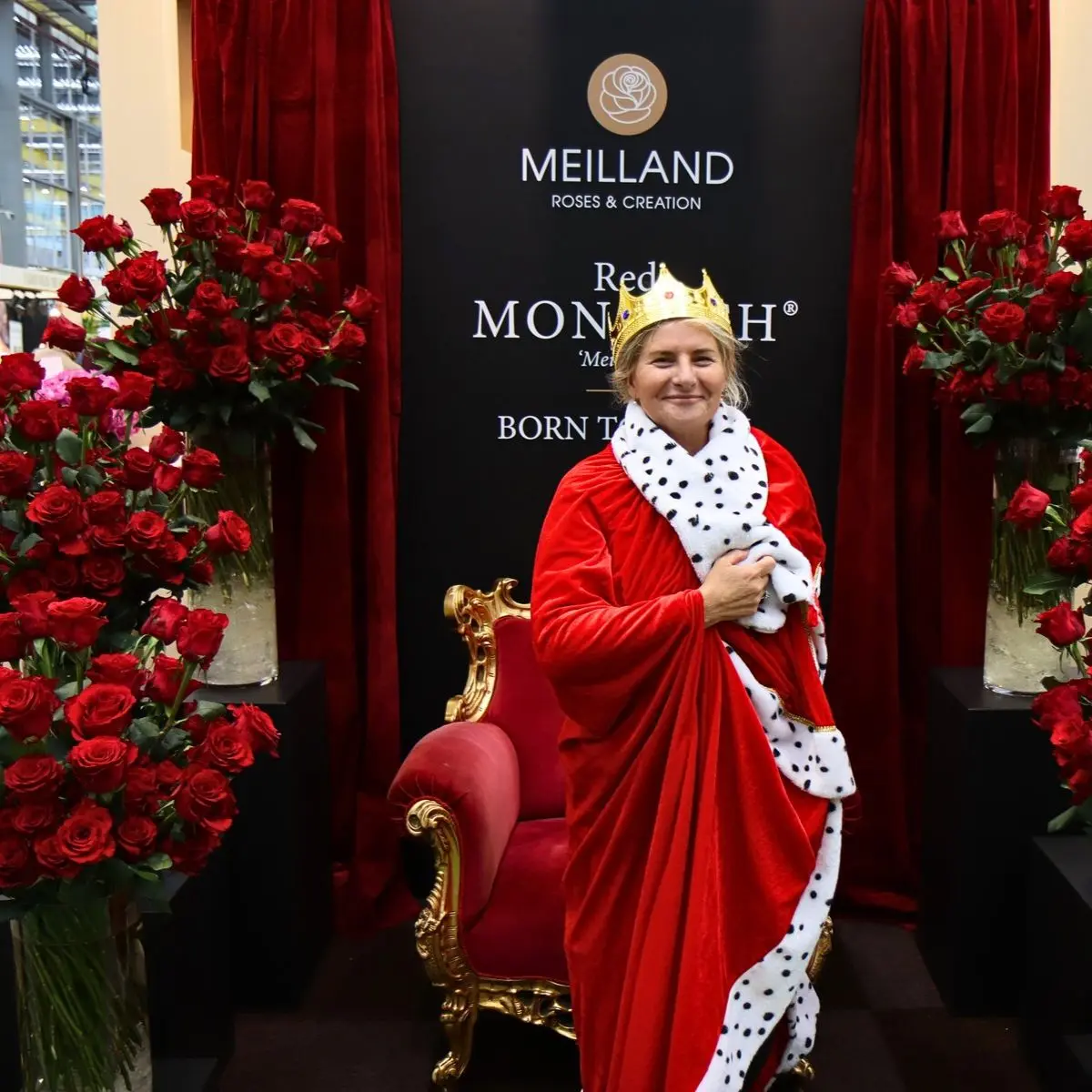
Feature image by Meilland International / Matthias Meilland. Header image by TradeIndia.com.