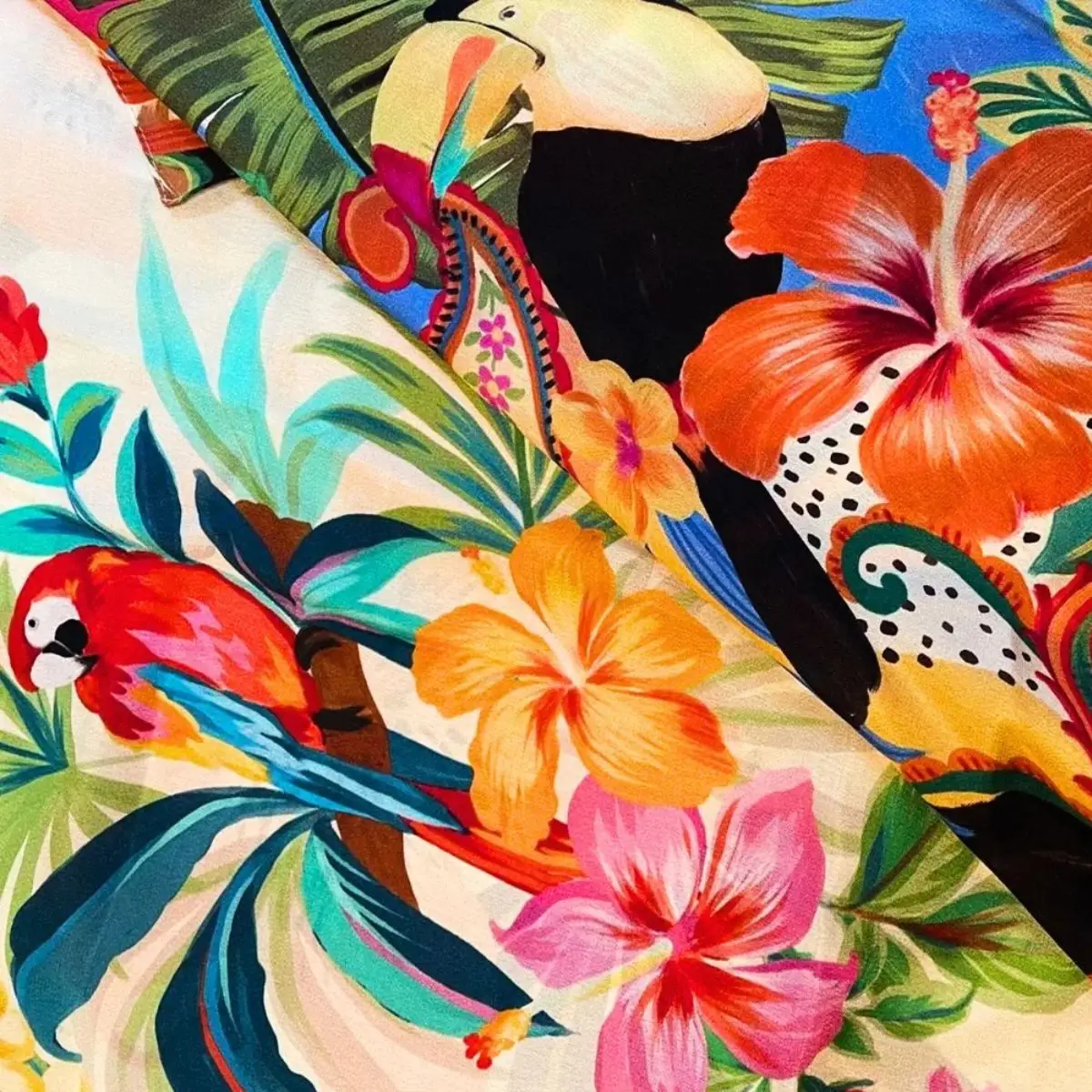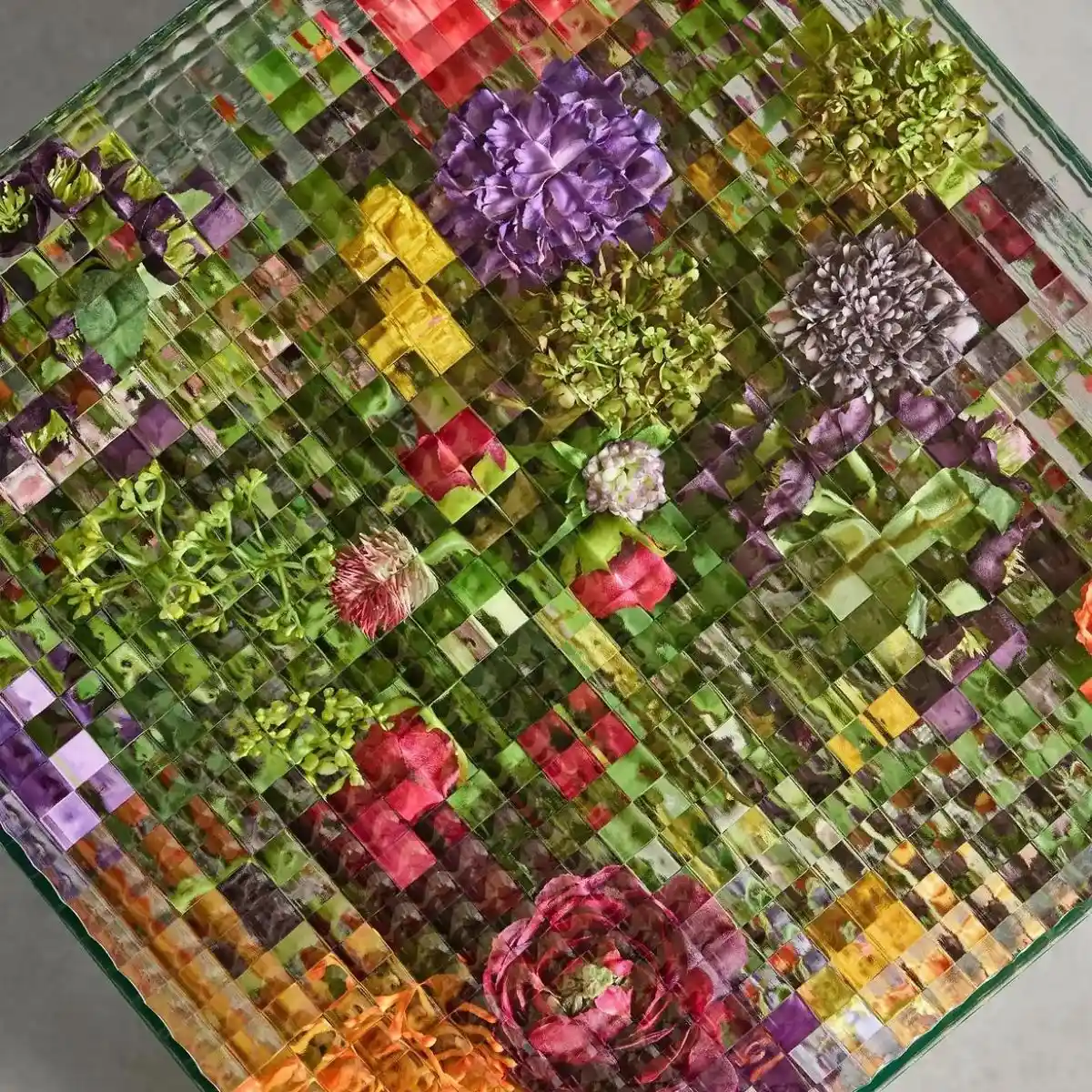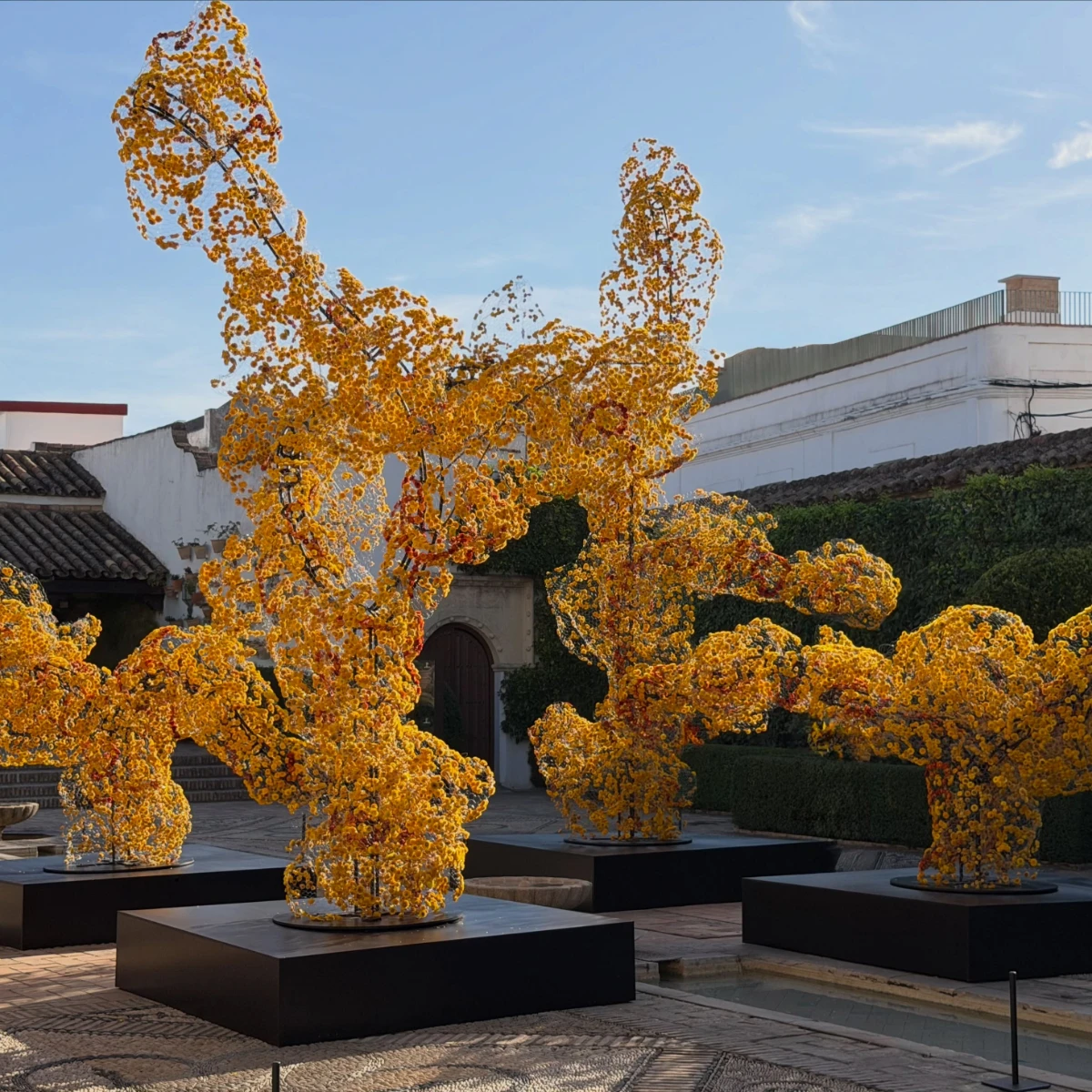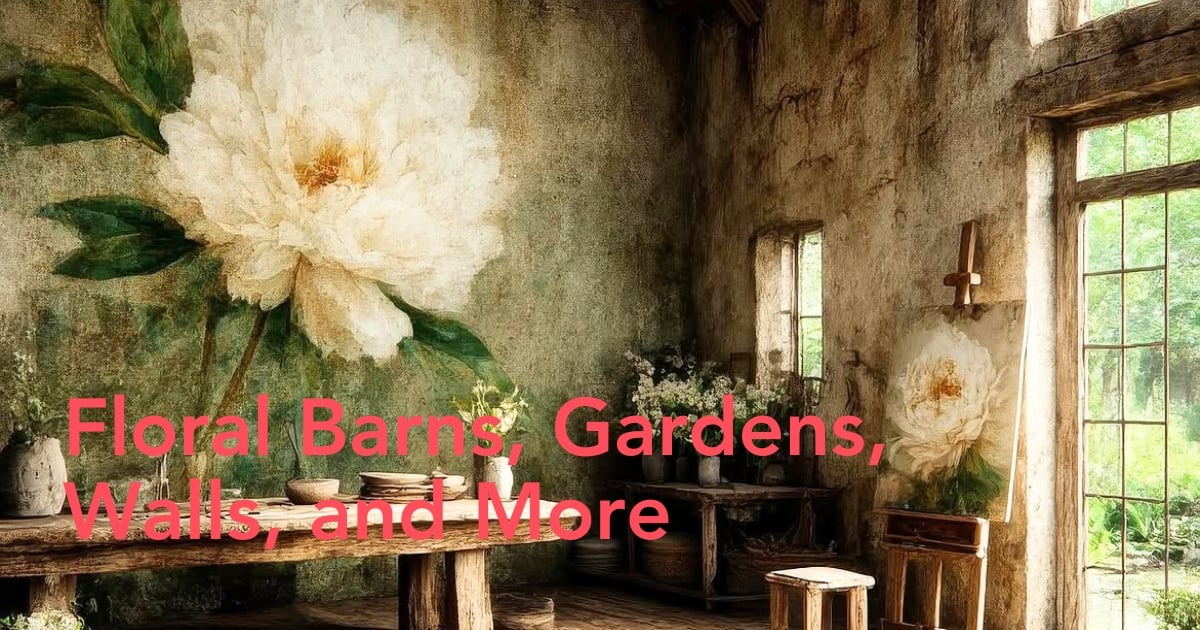
What might a place look like if its starting point was not a building, but a flower, a garden, an old orchard, or the patterns found in nature?
That question sits at the heart of Architamoda, an evolving body of work by creative director Kasey McMahon that brings together artificial intelligence and ecological thinking. The project moves between real places and imagined ones, using AI to explore how materials, land, plants, architecture, and technology might work together.
Flowers and Plants as Blueprints With the Help of AI
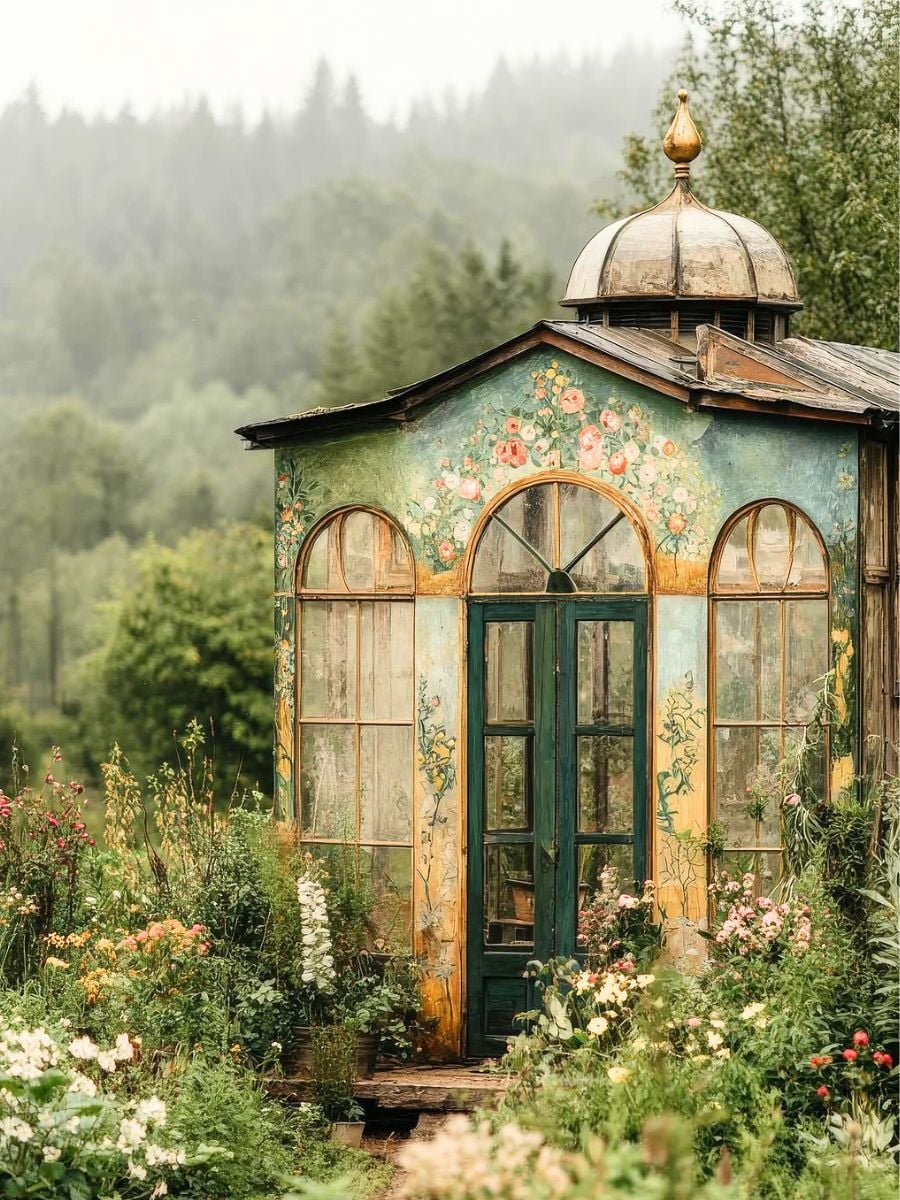
The resulting images can feel almost dreamlike. A greenhouse appears to belong to an old landscape. A familiar building is surrounded by vegetation that seems to have always been there. Floral and botanical patterns move into walls, structures, courtyards, and interiors. But the purpose is not simply to make beautiful pictures. The images are used to ask practical questions about how places could be restored, adapted, and made more closely connected to their surroundings.
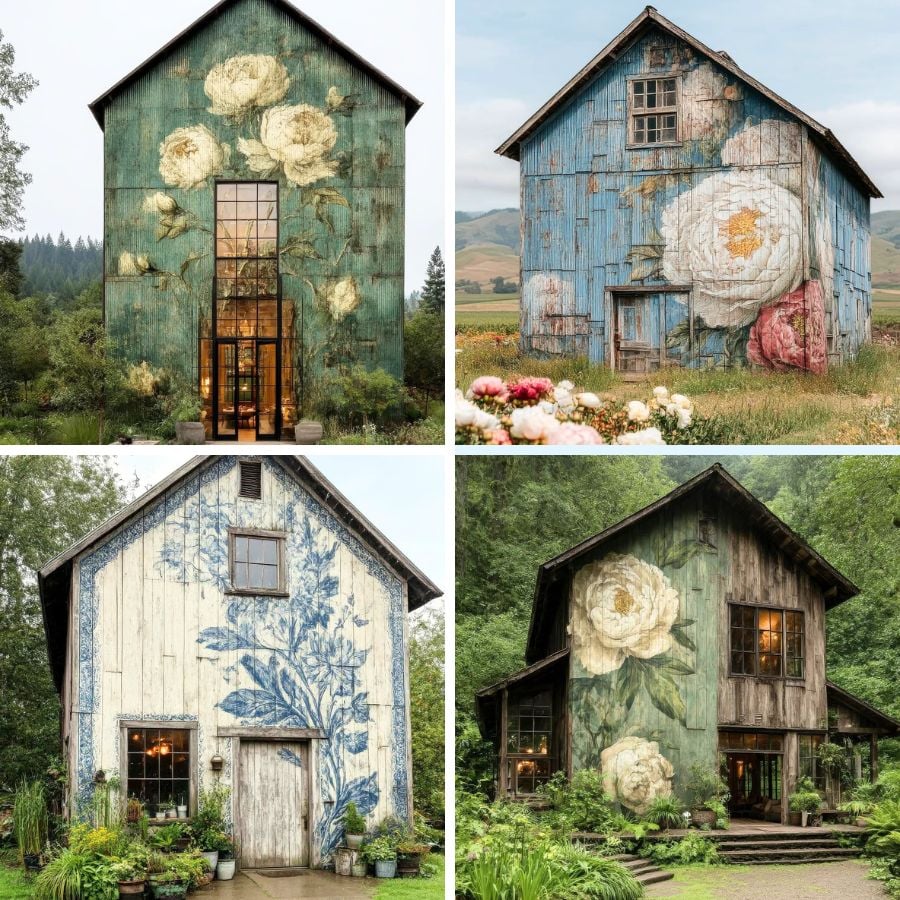
Flowers and plants have always carried their own forms of design. Petals repeat, leaves overlap, stems create structure, and entire ecosystems arrange themselves through relationships between light, water, soil, and living organisms. Architamoda's work plays with these qualities as visual references. Botanical forms can become patterns, textures, proportions, or starting points for imagining a space. A plant can easily become a structure that can help suggest what the building itself might become.
This creates an interesting shift in the way people might look at floral and plant design. A flower can be admired for its color or shape, but it can also provide a language for thinking about space. The same applies to gardens. A garden can influence the entire idea of a place – where people move, where shade falls, what materials are used, and how a structure sits within its surroundings.
AI as a Way to Explore Real Places
The work begins with a strong connection to reality. Architamoda focuses on buildings, materials, and land that already exist, asking what could be restored or adapted instead of automatically replaced. AI becomes a way of testing those possibilities.
AI serves as a visual tool within the creative process, helping explore patterns, materials, systems, and possible directions before decisions are made. The technology opens up different possibilities, while human judgment guides which ideas can translate into meaningful places.
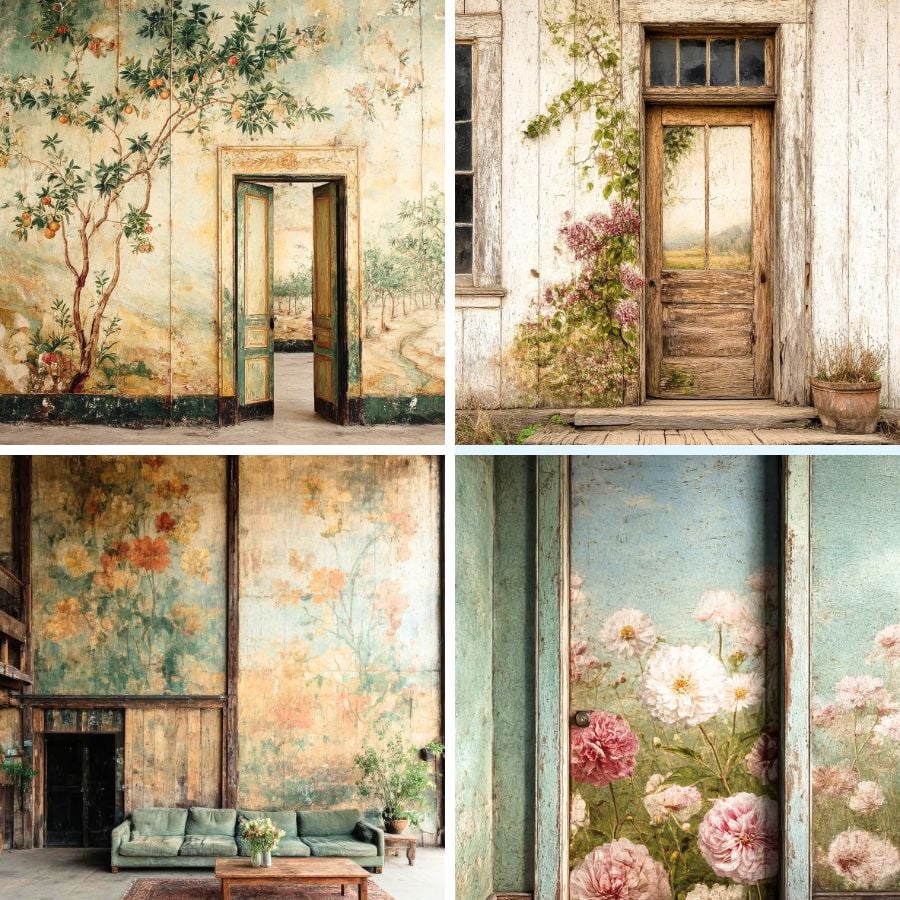
That distinction matters because the images may show places that do not exist, but the thinking behind them is grounded in existing conditions. An old building might suggest a new use. A neglected landscape might become the basis for a regenerative space. Materials that already have a history might be given another life. The imagined version becomes a way of asking what could happen next.
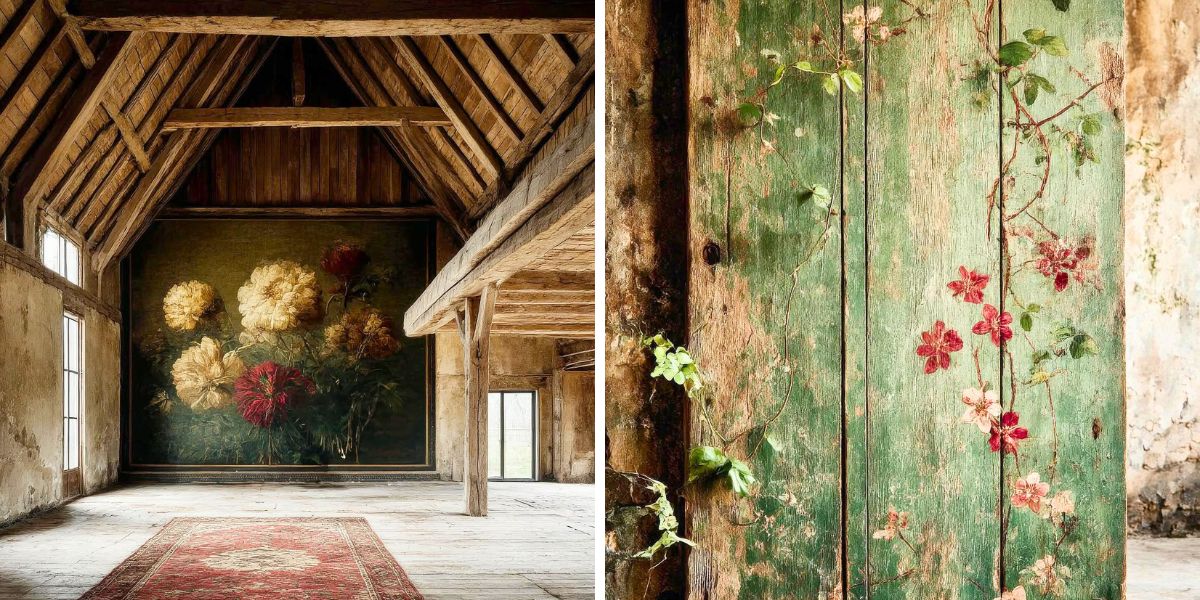
More About Architamoda
At its core, Architamoda asks what an accessible, sustainable future looks like in practice. The work draws from ecological thinking and combines handwork with technology to explore adaptive reuse, land-based design, and environments shaped by restraint and care. It moves between digital ideas and physical systems, looking closely at how materials, technology, and place can work together.
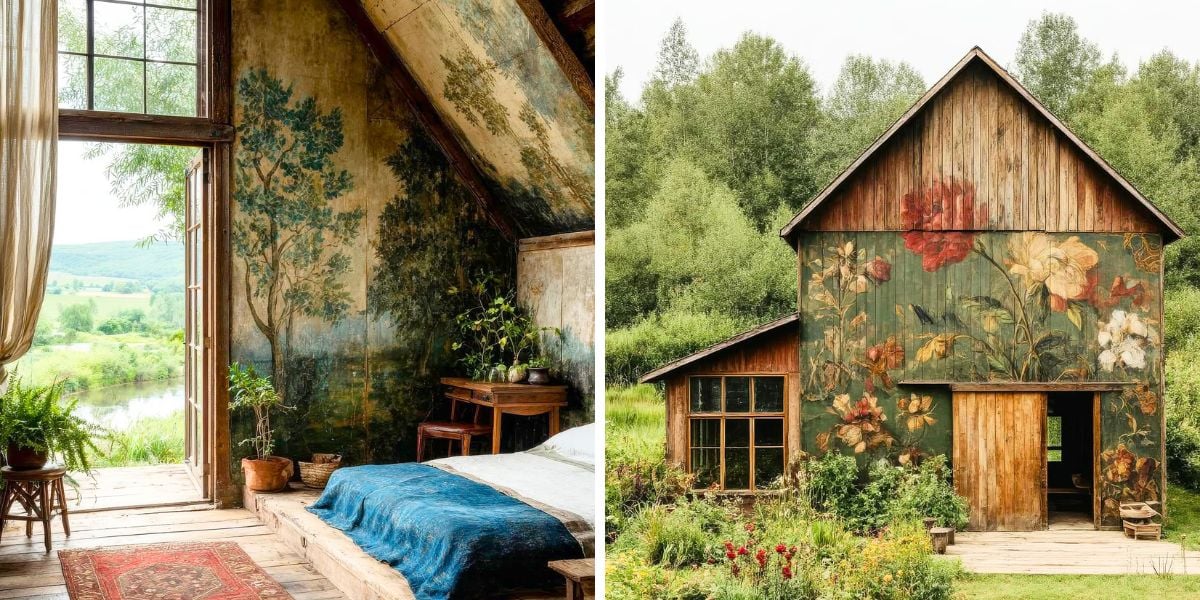
Architamoda uses AI as a tool, not a replacement. It helps test ideas, study patterns, and define direction while keeping human judgment at the center. Beauty is part of the work. Here, beauty comes from balance: spaces that feel alive because they respond to and belong within their surroundings.
Photos: @architamoda.