
Something we all need in 2026 is plants in the home to lift mood, increase productivity, turbocharge creativity, bring wealth, and ensure good luck and prosperity. We all know plants can make you feel better, purify the air quality, and even absorb moisture when it's too humid in your bathroom. But did you also know that certain good luck plants can bring you fortune and positive energy?
12 Plants for Good Luck and Fortune
The importance of plants in your home or workplace cannot be overstated. Extensive scientific research has shown that several of these plants considered lucky are capable of absorbing damaging substances from the air and removing negative energy, while also making you happier just by looking at them. These good luck plants offer additional benefits, including bringing wealth and attracting abundance and prosperity into your life.
The best 12 good luck plants are:
- Money Tree (Pachira aquatica)
- Rubber Plant (Ficus elastica)
- Snake Plant (Sansevieria laurentii)
- Citrus Tree
- Blue Singapore Orchid (Vanda coerulea)
- Holy Basil (Ocimum sanctum)
- Jade Plant (Crassula ovata)
- Lavender (Lavandula angustifolia)
- Peace Lily (Spathiphyllum)
- Money Plant a.k.a. Golden Pothos (Epipremnum aureum)
- Eucalyptus globulus
- Desert Rose (Adenium obesum)

Now, to know more about these plants, here is a breakdown of the best feng shui plants that attract good luck and bring good fortune. Make sure to add a few of these lucky plants to your home and workplace. When luck happens or money flows in, remember this article, and don't forget to donate to a good cause. You can also check these eleven Vastu plants considered lucky for your home.
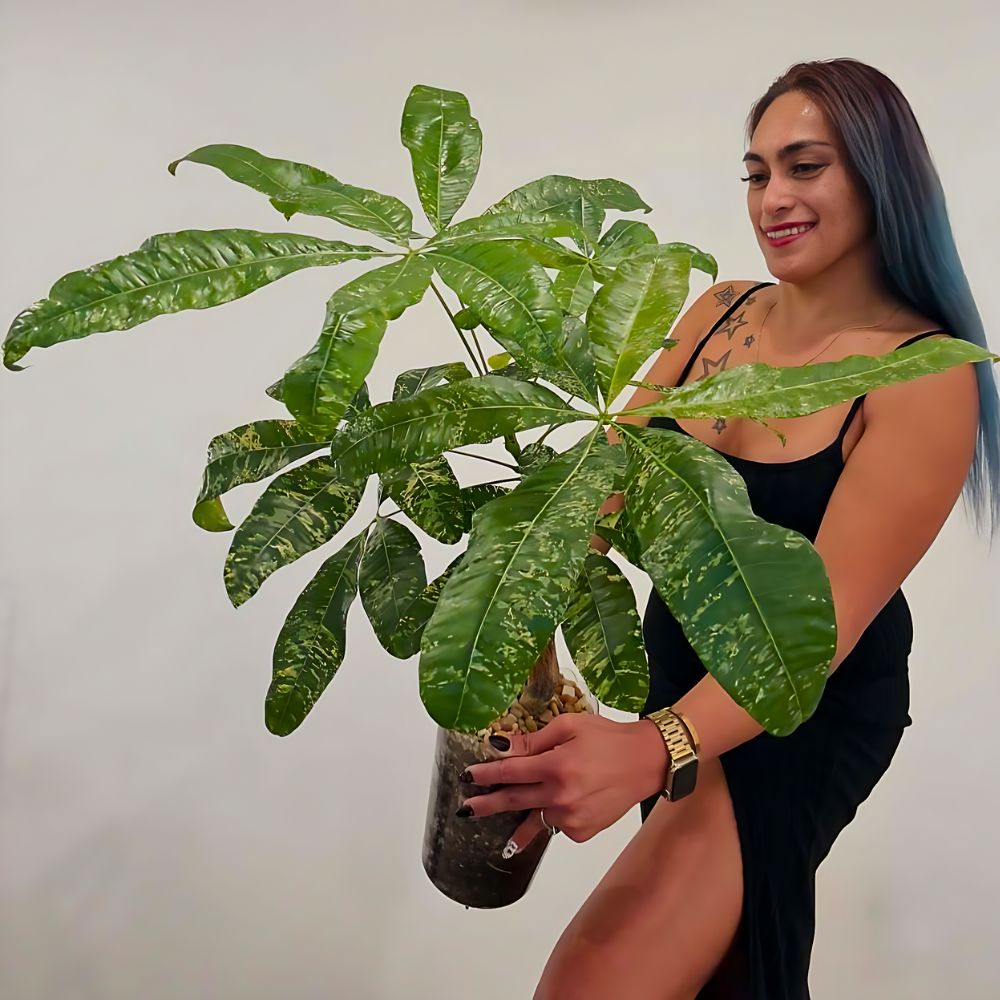
1) Money Tree (Pachira Aquatica)
The number one on this list is the Pachira aquatica, also known as the money tree plant. It is always a great gift to people starting their businesses. In feng shui, this good luck plant is even more effective when placed in your home's wealth corner. The universal wealth corner is southeast of any room, home, office, or garden. To find this feng shui wealth corner, you need to stand in the center of your home with a compass. The north is regarded as the secondary feng shui wealth corner.

There's even a list of the best feng shui plants for attracting good luck and fortune, but strangely enough, this money plant is not always included.
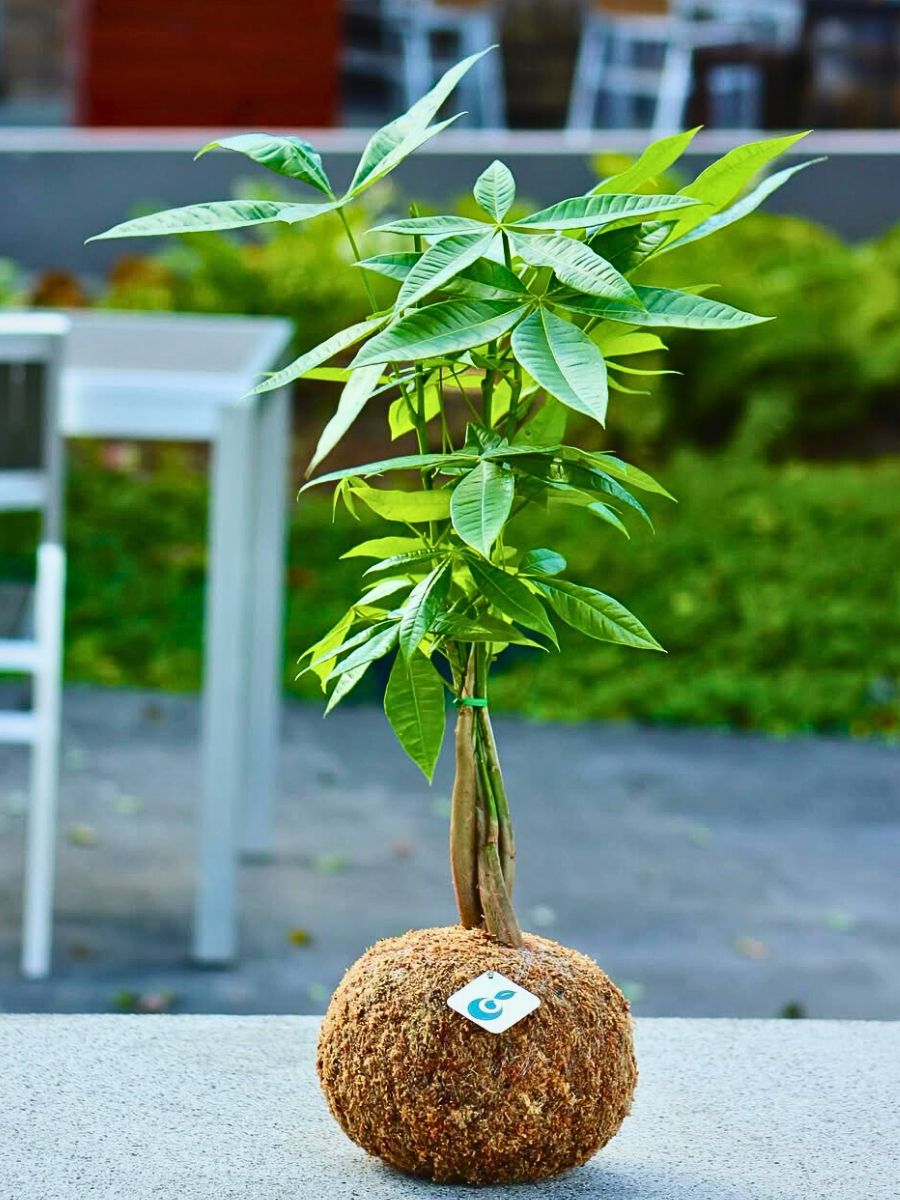
The Pachira aquatica is a tropical tree that is easy to grow indoors in bright indirect light. It often comes with a braided trunk or a very thick trunk that is chopped at the top to start new beginnings from there. The money tree plant may help you with your luck and invite fortune while earning more money at home or at your business. Besides attracting wealth, the Pachira is also a great air purifier. This beautiful plant thrives in indirect light and brings positive energy to indoor spaces.
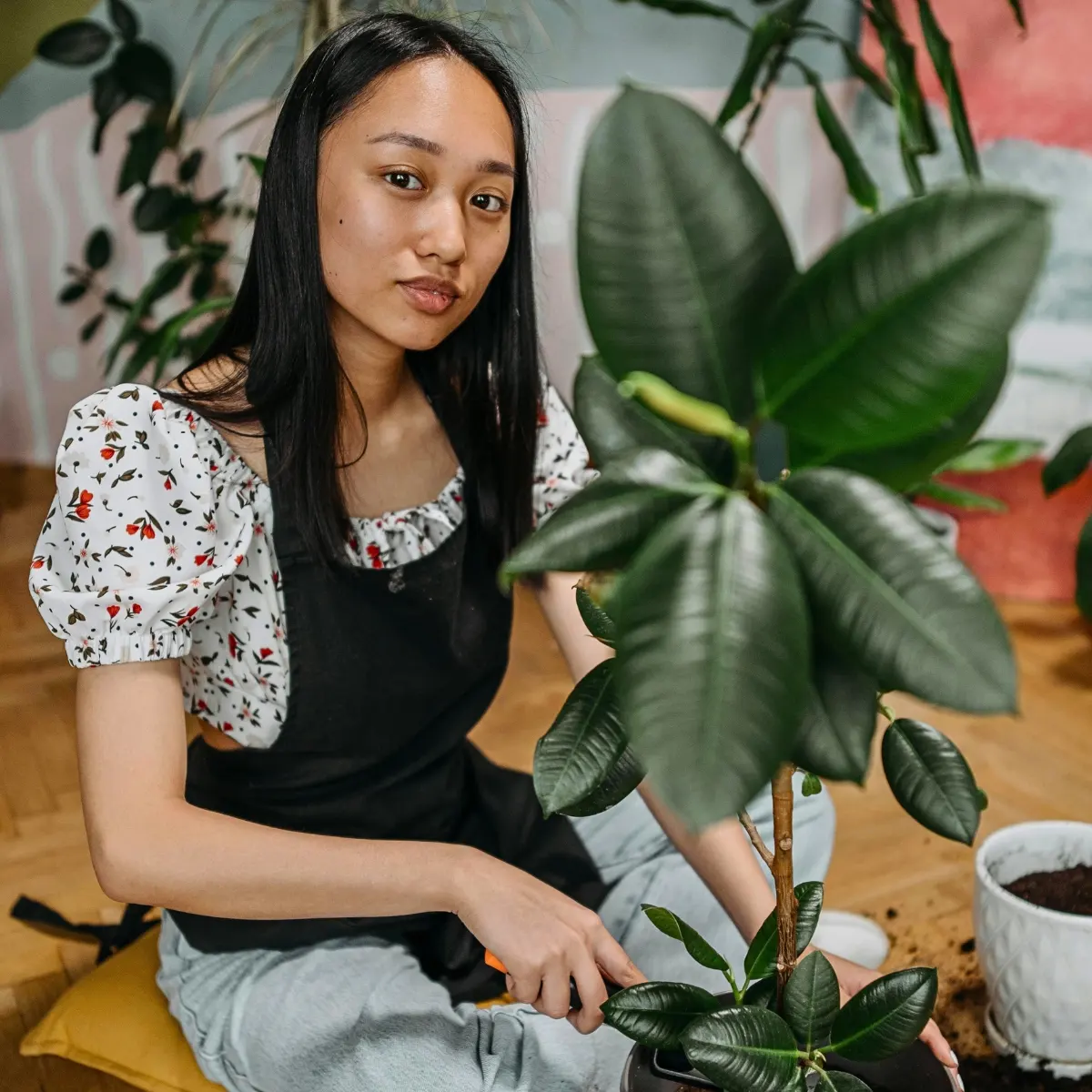
2) Rubber Plant (Ficus Elastica)
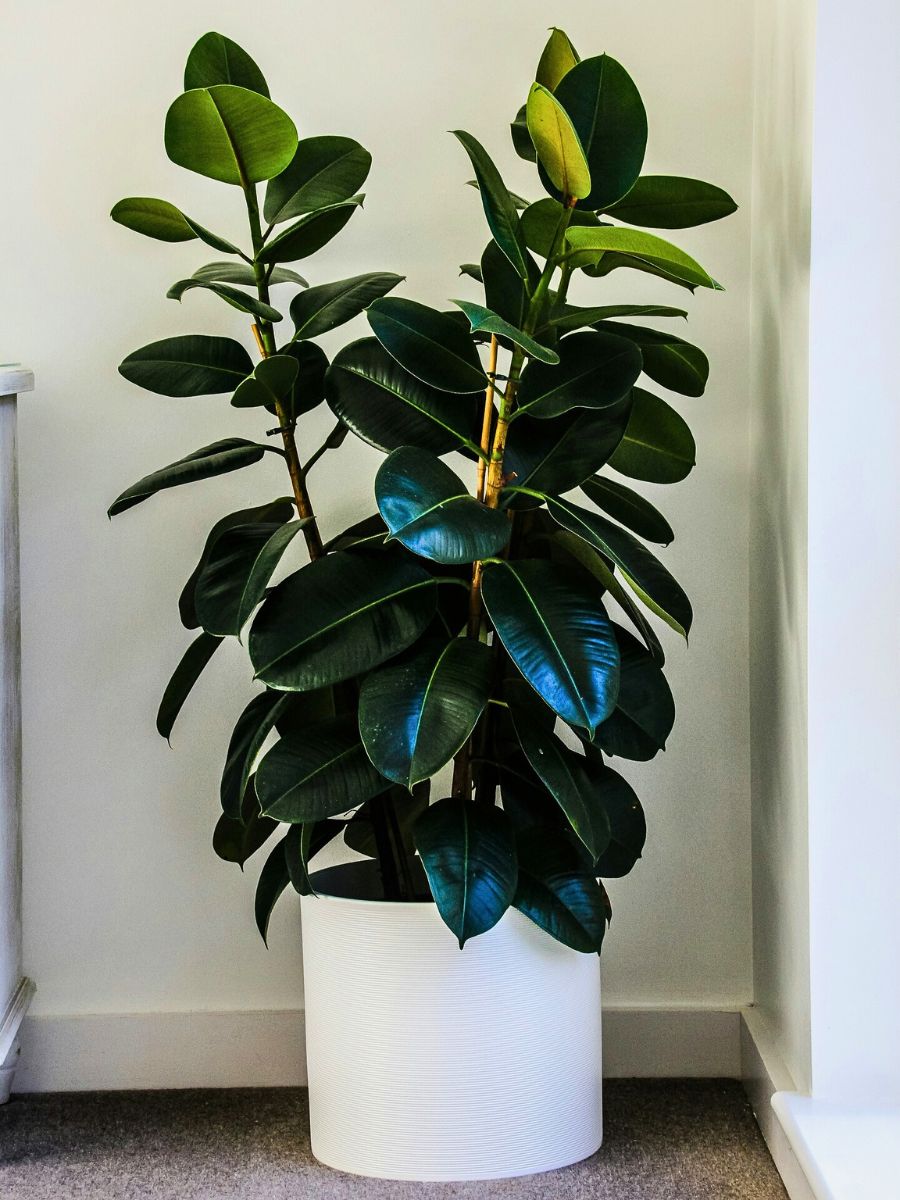
Feng shui says the Ficus elastica species attracts wealth, prosperity, and good fortune. Other names for this indoor good luck tree include rubber fig, Indian rubber bush, or rubber bush. The rubber plant is one of the many types of indoor ficus trees. The Ficus elastica has round leaves symbolizing money and prosperity, with glossy green leaves that catch natural light beautifully. When placed in the home, this lucky plant fosters fortune, abundance, and an increase in wealth. Ficus elastica is also one of the strongest houseplants, making it a popular plant among beginners.
3) Snake Plant (Sansevieria Laurentii)
Sansevieria is funnily called the mother-in-law's tongue or Belgian curtains. When placed in an ideal position, this good luck plant absorbs poisonous gases from the air and improves air quality while eliminating toxins. Snake plants are some of the toughest plants you can find. Whether indoors, in your garden, or on your balcony, these spiky beauties can put up with almost anything, including low light conditions. This feng shui plant exudes strong protective energy and shields residents from negative energy.
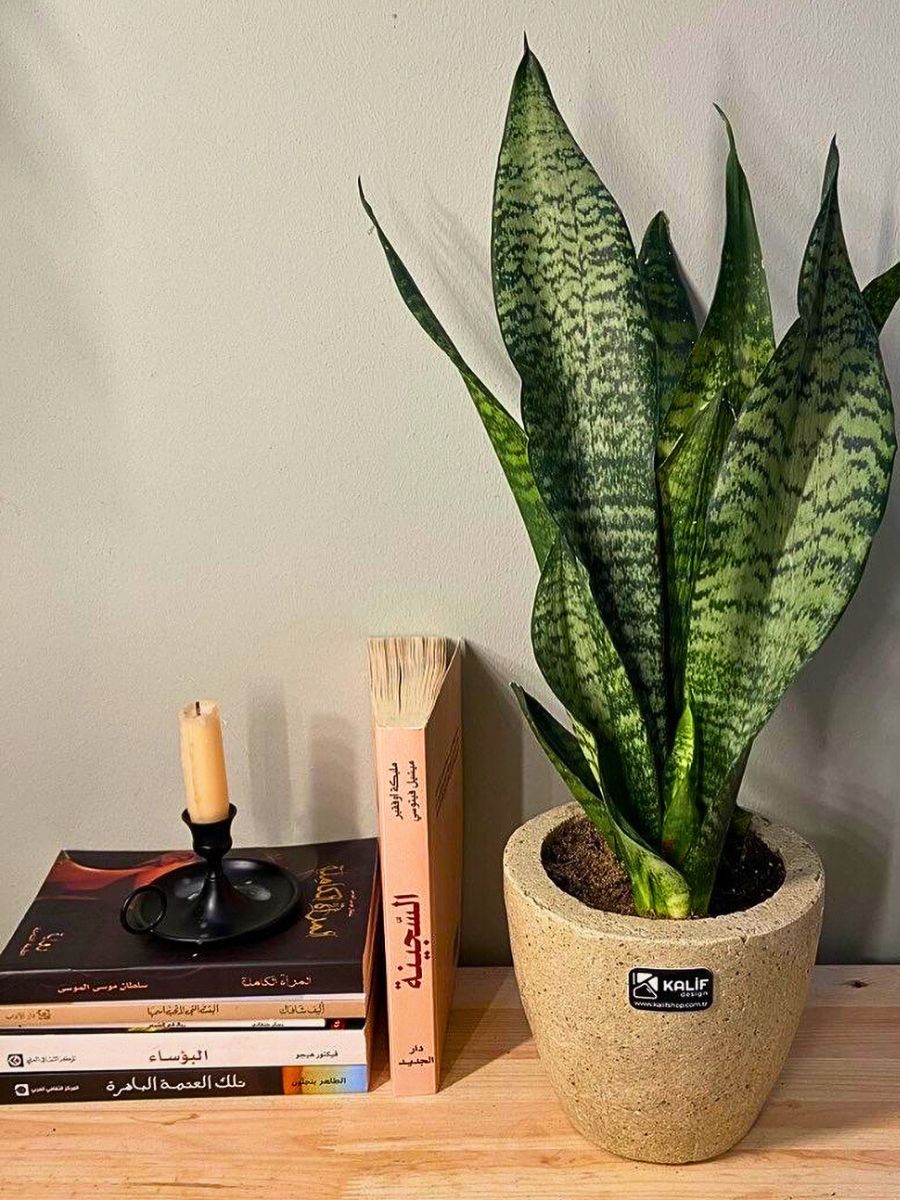
The mother-in-law's tongue thrives in bright indirect light but also tolerates lower light conditions, making it one of the most popular plants for indoor spaces. It's believed to attract money and bring good health to those who care for it. The Sansevieria laurentii is also one of the top dorm room plants for college students.
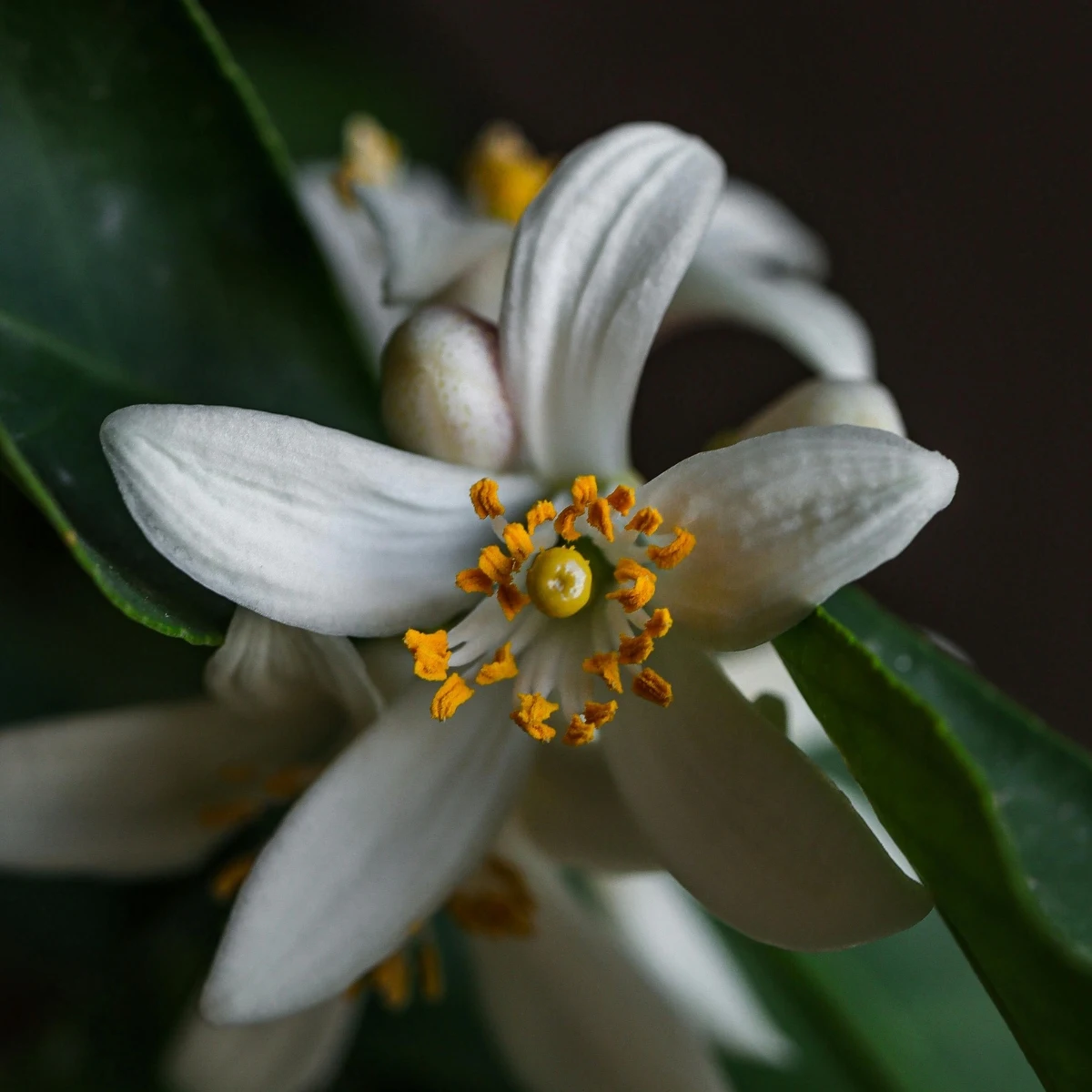
4) Citrus Trees
Potted citrus trees are popular plants that, with some special care, can be grown in containers. Some of the best varieties of citrus, such as lemons or limes, can grow in a pot for years and produce an abundance of fruit. Citrus trees are extremely fragrant when flowering. All varieties of citrus trees are considered lucky plants in many cultures. Especially since many citrus fruits are round and gold, resembling coins for attracting wealth. And the more fruit your tree has, the luckier it is.
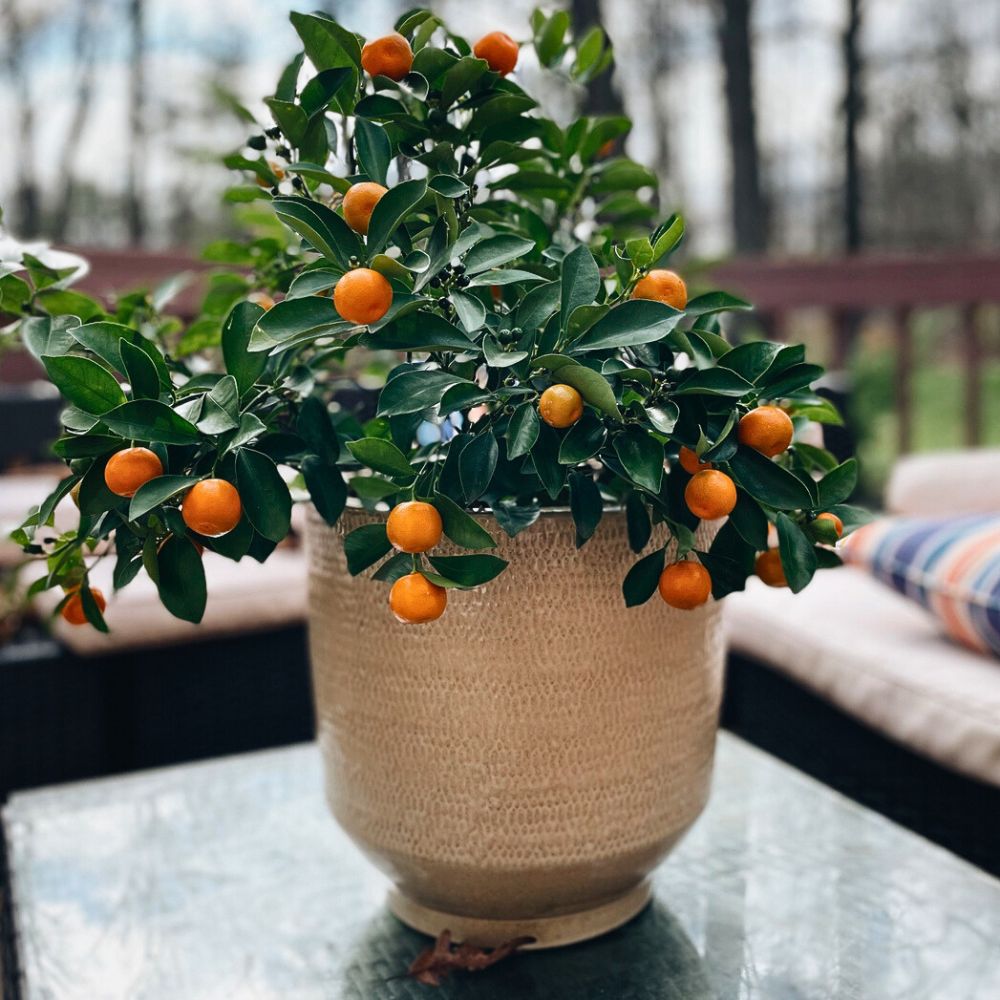
These potted citrus trees need full sun to thrive and bring good fortune. They're popular gifts to celebrate the Chinese Spring Festival and even St. Patrick's Day, symbolizing prosperity and new beginnings. Water when the soil feels dry, but avoid drowning the roots. Check the top inch of soil before watering.
5) The Blue Singapore Orchid (Vanda Coerulea)
The name Vanda comes from the Urdu name for one of the species, Vanda tessellatta, which has now been adopted as a common name for the whole genus. The blue Vanda coerulea is one of the most beautiful flowering plants, with its special color, and the only orchid that flowers in real blue. Blue is generally a happy color, no matter what shade you choose.

Vandas are not just design elements. According to feng shui, orchids have the unique ability to bring good luck and fortune in love while improving your home environment. Of all orchids, the Blue Vanda is the most eye-catching, believed to attract positive energy and success. This beautiful plant is one of the absolute best bathroom plants, thriving in the humidity and natural light of indoor spaces.
6) Holy Basil (Ocimum Sanctum)
Ocimum sanctum, also known as Holy Basil or Tulsi, is well known for its medicinal and spiritual properties in Ayurveda, helping to heal and control many discomforts and diseases. Holy Basil holds tremendous religious and mythological significance in Hindu philosophy. But the root of this significance lies in its properties of purification, eradicating negative energy, killing bacteria, and stimulating positivity through good energy.

It is believed that meditating in front of this potted plant could awaken passion in humans and bring a sense of calm when it is eaten. This lucky plant is widely used in India for its symbolism and ability to bring good health and peace to the home.
7) Jade Plant (Crassula Ovata)
Whether the jade plant is going to show you the money, many people in the past and in Chinese culture today believe they do. Crassula ovata, commonly known as jade plant, lucky plant, money plant, or money tree, is a succulent with small pink or white flowers. It's recognized for its thick, fleshy, shiny, smooth leaves that grow in opposite pairs. These coin-shaped leaves range in color from dark jade green in the shade to red on the edges when exposed to direct sunlight. Their branches thicken with age.

Even if it doesn't provide extra cash, the Crassula ovata is a great houseplant that many have fond memories of from growing up. This good-luck plant might be one of the most common and popular succulents out there. The glossy green leaves and round leaves symbolize coins, making it a favorite for those seeking to attract good luck and prosperity.
Jade plants prefer bright indirect light but can tolerate some direct sunlight. Water when the soil feels dry, checking the top inch before watering to avoid drowning. It's an excellent addition to your garden or indoor spaces and is considered one of the best houseplants for beginners.
8) Lavender (Lavandula Angustifolia)
Make sure to put Lavender by the door for luck. When you do that, and as you pass through, a bit of the luck will waft up and dispel the negative that might try to follow. Lavender is known for calming nerves, quieting the mind, allowing for good sleep, and reducing stress. It's also a disinfectant when used in cleaning products, and it smells heavenly! This good luck plant brings positive energy and happiness wherever it's placed.

Lavender is also one of the healing medicinal plants that can easily be grown at home. It symbolizes longevity, peace, and new beginnings in many cultures. This beautiful plant thrives in full sun and well-drained soil, making it an excellent gift for those seeking to attract good fortune.
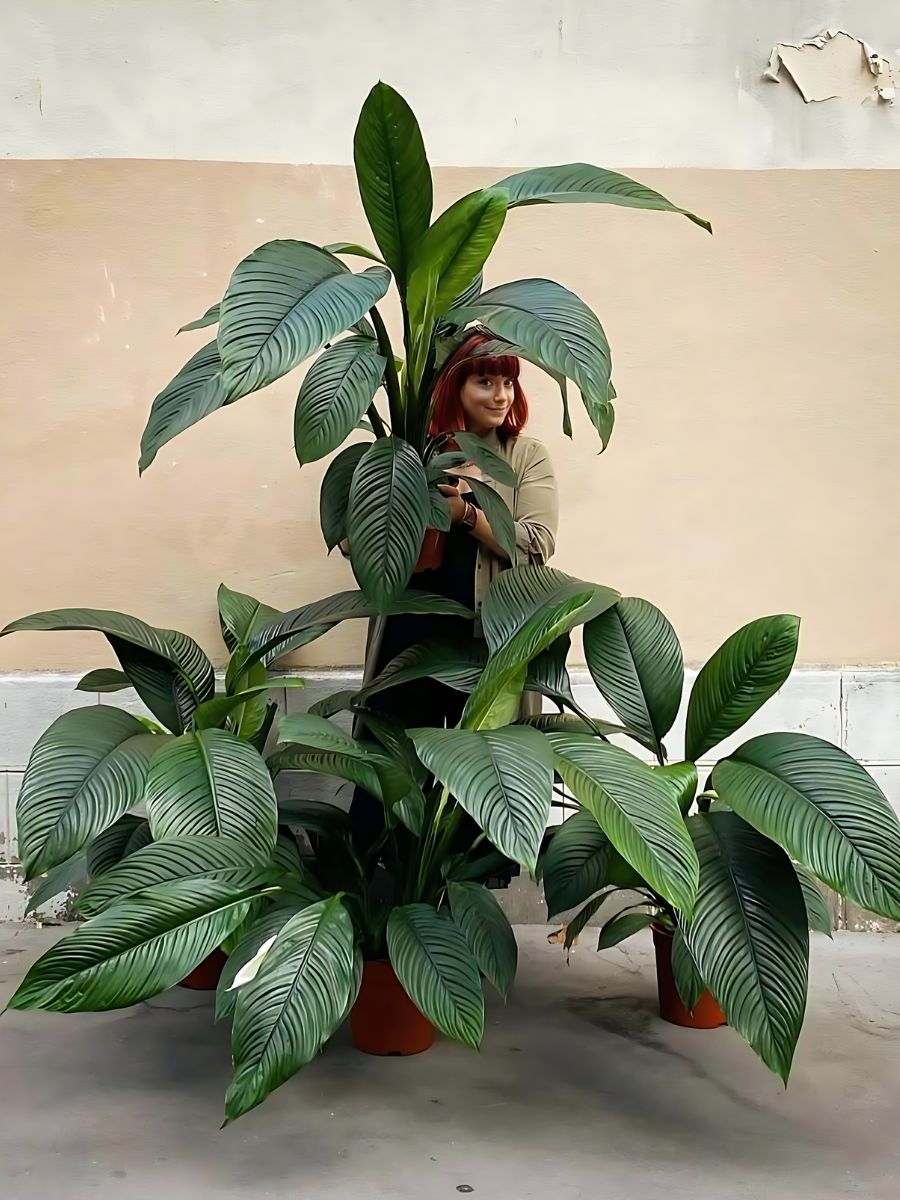
9) Peace Lily (Spathiphyllum)
Native to tropical Americas, the peace lily is considered a fortune plant. It can remove a wide range of environmental contaminants and improve air quality. Beautiful, green, and fresh, this feng shui plant is low-maintenance and equally striking, making it ideal for office spaces and homes. What more do you want? When you search for this plant, you'll find many articles about the Spathiphyllum. It's air-purifying, shade-tolerant, and extremely easy to take care of.
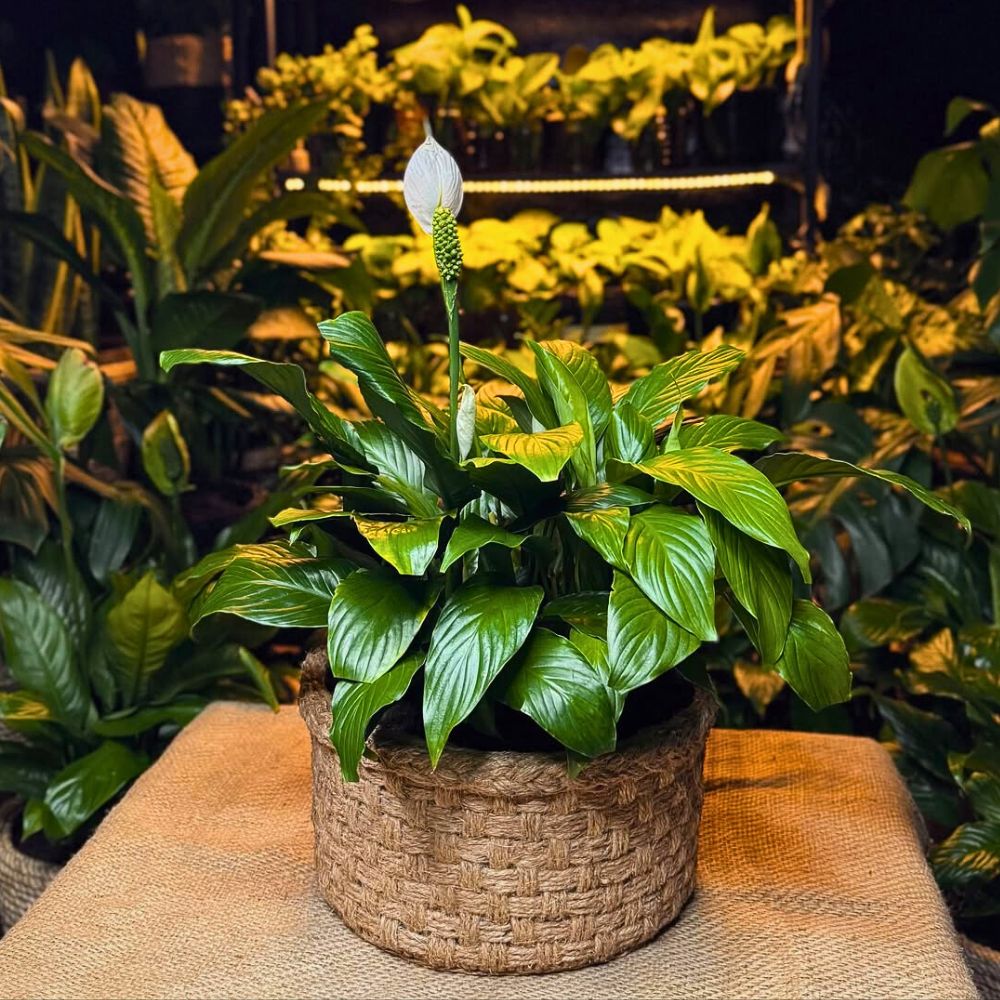
The peace lily thrives in low light to bright indirect light, making it one of the most versatile lucky plants for indoor spaces. This potted plant not only attracts good luck but also helps reduce stress and eliminate negative energy from the environment. It's believed to bring good fortune, peace, and positive energy to any room, making it a must-have plant for your desk or home. Water when the soil feels dry, but avoid drowning the roots.
10) Money Plant (Golden Pothos - Epipremnum Aureum)
According to feng shui, the money plant, besides bringing good luck and money, also harmonizes human existence with the surrounding environment. That, and the smooth and round golden leaves that resemble coins, mean good fortune! It is also known that the Epipremnum aureum has deep roots and vibrant growth. The money plant oozes with positive energy and is believed to attract money and prosperity.
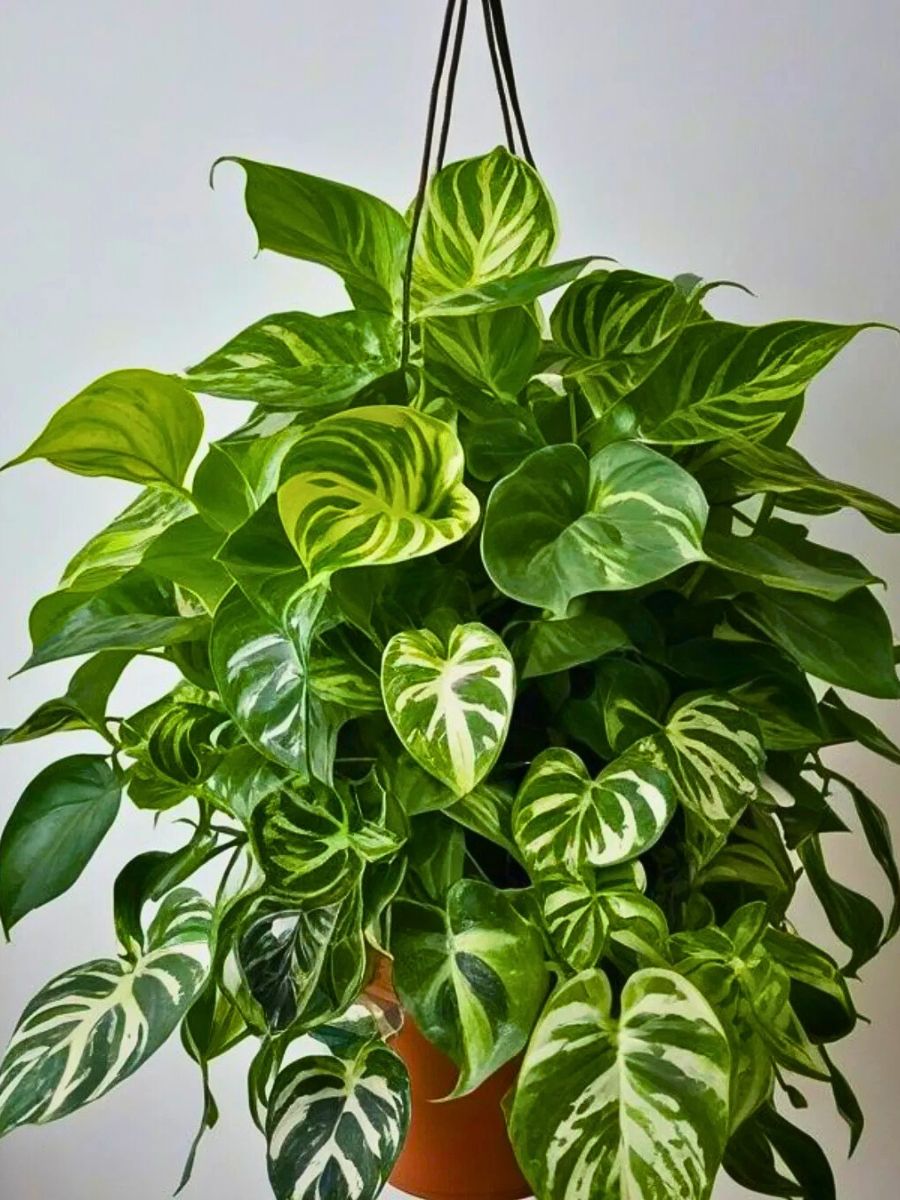
This lucky plant features glossy green leaves that bring life and energy to any space. It is one of the most popular plants for attracting wealth and success. It thrives in bright, indirect light or even low light, making it perfect for indoor spaces. This potted plant is also excellent at purifying the air quality and removing toxins from the environment.
Water your money plant when the top inch of soil feels dry, checking it before watering. It's considered one of the best feng shui plants for those seeking abundance and prosperity.
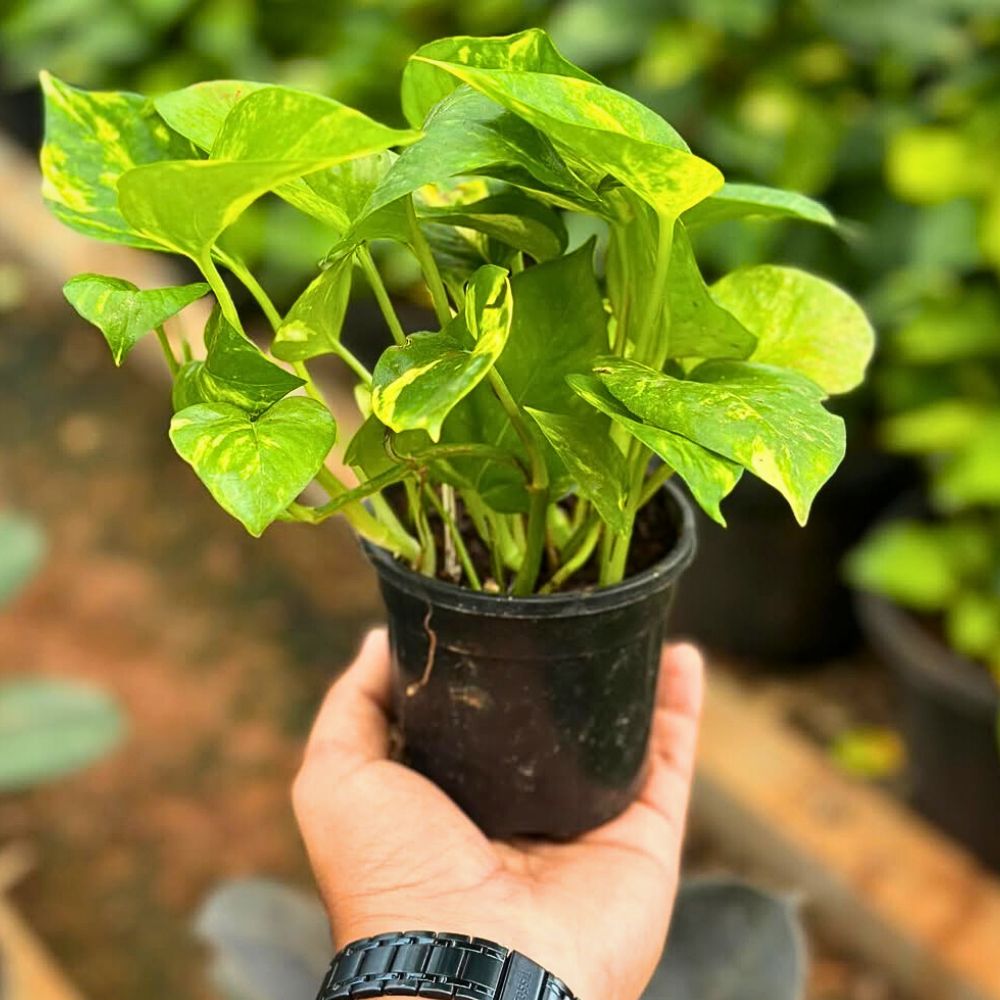
11) Eucalyptus (Eucalyptus Globulus)
We know Eucalyptus as an energizing plant with a soothing scent. These scent characteristics are associated with cleanliness and a fresh start, symbolizing new beginnings. Eucalyptus is also a great air purifier and is known for its medicinal properties that promote good health. This beautiful plant doesn't only exist to feed koalas - it brings positive energy and happiness to indoor spaces and gardens.
Eucalyptus attracts good luck and helps eliminate negative energy from the environment. It's believed to bring prosperity and longevity in many cultures. This lucky plant prefers full sun to bright indirect light and well-drained soil. Make sure the soil feels dry before watering to avoid drowning.

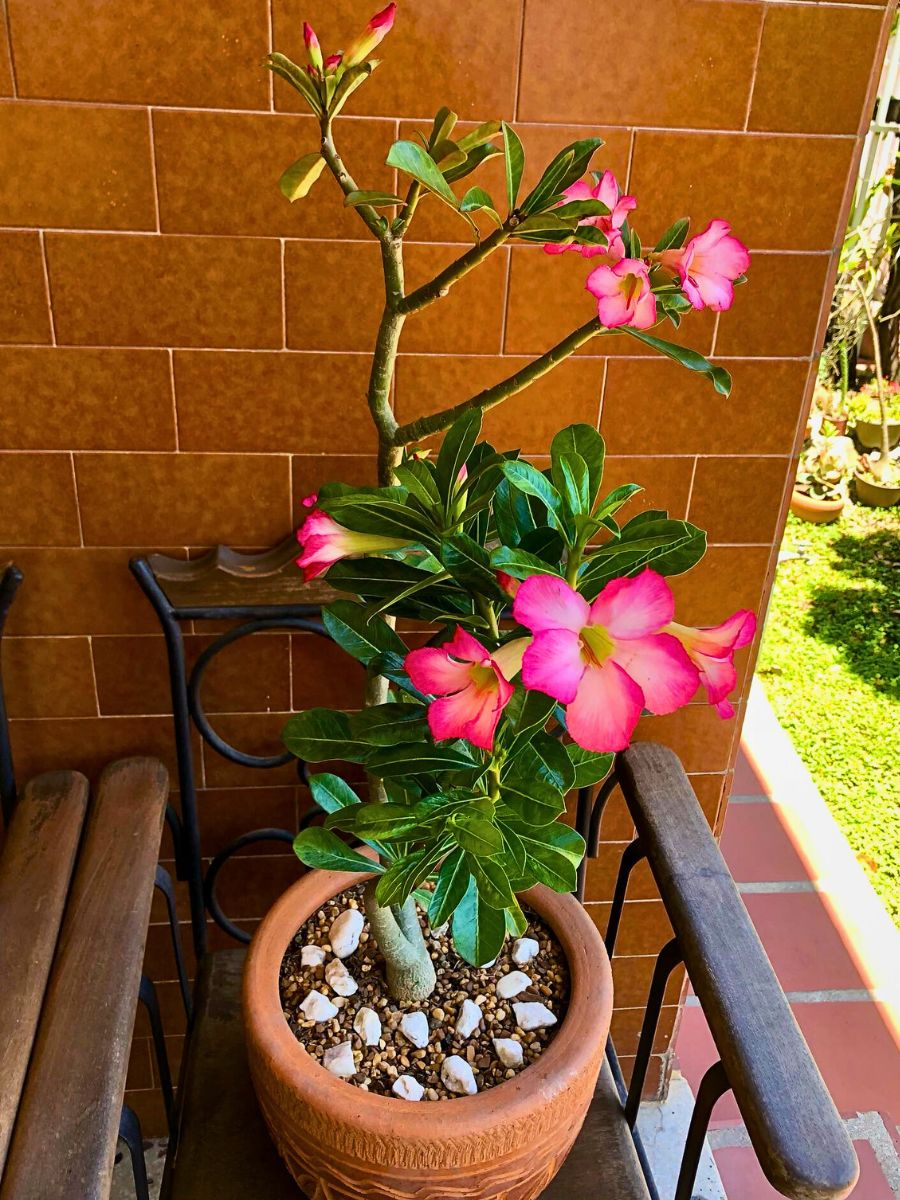
12) Desert Rose (Adenium Obesum)
These lovely, flowering small trees are known as wealth plants in Chinese culture and are considered lucky for the Chinese Spring Festival. The Adenium has thick, swollen roots—the luck comes from there, symbolizing abundance and fertility. Plants with red and pink flowers are auspicious and believed to attract wealth and bring good fortune. Adeniums are commonly known as Desert Roses. The 'desert' part is correct as they come from Africa and the Middle East, but they're certainly not roses.
Adenium obesium is more related to Alamandas, Oleanders, and Frangipanis. In a tropical garden, it's a powerful plant. This beautiful plant thrives in full sun to bright indirect light. Water when the top inch of soil feels dry, avoiding overwatering. It's an excellent gift for those seeking prosperity and success.
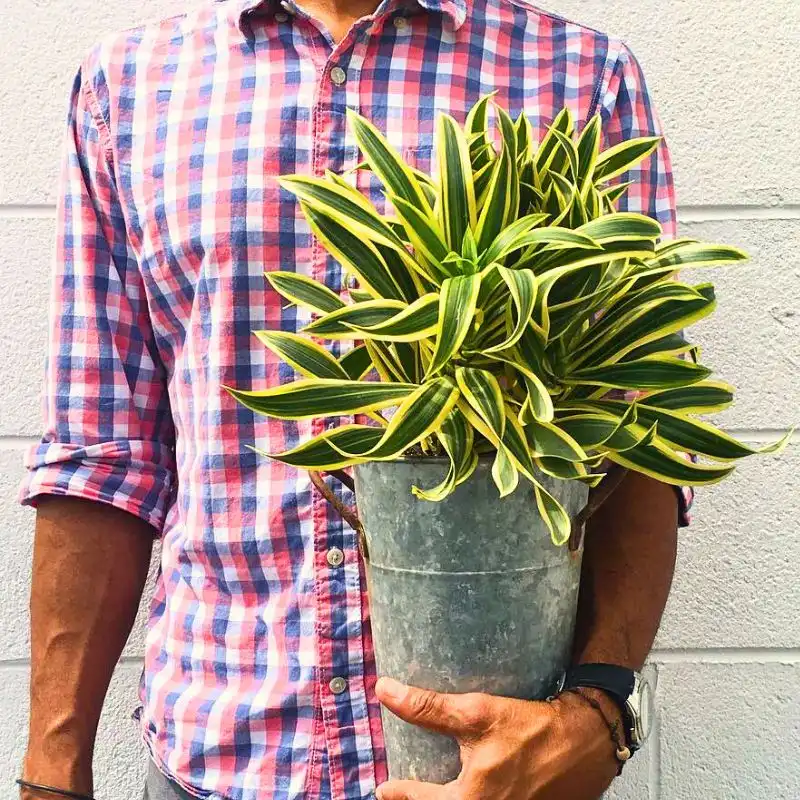
(Bonus) Lucky Bamboo (Dracaena Sanderiana)
This one is tricky, as it is not real bamboo. Lucky bamboo, also called Dracaena sanderiana, is not related to bamboo. As long as it is leafless, the trunk stems only resemble bamboo. In recent years, the trunks have also been sold under the name Lucky Bamboo. They are usually rootless and leafless and may appear straight or spiraled. They are widely used in flower arranging work.
Asian cultures have long regarded the bamboo plant as a symbol of good fortune and luck. The Chinese call the Lucky Bamboo 'Fu Gwey Zhu' with three symbols that signify Fu (Luck and Fortune), Gwey (Power and Honor), and Zhu (Bamboo). What do you think? Will it give you good luck, or is it well-marketed?

This good luck plant brings positive energy to indoor spaces and is believed to attract money and prosperity. It thrives in bright indirect light to low light conditions and can be grown in water or soil. Lucky bamboo is one of the most popular plants for those seeking to invite fortune into their lives. The number of stalks matters: two plants or stalks represent love, while other plants or combinations represent different forms of abundance.
Water plants grow when the soil feels dry. Also, check the top inch to avoid drowning. Change the water regularly for those grown in water to maintain good energy and prevent bad luck.

About Feng Shui and the Allure of Plants for Good Luck
According to feng shui, any tropical plant in your home or office helps remove toxins from the air and improve air quality. These feng shui plants stimulate positivity, prosperity, and peace while eliminating negative energy from indoor spaces. There's a lot to the feng shui of positioning plants, so make sure to learn more before you begin arranging your lucky plants.
Understand that going green is a choice, and a wise one for that. Nature in any form, in a closed or open space, adds, besides all the benefits mentioned above, a unique characteristic to the space around it. Plants bring life, positive energy, and good fortune to the environment. Whether you choose potted plants for indoor spaces or create a garden outdoors, these plants for good luck will attract wealth, abundance, and happiness into your life.
The best feng shui plants not only beautify your space but also promote good health, reduce stress, and foster a sense of peace and harmony. From the money tree plant with its coin-shaped leaves to the snake plant's ability to improve air quality, each offers unique benefits beyond aesthetics.
When choosing plants for good luck, consider factors like natural light availability, whether you need plants that thrive in bright indirect light or low light, and your commitment to plant care. Remember to water when the soil feels dry, avoid drowning by checking the top inch of soil, and provide appropriate conditions for each plant.

These good-luck plants make an excellent gift for holidays like the Chinese New Year, new beginnings, or any occasion when you want to invite fortune into someone's life. It does not matter whether you believe in their mystical properties or appreciate their beauty and air-purifying qualities; these plants are sure to bring joy, prosperity, and positive energy to any space they inhabit.
Feature image by @thelifeisgreen. Header image by Lum3n.