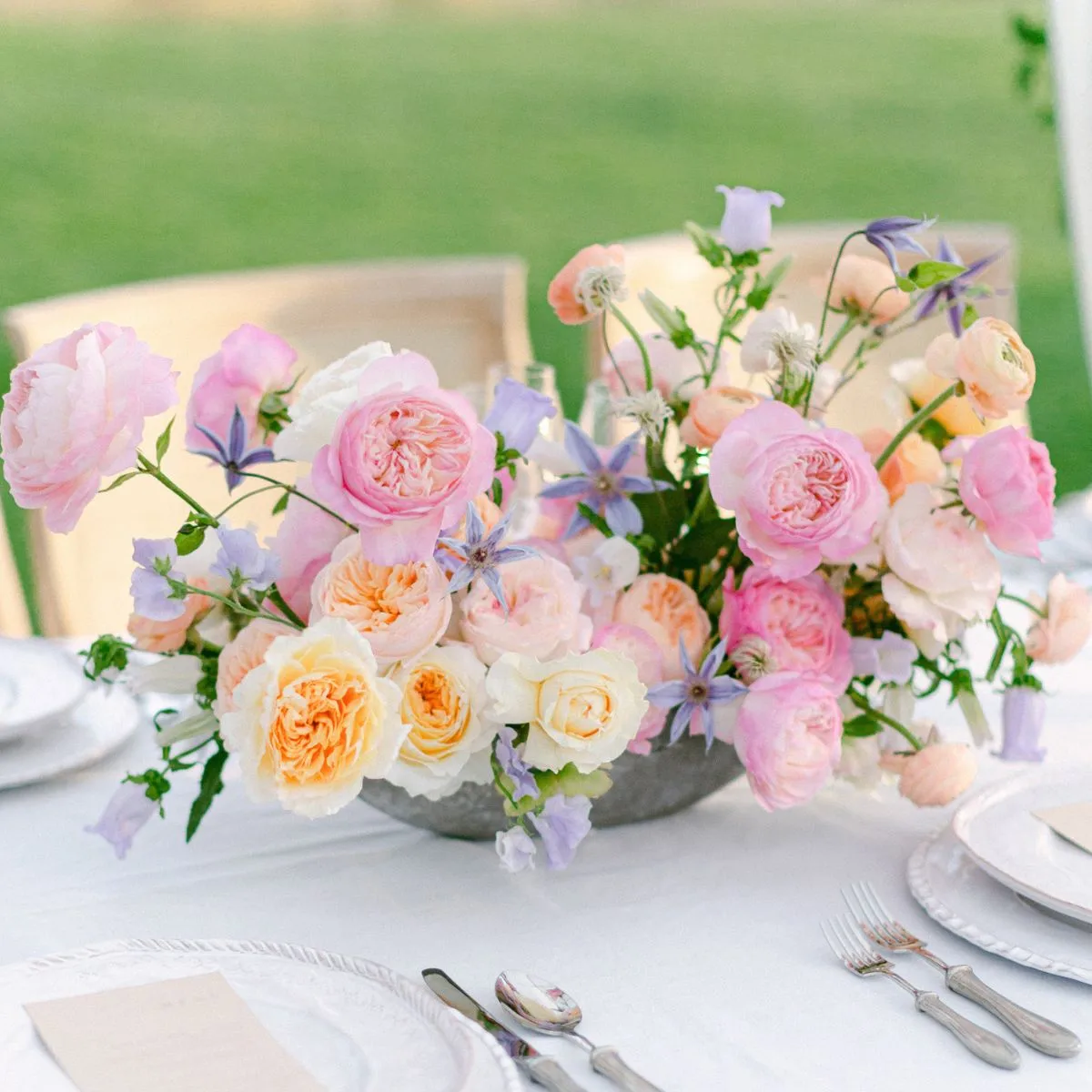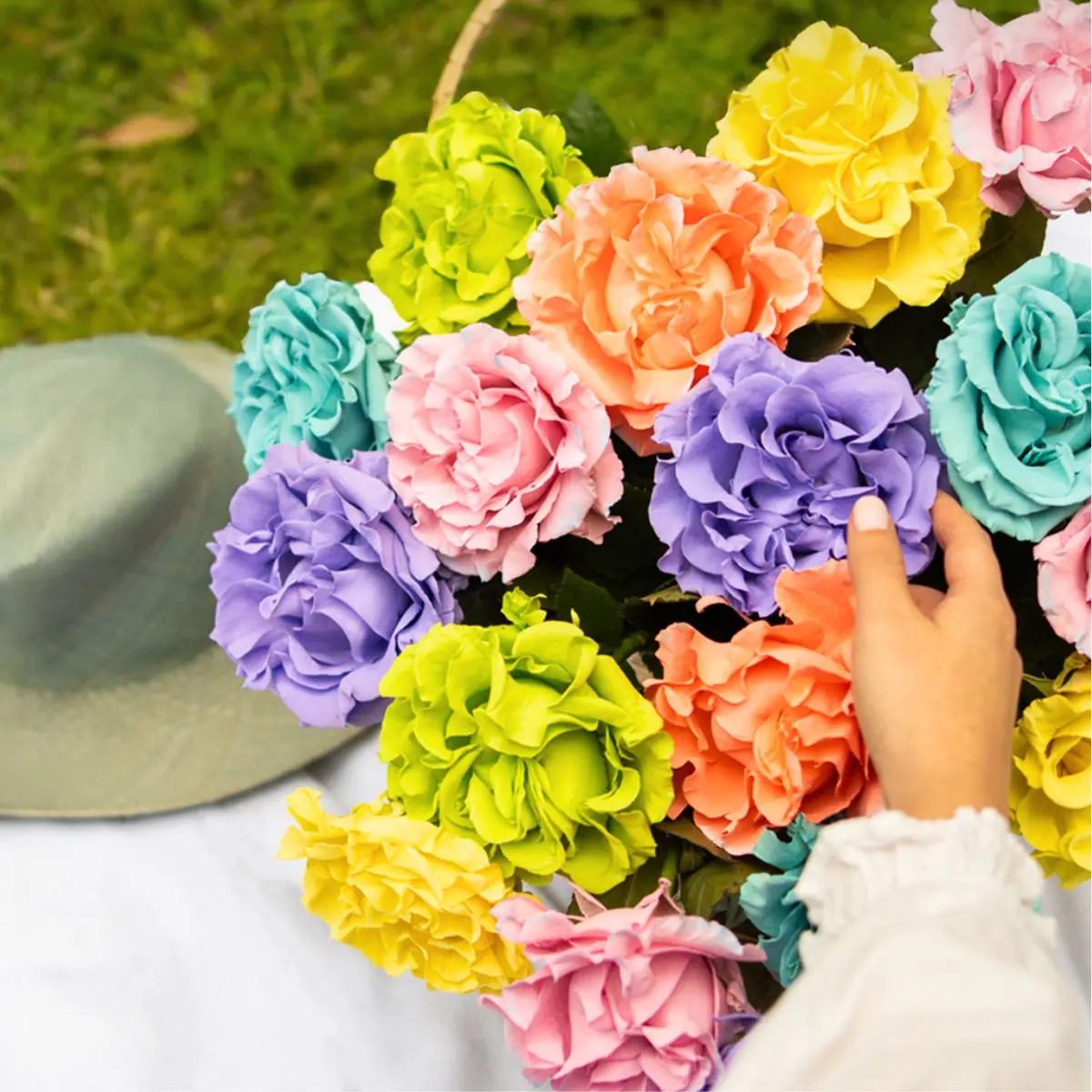
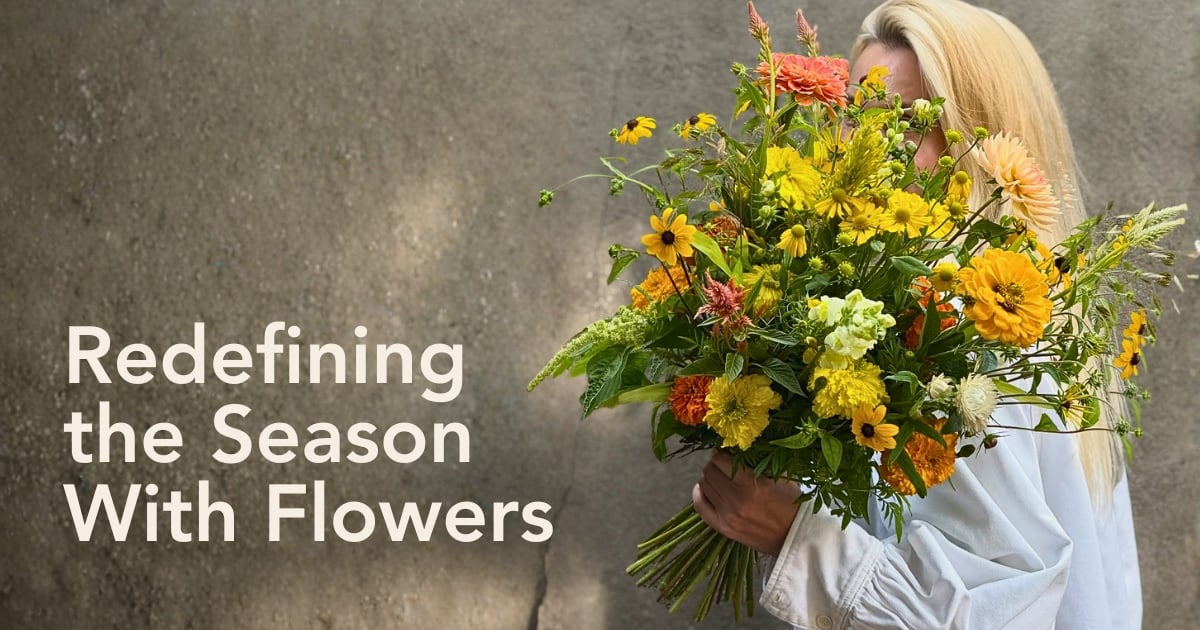
Summer has a way of making flowers and their colors generous. The season runs long, the light stays warm, and the range of what is available at any given time is wider than at any other point in the year. Regardless of whether you are cutting from a garden, shopping at a farmers' market, or working with a florist on something specific, the choices can look almost overwhelming. But then again, if you know which flowers define a summer bouquet and why they work so well together, it makes all the difference when it comes to a well-composed arrangement.
Colors That Define the Season
A summer bouquet is not merely a spring bouquet with different flowers dropped in. The season has its own palette, and the flowers that belong to it tend to echo that. The colors run warmer and more saturated than at any other time of year, and include deep pinks, burnt oranges, sunflower yellows, and rich purples that would feel out of place in April. Even the whites of summer have a warmer quality to them, leaning toward cream instead of the crisp, cool white of spring.
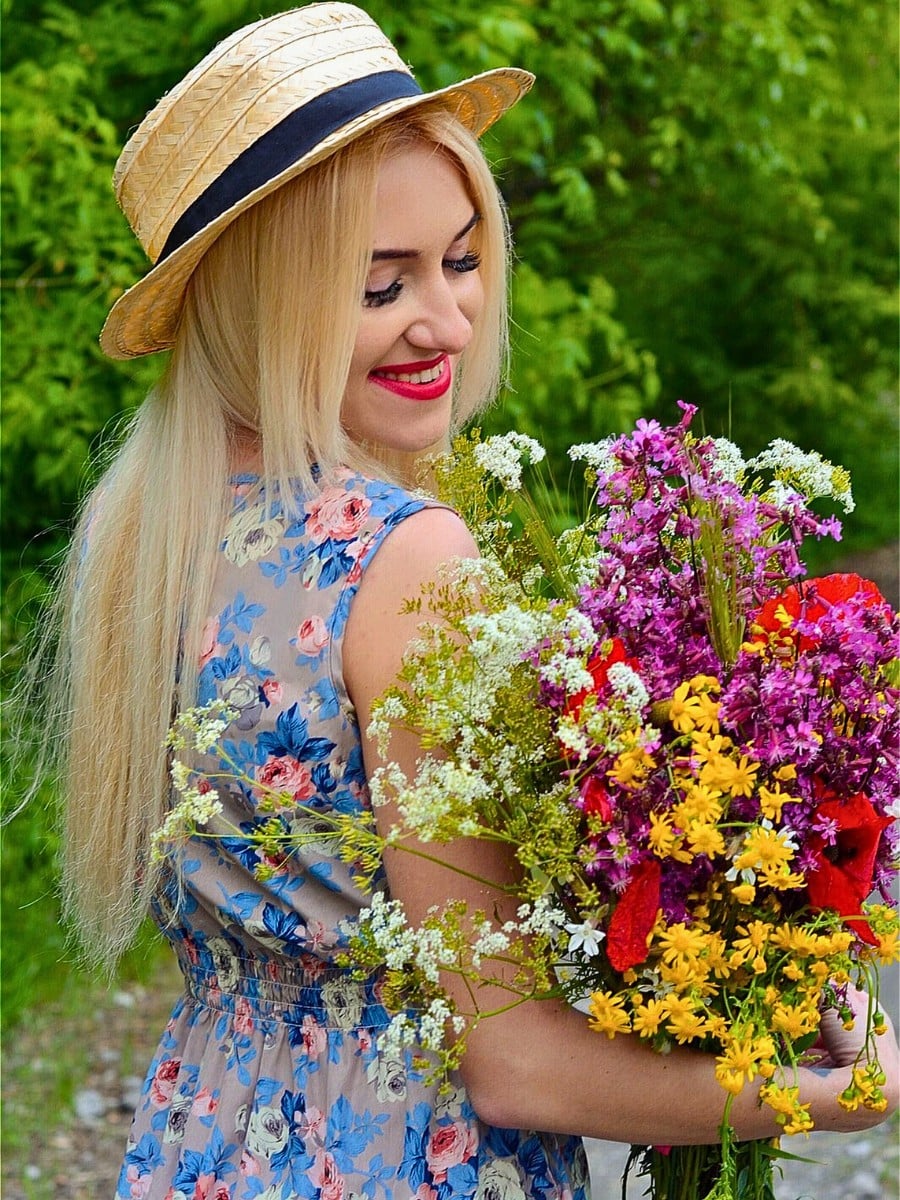
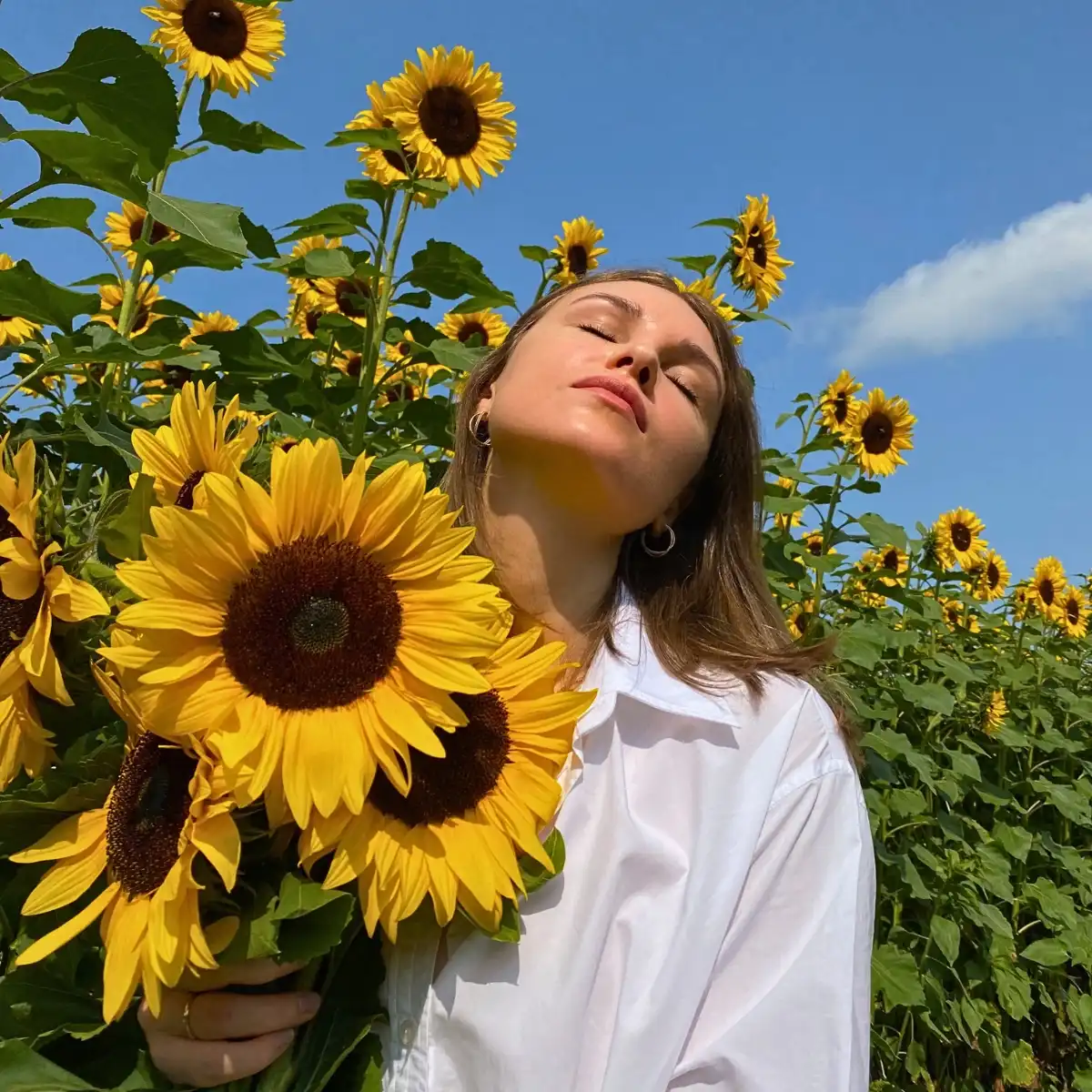
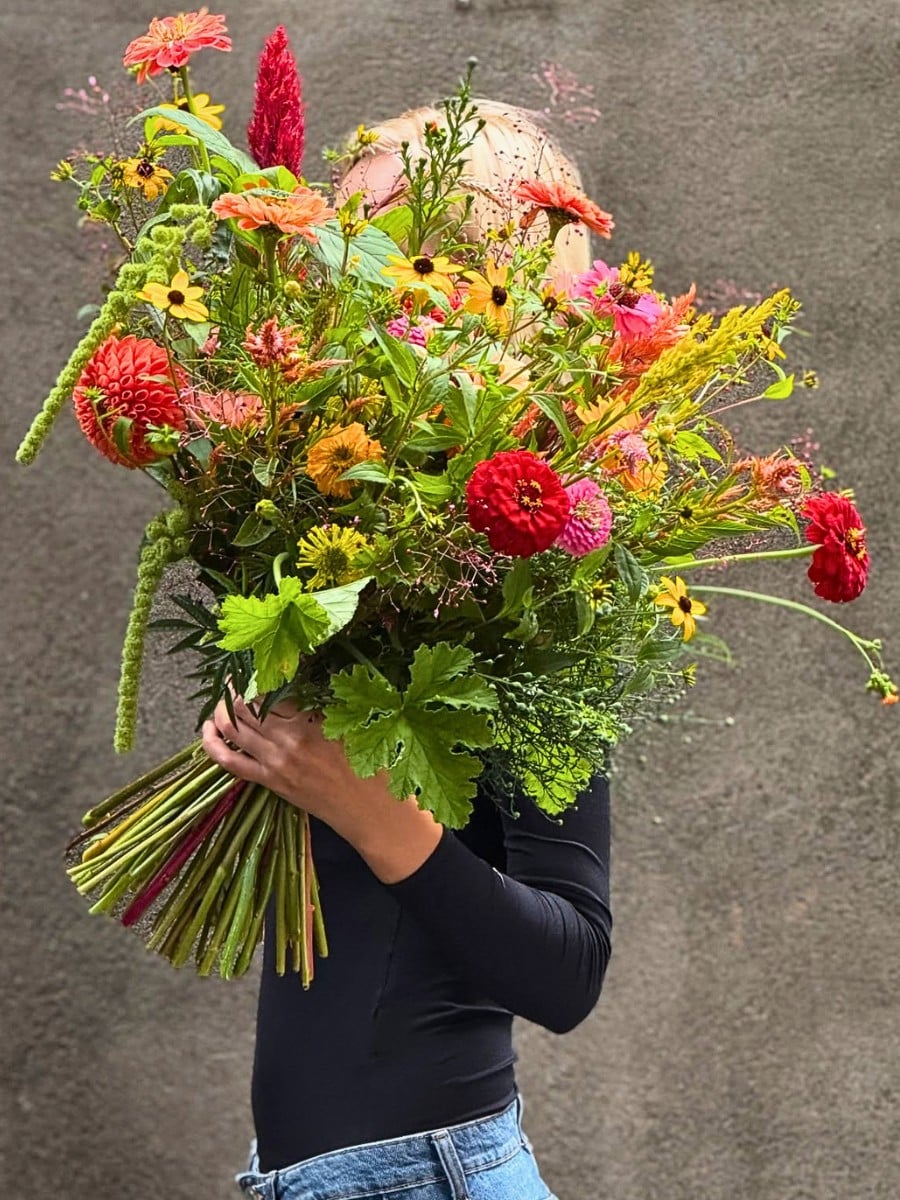
In a bouquet, sunflowers every so often set the tone. Their wide, round faces in shades of golden yellow and deep amber are one of the most immediately recognizable signs that an arrangement is rooted in this season. Zinnias cover an extraordinary range, from white and pale yellow through to coral, magenta, and deep burgundy, and they do so with a color density and depth that holds their intensity well after cutting.
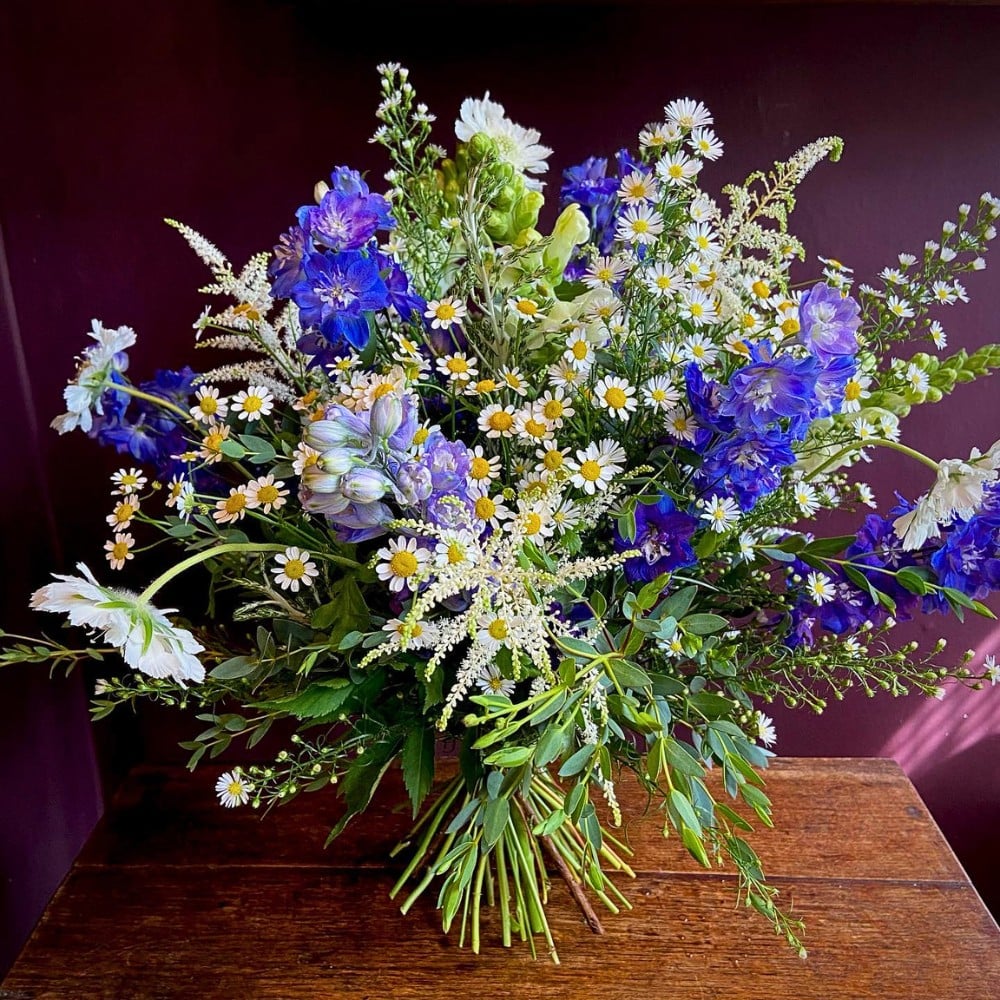
Dahlias, which peak through the warmest months, add some of the most complex color available to a summer arrangement: soft blush, deep wine, warm caramel, and near-black, often within a single flower head. For cooler contrast within an otherwise warm palette, larkspur and Delphinium add blue, violet, and soft pink in tall, vertical spires that balance out the heavier tones of the focal flowers. Lisianthus in white, cream, lavender, and deep purple adds refinement and a subtle, cooler note.
Structure and Form That Hold the Arrangement Together
Away from color, the structural qualities of a flower determine how useful it is within a mixed bouquet. Summer's best-performing flowers tend to fall into clear roles, featuring focal flowers that carry visual weight and anchor the design, mid-sized supporting flowers that add complexity, and lighter, airier flowers that provide movement and prevent an arrangement from feeling dense or static.
Dahlias are among the most versatile focal flowers available during summer. A large dinner-plate variety can anchor an arrangement completely on its own. Smaller pompom and ball types, which have tightly packed, near-spherical heads, work as strong mid-sized players that add geometry and visual interest without competing with the central flower. Sunflowers serve a similar anchoring role, particularly in looser, more casual compositions.
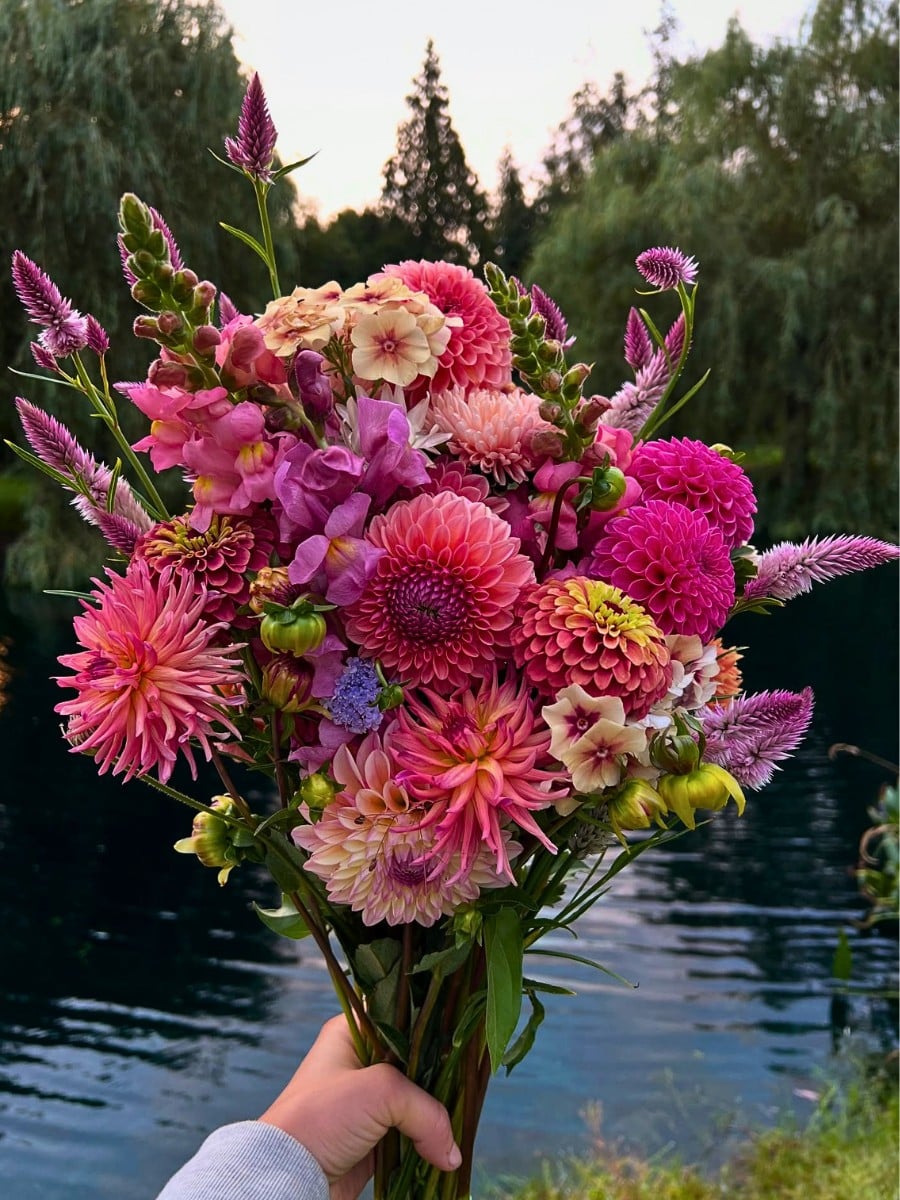
Zinnias work well at both levels, depending on the variety chosen. The large-headed 'Benary's Giant' sits comfortably as a focal flower, while smaller-headed varieties act as supporting elements that fill space and add color continuity. Lisianthus, which resembles a rose or peony at first glance, gives structure and a certain formality that makes it useful in everything from a wedding arrangement to a simple farmers' market bunch.
For vertical lines and upward movement, larkspur and Delphinium are the natural choices. Their tall spires draw the eye through the arrangement and prevent the composition from becoming too round or uniform. Delphinium is the more architectural of the two, with larger individual flowers and a firmer stem. Larkspur is more delicate and suits looser, garden-cut styles particularly well.
Texture, Lightness, and the Suitable Flowers
Some of the most important flowers in a summer bouquet are not the ones that stop you first, but the ones that make everything else look better. Scabiosa, commonly known as pincushion flower, produces small, rounded heads on long, slender stems that move freely within an arrangement and add a sense of airiness that heavier focal flowers cannot provide on their own.
Yarrow contributes flat-topped clusters in yellow, white, and soft pink that create visual resting points within a more complex composition, and its feathery foliage adds texture at the stem level. These connector flowers are what prevent a summer bouquet from feeling like a collection of separate varieties put side by side. They weave through the arrangement, filling negative space and creating continuity between flowers that might otherwise feel unrelated.
Grasses and foliage carry this role even further. Ornamental grasses such as Pennisetum and Panicum add movement and a naturalistic quality that flowers alone cannot create. Eucalyptus, in both its seeded and leafy forms, is a reliable staple for its silvery-green color and subtle fragrance. Bupleurum, featuring small yellow-green flower clusters on arching stems, has a nimbleness that suits summer arrangements particularly well.
Vase Life and Practicality
A summer bouquet needs to be as practical as it is beautiful, especially when arrangements are expected to hold up through a long event or a full week on a dining table. The flowers that appear most reliably in summer arrangements tend to have strong vase performance alongside their visual qualities. Lisianthus is one of the longest-lasting cut flowers of the season, often holding for ten days or more in clean water.
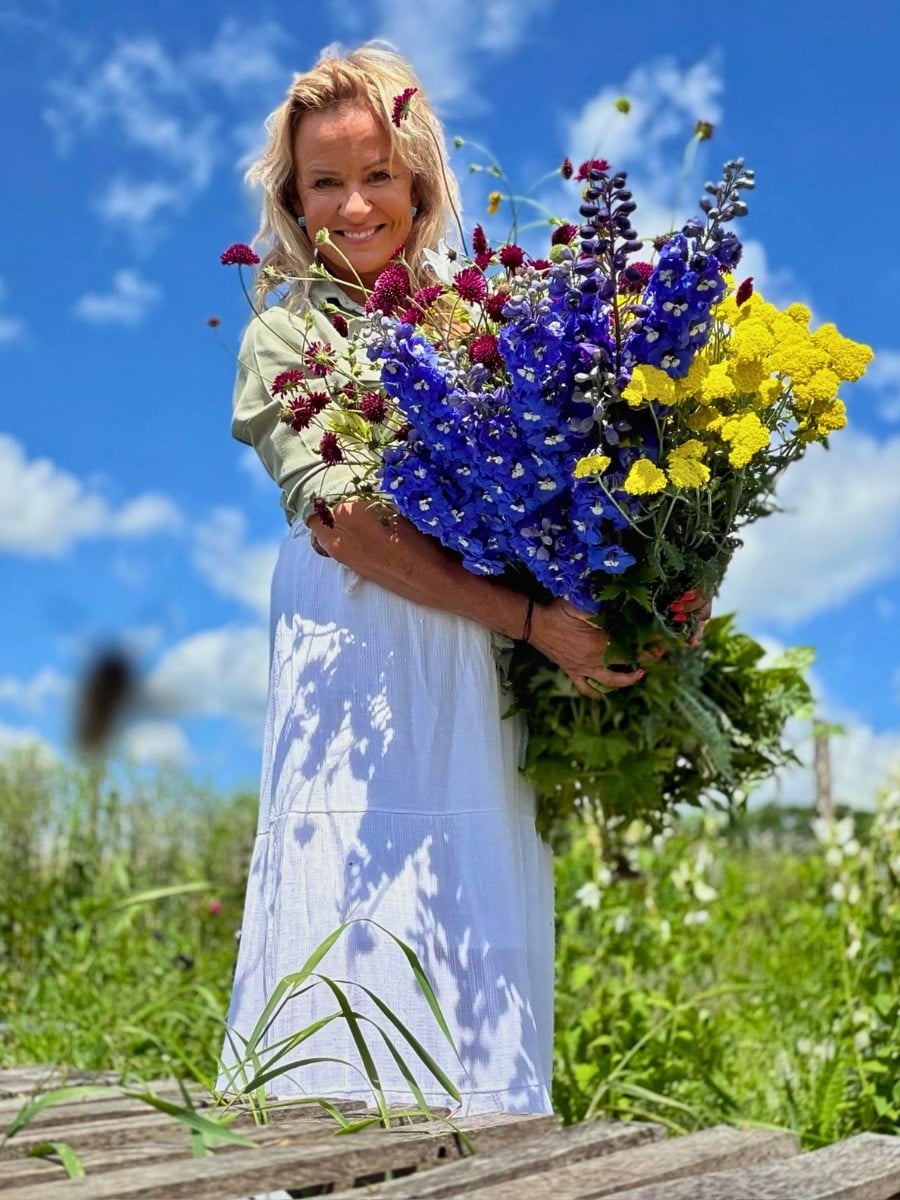
Zinnias frequently last a week or longer, which is part of why they are so widely grown for cutting. Dahlias have a shorter window, typically five to seven days, but their visual impact during that time is unmatchable. Sunflowers are similarly reliable at five to seven days. Yarrow, which dries gracefully on the stem, has the additional quality of aging well, transitioning from fresh flower to dried accent without looking tired.
Conditioning is also as important as variety selection. Cutting stems at a 45-degree angle, removing foliage that would sit below the waterline, and placing flowers in clean, cool water immediately after cutting all extend their vase life considerably across every summer flower variety.
Other Varieties You Could Include in Summer Bouquets
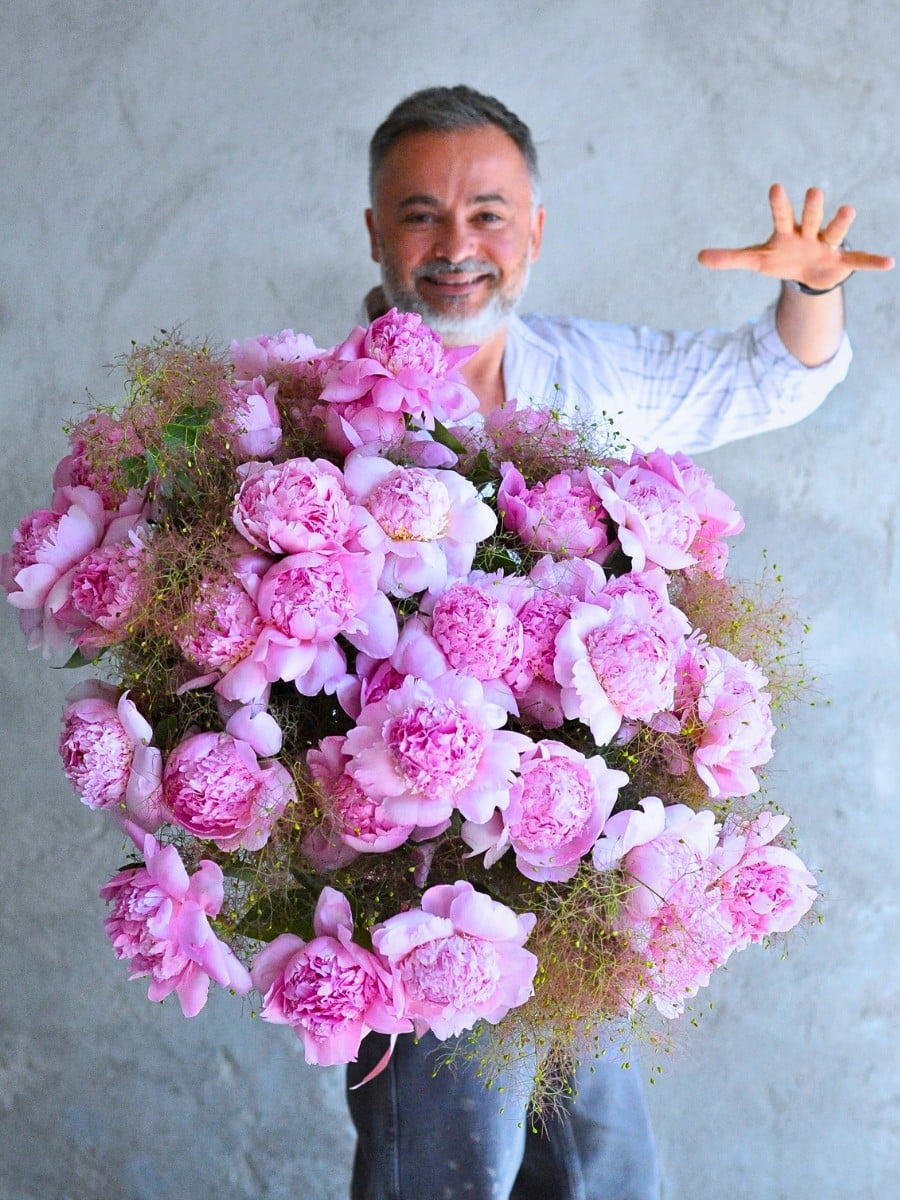
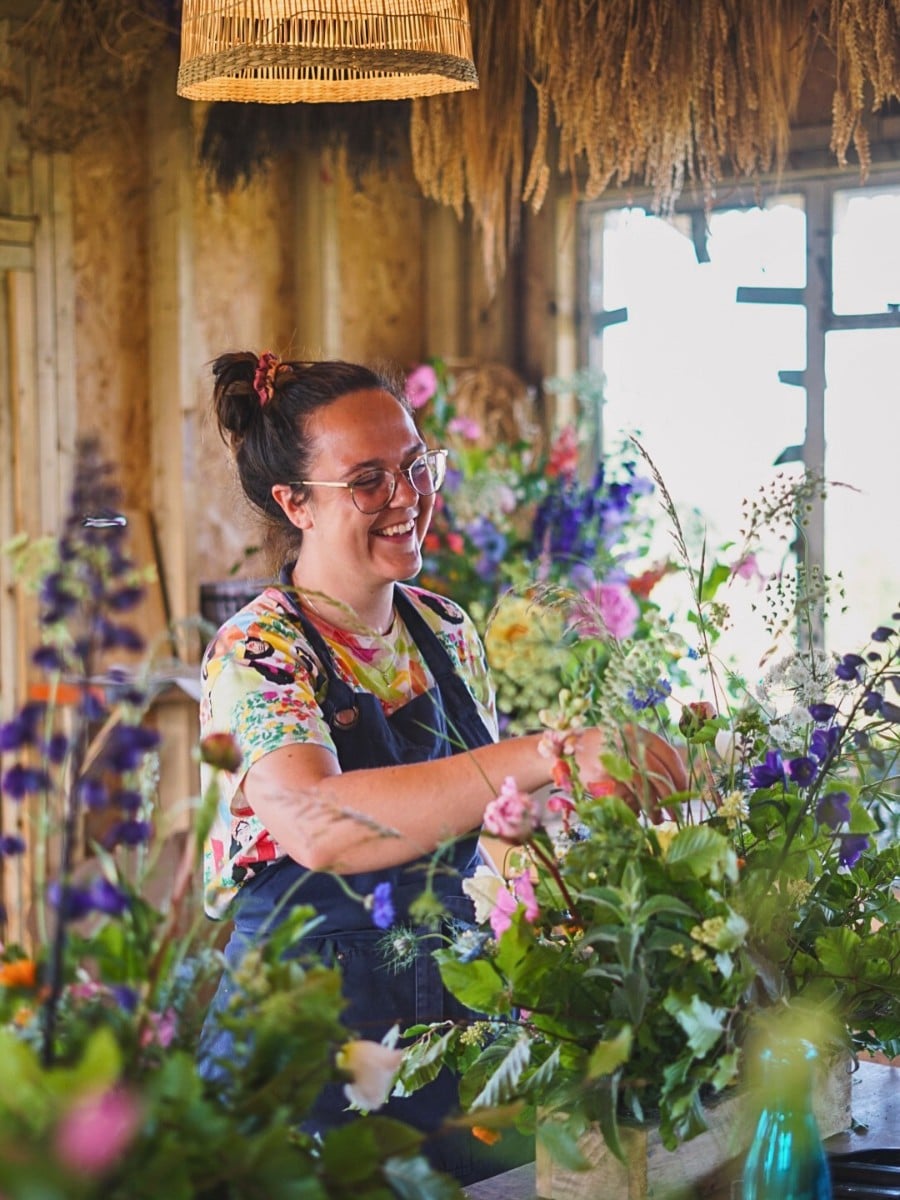
Other than the obvious varieties, several others appear regularly in summer arrangements and are worth keeping in mind. Peonies, famous for their large, billowy, ruffled petals and sweet scent, are particularly popular for early-summer arrangements and bridal bouquets. Hydrangeas are beloved for their large, lush pom-pom shapes and beautiful pastel or bold blue and purple colors.
Gerbera daisies feature large, bold flowers with sunny summer vibes that make an instant statement, while Celosia, which has crested or plume-like heads in deep red, orange, and gold, adds an unusual texture that works particularly well in warm-toned compositions. Amaranth, on the other hand, both the upright and trailing forms, brings a rich, velvety quality and a deep color range.
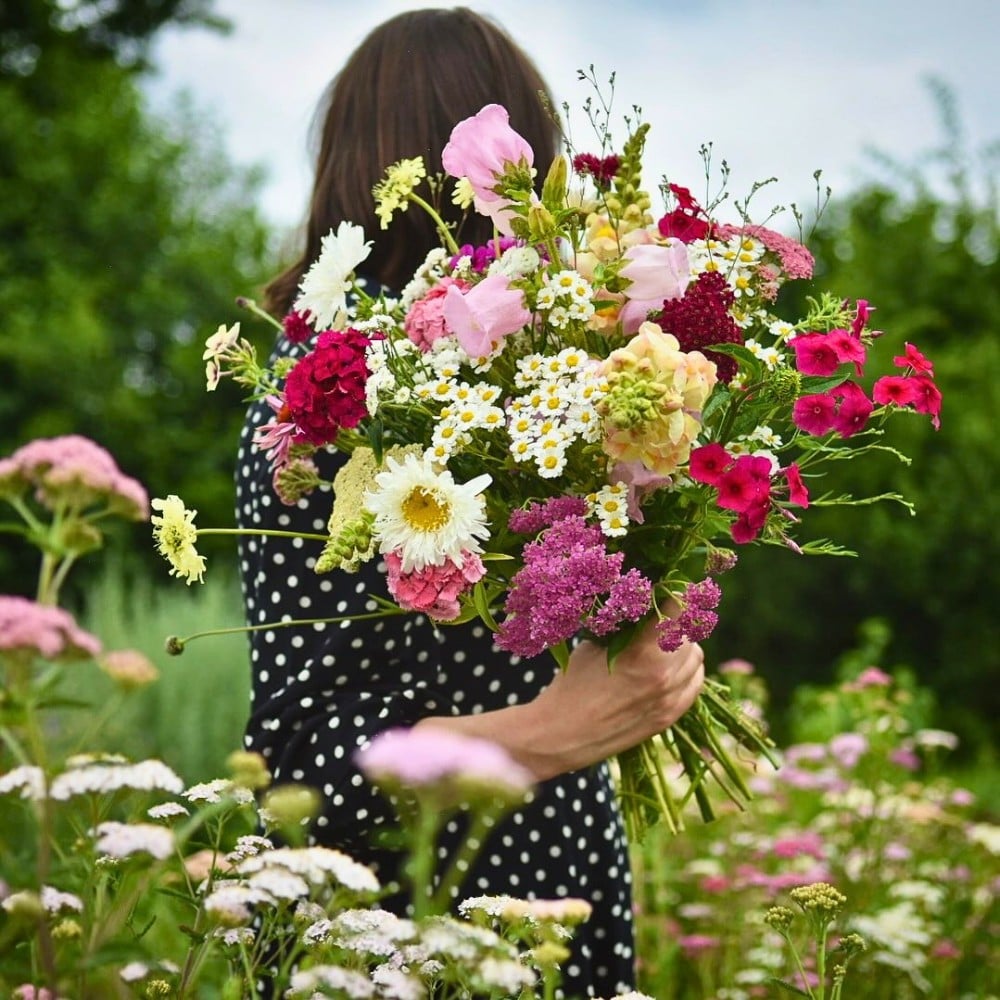
Rudbeckia, the black-eyed Susan, offers golden-yellow petals around a dark central cone and naturalizes well into meadow-style bouquets. Cosmos has fine, feathery foliage and simple, open flowers in pink, white, and magenta, and adds a delicacy that balances heavier flowers, while stocks, also known as gillyflowers, are loved for their irresistible sweet and spicy scent.
Sweet peas, though they fade earlier in summer's heat, are beloved for their fragrance and soft, ruffled petals in pastel shades. Globe Amaranth features small, clover-like heads that hold their color exceptionally well, and is a reliable choice for arrangements that need to last. Lavender is prized for its petite purple flowers, stress-relieving aromatherapy, and rustic cottage charm.
Arranging the Flowers in a Summer Bouquet
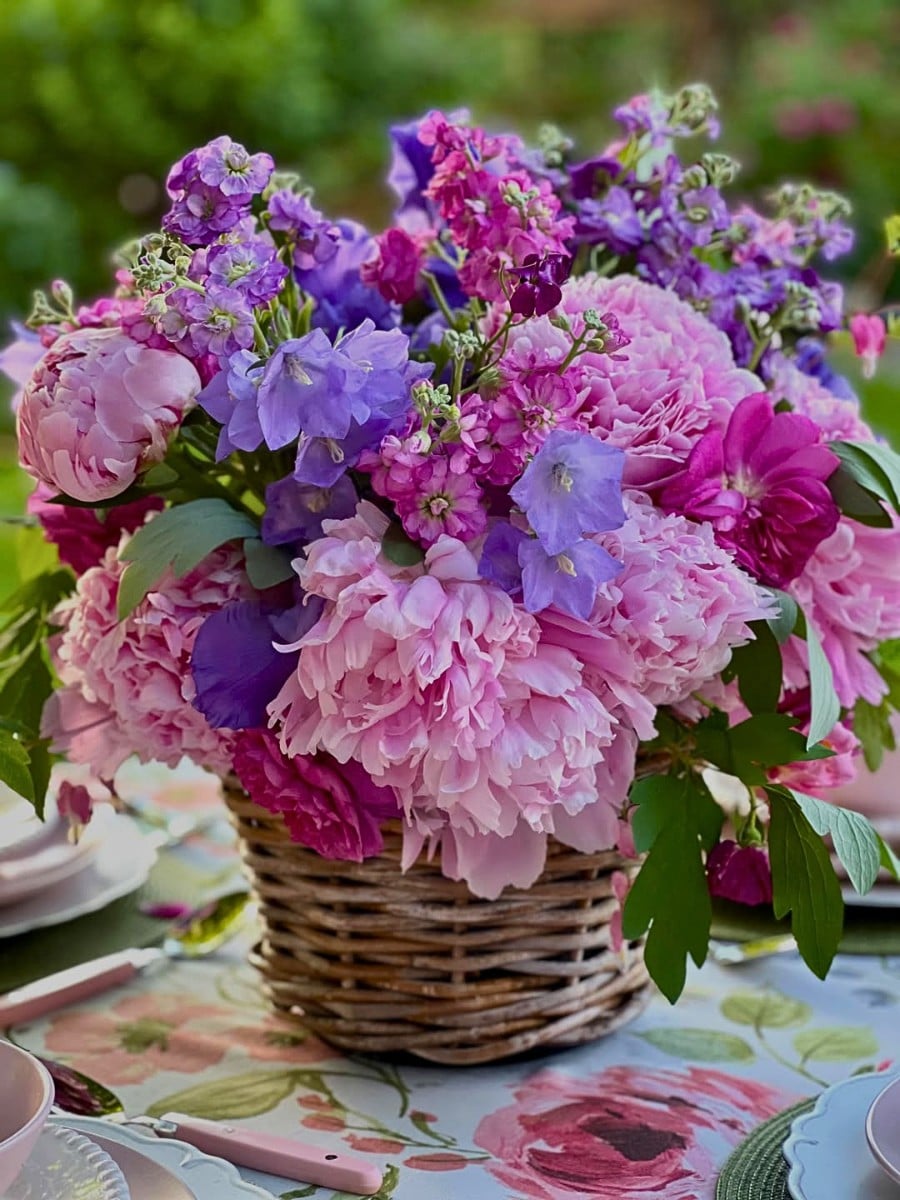
A well-arranged summer bouquet follows a simple logic in that it features one or two focal flowers that carry visual weight, two or three supporting flowers in varied textures and complementary colors, and filler materials that connect everything and fill negative space.
Color temperature is also important. Warm palettes of yellow, orange, coral, and red feel unmistakably midsummer and pair naturally with golden grasses and warm foliage tones. Cooler palettes of white, lavender, blue, and pale pink feel fresher and suit the heat well, both visually and practically, since lighter-colored flowers often hold slightly longer in warm conditions.
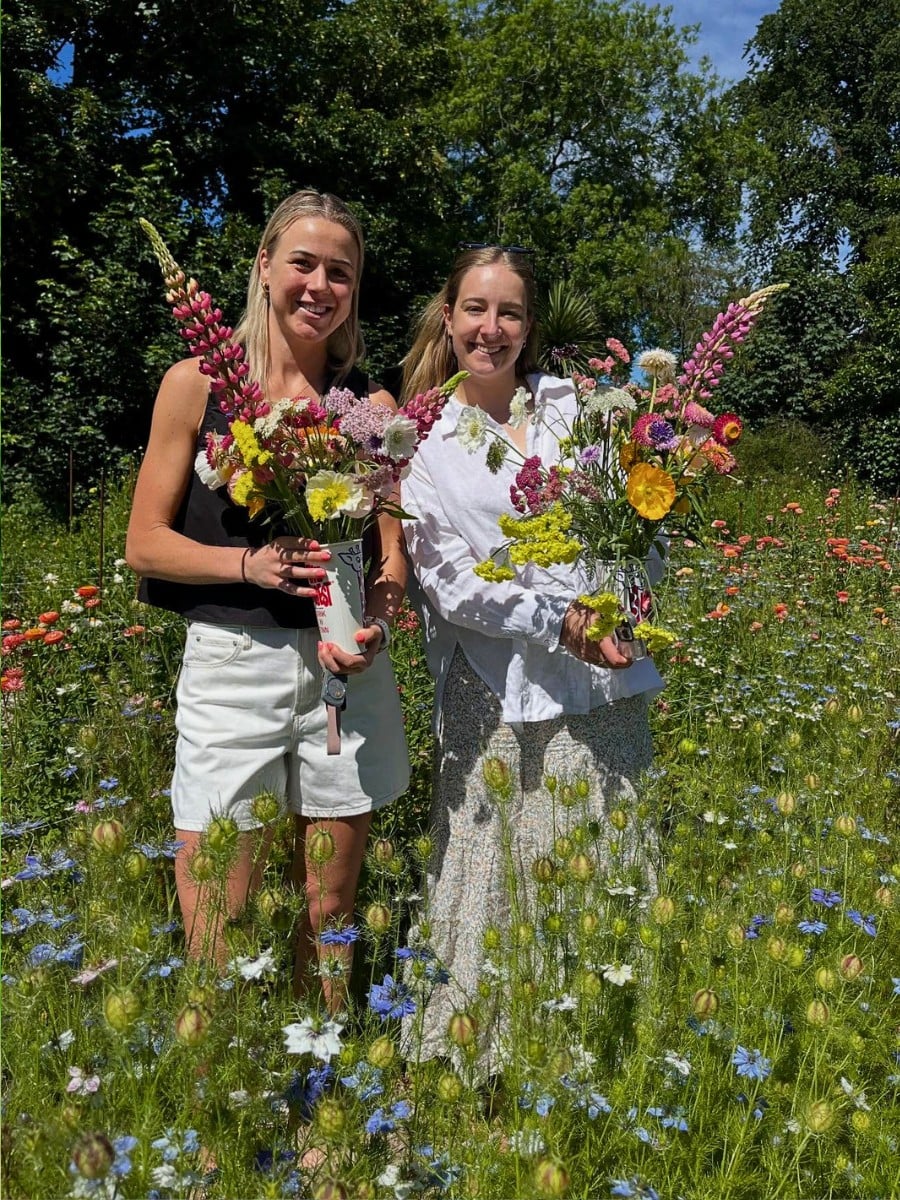
However, the season's abundance often poses its own challenge. Having more choices than you need is a ‘generous problem’, but a clear structure prevents an arrangement from becoming crowded. Summer bouquets look best when they have a sense of purpose that does not look too controlled, generous but not excessive-looking, and seasonality that hardly leans into every available option at once.

Featured image by freepik. Header image by @therapy_of_flowers.