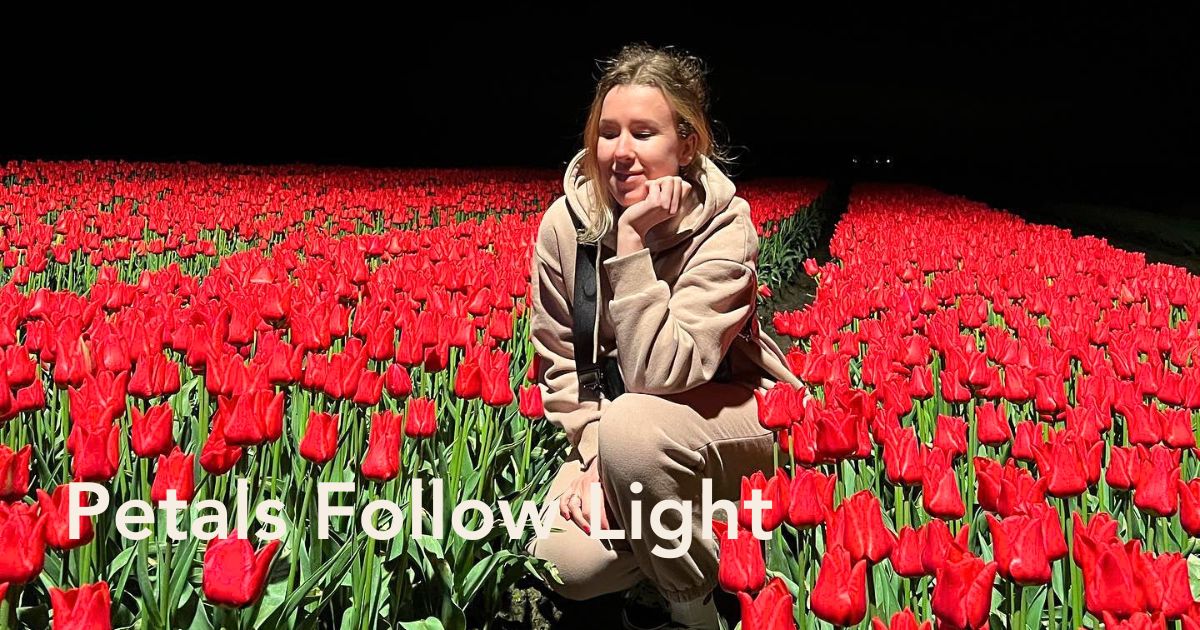
Flowers follow time with precision. The opening and closing of a flower are not random, and it is not simply a reaction to darkness. It is a regulated biological response shaped by evolution, environment, and pollination strategy. The process behind this daily movement is known as Nyctinasty, and it reflects how plants manage survival across a full day and night cycle. To understand why flowers close at night, it is necessary to look beyond appearance and into how plants coordinate protection, efficiency, and reproduction.
The Role of Internal Plant Rhythms
At the core of this behavior is the plant’s internal clock. Like many living systems, plants operate on circadian rhythms that respond primarily to light and darkness. These rhythms are not dependent on immediate conditions alone. Even in controlled environments, many flowers will continue their opening and closing cycles based on internal timing, which shows that this behavior is programmed rather than purely reactive.
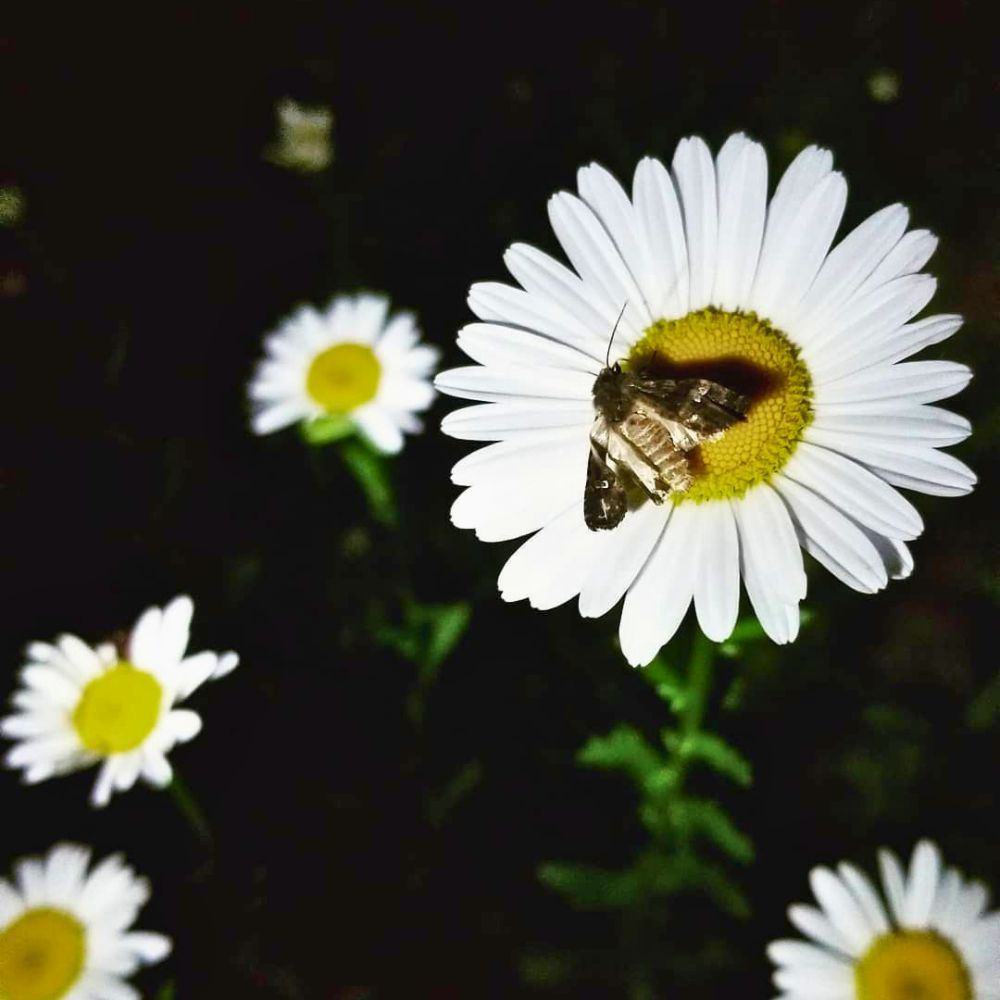
The physical movement itself is controlled at the base of the petals, where specialized cells regulate water pressure. During the day, these cells maintain a structure that keeps the flower open. As light levels drop, signals within the plant trigger a redistribution of water within these cells, causing them to lose pressure and fold inward. This mechanism allows the flower to close without damage and reopen when conditions shift again. It is a reversible process, repeated daily, and tightly aligned with environmental cues.
Protection During the Night
Night conditions introduce a different set of challenges for flowers, particularly for their reproductive structures. Pollen is sensitive to moisture and temperature fluctuations. Exposure to dew or cooler air can reduce its viability, which directly affects the plant’s ability to reproduce. Closing the flower acts as a protective measure, limiting direct exposure to these elements.
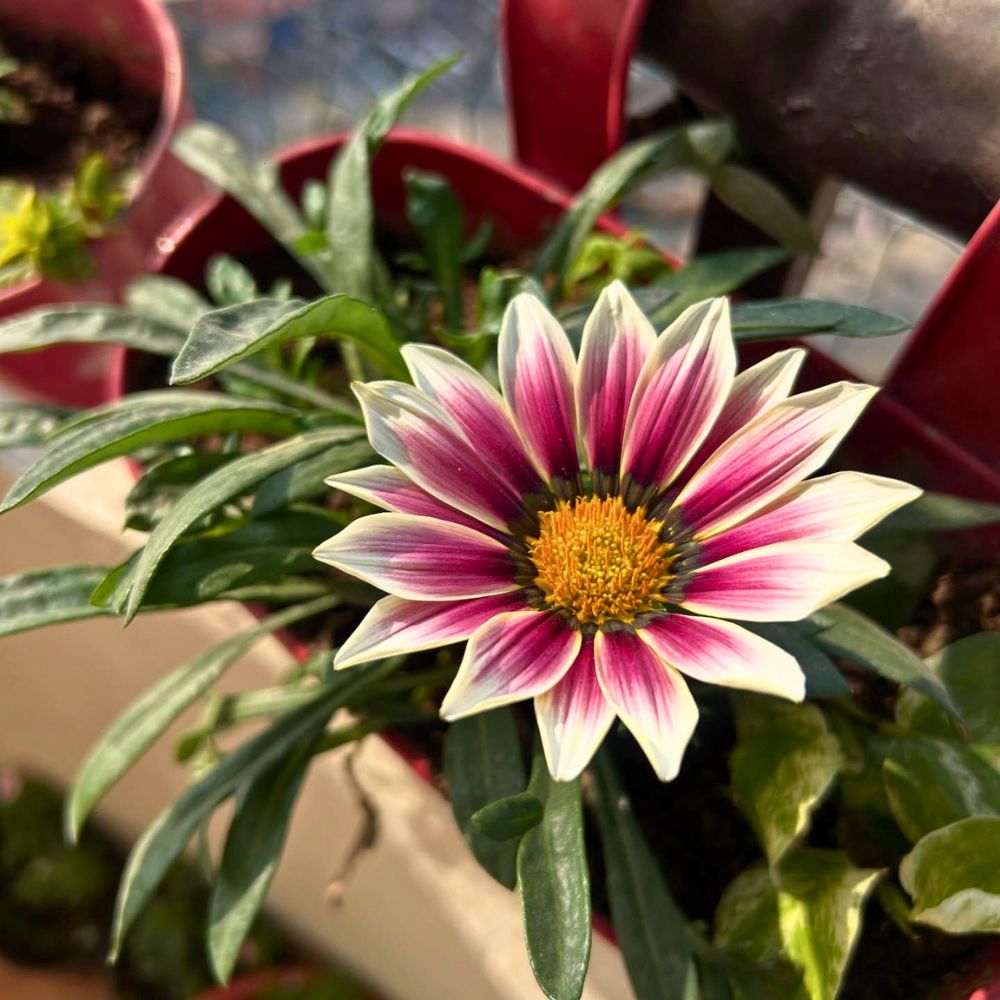
This protective function becomes more relevant in environments where nighttime conditions are unpredictable or harsh. By enclosing the reproductive parts, the plant reduces the risk of damage and preserves the quality of pollen until the next period of activity. In this sense, closing is not simply about rest. It is about maintaining reproductive integrity in less favorable conditions.
Pollination Efficiency and Timing
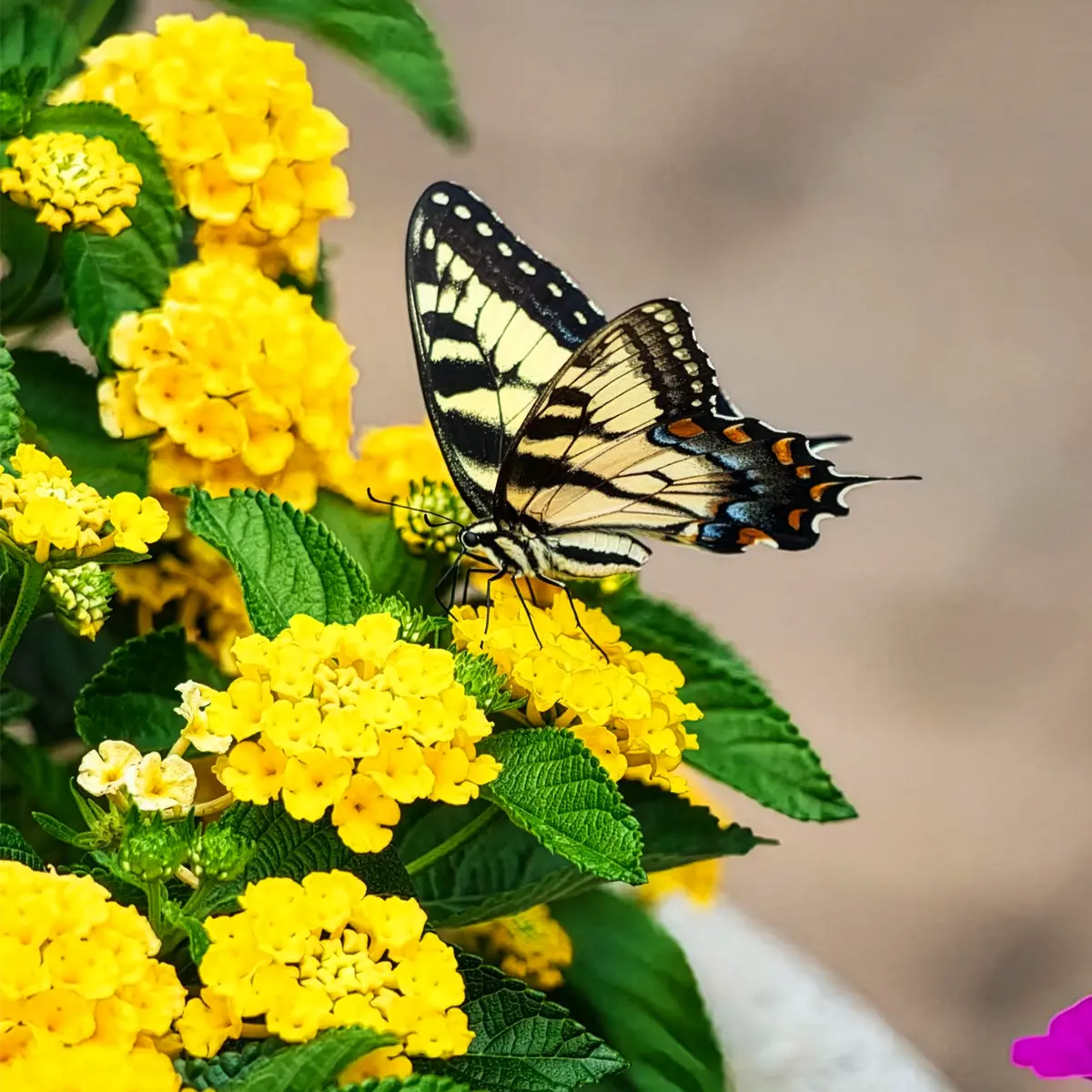
Pollination is one of the main drivers behind flower behavior. Many flowers are adapted to attract specific pollinators, and the timing of their opening reflects when those pollinators are active. Bees and butterflies, for example, are primarily active during daylight hours. Keeping flowers open at night, when these pollinators are inactive, offers little advantage.
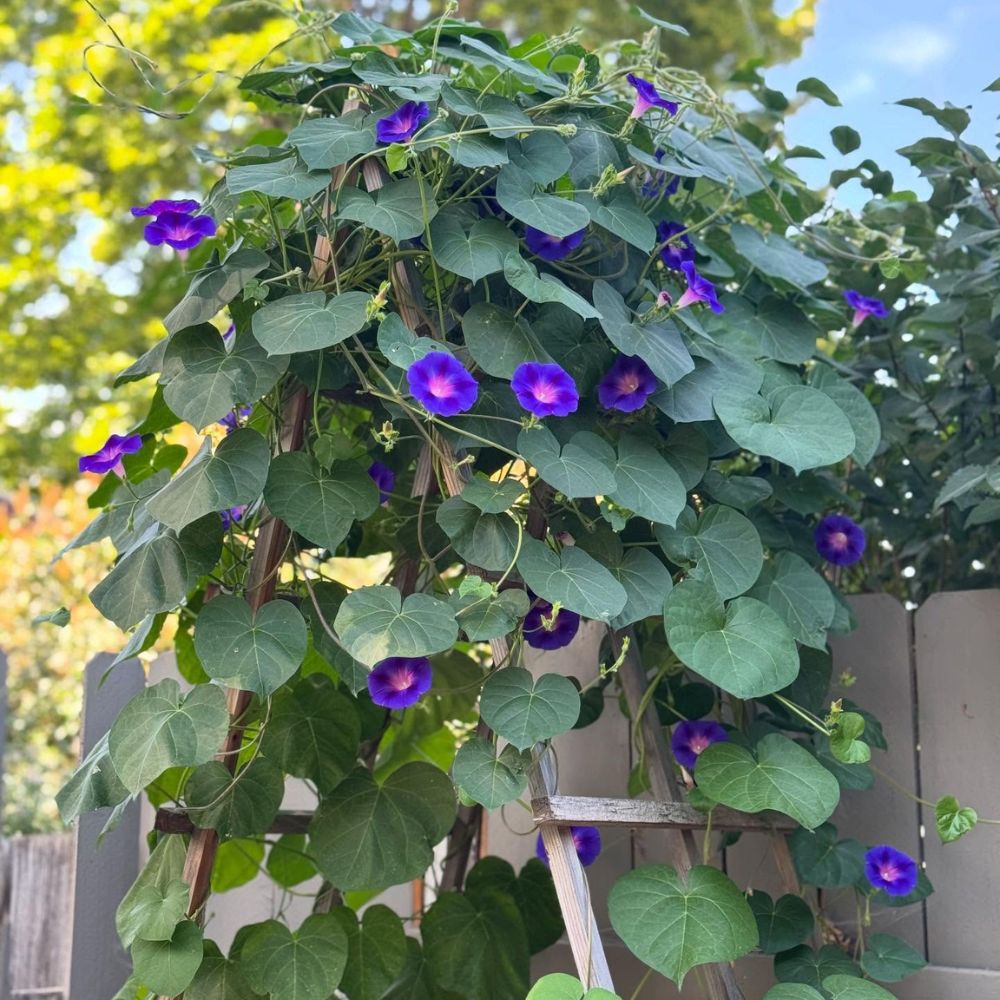
Closing at night allows the plant to concentrate its resources on the period when pollination is most likely to occur. This alignment improves efficiency and increases the chances of successful reproduction. A clear example is morning glory, which opens early in the day and begins to close as daylight fades. Its entire cycle is structured around the activity pattern of daytime pollinators.
Energy Conservation and Resource Management
Maintaining an open flower is not a passive state. It requires energy to sustain structure, regulate water movement, and support metabolic activity. By closing at night, flowers reduce unnecessary energy use during a period when pollination is unlikely.
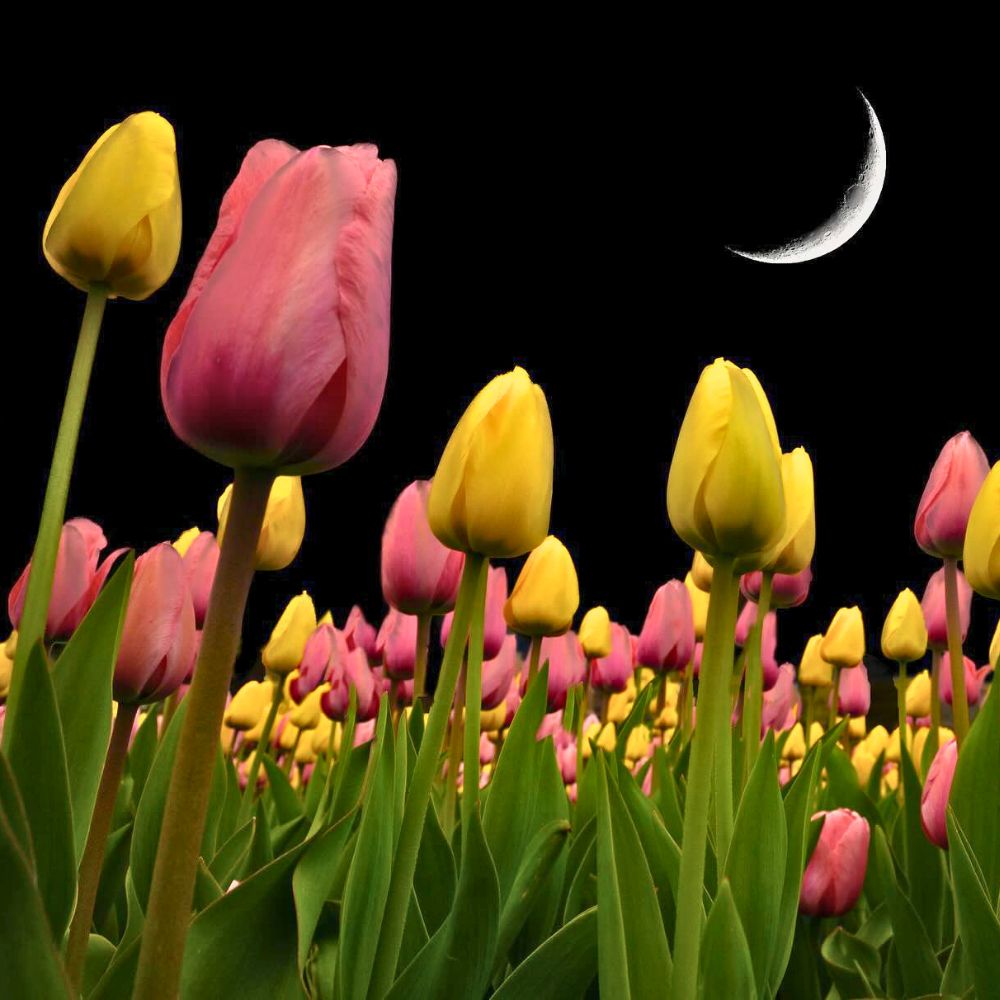
This conservation extends to water management as well. Even though temperatures drop at night, plants can still lose water through transpiration. A closed flower reduces surface exposure and helps limit this loss. In environments where water availability is limited, this small adjustment contributes to overall efficiency and long-term survival. The ability to regulate opening and closing becomes part of a broader strategy for managing limited resources.
Why Some Flowers Do Not Close at Night
Not all flowers follow this pattern. Some species remain open through both day and night, and this variation reflects differences in ecological strategy. Plants such as Periwinkle and Geranium often stay open continuously, particularly in stable climates where nighttime conditions do not pose a significant threat.

For these plants, remaining open can increase exposure to a wider range of pollinators, including those active during early evening or low light conditions. It also removes the need for daily opening and closing, which itself requires energy. In this case, the plant balances the cost of movement against the benefit of constant availability. Where environmental pressure is lower, staying open becomes a practical choice.
Flowers That Open Only at Night
While some flowers stay open, others take a more specialized approach by opening only at night. This strategy is closely tied to nocturnal pollinators such as moths and bats. Plants like night-blooming jasmine and moonflower are structured around this relationship.
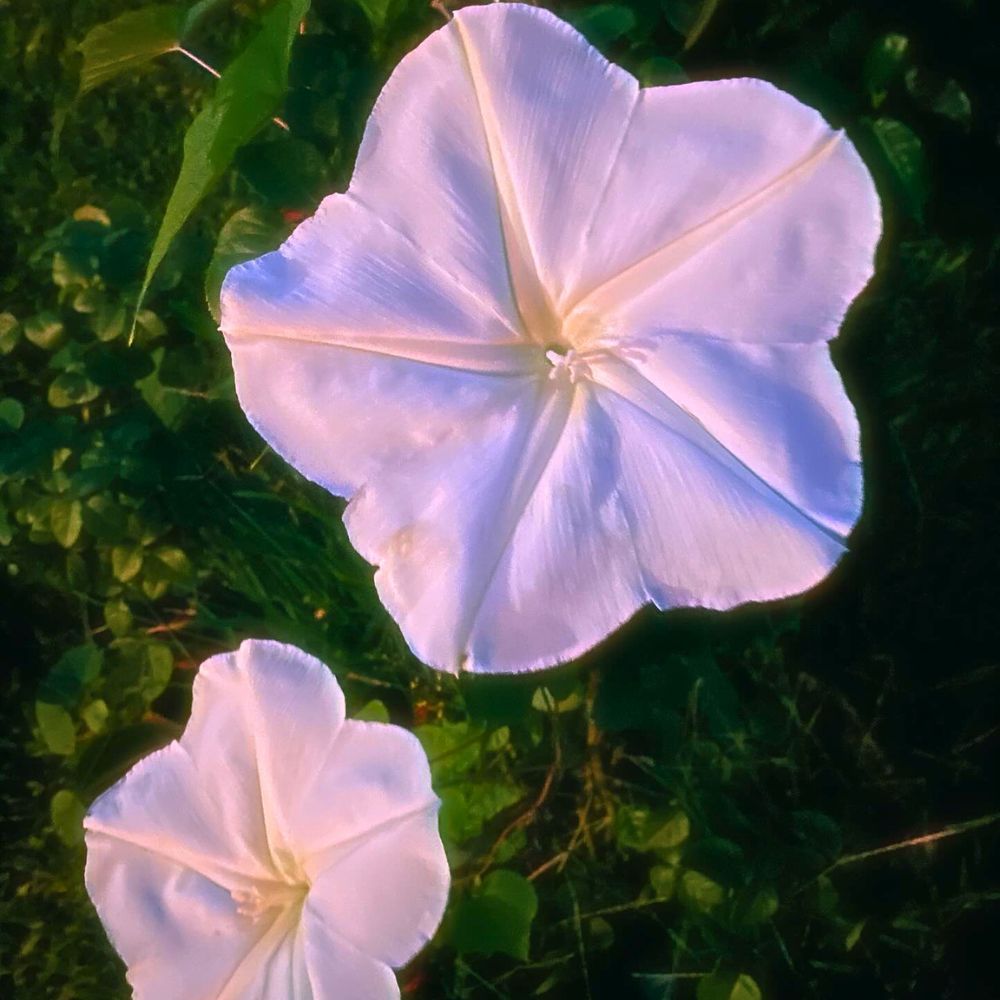
These flowers often rely less on visual attraction and more on scent. They tend to be pale or white, which makes them easier to detect in low light, and they release strong fragrances that guide pollinators over distance. By opening at night, they avoid competition from the many flowers that rely on daytime pollinators. In hotter regions, this timing also reduces exposure to heat and limits water loss, adding another layer of efficiency to their behavior.
A Specialized Case of Timing
Some species take timing even further, operating within extremely narrow windows. The Queen of the Night cactus is a well-known example of this level of specialization. It produces a large flower that opens only at night and lasts for a single cycle before closing permanently by morning.
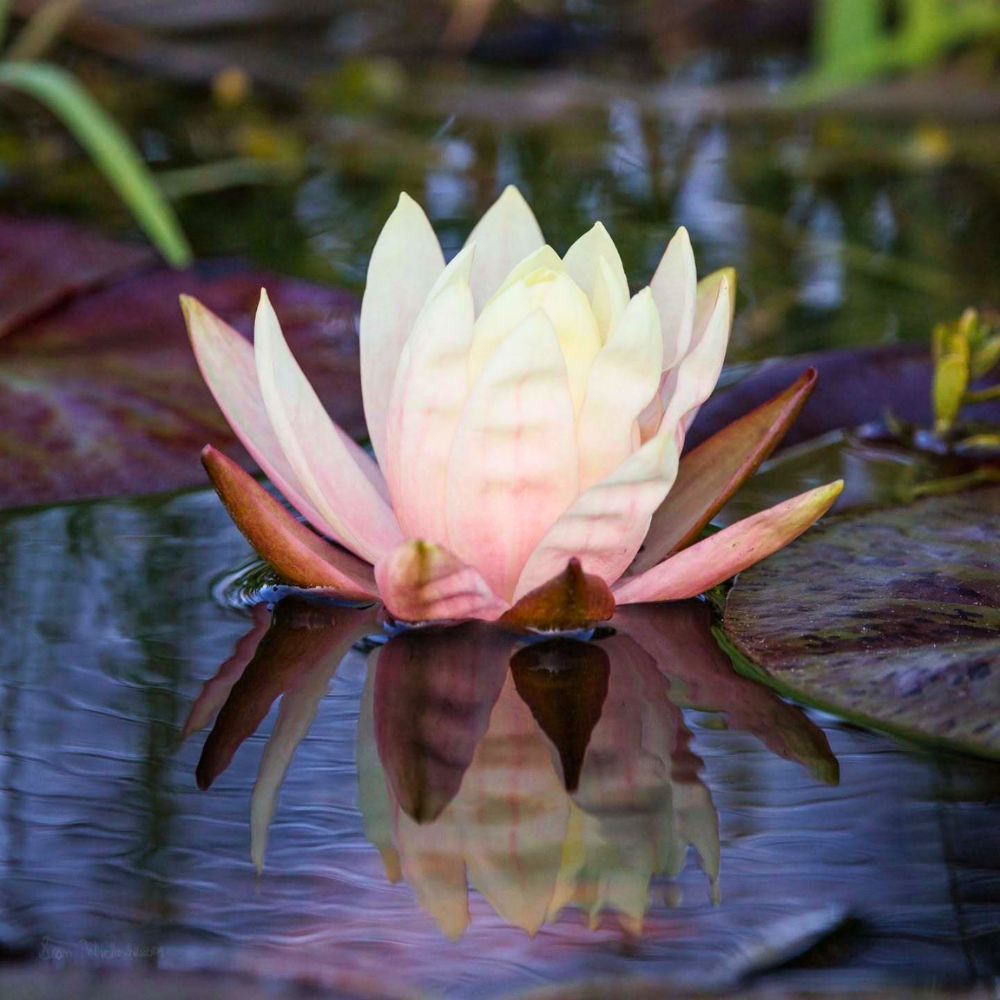
This short lifespan is not a limitation but a targeted strategy. The plant invests significant energy into producing a single, highly effective opportunity for pollination. By aligning this event precisely with the activity of its pollinators, it minimizes wasted resources while maximizing reproductive success. It is a concentrated approach to timing, where every aspect of the flower’s behavior serves a specific purpose.
The Broader Strategy Behind Flower Behavior
The daily rhythm of flowers reflects a broader system of adaptation. Each plant species operates within a framework shaped by its environment, available resources, and pollinator relationships. Day flowering plants align with bees and butterflies, night flowering plants align with moths and bats, and some species maintain flexibility to capture opportunities across different conditions.
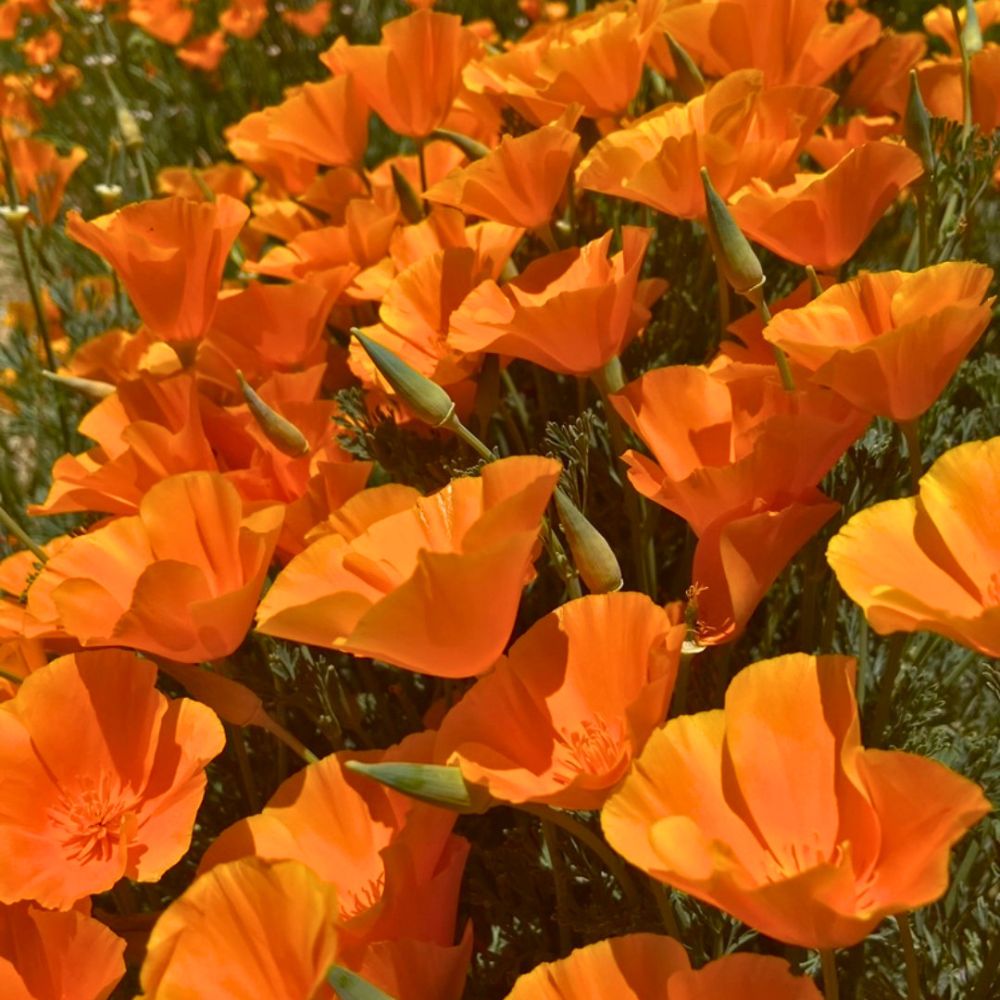
What connects all these strategies is efficiency. Flowers open when it matters and close when it does not. They protect themselves when conditions are unfavorable and expose themselves when the chances of pollination are highest. This balance between timing, protection, and resource use defines how plants function in their ecosystems.
Understanding Flowers Beyond Appearance
The movement of flowers across a day is easy to overlook, but it reveals a level of coordination that goes beyond visual appeal. These are systems that respond continuously to light, temperature, and biological interaction. Each opening and closing cycle reflects a decision shaped by survival and reproduction.
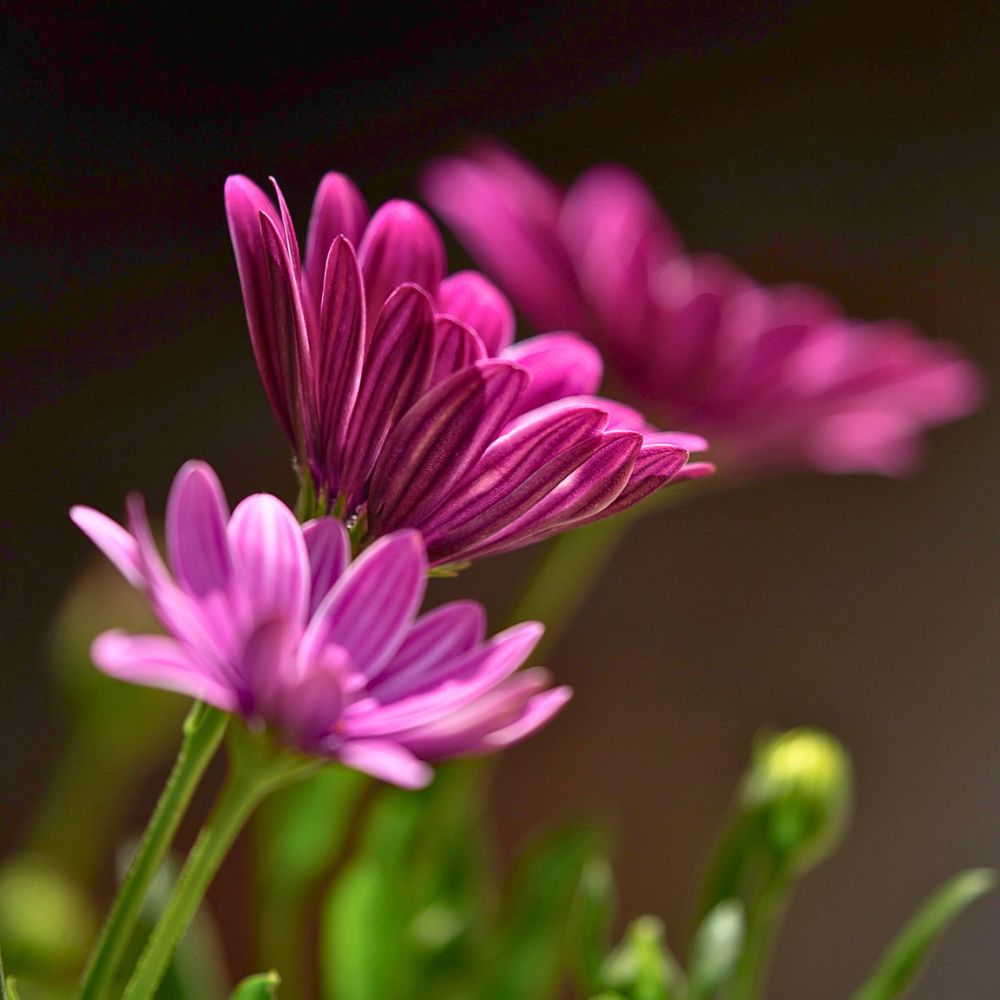
For anyone working with flowers, whether in cultivation, sourcing, or design, understanding these patterns adds context to how different species perform and behave. It explains why some flowers hold structure longer, why others respond quickly to environmental shifts, and why timing matters even after harvest. Continue reading to connect these natural rhythms to how flowers are grown, handled, and used across the floral industry.
Header image by @irina_birillo. Feature image by @garden_aspire.