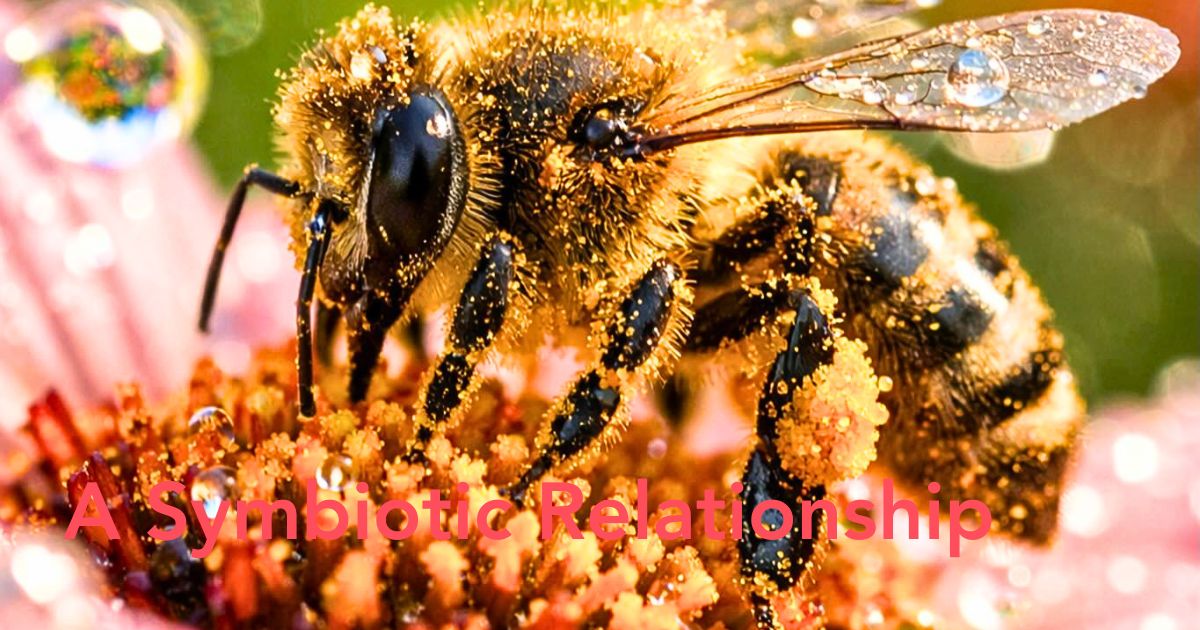
Flowers are not designed for visual appeal alone. Their structure, color, and scent are part of a functional system that supports plant reproduction. Bees and butterflies play a central role in this system through pollination, the transfer of pollen from one flower to another that enables fertilization and seed production.
This relationship is not accidental. It is a biological partnership shaped over time, where plants offer food and insects provide the movement of pollen. Understanding this interaction gives better insight into how flowers are selected, grown, and used across the floral industry.
The Role of Nectar and Pollen
At the center of this interaction is nectar. Flowers produce nectar as a sugar-rich food source that attracts insects. Bees rely on it to produce honey and sustain their colonies, while butterflies use it as fuel for flight and daily activity.
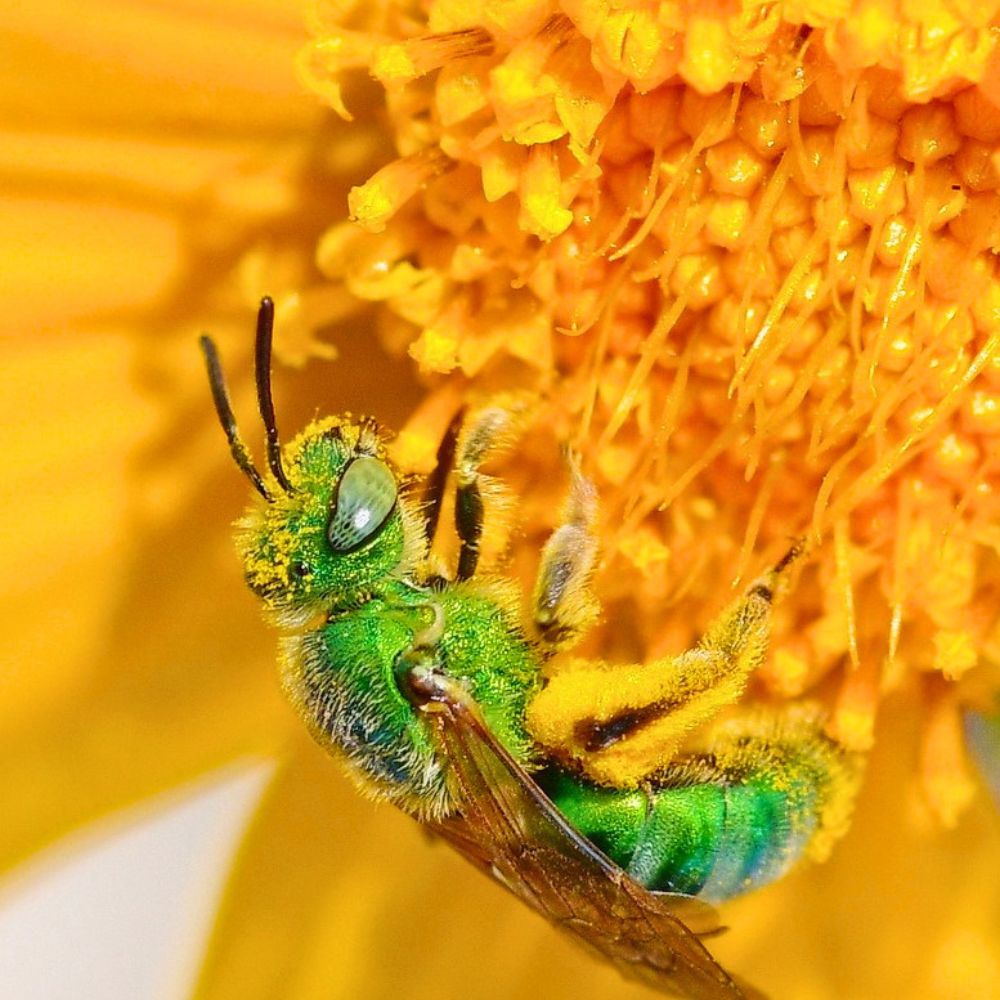
As insects move toward nectar, they come into contact with pollen. This pollen sticks to their bodies and is carried to the next flower they visit. In this process, the plant achieves cross-pollination without needing to move. Pollen itself is also a food source, especially for bees. It provides protein that supports the development of larvae. This dual reward system ensures that pollinators return consistently to the same types of flowers.
Color as a Signal
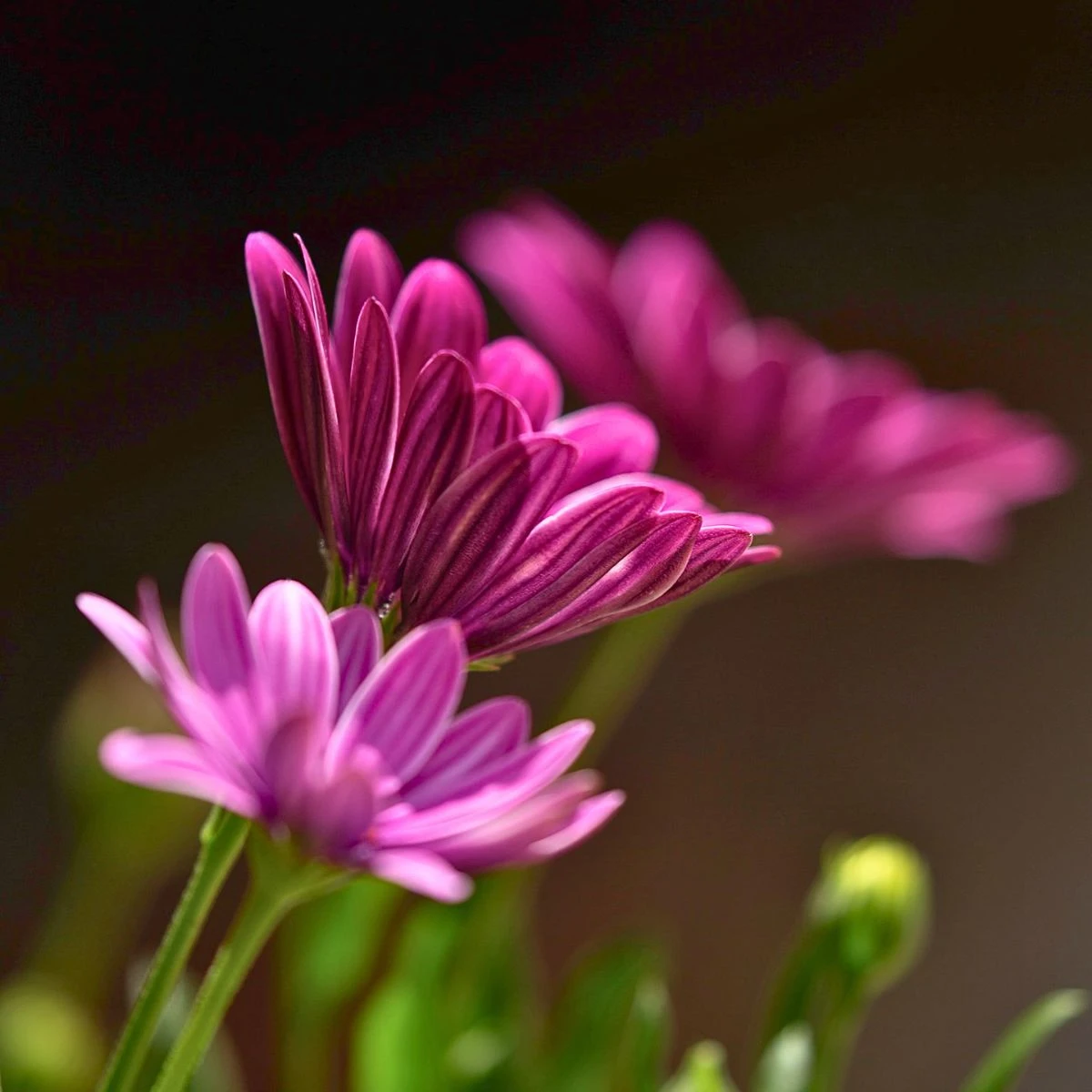
Color plays a direct role in attracting pollinators. Different insects respond to different parts of the color spectrum. Bees are most responsive to blue, purple, and yellow tones. Many flowers that target bees fall within this range. Some also contain ultraviolet patterns that are not visible to the human eye but act as guides, directing bees toward nectar.
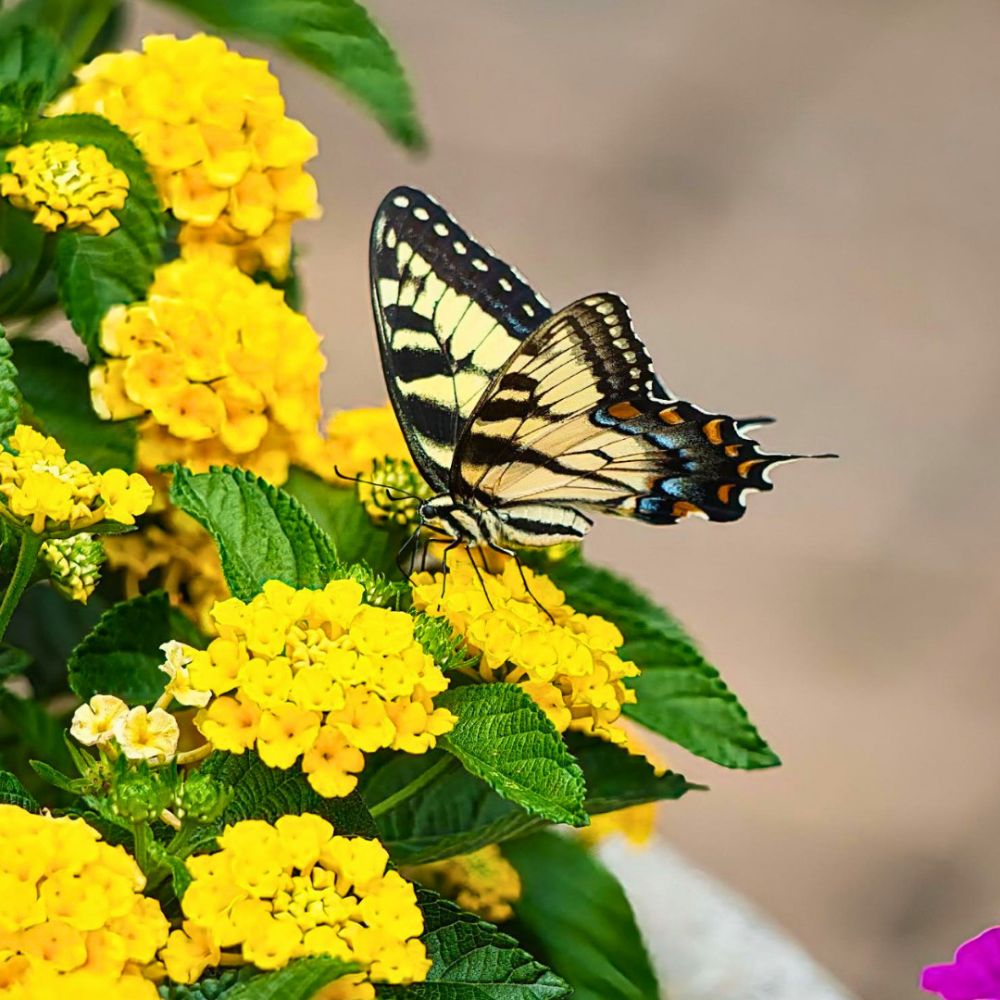
Butterflies tend to favor brighter shades such as red, orange, and pink. These colors stand out in open environments and signal a reliable food source. In floral production, this explains why certain color ranges consistently perform better in pollinator-friendly planting.
Scent and Timing
Scent is another key factor. Flowers release fragrance to help pollinators locate them, especially when visibility is limited by distance or surrounding vegetation.
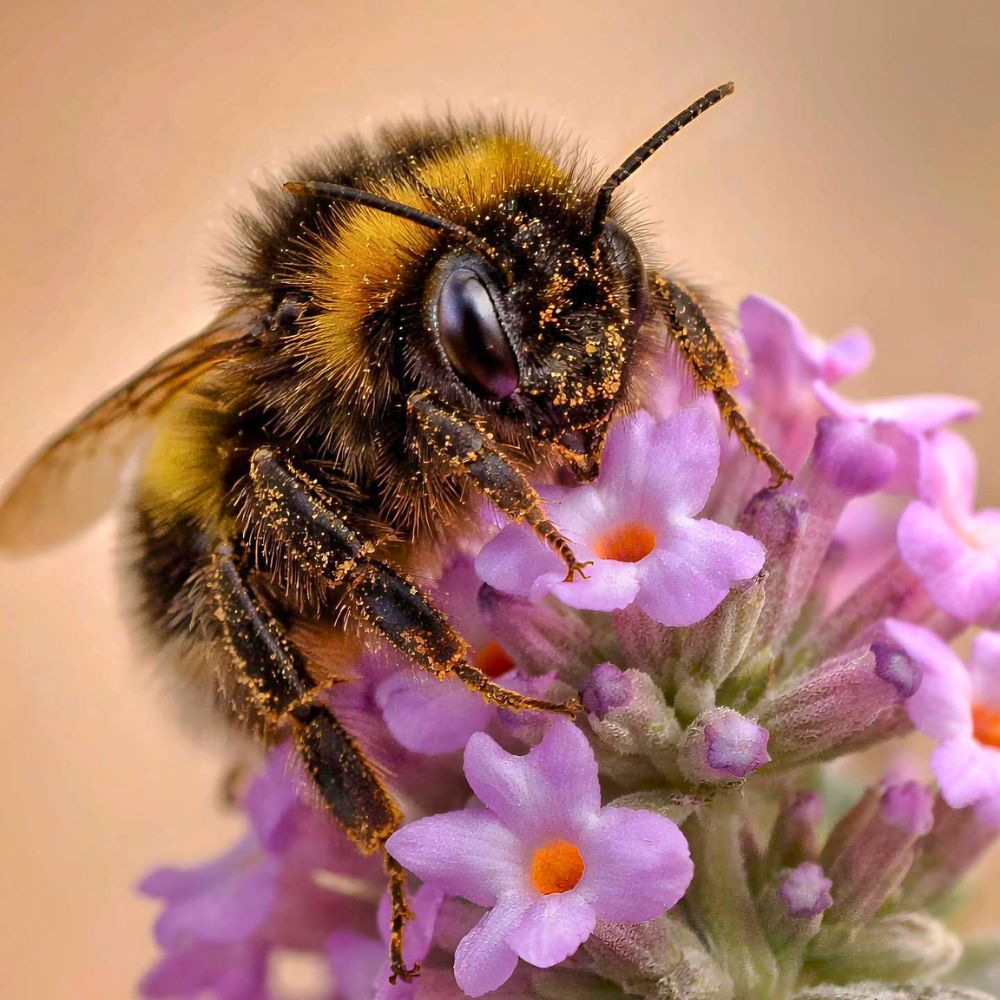
Day pollinators such as bees and butterflies are drawn to lighter, sweeter scents. These are often released during daylight hours when these insects are most active. This timing ensures that energy invested in scent production aligns with pollinator activity. In contrast, some flowers that rely on night pollinators release stronger scents after sunset. This level of specialization shows how closely plant behavior is tied to pollinator patterns.
Flower Shape and Accessibility
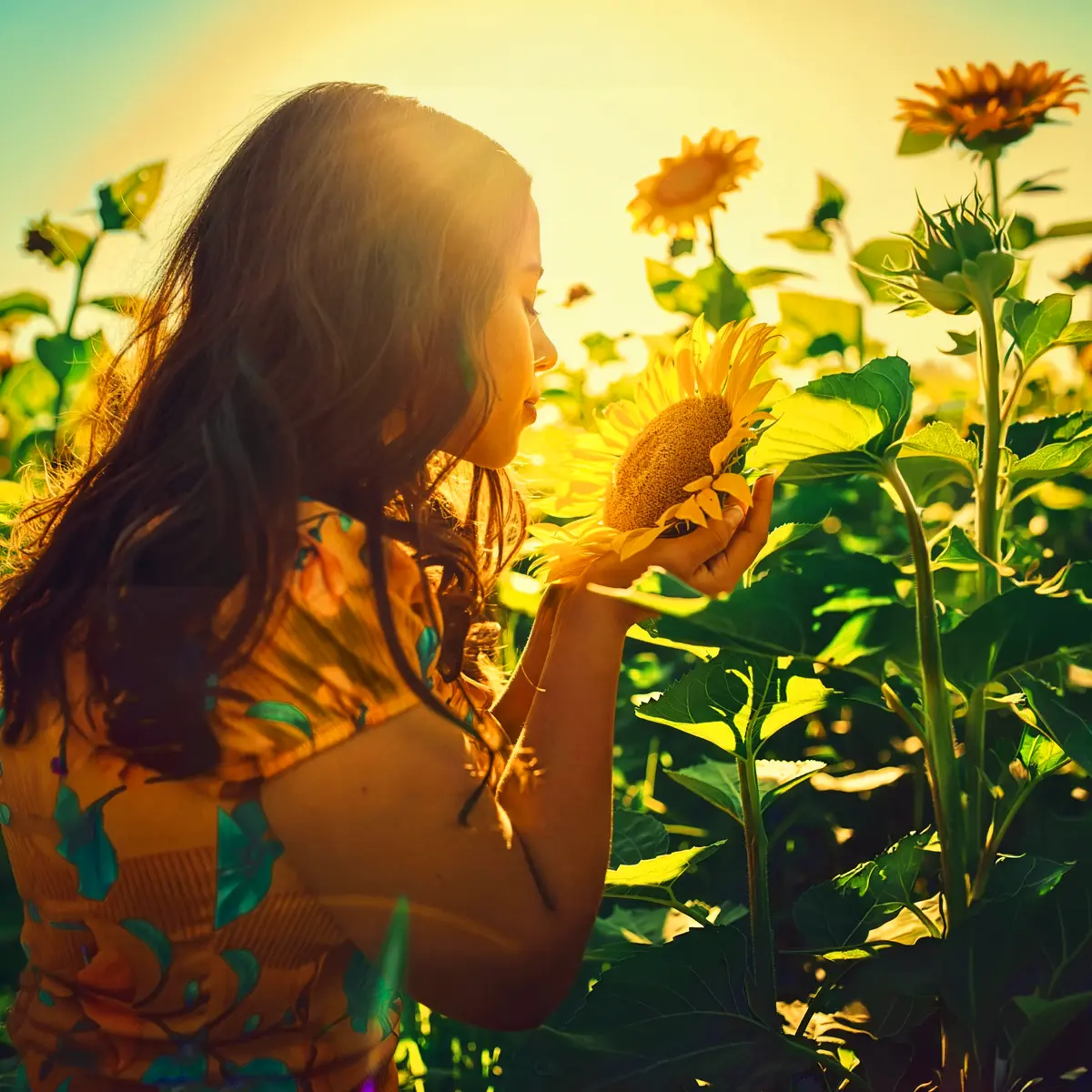
The structure of a flower determines which pollinators can access it. Not all insects can feed from all flowers. Bees prefer flowers with open or clustered forms where they can land easily. Examples include Zinnias, sunflowers, and coneflowers. These provide stable surfaces and accessible pollen.
Butterflies, with their long feeding tubes, are better suited to tubular flowers or clustered heads that allow them to feed without landing deeply inside the flower. Plants such as lantana, verbena, and milkweed are well-suited to this interaction. This matching between flower shape and insect anatomy is a practical consideration in both garden planning and commercial growing.
A System of Mutual Benefit
This interaction is an example of mutualism, where both sides benefit. The plant secures reproduction through pollination, while the insect gains a reliable food source. For growers and florists, this relationship matters beyond ecology. Pollinator activity influences crop yield, flower quality, and seed production. In regions where pollinator populations decline, production systems are directly affected.
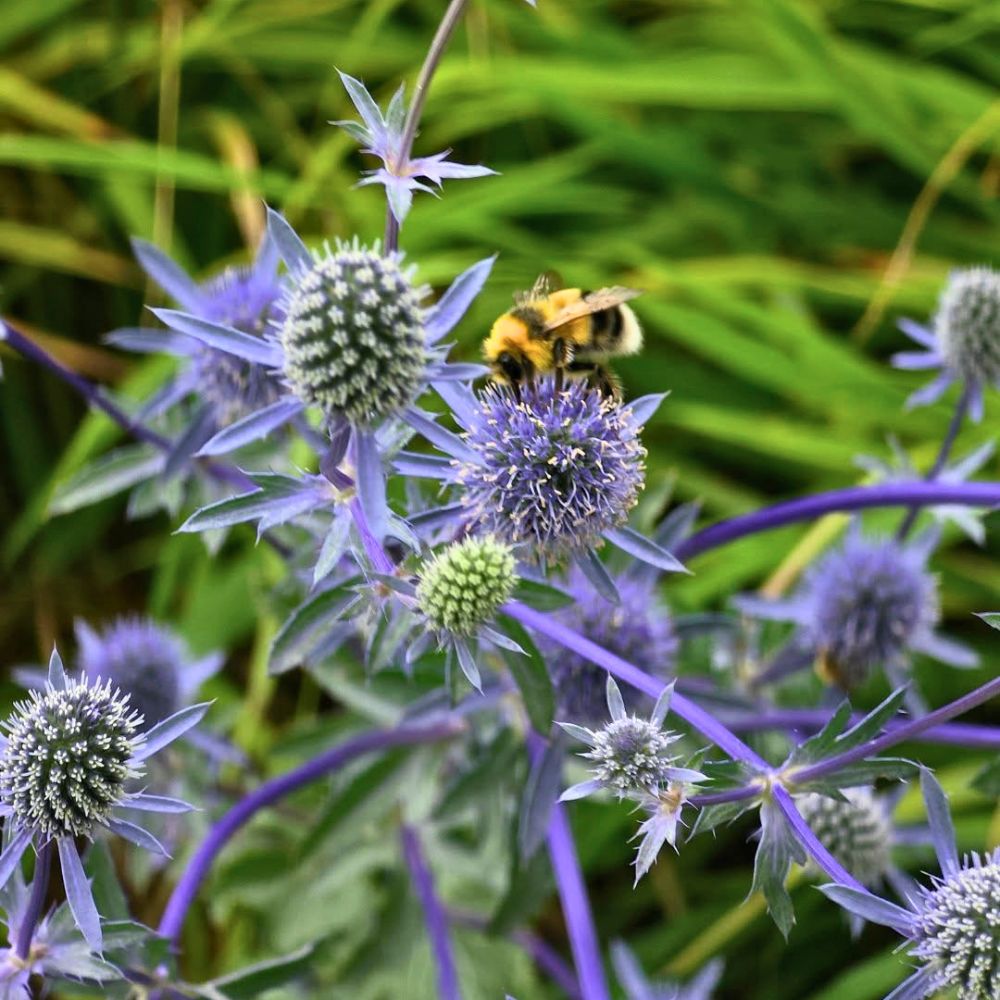
Maintaining pollinator-friendly environments is therefore not only an environmental concern but also a business consideration.
Flowers That Consistently Attract Pollinators
Across different regions, certain flowers perform consistently well in attracting bees and butterflies. These are widely used in gardens, landscapes, and even around production areas to support pollinator presence.
Lavender is one of the most reliable plants for attracting bees due to its strong scent and nectar production. Sunflowers provide both nectar and pollen in large quantities, making them highly attractive in open spaces. Zinnias offer accessible flower heads that support both bees and butterflies, while salvia produces nectar-rich tubular flowers that sustain pollinators over extended periods.
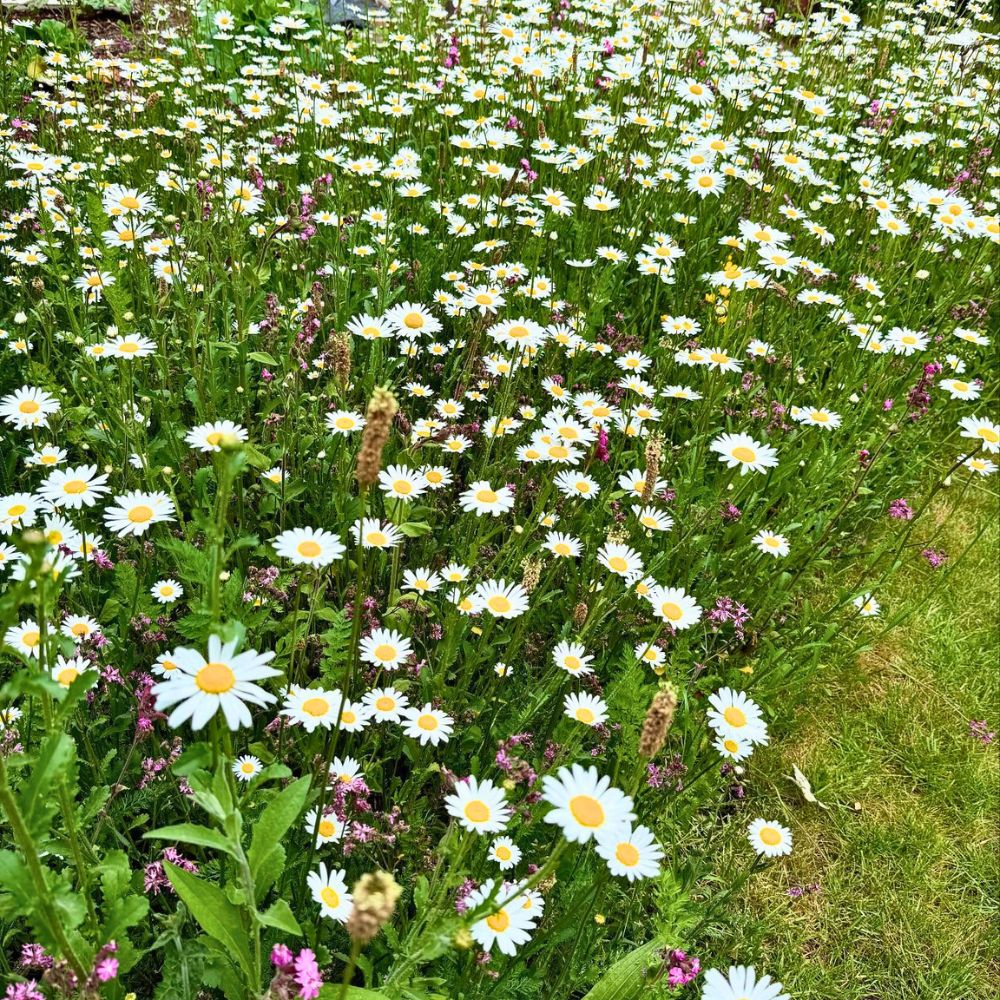
Other strong performers include Echinacea, marigolds, Cosmos, and Verbena. These plants share common traits such as long flowering periods, accessible structures, and consistent nectar supply.
The Value of Herbs and Secondary Crops
Herbs are often overlooked in pollinator discussions, yet they play a significant role. When allowed to flower, plants such as basil, Oregano, thyme, and dill become active feeding stations.
These crops are especially useful in mixed planting systems where space is limited. They support pollinators while also serving culinary or commercial purposes. For small-scale growers and home gardeners, this dual function adds efficiency to planting decisions.
Seasonality and Continuity
One of the most important factors in attracting bees and butterflies is continuity. Pollinators need a steady food supply across seasons.
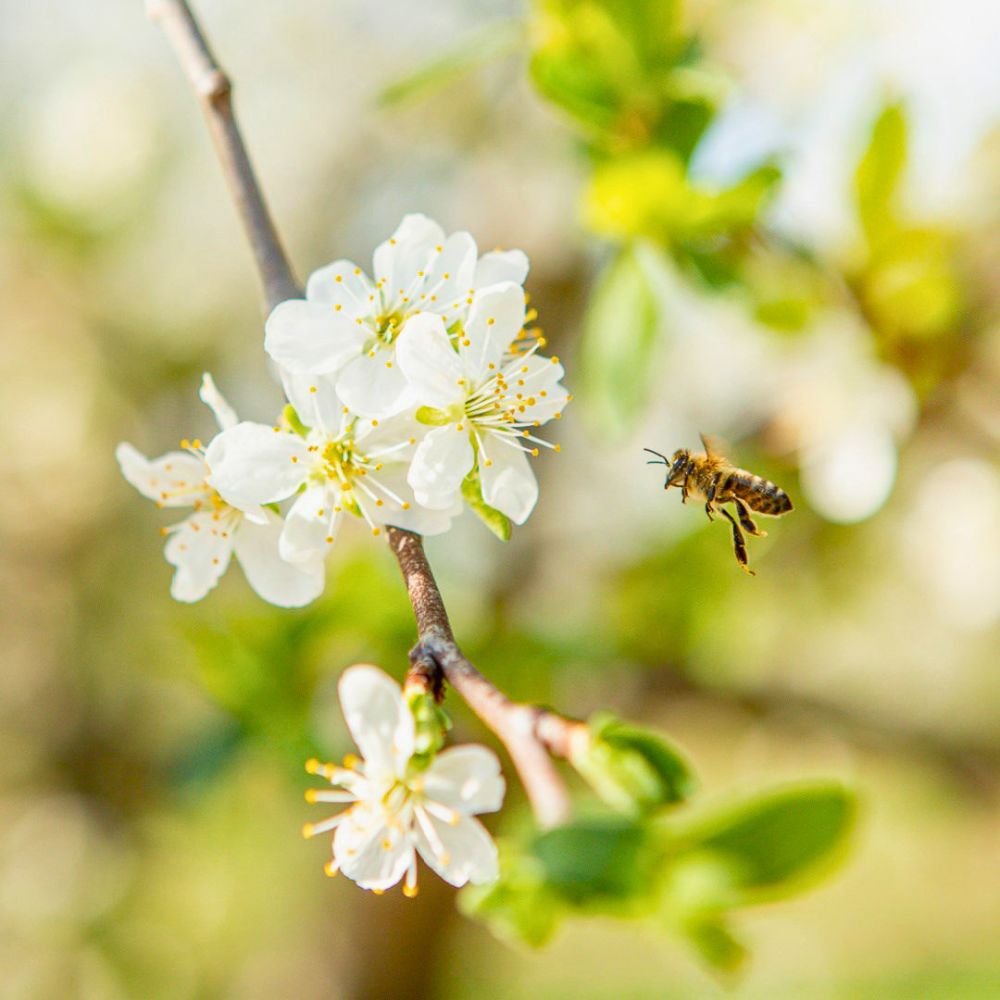
A single flowering period is not enough to sustain activity. Instead, planting should be structured to include early, mid-season, and late-season flowers. This ensures that as one group of plants finishes, another begins. In practice, this creates a stable environment where pollinators return consistently. For growers, it supports ongoing pollination. For florists and designers, it ensures access to materials that are part of a broader ecological system.
Why This Matters for the Floral Industry?
For anyone working within flowers, from breeders to growers to designers, understanding pollination is not theoretical. It directly influences how plants are developed, cultivated, and positioned in the market. Flowers that attract pollinators are often more resilient in outdoor settings. They contribute to biodiversity and support sustainable growing practices. This adds value not only in production but also in storytelling and brand positioning.
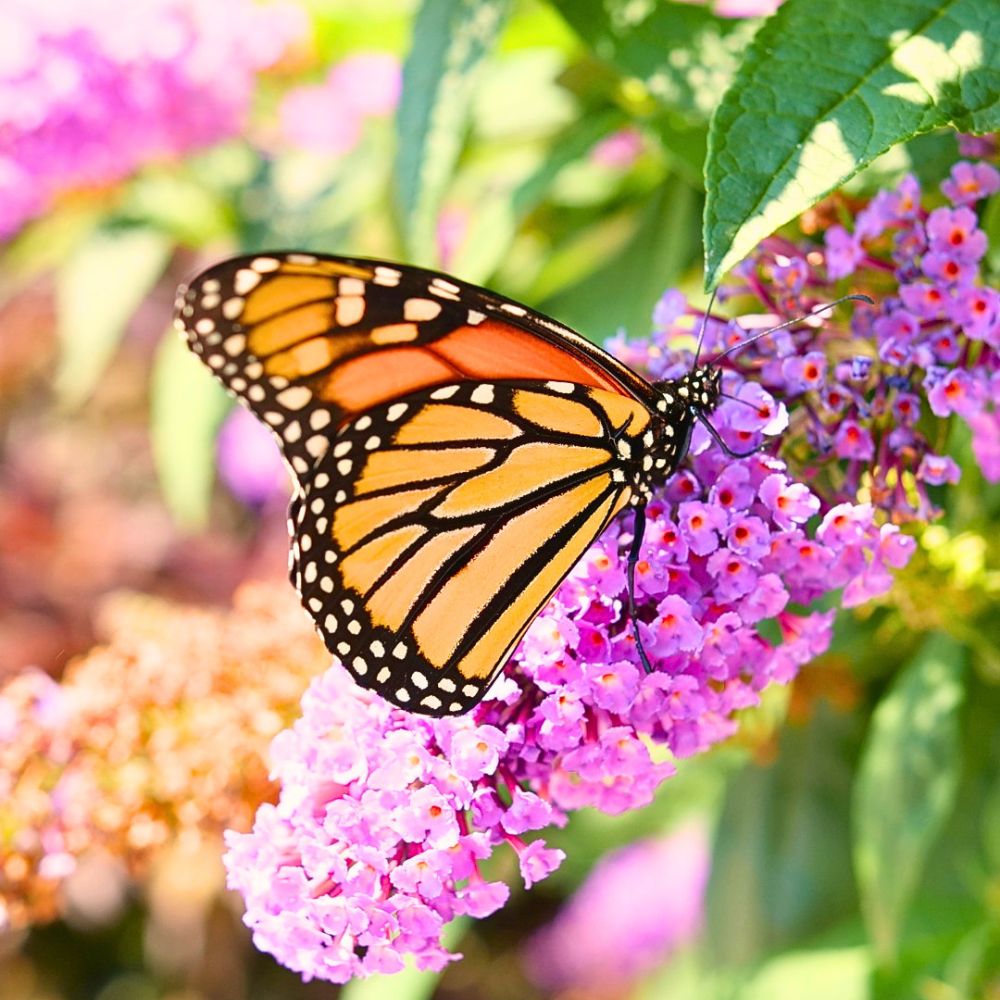
Consumers are increasingly aware of environmental impact. Pollinator-friendly flowers align with this awareness, offering a practical way to connect product with purpose. Flowers attract bees and butterflies because they depend on them. What appears as color and scent is part of a structured system designed for survival and reproduction.
Header image by @aleksanderfra.