Receiving and bringing home a bouquet of fresh flowers is always a wholesome experience. It is, by all means, satisfying as you watch the flowers hold and maintain their beauty and freshness for as long as possible. You almost wish they did not wither or fade. But then they naturally have to, of course, after they have run their course.
Most people have heard at least one grandmother's trick for keeping cut flowers fresh for longer, and sugar is almost always part of that conversation. But does it really work, or is it one of those well-meaning myths passed down without anyone asking why? Turns out, the answer is a little more fascinating than an outright yes or no.
What Happens to a Flower Once It Is Cut?
To understand what sugar does, one first has to understand what a cut flower goes through when it is cut. The moment a stem is separated from its plant, it loses access to the root system that was supplying it with water and nutrients. More importantly, it loses access to sugars produced through photosynthesis in the leaves. Those sugars were the flower's primary energy source, feeding everything from their petal development to the natural opening process.
Without that supply, a cut flower is essentially running on reserve fuel. It can still take up water through its stem, and if conditions are right, it can maintain its shape and color for several days. But the clock starts ticking the moment the cut is made, and anything that slows that process down is worth knowing about.
The Role Sugar Plays
When sugar is added to the water in a vase, it acts as a substitute for the carbohydrates the flower can no longer produce on its own. Flowers need glucose to fuel cellular respiration, which is the process that keeps their tissues alive and functioning. When that supply is interrupted, petals begin to deteriorate faster, colors fade sooner, and flowers that should have opened fully sometimes never do.
Adding a small amount of sugar to vase water can help a flower open more fully and stay open longer. Studies on cut flower longevity have shown that sugar supplementation slows petal aging, particularly in flowers like roses, carnations, and Chrysanthemums that are often cut before they are fully open. For these flowers, the difference between sugar-treated water and plain water can be a matter of several days.
The Catch Is That Sugar Also Feeds Bacteria
Sugar not only feeds the flower, which is somewhat of a complication. It also feeds bacteria and microorganisms that naturally find their way into the vase water. Bacterial growth is one of the leading causes of premature flower death because it clogs the tiny vessels inside the stem, preventing water uptake. A stem that cannot draw water will wilt regardless of how much sugar is available in the vase.
This is why florists and flower care researchers long ago moved toward a more balanced solution. The commercial flower preservatives sold in small packets, the ones that often come tucked into a bouquet, typically contain three things: a carbohydrate source for energy, an acidifier to lower the pH of the water (which helps stems absorb water more efficiently), and a biocide to control bacterial growth. Together, those three components do what sugar does not do alone.
How to Use Sugar on Cut Flowers at Home
If you do not have a commercial preservative on hand, a homemade solution using sugar can still work reasonably well, as long as you pair it with something to manage bacteria. A widely used home recipe calls for one teaspoon of sugar, one teaspoon of white vinegar or a few drops of bleach, and a quart of water. The vinegar or bleach keeps bacterial growth in check while the sugar feeds the flowers.
A few additional notes worth keeping in mind:
- Use lukewarm water instead of cold water, as most flowers absorb it more readily.
- Change the water every two days and re-cut the flower stems at an angle when you do.
- Keep the concentration of sugar low. Too much sugar can instead draw water out of the stem through osmosis, which has the opposite of the intended effect. One teaspoon per quart is a reasonable starting point.
- Some flowers, including tulips and daffodils, are sensitive to sugar in higher concentrations, so use less or skip it altogether with those varieties.
What Does Research Say?
Several extension programs and post-harvest horticulture researchers have tested various homemade and commercial solutions over the years, and the general finding has been that commercial preservatives outperform plain water and plain sugar water in most cases, but a properly balanced homemade solution can come close.
The key variable is always the control of bacteria. Sugar without this control can shorten vase life instead of extending it. That said, in a clean vase with fresh water that is changed regularly, a small amount of sugar can make a noticeable difference, particularly for flowers that were cut in bud stage and need the energy to open fully.
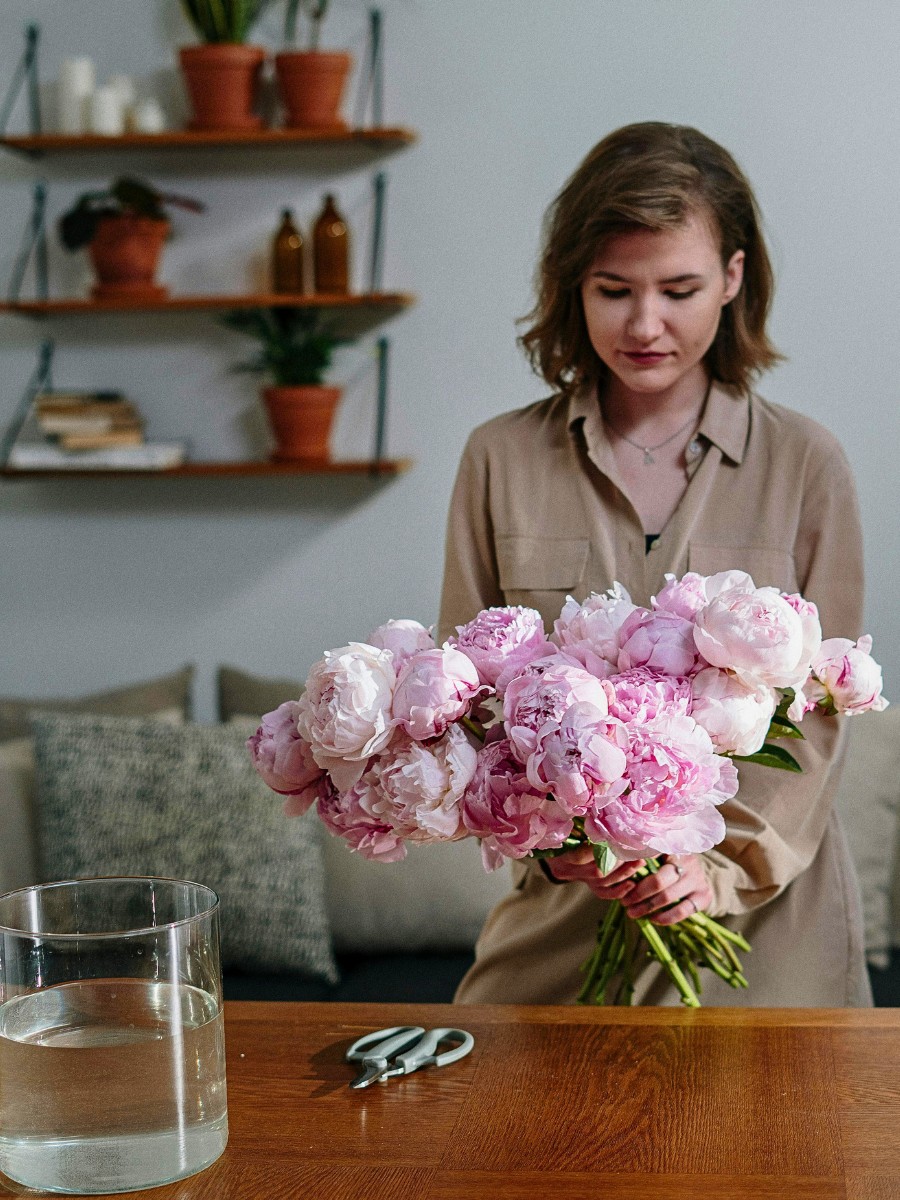
Just a Small Ask That Makes a Difference
Flowers do not usually require much. Clean water, a little light, and the right conditions can take them quite far. If used thoughtfully and in balance with the other factors that affect vase life, sugar is a perfectly useful tool. It is neither magic nor a substitute for good flower care practices, but it still does give cut flowers a much-needed source of energy they lost when they were cut.
The best approach is to use a commercial flower preservative when you have one, and to make a simple homemade solution when you do not. Either way, keep the water clean, ensure the vase is out of the way of direct sunlight and away from heat sources, and re-cut the stems regularly.
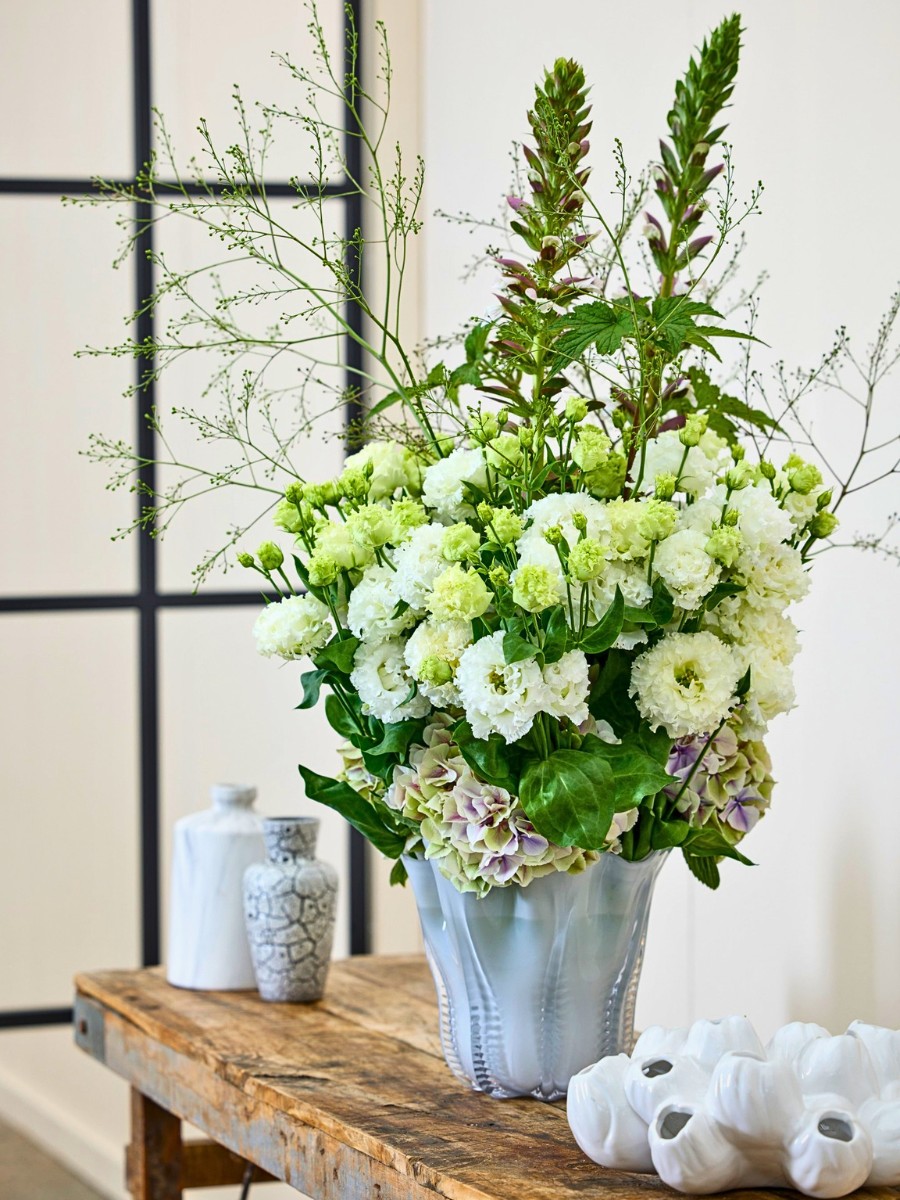
These habits, combined with a little sugar, will certainly get you more days of freshness and beauty out of the bouquet of fresh-cut flowers that you bring home.
Featured image by @protectourbreasts. Header image by @royalvanzanten