Flowers are often chosen for how they look on day one, but what matters just as much is how they hold up over time. Anyone who has placed a bouquet in a living space understands the difference between stems that fade within days and those that continue to look fresh and open well into the second week. Longevity shapes the overall experience. It turns flowers from a short moment into something that becomes part of daily life.
Understanding which flowers last longer in a vase and why they do so helps both buyers and florists make more intentional choices. It also shifts attention toward value, consistency, and performance after purchase.
Why Some Flowers Last Longer Than Others
Longevity in a vase is not random. It comes down to structure and how a flower manages water after it is cut. Flowers with thicker stems and stronger internal structure are better at retaining moisture. Some varieties also have surfaces that reduce water loss, while others are bred specifically for extended vase life.
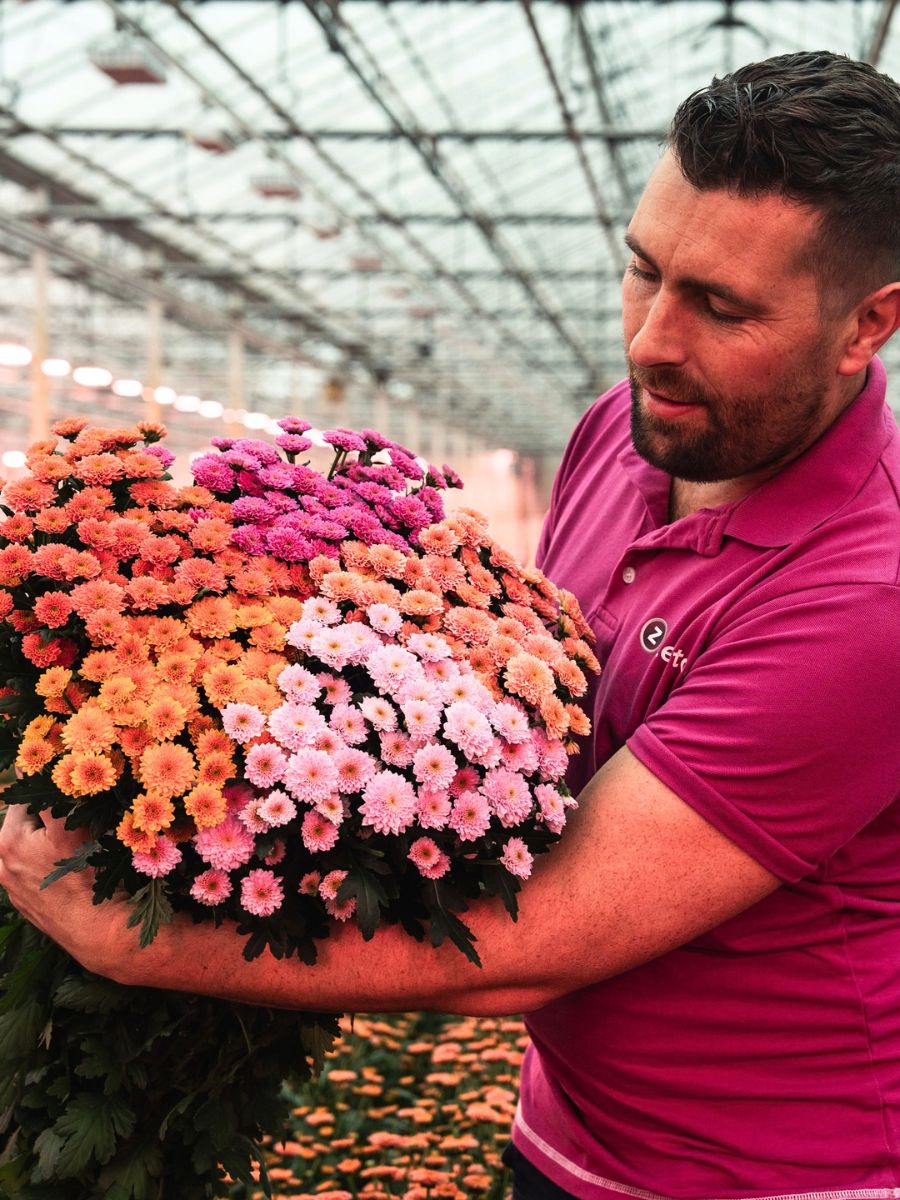
In commercial floriculture, these traits are developed over time. Growers and breeders select for flowers that can travel well, handle handling, and still maintain quality days or weeks after harvest. This is why certain varieties consistently outperform others in a vase.
Carnations
Carnations , aka Diuanthus, are one of the most reliable, long-lasting cut flowers. They can hold for two to three weeks while maintaining structure and color. Their stems are firm, and the flower head does not collapse easily. Even toward the end of their vase life, they tend to remain presentable.
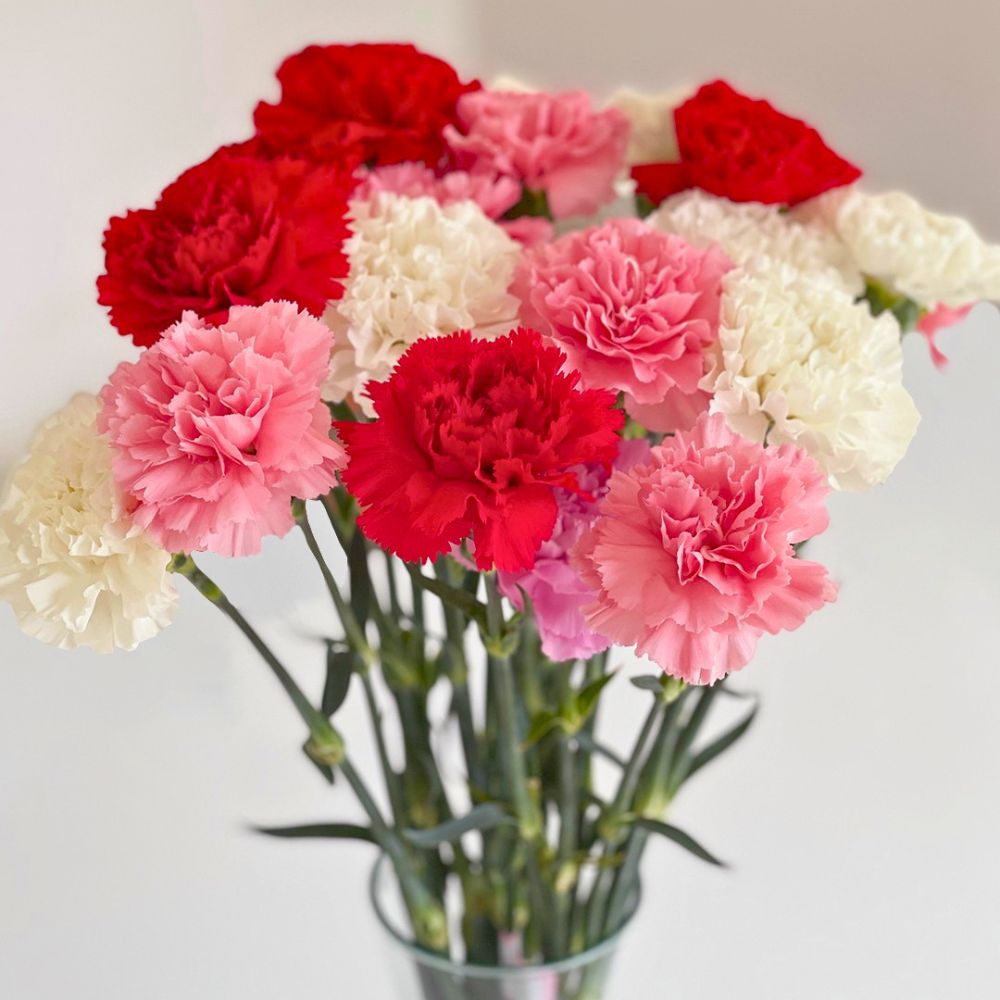
This makes them a practical choice for both everyday arrangements and larger installations where consistency is important.
Read more on how to keep carnations strong and long-lasting here.
Chrysanthemums
Chrysanthemums are known for endurance. They hold their shape, remain firm, and resist early shedding. Most varieties can last two to three weeks with minimal decline in appearance.
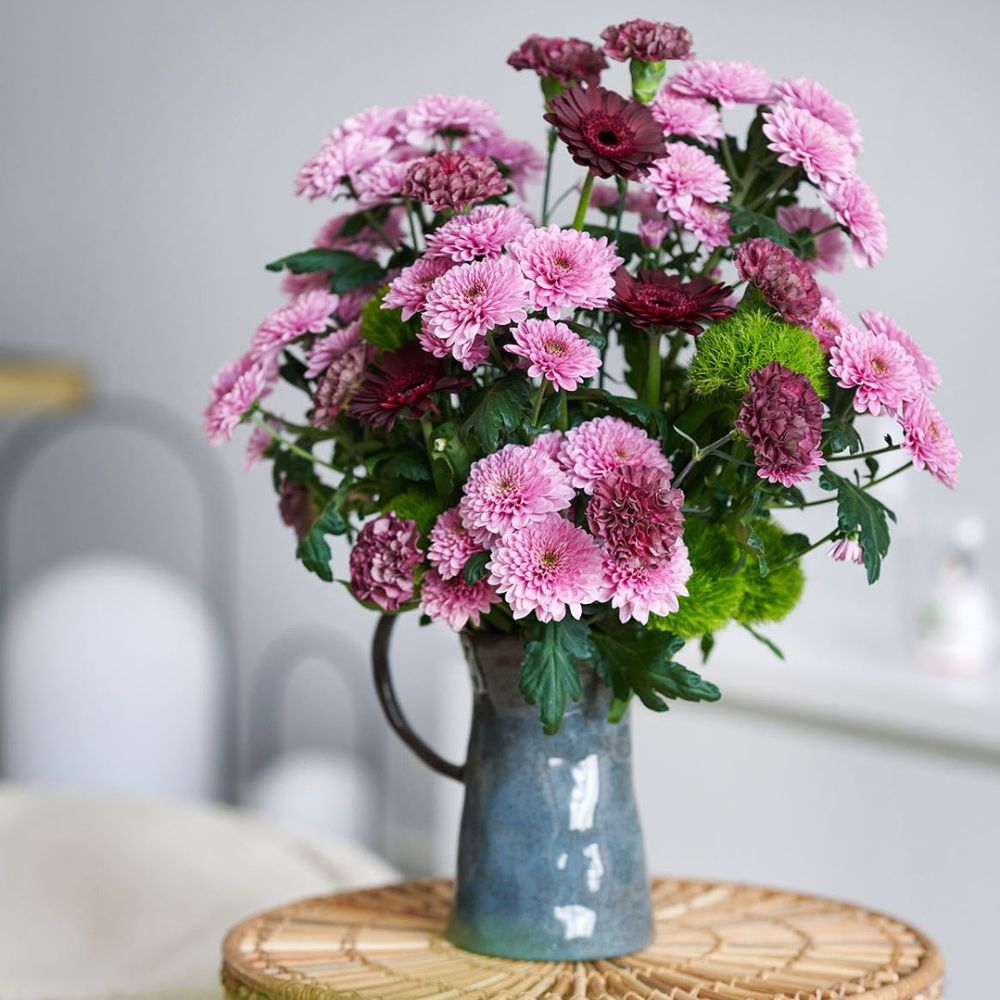
Their durability is one reason they are widely used in both retail bouquets and event work. They maintain volume and structure over time.
Orchids (Phalaenopsis Cut Stems)
Phalaenopsis orchids offer a different type of longevity. Instead of opening new flowers, they maintain their existing ones in strong condition for up to three or four weeks. The petals remain intact, and the overall stem keeps a clean, composed look.
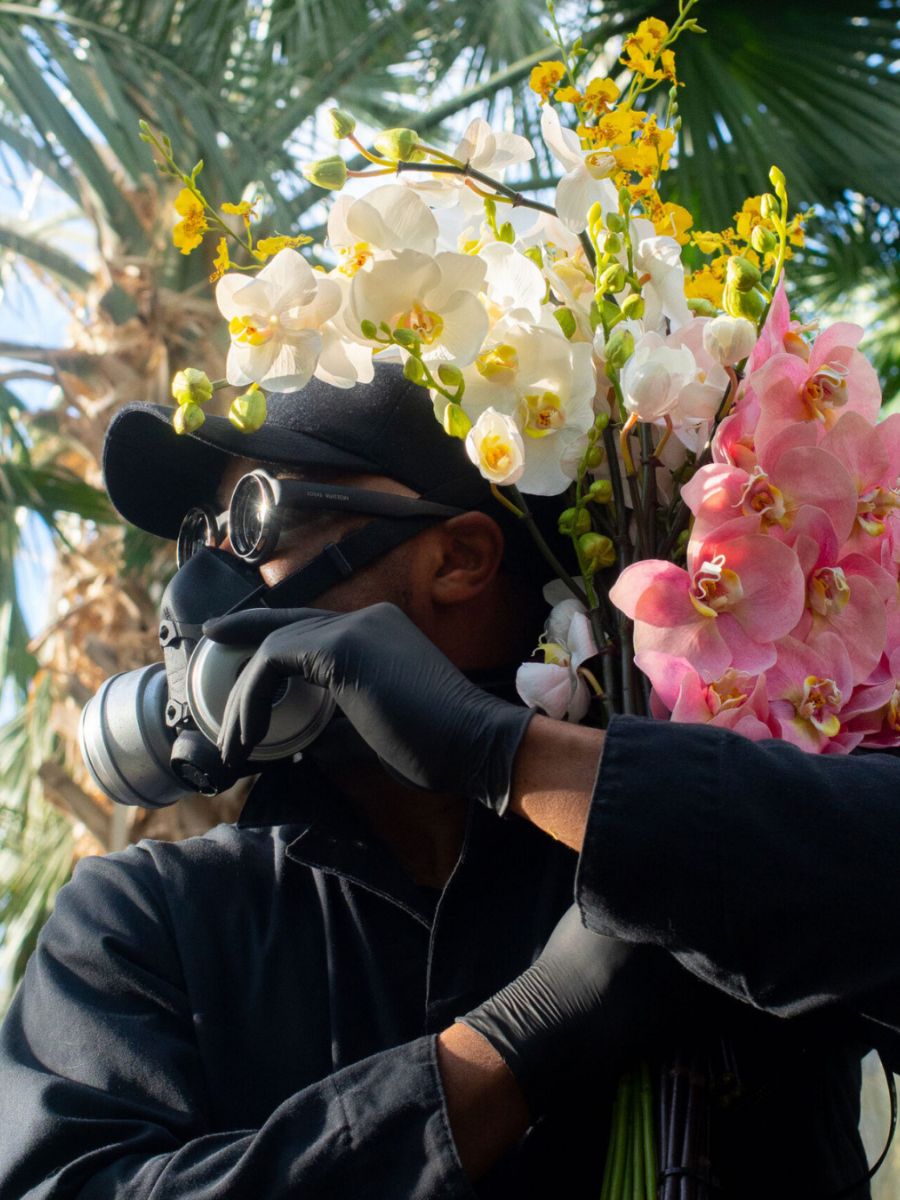
They require a bit more care, but when handled well, they are among the longest-lasting cut flowers available.
Anthurium
Anthuriums stand out due to their thick, wax-like surface. This structure reduces moisture loss and allows them to maintain their shape for two to three weeks or more.

They do not wilt in the traditional sense. Instead, Anthuriums maintain a consistent appearance, making them a strong choice for modern arrangements.
Alstroemeria
Alstroemeria offers longevity through progression. Each stem contains multiple buds that continue to open over time. This means that even after two weeks, the arrangement still feels active.
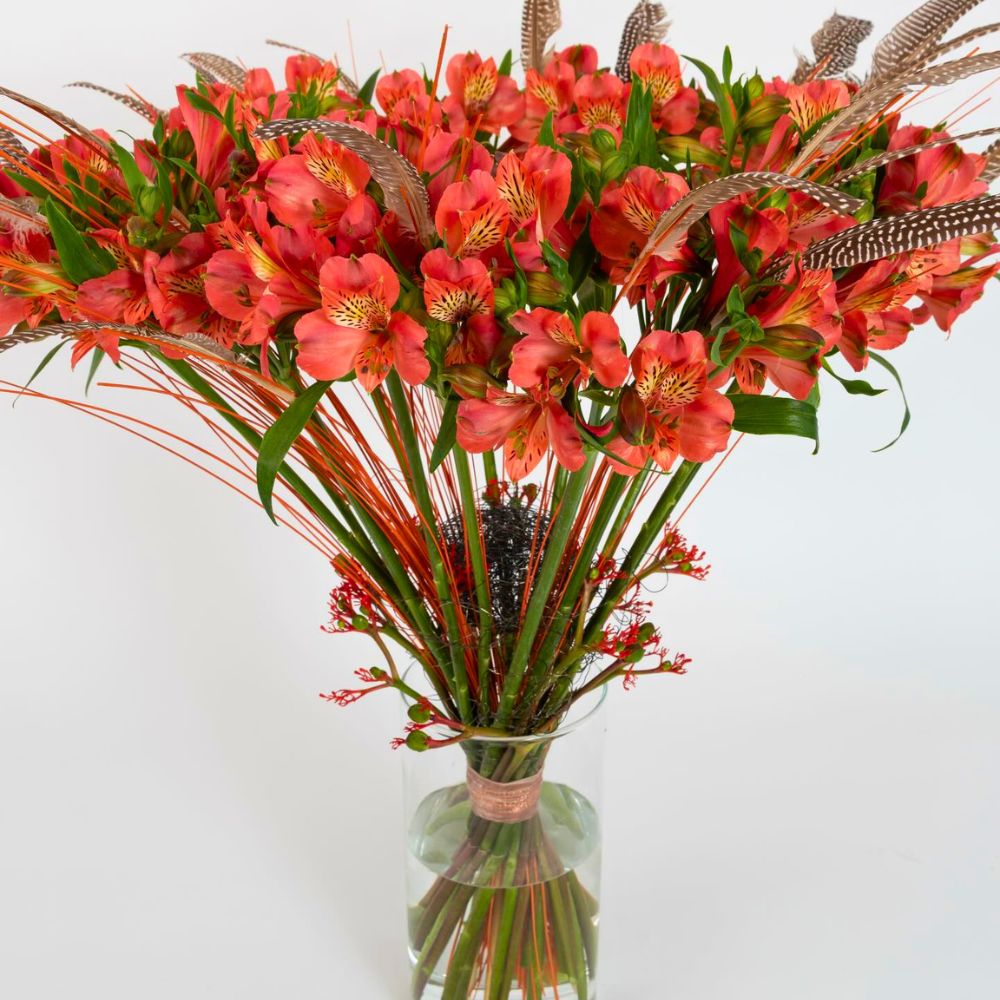
Rather than fading out, it evolves, making it a useful component in mixed bouquets that need to maintain freshness over a longer period.
Protea
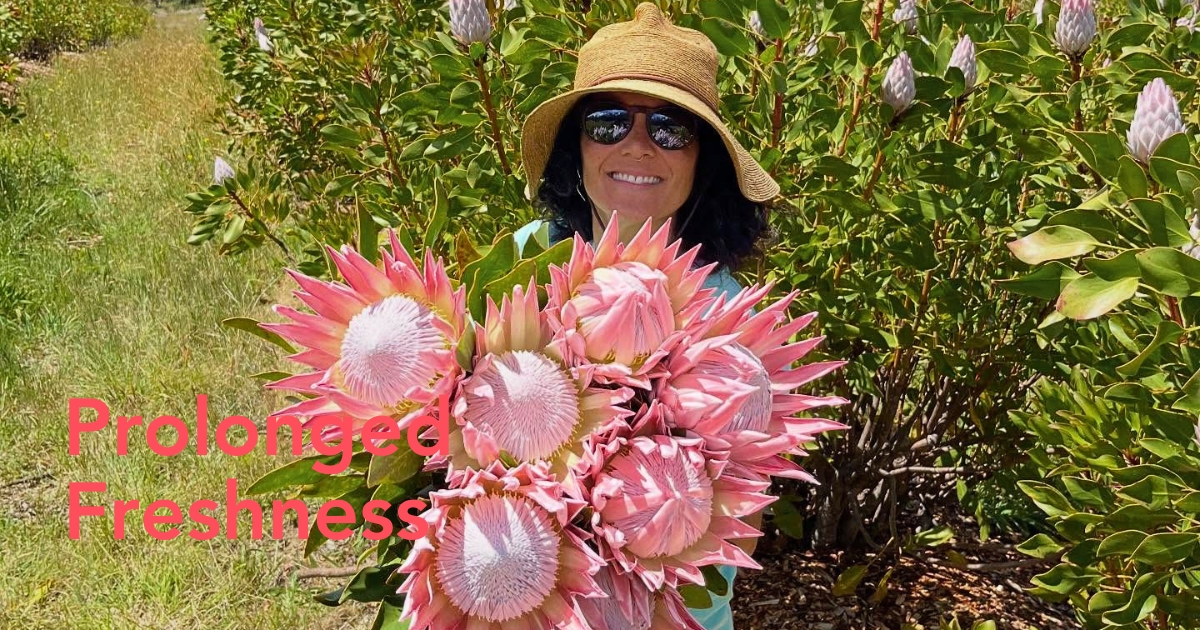
Protea and other hardy stems are built to last. They hold their structure for two to three weeks and do not show rapid signs of decline. Their strength lies in their ability to maintain visual impact without needing to change or open further.
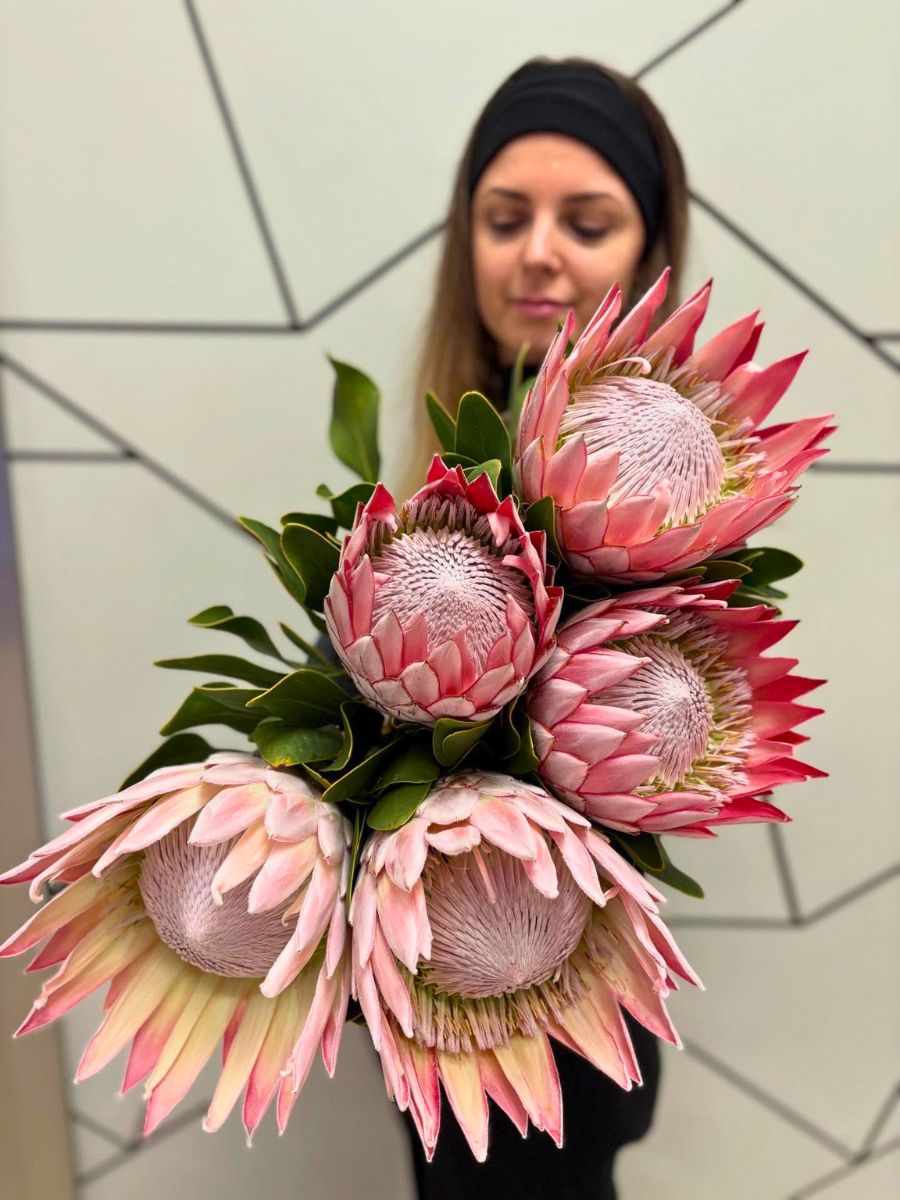
They are often used when durability is a priority, especially in more structural designs.
How to Keep Flowers Fresh for Longer
Even the most durable flowers require proper care. Clean water is essential. Changing it every two to three days prevents bacteria from forming and blocking the stems. Cutting stems at an angle before placing them in water improves hydration.
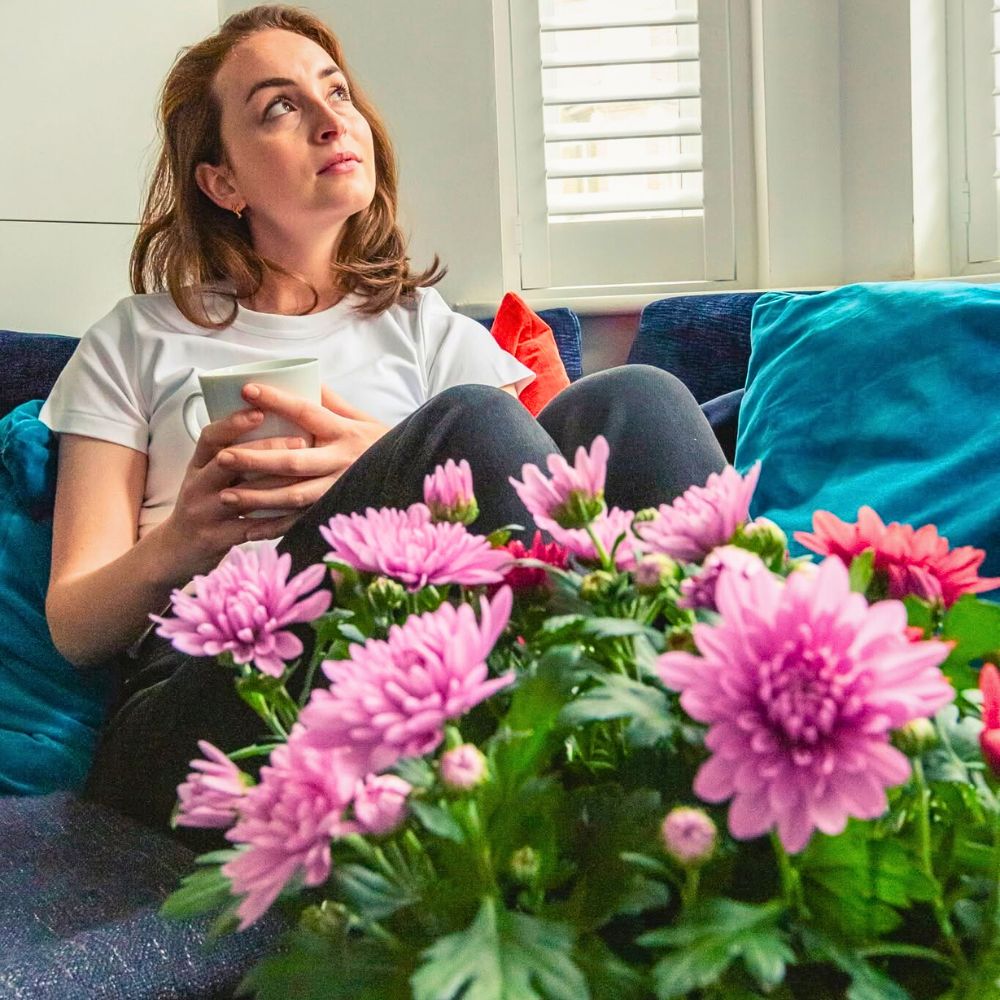
Removing leaves below the water line helps maintain cleanliness and reduces decay. Placement also plays a role. Flowers should be kept away from direct sunlight, heat, and ripening fruit. Heat speeds up aging, while fruit releases gases that can shorten vase life. With the right care, these small adjustments can extend the life of any arrangement significantly.
Choosing Flowers That Last
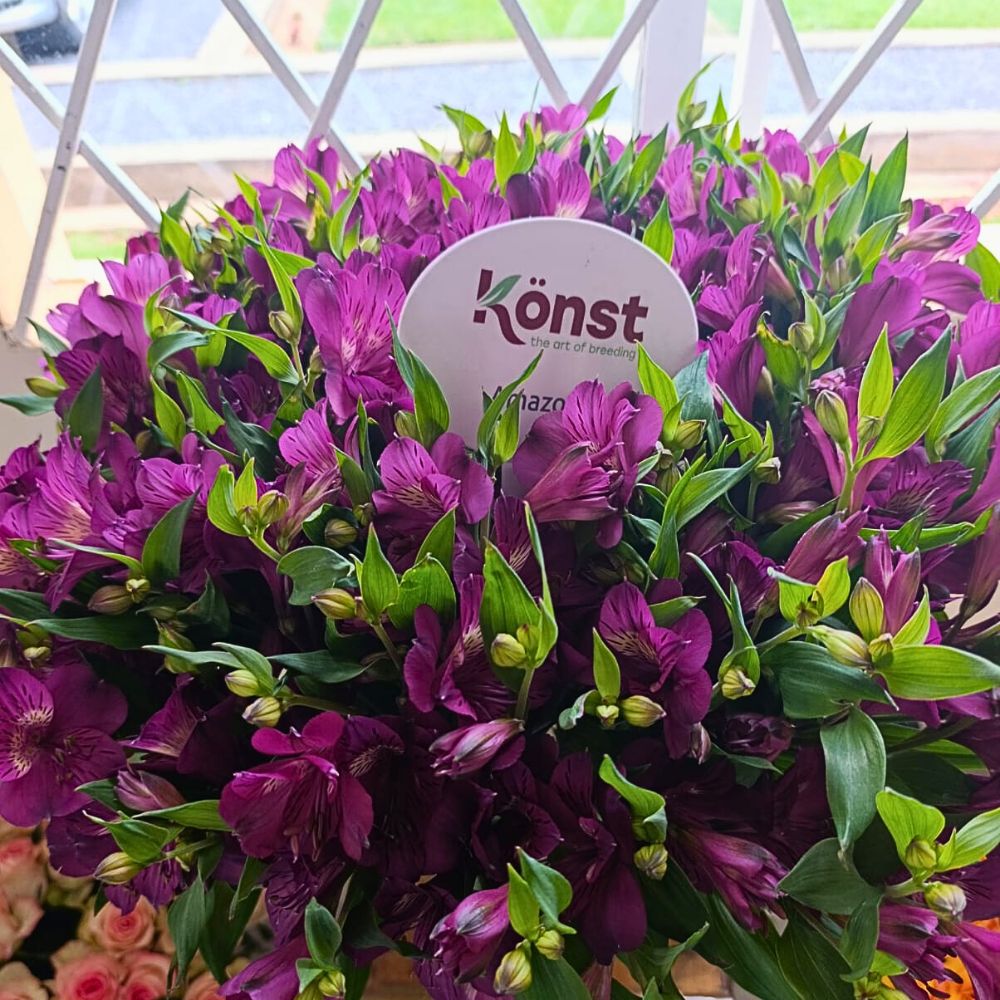
Selecting long-lasting flowers is about more than durability. It is about creating arrangements that continue to hold value beyond the first impression. Carnations, Chrysanthemums, orchids, anthuriums, alstroemeria, and protea each offer a different approach to longevity, whether through structure, resilience, or continuous opening.
For florists, buyers, and anyone working with flowers, this understanding leads to better choices and more consistent results.
Header image by @wyndhamflowerfarm.