Dubai isn't exactly known for growing tulips. But here's what's interesting: the city has quietly become one of the most attractive markets for floral professionals worldwide.
While traditional flower capitals like Amsterdam continue their steady pace, Dubai's cut flower market is exploding with a projected growth rate of 13.7% annually through 2028. That's nearly double the global average.
This isn't just another "Dubai is luxurious" story. The numbers tell a different tale—one about real opportunities, serious infrastructure investment, and a market that's genuinely hungry for talent.
A Booming Market That's Hard to Ignore
Let's talk specifics. Dubai's flower imports exceeded $70 million in 2023, and that figure keeps climbing.
The city receives 20 million visitors annually. Each one of them is a potential customer for hotels, events, and luxury experiences, all requiring elaborate floral arrangements.
Valentine's Day alone sees Dubai florists pulling in $10 million in sales. That's just one day.
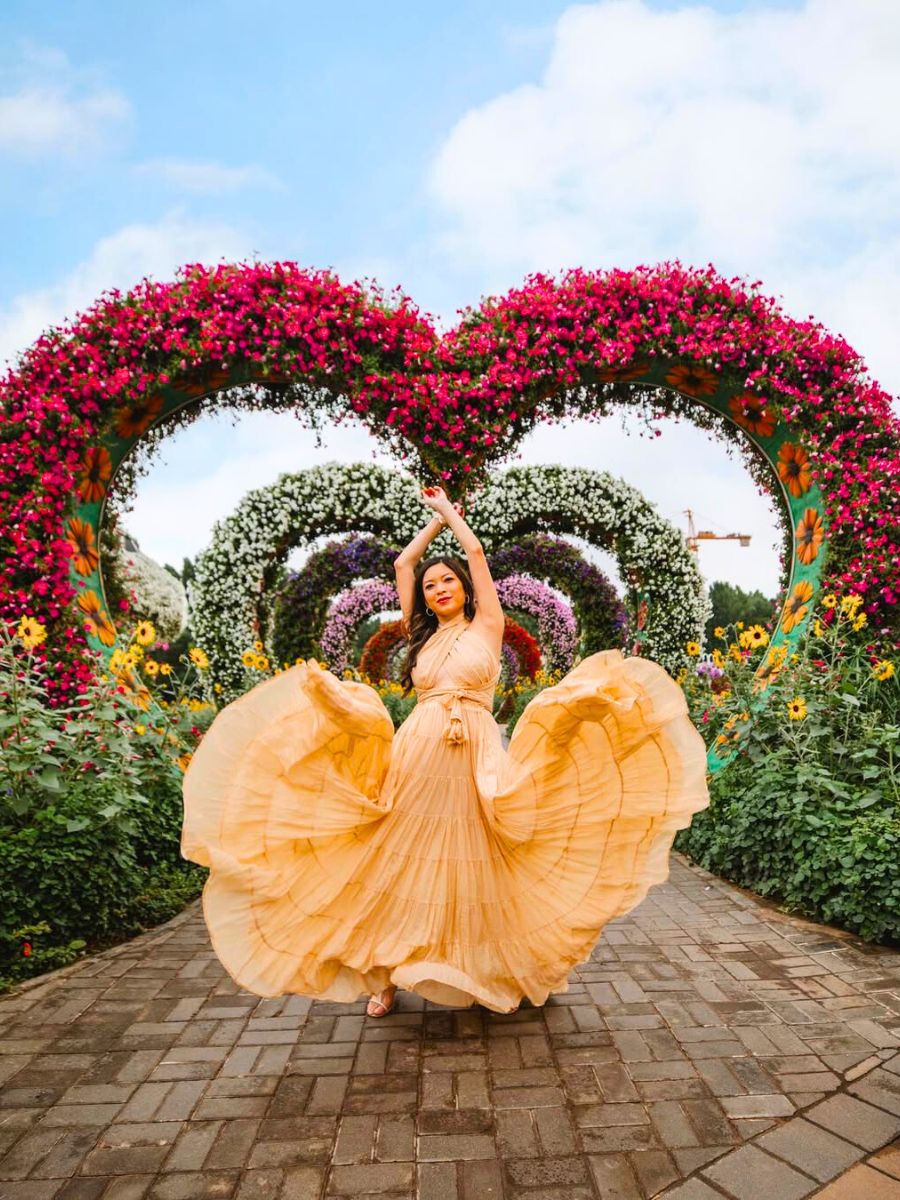
Photo: @tourdelust
The real money, though, comes from something bigger: the events sector. Dubai's regional events industry is worth $70 billion, and flowers are essential to nearly every high-end function. From corporate conferences to the growing number of destination weddings, floral design has become indispensable.
The wedding market deserves special attention. Government initiatives are positioning Dubai as a global luxury wedding hub. Post-COVID recovery has only accelerated this trend, with international couples choosing Dubai for its combination of exotic appeal and world-class venues.
For floral designers who've worked weddings elsewhere, Dubai represents a different league entirely. Budgets are larger. Expectations are higher. And clients want something nobody's seen before.
The Infrastructure That Makes Everything Possible
Here's where Dubai separates itself from wannabe markets: infrastructure that actually works.
The Dubai Flower Centre processes 150,000 tons of floral cargo annually. This isn't a distribution point—it's a logistics powerhouse designed specifically for the unique demands of fresh flower handling.
Temperature-controlled facilities. Rapid customs clearance. Strategic location between major growing regions and consumer markets.
More importantly? Tax-free import logistics. This single factor changes the entire business equation for florists and suppliers operating in Dubai.
Valeria Randazzo, Exhibition Director at MyPlant & Garden Middle East, puts it plainly: "This market is no longer just about beauty - it's about scale, supply chains, and new business opportunities for nurseries, florists."
That exhibition, scheduled for November 2025 at Dubai Exhibition Centre, expects 810 exhibitors and 27,000 visitors from 40 countries. These aren't hobbyists—they're serious industry players looking to capitalize on the region's growth.
The variety available matters too. Dubai's market includes traditional favorites like roses, tulips, and gerberas, but local production is expanding. Greenhouse technology and climate-controlled growing facilities are making it possible to cultivate flowers locally that were previously impossible in the desert climate.
Career Opportunities That Actually Exist
Theory is nice. Real jobs are better.
Dubai's hospitality sector is expanding aggressively to support tourism growth. Every new hotel needs floral arrangements. Every existing property competes on creating Instagram-worthy experiences, and flowers photograph well.
The commercial events space offers consistent work for experienced designers. Corporate functions, product launches, and conferences happen year-round. Unlike seasonal markets elsewhere, Dubai maintains steady demand across all twelve months.
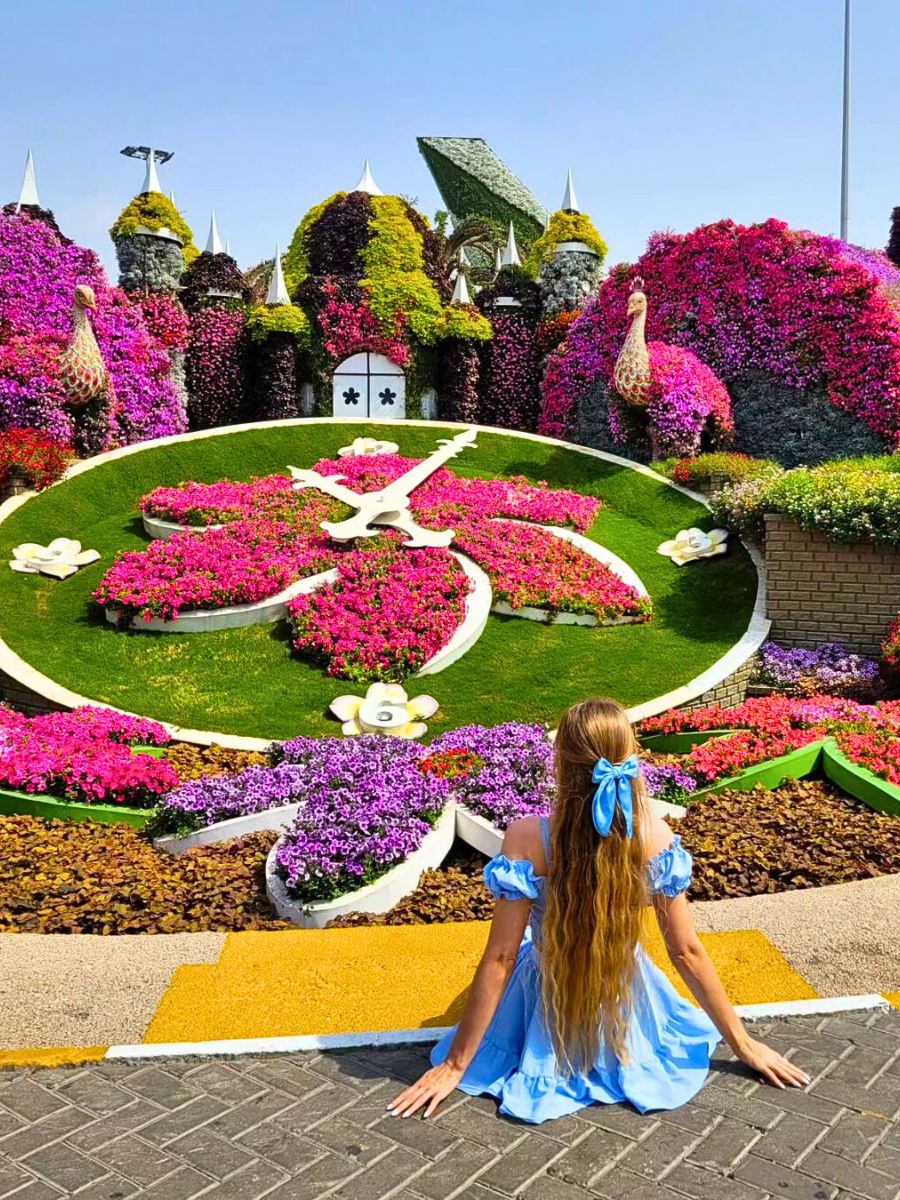
Photo: @wellyesitsme
Wedding floristry has become its own specialty. Destination weddings typically involve multi-day celebrations with different floral themes for each event. A single wedding can require more flowers—and generate more revenue - than a month's worth of retail orders elsewhere.
But here's what's less obvious: the business-to-business opportunities. Nurseries supplying local florists. Import specialists connecting international growers with Dubai buyers. Consultants helping hospitality groups develop their floral programs.
Companies like Flowers AE LLC, Bloombox, and Bliss FZCO are established players, but the market's rapid growth means there's room for new entrants who bring expertise and innovative approaches.
The artificial flowers segment is growing too, projected to reach $50 million by 2030. Polyester-based products lead this category, serving clients who want permanent installations for offices and residential properties.
The Business Advantage No One Talks About
Tax structure changes everything when you're building a business.
Dubai has no personal income tax. None. The money you earn is the money you keep, minus standard business expenses.
For floral businesses, import duties on flowers are minimal or non-existent through the Dubai Flower Centre's special logistics zone. Compare this to operating costs in European or North American markets, where taxes and duties significantly impact profit margins.
Operating expenses still exist, obviously. Commercial rent, labor costs, and logistics all factor into the equation. But the absence of heavy taxation means better cash flow and faster business growth for those who manage operations efficiently.
Emerging trends also favor forward-thinking professionals. Sustainable flowers are becoming significant - 25% of consumers now specifically request eco-friendly options. Local flower production has increased 20% post-COVID as the market seeks to reduce its carbon footprint from imports.
Getting ahead of these trends positions businesses for long-term success in a market that's just beginning to mature.
Living in Dubai as a Floral Professional
Career prospects matter. So does daily life.
Dubai's quality of life consistently ranks high among global cities. The 20 million annual visitors aren't just tourists - they're evidence of a city with world-class infrastructure, safety, and amenities.
For floral professionals considering relocation, networking opportunities are surprisingly robust. Industry exhibitions like MyPlant & Garden Middle East connect local professionals with international contacts. The events sector naturally brings together creative professionals from various disciplines.
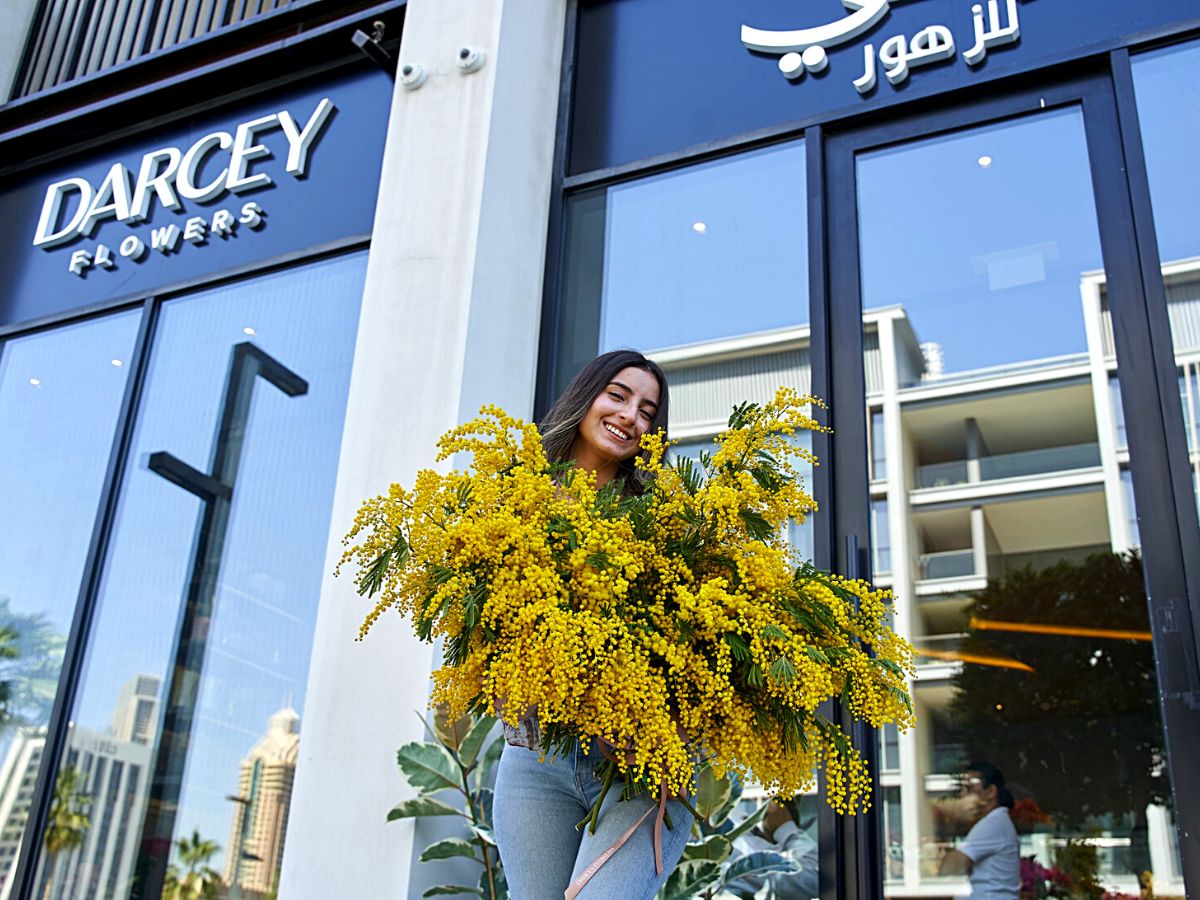
Photo by Darcey Flowers
Supply access is straightforward. The Dubai Flower Centre ensures the availability of premium flowers from around the world. Local suppliers have established reliable networks. Unlike smaller markets where sourcing exotic varieties requires complicated logistics, Dubai's position as a trading hub simplifies everything.
The lifestyle appeals particularly to creative professionals. Dubai's emphasis on luxury experiences means there's genuine appreciation for high-quality design work. Clients understand the value of expert floral design and are willing to pay for it.
Residency pathways exist for professionals looking to make Dubai their permanent base. For floral industry professionals interested in relocating to Dubai and exploring residency options, specialized advisors like Global Residence Index offer expert guidance on the UAE Golden Visa program, which provides long-term residency for qualified professionals and investors.
Cultural factors work in favor of floral businesses, too. Gift-giving culture is strong across Middle Eastern and Asian communities that make up significant portions of Dubai's population. Flowers play an important role in celebrations, religious observances, and social customs.
What This Actually Means
Dubai's floral industry isn't mature yet. It's rapidly expanding, which creates both opportunities and challenges.
For established professionals from traditional flower markets, Dubai offers higher earning potential and lower taxation. The trade-off is adapting to a newer market with different client expectations.
For entrepreneurs, the combination of growing demand, excellent infrastructure, and favorable business conditions creates rare circumstances. Markets with this dynamic don't appear often.
The 13.7% annual growth rate tells you where things are heading. Compare that to saturated markets elsewhere, and the choice becomes clearer.
Competition exists - four major players already dominate retail distribution. But the market's expansion means there's space for specialists. Wedding-focused designers. Corporate event floristry. Sustainable flower consulting. Import logistics expertise.
MyPlant & Garden Middle East in November 2025 will showcase where the industry is heading. Twenty-seven thousand visitors don't show up unless there's genuine business to be done.
Dubai's transformation into a serious floral market happened quickly. The question for professionals is whether they'll participate in the next phase of growth or watch from wherever they currently are.
The infrastructure is built. The demand is proven. The business environment is favorable. What happens next depends on who decides to take advantage of these conditions.