Most people need no special studies to tell them that receiving flowers feels good. They already know this, and have already felt it before: the spontaneous lift in spirits that happens when given a bouquet or when something colorful and flowery turns up in an otherwise ordinary room.
What is less obvious, and considerably more interesting, is why. The answer, as it turns out, involves brain chemistry, evolutionary history, and how humans read the natural world around them.
Happiness Starts in the Brain
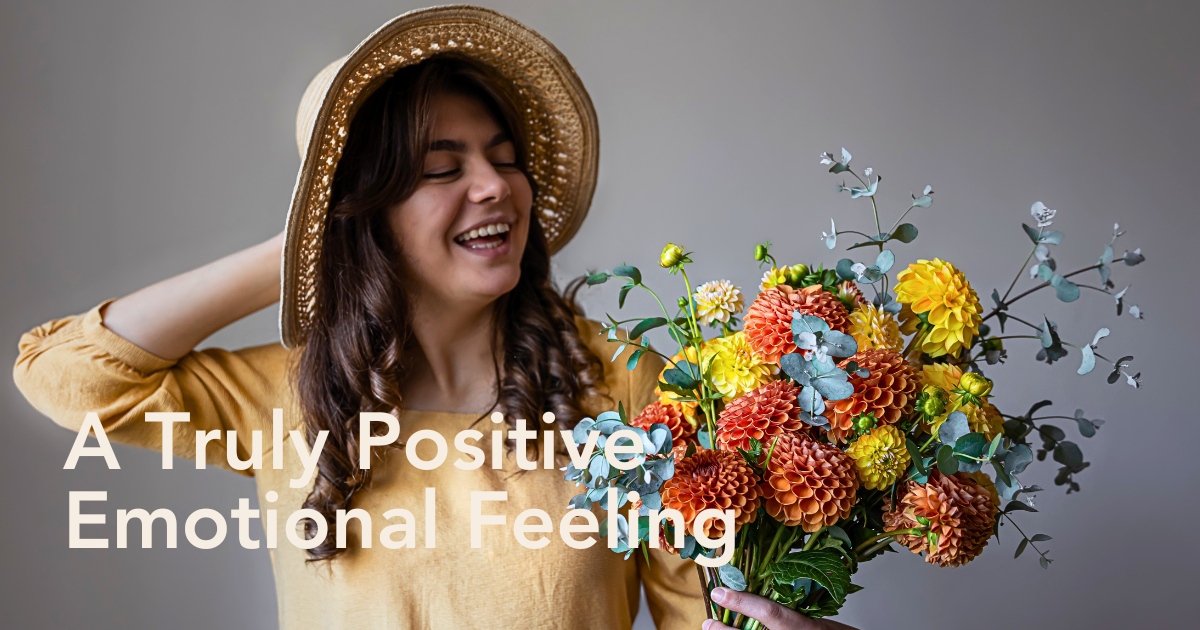
When a person sees flowers, the brain responds almost instantaneously. Research from Rutgers University, led by behavioral scientist Professor Jeannette Haviland-Jones, found that flowers produce what she described as a true, immediate, and lasting positive emotional response in people across age groups.
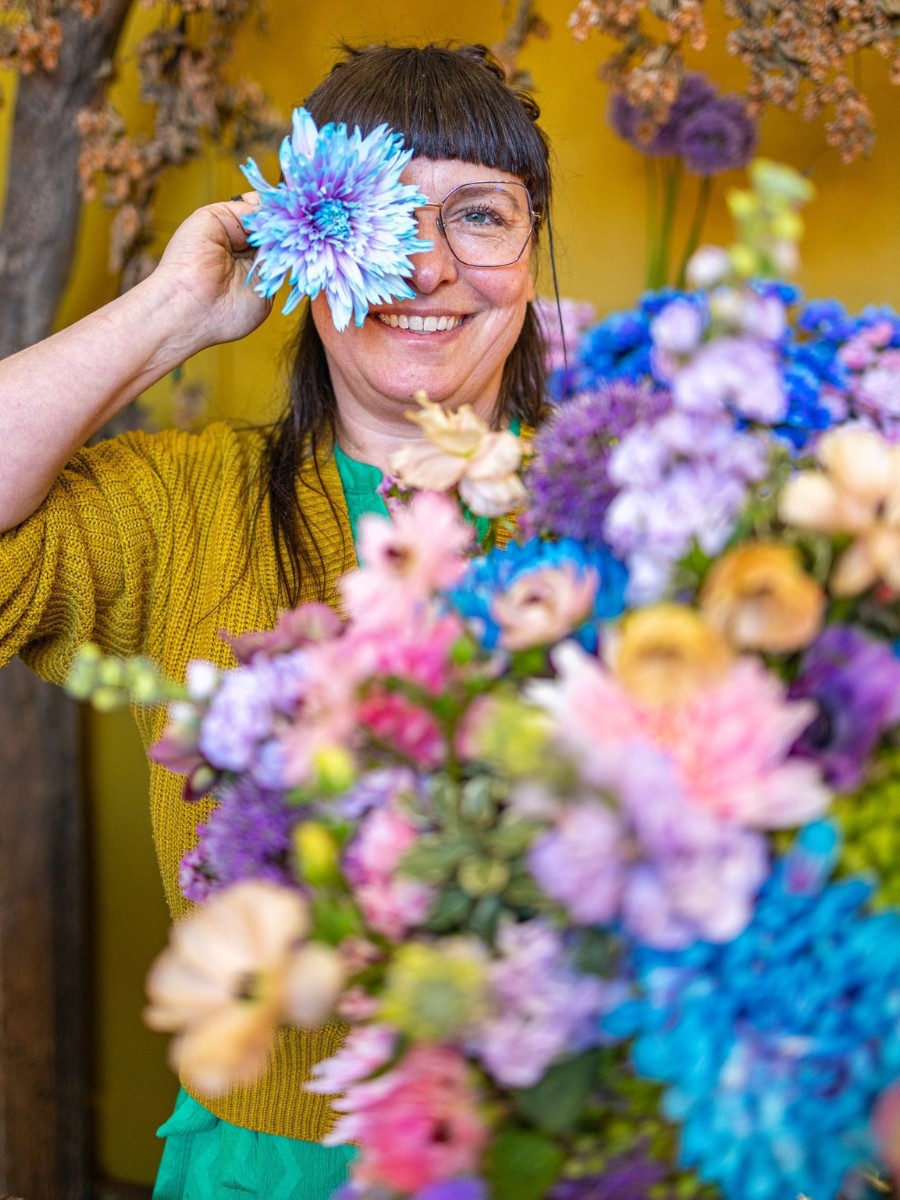
In the study, participants who received flowers reported feeling less anxious, less depressed, and more satisfied with their lives than those who received other kinds of gifts. The studies found that the effect was constant, not subtle, and did not fade away quickly.
Part of what happens is neurochemical. Looking at flowers, especially in colors associated with warmth and vitality, stimulates the release of dopamine, the brain's reward molecule. The same system that responds to food, music, and human connection also responds, it turns out, to a well-chosen bunch of flowers, like Ranunculus.
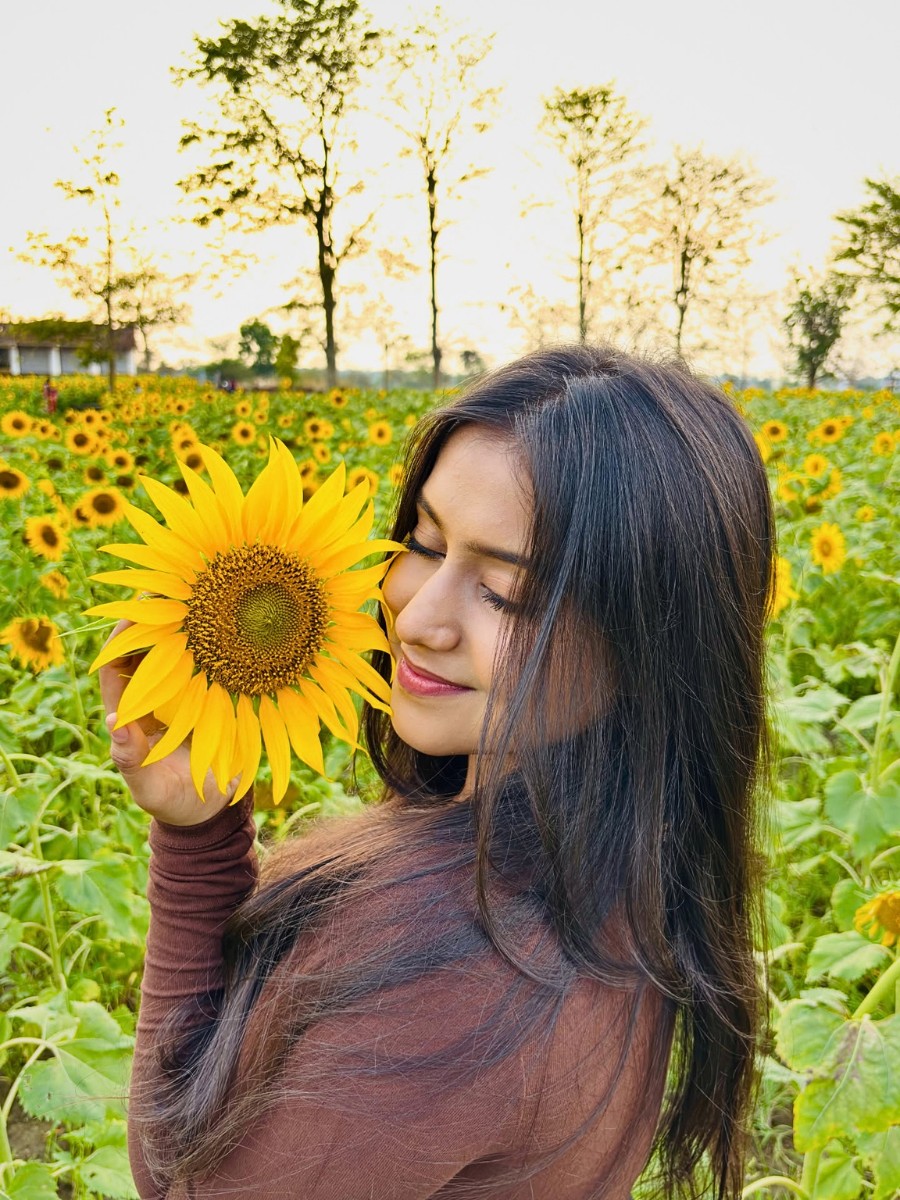
Serotonin levels are also thought to be positively influenced by exposure to natural and floral beauty, contributing to a more stable mood that is grounded, and not just a random spike of pleasure.
There’s Also an Evolutionary Explanation Worth Noting
Humans’ positive response to flowers is not just cultural but rather biological and very old. For most of human history, flowering plants were reliable signals of food, safety, and favorable conditions. Where flowers grew, they knew fruit would follow. And where flowers were abundant, they understood that the environment was hospitable.
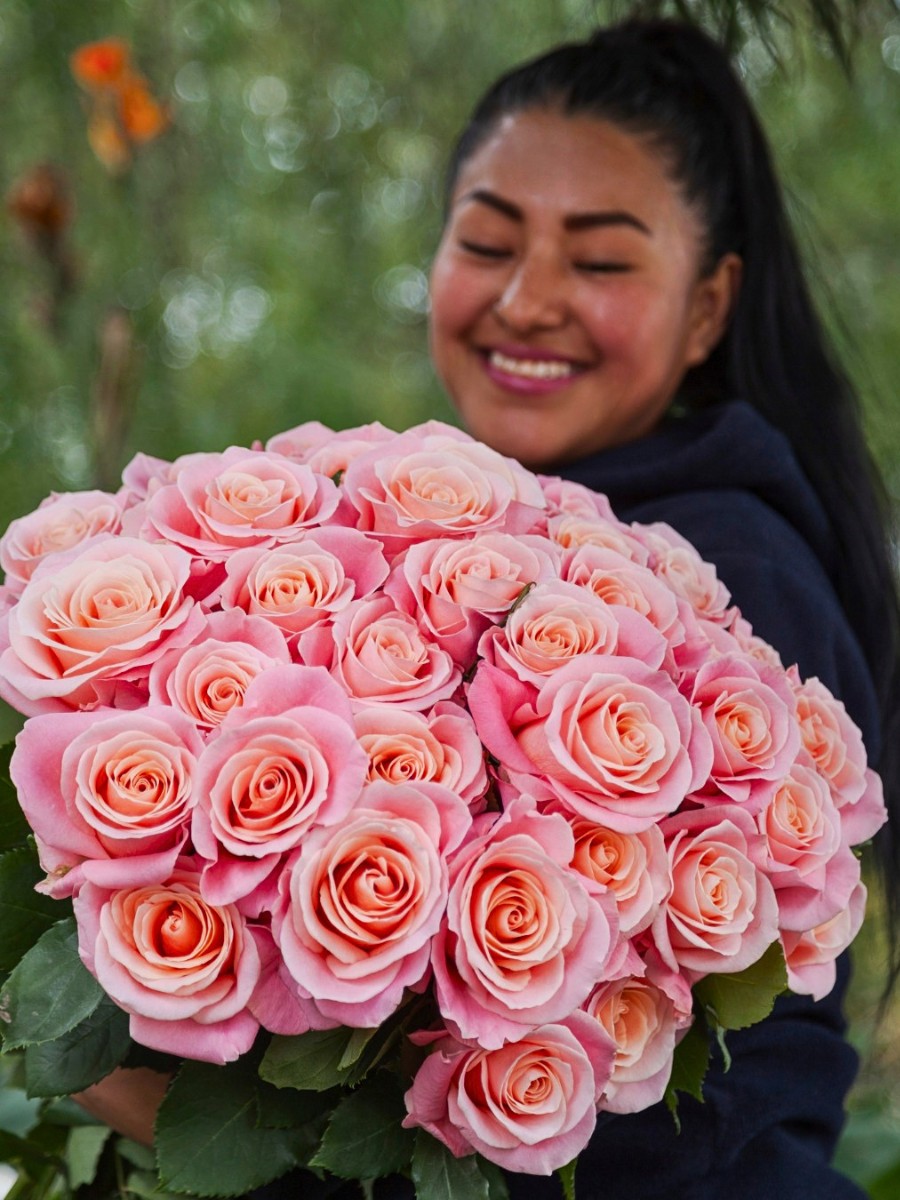
Human ancestors who responded positively to those signals, who felt drawn toward flowering landscapes instead of being driven away from them, were more likely to find sustenance and survive. What people experience as aesthetic pleasure when looking at a garden or unwrapping a floral bouquet may be, at its most basic level, a survival instinct that has outlasted its original context.
While the environment has changed, the wiring has not. This does not make the happiness any less real. If anything, it makes it more interesting in that people respond to flowers with the same intense circuitry that kept early humans alive, repurposed now for joy and happiness, and not just survival.
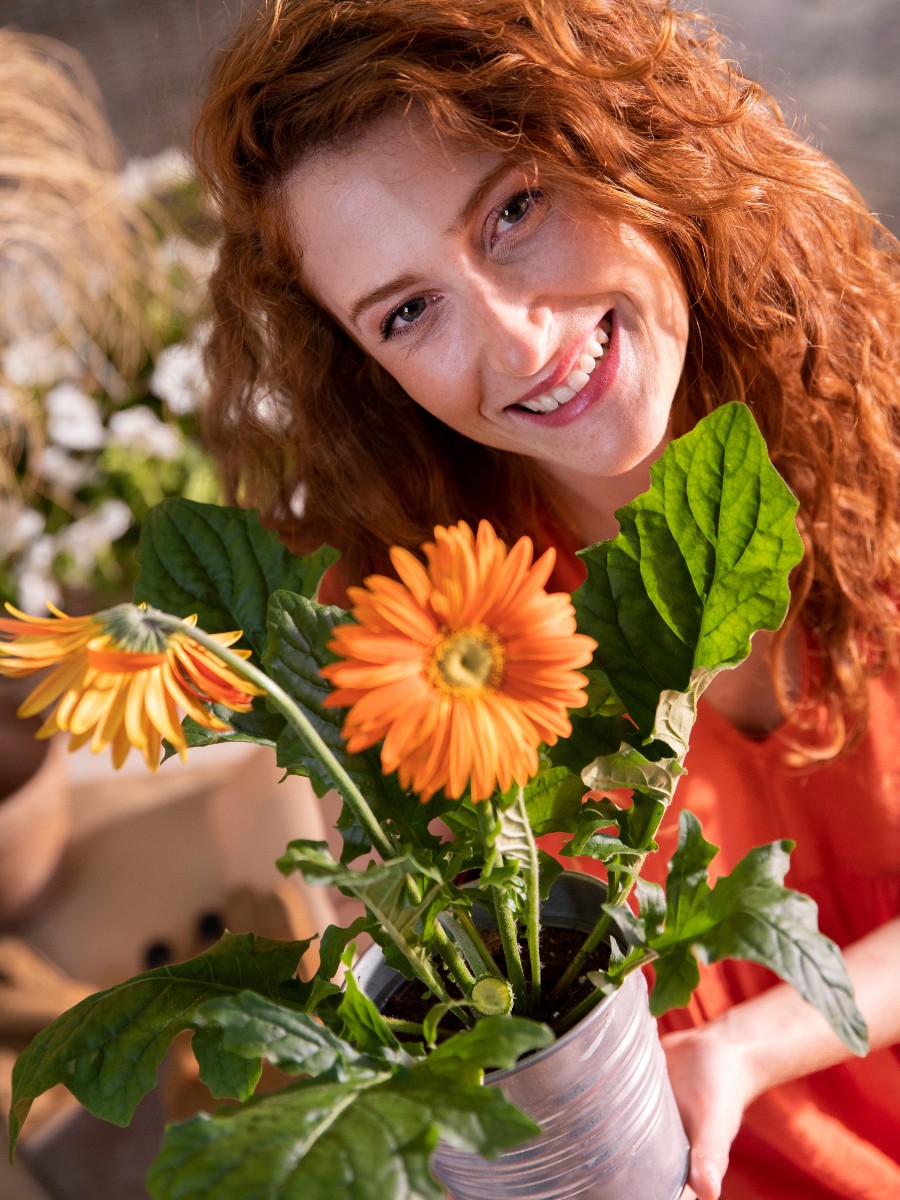
Color and Scent Also Have Important Roles
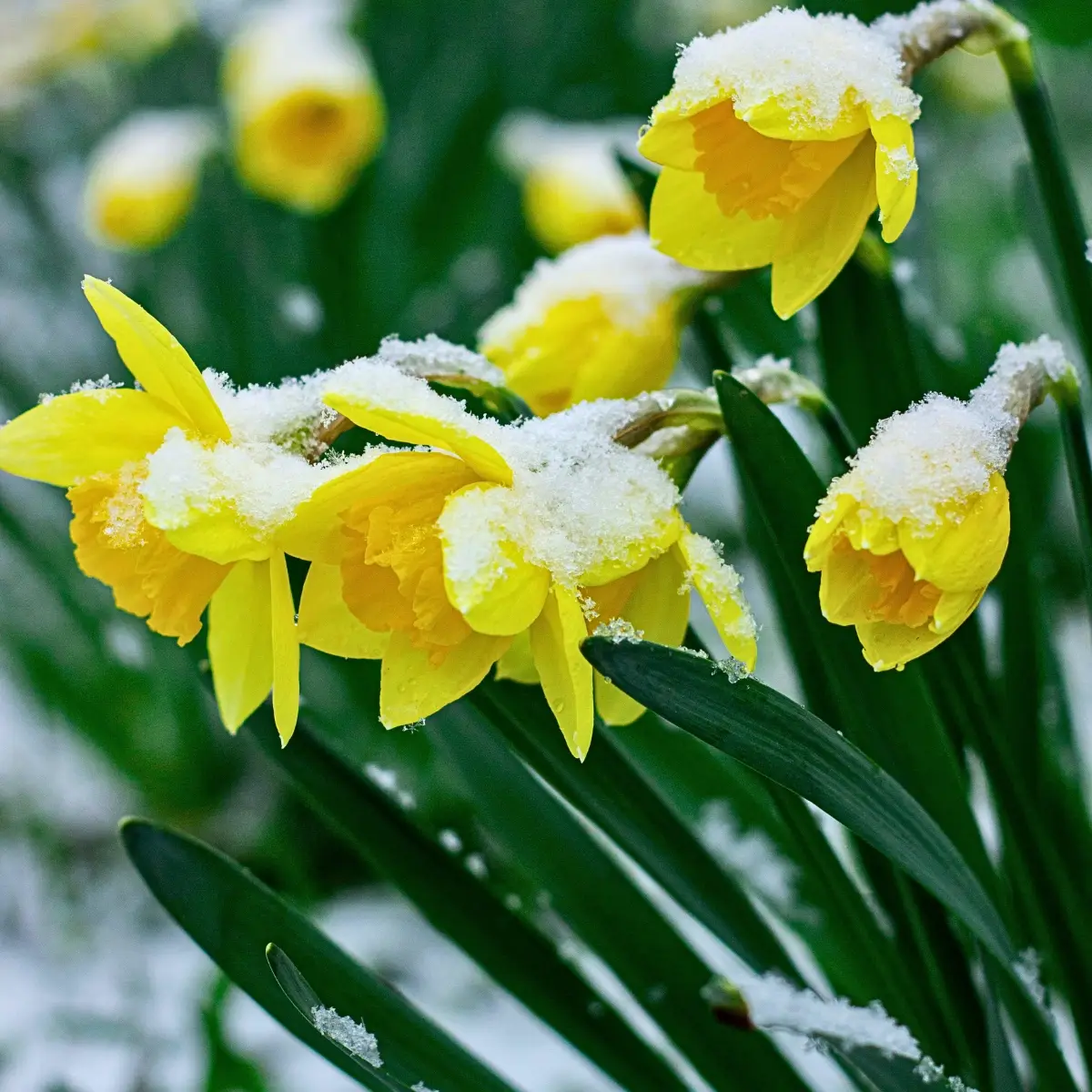
Not all flowers affect people in exactly the same way, and color plays a significant role in that. Yellow flowers, including sunflowers, Daffodils, and mimosa, tend to produce particularly strong associations with optimism and energy, likely because of cultural and biological connections between yellow and sunlight.
Soft pinks and lavenders are more commonly linked to feelings of calm and reassurance. Deep reds carry associations with warmth, passion, and emotional intensity. These varied emotions are a reflection of patterns baked into human perception over a very long time.
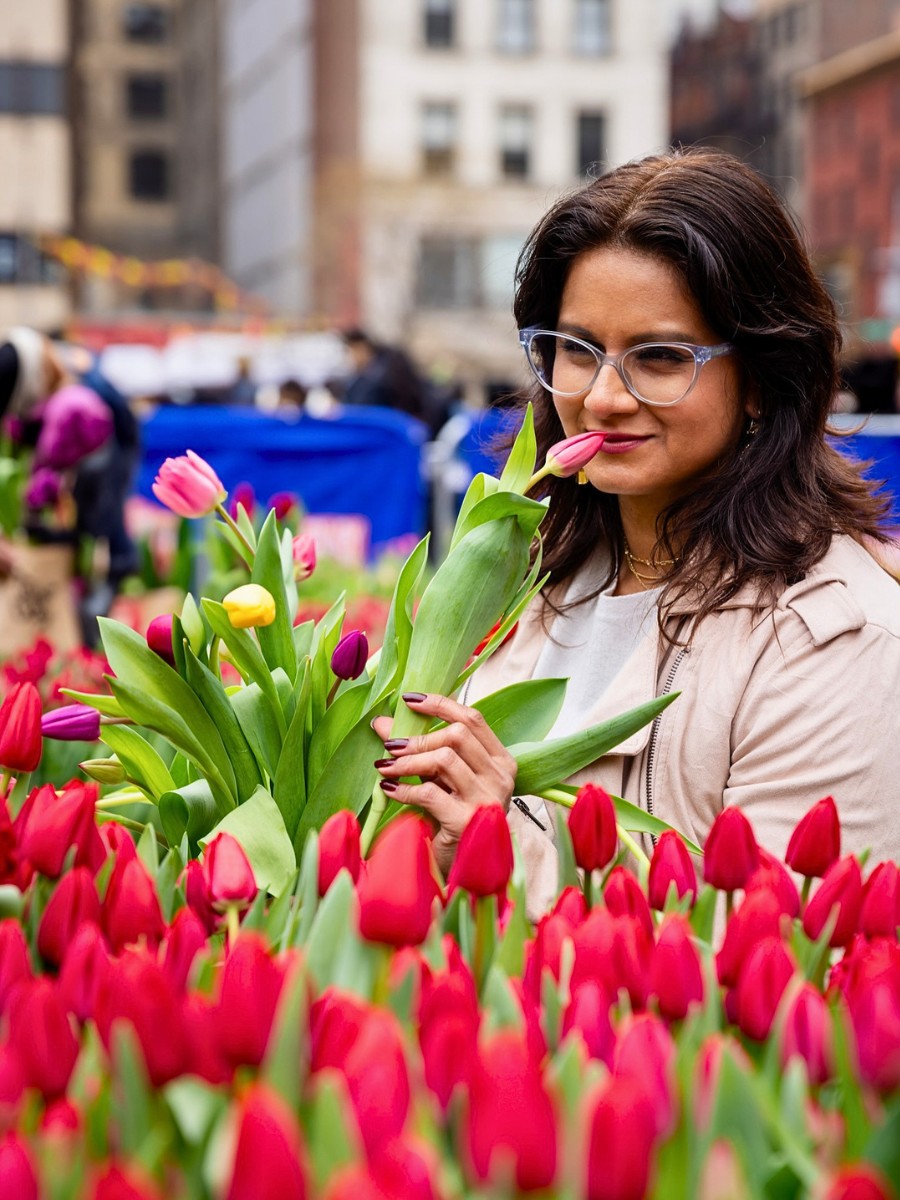
Scent gives even more substance to this idea. The olfactory system, which processes smell, has unusually direct connections to the limbic system, the part of the brain responsible for emotion and memory. This is why a particular fragrance can return you to a specific moment in your past with startling clarity.
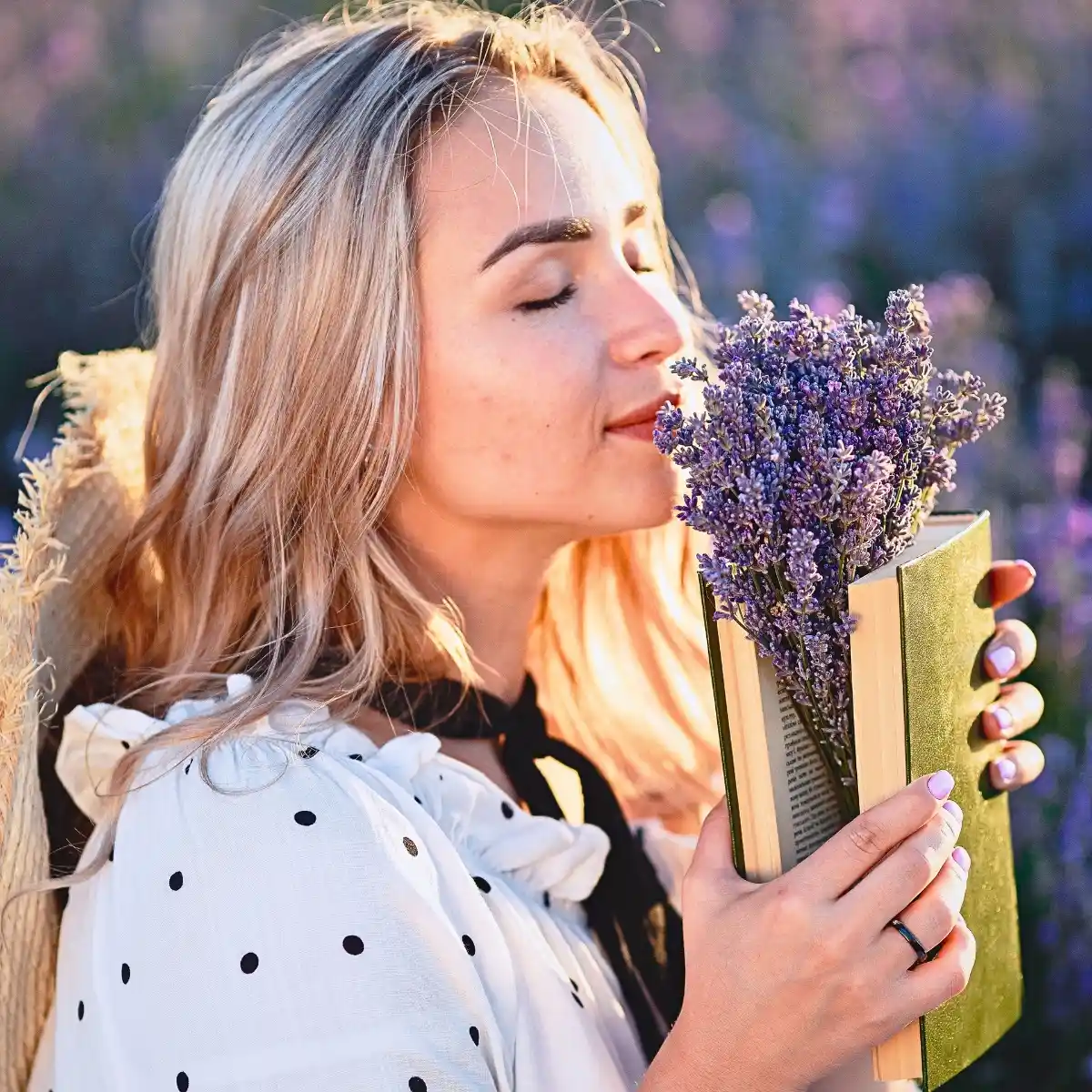
Flowers like jasmine, roses, lavender, and Gardenia have been studied for their effects on mood, and the results have been reliably constant. Pleasant floral scents, it has been found, reduce anxiety, lower heart rate, and promote a sense of ease. Lavender, in particular, has a well-documented calming effect that goes even beyond physiological changes, not just subjective feelings.
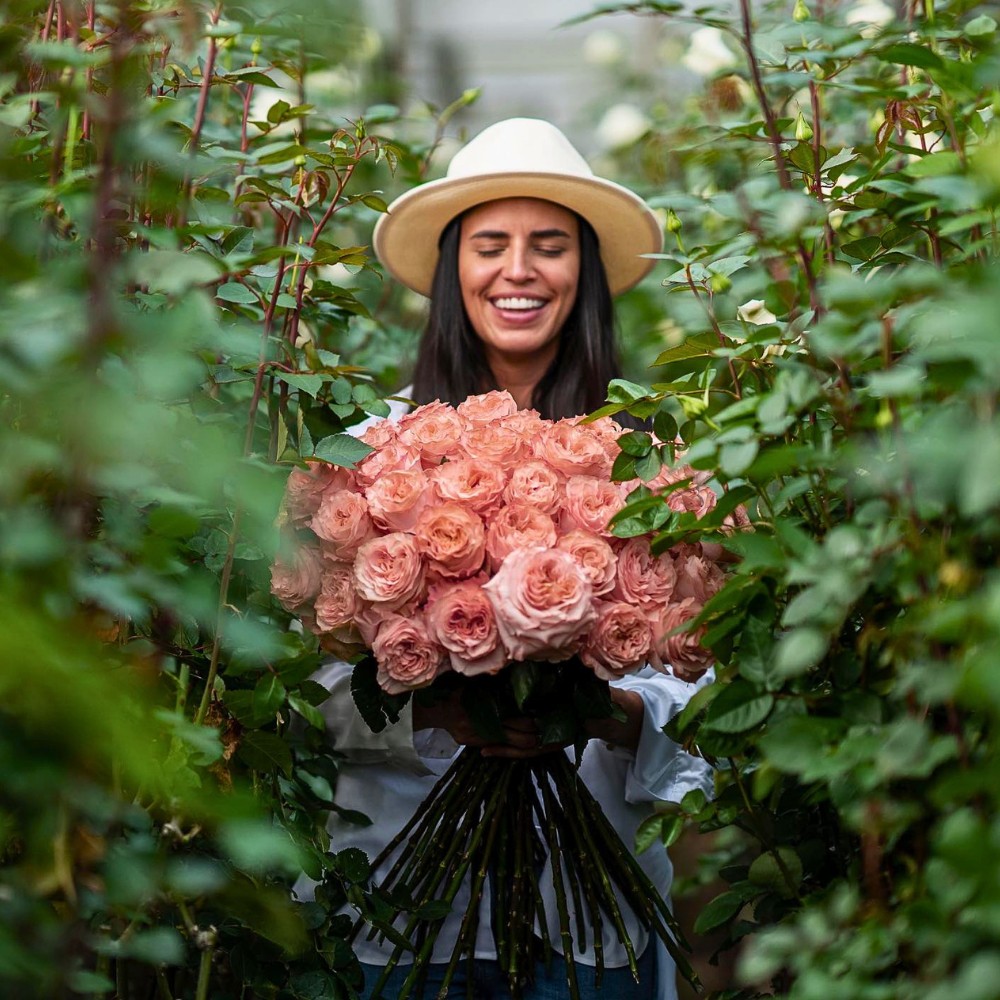
Thinking of Flowers as a Form of Human Connection
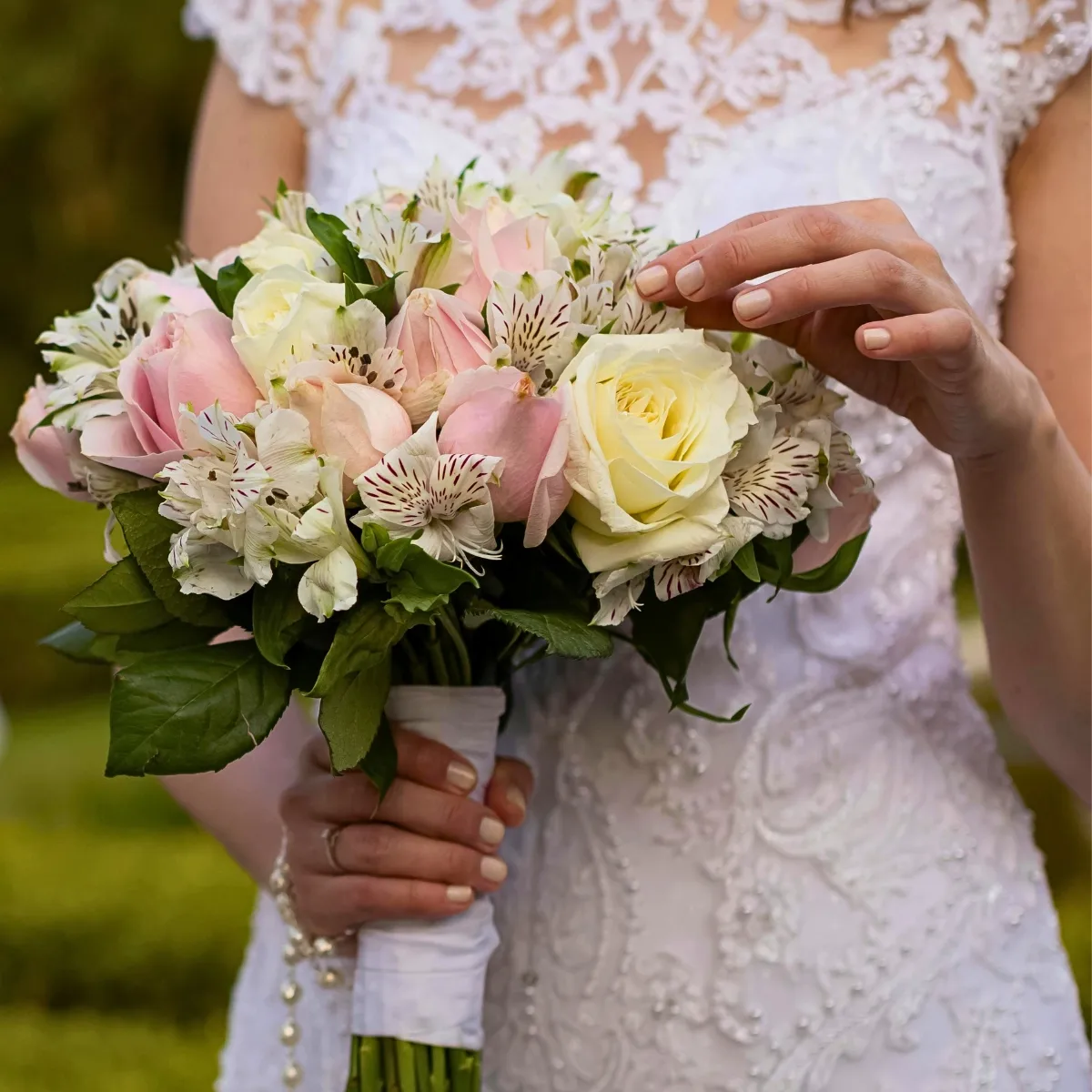
A part of why flowers make people happy also has nothing to do with the flowers themselves, but with what they represent. When someone gives you flowers, there is a message attached to that, even when no card comes with them. It shows that someone thought of you, took their time, and wanted to mark the moment as worth marking.
That social signal, the sense of being seen and valued, is one of the most powerful drivers of human well-being known. Research shows that social connection and the feeling of being cared for are among the strongest predictors of happiness and health.
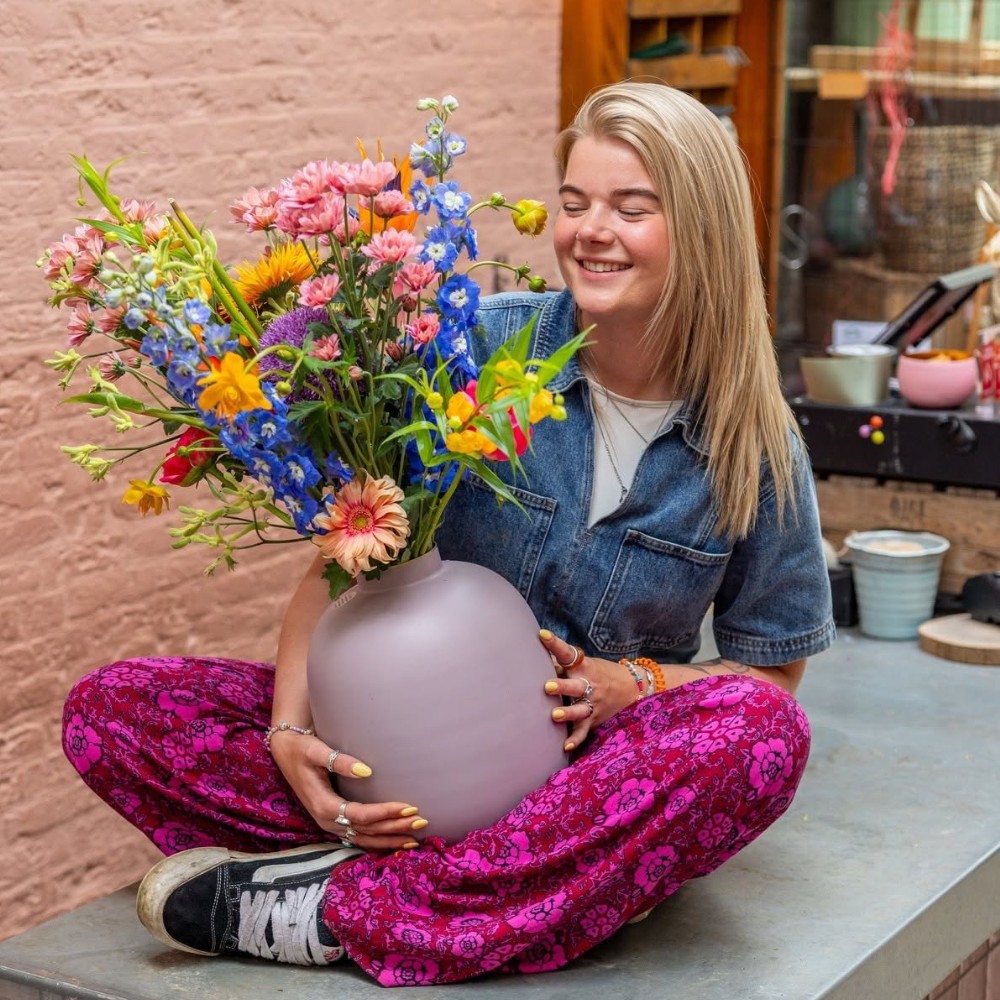
Flowers, for thousands of years across virtually every human culture, have been one of the primary ways people express those feelings. They show up at celebrations, losses, apologies, and even new beginnings, carrying meaning that words alone sometimes fall short of. The happiness they produce is not only about beauty but also about the sense of belonging.
There’s Happiness in Living With Flowers Every Day
One of the more practical findings from research in this area is that you do not need a grand floral gesture to get the benefit of flowers. A flower stem in a small vase on a work desk has quite an effect on mood and concentration. Just the same way, a pot of flowering plants on a kitchen's windowsill changes how the place feels, in turn, changing how you feel in it. These effects just require one’s presence, nothing more.
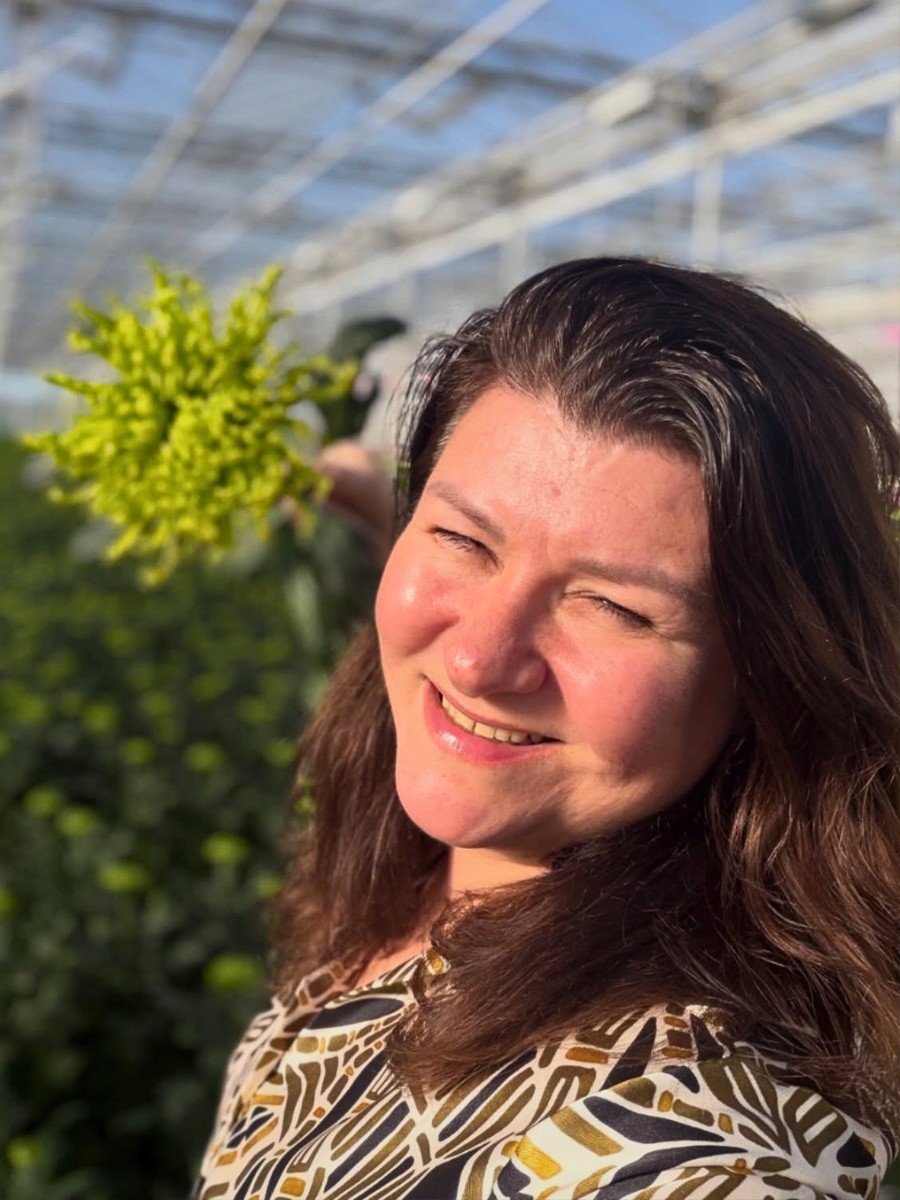
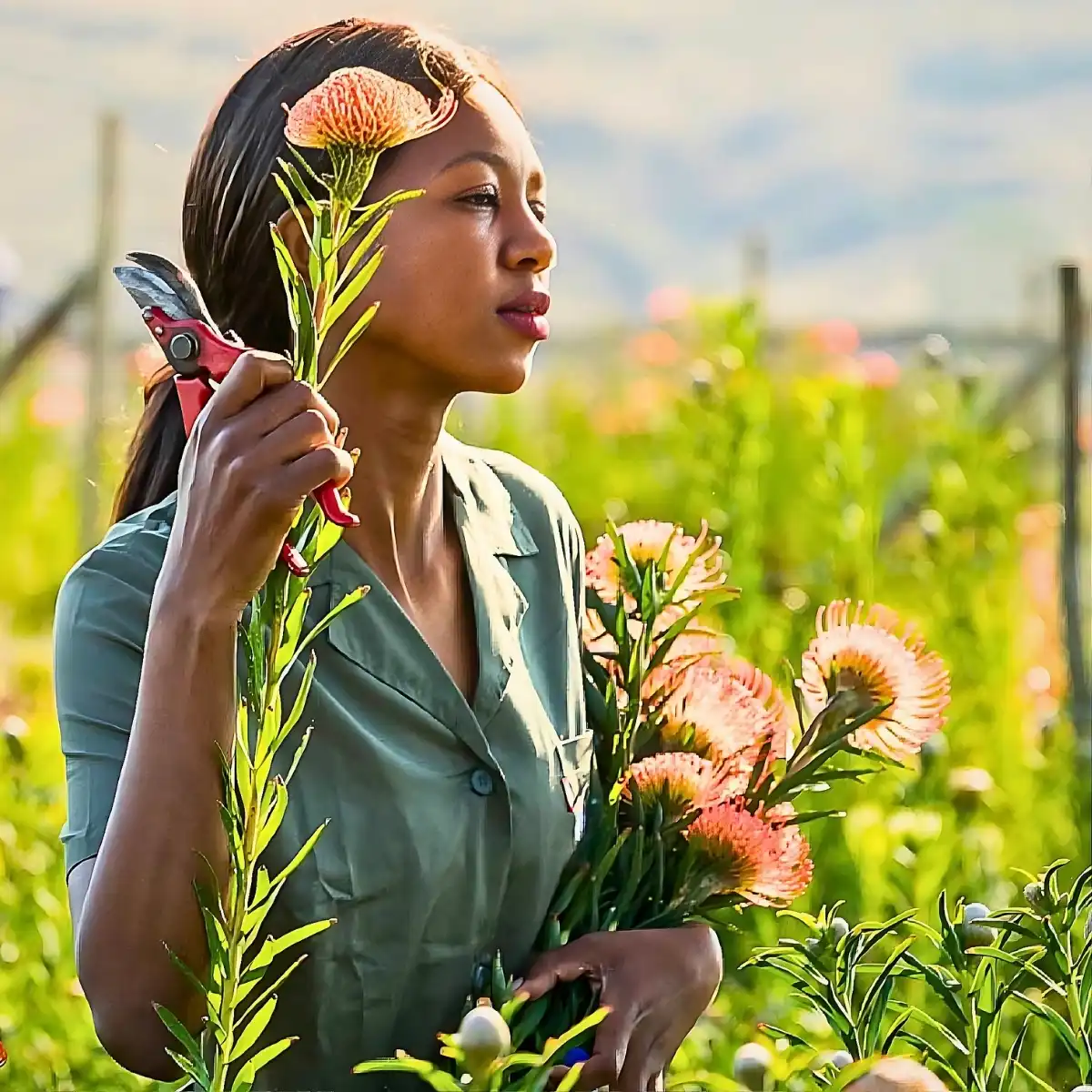
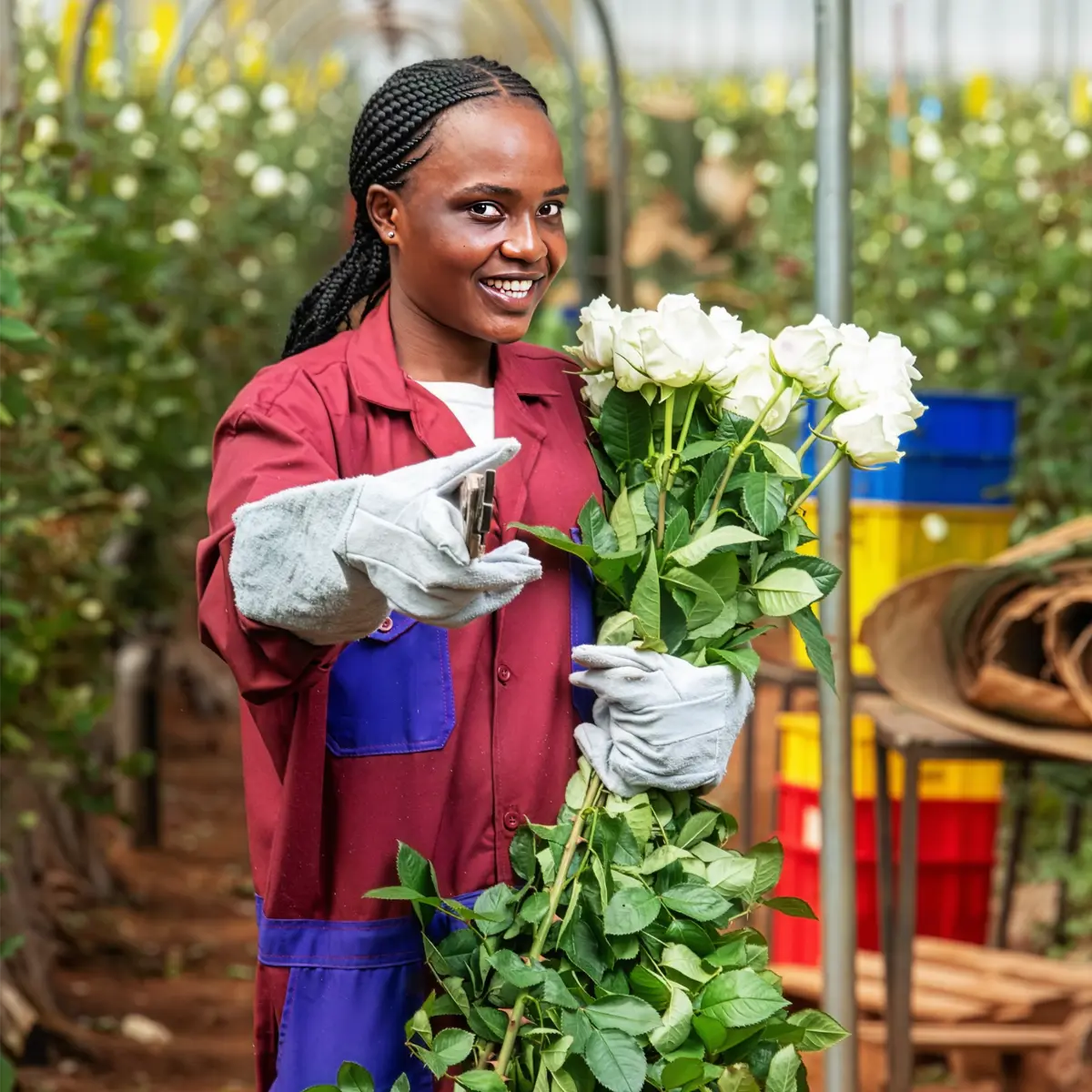
For those working with flowers, this is worth holding onto because their work is not decorative in the superficial sense, but really connected to how people experience their days, workplaces, homes, and even each other. A well-made bouquet or arrangement is, in its true essence, not just an object in a room, but a small, deliberate intervention in someone's emotional life. It is an expressive thing to be doing for someone. And science, for once, wholly agrees with this intuition.
Featured image by @dekkerchrysanten. Header image by pvproductions.