Flowers always carry meaning. They have been used to express love, respect, grief, and everything in between. But what many people may not realize is that a flower that may signal joy and celebration in one part of the world can be an uncomfortable gift in another. Why is that so? Why do some cultures avoid certain flowers? There are subtle intricacies and latent qualities involved, and the knowledge of which can spare you awkward moments, or worse, unintended insult.
Meanings of Some Flowers and Why Certain Rules Exist
People have always attached meaning to the natural world. Flowers, in particular, are emotion and belief vessels. Over generations, those associations hardened into cultural norms, religious customs, and tacit social rules. That is why today, in many parts of the world, handing someone the wrong bouquet has consequences. It can signal death, jealousy, bad luck, or mourning, depending on where you are and who you offer it to.
For starters, cultural flower taboos associated with flowers usually come from three places. First, religion shapes what is suitable for ceremonies, funerals, or daily life. Second, history gives certain flowers a fixed role in mourning, political events, or temple practice. Third, color and number symbolism matter just as much as the flower itself. In some cultures, even the way flowers are arranged or whether they are cut or potted can affect the message.
For the giver, these customs are important because a considerate gift can turn awkward if it echoes disrespect, grief, or romantic intent that was not meant. For the recipient, the reaction may range from discomfort to a direct explanation that the flowers are inappropriate. In more formal settings, the mistake can feel especially heavy. So, what do you need to know about different flowers?
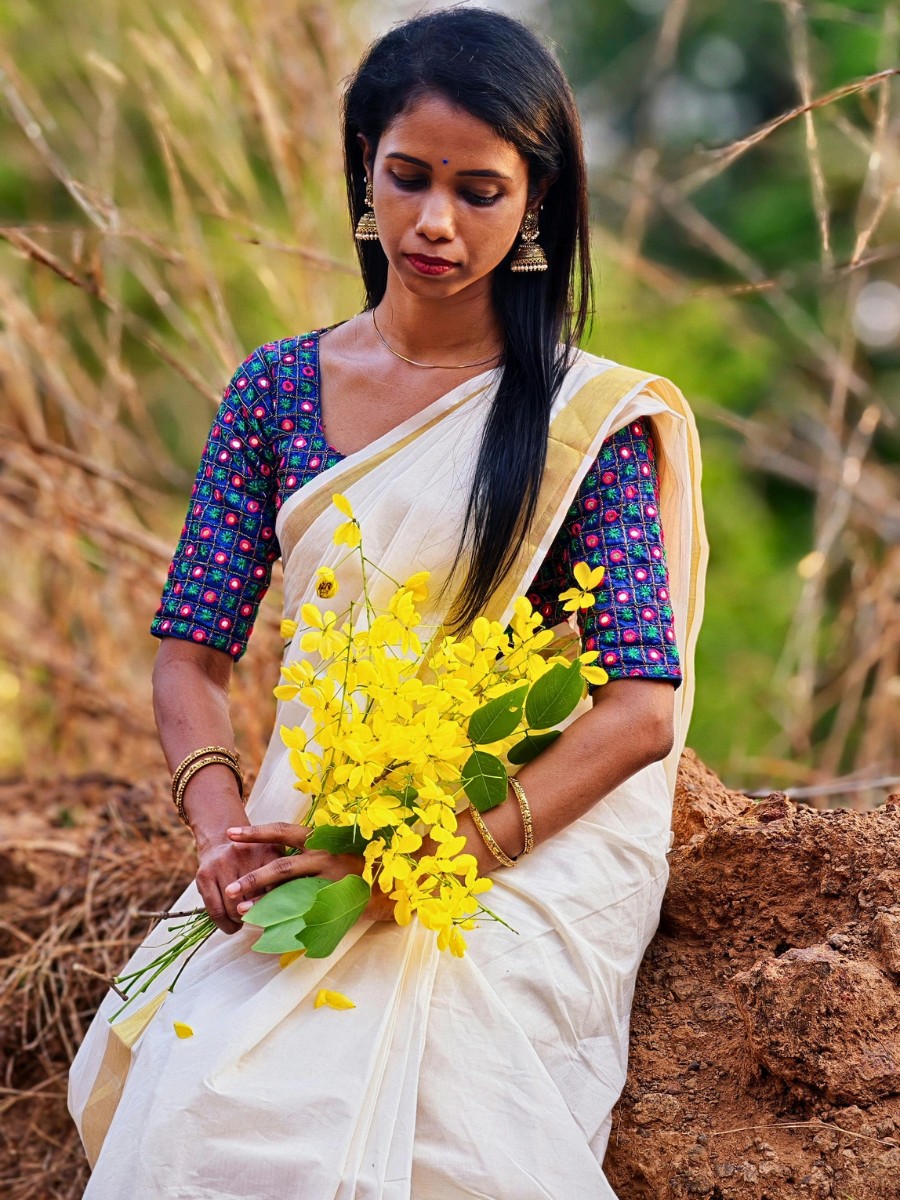
White Flowers (Purity or Mourning?)
In Western cultures, white flowers tend to represent innocence, new beginnings, and purity. They appear at weddings, baptisms, and spring celebrations. But in China, Japan, or Korea, the picture is different. In many East Asian cultures, white flower color means death and mourning. White Chrysanthemums, in particular, are among the most common flowers placed at funerals and on graves. Bringing a bouquet of white Chrysanthemums to a friend's home in these countries would be alarming to your host. At best, it implies serious miscommunication, and at worst, it can feel like a wish for their death.
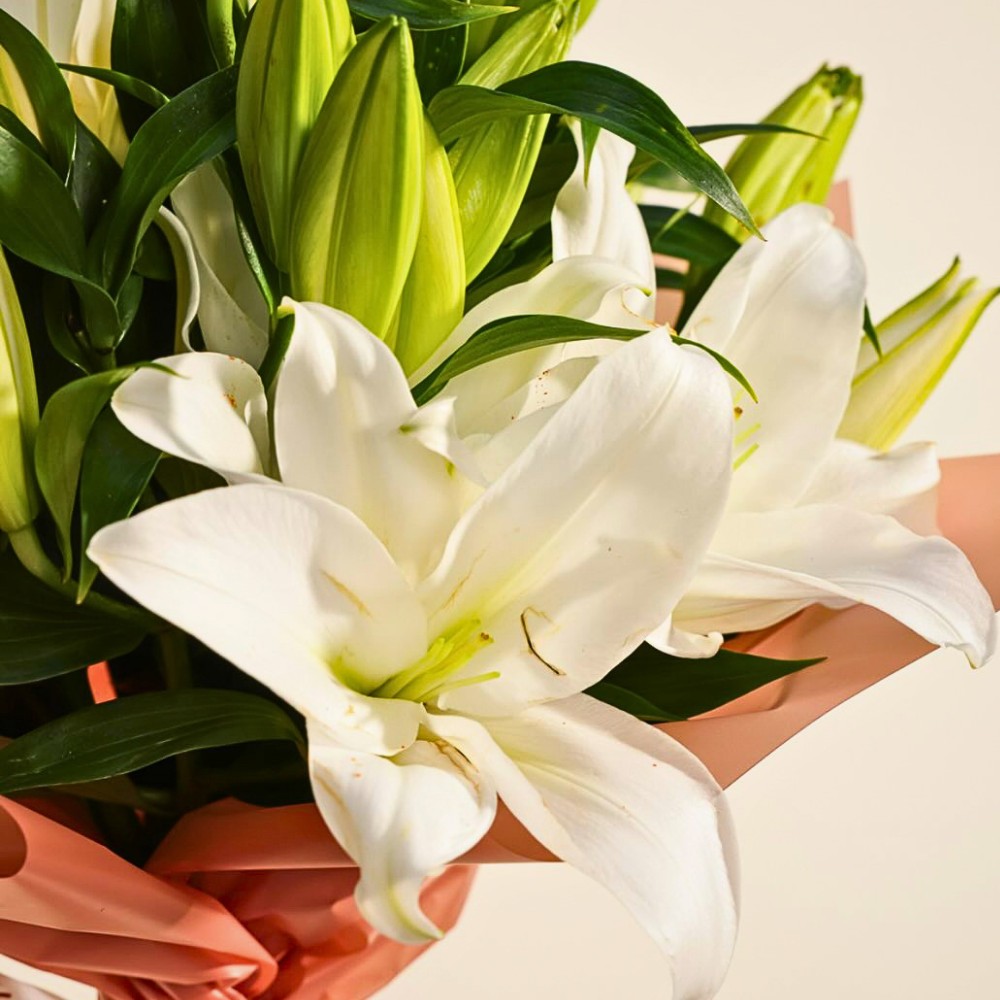
White lilies carry a similar meaning in many of these regions, and they are also associated with funerals in parts of Southern Europe. If you are visiting someone in Italy or Spain and want to bring flowers, white lilies are best left at the flower shop. What do you bring instead? In Japan and China, red flowers are a far safer choice for celebrations and friendly visits. Red peonies carry associations with prosperity and good fortune. Pink roses are widely appreciated as warm and friendly.
Chrysanthemums (Beloved and Feared)
Chrysanthemum is a fascinating case study in how a flower can mean opposite things depending on geography. In the United States and the United Kingdom, it is a cheerful autumn flower, common in fall arrangements and gardens. In Japan, it holds such a high status that the Imperial family uses it as their official seal.
But in regions like France, Belgium, Italy, Austria, and much of Central and Eastern Europe, Chrysanthemums are traditionally funeral flowers, appearing on graves and at memorial ceremonies. Gifting them in any other context is considered strange and even offensive. Carrying a Chrysanthemum bouquet to a dinner party in these regions could mortify your host, as it could be misconstrued to mean you wish grief upon them.
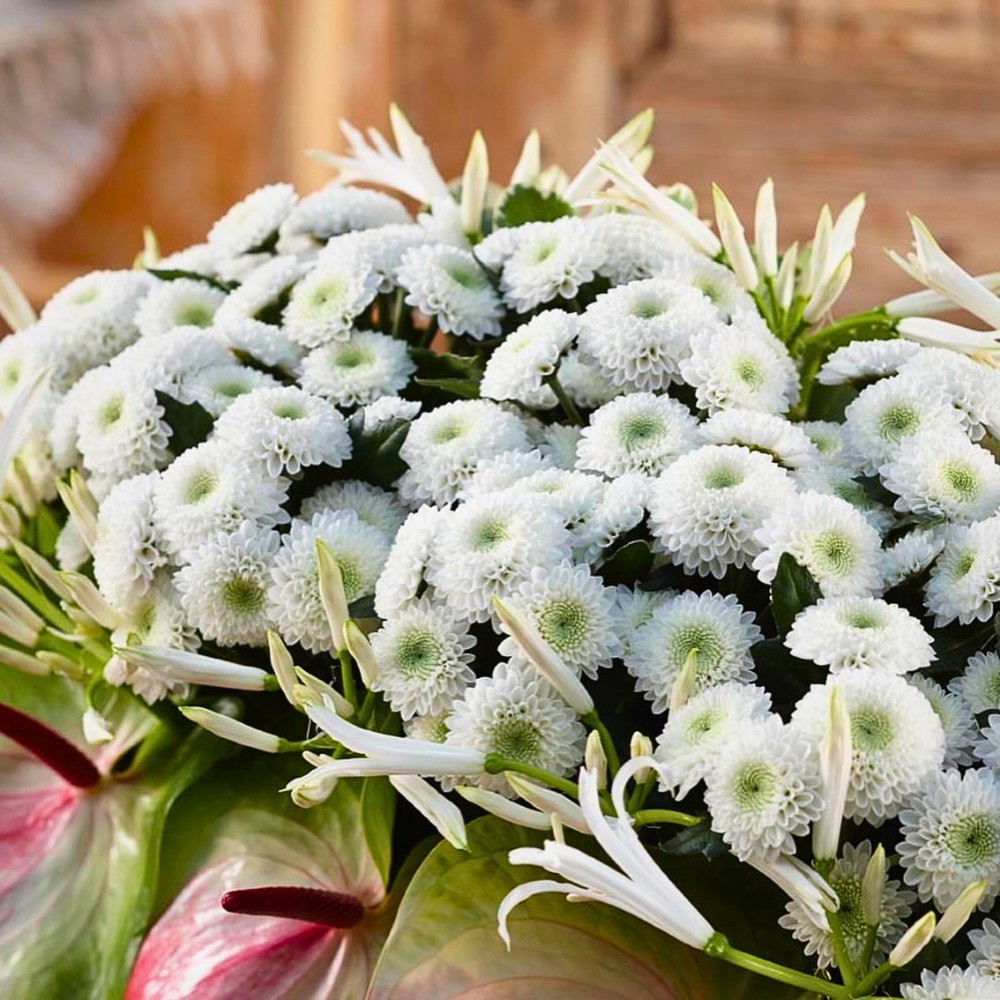
The same applies to Portugal and parts of Spain, where Chrysanthemums are so firmly associated with death that some florists do not even sell them in mixed arrangements meant for gift-giving. In China, yellow Chrysanthemums also carry strong funeral associations and are usually best left for memorial settings. In Vietnam (white flowers, especially), white Chrysanthemums (and white lilies) are also linked to death and mourning. If you give these flowers in celebration, they may be read as a sign of loss and not joy.
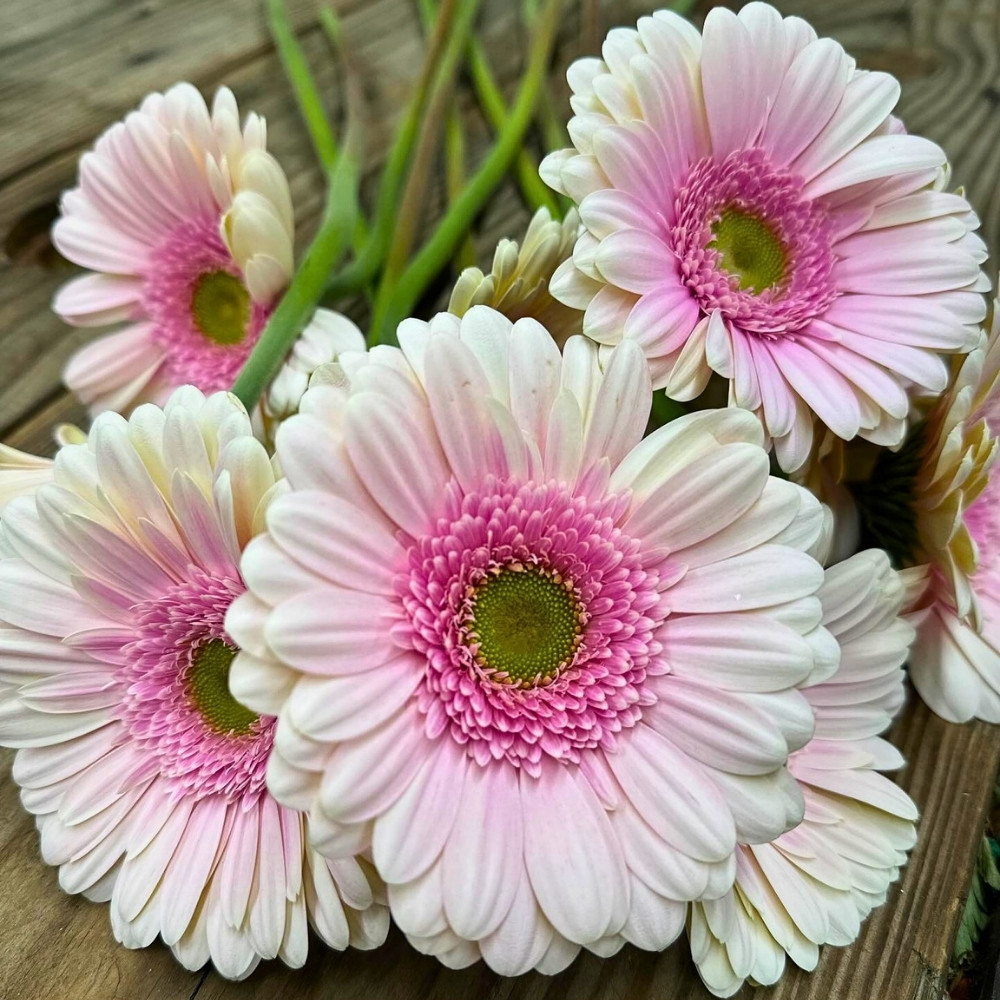
You could instead use (in the said European countries) sunflowers, tulips, or Gerbera daisies, which are warm and universally welcome. Roses work well, too, though color matters. Other choices, especially for countries like Vietnam, include red or pink roses, peonies, orchids, or mixed bouquets in warm colors.
Yellow Flowers (Jealousy and Betrayal)
Yellow flowers are a particular minefield in several parts of the world. In Russia and many countries across Eastern Europe and Central Asia, yellow flowers (especially yellow roses), have a heavy association with jealousy, infidelity, and relationship endings. Giving your romantic partner yellow flowers is essentially accusing them of being unfaithful or, in some interpretations, indicating you want to end the relationship.
The cultural nuances behind this association are encrusted in Russian literature and tradition, where yellow has often carried a melancholy or bitter tone. Many Russians actively avoid yellow flowers in romantic contexts, and older generations may feel unease receiving them.

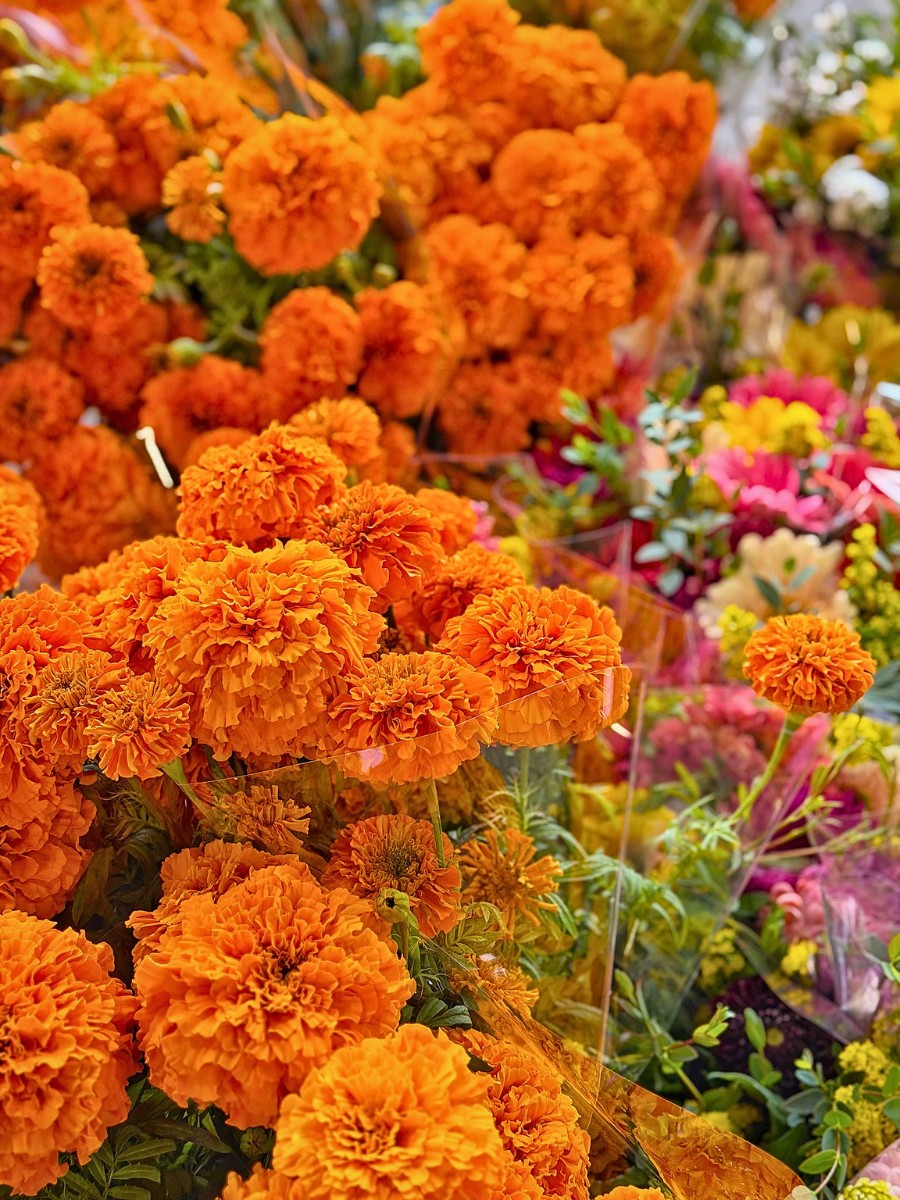
In parts of Latin America, yellow flowers are tied to bad luck and sorrow. In Mexico, marigolds are the defining flower of Día de los Muertos, where they are used to honor the dead and guide spirits home. They are plentiful during that holiday, which makes them powerful and meaningful, but not always suitable for a cheerful gift unless the occasion clearly calls for them. Giving marigolds for a birthday or congratulations may feel out of place, and even outside of that specific context, yellow and orange marigolds can still feel like an odd choice for a gift.
In Russia, instead, red roses remain the most universally positive choice for romantic occasions. For friendly visits, a mixed arrangement of blues and purples, such as irises or lavender, tends to be very well received. In Latin America, outside ceremonial contexts, white flowers or bright tropical arrangements tend to avoid symbolic pitfalls.
Red and White Together (A Dangerous Combination)
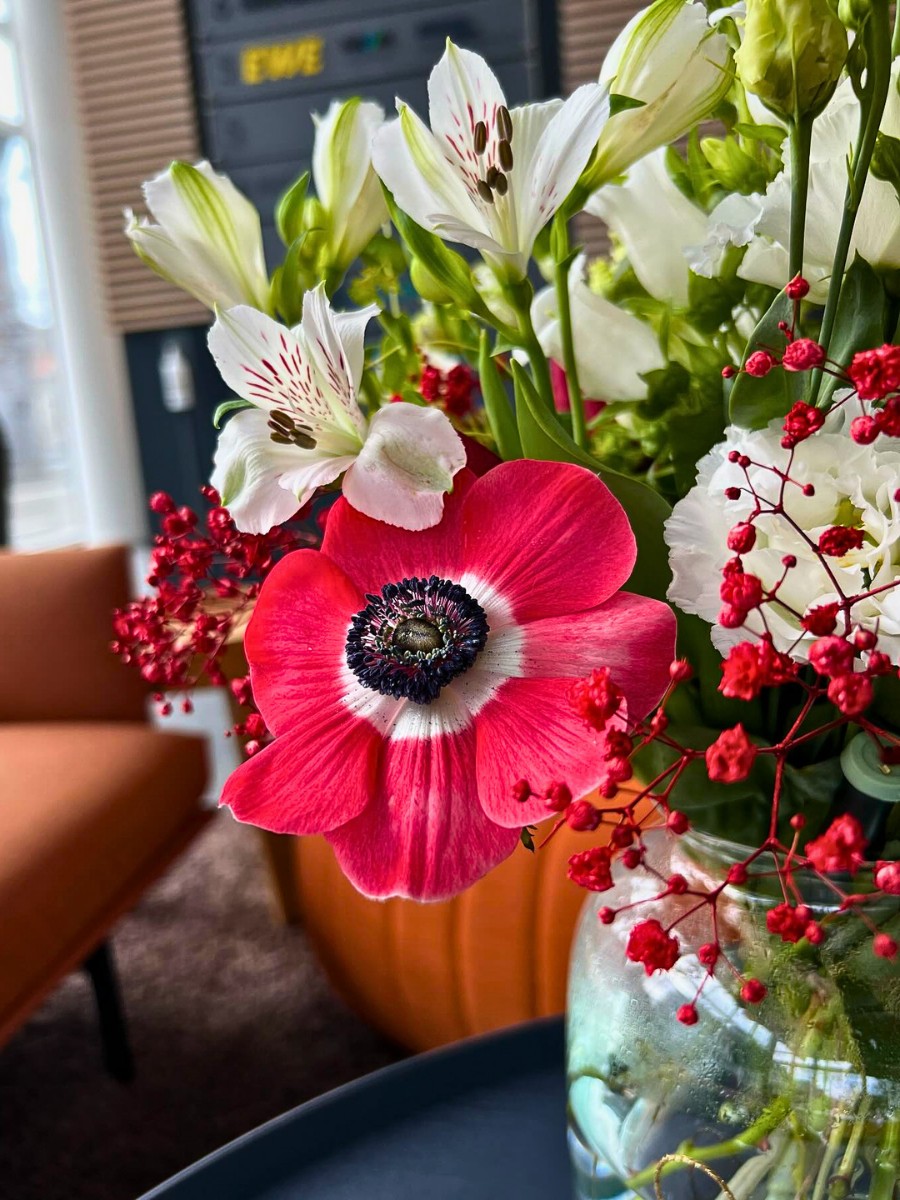
Quite unexpectedly, in the United Kingdom and Australia, a mixed arrangement of red and white flowers is traditionally avoided, particularly in hospital settings. The combination has been associated with blood and bandages, and there is an old superstition that bringing red and white flowers together to a sick person could speed their death.
While younger generations are less likely to hold this belief, older patients and their families may feel uncomfortable receiving such an arrangement. Many hospitals in these regions discreetly advise visitors to avoid this color combination as a matter of courtesy. A single-color arrangement, or one that uses pink, yellow, or purple tones, circumvents this issue. Orange flowers are also warm and cheerful without any of that symbolic baggage.
Even Number Flowers in a Bouquet
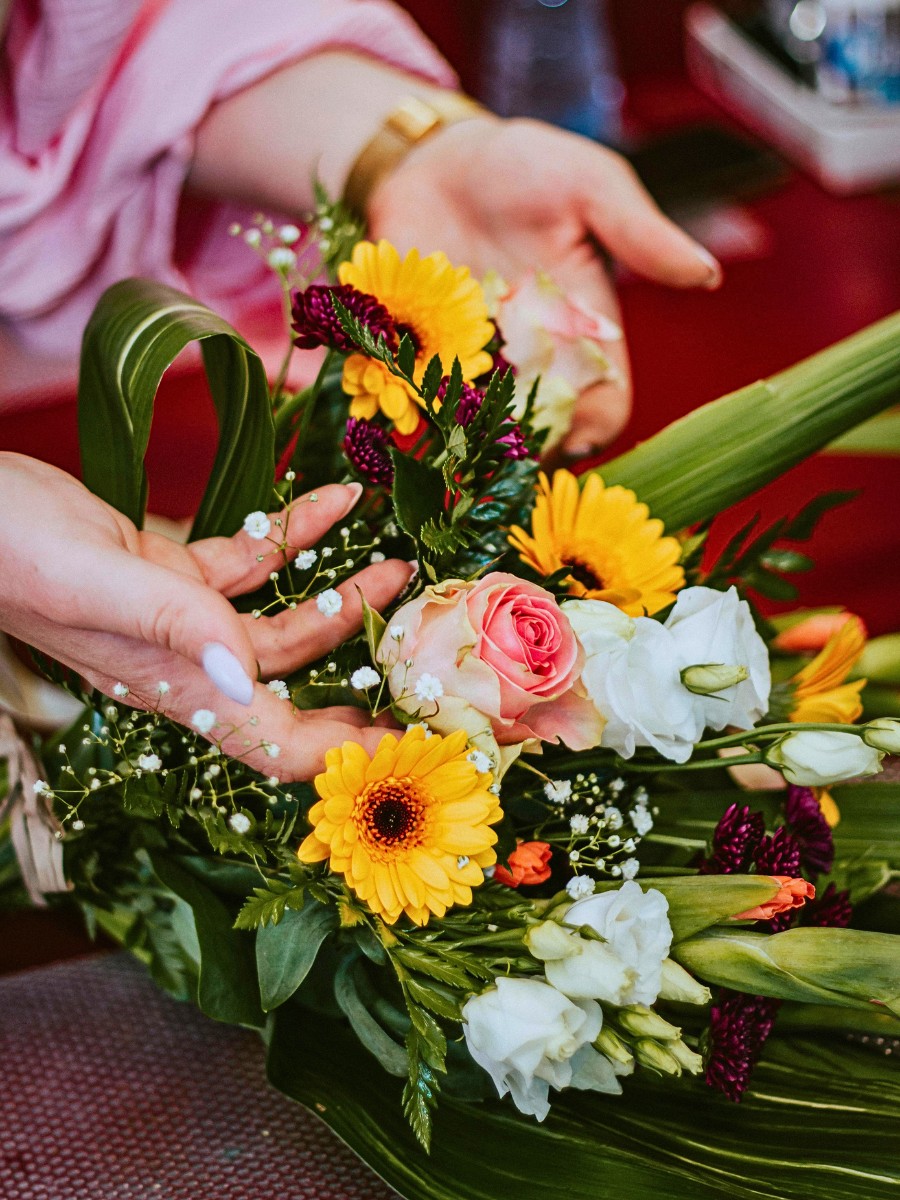
In Russia, Ukraine, Poland, and many other Eastern European and Central Asian countries, the number of flowers in a bouquet also has meaning. Even numbers of flowers are strictly reserved for funerals and are placed on graves. Giving someone a bouquet of twelve roses, ten tulips, or any even number is, in this cultural context, a gift for the dead. Flowers given to the living must always come in odd numbers, like three, five, seven, or any uneven count.
Often, florists in regions where this belief holds typically ask what the occasion is before wrapping flowers, and they will inevitably add or remove a stem to ensure the right count for the context. So, when buying flowers for someone, just count your stems before you wrap them. An odd number is always appropriate for a living recipient.
Lotus and Marigolds Are Sacred (Not Casual)
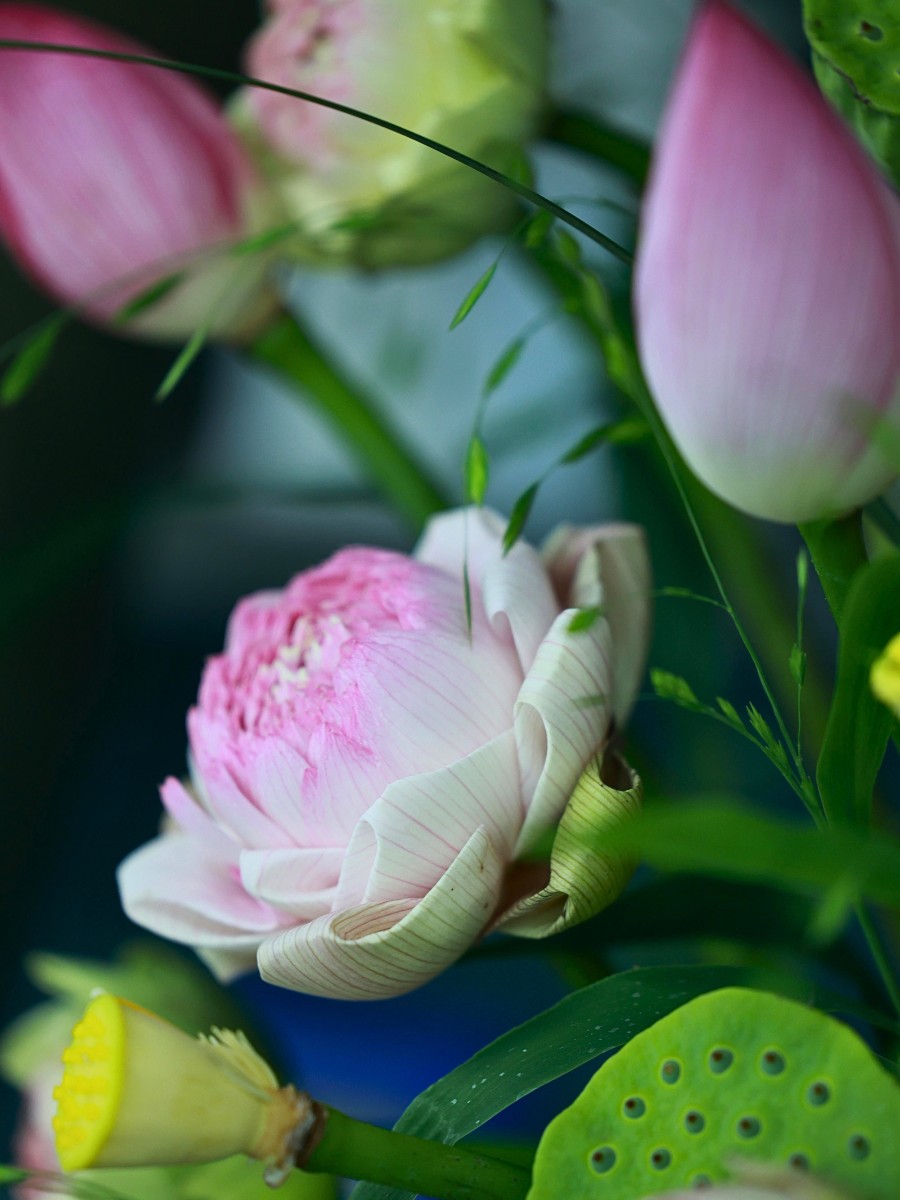
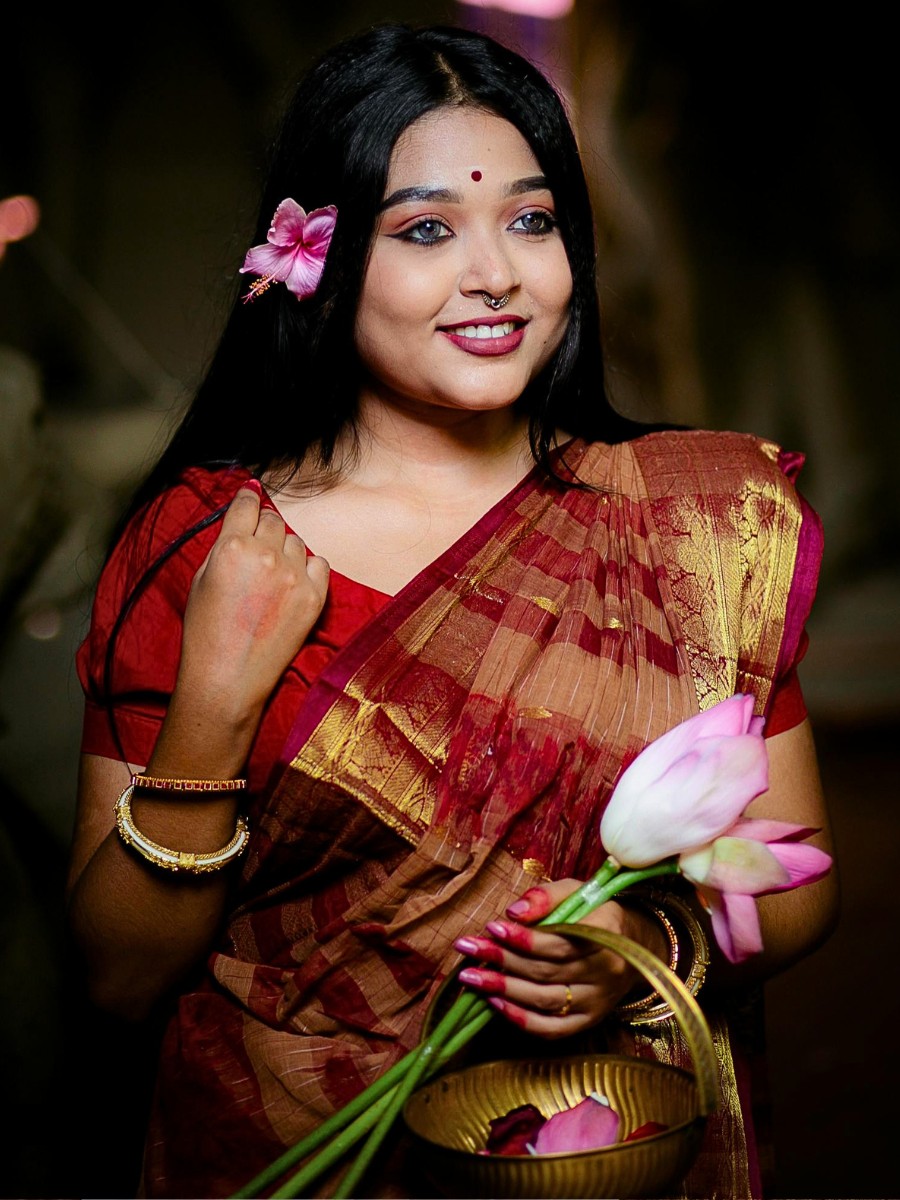
In India and across much of South and Southeast Asia, certain flowers have religious significance, which makes them inappropriate as casual gifts. Lotus, for example, is sacred in both Hinduism and Buddhism and is closely associated with deities and divine offerings. Giving someone a lotus as a casual gift can feel disrespectful or irreverent, quite like grabbing an offering off an altar.
Marigolds in India are similarly bound up in religious ceremony. They are strung into garlands for temple offerings and used in sacred rituals. While they are not off-limits as gifts, they carry a ceremonial connotation that makes them an unusual casual choice outside of specific contexts. In such situations, roses, particularly red or pink ones, are widely accepted for secular gifting, while jasmine is fragrant and culturally positive, and brightly colored Gerbera daisies are a friendly, modern choice.
Safer Floral Choices and a Few Universal Rules
Across all these cultural differences, a few principles hold up fairly reliably. First, when in doubt, ask a local florist. They know the regional customs better. Second, red flowers tend to be safe for affectionate occasions in most parts of the world, though the specific shade and flower type still matter. Third, when giving flowers internationally or across cultural lines, a mixed bouquet in soft, warm tones without any strong symbolic color like white or yellow tends to minimize risk.
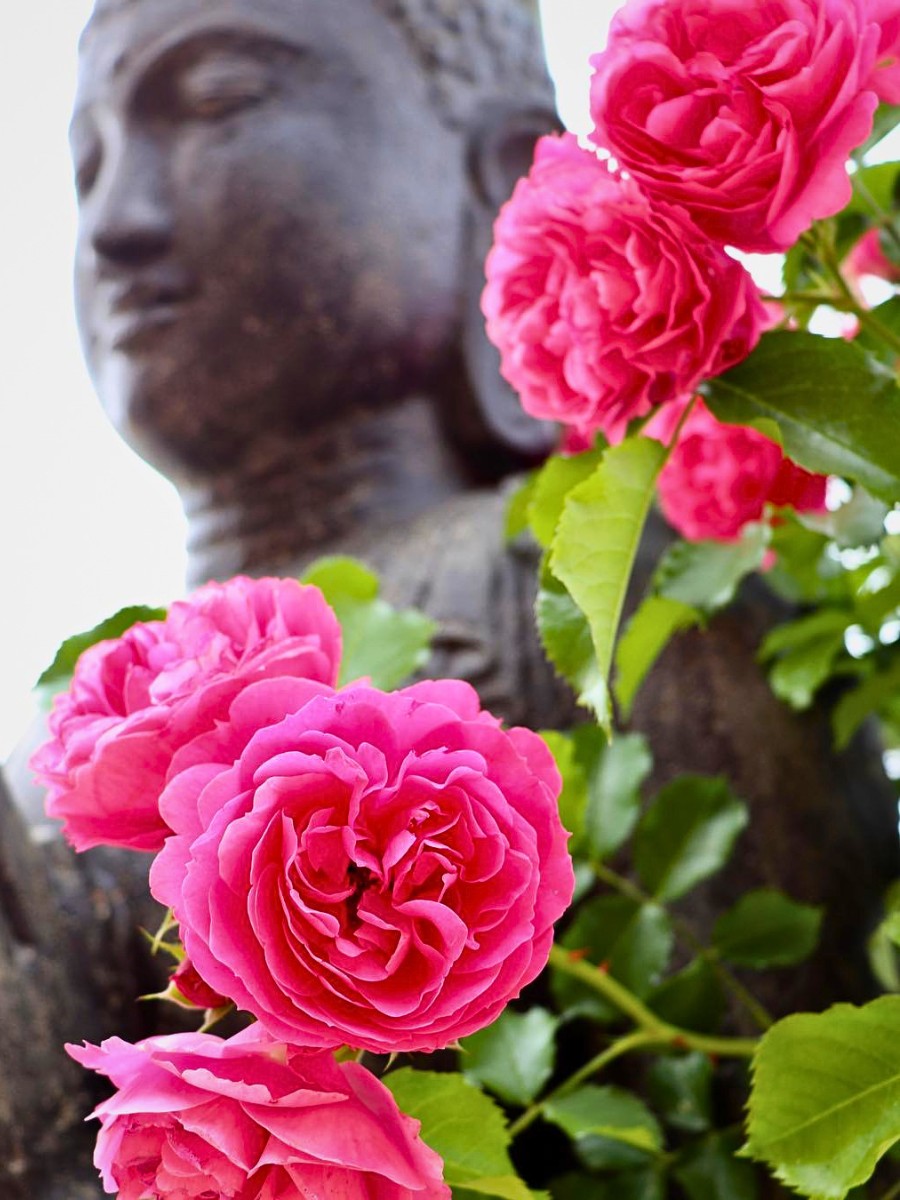
Also, if unsure, some flowers are more widely accepted than others. Pink roses usually imply appreciation and warmth. Orchids often read as elegant and respectful. Sunflowers feel open and cheerful in many places. Tulips are also a fairly safe gift for casual and formal moments. Gerbera daisies and peonies are often good choices too, depending on the season and relationship. Plus, a mixed bouquet in soft pink, peach, cream, or multicolor tones is usually easier to receive than a single flower with a strong cultural history.
What Happens if You Give the Wrong Flowers?
Often, nothing melodramatic happens. The recipient may smile, say thank you, and set the flowers aside later. But in more traditional households, the flowers may be seen as careless or insensitive. In religious or family-centered settings, they may be rejected, donated, or redirected for use at a funeral altar, memorial site, or temple. Essentially, the real issue is not the flowers themselves, but the message they seem to carry.
Featured image by Simon Niogi. Header image by Andy Lee.