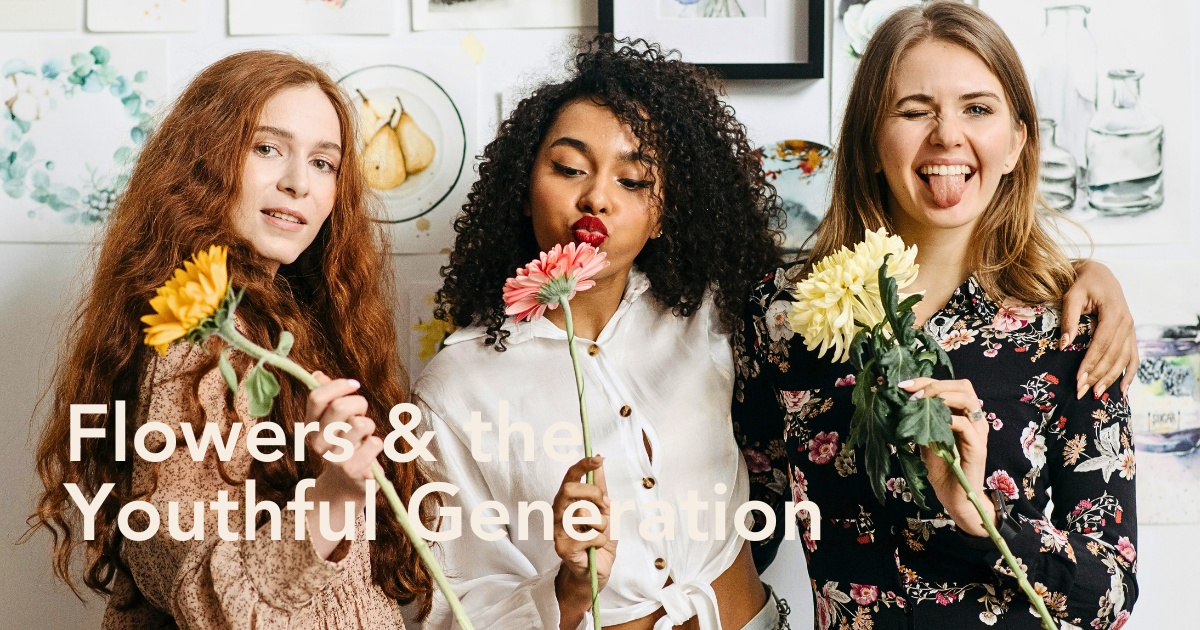
A new national study has put into context some of the floral industry's long-held presumptions about younger flower consumers, bringing to light what they think about these flowers. Surveying 2,011 Generation Z participants across the United States, the research examines not only where and how this generation buys flowers, but what they expect from them, what stops them from buying more, and why flowers hold significance in their lives perhaps more than many in the industry may have expected.
The Research and Its Findings
The 2026 study and report, Catering to Generation Z Consumers: Identifying Key Traits and Wellbeing Benefits in Floral Products, was presented by the Floral Marketing Fund (FMF), co-sponsored by industry leaders CalFlowers and FTD, and conducted at the Lab for the Assessment and Promotion of Physical Activity and Health (APPAH), Colorado State University.
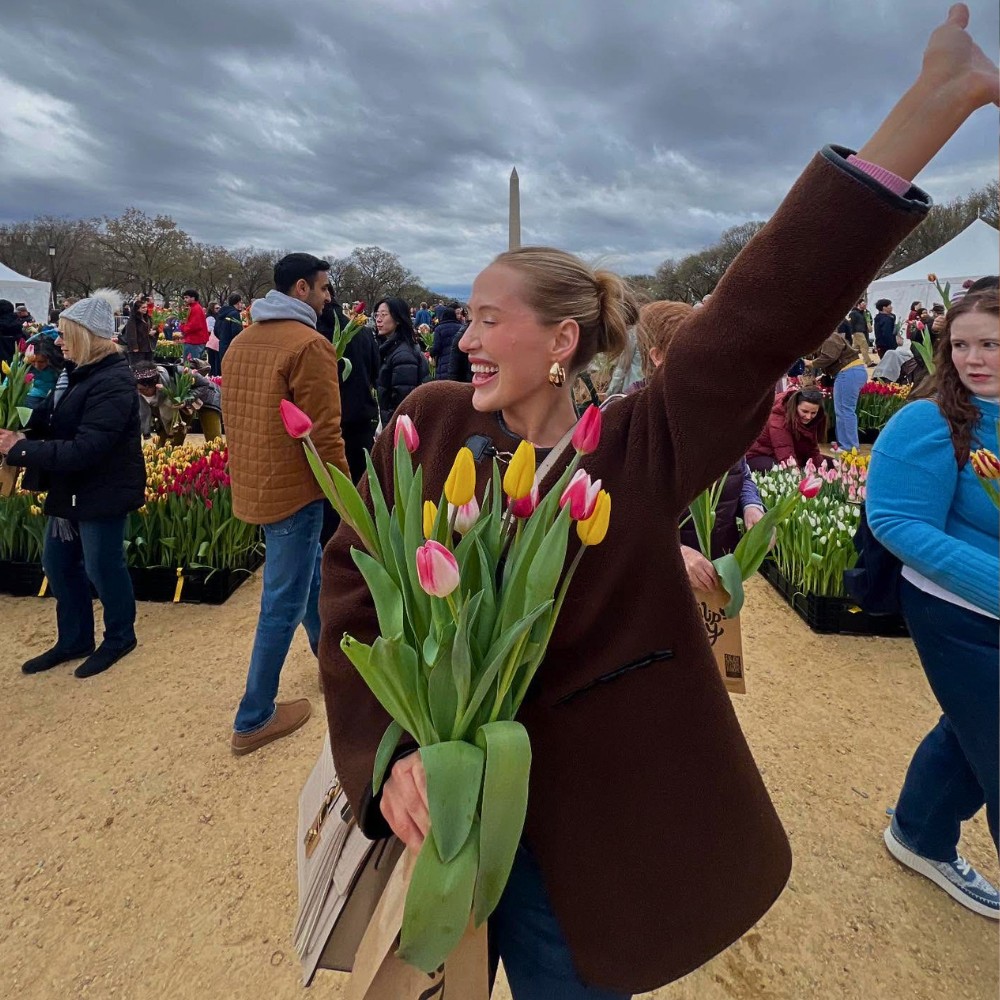
The study surveyed 2,011 Gen Z individuals between the ages of 18 and 28, recruited through a national panel to represent all the states and Washington, D.C. Participants answered questions spanning purchasing behavior, product preferences, sustainability values, social media habits, pricing sensitivity, and the emotional and psychological impact of flowers.
A structured, multi-dimensional inquiry into what Gen Z wants from flowers and how the entire generation relates to floral products, the findings of this study have quite some implications for retailers, growers, marketers, and the wider floral industry.
Gen Z Are Already Buying Flowers
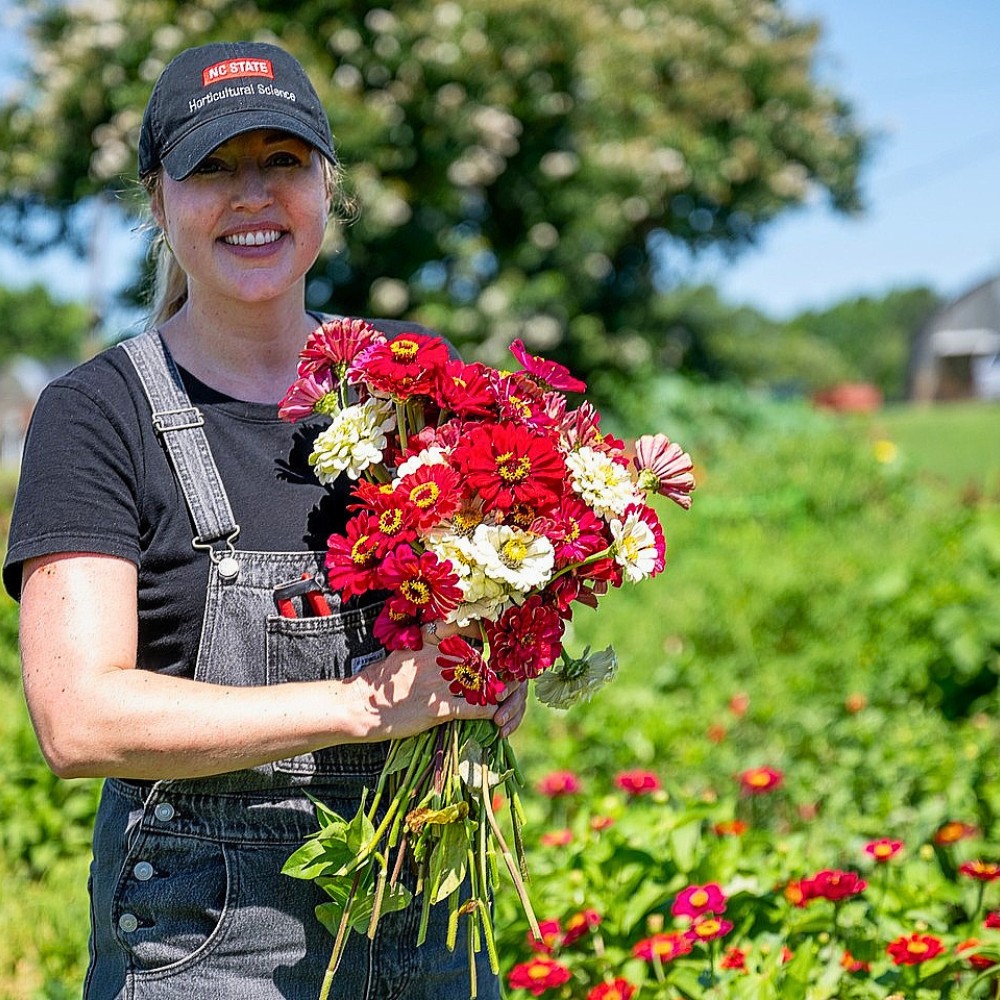
But before examining what Generation Z wants from flowers, it is worth noting that the data confirms they are already buying flowers. Nearly 90% of participants had purchased flowers from a physical store at least once in the past year. Two-thirds had made at least one online purchase. More than half had bought flowers through a social media platform.
These findings suggest a generation with an existing and active relationship with floral products, one that could be enhanced considerably with the right conditions in place. Grocery stores account for the largest share of in-store purchases at 36.4%, followed by independent flower shops at 23.4% and box stores at nearly 21%.

Spring and summer are peak buying seasons, though the occasions driving purchases range from the expected, birthdays at 60.6% and Mother's Day at 46%, to the more telling: 28.2% of participants reported buying flowers just because they wanted to, with no occasion attached. That ‘just because’ figure is one of the most telling data points in the entire study.
Freshness First, Then Other Factors Follow
When asked what most influences their decision to purchase flowers, Generation Z is explicit, and freshness leads other factors, with nearly 78% of participants rating it as likely or very likely to affect their choice; color follows at 76%, flower shape and design style at approximately 71%, price at 70%, and fragrance at nearly 69%.
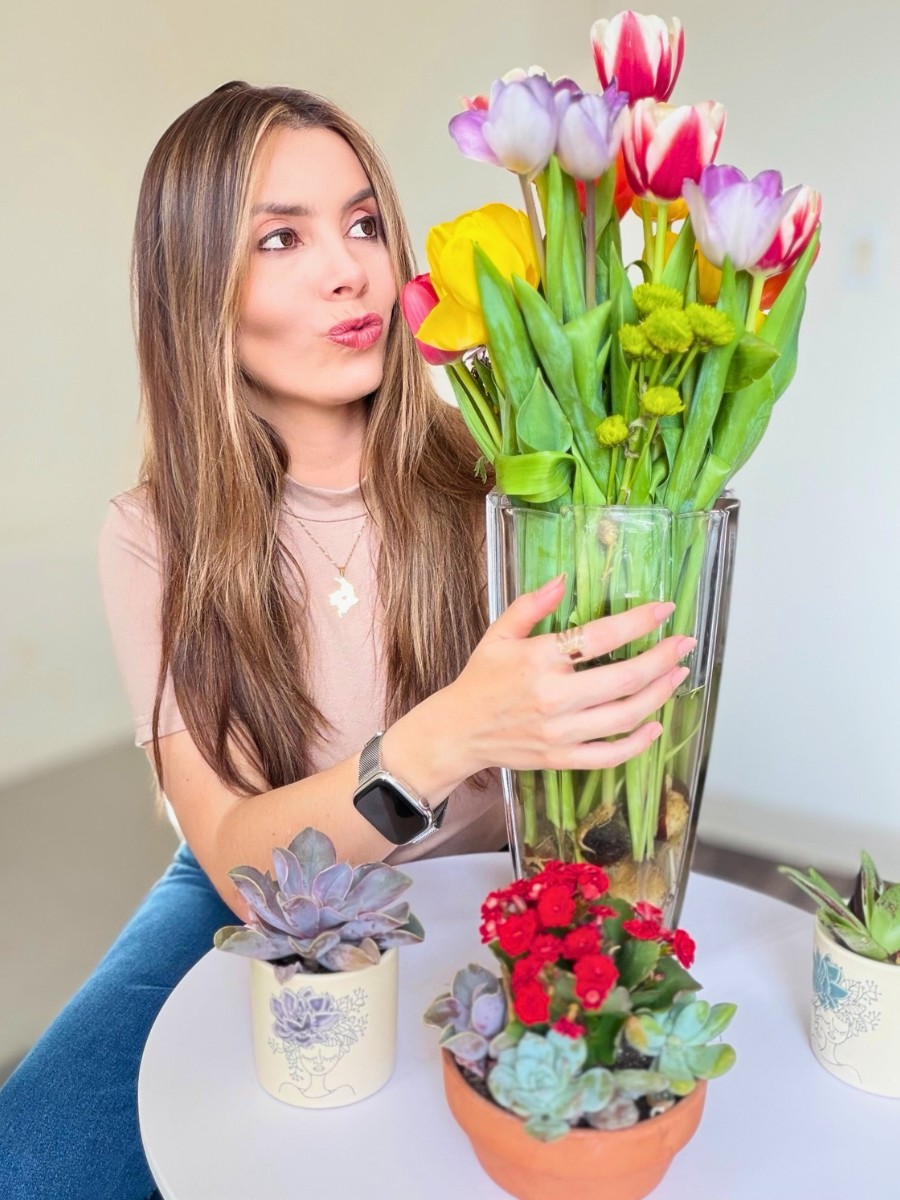
The attributes that rank lowest are also telling. Symbolic meaning and spiritual associations, which have long been central to how the floral industry has framed the value of flowers, score low for this generation. Generation Z is a sensory and pragmatic consumer who responds to what they see, smell, and touch, and to whether the product they are considering appears worth what it costs.
But this should not be misconstrued as a rejection of meaning, rather a redefinition of it. For Generation Z, a flower that is visibly fresh, beautifully colored, and well-presented carries its own significance. The industry's task is to lead with those qualities instead of assuming that the symbolic vocabulary of previous generations entirely carries the same weight.
Sustainability and packaging are part of this equation as well. Over 60% of participants said accurate product labeling is important to them. Nearly two-thirds indicated that printed information on packaging helps guide their decision. More than half said they want packaging materials to be reusable or recyclable. For this generation, the way a product is presented says a lot about the integrity of the brand behind it.
Value Over Cheapness
Generation Z has a reputation for price consciousness, and the research confirms it, up to a point. Approximately 63% compared prices across stores before purchasing, and nearly 70% said they try to obtain the best quality for the money they spend. Nearly three-quarters reported being motivated by sales and special offers.
The data also makes it equally clear that this generation is not simply seeking the lowest price, but also value they can trust. Most participants spent between $49 and $199 on flowers over the course of a year, a figure that shows an existing willingness to spend when the product earns it. Freshness guarantee, honest labeling, reliable quality, and transparent pricing are among the most effective ways to build their trust.
The industry distinction worth drawing here is between competing on price and competing on value. The former erodes margins and rarely builds loyalty, while the latter, grounded in product quality and clear communication, is a far more sustainable proposition for both retailer and consumer.
Where Generation Z Discovers Flowers
Instagram and TikTok are where this generation most commonly encounters floral products. The study found that Instagram was used by nearly 56% of participants for flower-related information, with TikTok close behind at 48% and Facebook at 46.6%. The research found high scores among Generation Z on social media marketing factors, including trendiness, customization appeal, and purchase intention, all measured on a five-point scale with means close to 4.0.
Visual, story-driven content performs particularly well with this audience. A documented arrangement process, a grower speaking to the origin of a specific variety, or a florist walking through the care and craft behind a seasonal offering, all provide the kinds of narratives that connect with a generation that values authenticity and appreciates being shown, and not just being told why a product is worth their attention and their money.

It is also worth noting that in-store experience remains highly valued, even among a generation native to digital platforms. More than 74% agreed that physical retail allows them to see, smell, and touch flowers before buying, and more than 72% valued the opportunity to engage in hands-on experiences such as building their own bouquet. The research therefore supports an approach that aligns digital discovery with a physical retail experience designed to make a visit worthwhile.
What Generation Z Wants Flowers to Do for Them
Perhaps the most significant section of the report addresses what Generation Z really wants flowers to do in their lives, and the findings point toward well-being in such a way that the floral industry has not always spoken about decisively.
The study used the validated Perceived Stress Scale across its full sample and found that 80% of participants fell within the moderate stress range. This is a generation managing existing and sustained pressure across academic life, economic uncertainty, and the particular social conditions of young adulthood in the present moment.
Against that context, the data on flowers and emotional well-being is worth sitting with. Receiving flowers scored 3.96 out of 5 for contributing positively to social connection, while giving flowers scored 3.93. Participants also showed a strong relationship with the natural world, scoring 4.38 out of 5 on a nature connection scale.
These findings point to biophilic design research, which holds that human beings have an innate need to connect with the natural environment and that this connection has effects on mood, stress, and overall well-being.
What Generation Z appears to want from flowers, more than occasion-specific gifting or seasonal decoration, is a simple and accessible way to feel better, connect with others, and bring something natural and restorative into daily life. The 28% who already buy flowers for no particular reason are hardly just an outlier group, but an early sign of where this generation's relationship with flowers is heading.
What the Industry Needs to Do
The picture that this research draws is of a generation that wants fresh, visually appealing flowers at fair prices, perhaps sold through retailers who communicate clearly, package responsibly, and show up reliably on the platforms where this group spends its time. They want to be met with honesty, quality, and a recognition that flowers are not only for occasions.
That said, the research-backed connection between flowers and emotional well-being is one of the most persuasive stories the industry has available to it, and it is supported by data, not just sentiment. Telling it well and reliably is among the most important ways the floral industry can build a long-term relationship with a generation that will define its future.
Featured image by Jovan Vasiljević. Header image by Pavel Danilyuk.