Modern life moves quickly. Most people wake up to notifications, spend their days moving between screens, deadlines, and responsibilities, and then end the evening mentally exhausted. Convenience has improved many things, but it has also reduced moments of pause, reflection, and emotional presence. In the middle of this fast-moving culture, flowers continue to hold emotional significance in a way that feels surprisingly timeless.
Flowers are not necessary for survival, yet people continue to buy them during some of life’s most emotional moments. They appear at weddings, funerals, birthdays, anniversaries, hospital visits, and apologies. This continued relevance says something important about human nature. Even in an increasingly digital world, people still long for emotional connection, beauty, comfort, and gestures that feel personal. Flowers quietly fulfill those needs without demanding attention.
Flowers Communicate What Words Sometimes Cannot
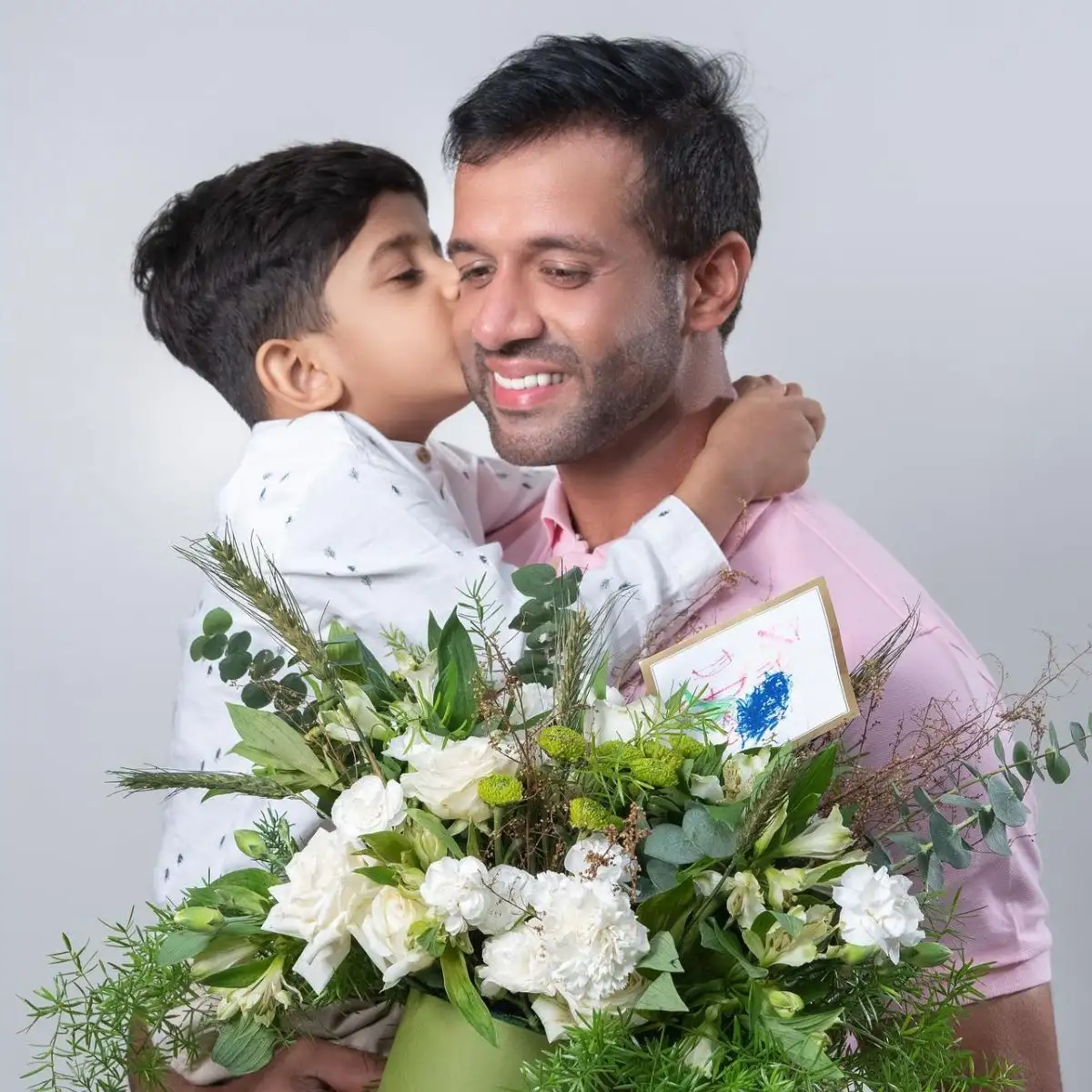
One of the reasons flowers remain emotionally powerful is that they communicate feelings in a direct but gentle way. There are moments when language feels inadequate. During grief, gratitude, love, or reconciliation, people often struggle to fully express what they feel. Flowers step into that emotional space naturally. They become a form of communication that feels thoughtful rather than transactional.
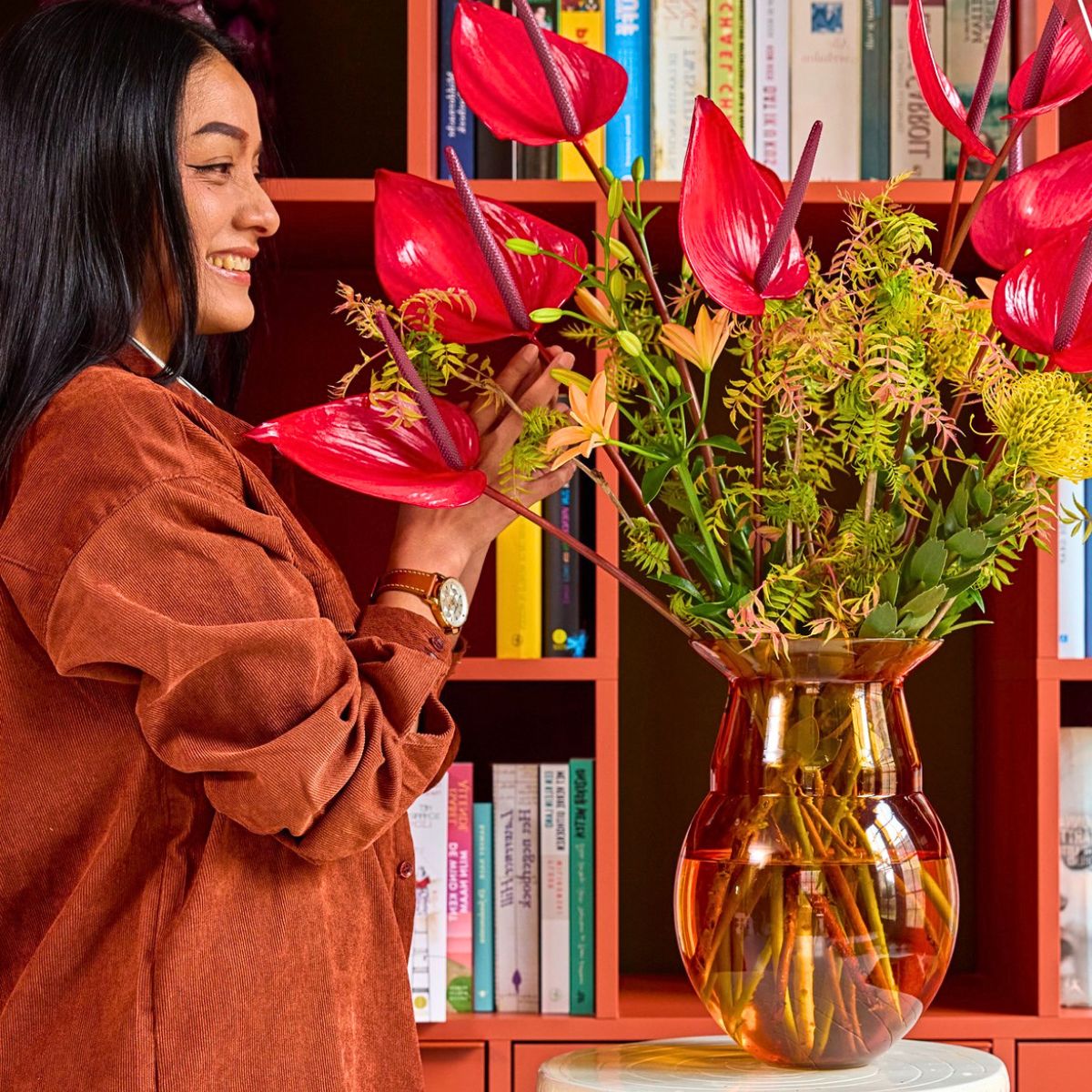
This emotional role becomes even more important in today’s culture, where much communication has become instant and disposable. Messages are often rushed, abbreviated, or forgotten within minutes. Sending flowers requires intention. It tells someone they were worth time, effort, and consideration. That emotional weight is difficult to replicate through digital interaction alone, which is why flowers continue to maintain relevance across generations.
The Need for Slower and More Human Experiences
As technology continues to shape daily life, many people are beginning to crave experiences that feel more grounded and real. There is growing fatigue around constant stimulation and endless information. People are searching for moments that reconnect them to themselves, to nature, and to others. Flowers naturally create those moments because they invite stillness and presence.
A bouquet in a home changes the atmosphere of a space without saying anything. Fresh flowers on a table can soften stress after a long day or create a sense of calm within busy environments. Even visiting a flower farm or garden offers people a break from routine and digital overload. These experiences may seem simple, but emotionally, they carry value because they remind people to slow down and feel connected to something natural again.
Flowers Hold Memory and Meaning
Flowers also carry emotional depth because they become attached to memory. Many people associate specific flowers with important moments in their lives. A certain rose variety may remind someone of a wedding day. Lilies may bring memories of family gatherings or moments of loss. Sunflowers might remind someone of childhood or a meaningful friendship. Flowers become part of personal history in ways many products never do.
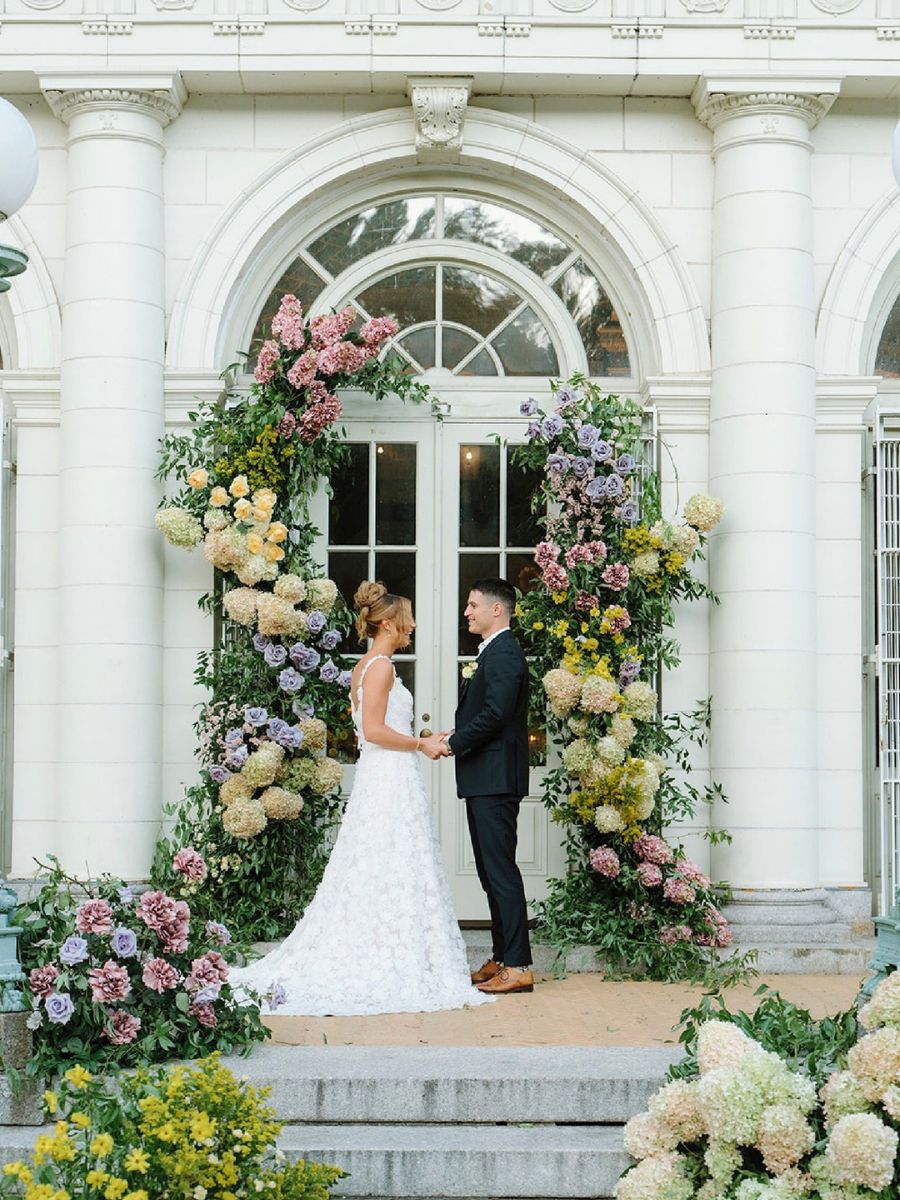
This connection to memory gives flowers lasting emotional value beyond decoration. People do not always remember the exact words spoken during important moments, but they often remember how those moments felt. Flowers become part of that emotional atmosphere. For the floral industry, this is an important realization because consumers are not simply purchasing stems or arrangements. They are purchasing emotion, memory, comfort, and human connection.
What This Means for the Floral Industry
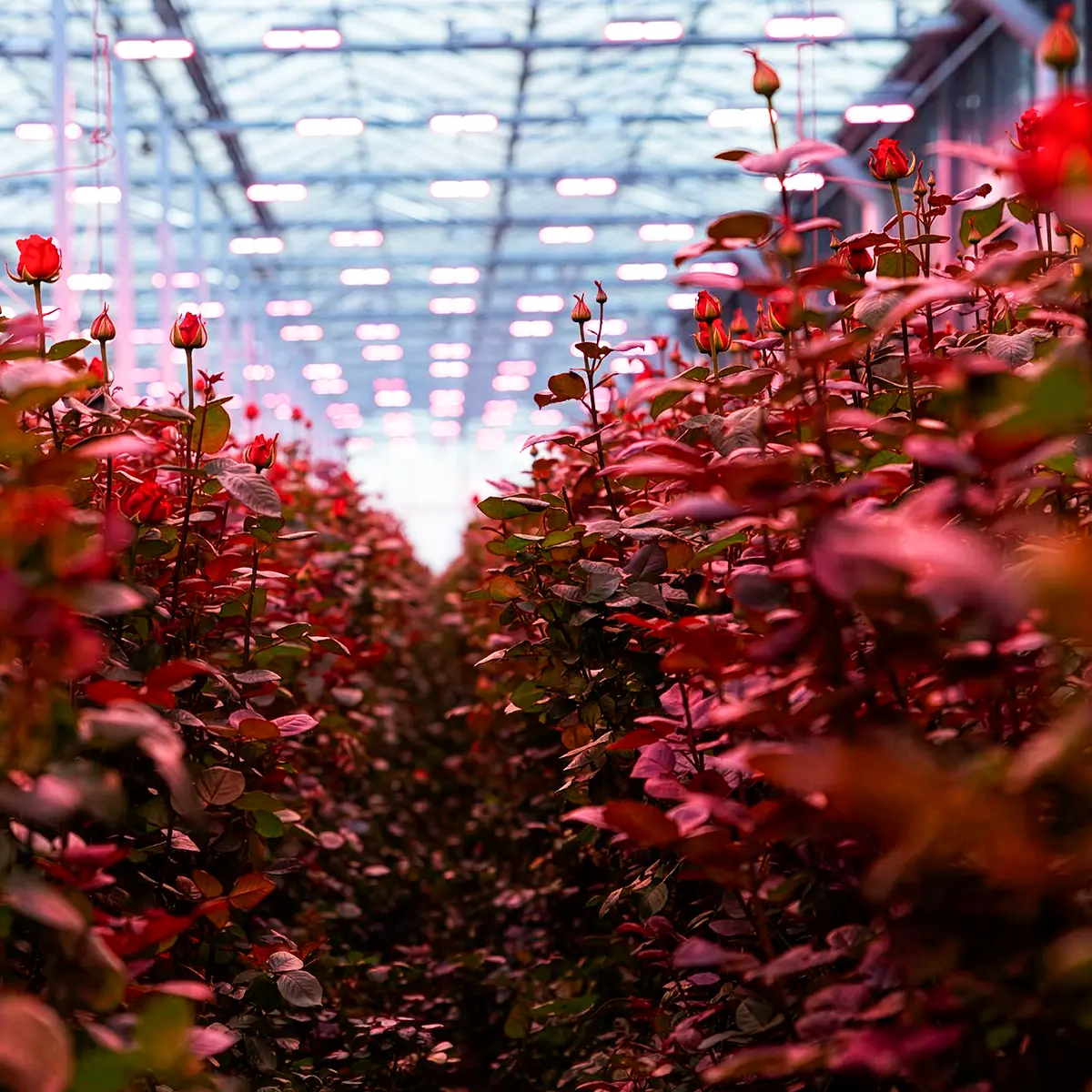
The floral industry has traditionally focused heavily on production, quality, logistics, and pricing. While these remain essential, emotional storytelling is becoming equally important. Consumers increasingly want to know where products come from, who grew them, and what values a brand represents. People connect more deeply with flowers when they understand the human story behind them.
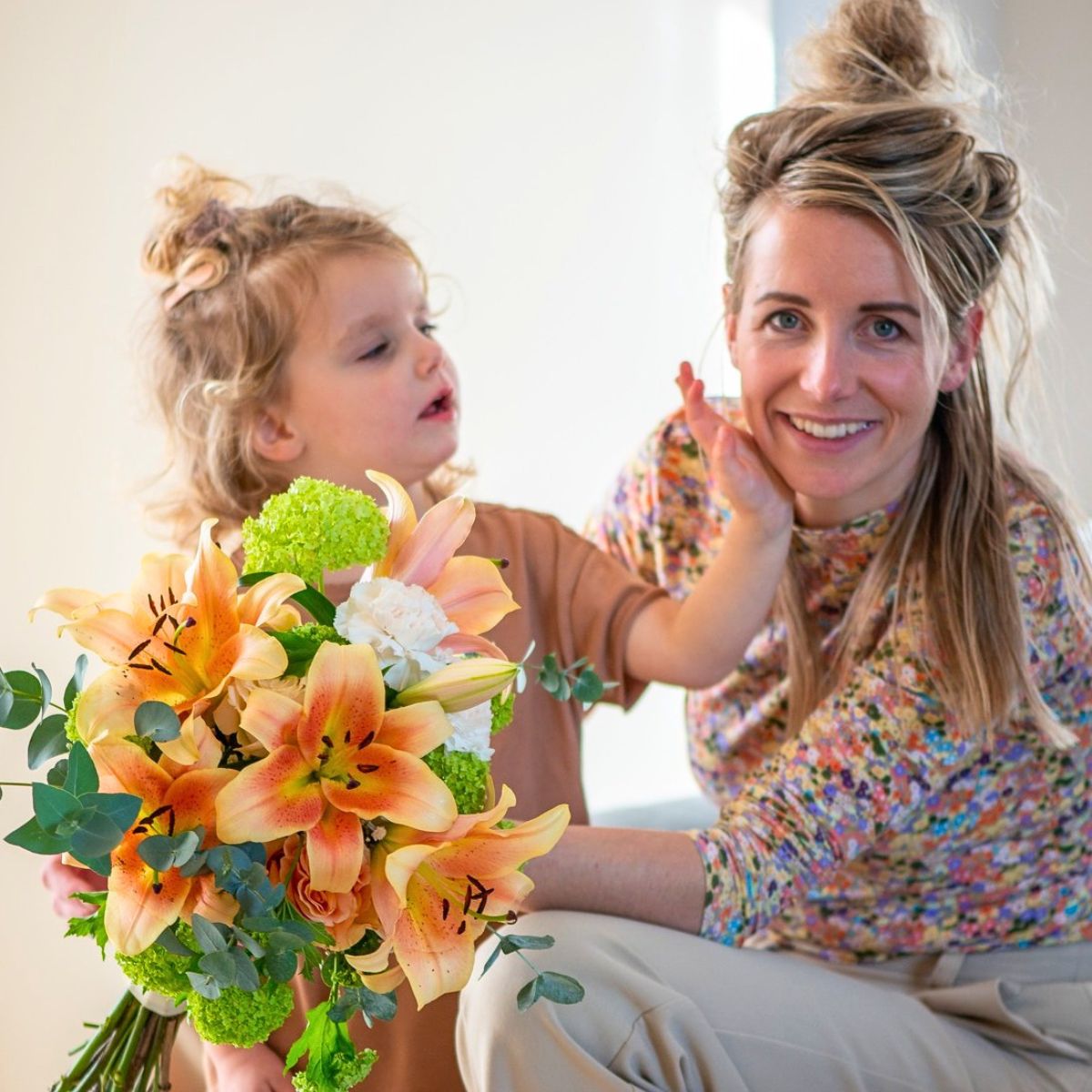
This creates an opportunity for growers, florists, breeders, and floral marketers to communicate differently. The strongest floral brands today are often the ones that make people feel something beyond the product itself. In a world filled with noise and competition, emotional authenticity stands out. Flowers already carry emotional meaning naturally. The challenge for the industry is learning how to communicate that meaning more intentionally and consistently.
In many ways, flowers have become even more important in modern life precisely because the world has become so fast-paced. They offer something increasingly rare: presence, emotion, beauty, and connection without distraction. They remind people to pause for a moment and acknowledge what truly matters.

That emotional role is unlikely to disappear. As people continue searching for more meaningful and human experiences, flowers will continue to hold value far beyond their physical appearance. Their true importance lies not only in how they look, but in how they make people feel.
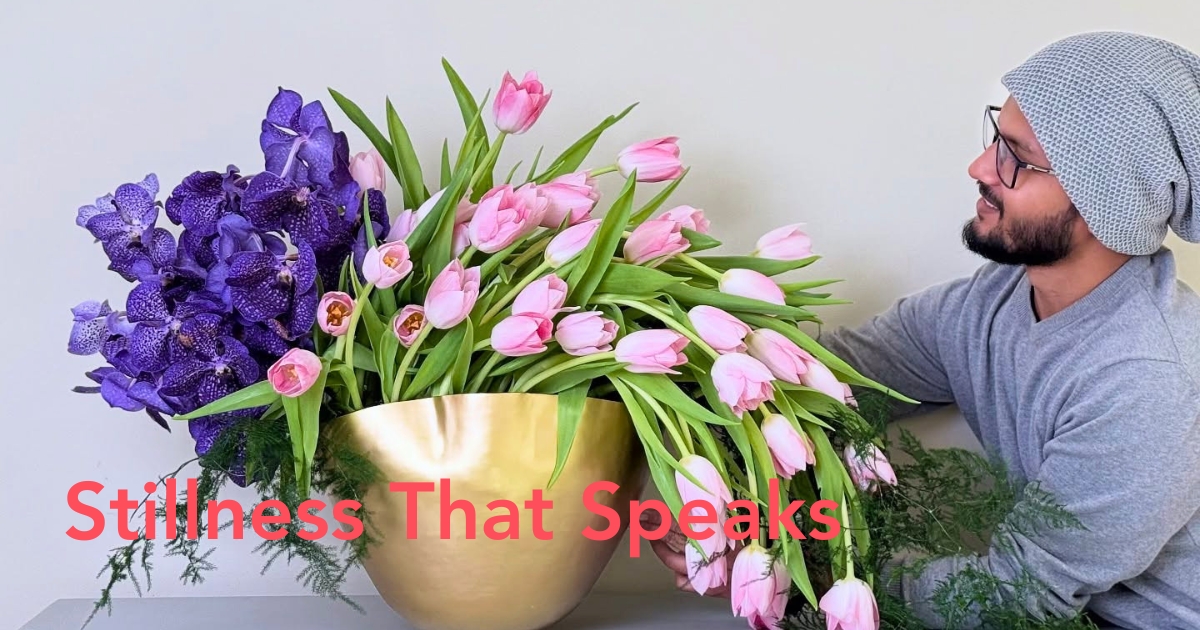
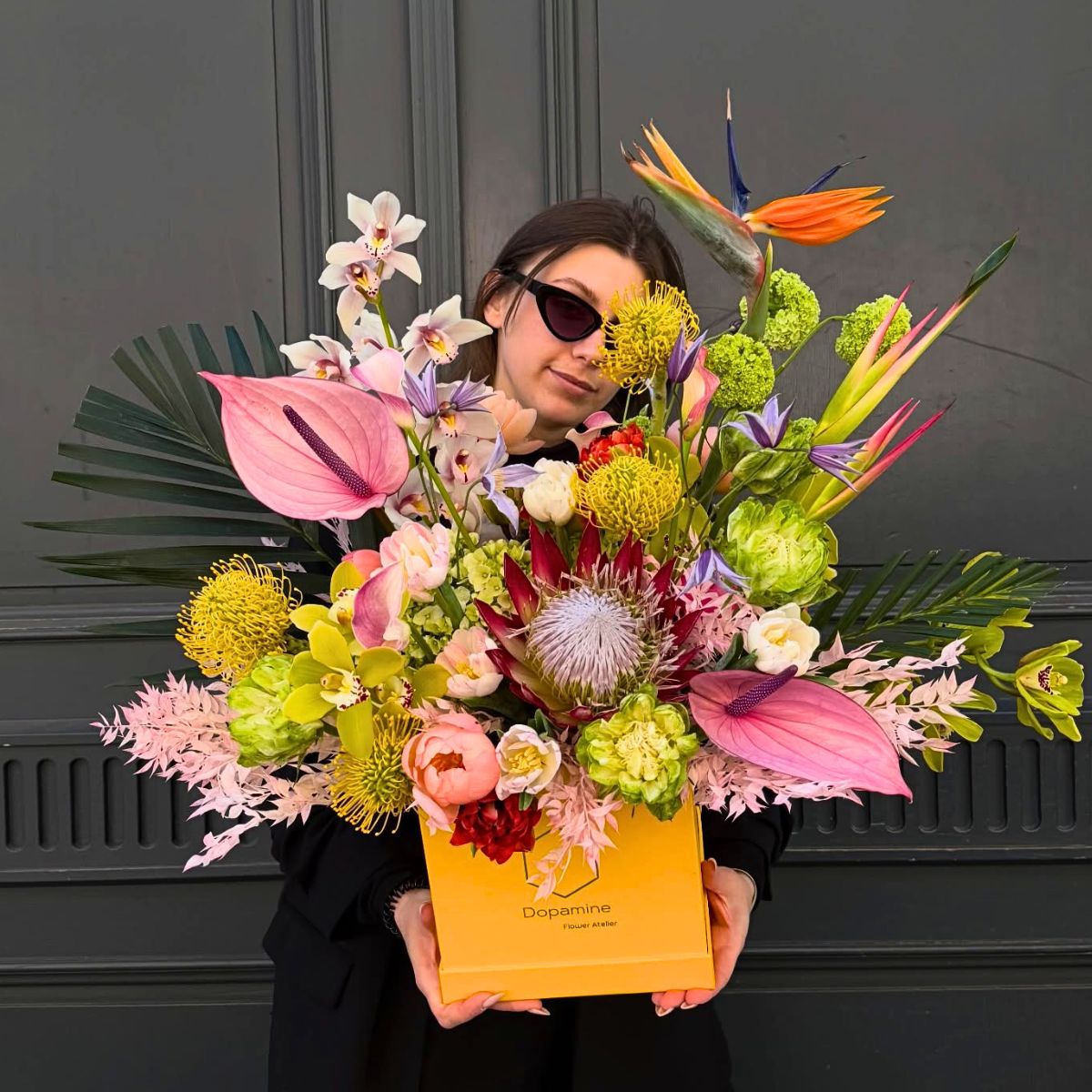
Header image by @florist_kazi_sagar. Feature image dopamine_flower.