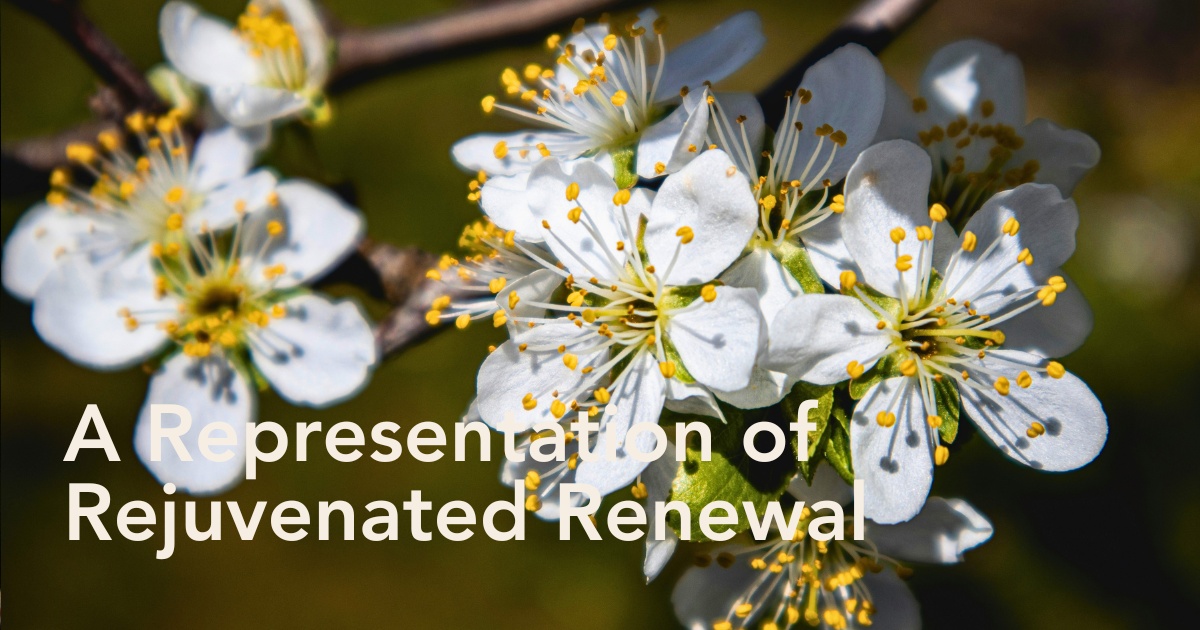
People have always placed daffodils on doorsteps, scattered cherry blossom petals at weddings, and even planted tulip bulbs in freshly turned soil. Often, these flowers do not just beautify the place or ornament the moment, but carry a message, which could be anything that one wishes to communicate; perhaps conveying an act of hope, or saying something about new beginnings. These are some of the most important messages that people say with flowers. So what is it about flowers that symbolize new beginnings?
Natural Roots of New Beginnings’ Flower Symbolism
Before flowers meant much in a cultural sense, they meant something in a biological sense. Most flowering plants bloom in spring, the season that arrives after winter has stripped the landscape bare. That rhythm of rest followed by return, and dormancy followed by floral color and life, is one of the oldest patterns in nature. It is no surprise that humans began to read meaning into it.
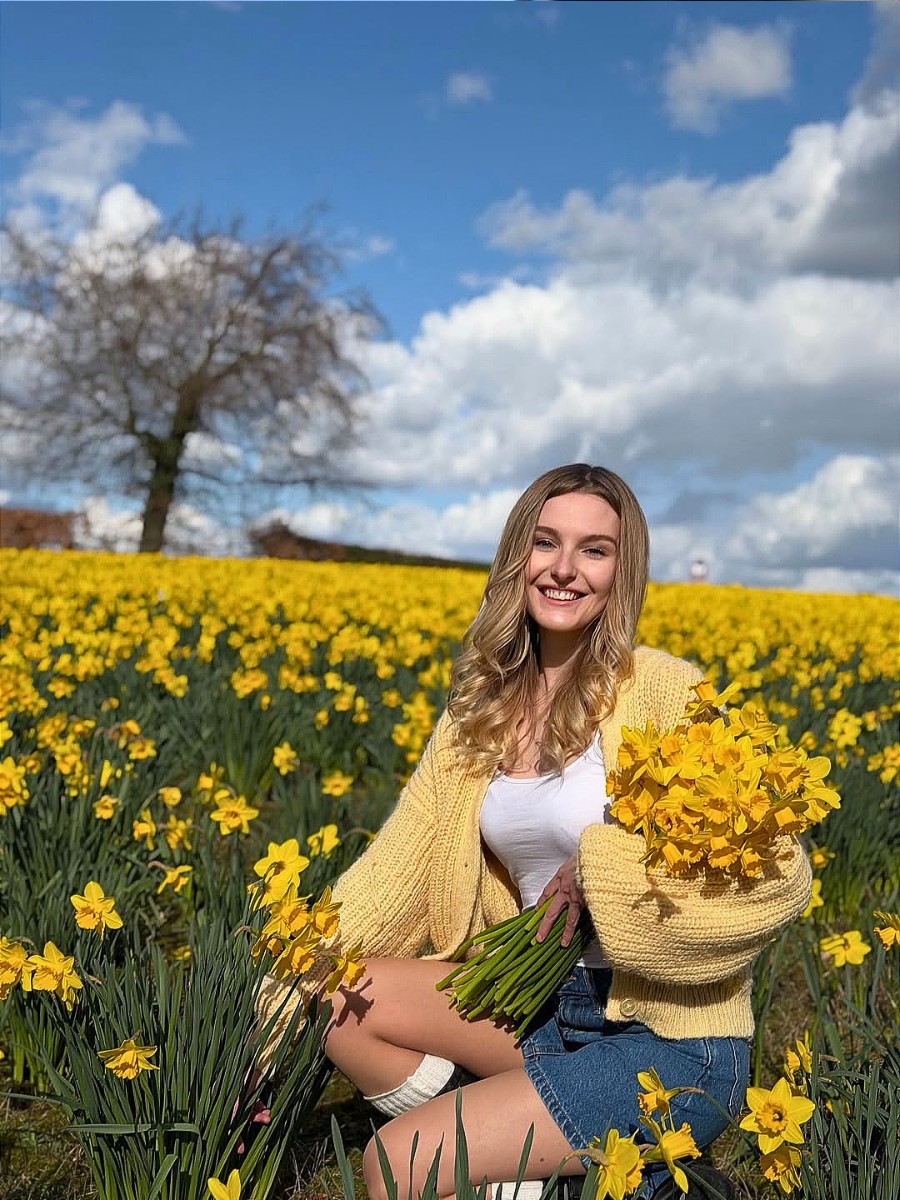
The flowers that push up through cold ground or open after months of bare branches have an almost instinctive association with forward movement. Daffodils and tulips emerge while the air is still sharp with cold. Cherry blossoms last only a few days before the petals fall, making each brief season feel like a fresh start being handed to you and then taken back.
Narcissus, by ancient Greek account, was the flower that Persephone was gathering when she descended to the underworld, and the one whose return every spring signals that warmth and growth had come back to the earth. Snowdrops, among the first flowers to emerge after winter, have often been read as evidence that something new is already on its way, even before the ground has softened.
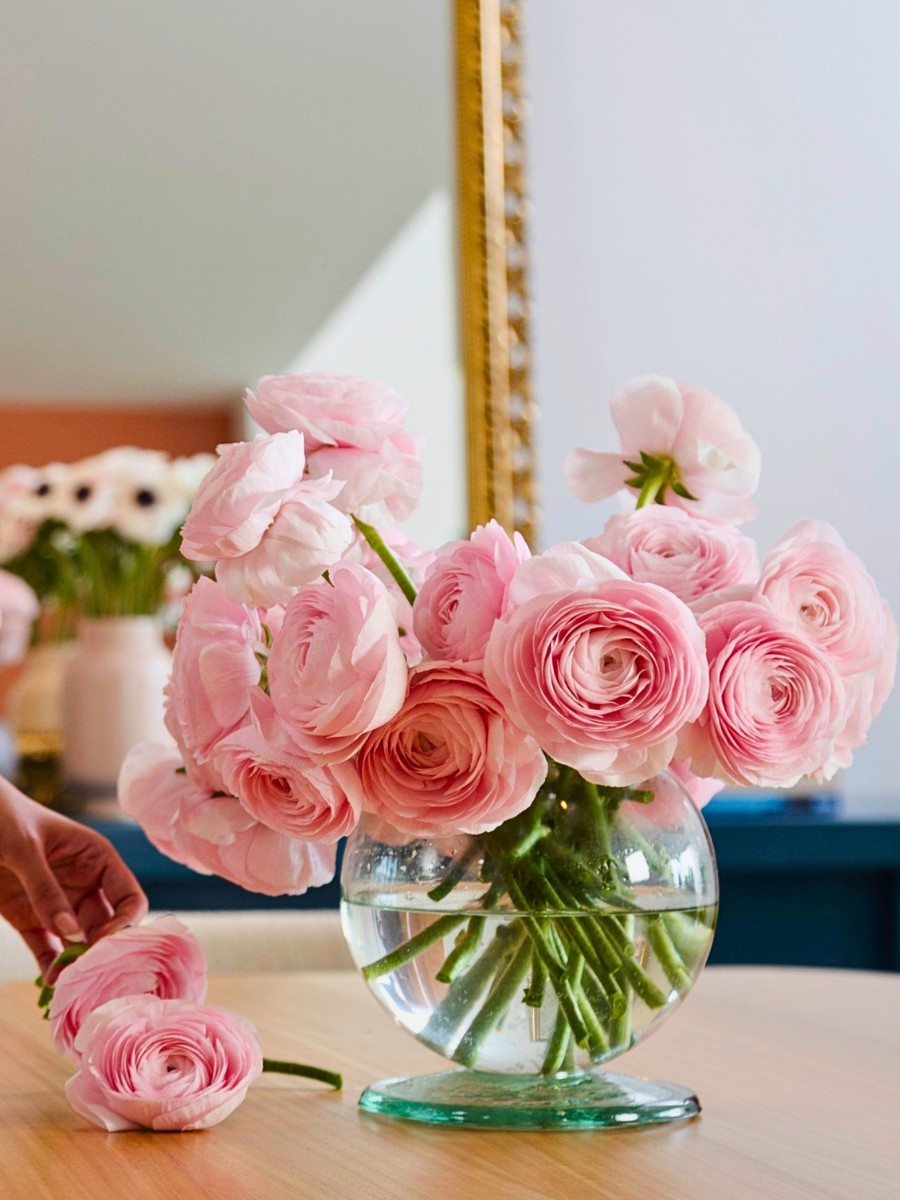
Color plays a role, too. The yellows of daffodils and forsythia, the white of snowdrops and Ranunculus, the soft pinks of cherry blossoms and peonies all belong to a floral palette associated with light returning after darkness. These are the colors people reach for when they want to show hope, even without stating the word aloud.
How Culture Enhanced the Meaning
Once natural observation gave flowers their emotional associations, culture refined and enhanced them. The result is an extraordinarily reliable global language of renewal, even among traditions that had no contact with one another.
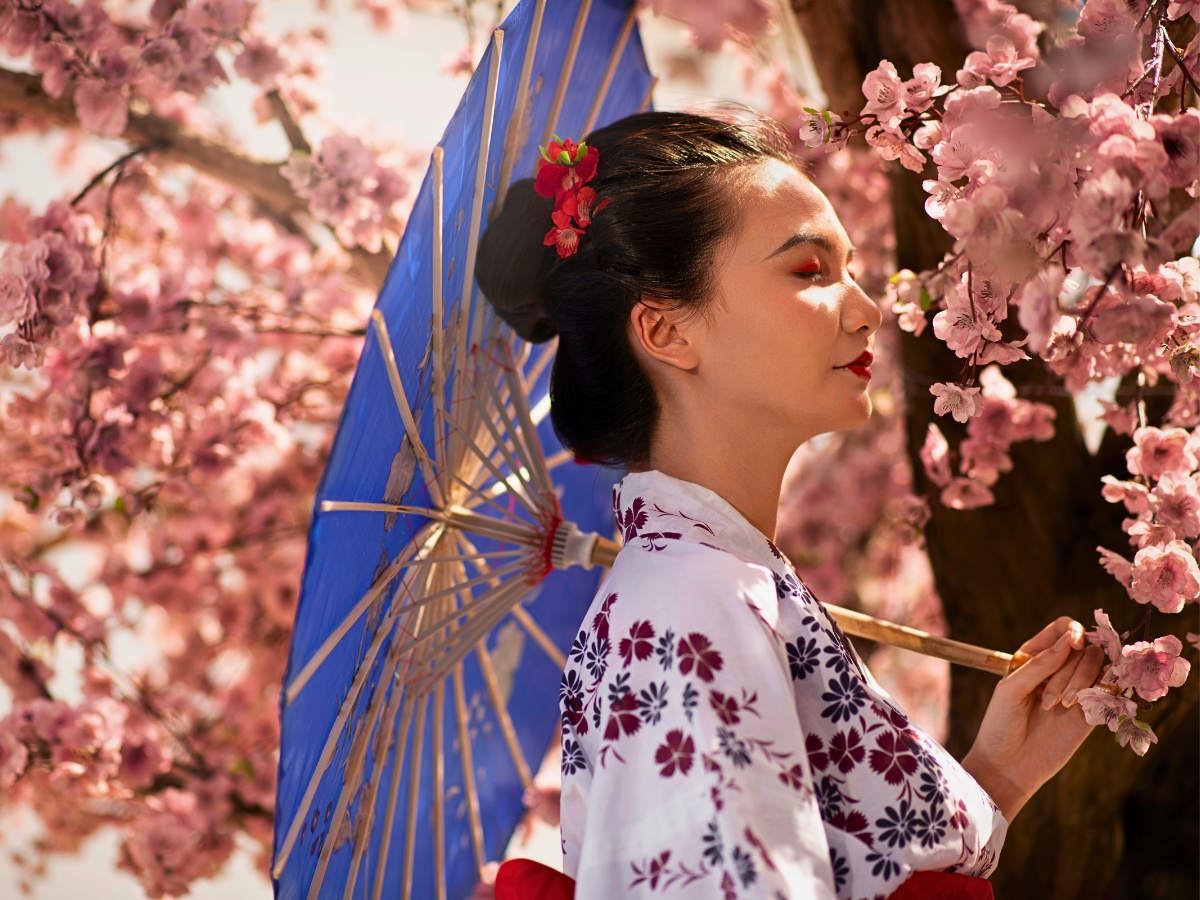
In Japan, the cherry blossom season is not only beautiful, but also a national occasion for reflection. The tradition of hanami, sitting beneath flowering cherry trees in early spring, is documented as far back as the eighth century. The blossoms are celebrated simply because they are short-lived. Their fall is not seen as a loss but as a cue to appreciate each new beginning while it lasts. Today, the same spirit carries into graduation ceremonies, weddings, and even placing cherry blossom branches in a home at the turn of a new season.
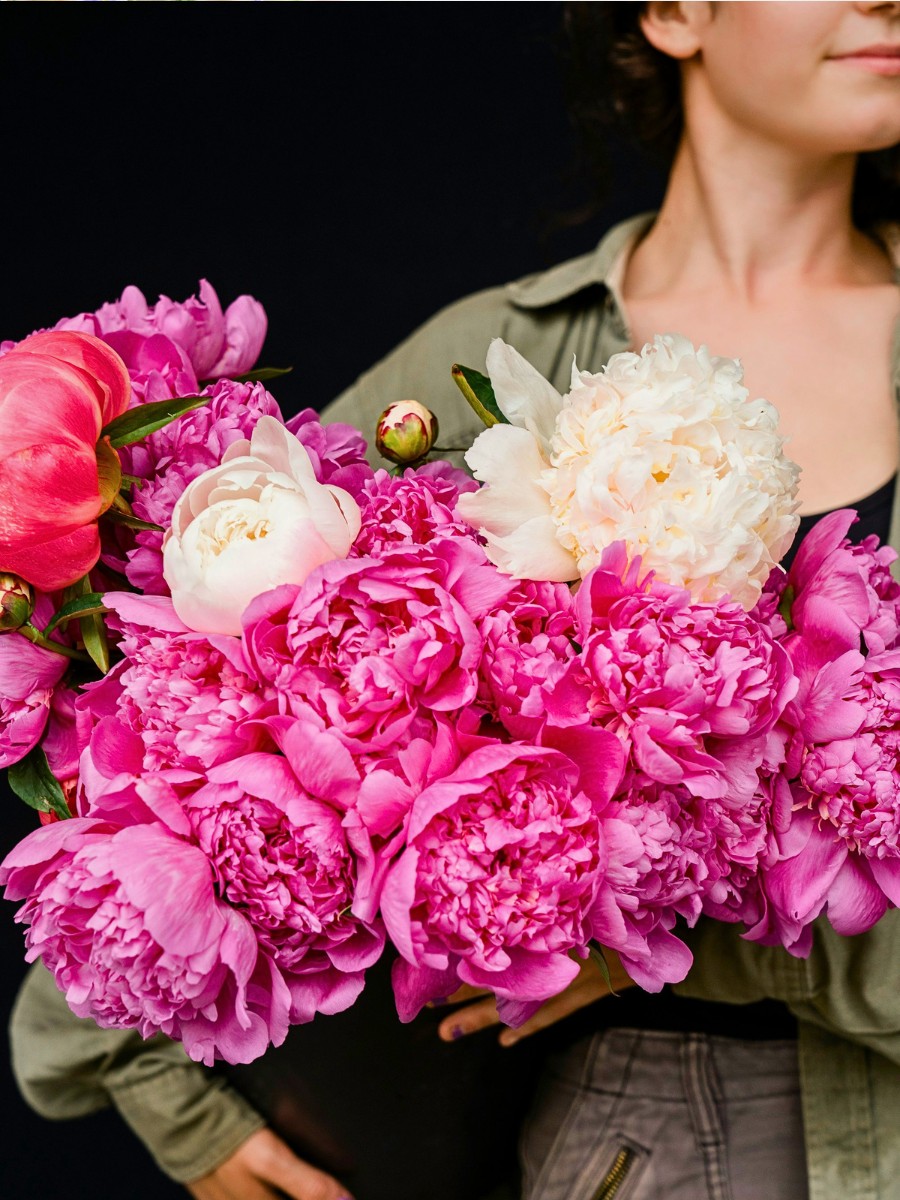
In Chinese tradition, peonies have been considered the ‘king of flowers’ for well over a thousand years. Their association with prosperity, good fortune, and auspicious new starts made them a fixture at weddings and Lunar New Year celebrations: occasions that are themselves defined by the idea of beginning something better than what was before. Planting peonies near the entrance of a new home is still practiced in some communities as a way of inviting positive energy in from the first day.
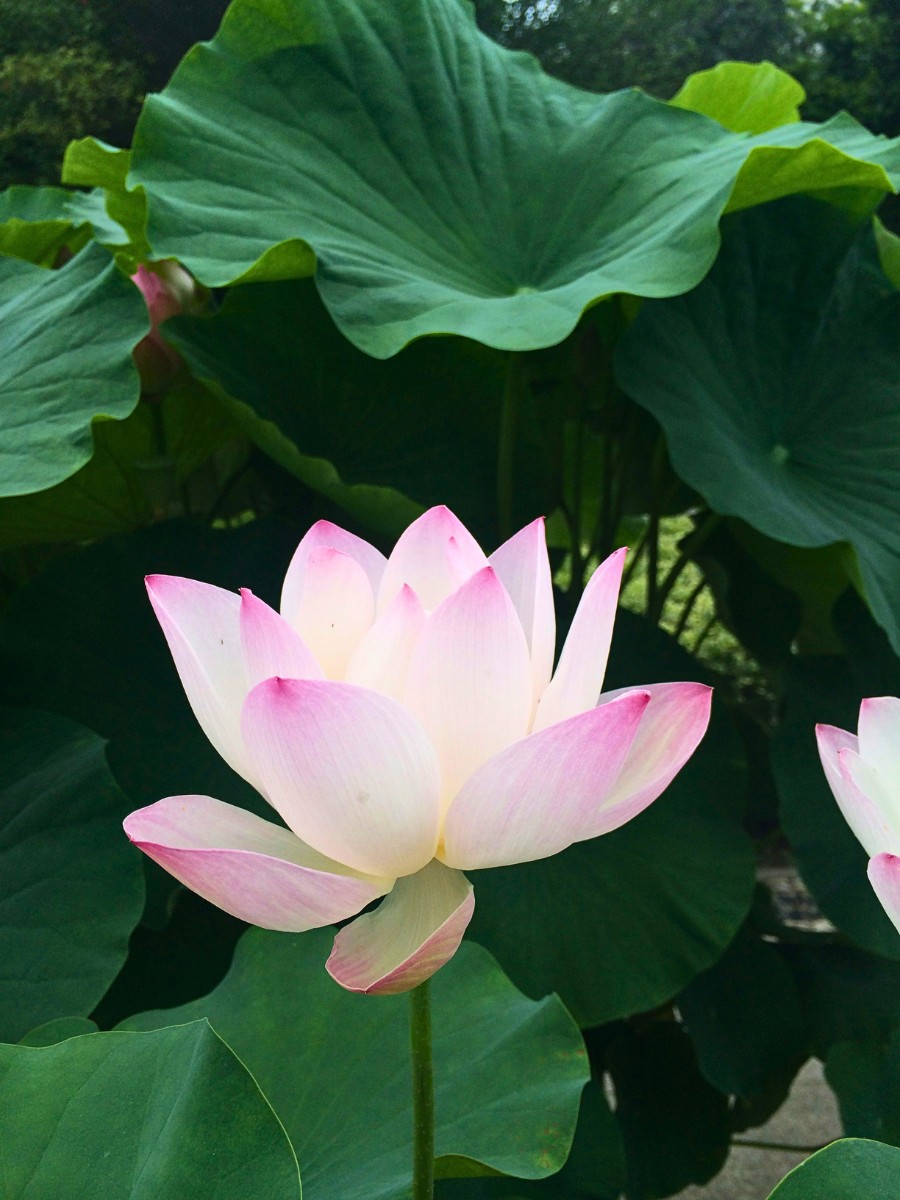
The lotus holds perhaps the most symbolic account of any flower associated with renewal. Revered in Buddhist, Hindu, and ancient Egyptian traditions, it draws its meaning directly from how it grows. Rooted in muddy, still water, it rises to produce a flower of striking purity.
Its physical journey makes it a near-universal symbol of spiritual awakening, personal transformation, and the possibility of emerging from difficult circumstances into newness. In modern wellness culture, yoga studios, and spaces designed for reflection, the lotus remains one of the most recognized emblems of starting over.
In Victorian England, the practice of floriography codified flower meanings into a formal language. Irises, named for the Greek goddess of the rainbow who was a messenger between heaven and earth, were assigned meanings of hope, faith, and the promise of what lies ahead. Sending someone an iris arrangement was a way of saying there is something good coming your way.
White tulips carried connotations of purity and fresh starts. Hyacinths signified the desire for something new, while sweet peas were sent as small but sincere tokens of departure and hopeful departure into something unknown. These meanings were taken seriously enough that books were published to help people accurately compose floral messages.
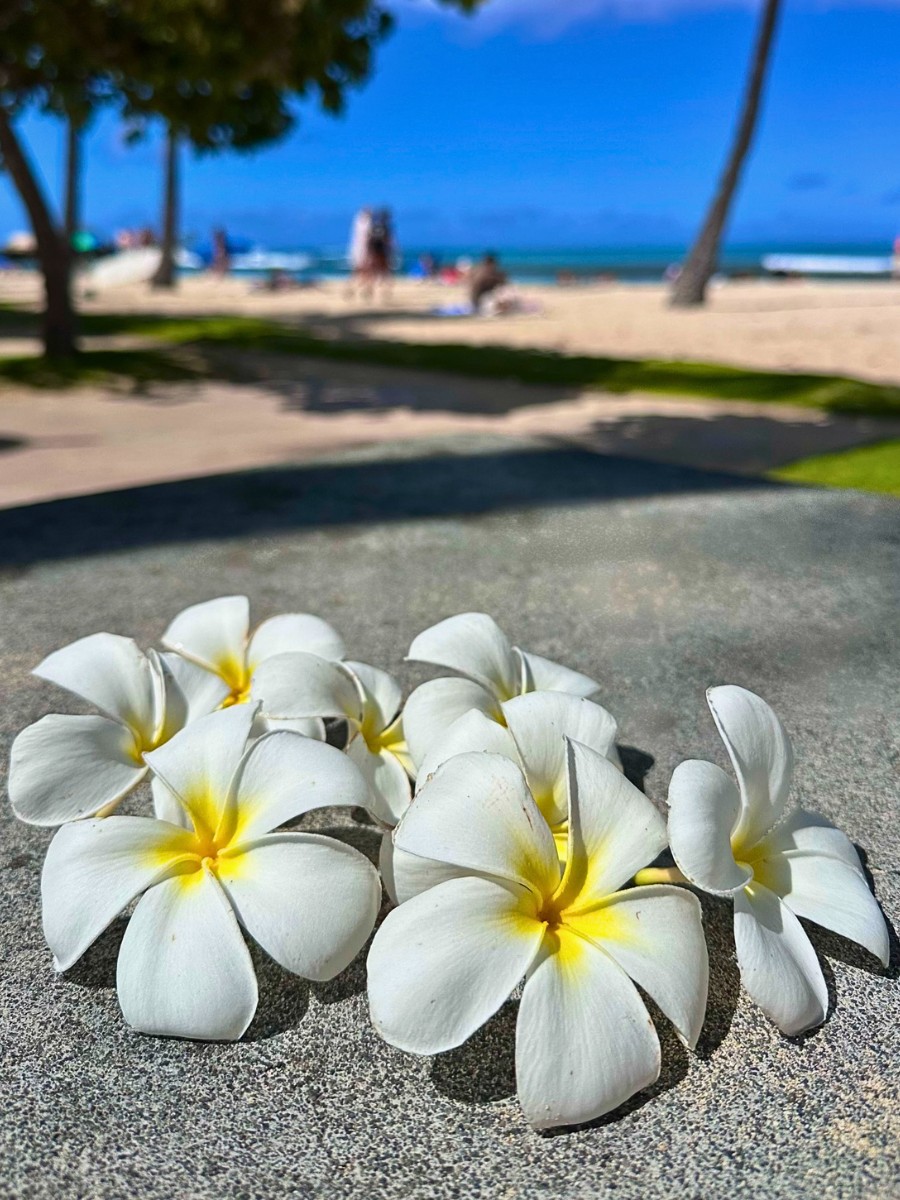
Elsewhere, jasmine holds deep significance in South Asian wedding traditions, woven into bridal garlands as a symbol of a new life beginning in purity and sweetness. In Mexico, marigolds, known as cempasúchil, are tied to the cycle of life and renewal, guiding the living and the dead during Día de los Muertos. Plumeria, common across Hawaii and Southeast Asia, carries associations of new life and transformation, and is regularly worn or gifted at moments of personal change.
Flowers That Carry the Message of New Beginnings
The list of flowers associated with new beginnings is longer, but here is a closer look at many of the most well-known ones. Daffodils are perhaps the most widely recognized symbol of renewal in the Western world, pushing up in early spring as a sign of what is coming.
Tulips, in their many colors, have often signified new opportunities and the clean energy of a fresh start. Cherry blossoms give a sense of beauty and brevity to the idea of beginning, a cue to be present in each new chapter. Narcissus has both mythological meaning and seasonal significance, blooming just as the year turns from cold to warm.
The lotus is one of the most famous symbols of personal transformation across different spiritual traditions. Irises bridge the past and the present with their mythological roots and their upright, forward-facing form. Snowdrops, small as they are, announce renewal by appearing before any other flower. Peonies bring abundance and celebration to new starts, particularly weddings and festivals.

Hyacinths, fragrant and densely petaled, are associated with rebirth in Greek mythology, their namesake being a young man transformed into a flower after death, an origin story based wholly on the idea of life continuing in a new form. Sweet peas are delicate and hopeful, used as farewell and bon voyage flowers for people setting off into new circumstances.
The layered open petals of Ranunculus have made them modern favorites for new beginnings arrangements, their clean whites and soft creams carrying a sense of possibility and space. Anemones, bold and graphic, have associations with anticipation and new experience in several European traditions.
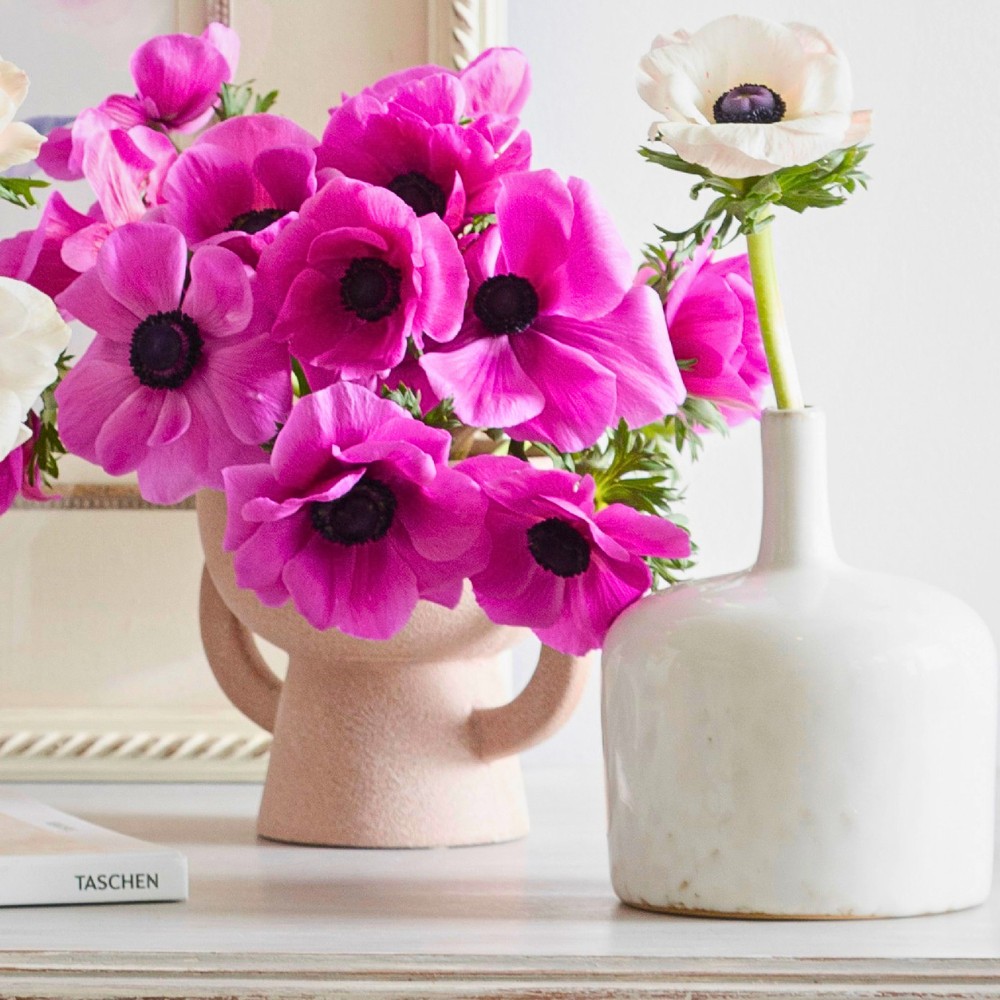
Forsythia, one of the first shrubs to flower after winter, is often planted in memorial gardens and new homes as a sign that color will always return. Magnolia blossoms appear before the tree has even leafed out; they symbolize perseverance and the courage to begin. Plum blossoms, celebrated in Chinese and Japanese art, bloom in the harshest conditions of late winter and are closely tied to resilience and the arrival of new life.
Using Renewal Flowers in Everyday Life
The occasions that call for flowers symbolizing new beginnings are easy to recognize. Think graduations, weddings, housewarmings, new jobs, new years, and new seasons. But these flowers do not need a formal occasion to carry meaning. A bunch of daffodils randomly brought home from a market is its own statement.
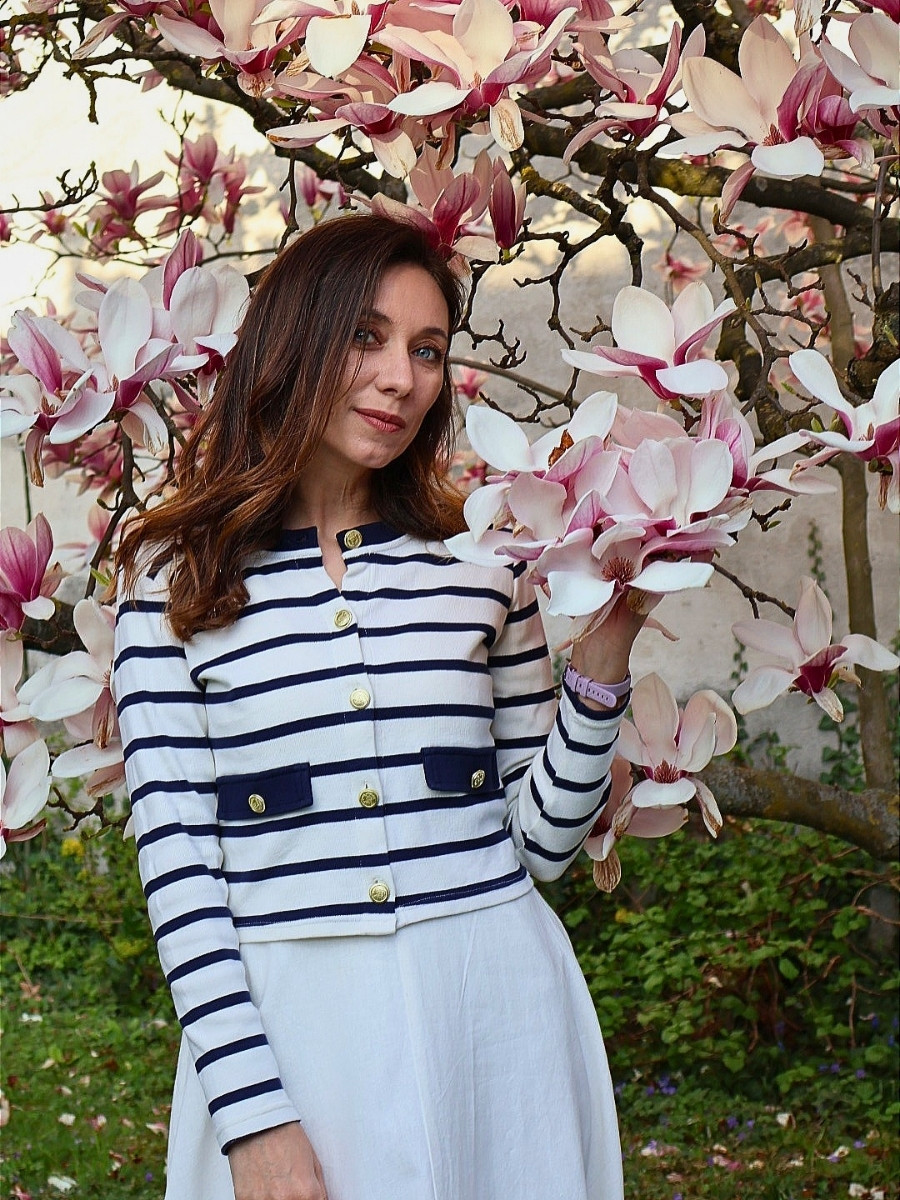
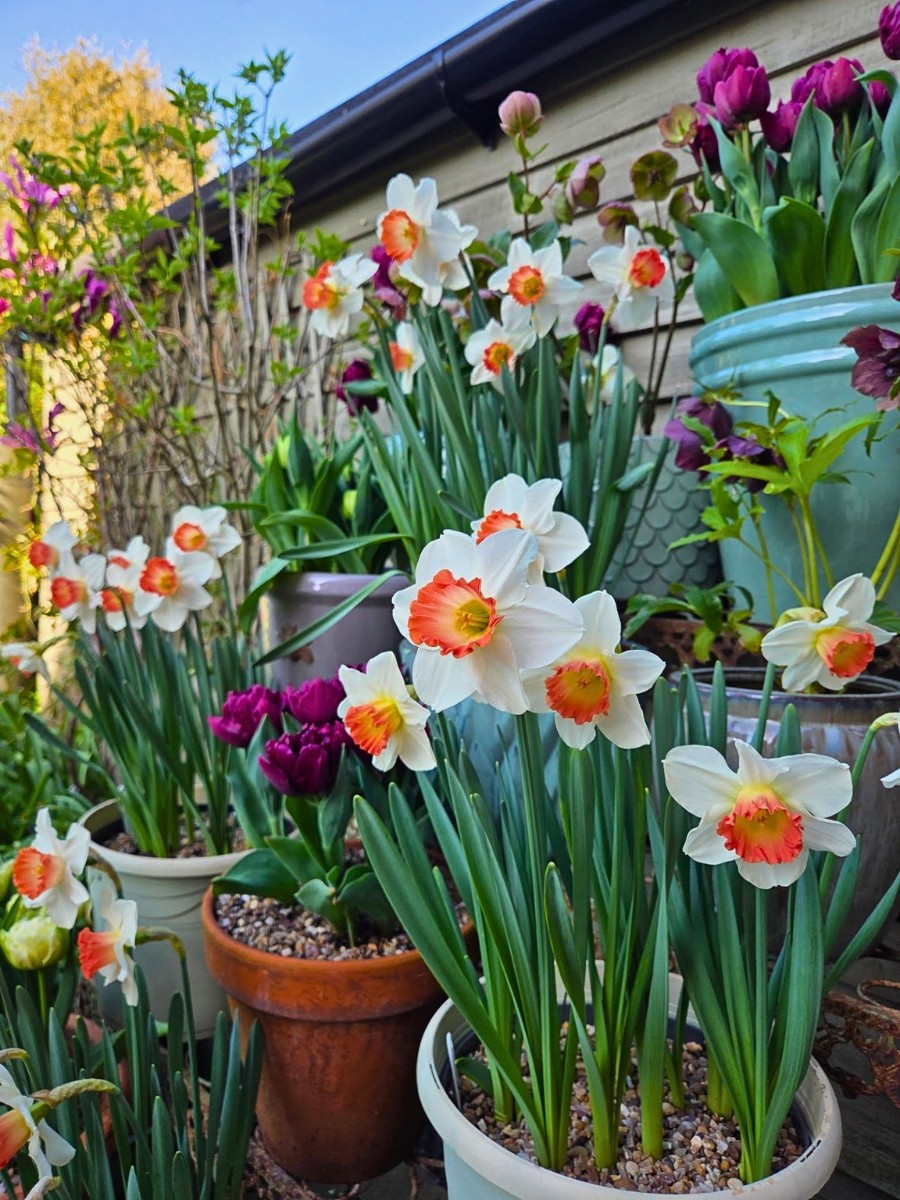
Planting tulip or narcissus bulbs in a garden in autumn conveys a thoughtful optimism about the idea that spring will come and you will be there to see it. And a magnolia branch or a stem of forsythia brought indoors in late winter coaxes the season into bloom ahead of schedule. These are all acts of hope in the idea of new beginnings.
Featured image by pikisuperstar. Header image by Homescreenify.