At a time when up to 90% of cut flowers sold in the UK are imported from countries other than the UK itself, a group of growers and floral designers is making the case for flowers sourced closer to home. The British Flower Collective is an online directory and community that promotes British-grown flowers and foliage, connecting floral designers, growers, and florists who want to keep seasonality and local sourcing at the center of their work. But why does this matter? How is it all shaping a more sustainable and seasonally connected future for floristry across the United Kingdom?
What Is the British Flower Collective?
The British Flower Collective is a community of growers and floral designers, part of the wider movement advocating for homegrown, seasonal cut flowers in Britain. Originally founded as The Flower Co-Operative, the organization has since rebranded and is run by Chloe Plester of BareBlooms.
The collective presents itself as a friendly network for like-minded businesses rather than a rigid trade body, which makes it appealing to independent growers and florists. Its primary message is that British flowers should have a stronger place in their everyday floristry, from special gifts to weddings and trade work.
In practical terms, it works as a reference that helps people find floral businesses committed to British flowers. And that makes it useful for customers looking for seasonal arrangements, couples planning weddings, and professionals seeking suppliers who share the same sourcing values. Its approach is rooted in visibility, connection, and support for businesses that prioritize local products.
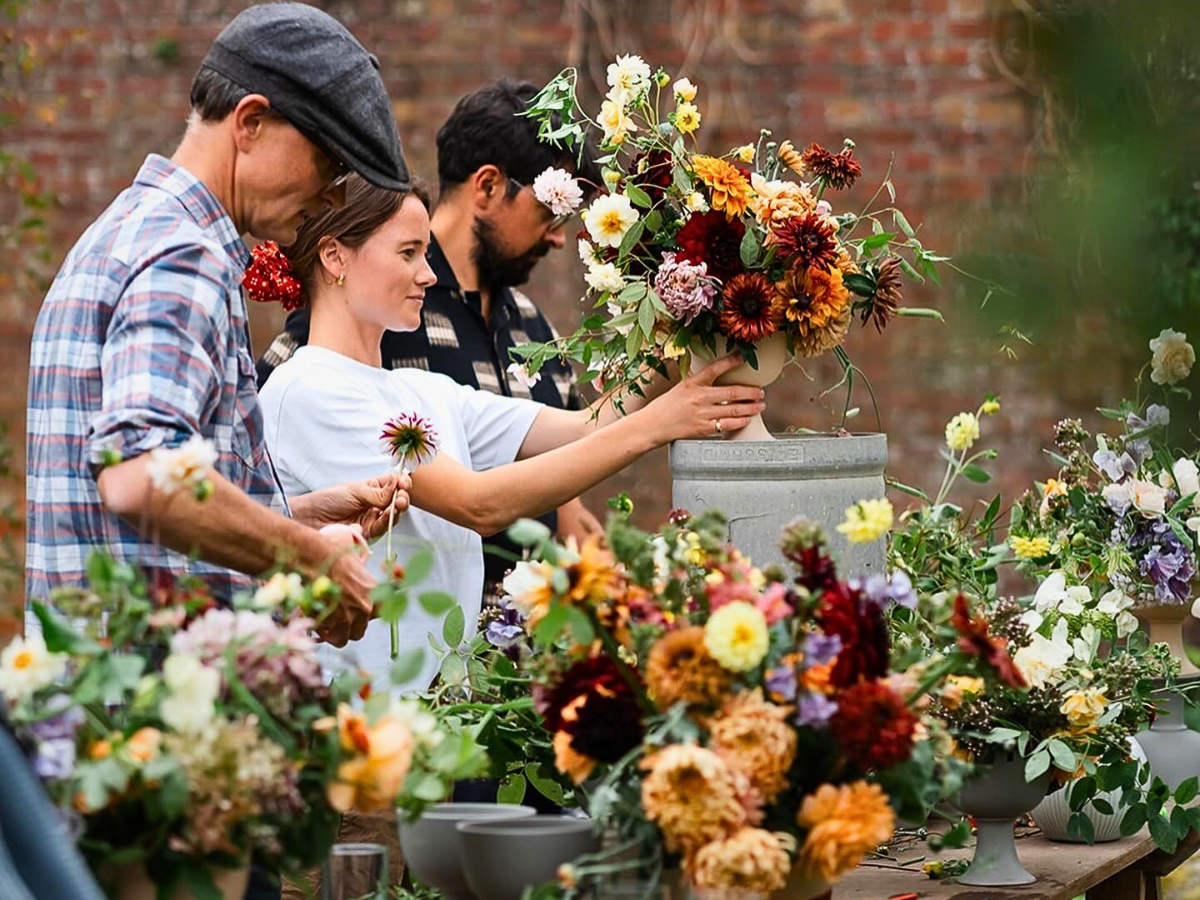
The collective’s membership cuts across the length and breadth of the UK, with members listed by region so anyone can find a local source. On their platform, a mail-order section ensures that access extends past those with a nearby member. Plus, their tagline "Working together to put Seasonality, Local and British back into the flower industry," captures their purpose clearly.
How It All Began
The story of the British Flower Collective began in 2008. Chloe, growing flowers under the BareBlooms name, found herself unable to produce enough variety and quantity to meet demand on her own. Instead of sourcing from outside the country and compromising on her values, she looked for a solution closer to home.
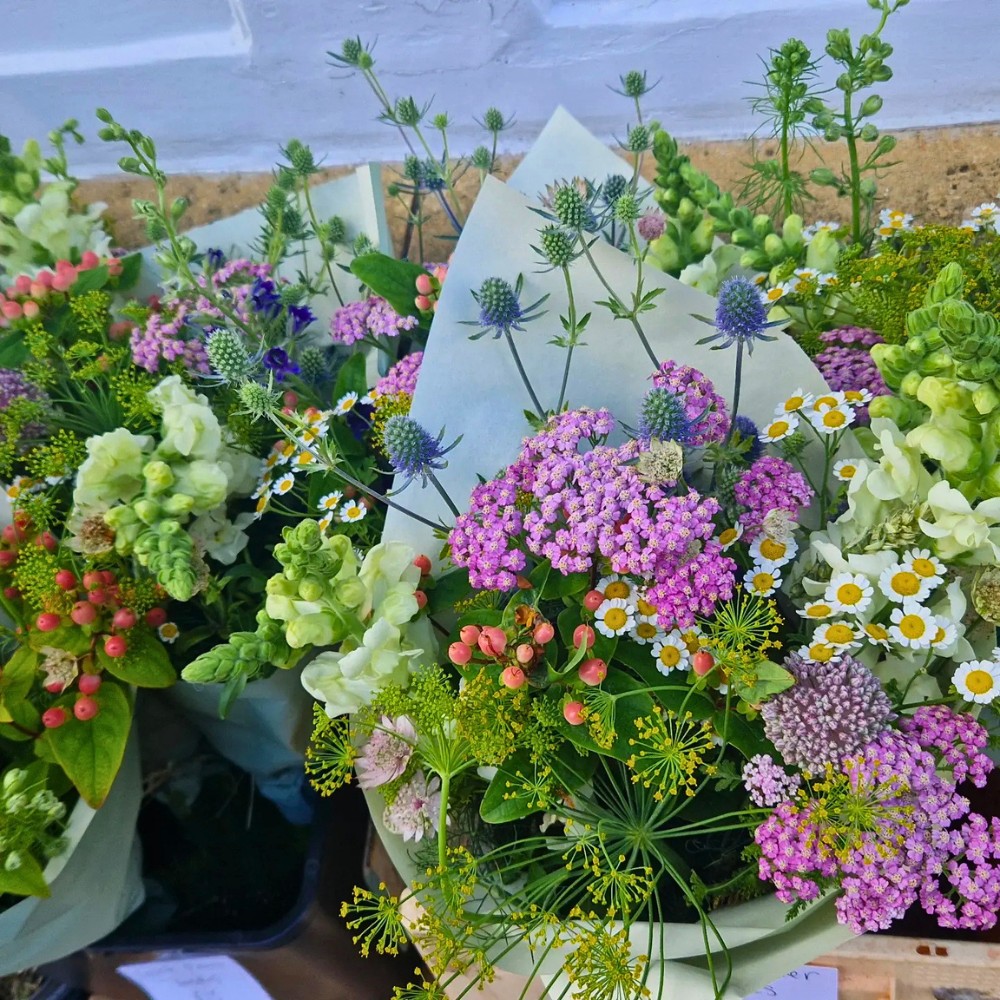
She found like-minded growers nearby who shared the same passion for seasonal and homegrown flowers. It struck her as counterproductive for everyone to be working in isolation, struggling with the same supply challenges, when collaboration would serve them all better. That idea of a cooperative, a shared network built around mutual benefit and a common purpose, was the basis for founding the British Flower Collective, and the organization continues to evolve.
It is particularly worth noting that the British flower sector has, lately, seen growing interest in local, seasonal supply chains, and the collective speaks directly to that trend. Promoting British flowers and foliage, it helps normalize their use in retail floristry, event design, and gifting. It also supports a simpler idea that flowers grown closer to home can be easier to source seasonally and strengthen links between growers and buyers.
Who Are the Members?
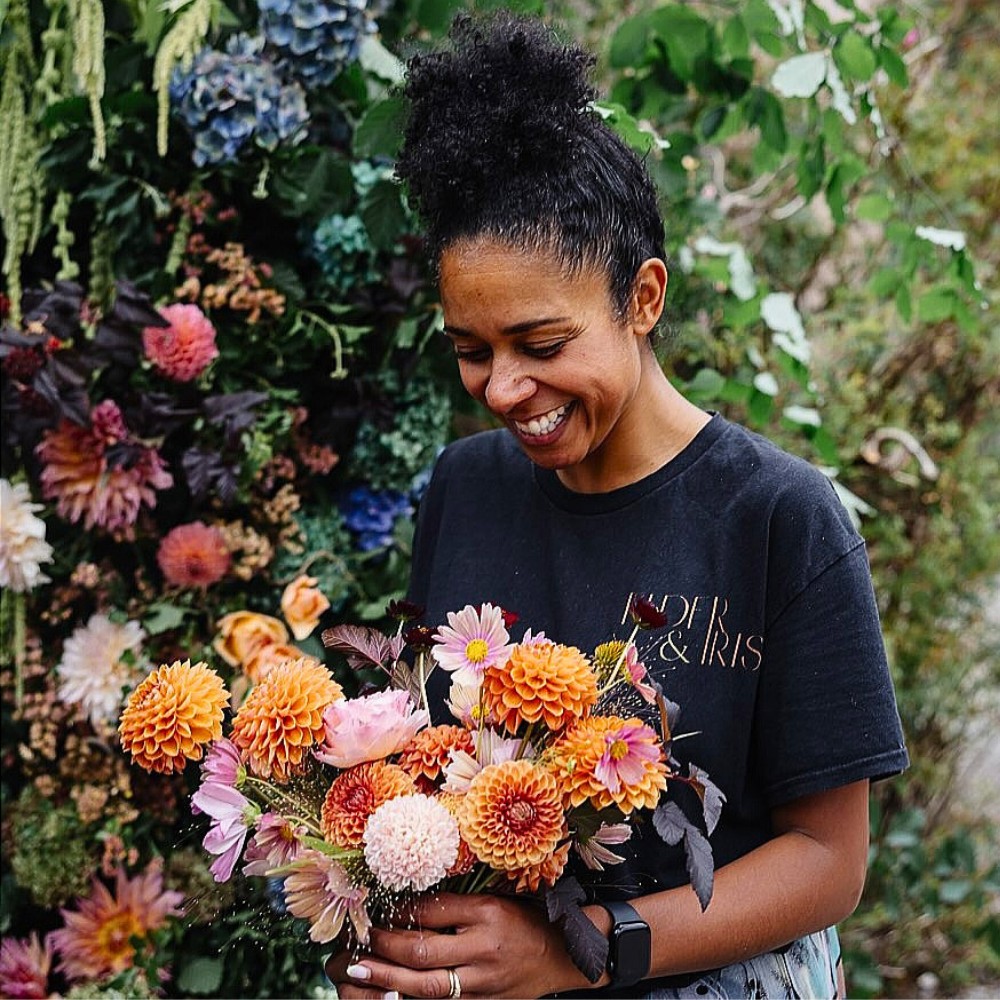
The British Flower Collective's directory includes a wide range of businesses, from dedicated cut flower growers to floral designers who use British-grown material almost exclusively in their work. Among the growers listed are well-known names in the British flower world: Blue Poppy Florist, Green and Gorgeous, Bayntun Flowers, Branch-out MK CIC, Catkin Flowers, Ducks & Daffodils, Electric Daisy Flower Farm, Emily Wisher Artisan Florist, Flowers by Breige, Flowers by Clowance, Flower Project, Holme Flowers, Lisa Drinkwater Flowers, Mayfield Flowers, and Most Curious Rose, among others.
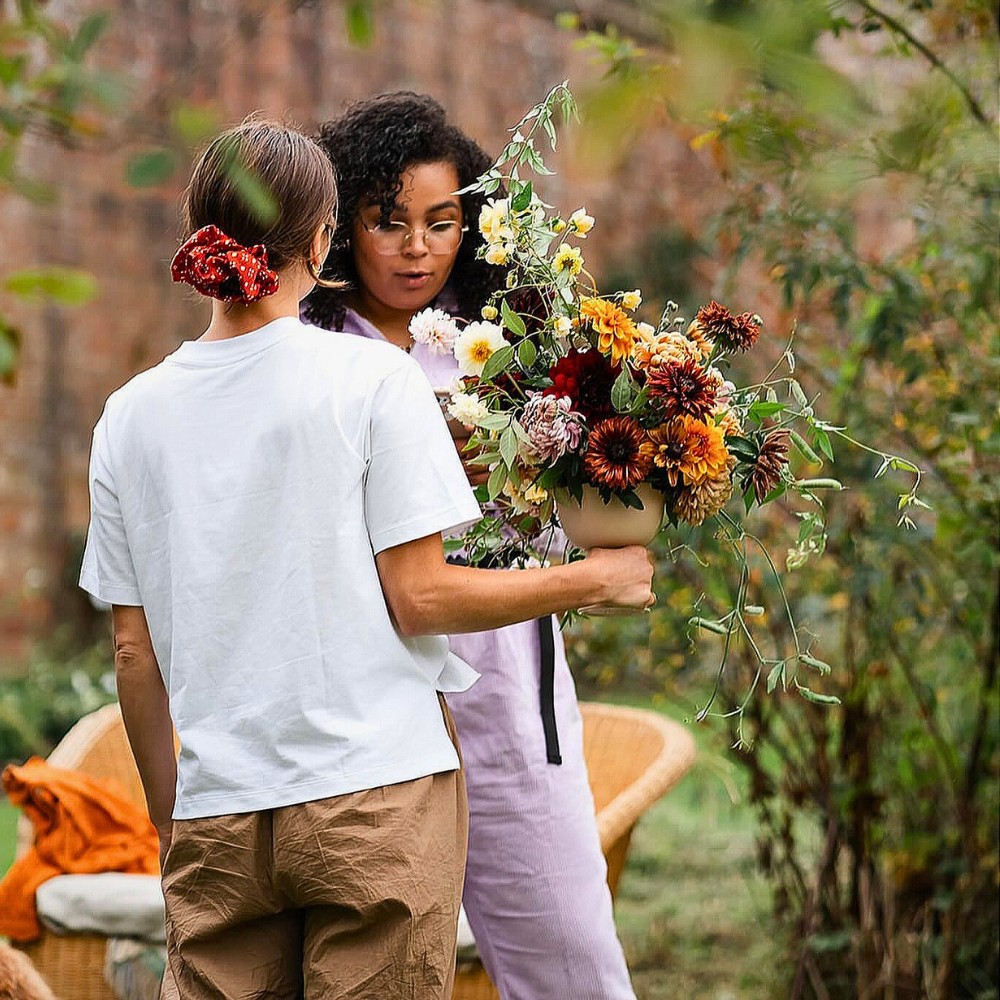
The members are united by a shared commitment to flowers grown on British soil. Some operate on a 100% British-grown model year-round, challenging the assumption that the British climate cannot support a full-year supply.
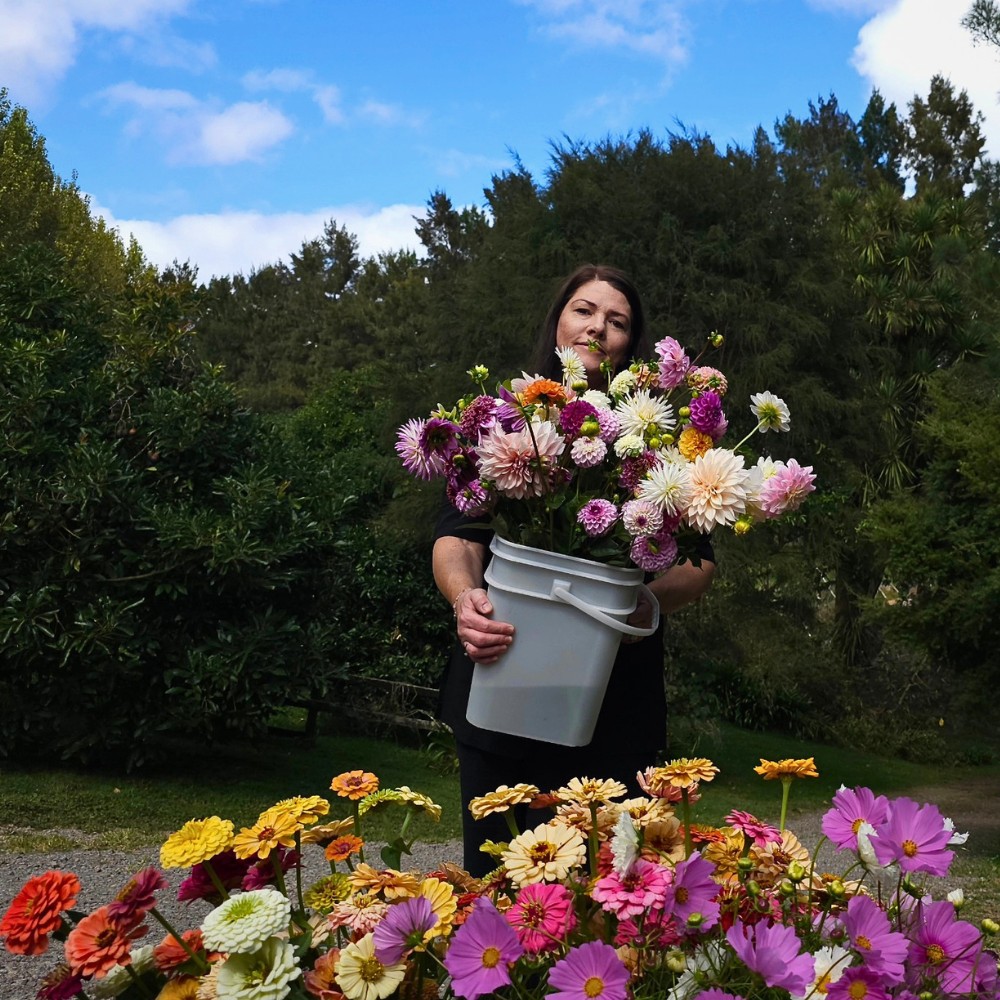
As the collective's own seasonal guide shows, Britain produces flowers across every season, from narcissi and snowdrops in winter to Dahlias and late foliage well into autumn. Floral designers in the collective build their work around what is growing at home, not just what the global supply chain delivers.
The Case for Buying British Flowers
The British Flower Collective's mission is backed by growing evidence of the environmental benefits of buying locally grown flowers. According to UK Department for Environment, Food and Rural Affairs (DEFRA) data, British flower production reached £179 million in value in 2023, up from £165 million in 2022 and £126 million in 2019. The upward trend shows a change in consumer and trade interest toward homegrown options.
There is also an environmental element. The absence of heated growing environments, reduced refrigeration during transport, and a far shorter journey between field and florist has seen the term ‘flower miles’ enter the vocabulary of the sustainable floristry movement. For this reason, the British Flower Collective has been making this case since its earliest days.
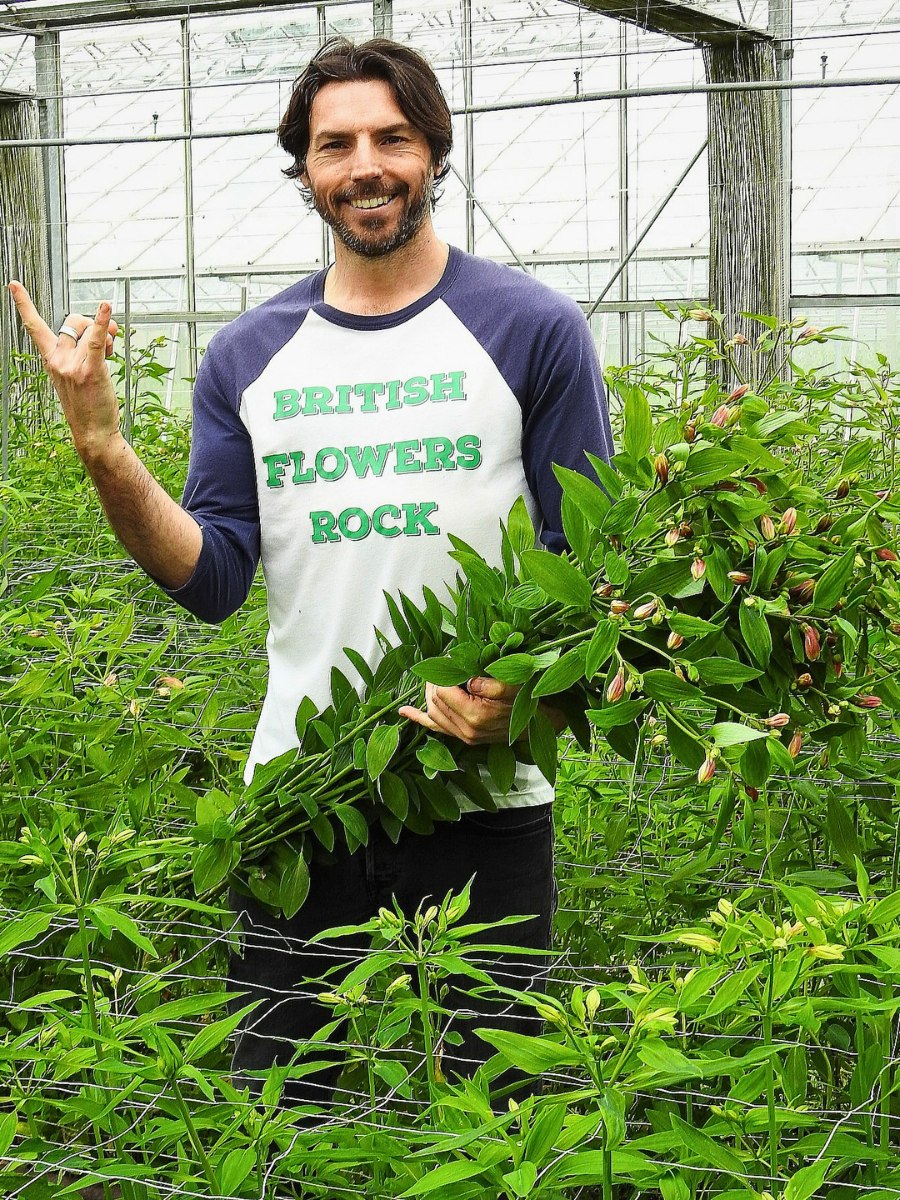
The British Flower Collective also points out that locally grown flowers are of higher quality. They can be cut and placed directly into water at or near peak freshness, without spending days in transit through a commercial supply chain. For consumers and florists, this means longer vase life and greater sensory impact.
How the Collective Supports the Industry
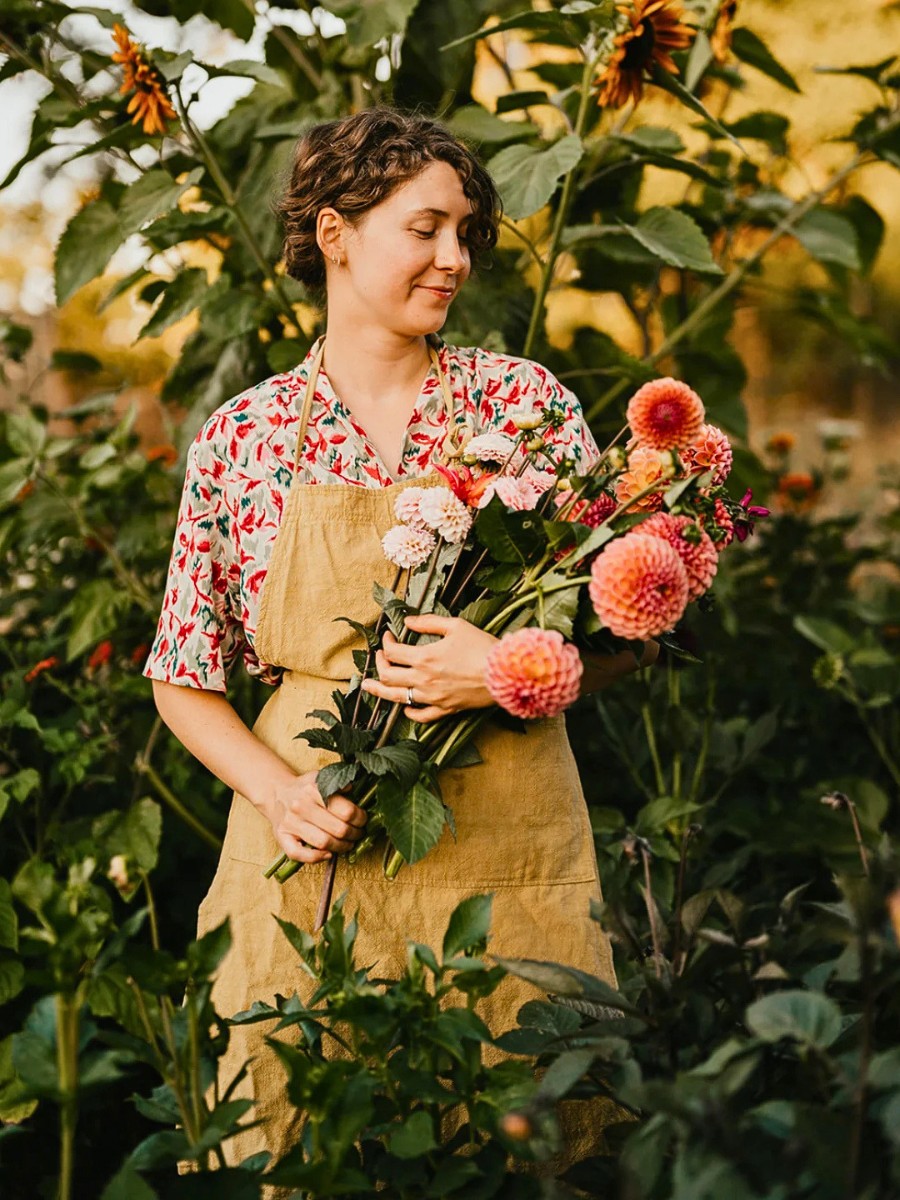
Aside from its function as a consumer-facing directory, the British Flower Collective is a professional network for growers and florists who can feel isolated in a fragmented market. For small-scale growers in particular, having a recognized platform to connect with clients and trade buyers is a business advantage.
Full membership involves completing a questionnaire and receiving approval from existing members, ensuring that the directory maintains consistent standards. A separate listing tier is also available, offering visibility on the platform for businesses that want a lower-barrier entry point. The collective periodically pauses new applications but welcomes expressions of interest at any time.
The collective's seasonal flower guide, covering everything from early spring through winter, helps consumers and professionals understand what is available any time of the year, be it in spring, summer, fall, or winter. This is one of the most practical contributions the collective makes to the wider effort of reconnecting the British public with their own growing seasons.
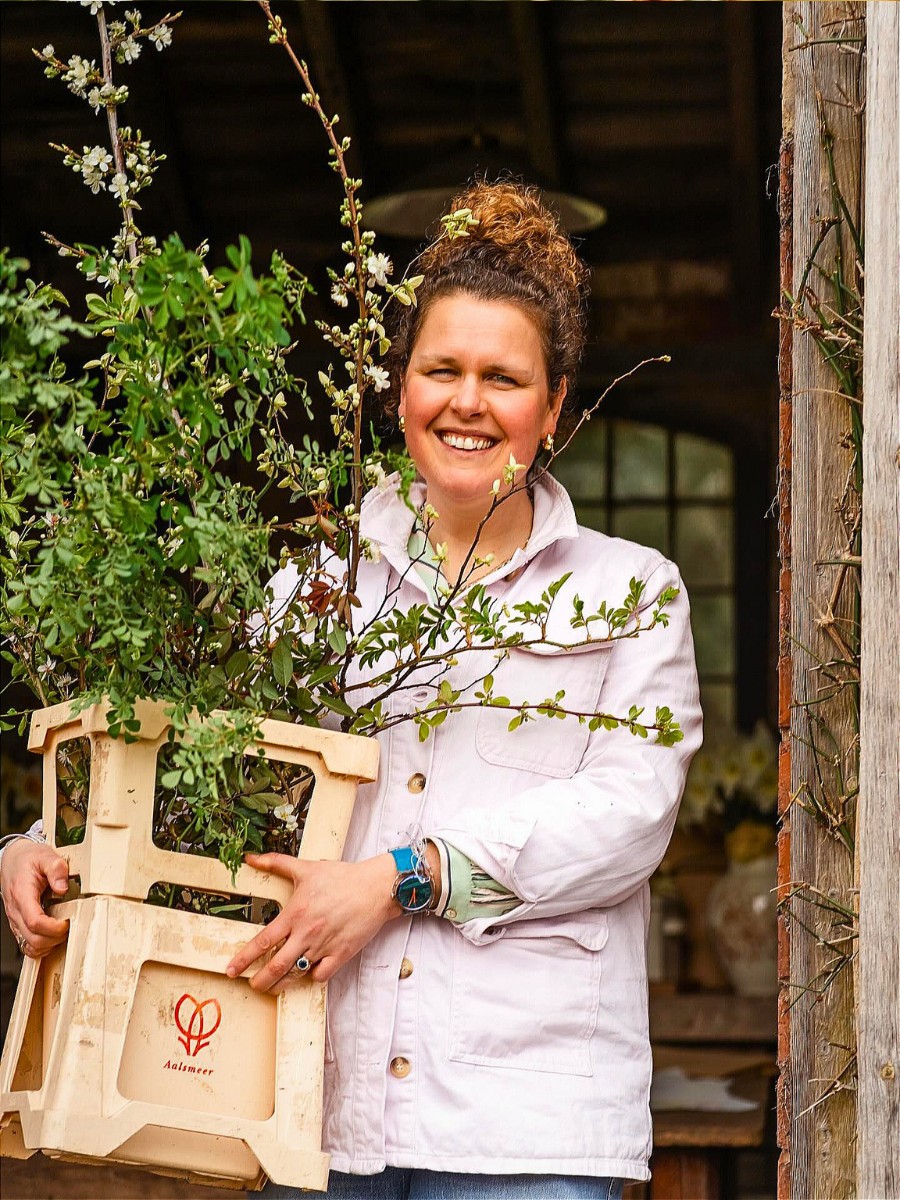
The Ideal Starting Point for Sourcing Seasonal, Locally Grown British Flowers
The British Flower Collective is one part of a wider movement taking place across the UK flower industry. The Slow Flowers movement and increasing academic research into the sustainability credentials of British flowers all point in the same direction.
Since modern-day consumers are asking more questions about where their flowers come from, growers and florists are responding. And with domestic production gaining market share for consecutive years and interest from wedding clients, retailers, and the wider trade continuing to grow, this collective offers a connective platform for all of that energy.
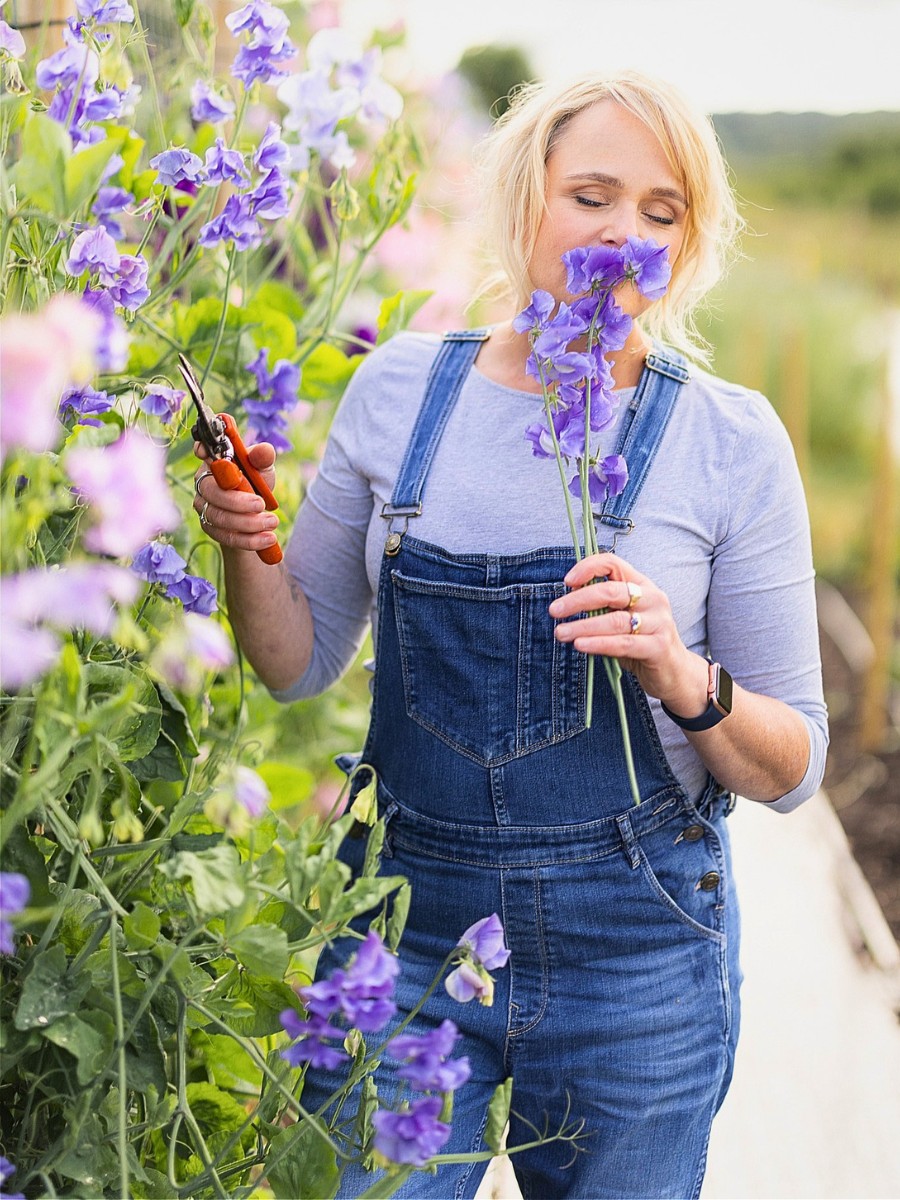
For anyone looking to source seasonal British flowers, find a principled local florist, or connect with a grower community that takes provenance seriously, this collective is usually an excellent starting point.
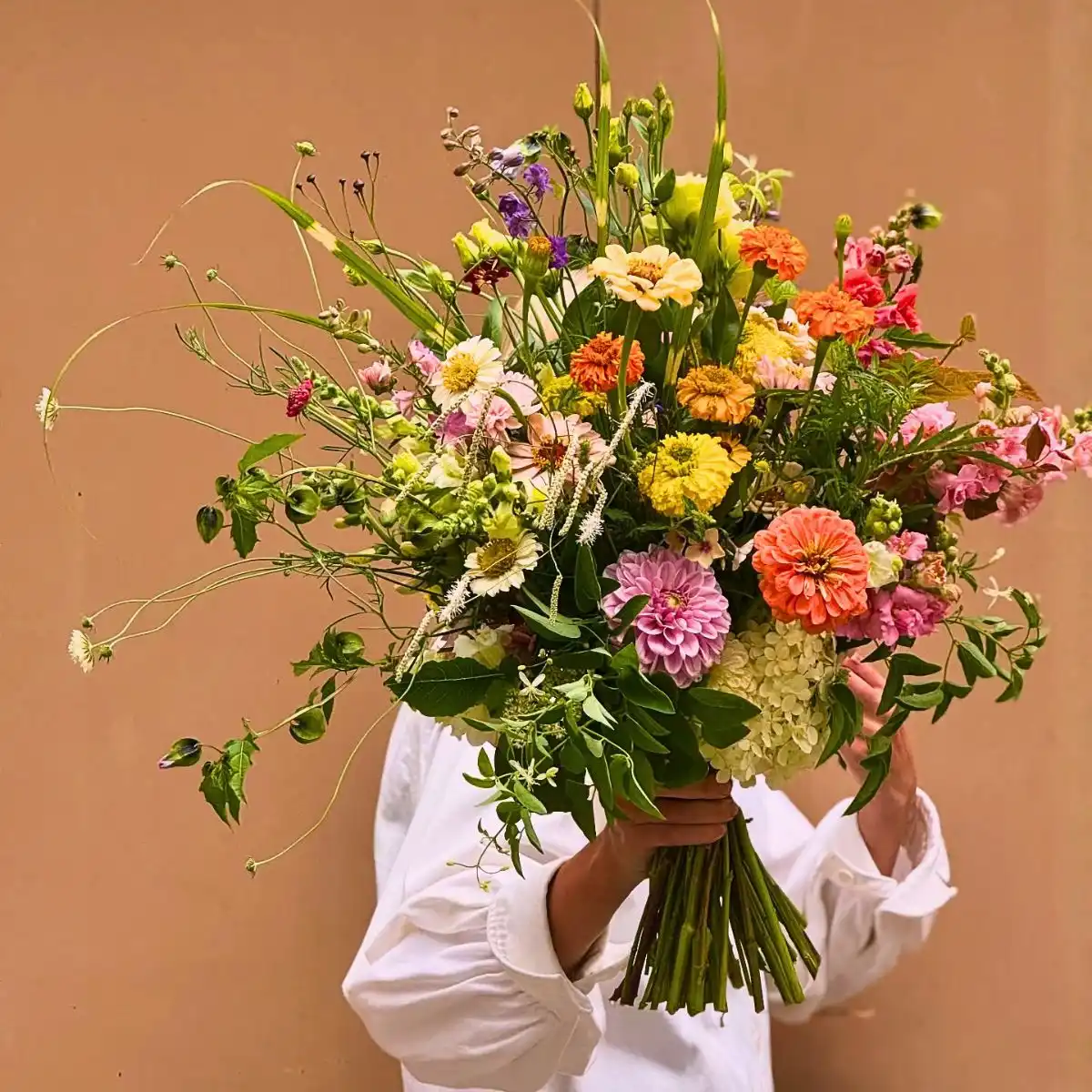
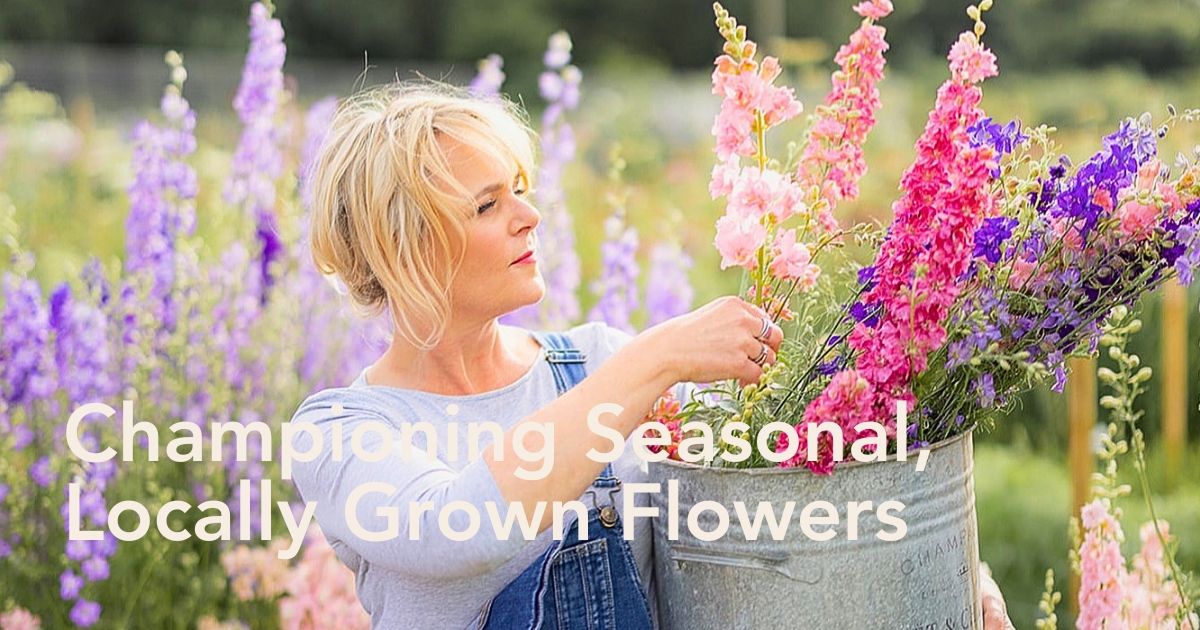
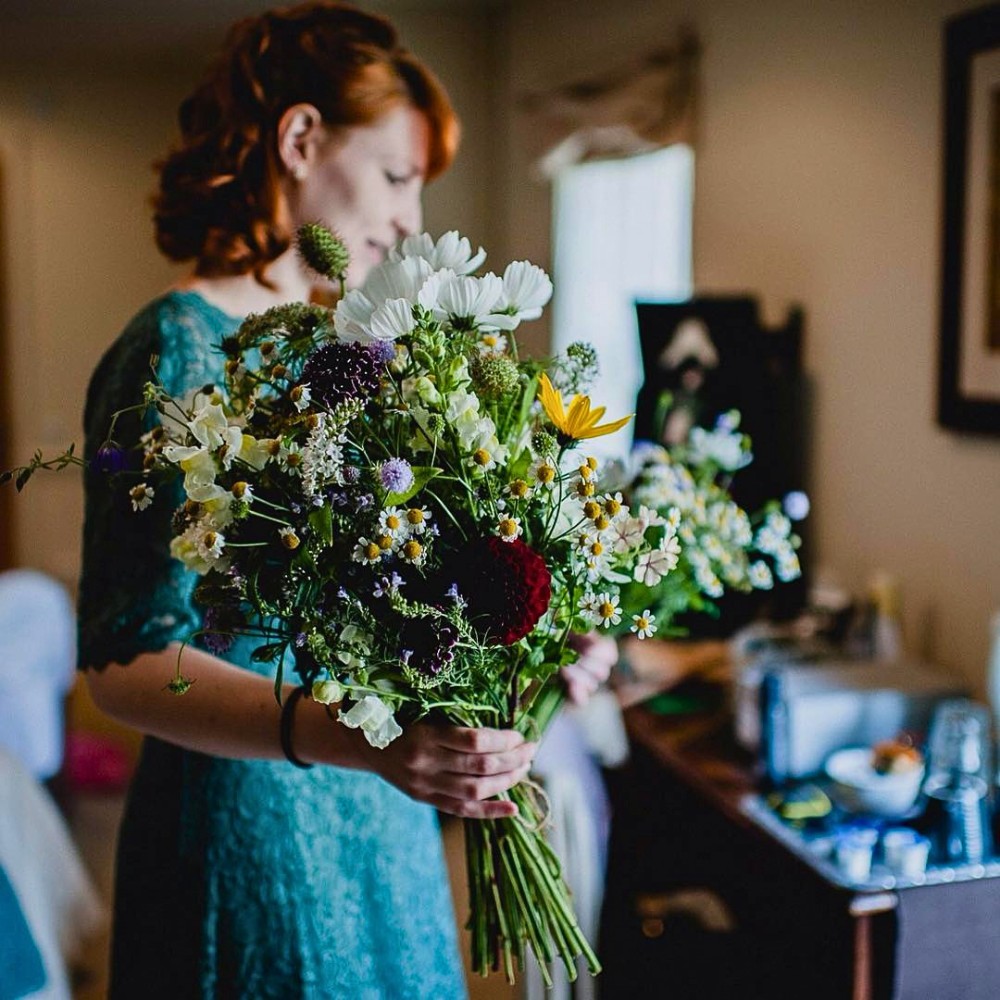
Featured image by @stokesayflowers. Header image by @thewhitehorseflower.