The Dutch government wants to raise VAT on cut flowers, plants, bulbs, and nursery products from 9 to 21 percent on January 1, 2028. Both houses of parliament still have to approve the plan. For Silke Tijkotte, co-founder of Wilderful, the issue goes beyond the price of a bouquet: a government that wants far more organic farming could stall the organic flower chain before it has taken root.
"On the one hand, ornamental horticulture is added to the Action Plan for Organic Agriculture focusing on market development. On the other hand, VAT on these products goes up to 21 percent," she says. "I can't reconcile those two."
Building the Organic Flower Chain From Scratch
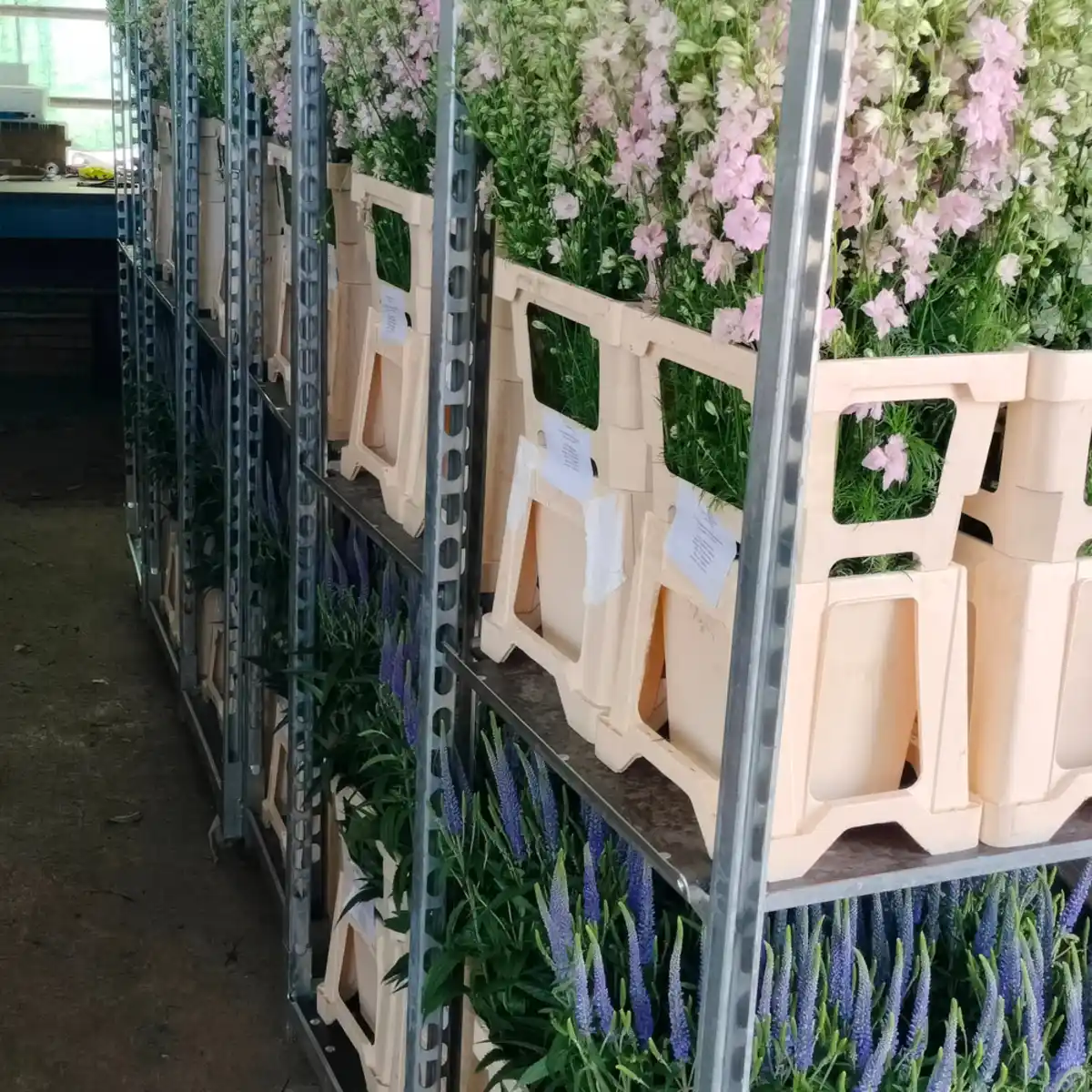
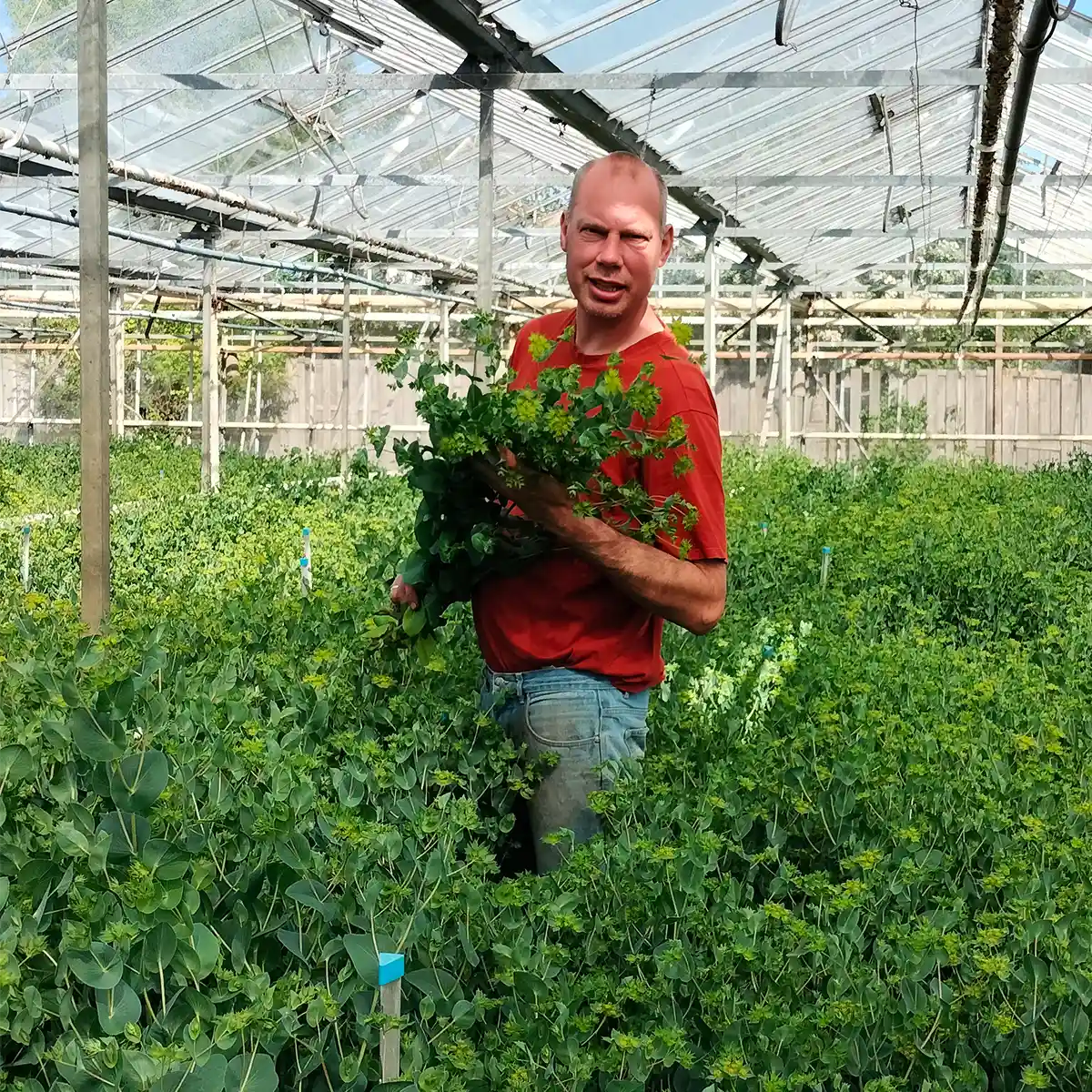
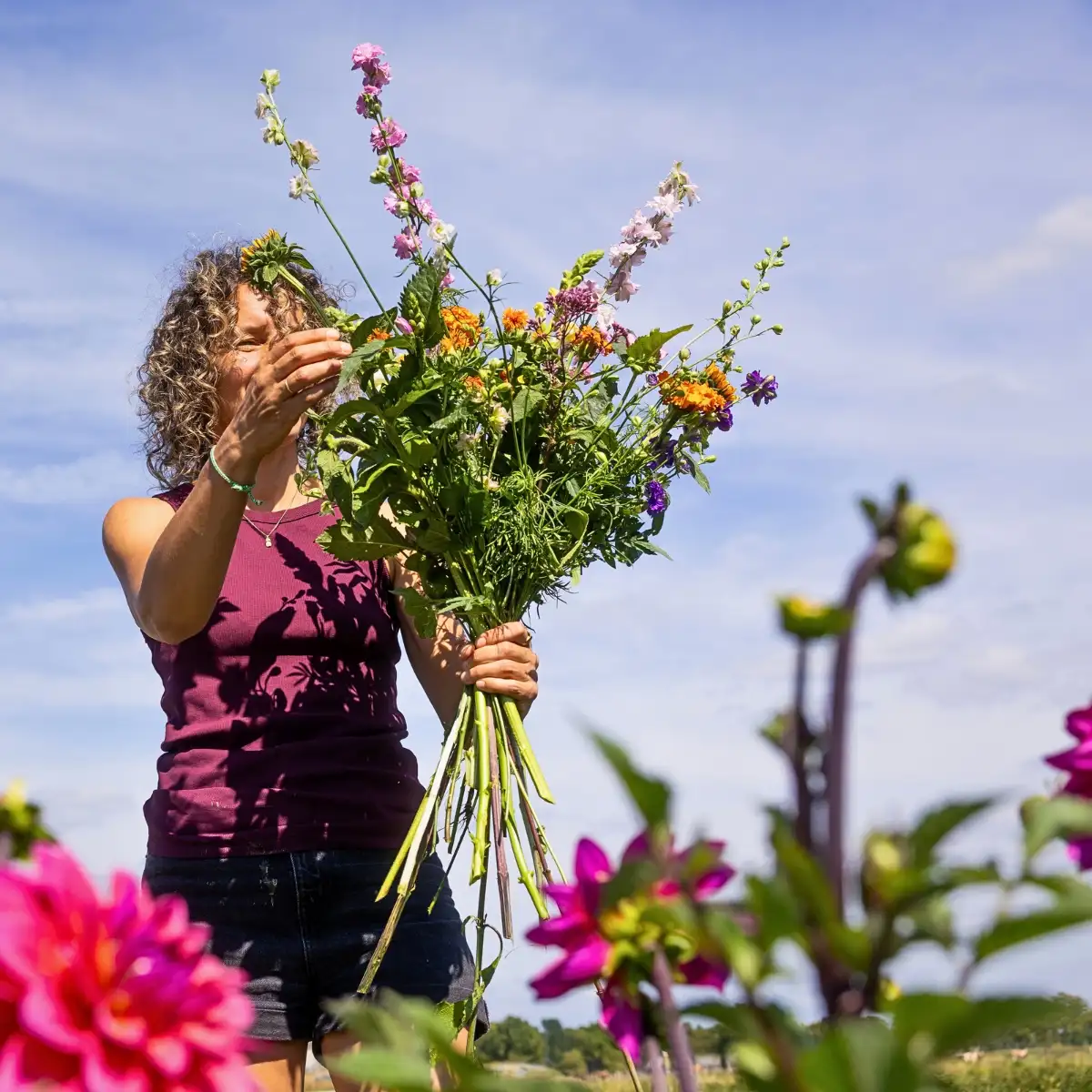
Wilderful, which Silke Tijkotte started with floral artist and former organic grower Denise Collignon, brings flowers from Skal-certified organic growers to consumers through local florists. Almost 50 florists are now connected, with 75 targeted by the end of this year, supplied by roughly two dozen organic growers.
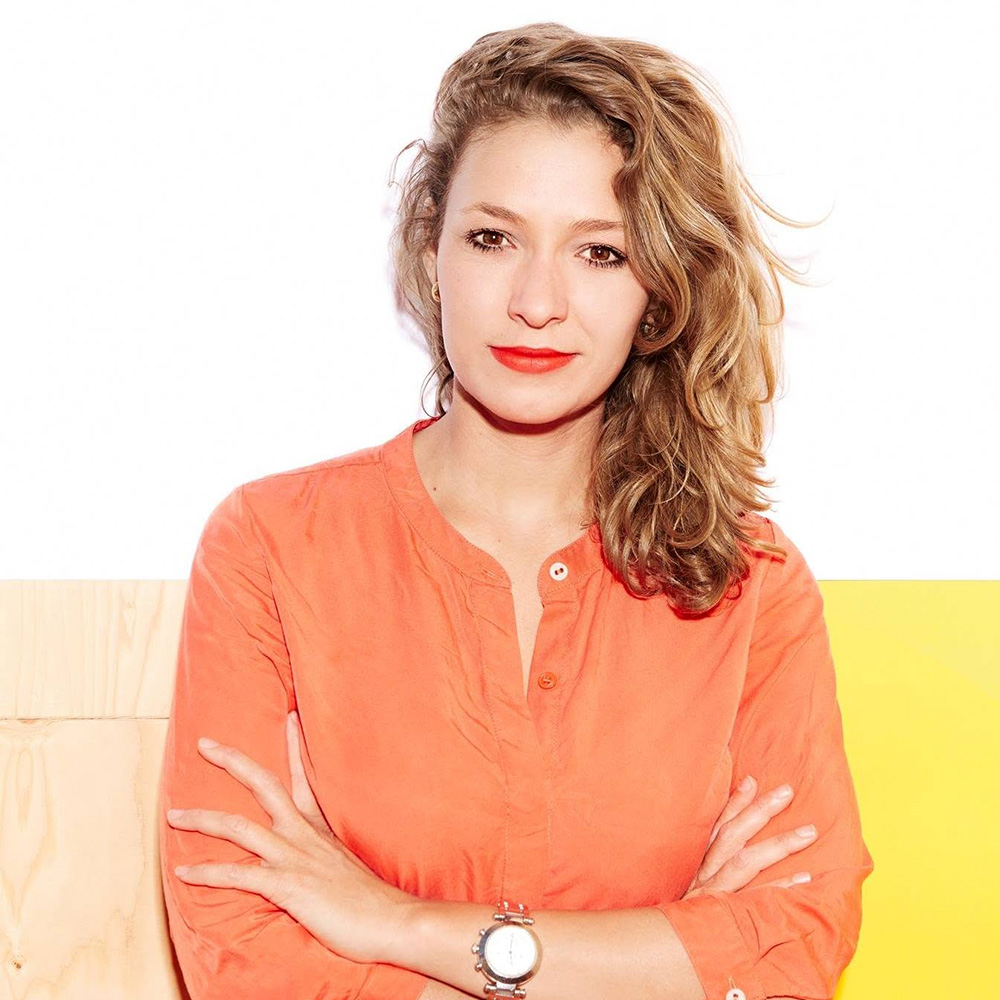
Tijkotte sees Wilderful less as a commercial market player and more as an organization that helps florists develop an organic segment. She points to recent Wageningen research on scaling up organic agriculture (link to Dutch article) which argues for tackling barriers across the whole chain rather than link by link.
"That is what we are doing. We're building the chain from grower to market," she says. "There was no policy on organic flowers for florists, no lobby, and no year-round purchasing system. We set all of that up."
Florists tell her they want an easy story rather than a complex one about certification schemes and MPS, which their customers don't understand and, often, neither do they. Wilderful doesn't ask them to go fully organic.
"We say nothing about your sustainable range or your conventional range. We are only there for the organic segment, and we know that won't be 100 percent of what you do," Tijkotte explains.
What Going Organic Costs a Grower
For growers, the step to organic is slow. From the moment they register, Skal, the Dutch organic certification body, inspects them, and the conversion period can take up to three years, depending on the plot. Tijkotte puts the certification costs at roughly €300 to €2,000 a year, depending on whether the grower is small or large.
"So before you are actually organic, some of them have already spent about €5,000 on certification alone," she says.
The rest of the chain carries costs, too. The trader must be certified, and the florist must be registered. Tijkotte supports that system because it gives consumers certainty that flowers were grown without chemical pesticides or artificial fertilizer.
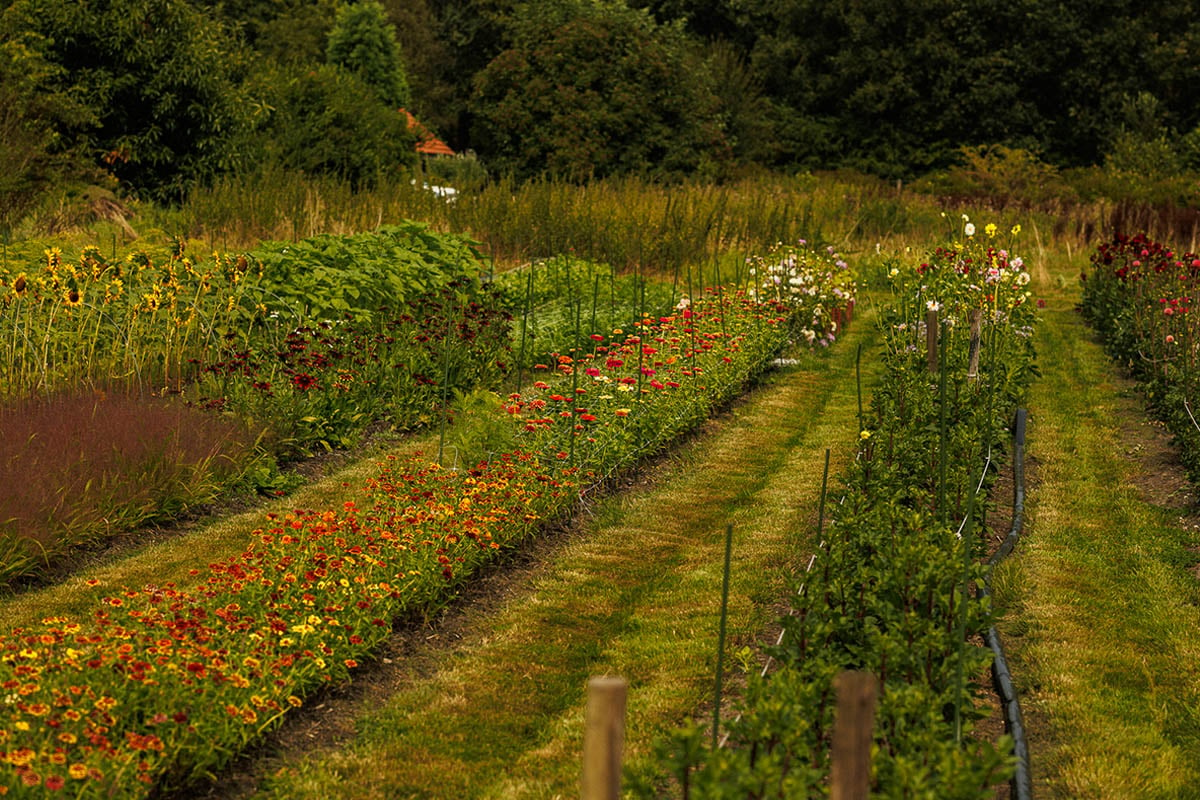
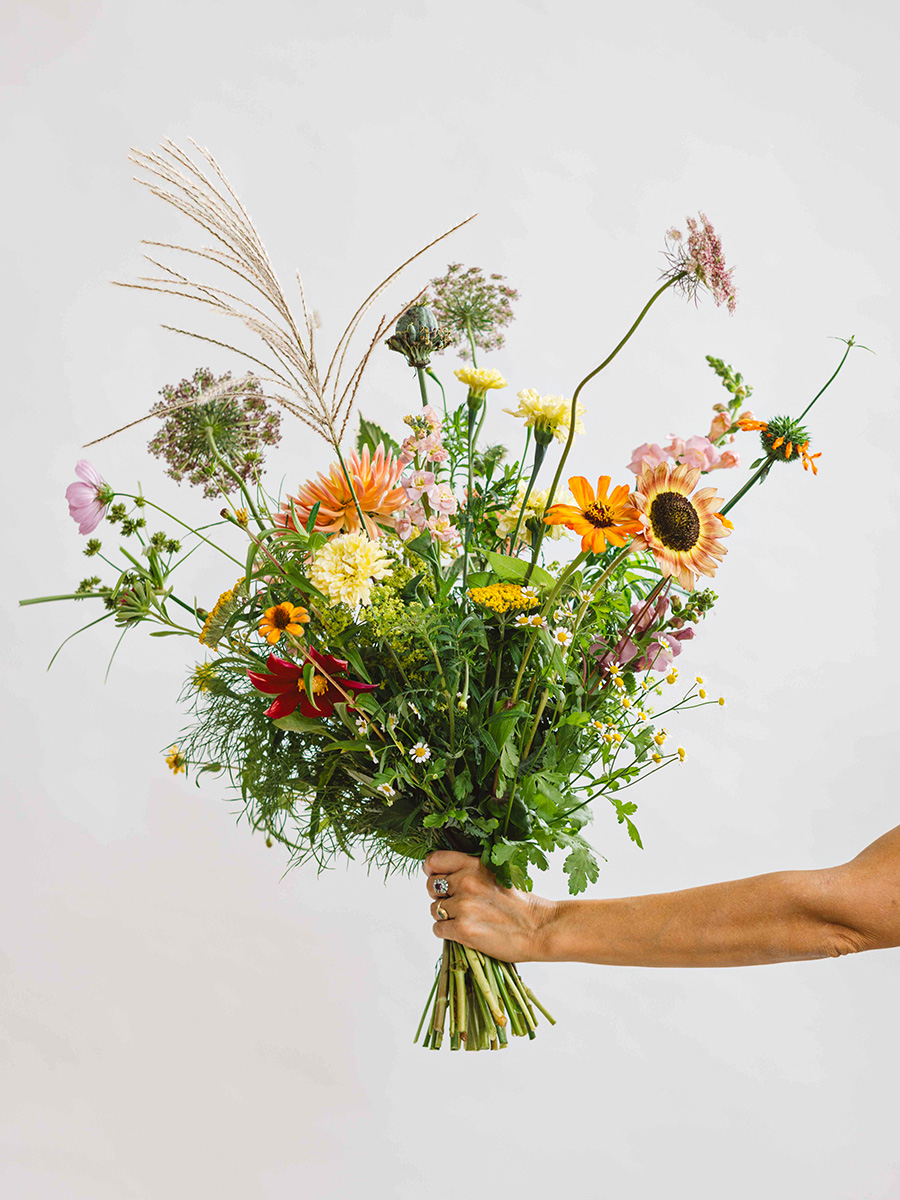
On price, she thinks the gap with conventional flowers is smaller than many people assume. Customers often walk in with a budget of €25, €35, or €50 and want a bouquet for that amount. Organic cultivation requires more space and labor, and, in her view, its price also reflects care for the soil and drinking water.
The starting point is modest. Tijkotte estimates that organic production accounts for less than 1 percent of Dutch ornamental horticulture, while the government aims for 15 percent organic agricultural land by 2030 (link to Dutch article).
Why the VAT Increase Hits Organic Flowers Harder
The Dutch cabinet argues that the sector can cope, partly because 80 to 85 percent of Dutch ornamental production is exported, and exports are not subject to Dutch VAT. Tijkotte turns that figure around. Organic flowers are often grown and sold in the Netherlands, so they rely heavily on the domestic market.
Organic chains are also less efficient, with registration at every step, logistics, and extra labor adding costs. In her words, that model can't keep up with the "mass and mono" approach that runs so smoothly on cost efficiency.
In 2021, Wageningen Economic Research calculated that a Dutch-only VAT increase would cut wholesale turnover in ornamental products by around €170 million, or 1.6 percent. In June, State Secretary for Finance Eerenberg said he did not expect major problems for the sector.
Florists in Wilderful's network, already squeezed by fewer buyers and online competition, now ask about VAT. "Are you going to take a lower margin? Are you going to make your bouquets smaller, so the customer gets less? Or are you going to raise your prices? Every entrepreneur handles that differently," Tijkotte says.
Lessons From the Auction Floor
Tijkotte spent eight years at the Dutch flower auction Royal FloraHolland, starting as a product manager for bedding plants for large retail chains. Shortly after she started, a March snowfall kept everyone out of their gardens. Retailers, whose contracts allowed them to cancel without giving a reason, called off their orders. The trader in between went bankrupt, and huge numbers of Viola, a flowering plant, went unsold and were destroyed – including those of small growers who had never supplied retail.
"I saw so much emotion among growers in those first two months that I really thought: what is happening here?" she recalls. "When a large retailer says, 'I'm not doing it,' everything depends on everything else, like dominoes."
That experience shapes her view of the VAT plan. One intervention, she argues, ripples through to growers, traders, and, in the end, nature.
Organic Farming or Ornamental Horticulture?
Wilderful issued a public call on VAT on September 17. Tijkotte would prefer to keep all flowers and plants at 9 percent. If exceptions are made, she wants all organic agricultural products, whether milk, meat, eggs, or flowers, to stay at the reduced rate.
"Do flowers and plants fall under ornamental horticulture products, or under organic agricultural products?" she asks. "It's also about framing, and I'm hopeful about that."
She also wants the government to examine what similar increases did elsewhere in Europe. Her message to the Ministry of Agriculture, Fisheries, Food Security and Nature, which is responsible for the organic action plan, is to fight for the 9 percent rate. Otherwise, she says, she doesn't see the 15 percent target being reached by 2030.
"I'm always hopeful that it won't go through," Tijkotte says, "but maybe that's naive."
For Silke Tijkotte, the debate is about more than a tax rate. She finds it a shame that flowers are so often dismissed as a luxury, when to her they are also about education and reconnecting people with nature. Whether parliament weighs that as well will become clear when it votes on the plan.
All photos by Dear Sophie, except where mentioned otherwise.