France tried it in 1991. A law of 26 July raised the VAT on flowers and plants from the reduced rate of 5.5 percent to the full 18.6 percent. I didn't know this until 17 September, when a sixth-generation florist from Nancy, Stéphane Bernard, put it under a post I wrote about the Dutch tax plan. It was the most useful thing anyone said about that plan in the weeks after it was announced.
Four years later, the low rate came back. Article 20 of Law 95-95 of 1 February 1995 restored 5.5 percent for horticultural products, backdated to 1 January 1995. By then, by the French sector's own count, some 5,000 businesses and around 20,000 jobs were gone. The count is the sector's, not the government's. The reversal is in the law.
The Plan in The Hague
On 15 September 2026, the Dutch government sent its tax plan for 2027 to parliament. From 1 January 2028, flowers, plants, bulbs, and nursery stock would move from 9 to 21 percent VAT. The government put them in the same announcement as hot air balloon rides, both reduced-rate items it no longer sees a reason to protect. Parliament has not voted on it yet.

The sector did its homework before the plan landed. The cabinet expects about 305 million euros a year in extra revenue. Wageningen University & Research, cited by the sector in its joint response on 16 September 2026, put the realistic figure at no more than about 213 million, because people buy fewer flowers at 21 percent. Decisio calculated a turnover loss of 674 to 830 million euros across the chain once transport, packaging, and services are included, and 2,280 to 2,820 jobs.
So the plan costs more than it raises. That argument is on the table. What is missing from the debate is the part a florist in Nancy still knows thirty years later.
Same Story Twice
Spain raised VAT on flowers and live plants from 8 to 21 percent in September 2012. The Spanish Commerce Confederation later said demand fell by half. On 1 January 2015, after a Senate amendment ratified by Congress, the rate went back down to the reduced 10 percent.
France in 1991, Spain in 2012. Two countries, two decades apart, the same sequence: the rate goes up, fewer bouquets are sold, less VAT comes in than was budgeted, shops close, and a few years later the low rate returns. When the Dutch debate reaches for a precedent at all, it reaches for Spain. France has the longer memory, and it has the law that undid it.
Tax that like a balloon ride and you find out four years later what it was for.
What a Luxury Tax Gets Wrong About Flowers
Stéphane ended his comment with a line I have not been able to improve on: "Flowers are not an ordinary luxury. They go with a birth, a love, an illness, a goodbye."
That is the category error in the plan. A balloon ride is a treat you can postpone. A bunch of flowers for a hospital room, a funeral, or a first date is not postponed; it is replaced by nothing, or by something cheaper and plastic. The French florists found that out between 1991 and 1995. The Spanish florists found it out between 2012 and 2015. Price-sensitive demand for flowers is not a theory. It is what both reversals were a response to.
There is a second cost that does not show up in any model. On 15 September 2026, Paris was named Grand Winner of the AIPH World Green City Awards, in part because it made greening a legal requirement for developers. In the Netherlands, schools are signing up for the Jungle Classroom Challenge, the Jungleklas, putting a plant on every pupil's desk and looking at what it does to concentration. A government that taxes plants as a luxury is sending the opposite signal to its own classrooms and city councils.

What This Means for Growers, Traders, and Florists
For growers, most of the Dutch product is exported, so the direct hit lands on the domestic share. Organic growers rely heavily on that share, and Silke Tijkotte of Wilderful told us why the increase hits the organic chain harder. The indirect hit is on the home market as a showcase. A country that buys fewer flowers of its own is a weaker argument for the flowers it sells to everyone else.
For traders and wholesalers, a 12-point jump at the till compresses everything upstream. Retail price points like 4.99 and 9.99 do not move gracefully to 5.54 and 11.09. Stems come out of the bunch before the price moves, and that volume comes out of the chain.
For florists, the risk is the one France measured. Florists are small, local businesses with thin margins and no room to absorb a 12-point price change. Some pass it on and sell less, some absorb it and earn less, and some close. Twenty thousand jobs in France was not a forecast. It was a count afterward.
And for all of us: the sector's case is stronger when it stops arguing from its own balance sheet alone. On 7 September 2026, I wrote about why I defend flowers that are flown across the world. The same logic applies here. Say what a flower is for, and show the evidence. The certificates alone never convinced anyone in a ministry.
What the Sector Should Do Next
- Put France in every letter to parliament. Spain is known. France is the older, bigger precedent, and its reversal is written into Law 95-95. Cite the law, not the slogan.
- Ask French florists to testify. People who stood behind a counter between 1991 and 1995 are still working. A florist from Nancy on video carries more weight in The Hague than a Dutch trade body saying the same thing.
- Keep the Wageningen and Decisio numbers side by side. About 305 million expected against at most about 213 million raised is the argument a finance ministry has to answer. Lead with it.
- Show the use, not only the product. Hospitals, funerals, schools, and care homes. The debate treats a flower as a product with a label. Name the moments it is bought for.
- Talk to the other reduced-rate sectors. Balloon rides are in the same announcement. Every sector that loses a reduced rate has the same question to answer: what is this for?
If you were behind a counter in France in those years, I would like to hear how it went in the shop. Write to me, or tell it under the post that started this.
No flowers, no future.
Sources: French Senate, written question of Senator Vasselle (5 January 1995) and ministerial answer (2 November 1995), on the law of 26 July 1991 and Article 20 of Law no. 95-95 of 1 February 1995. French National Assembly written questions on horticultural VAT (10th legislature). FEPEX, "El Senado aprueba una enmienda que permitirá que el IVA de flores y plantas ornamentales vuelva al tipo reducido", on the 2012 and 2015 Spanish rates. Rijksoverheid, "Plannen kabinet voor hogere btw op sierteelt en ballonvaart" (Belastingplan 2027, 15 September 2026). Joint response of the ornamental horticulture sector to the 2027 budget, with the Wageningen University & Research and Decisio (2026) figures, as published by Plantion, "Schrap btw-verhoging op bloemen en planten" (16 September 2026). Stéphane Bernard, comment on LinkedIn, 17 September 2026.
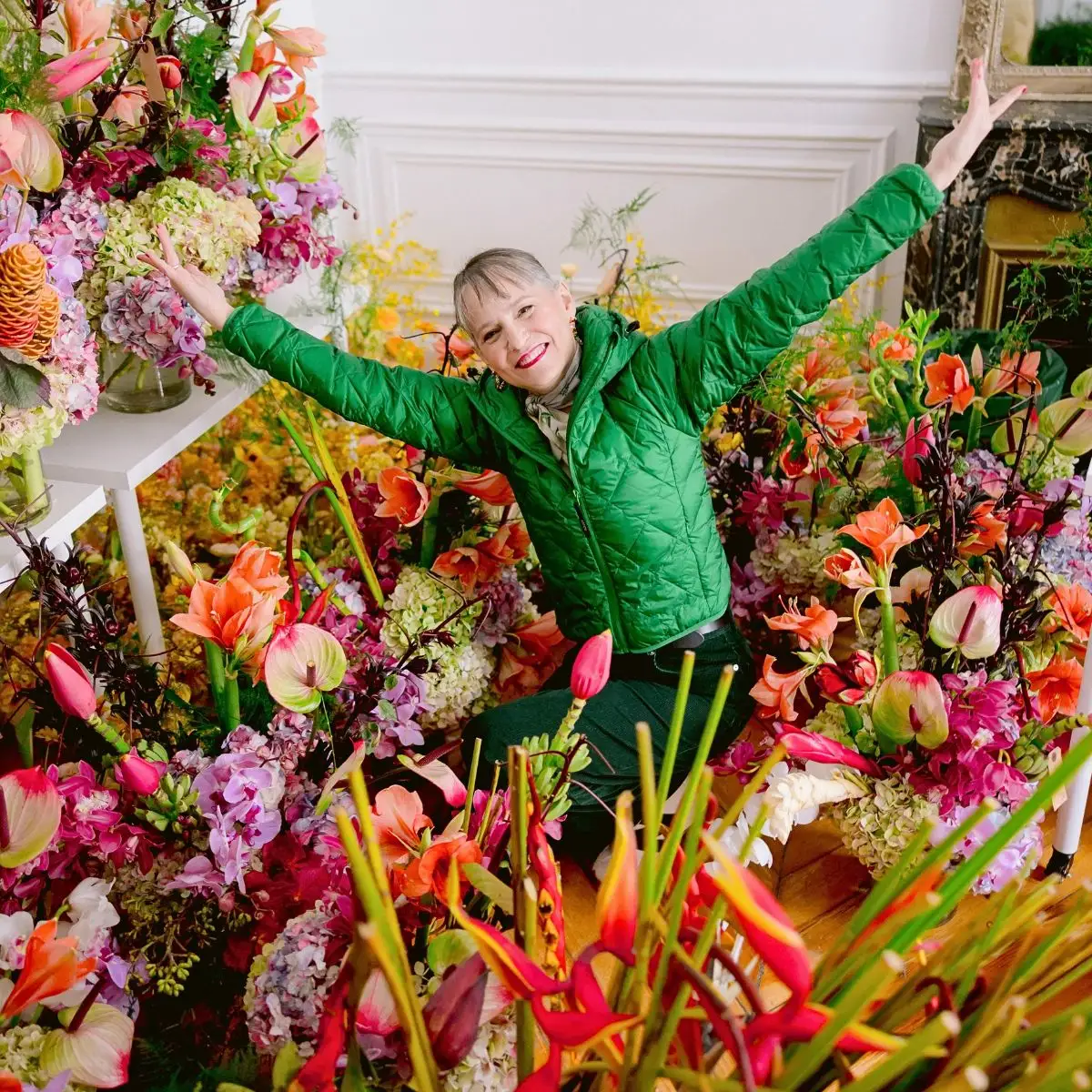
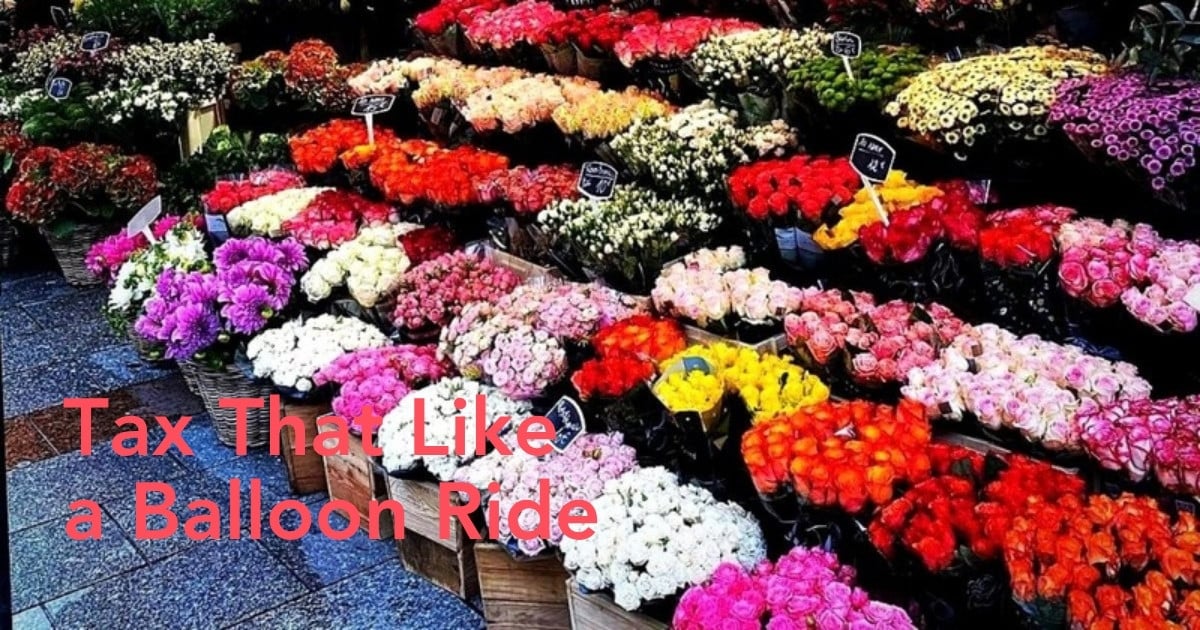
Featured image: Cler Fleurs in Paris, photo by @entranced_by_france. Header image: Cler Fleurs in Paris, photo by @clerfleurs.