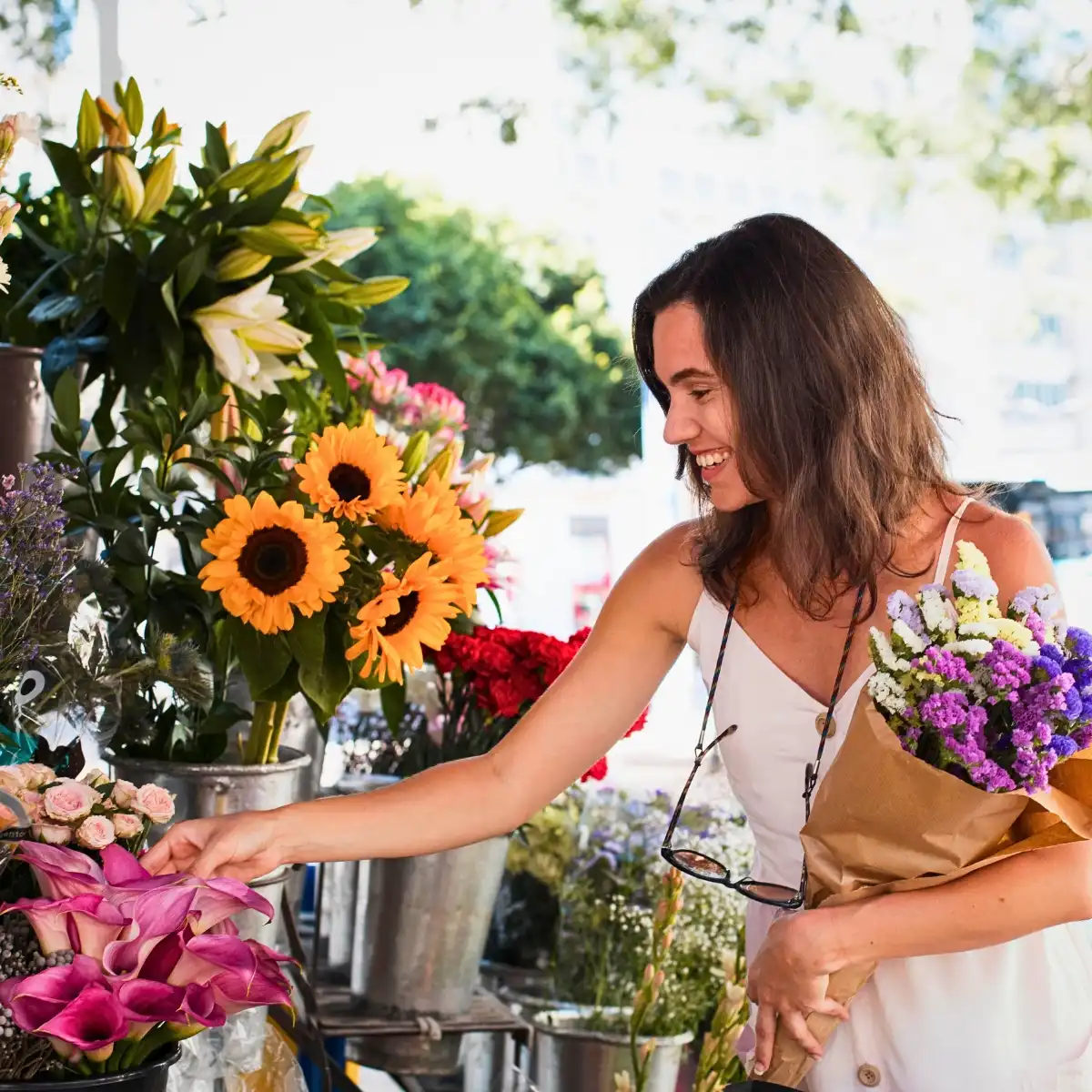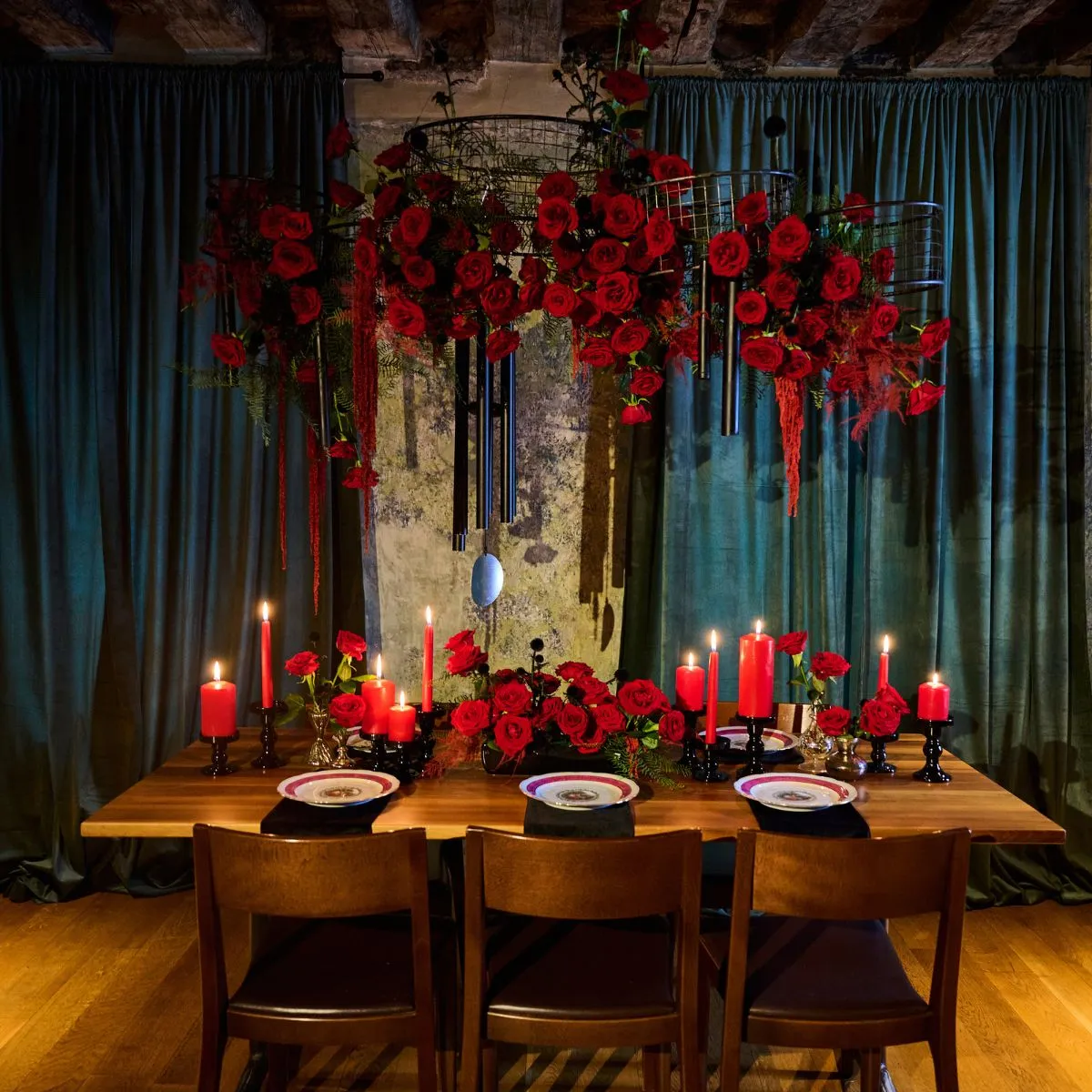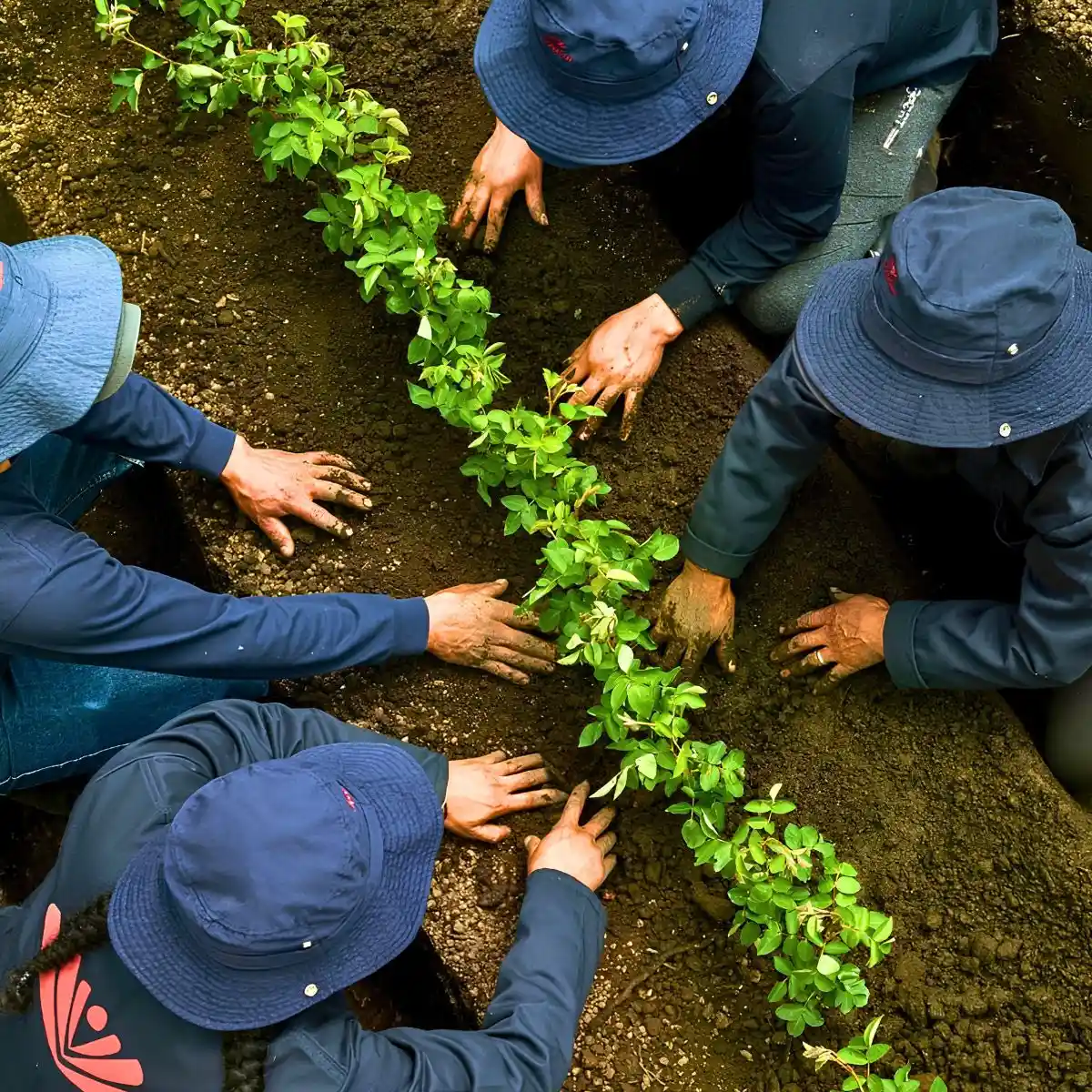
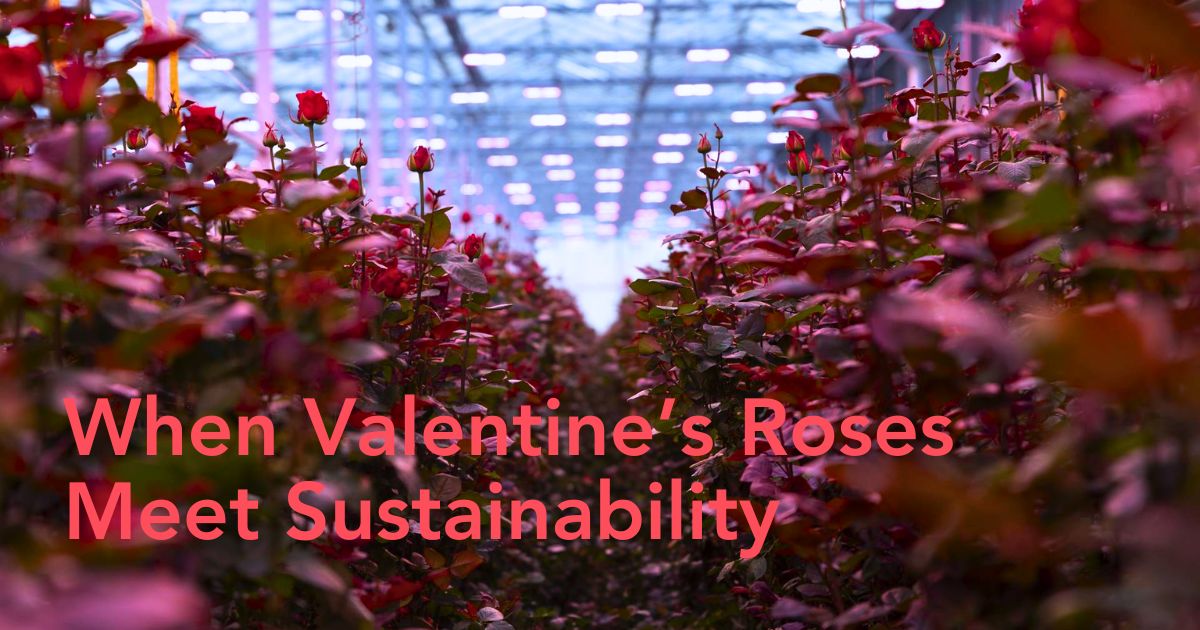
"What's the true environmental cost of Valentine's flowers?" It is not a question often asked at the checkout. Yet on UK Health Radio's Lean Into Clean, host Jarvis Smith opened exactly that conversation with Professor David Bek of Coventry University - a researcher who has spent nearly two decades studying global floriculture.
With an estimated 250 million stems sold worldwide for Valentine's Day, the romance of roses sits alongside a far more complex story of logistics, water use, labor conditions, pesticides, certification schemes, and carbon footprints. What emerged from the discussion was not a condemnation of flowers, but something far more nuanced – and far more relevant for the industry.
Professor David Bek and the Sustainable Flowers Research Project
Professor David Bek leads the Sustainable Cut Flower Project at Coventry University. For nearly 20 years, he has examined the industry from production through trade to retail and consumer behavior. During the podcast, he described the question of environmental cost as "huge" and "loaded."Not because the issues are imaginary - but because they are layered.

Flowers carry a powerful cultural image. They are natural, beautiful, and emotional. That is precisely why scrutiny matters. Bek outlined how long global supply chains, particularly air freight, have historically driven high carbon calculations. He referenced research showing that greenhouse roses heated with fossil fuels in Northern Europe can have a similar footprint to roses flown from Kenya. That comparison alone reframes the debate.

What the podcast made clear is that simplification - local good, global bad - misses the point. Context matters. Production systems matter. Energy sources matter.
Jarvis Smith Asks the Right Questions
Jarvis Smith, known for exploring sustainability across industries, pushed the conversation beyond carbon headlines. How important is floriculture economically? What happens if consumers simply stop buying flowers? And how does one balance romance with responsibility?
The answer surprised many listeners. The UK flower industry alone contributes approximately £3.8 billion to the economy. During the pandemic, rather than collapsing, flower and houseplant sales surged. Flowers became connectors when physical presence was impossible. They were gestures of care, comfort, and resilience.
This emotional dimension cannot be separated from sustainability. As Bek noted, research shows measurable improvements in mood and well-being when people receive or display flowers. Hospitals have documented faster recovery when floral presence is part of the environment. The industry is not merely ornamental. It is human.
Innovation From Kenya to the Netherlands
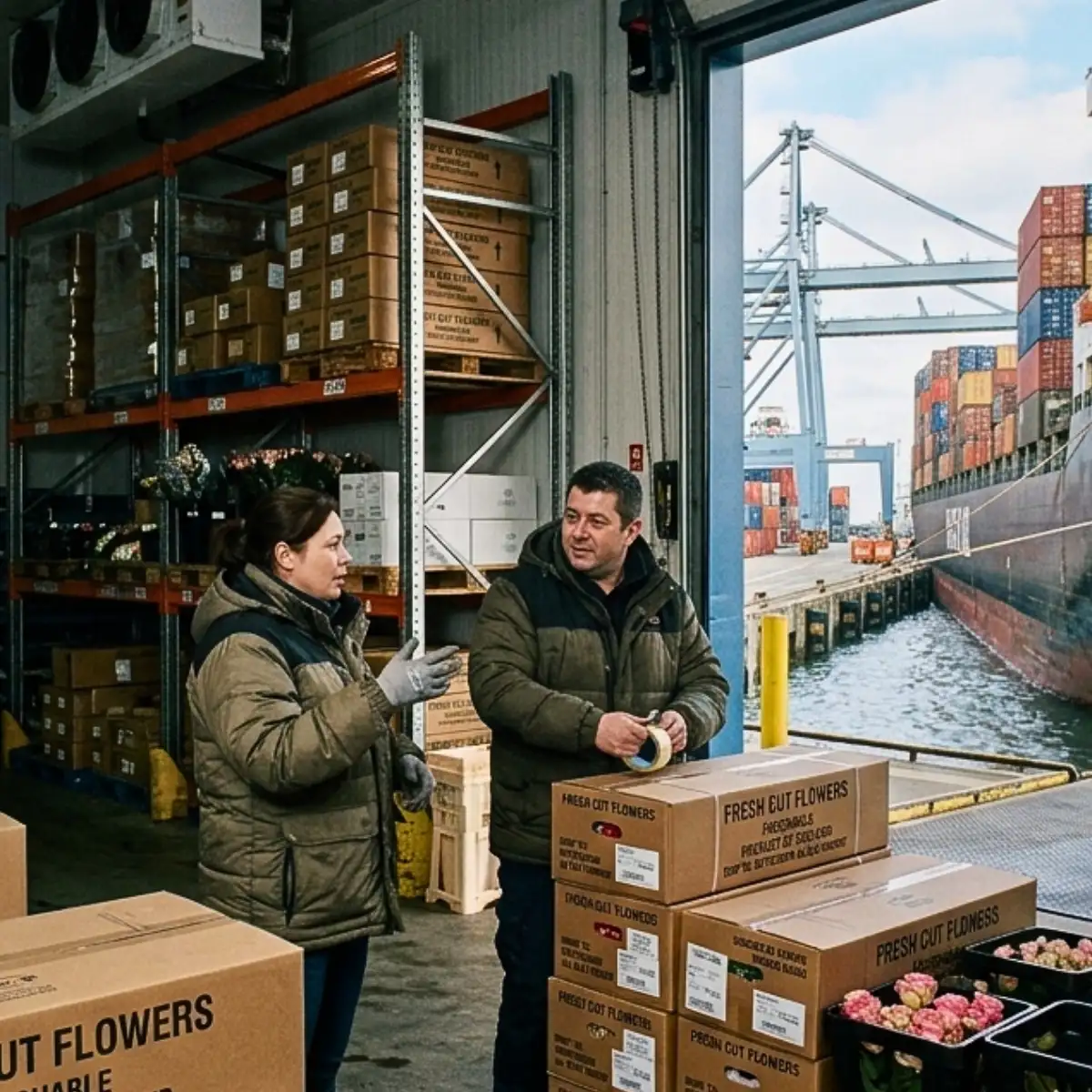
The conversation also spotlighted innovation. Kenya's rail link from Lake Naivasha to Mombasa has enabled large-scale sea freight shipments to Europe, reducing transport emissions by 85-90 percent compared to air freight. That is not a marginal change. It is structural.
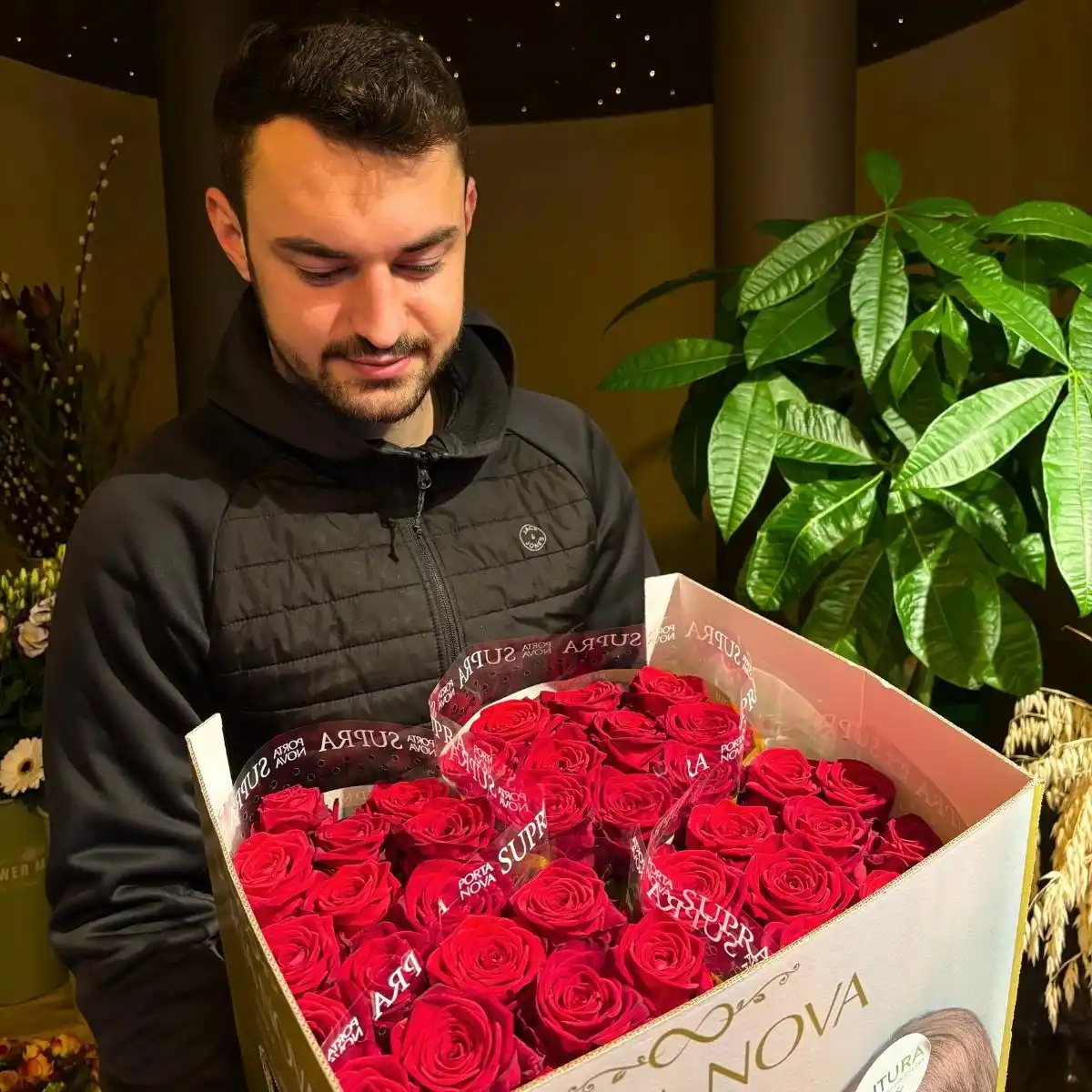
Dutch grower Portanova was cited as an example of how switching to renewable electricity grids can dramatically reduce greenhouse gas emissions. Meanwhile, the Floriculture Sustainability Initiative continues to align stakeholders across the supply chain, raising standards and accelerating certification uptake.
These are not fringe experiments. They represent a sector actively responding to scrutiny with solutions.
Fairtrade, Communities, and Real Impact
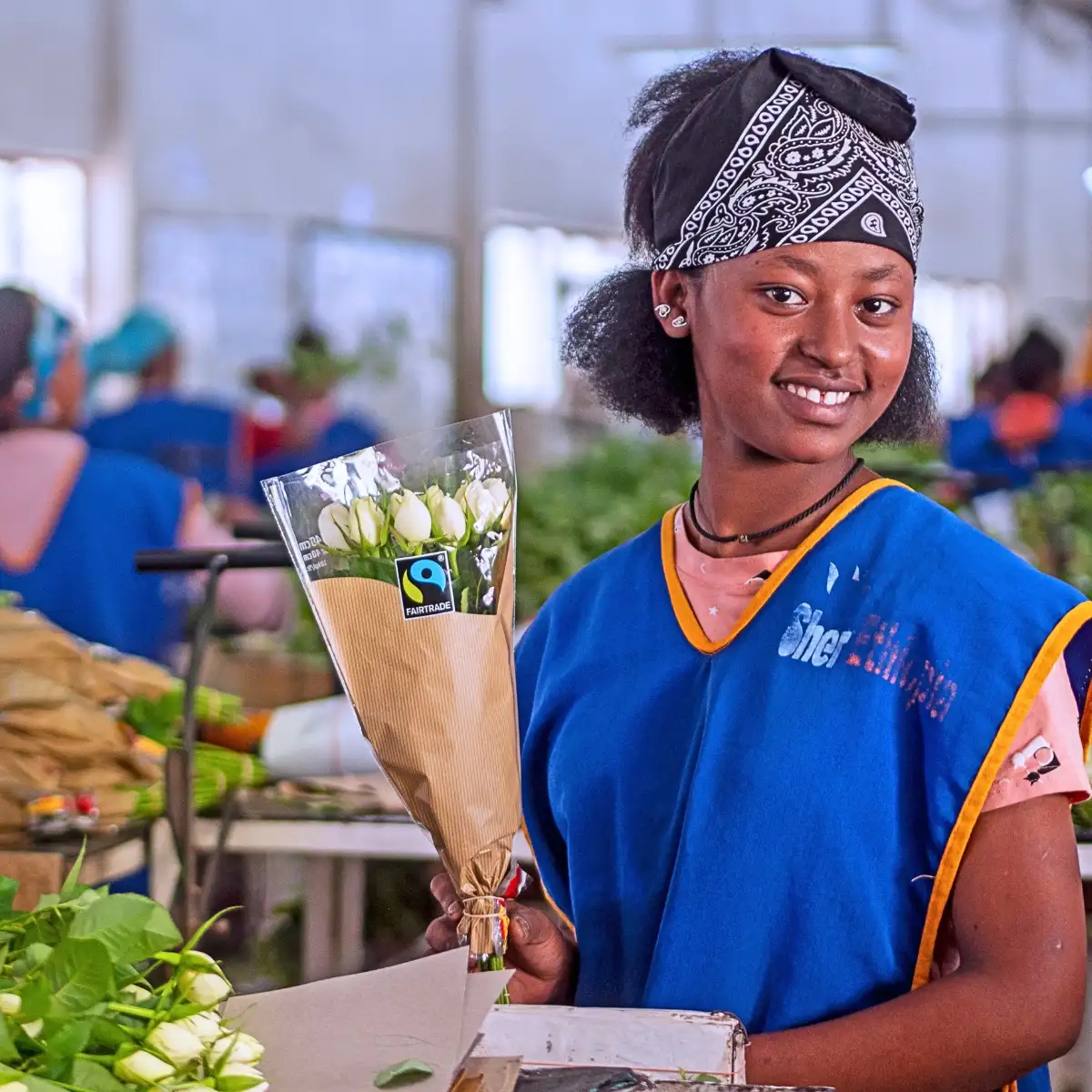
One of the most powerful moments in the podcast was the discussion of Fairtrade flowers. Nearly 929 million stems are now sold globally under Fairtrade terms, supporting more than 75,000 workers.
Bek described visiting farms in Kenya where Fairtrade premiums funded school meal programs feeding hundreds of children daily, childcare facilities for workers, educational bursaries, and health clinics. These projects are democratically decided by worker committees. Sustainability here is tangible – visible in classrooms, kitchens, and clinics.
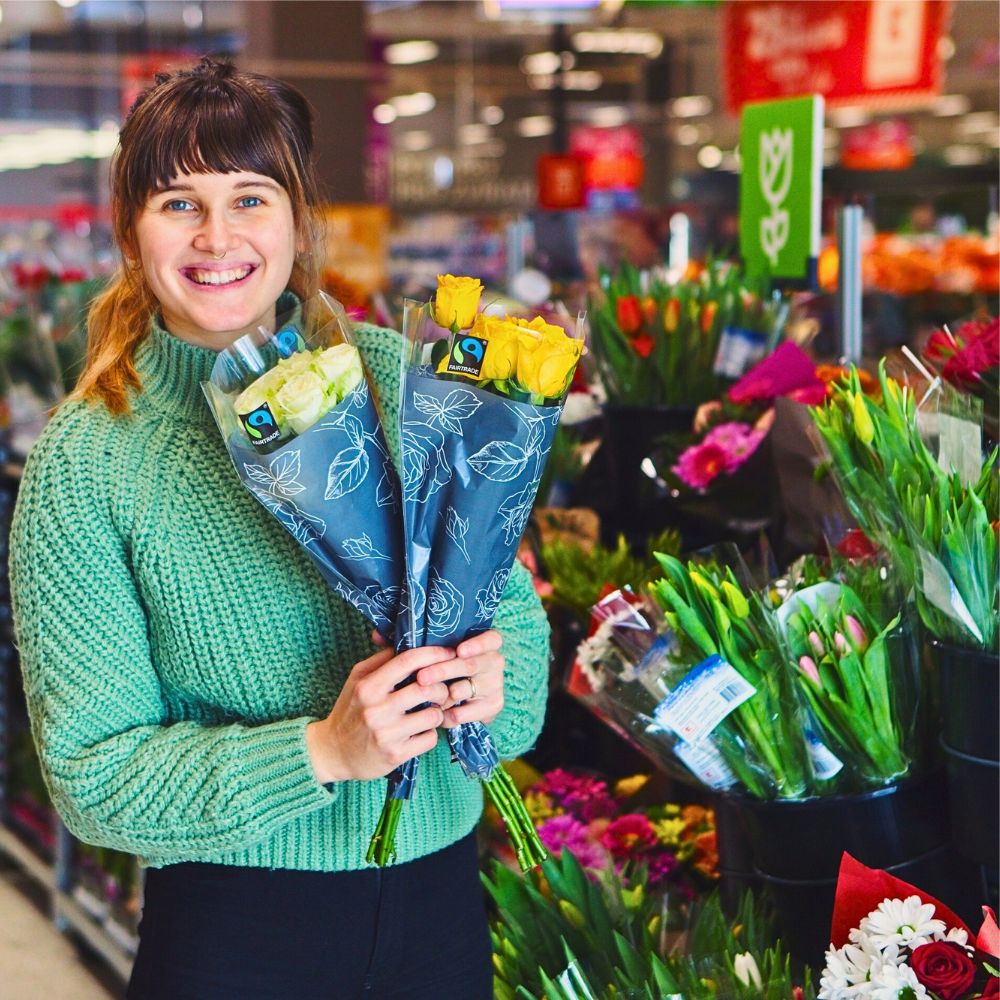
For buyers and retailers, this reinforces a critical point. Certification is not a logo. It is a mechanism for redistributing value within the supply chain.
Pesticides and the Need for Transparency
The discussion did not avoid difficult topics. Pesticide residues were addressed candidly. Unlike food, flowers are not subject to maximum residue limits because they are not consumed. That regulatory gap has raised concerns about occupational exposure and environmental impact.
However, the podcast emphasized evolution rather than alarm. Integrated pest management, biological alternatives, and tighter auditing are gaining momentum. Greater transparency in labeling — including origin disclosure — is emerging as a response to consumer demand.
Local and Seasonal: A Growing Movement
Jarvis Smith raised the question that many consumers ask. Why not buy local seasonal flowers instead? Bek highlighted the UK's Flowers from the Farm network, representing more than 1,000 small-scale growers focused on local, often low-input production.
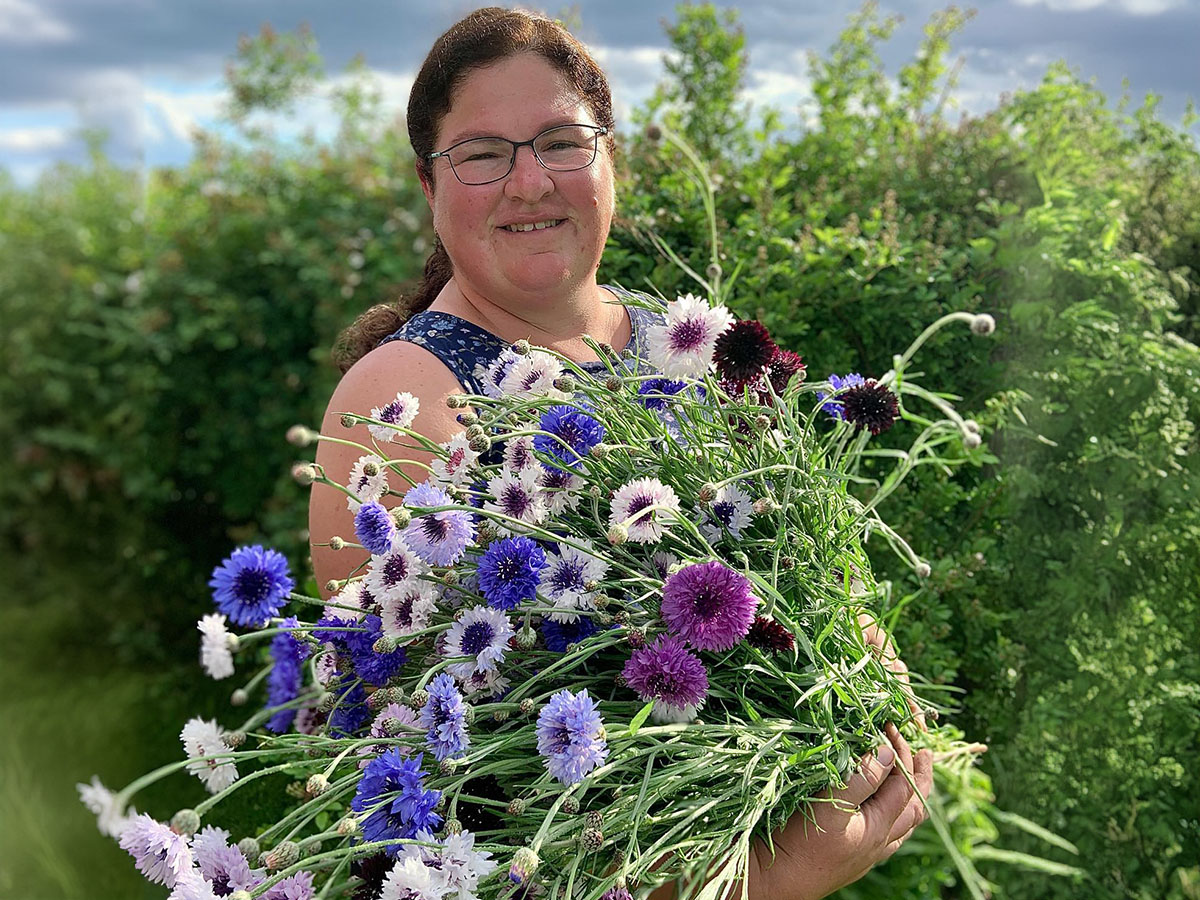
Seasonal British flowers in February may not include red roses, but they offer daffodils, foliage, and other early varieties. Again, the podcast's core message returned - sustainability is not about removing flowers from the equation. It is about informed choice.
Every Rose Has Its Thorn – And Its Opportunity
Fittingly, Professor Bek chose Poison’s “Every Rose Has Its Thorn” as one of the show’s soundtrack moments. The metaphor resonated. Behind every stem lies complexity. But complexity does not equal failure.
The floriculture industry stands at an inflection point. Sea freight adoption, renewable energy integration, Fairtrade scaling, water efficiency innovation, and growing consumer awareness signal a sector in transition. Jarvis Smith's closing message was clear - keep the love, make informed choices.
For growers, breeders, exporters, wholesalers, and retailers, the takeaway is equally clear. Transparency is no longer optional. It is a competitive advantage. Sustainability is not the enemy of romance. It is the foundation for its future.
Valentine's Day will come and go. Roses will be gifted. What matters now is ensuring that the story behind each bouquet reflects the values of a modern, responsible floriculture industry.