
The holidays and festivities are just a nostalgic memory by now, and your inbox is overflowing again; quite a 'hearty' welcome-back-to-office sign. That post-holiday return can feel a bit flat, can't it? The decorations are gone, the festive energy has fizzled out, and suddenly you are staring at plain walls and empty corners.
Just a simple solution means this seasonal slump need not persist. The strategic integration of corporate plants through biophilic design principles makes these sterile workspaces invigorating and psychologically supportive environments, because sometimes, all you need is a little green.
Understanding Workplace Lethargy
The transition from festive downtime to office routines creates a physiological and psychological challenge. Extended time away from structured work, combined with winter's reduced natural light exposure, disrupts day-to-day rhythms and depletes mental resilience.

Research, however, shows that people who spend at least 120 minutes per week in nature report significantly better psychological well-being, with optimal effects observed between 200 and 300 minutes of nature exposure. For office-bound professionals who cannot readily access outdoor time, indoor biophilic interventions provide a scientifically validated counterbalance.
Studies link indoor plants with lower perceived stress, improved mood regulation, enhanced concentration, and better cognitive performance. Beyond psychology, the mechanism is physiological: exposure to greenery reduces blood pressure and heart rate, signaling the nervous system to shift from sympathetic (stress) to parasympathetic (relaxation) activation.
Why Corporate Spaces Demand Corporate Plants
Traditional office aesthetics, consisting of glass, steel, fluorescent lighting, and neutral palettes, serve functional purposes but exact a psychological cost. Employees in such environments often report frustration, reduced creativity, and an increased risk of burnout.
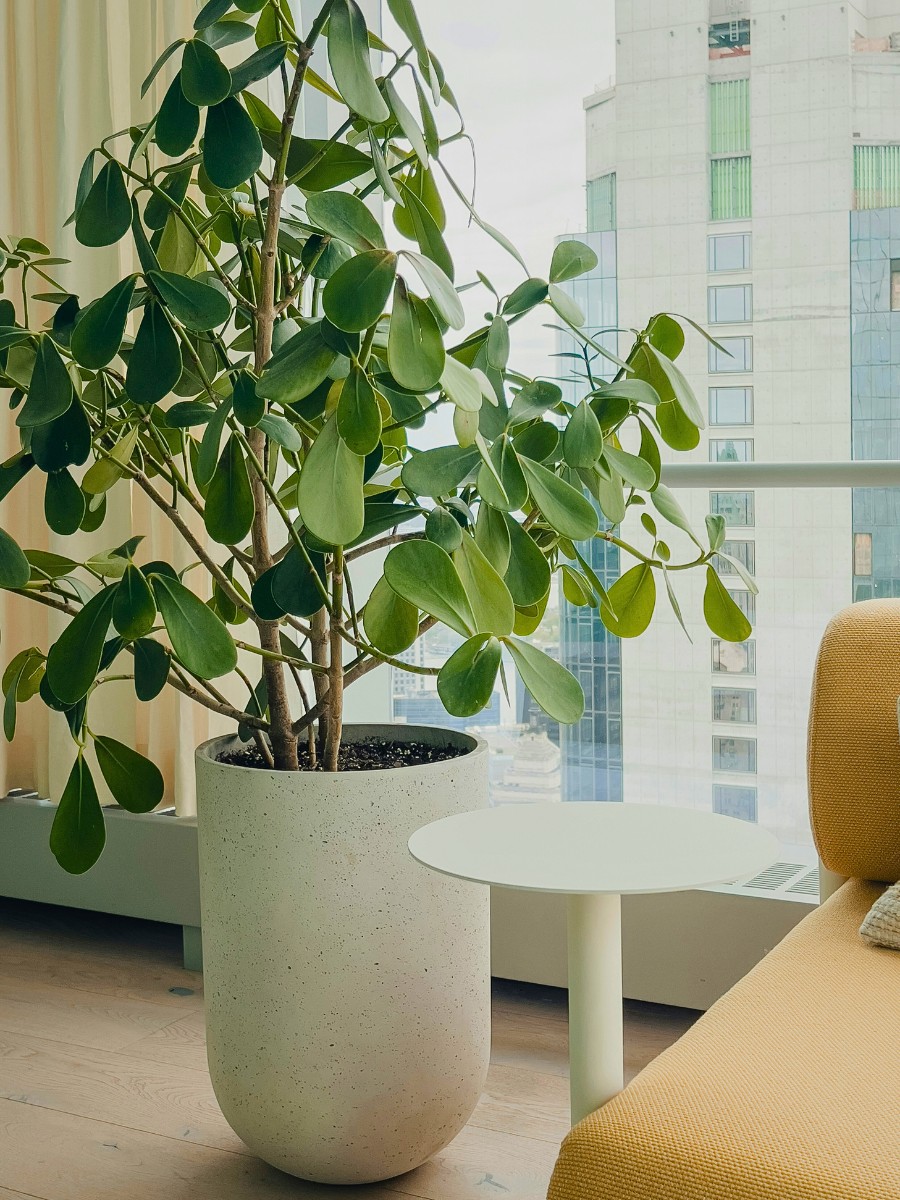
But what happens when you add plants to these office spaces? The introduction of carefully selected statement plants functions simultaneously as décor, air purifier, and stress-reducer, enhancing employee wellness; not just about the workplace’s looks, though they certainly help.
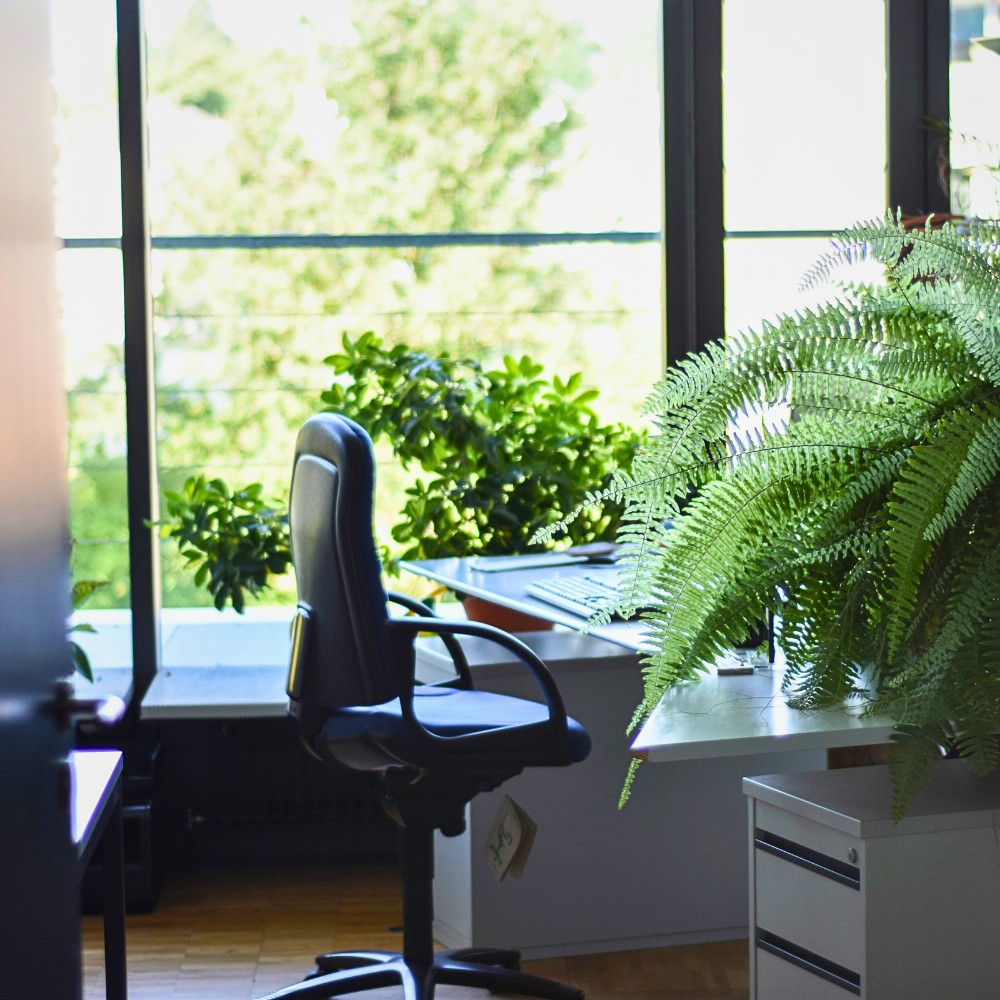
A study from the University of Exeter found that workplace satisfaction increased by up to 47% after adding low-cost potted plants. More strikingly, a biophilic office retrofit study revealed employees reported feeling healthier, more comfortable, and significantly more satisfied in plant-rich, naturally lit spaces. Research published in the Journal of Environmental Psychology showed that green surroundings enhance creativity by up to 15%.
Statement Plants That Mean Business
Some plants just have presence. You know the ones. You walk into a room and immediately notice them. If you're looking to make such an impression in your reception area or executive suite, these are your go-to choices. Think the Fiddle Leaf Fig, the Bird of Paradise, the Monstera, or the Swiss cheese plants, and several others.
Floor-Level Impact Plants
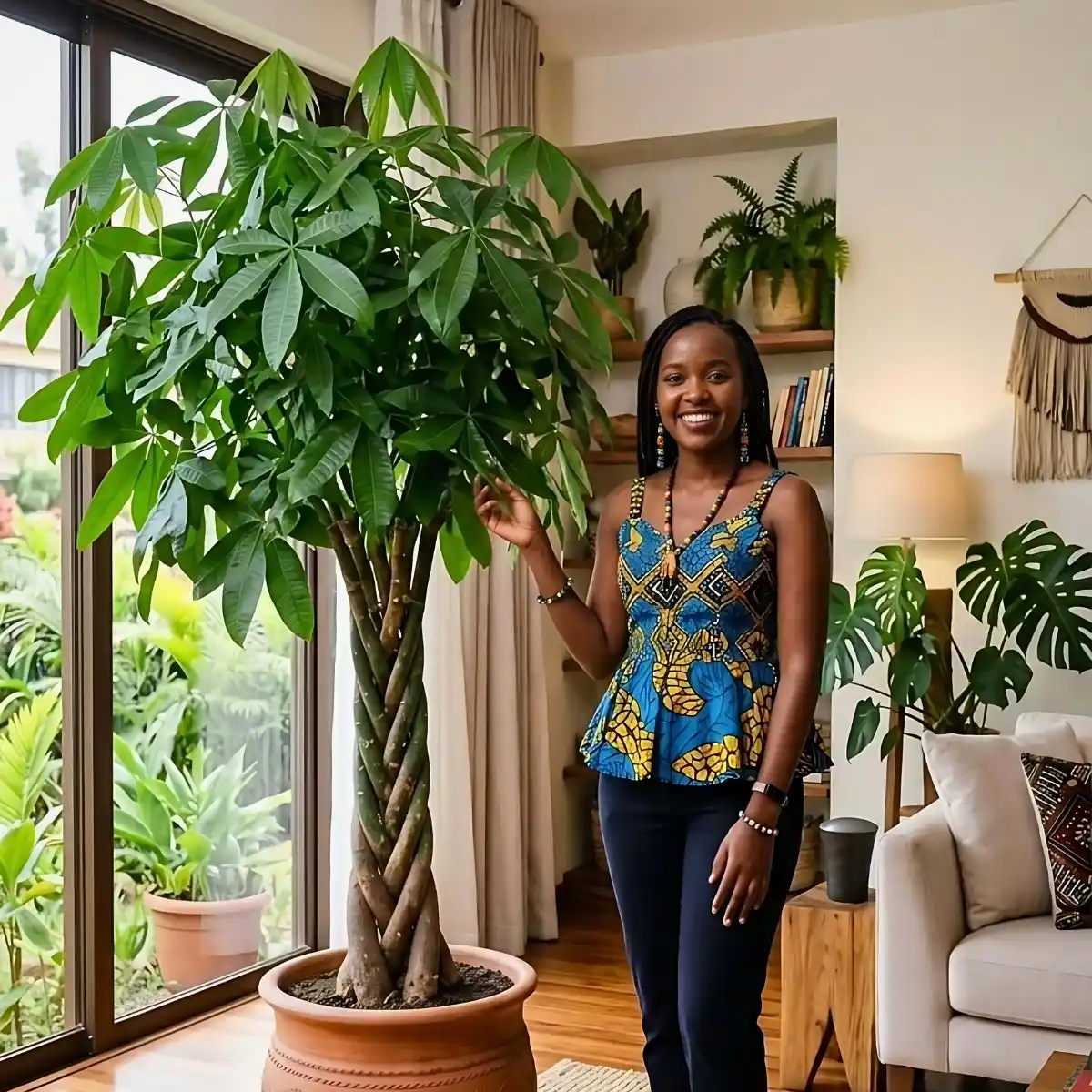
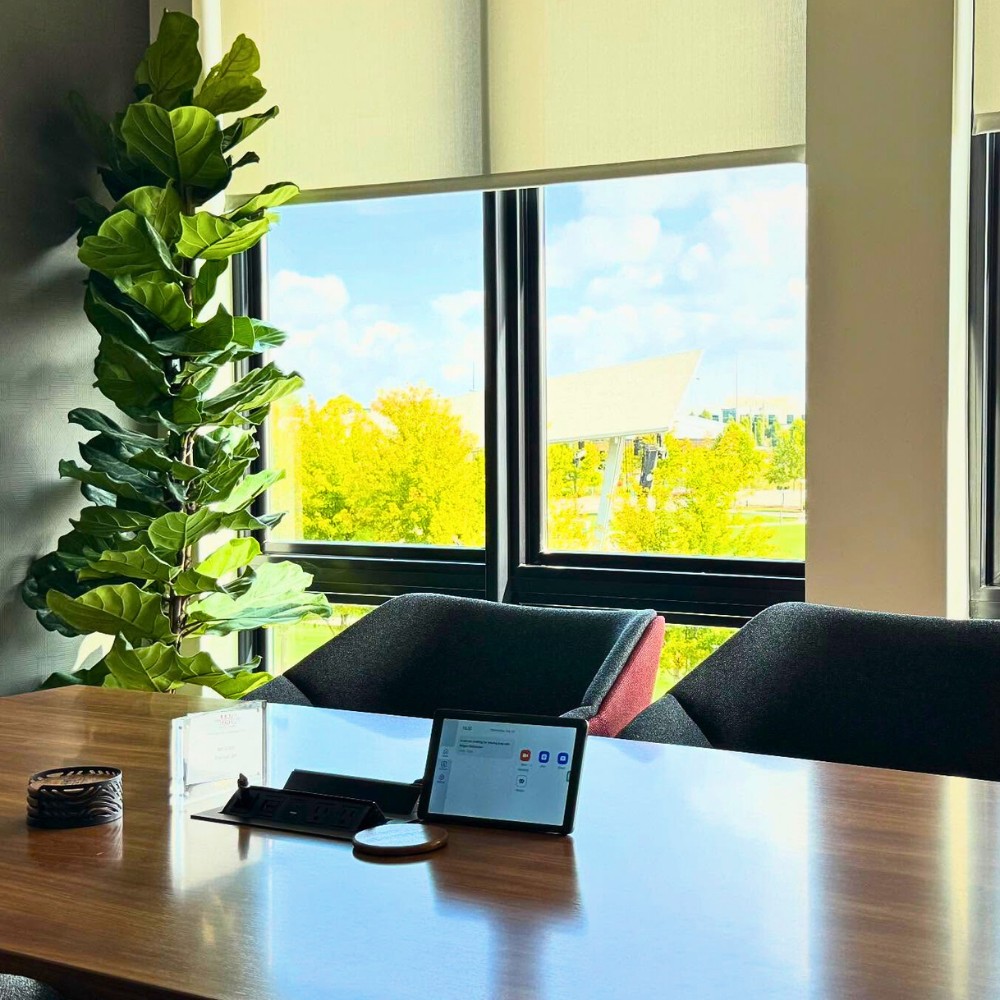
Fiddle Leaf Fig (Ficus lyrata) is a quintessential statement plant for contemporary corporate lobbies and executive offices. Its large, violin-shaped leaves and commanding vertical form create immediate visual impact. The plant thrives in bright, indirect light and performs well when positioned away from drafts. It is ideal for reception areas and windowed boardrooms.
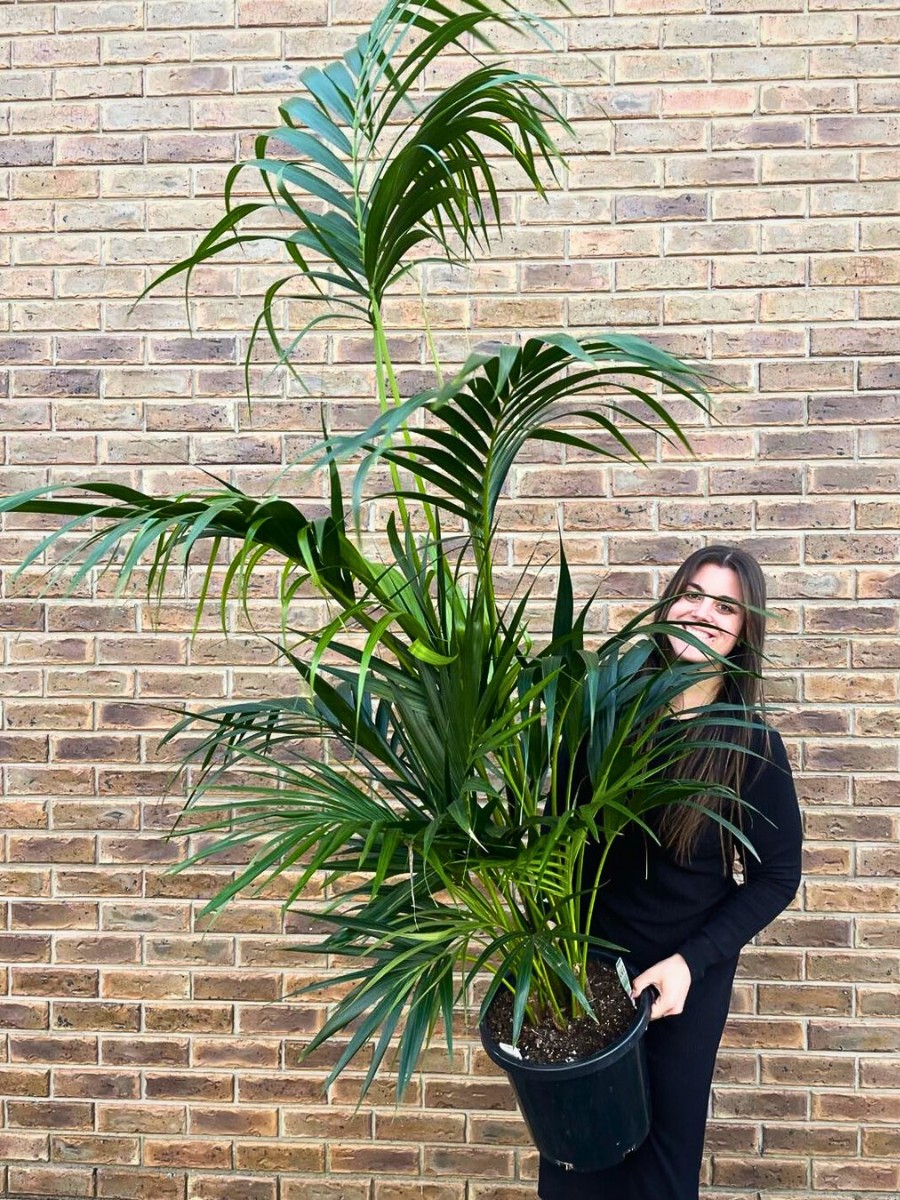
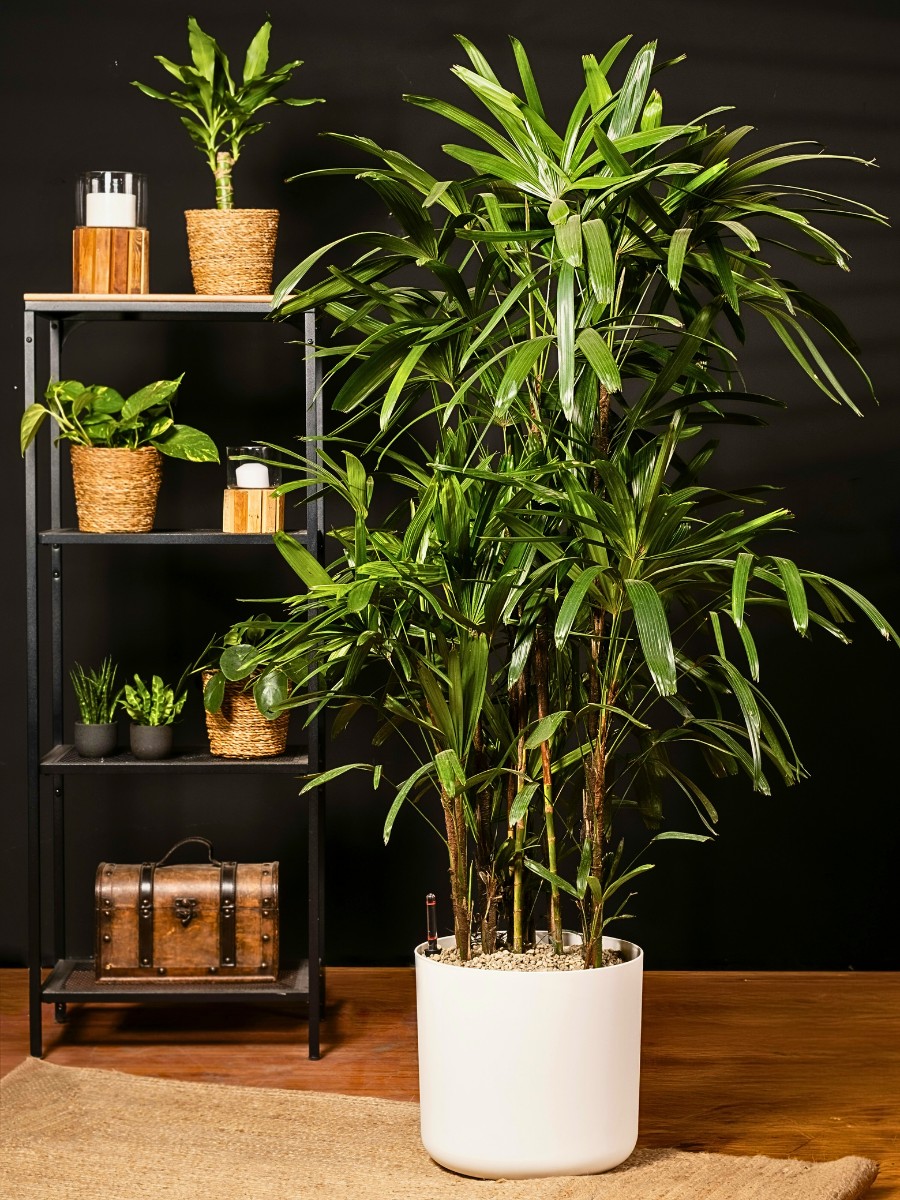
Kentia Palms (Howea forsteriana) bring resort-like elegance to the corporate space. Graceful, arching fronds tolerate typical office conditions exceptionally well, making them perfect for tall planters flanking entrances or creating visual rhythm within open-plan zones. Its tropical aesthetic signals growth, vitality, and professional sophistication.
Bird of Paradise (Strelitzia nicolai/reginae) delivers lush, paddle-like foliage that immediately enhances client-facing areas. Its bold form creates a biophilic focal point suitable for atriums and well-lit reception spaces. The plant's architectural leaves also communicate confidence and dynamism.
Sculptural, Minimalist Aesthetics
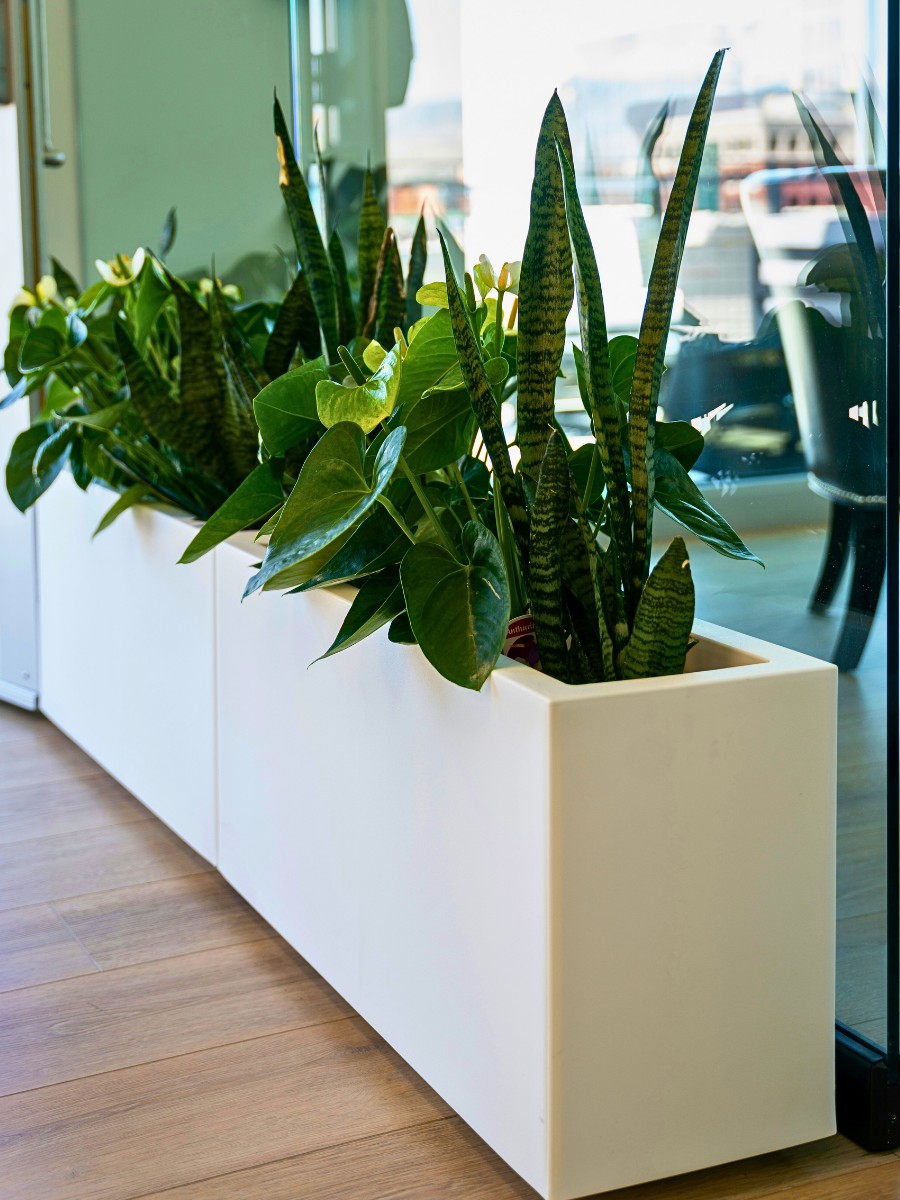
Snake Plant (Sansevieria) exemplifies biophilic minimalism. Its upright, sword-like leaves read as architectural and deliberately modern, aligning perfectly with contemporary corporate branding. The plant also shows legendary resilience, tolerating AC environments, lower light, and irregular watering. For teams facing long holidays or rotating schedules, it means reliability and low-maintenance elegance.
ZZ Plant (Zamioculcas zamiifolia) contributes clean, graphic lines through waxy, glossy leaflets arranged along strong stems. The plant thrives in low-light conditions typical of internal office areas, making it ideal for corridors and enclosed meeting spaces. Its structured appearance complements minimalist interiors while delivering air-purification benefits.
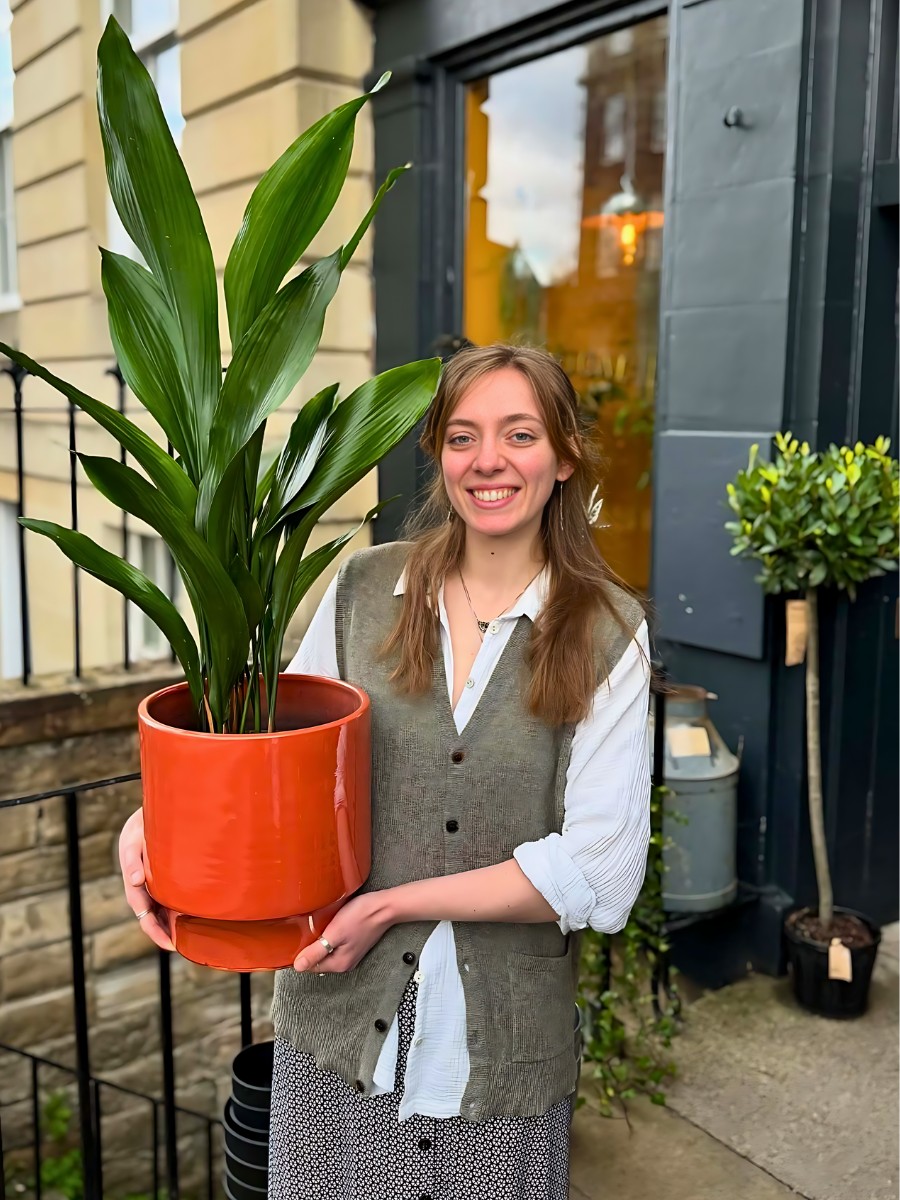
Cast Iron Plant (Aspidistra elatior) offers dark, refined foliage combined with remarkable durability. Its low-light tolerance and elegant bearing suit refined corporate aesthetics. Paired with matte or metallic planters, it conveys quiet luxury and reliability, qualities many organizations aspire to project.
Biophilic Focal Points
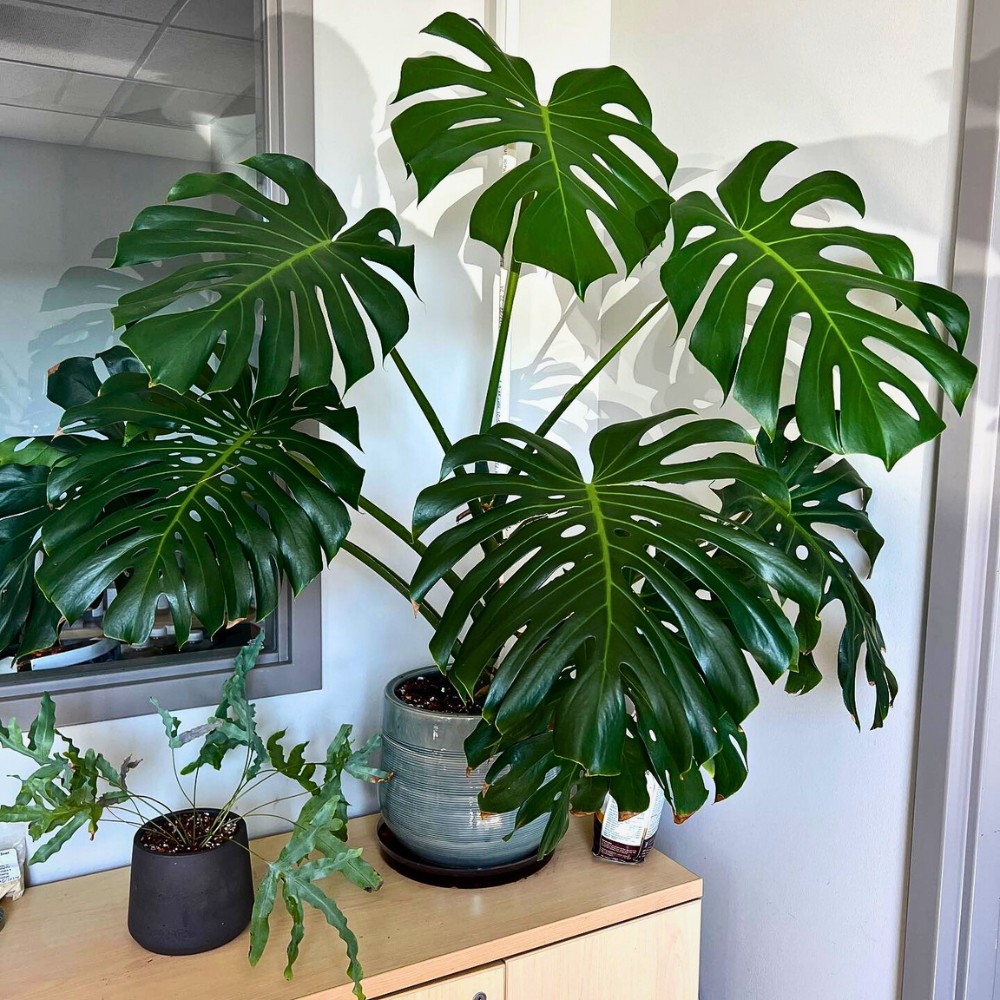
Monstera deliciosa brings undeniable drama through large, perforated leaves that signal natural authenticity within constructed environments. The plant's impressive scale makes it suitable as a singular hero plant in reception areas or as part of grouped indoor jungle arrangements in breakout spaces. Its informal elegance creates psychological acquiescence for employees to relax and be themselves, crucial for workplace culture.
Kentia or other multi-stemmed palms create semi-translucent green screens that visually divide open-plan offices without solid partitions. Their movement and texture introduce dynamic biophilic cues, while fronds introduce layered visual interest that naturally draws the eye and encourages movement through space.
Large Dracaena/Dragon Tree delivers architectural canes and strappy foliage ideal for corners, lift lobbies, and along glazed surfaces. Many cultivars tolerate modest indoor light and care requirements, making them particularly suitable for lower-light zones while maintaining visual presence.
Strategic Placement for Maximum Impact
You can't just plop plants anywhere and expect wonders. A little thought about placement goes a long way. Reception and waiting areas are high-traffic, client-facing zones where plants communicate organizational values – positioning one or two large hero plants (Fiddle Leaf Fig plus Kentia Palm) in substantial, coordinated planters anchors these spaces psychologically. Reception areas are where first impressions crystallize; plants indicate environmental consciousness and human-centered values.
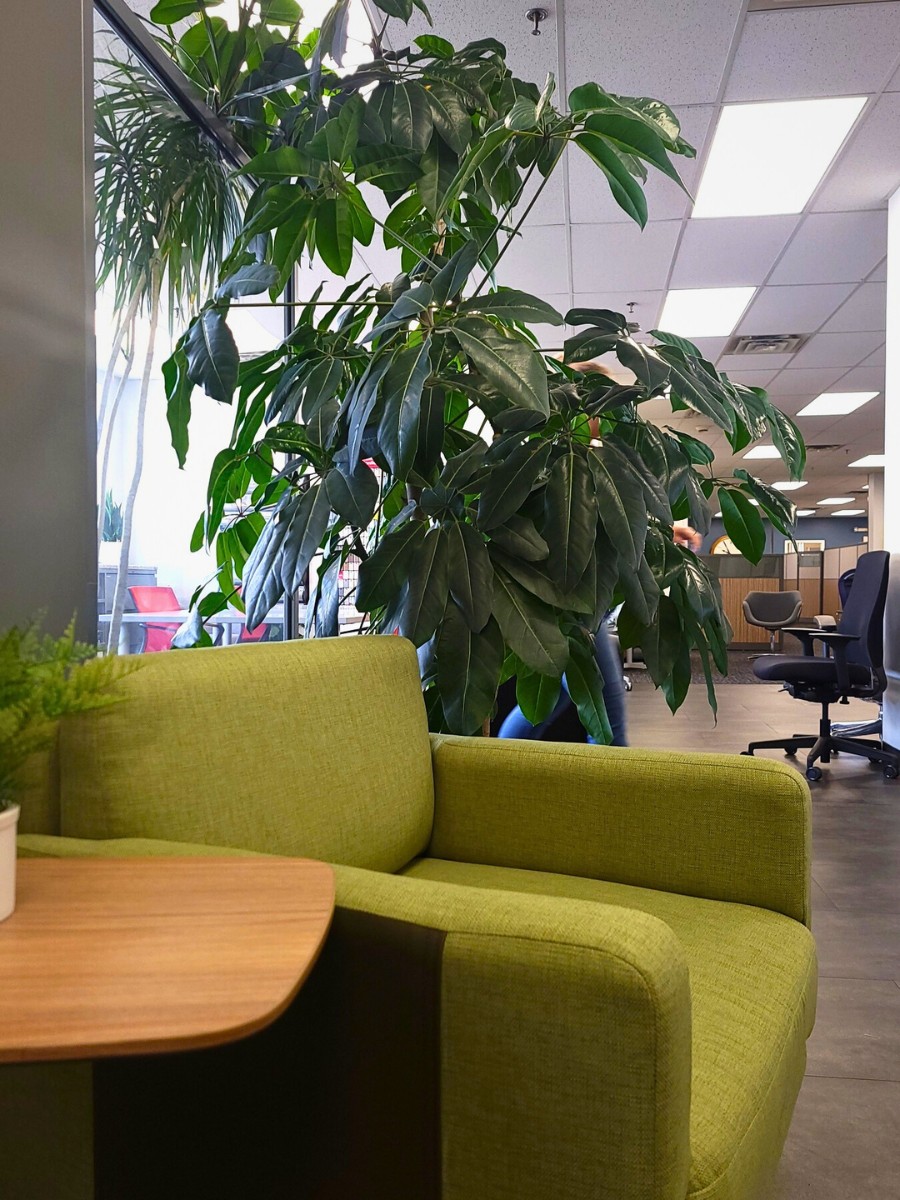
Boardrooms and executive offices pair well with sculptural plants that frame key views and soften camera backgrounds for video calls, which are increasingly crucial in hybrid work environments. Snake plants, ZZ plants, and Bird of Paradise create a professional aesthetic while reducing visual harshness in remote meetings.
Corridors and open-plan edges warrant repeated tall plants that establish rhythm and guide movement. Regular plant placement featuring palms, Monstera, and ZZs creates visual continuity, making utilitarian circulation zones biophilic spaces and subtly encouraging movement and well-being.
Don't forget about hallways and transitional spaces. While these areas are often overlooked, they are ideal for a statement plant that breaks up the journey between offices or meeting rooms. It makes the whole building feel more considerately designed and welcoming.
For the Busy Professional Who Forgets to Water
January is hectic; everyone is playing catch-up with new projects and adjusting back to work routines. The last thing you need is a high-maintenance plant that sulks if you skip a watering. Luckily, some beautiful plants practically thrive on neglect.
Snake plants are nearly impossible to kill, making them ideal for busy offices. Their tall, striped leaves add a modern touch to any desk or shelf, and they forgive you for forgetting about them for weeks. They also happen to be excellent air purifiers, working quietly in the background to improve your office environment.

ZZ Plants offer a similar easygoing nature with a lusher look. Their shiny, dark green leaves, arranged along arching stems, give the impression of abundance without requiring constant attention. They tolerate low light, inconsistent watering, and generally do their thing with minimal input from you.
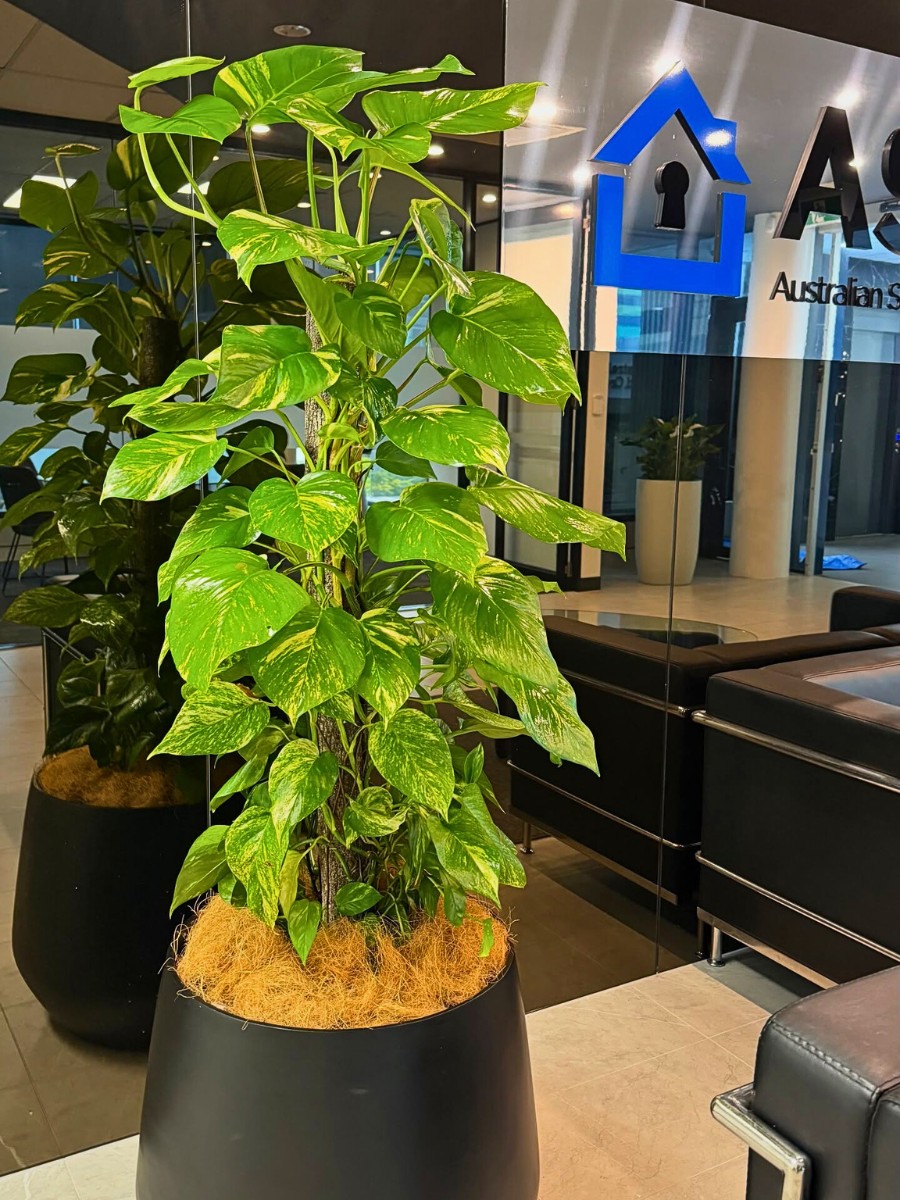
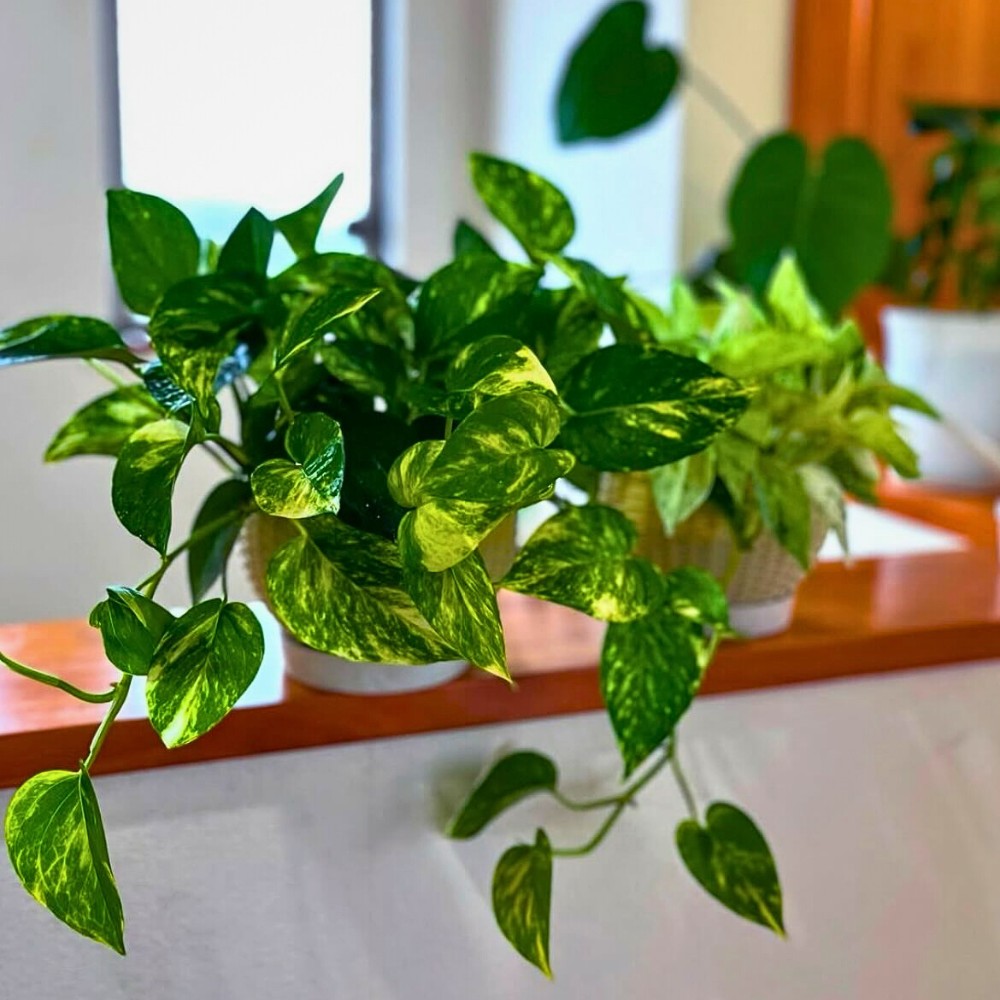
Trailing Pothos varieties are also wonderfully versatile, looking great cascading from high shelves, filing cabinets, or hanging planters. They grow in almost any light condition, need water only when the soil dries out, and you can easily propagate new plants from cuttings.
Personal Touches for Your Desk
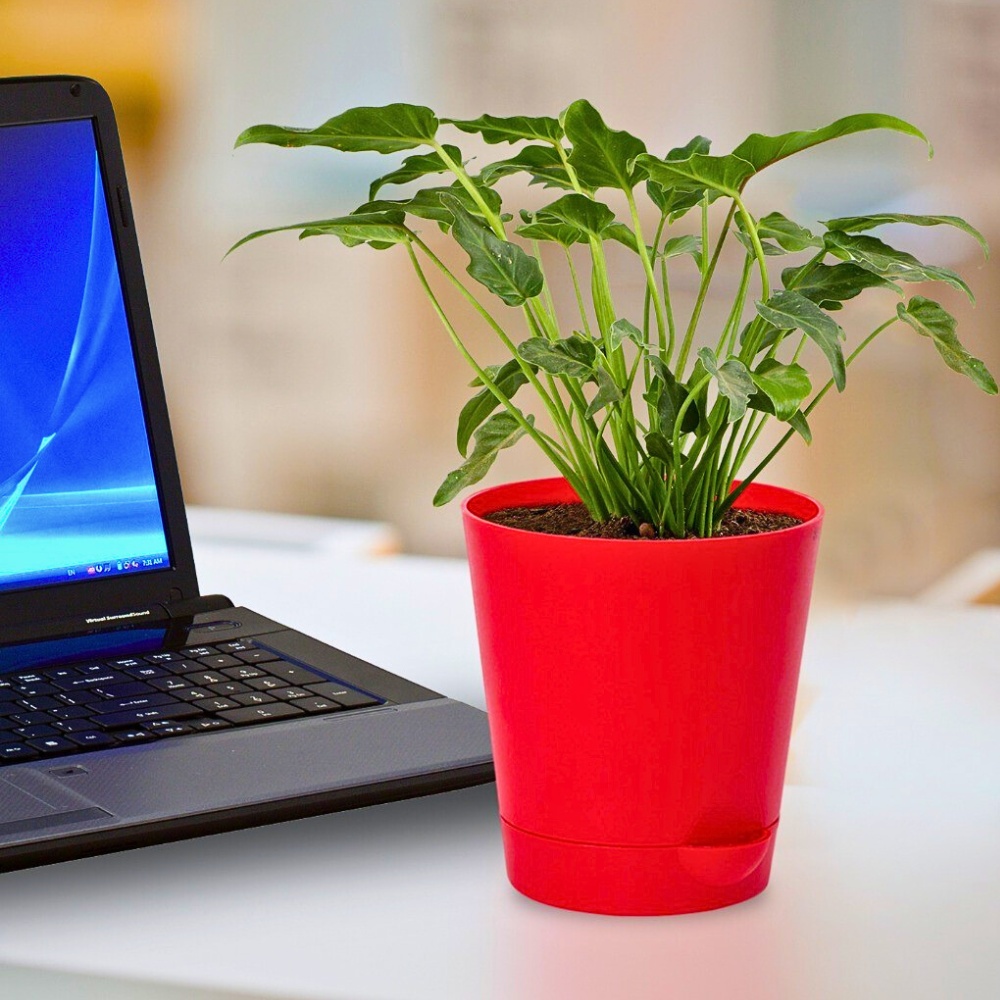
Your personal workspace merits attention, too, but you probably don't have room for a small tree next to your keyboard. That's where smaller plants come in, adding personality without eating up desk space.
Succulent collections in pretty pots or planters bring color and character to your immediate work area. They need very little water, come in fascinating shapes and colors, and can be conversation starters during video calls. Plus, tending them for a few minutes gives you a nice mental break from spreadsheets and emails.
Peace lilies sized for desktops are another lovely option. They are forgiving, produce elegant white flowers now and then, and will tell you when they need water by drooping slightly. Water them, and they perk right back up.
Small ferns, like the lemon button variety, add soft texture and bright color to your workspace. Their delicate, feathery appearance provides a pleasant contrast to all the hard plastic and metal of office equipment. Ferns need a bit more moisture than succulents, but if you remember to water them once or twice a week, they will be just fine.
Corporate Plants Are Ideal for a Better Workplace Culture
When companies invest in making their offices more pleasant, people notice. Plants show that the organization cares about creating a space where people want to spend time. They show attention to detail and concern for employee well-being. So, as people settle into work routines, the contrast with the holiday months doesn't have to feel stark.
You can't keep the holiday decorations up forever, but you can create an environment that feels alive and cared for all year round. Plus, plants grow and change with the seasons, just like people do. They require a small investment of time and attention, but give back generously by making the workplace special.
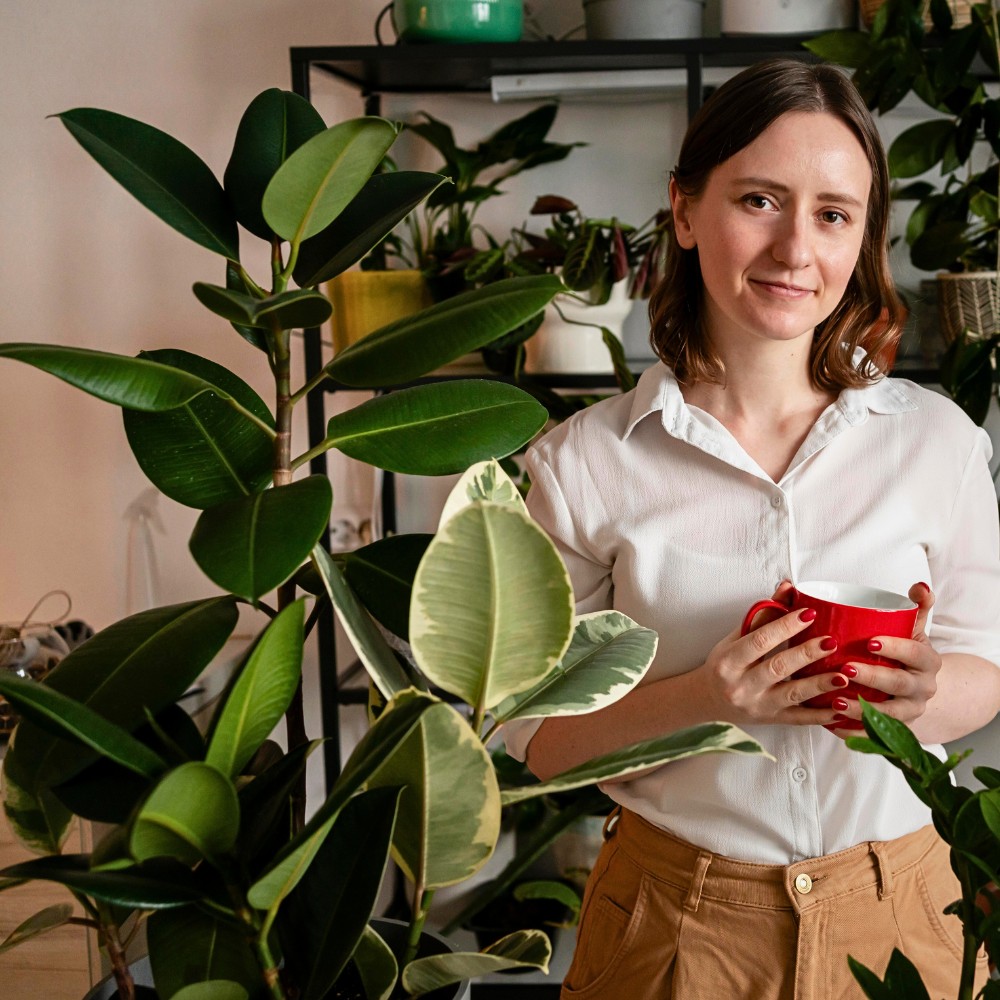
While starting the year with new green colleagues in the workplace might seem small, these small things often add up to the better. After all, since we spend much of our time at work, shouldn't these workplaces feel as good as they possibly can?
Feature image by Mizuno K. Header image by Anna Shvets