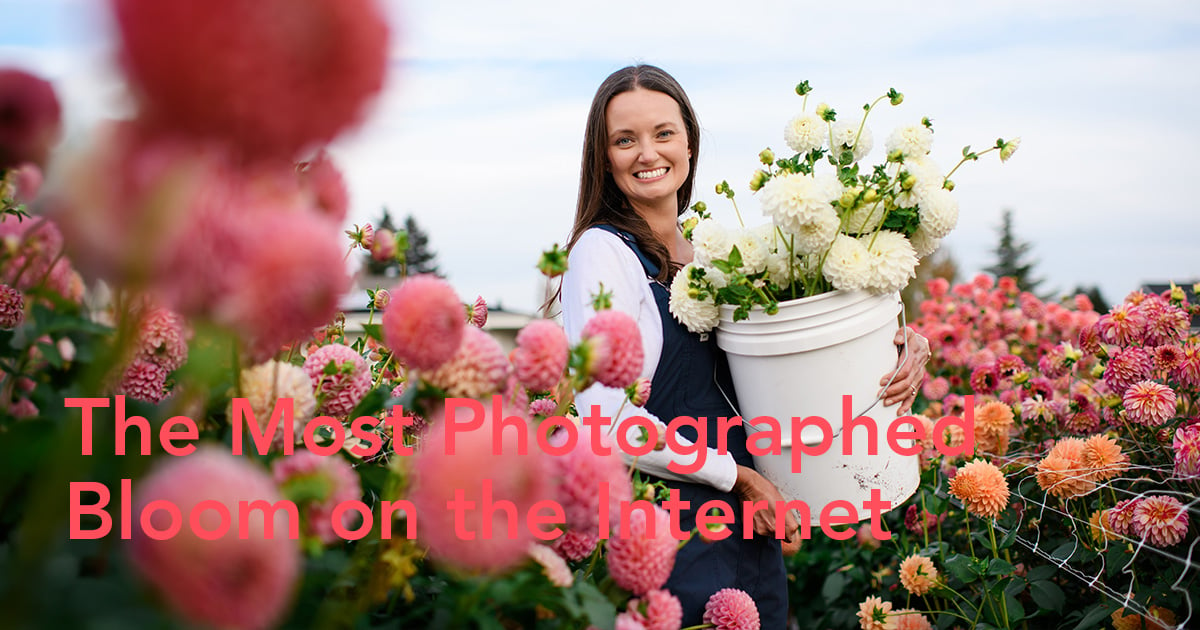
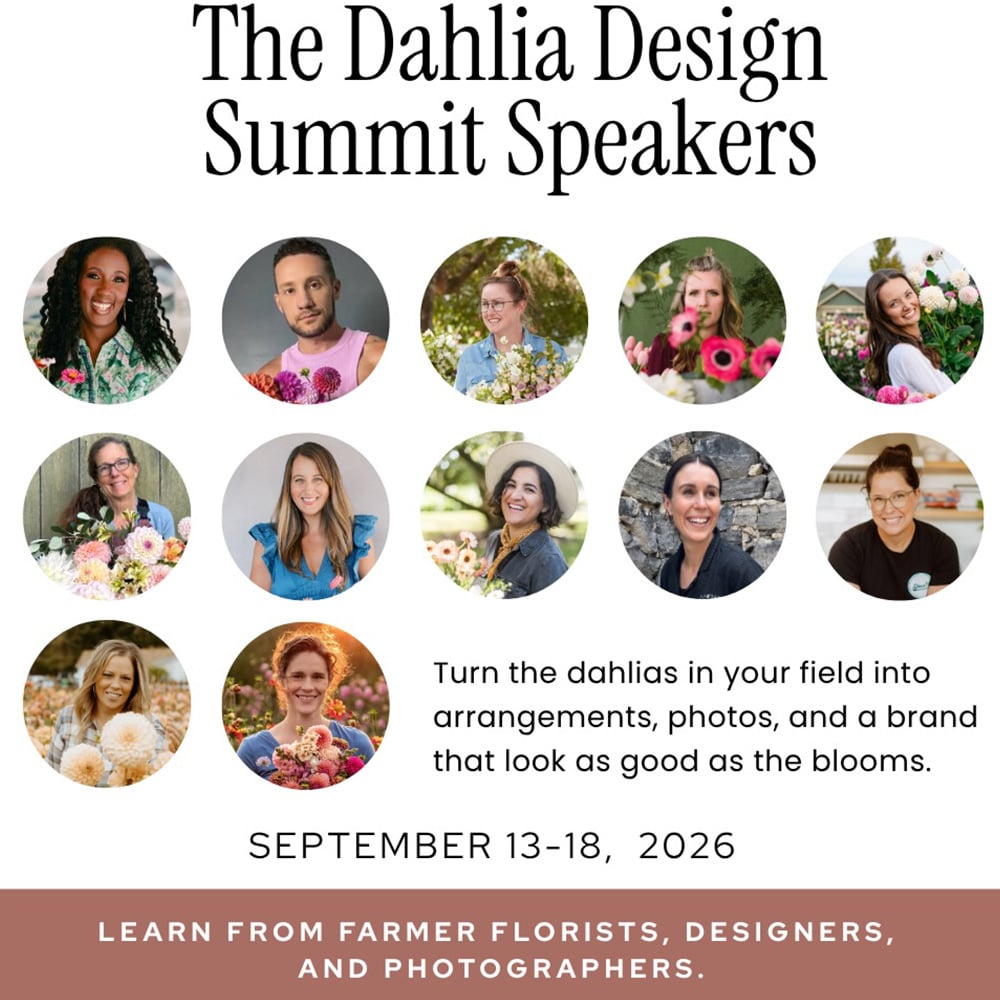
The Dahlia boom made growers out of gardeners. The design education never caught up. This September, fourteen growers and designers are trying to close that gap. Read all about the Dahlia Design Summit that will be held from September 13-18, 2026.
Dahlias: From Grandmother's Backyard to Internet Hit
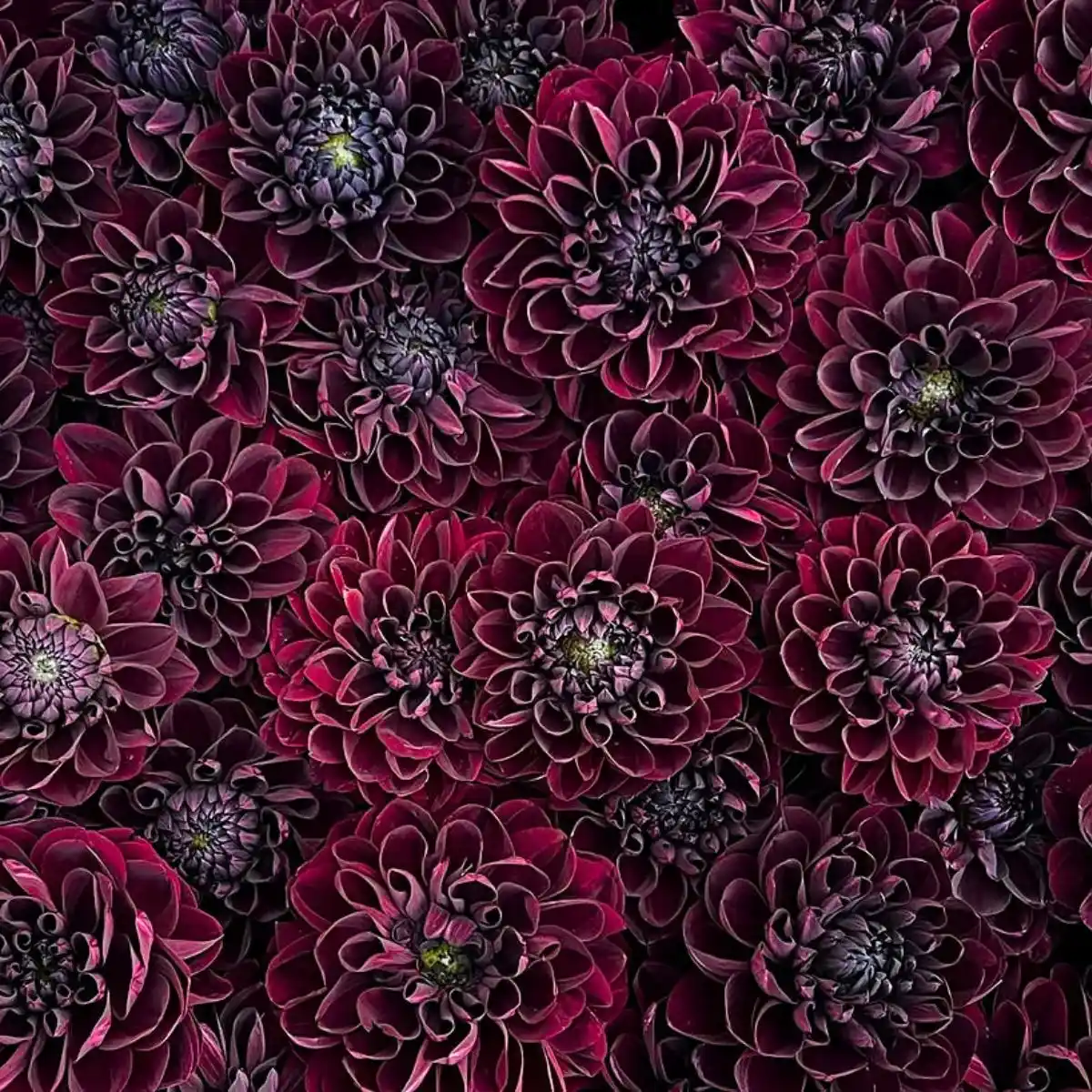
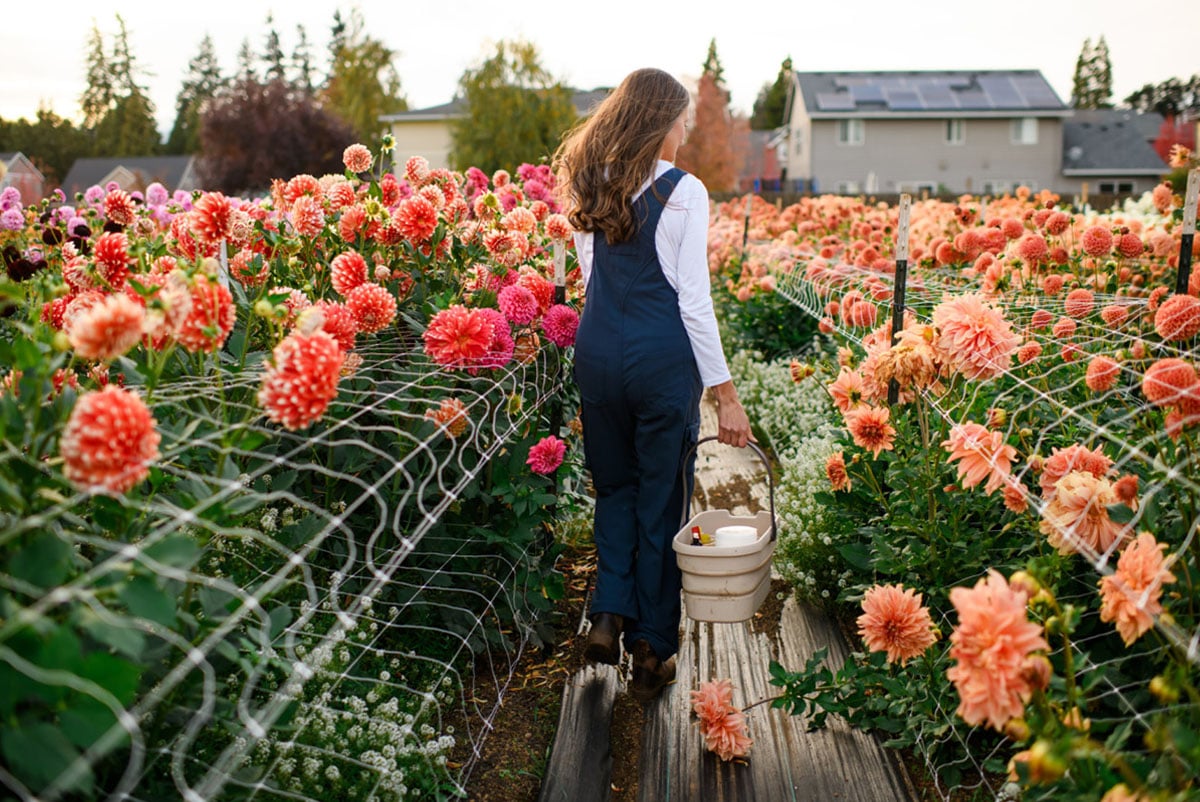
Something has happened to the Dahlia over the last decade. It went from a flower your grandmother grew in her backyard to the most photographed bloom on the internet. Tubers sell out in minutes now, and wish lists run into the thousands. There are whole businesses built on tuber sales alone.
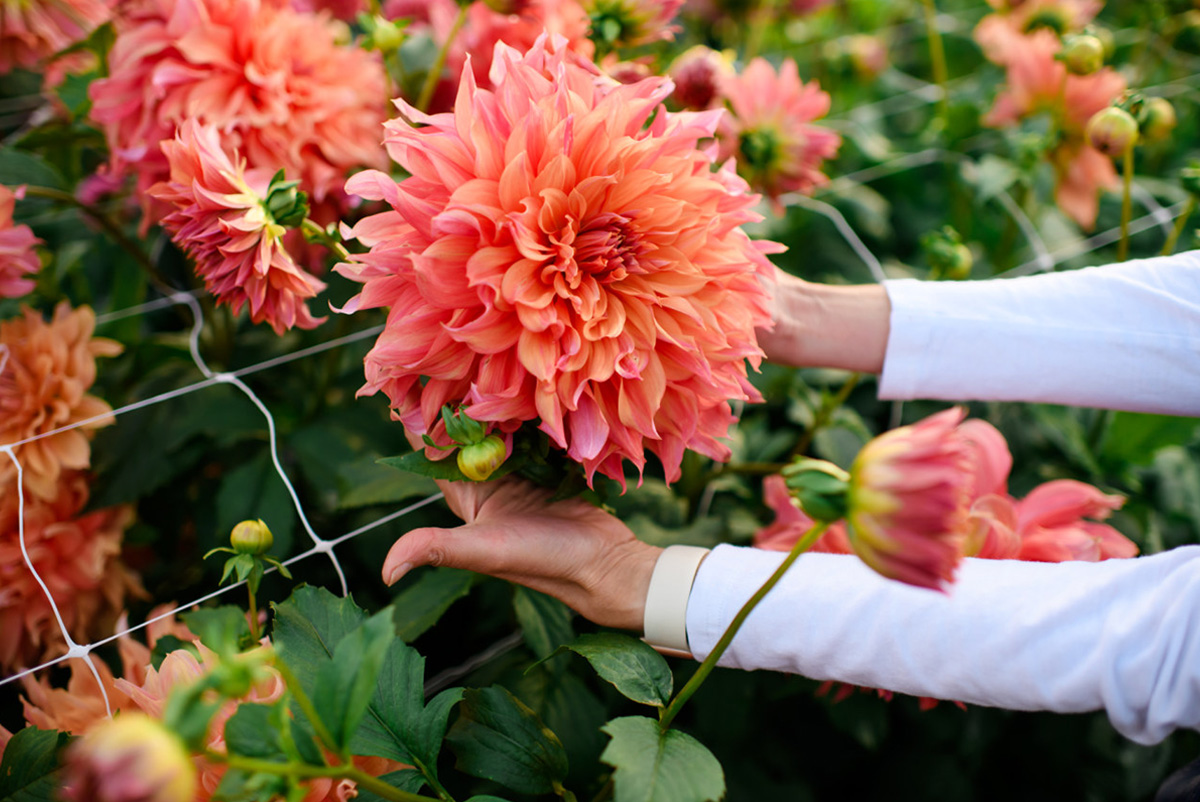
What I keep hearing from growers, over and over, is the same thing. They can successfully grow them, and yet they still don't have the confidence to turn them into a beautiful arrangement.
That gap is bigger than it sounds. A Dahlia is not an easy flower to design with. It has a heavy head on a hollow stem; it is short-lived, and its shape ranges from a mini pom-pom to a dinner plate that dominates everything near it. The same qualities that make it irresistible in the field make it harder in an arrangement. A lot of growers end up doing what I did for a long time, which is grow something extraordinary, put it in a jar, and call it good.
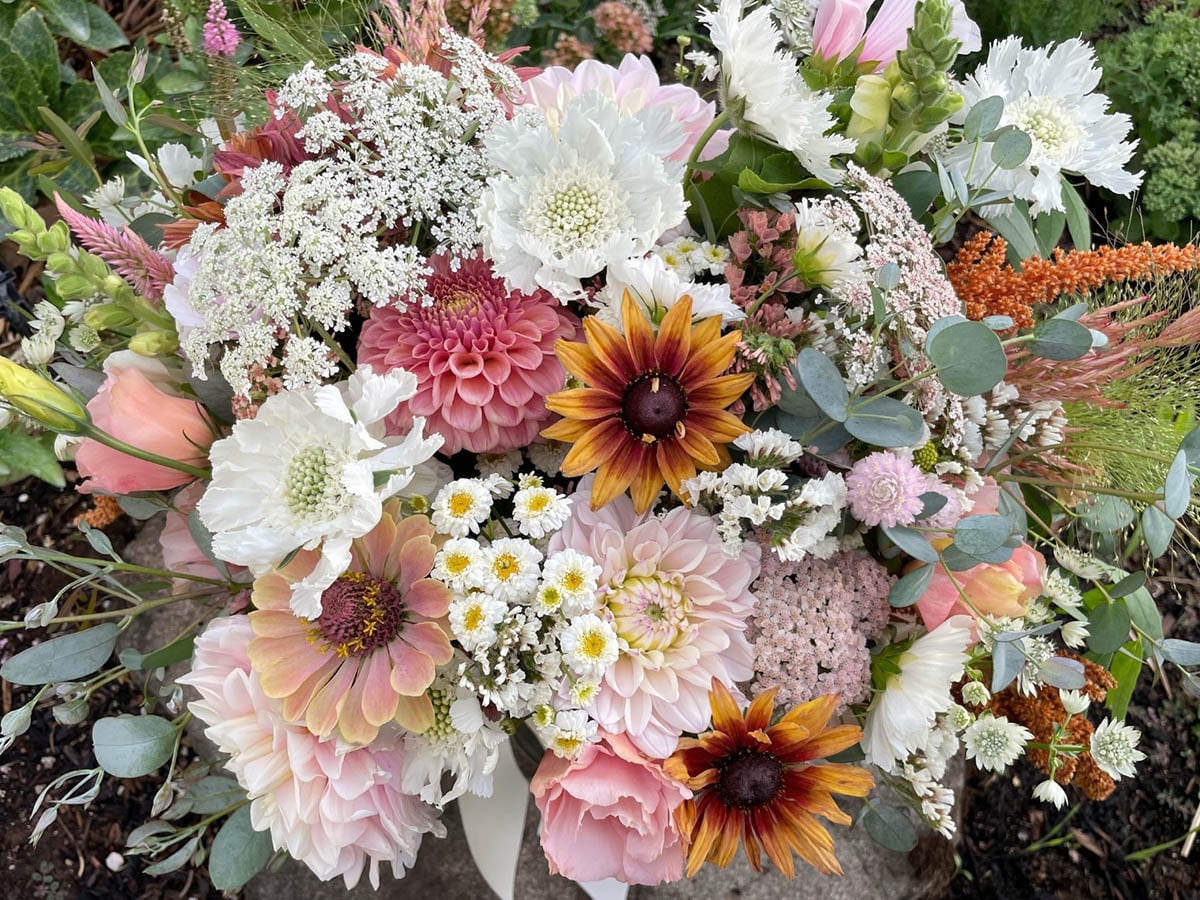
The Ask I Kept Hearing
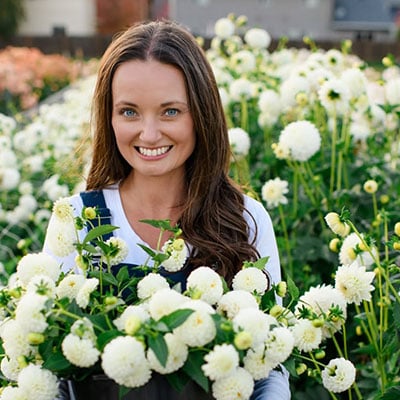
I lead a community of Dahlia growers, and the one thing they asked for, over and over, was more education on how to create beautiful designs and arrangements. They didn't need more growing tips, because they already had plenty of those. What they wanted was to feel confident sharing their Dahlias with other people.
I understand that feeling from both sides. I photographed weddings for twelve years before I ever farmed. I fell into flower farming because one of my brides carried the most stunning bouquet, made with the same varieties of flowers that I was growing in my own garden. Seeing what those blooms could do in someone's hands, rather than in the garden, changed everything for me. Twelve years of photographing beautiful wedding arrangements taught me what good design looks like without ever teaching me how to do it. That is more or less where most of the growers I know are standing right now.
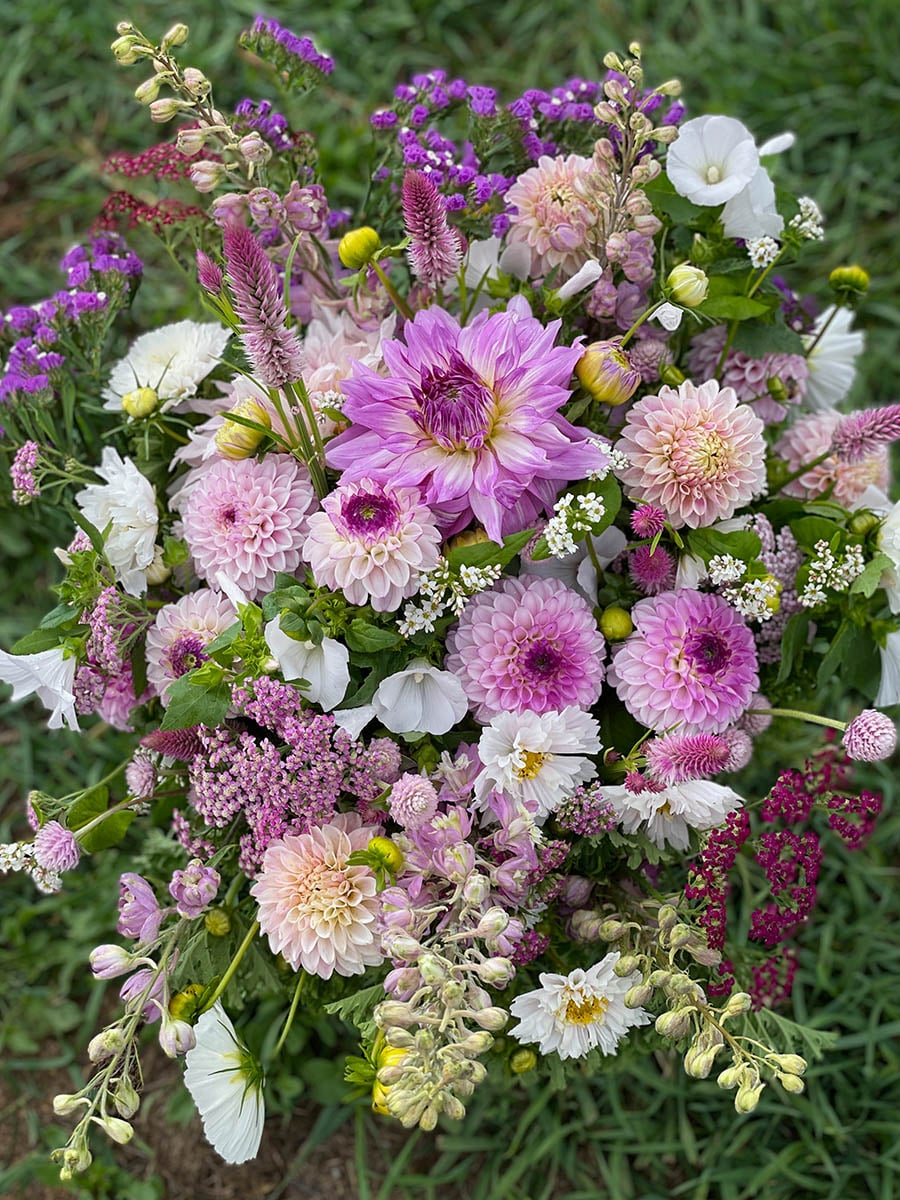
This past year I decided to ask some of my favorite floral designers and farmer florists to help teach our community how to feel more confident arranging with Dahlias.
The Problem Is Rarely the Dahlia
The most useful thing I have learned is that when an arrangement fails, the Dahlia is almost never the reason, because the problem is usually everything around it.
Ellen Frost has run Local Color Flowers in Baltimore for years and built the FlowerMore community. She makes the case that color is the lever most growers never pull, and she doesn't mean color as a matter of taste but color as a system you can actually learn. You can build an entire palette out of a single bloom once you know what you're looking at. Most people plant for variety instead, and then wonder why the bucket never quite works together.
Dee Hall Goodwin farms urban plots in Norfolk, Virginia, and she founded Black Flower Farmers. She arrives at the same place by a different route, with a framework of three ingredients: Dahlias are the stars, one foliage gives structure, and one filler gives movement. What makes it work is restraint, proportion, and leaving empty space on purpose. That's probably the hardest thing to ask of a grower who has a field full of blooms and wants to use every one of them.
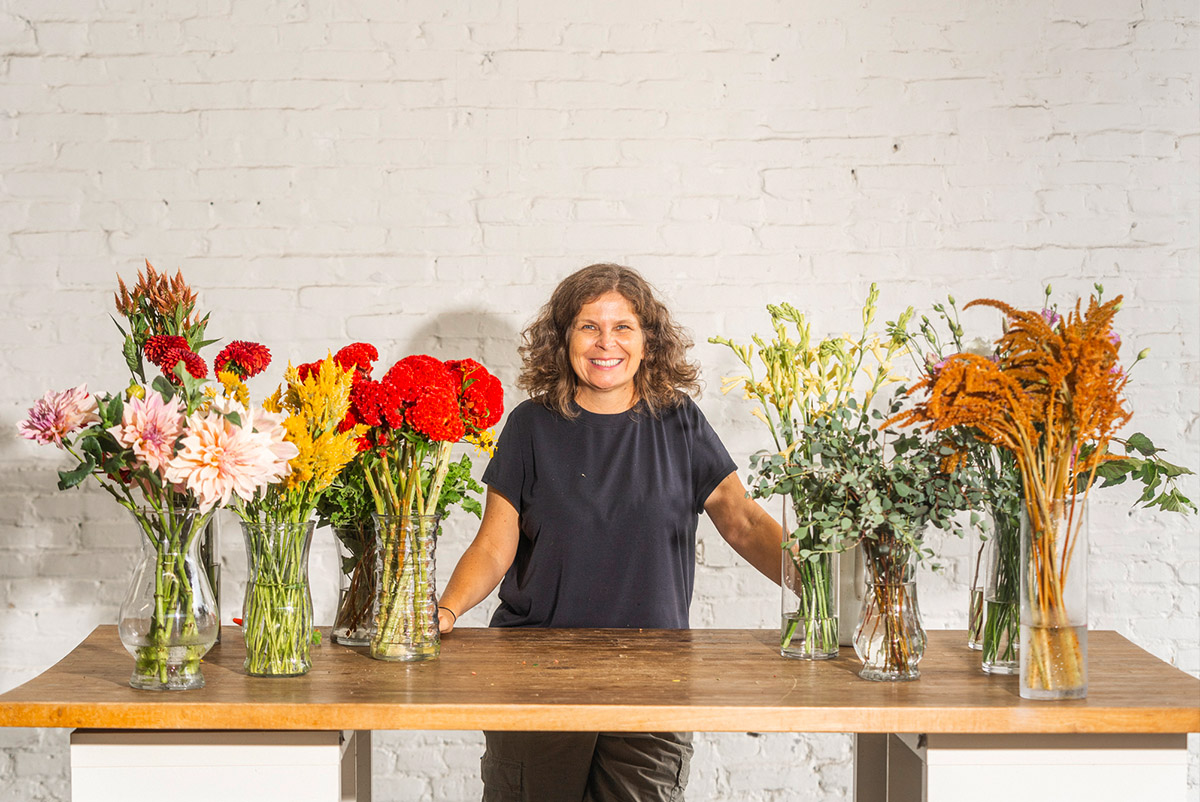
Amy Balsters trains professional florists as The Floral Coach, and she puts it more bluntly. Dahlias, she says, are divas. A bridal bouquet full of them will either stay lush and airy or tighten into a fist. Which one you end up with depends on choices you made before you ever picked up the first stem, including the stage of bloom you cut at.
Design Starts in the Field
The part I did not expect is how far back in the season the design decisions actually begin.
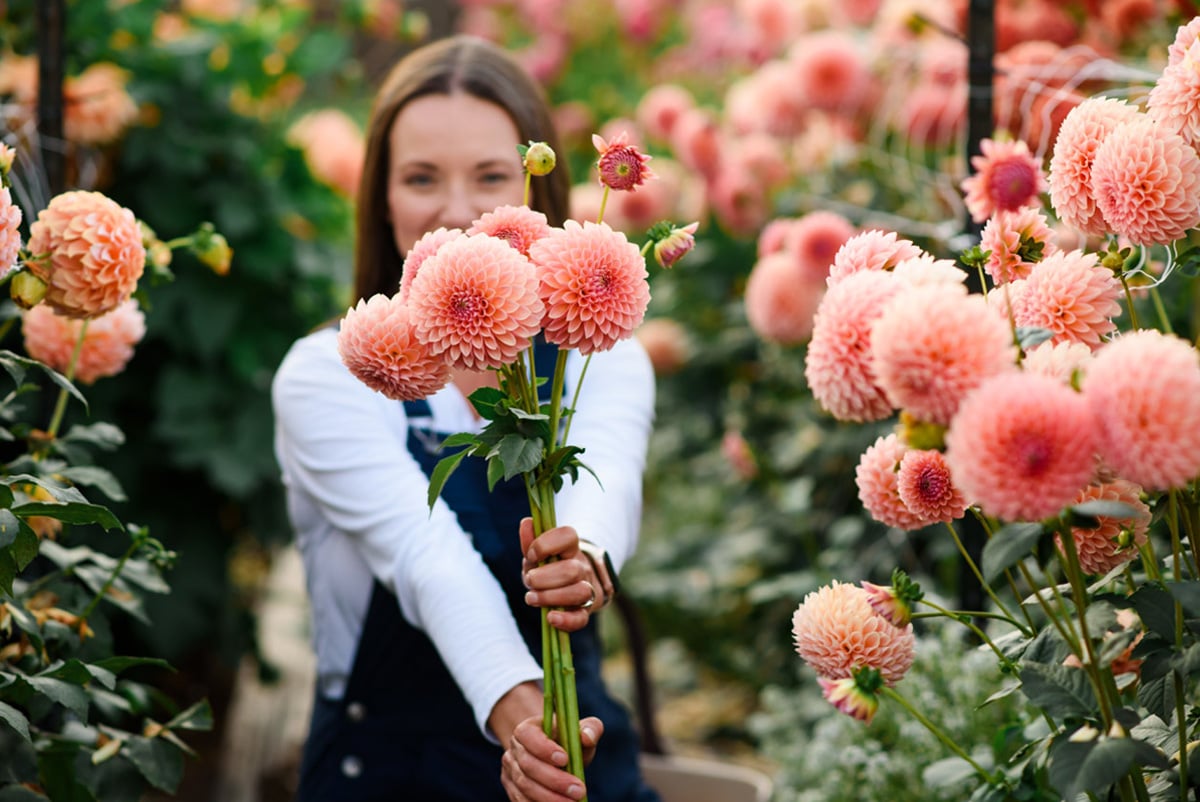
Kristine Albrecht breeds Dahlias at Santa Cruz Dahlias, where she follows her own varieties from the breeding field through trialing and into the hands of working designers. What earns a Dahlia its place is not how it looks on the plant, but whether it can carry an arrangement.
Lennie Larkin wrote the book on Flower Farming for Profit, and she argues that a beautiful market bouquet begins at planting and ends when the bunch drops into the bucket. Artistry and speed only feel like opposites until you build the field to serve the bench.
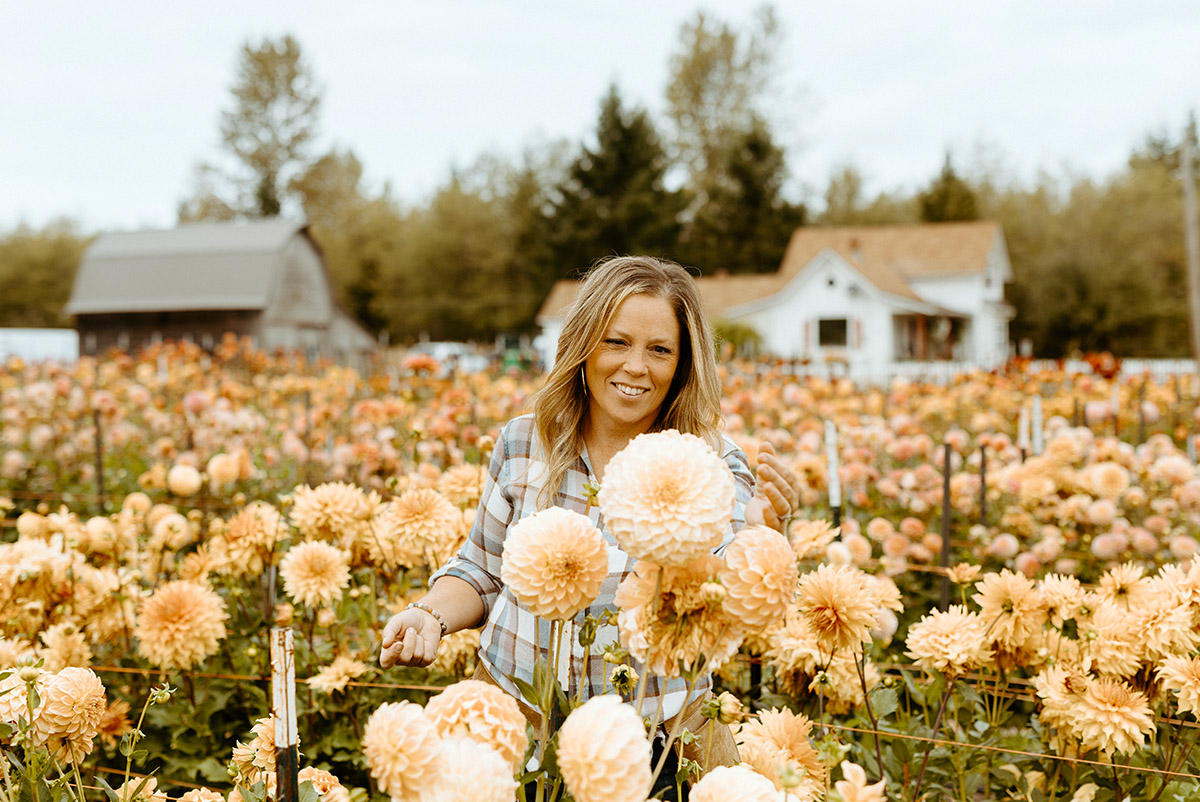
That thread runs right through the week. Marryn Mathis grows more than eight thousand Dahlias at The Farmhouse Flower Farm, and she teaches hand-tied bouquets from the ground up.
Galena Berkompas farms six acres at Micro Flower Farm with Dahlias as the star of the field, and she builds cottage garden arrangements out of what most people would walk right past as filler. Niki Irving of Flourish Flower Farm designs centerpieces meant to read as a season rather than a color scheme. Jenny Rae Swan of Flowerwell works at a scale most growers never attempt.
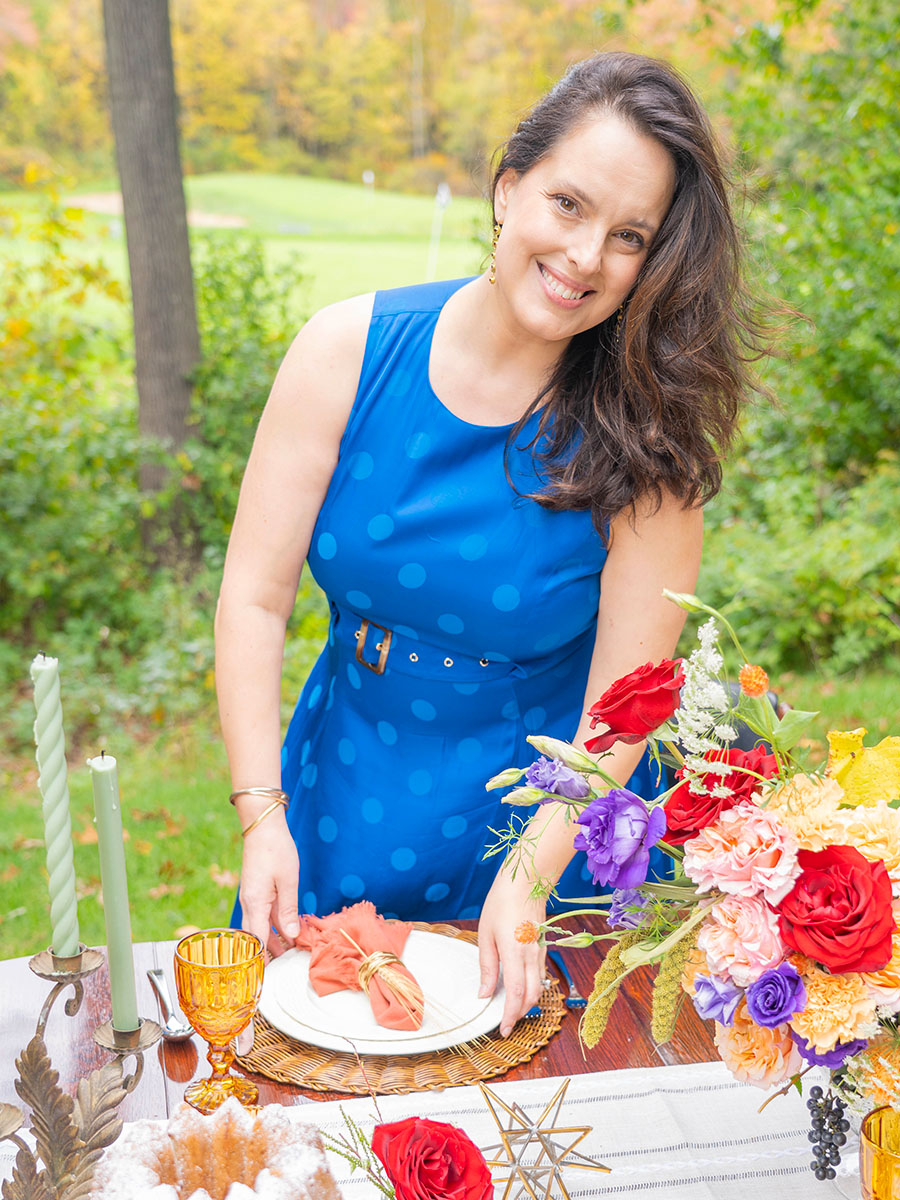
There's also the question of what happens after the vase. Kate Punnett presses Dahlias, which are among the most difficult flowers to press, into work that outlives the season. Christopher Tomaso of Darcy's Dahlias films the time-lapses you have almost certainly watched without knowing whose they were. Jessie-Sierra Ross, the cookbook author behind Seasons Around the Table, styles Dahlias into a table set for a meal. Dani Annala candies the petals into something you can actually eat.
Why It Matters
There is a version of this industry that treats flowers as a luxury, an indulgence, a nice-to-have. I don't think that is what is happening in these fields. People are growing Dahlias so they can put something beautiful and alive at the center of a table where other people are sitting. That's not decoration; that's the reason the table gets set at all.
The distance between growing a good Dahlia and doing something worthy of it is a confidence gap, and confidence gaps close when people teach each other.
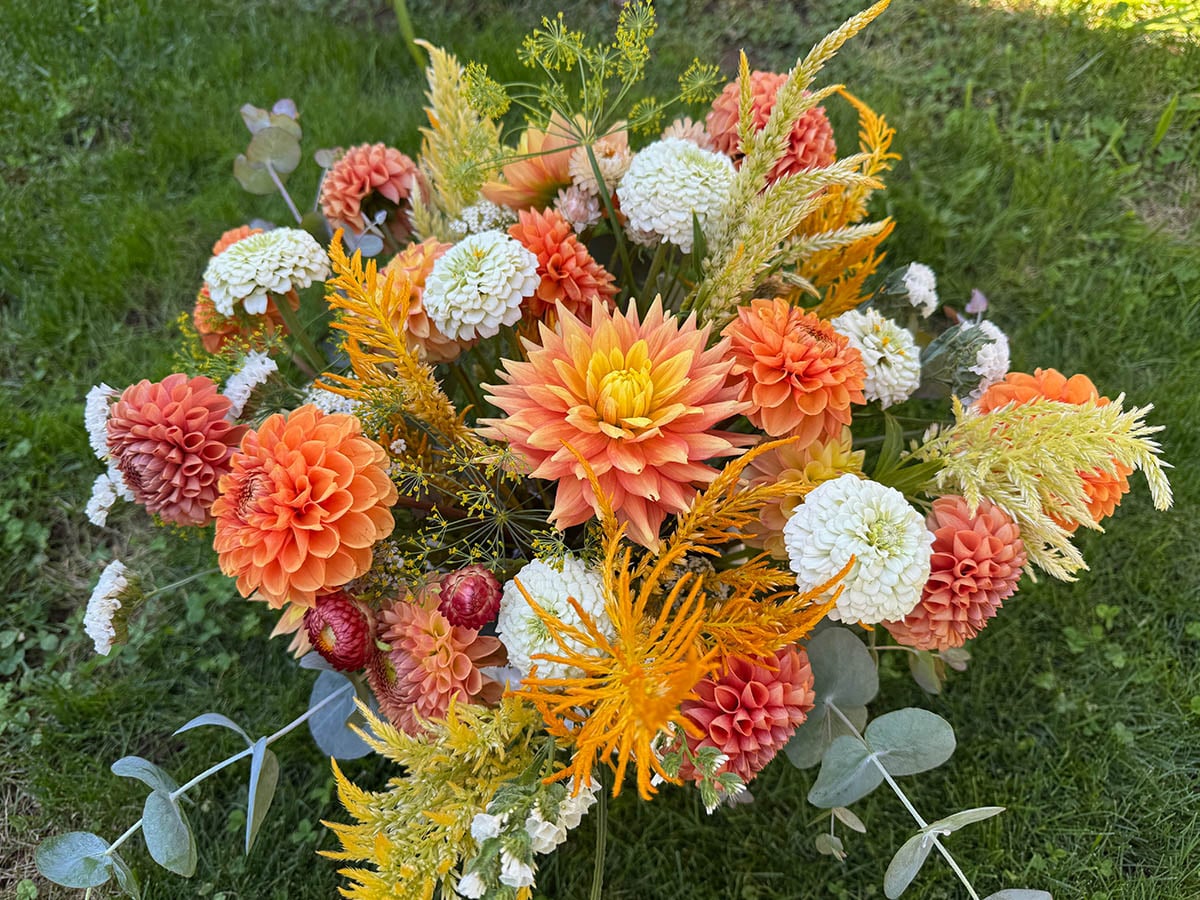
The Dahlia Design Summit runs September 13 to 18, 2026. It's fully virtual, with two to three sessions released each day and a live Q&A with that day's speakers. Live Pass holders have a 24-hour window on each day's sessions. All Access holders keep everything, including the recorded Q&As, for life. Fourteen growers and designers are teaching.
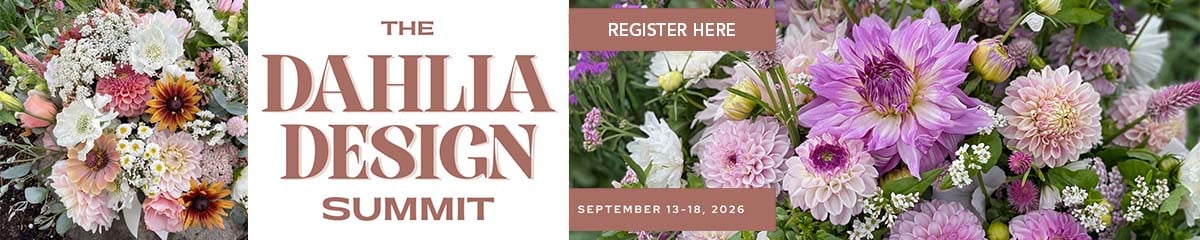
Registration and full summit lineup here: https://thefloweringfarmhouse.com/summit.
Thursd is a media partner of the Dahlia Design Summit.