Flowers are not just products. They carry meaning long before they reach a vase or a design table. They mark moments of joy, grief, gratitude, love, and remembrance. Yet somewhere along the supply chain, that emotional weight often gets reduced to grades, stem counts, and price lists. We speak about output more than intention, and speed more than care.
This is not because the industry lacks stories. It is because we have stopped telling them well. In a time where content is created in seconds and shared without thought, depth has been replaced by volume. The result is noise. And in that noise, the very people we want to reach stop listening.
Every Flower Starts With a Choice
Every floral product begins with a decision. A breeder chooses to cross two parents, not randomly, but with purpose. That purpose could be stem strength, transport tolerance, color consistency, or post-harvest performance. Behind every new variety is time, failure, patience, and belief that the market will one day understand its value.
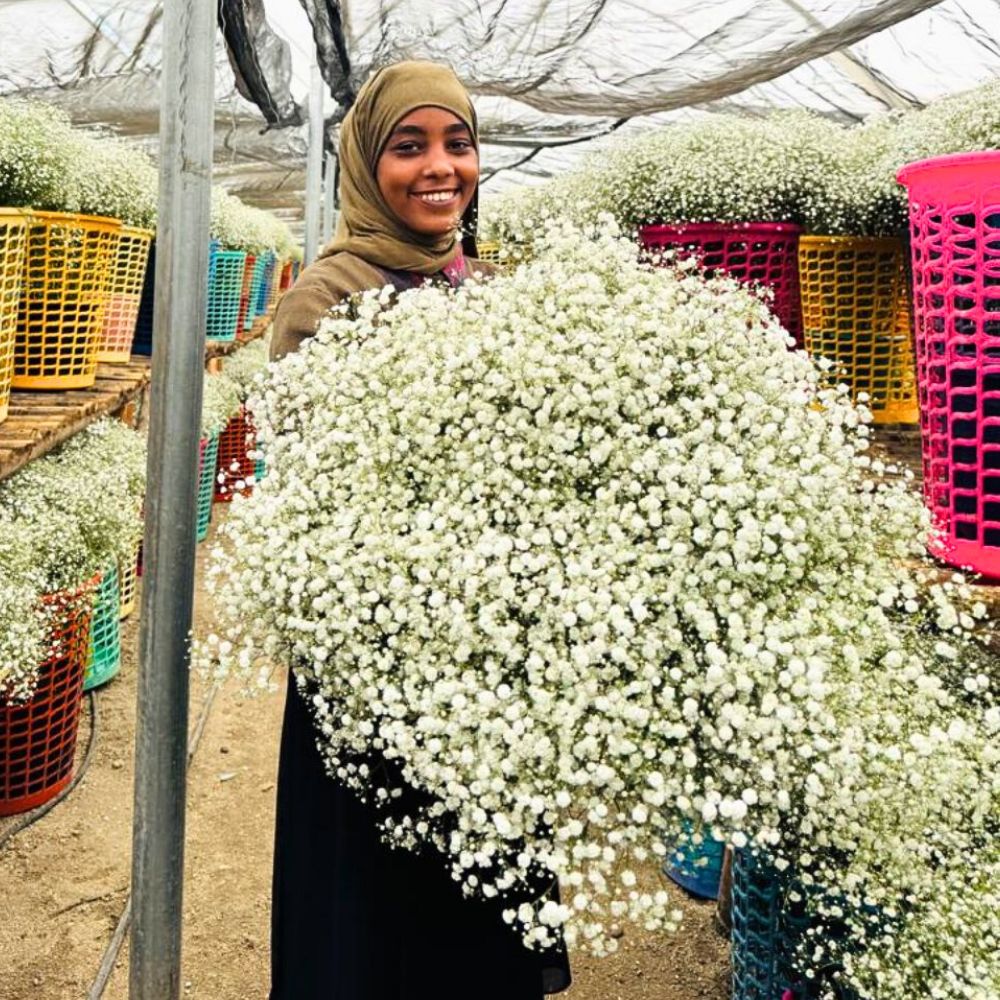
This is already a story. Yet it is rarely told. The genetics get named, catalogued, and sold, but the intention behind them often stays inside breeding houses. When we skip this part, we miss the chance to help buyers understand why this variety exists in the first place and what problem it was meant to solve.
You can also read: From farm to vase: why people buy from people
Growing Is Not a Process, It Is a Practice
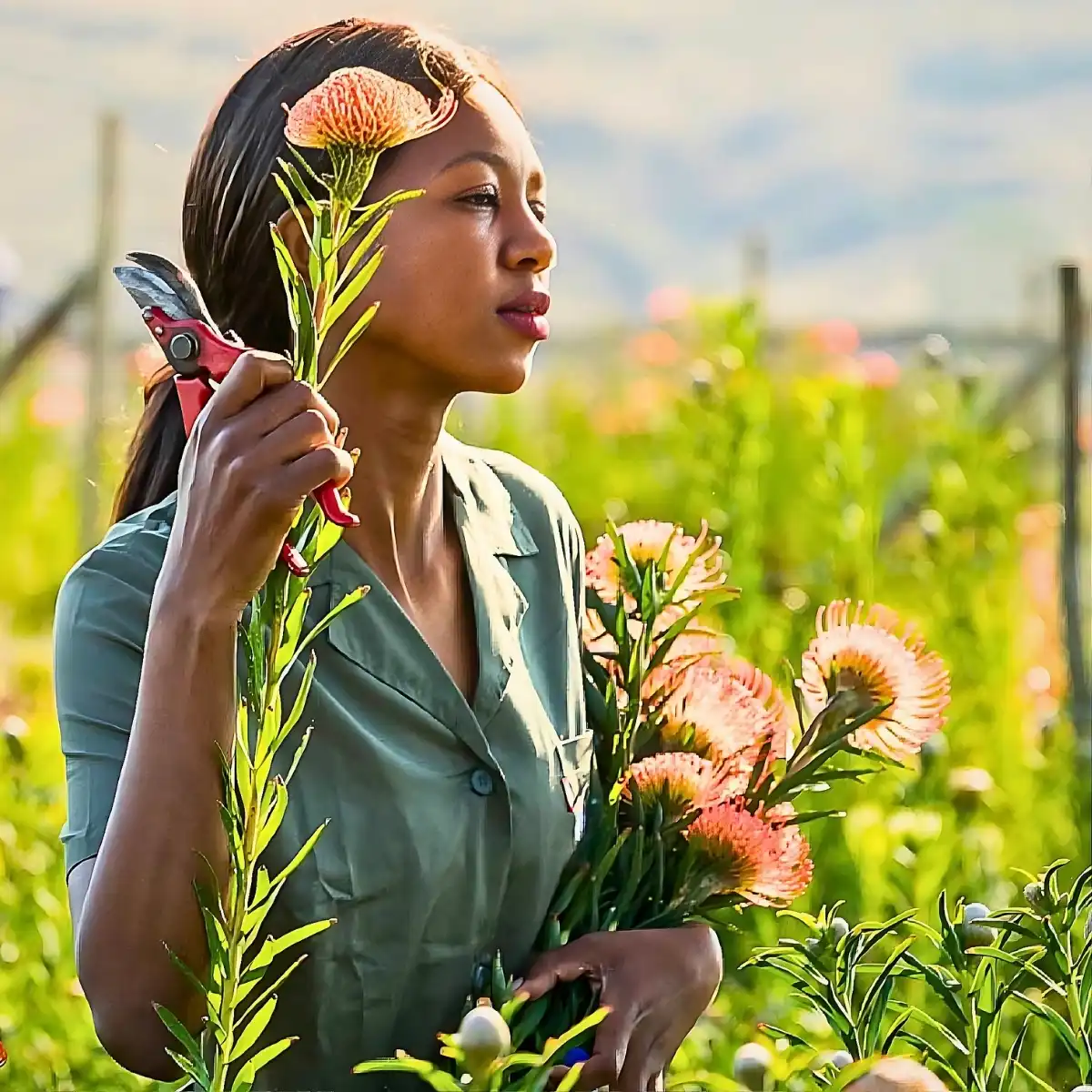
When a grower adopts a variety, another layer of the story begins. No two farms grow the same way, even when they sit in the same region. Decisions around altitude, climate control, water use, labor structure, and harvest timing all shape the final product.
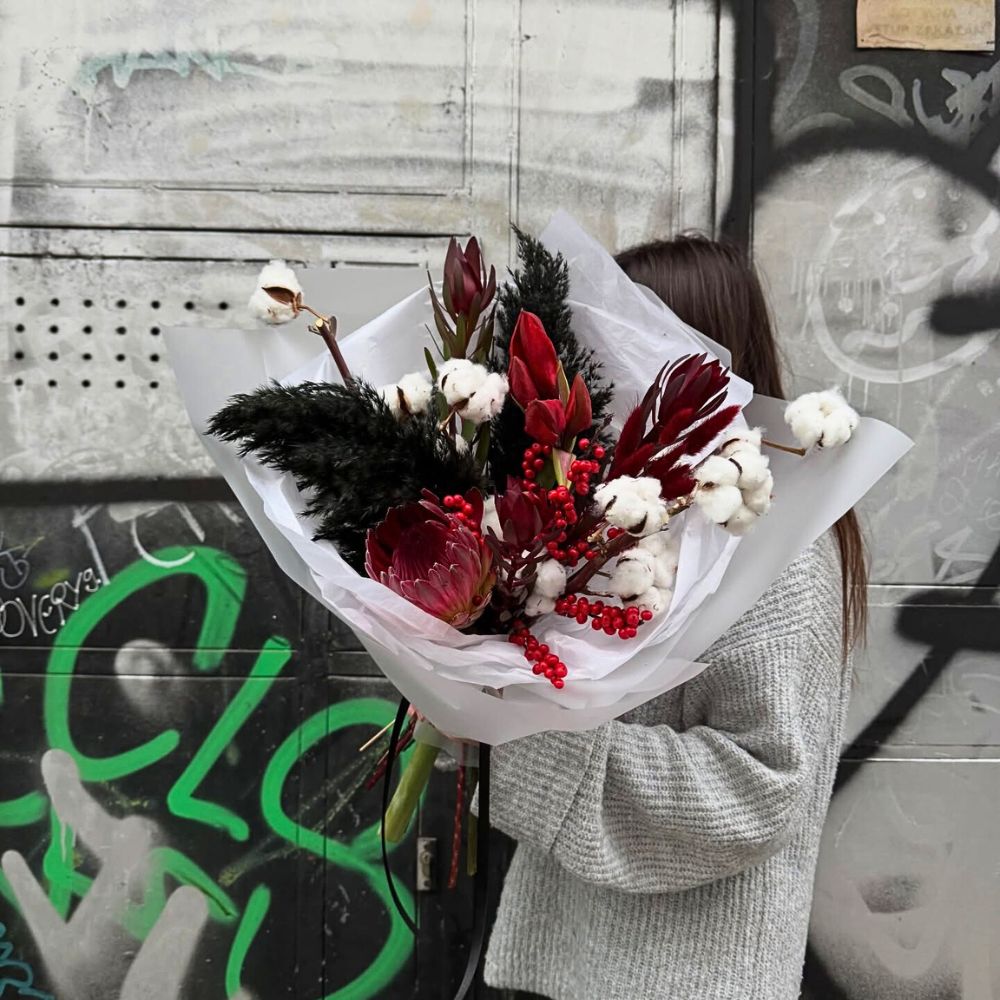
The people behind these decisions matter. The way teams are trained, how quality is discussed on the farm, how mistakes are handled, and how consistency is built day after day. These are not only operational details. They are signals of values. Buyers feel this, even if it is never written down.
From Handling to Hands That Receive
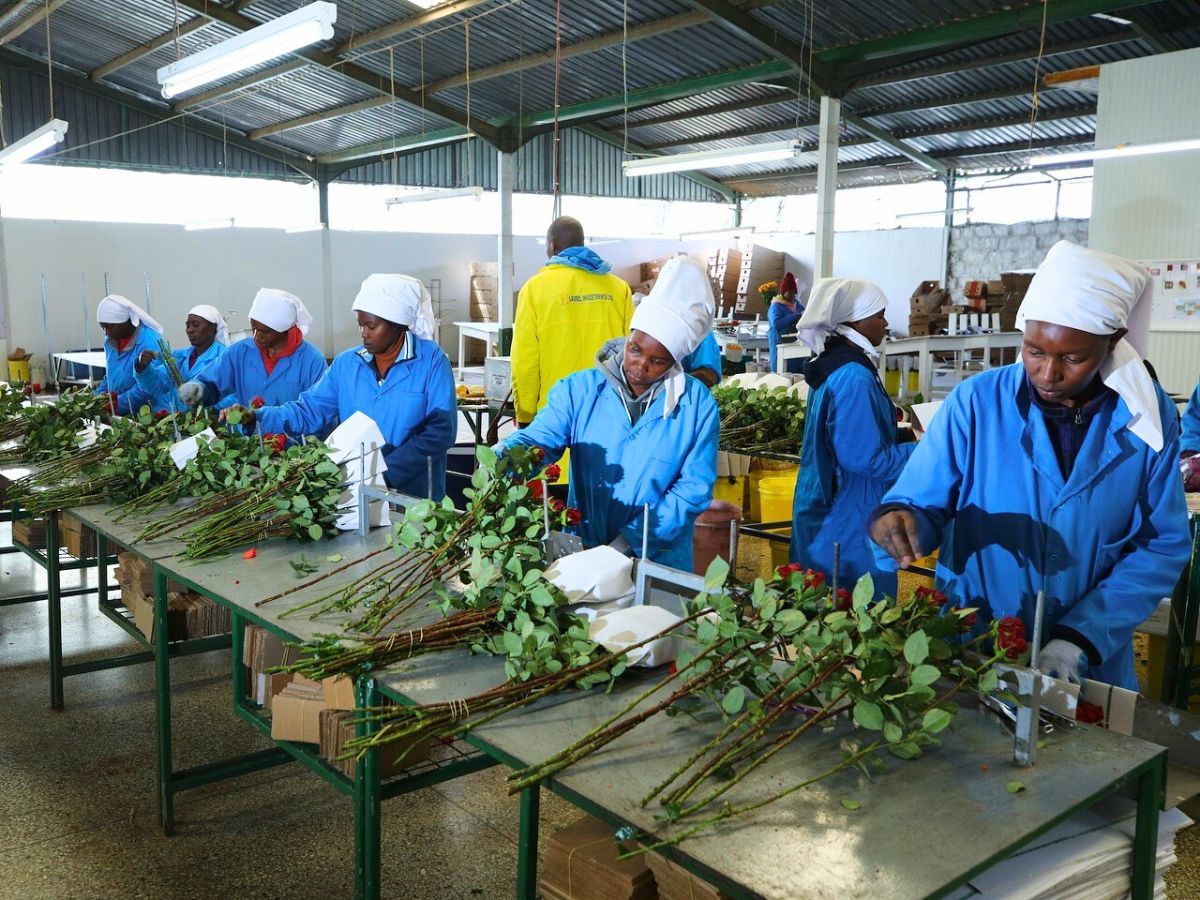
Post-harvest handling, packing, and logistics are often treated as technical steps. But they are also acts of responsibility. Each cut stem passes through many hands before it reaches a florist or a consumer. How it is cooled, sleeved, boxed, and transported affects not just quality, but trust.
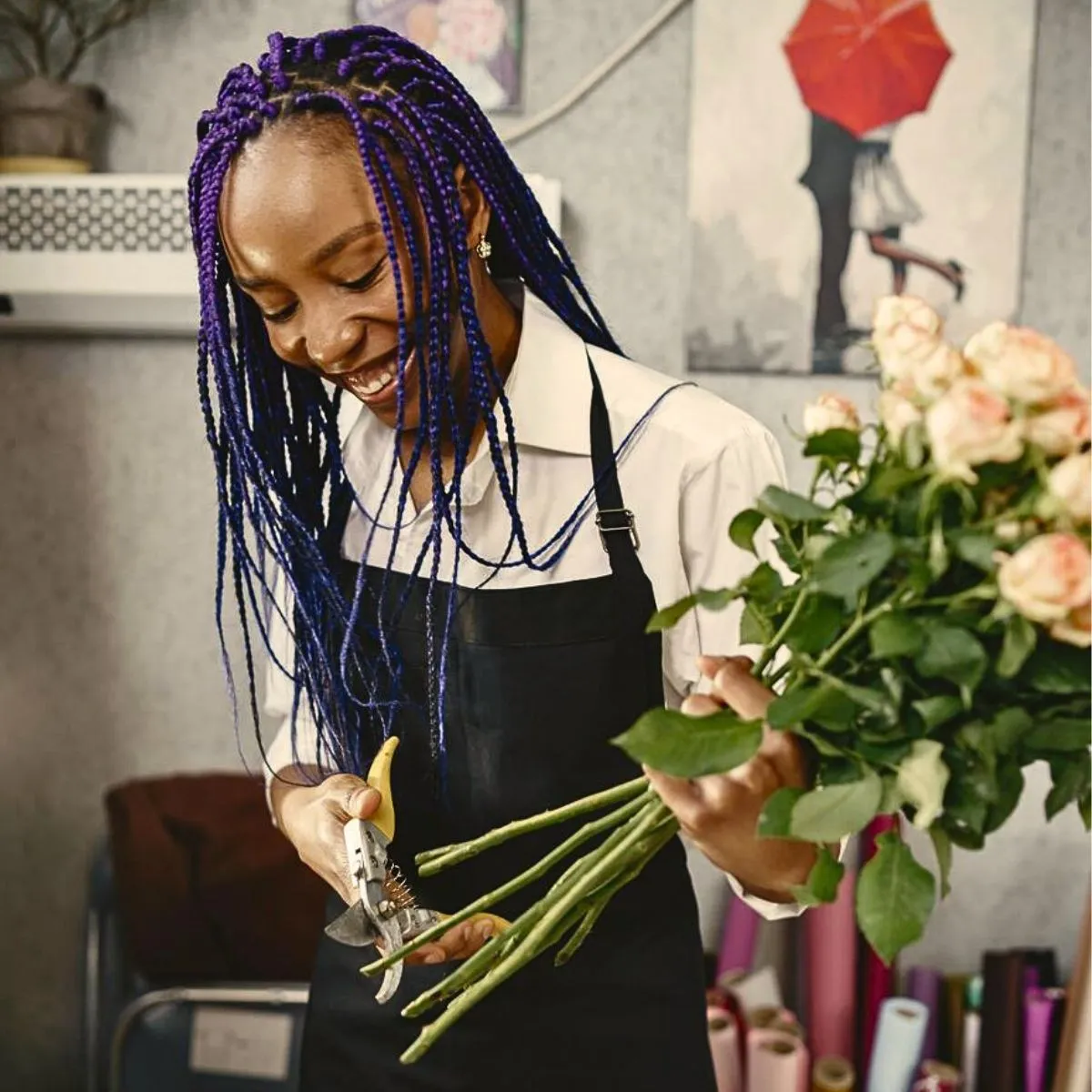
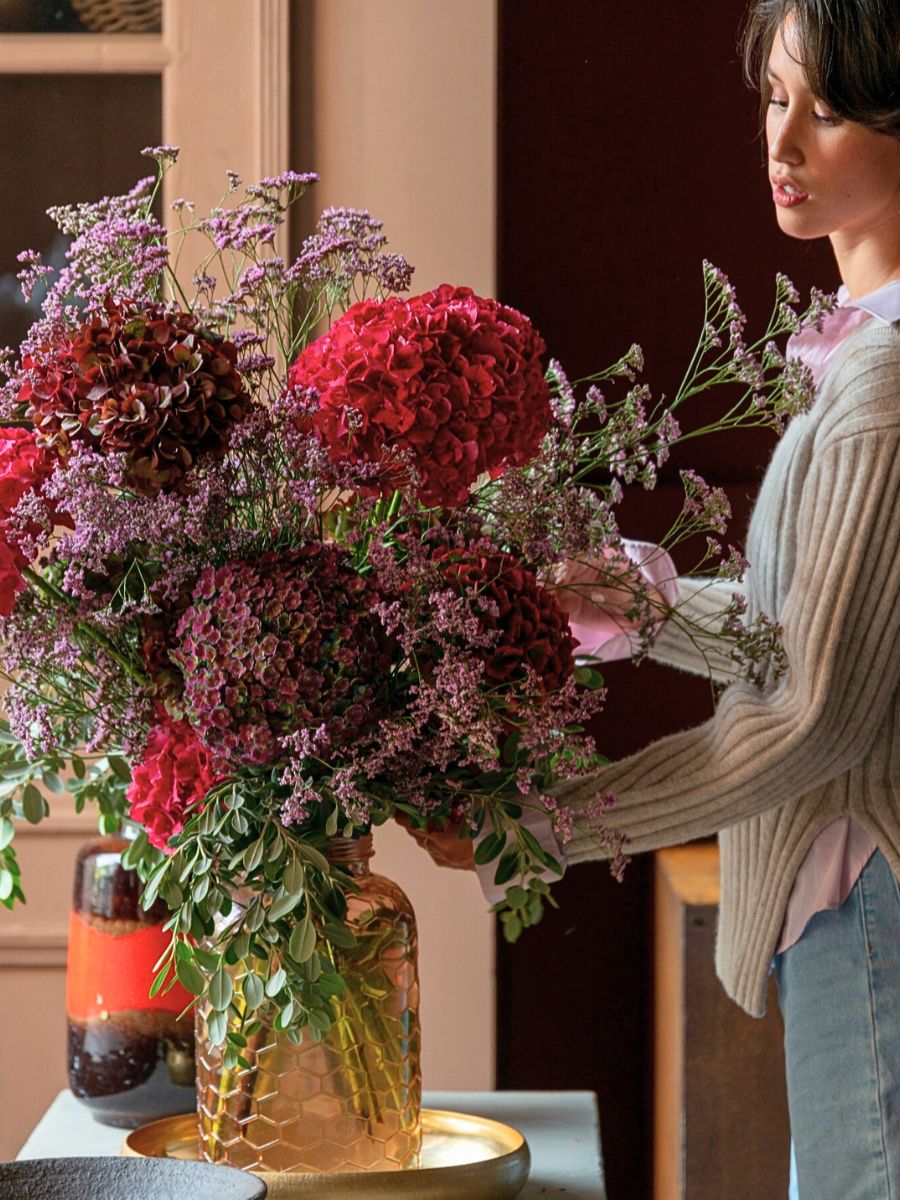
At the end of the chain, florists translate all of this into form. They do not just arrange stems. They interpret effort, intention, and care. When a florist understands where a product comes from and how it was grown, that story quietly shapes their design choices and the way they speak to their clients.
Marketing Is Not Posting, It Is Positioning
Many brands believe visibility equals presence. Posting frequently without clarity does not build a connection. It adds to the chaos. The question is not how often you show up, but what you stand for when you do.
A strong story answers a simple question clearly. Why do you grow this way? Why did you choose these varieties? Why should someone trust you with moments that matter? When these answers are consistent, people pay attention. Not because they were targeted, but because they felt seen.
Your Difference Is Already There
No grower needs to copy another farm. No breeder needs to sound like the next. Your difference already exists in how you work, how you treat people, how you respond to challenges, and how you think long term.
The task for 2026 is not to invent a story, but to articulate it honestly. To slow down enough to reflect on what makes your operation yours. To communicate that with intention, not volume. To build a community that understands your values and chooses you because of them.
If you are part of this industry, this is your moment to rethink how you speak about your work. Look at your product again, from its first cross to its final use. Ask yourself what story it carries, and whether you are doing it justice. If this resonates, keep reading, keep reflecting, and start telling the story only you can tell.
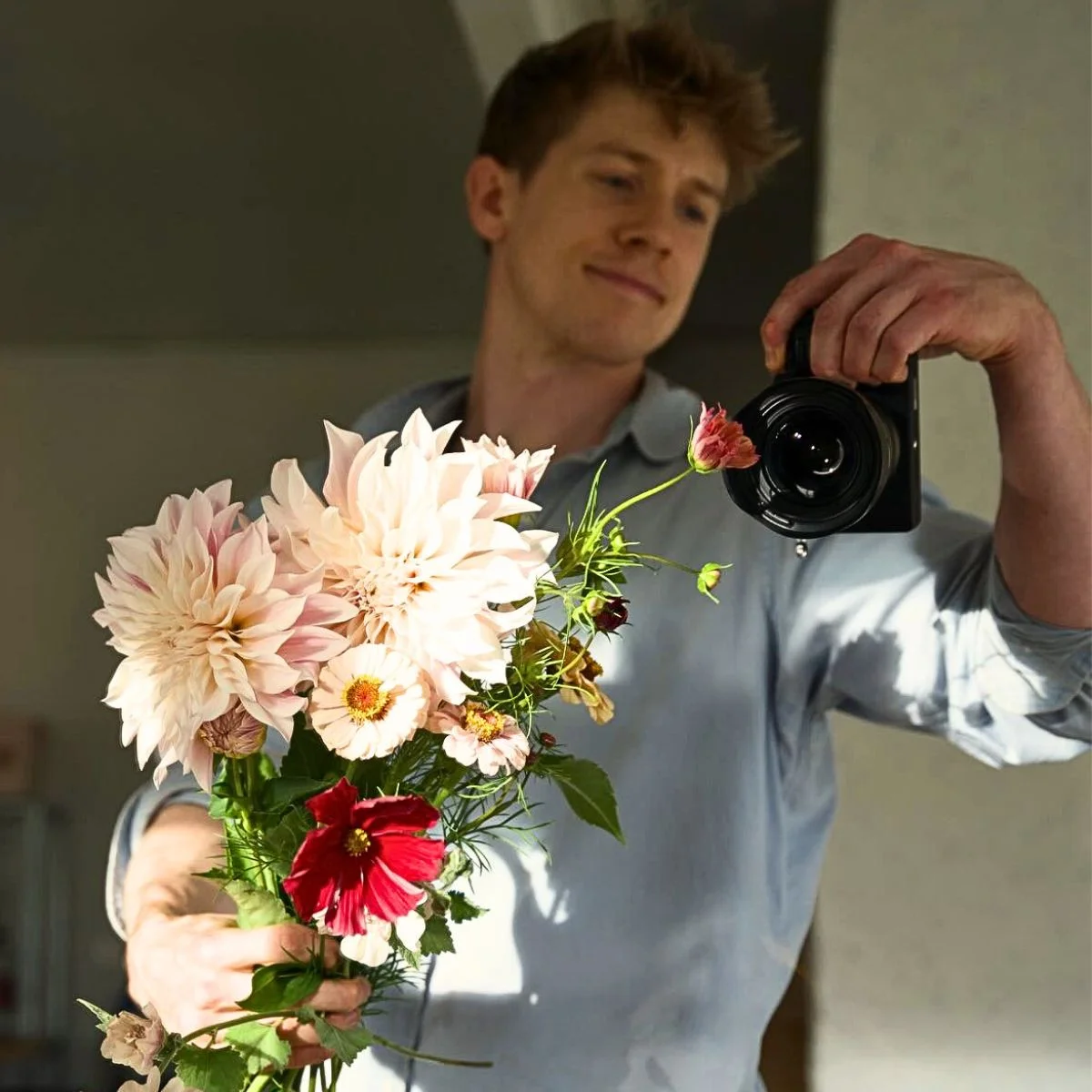
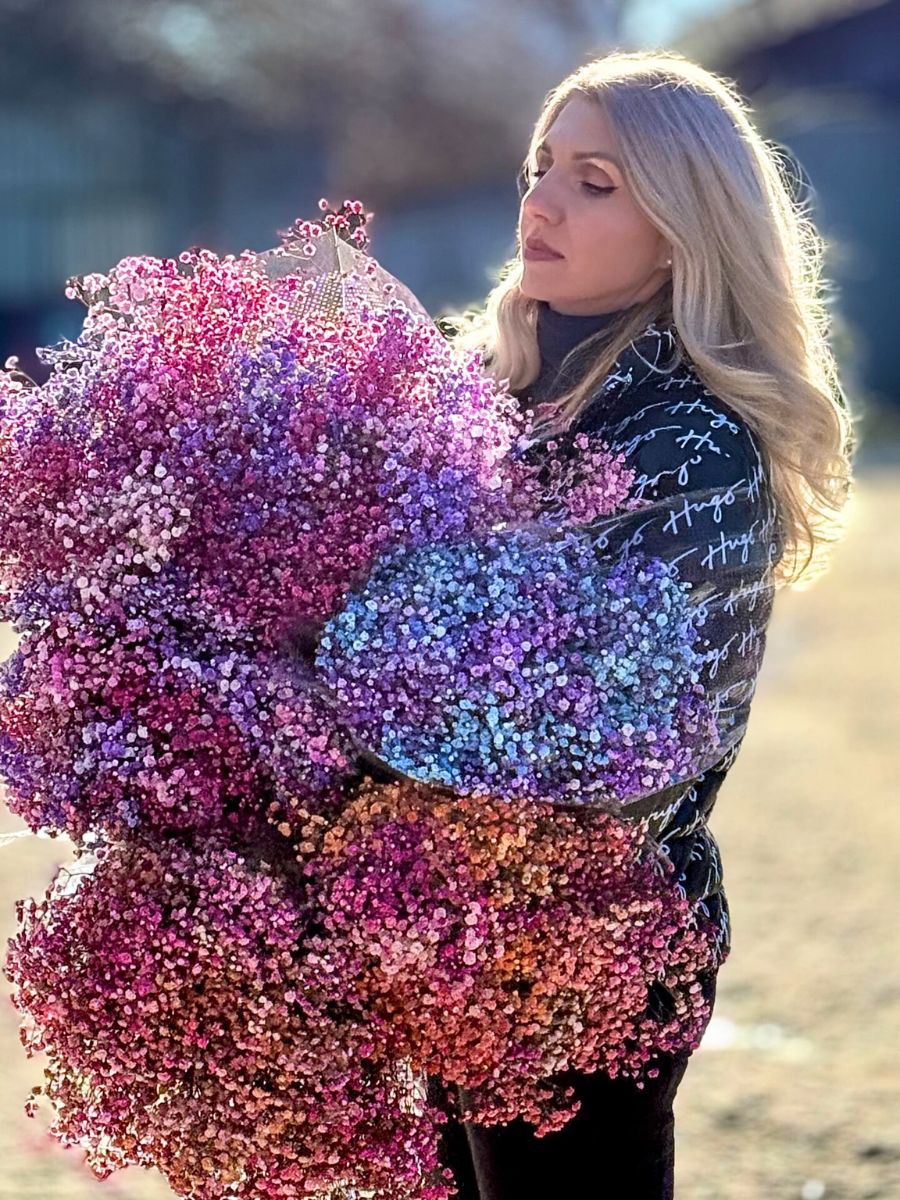
Header image by @robert_bartolen.