The floriculture industry often talks about sustainability in terms of farm practices, certifications, and post-harvest handling. Yet one of the most powerful leverage points in the entire value chain is rarely discussed openly. Breeding strategy.
Breeders do not just create varieties. They determine market structure. From roses and Hydrangeas to lilies, Chrysanthemums, and Alstroemerias, they own the rights, define access, and influence how supply enters the market. That level of control carries responsibility. If sustainability is to be taken seriously, it must begin long before commercialization. It must begin at the breeding table.
The Power Breeders Hold in the Market
Breeders control intellectual property. Every commercial hectare planted with a protected variety is tied to a royalty agreement. Growers pay based on area under production, and that model is widely accepted.
But here is the uncomfortable question. What governs how much of a variety is released into the market?
When a new rose variety, for example, Rose Muki (not a real name), is launched, how many hectares are planned for the first five years? Is there a cap? Is there a phased expansion? Is there a review mechanism based on demand data, quality performance, and market absorption?
In many cases, there is no transparent release framework shared with growers. The result is aggressive distribution across multiple farms without a coordinated strategy.
When supply outpaces positioning, prices drop. When prices drop, growers absorb the loss. Royalties remain due regardless of market performance. That imbalance is where sustainability starts to fracture.
Quantity Without Positioning Creates Instability
When a breeder releases a variety widely without strategic control, three things often happen.
First, quality becomes inconsistent. Not every grower has the same altitude, infrastructure, post-harvest systems, or technical capacity. The same variety can appear premium from one farm and average from another. The market does not differentiate. It reacts to the lowest benchmark.

Second, oversupply erodes value. If too many hectares are commercialized too quickly, especially without coordinated demand creation, the market becomes saturated. Prices dip. Margins tighten. The grower is forced to chase the next promising variety just to recover profitability.
Third, branding is neglected. Many varieties are launched with technical sheets and trial results, but without long-term marketing investment. No clear identity. No storytelling. No positioning strategy for traders and florists. Without demand building, the burden of market creation falls on the grower. That is not a partnership. That is exposure!
A Release Policy Should Be Standard Practice
What if every breeder had a clearly defined release policy per variety?
A policy that outlines total planned hectares over a five-year horizon. A policy that phases expansion based on supply and demand data. A policy that includes performance reviews informed by grower feedback and market pricing trends.

This would give growers visibility. It would allow them to project returns more realistically. It would reduce panic planting. It would support price stability. Sustainable trade is not about restricting profit. It is about extending profitability over time.
A capped and managed release strategy protects variety value. It protects brand perception. It protects every actor in the chain.
Marketing Should Not Be Optional
If a breeder believes in a variety enough to commercialize it, then marketing must be part of the commercialization plan. Positioning, target markets, price tier alignment, florist education, trader engagement. These are not luxuries. They are strategic necessities.

A variety without marketing becomes a commodity. A variety with positioning becomes a brand. When branding is ignored, growers are left to compete on price. When branding is shared responsibility, growers compete on value.
Breeders are uniquely positioned to lead this because they understand the genetic story, the differentiators, and the intended market fit of each variety.
Sustainable Trading Starts Upstream
We often blame farms for overproduction, chemical use, poor working conditions, or compromised quality. Yet many of these pressures stem from margin compression.
When prices collapse due to oversupply, farms push volume. When margins shrink, cost-cutting follows. When cost-cutting happens, sustainability suffers.

Strategic release planning reduces that pressure.
If hectares are aligned with realistic market demand, farms do not need to flood production. If pricing remains stable, there is room to invest in better labor practices, safer chemical management, and quality control.
Sustainability is not only environmental. It is economic and human. And economic sustainability begins at the point of genetic ownership.
A Call for Accountability and Collaboration
This is not an attack on breeders. It is a call for maturity in how we define partnership.

Breeders are innovators. They carry research costs, trial risks, and long development cycles. Profit is justified. But long-term profit is built through structured market stewardship, not aggressive volume licensing. Imagine a model where every new variety launch comes with:
- Clear hectare targets
- Defined market positioning
- Five-year supply projections
- Marketing investment commitments
- Review checkpoints with growers and traders
That transparency would shift the industry dynamic. Growers would plant with confidence. Traders would plan with clarity. Florists would sell with understanding. Most importantly, we would stop chasing short-term highs and start building durable value.
Where Do We Want the Industry to Go?
If we truly want a sustainable floriculture marketplace, responsibility must be shared across the chain. But responsibility must also match influence.
Breeders shape supply. Therefore, breeders shape stability.
The question is simple. Do we want fast cycles and price crashes, or do we want long-term value creation?

A release policy and a marketing strategy per variety should not be exceptional. They should be standard.
It is time to build with a map. Do not react without one!
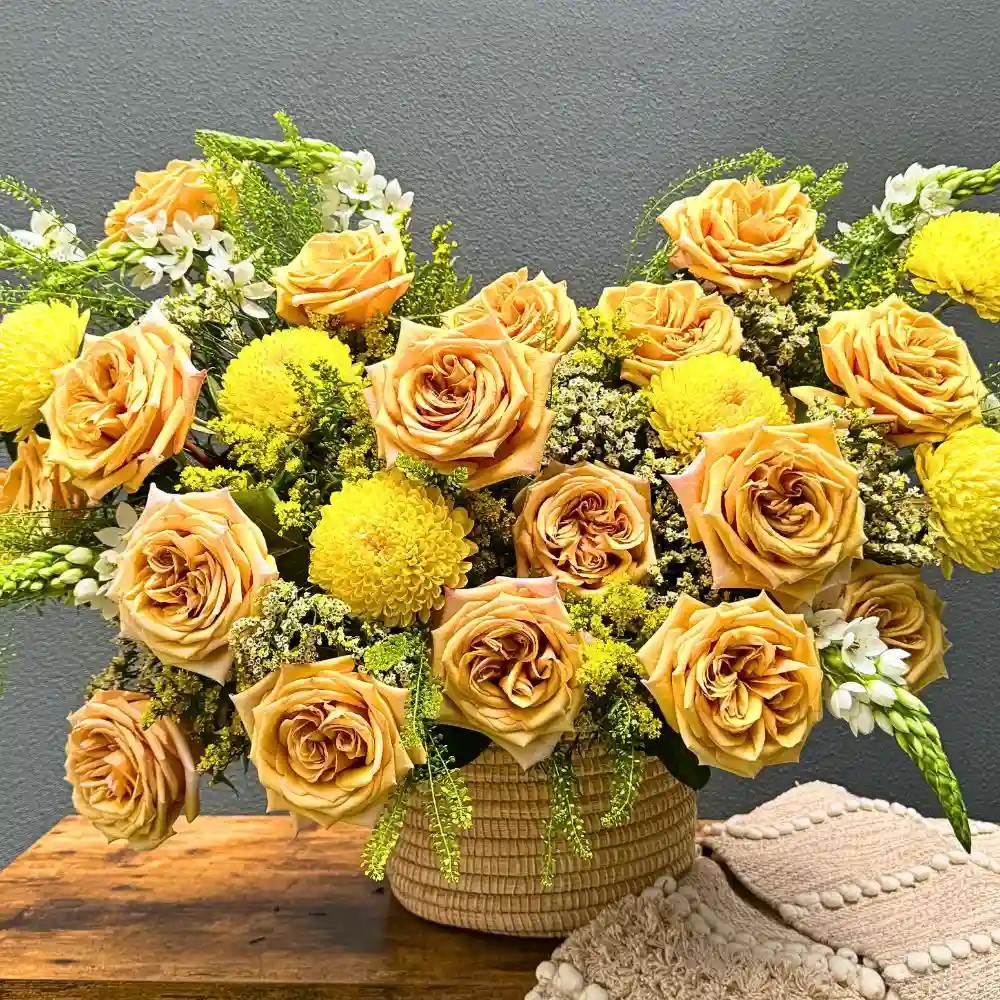
Header image by @lovelyroses.ge.