Why do good strategies so often stall once it is time to carry them out? In my experience, the plan is rarely the problem. A company can have a clear strategy, ambitious goals, and a marketing plan full of good ideas, and still see far less happen than expected. The real issue is that management, sales, HR, and marketing each work from their own responsibility, but not always in the same direction. That is why I believe marketing has an important role in connecting strategy, people, and the market. By consistently translating the chosen direction into actions and communication for both internal and external audiences, marketing helps the entire organization move in the same direction. At Bredefleur, I have seen what that looks like in practice.
Why Good Strategies Fail in Execution
In earlier blogs, I wrote about positioning and the strategic role of marketing. But even the best strategy has little value if it isn't translated into daily practice.
Say a company wants to position itself more strongly on innovation and sustainability. What happens if sales has other priorities, HR works from different starting points, or employees don't understand why certain choices are made? Every department tells part of the story, but there is no recognizable whole. And the customer notices.
What you promise externally has to be understood, supported, and delivered internally. The question is how.
How Bredefleur Turns a Brand Strategy Into One Story
Bredefleur, the family business that grows special lilies, is an example from my own practice. I have been involved there from the marketing side since 2021.
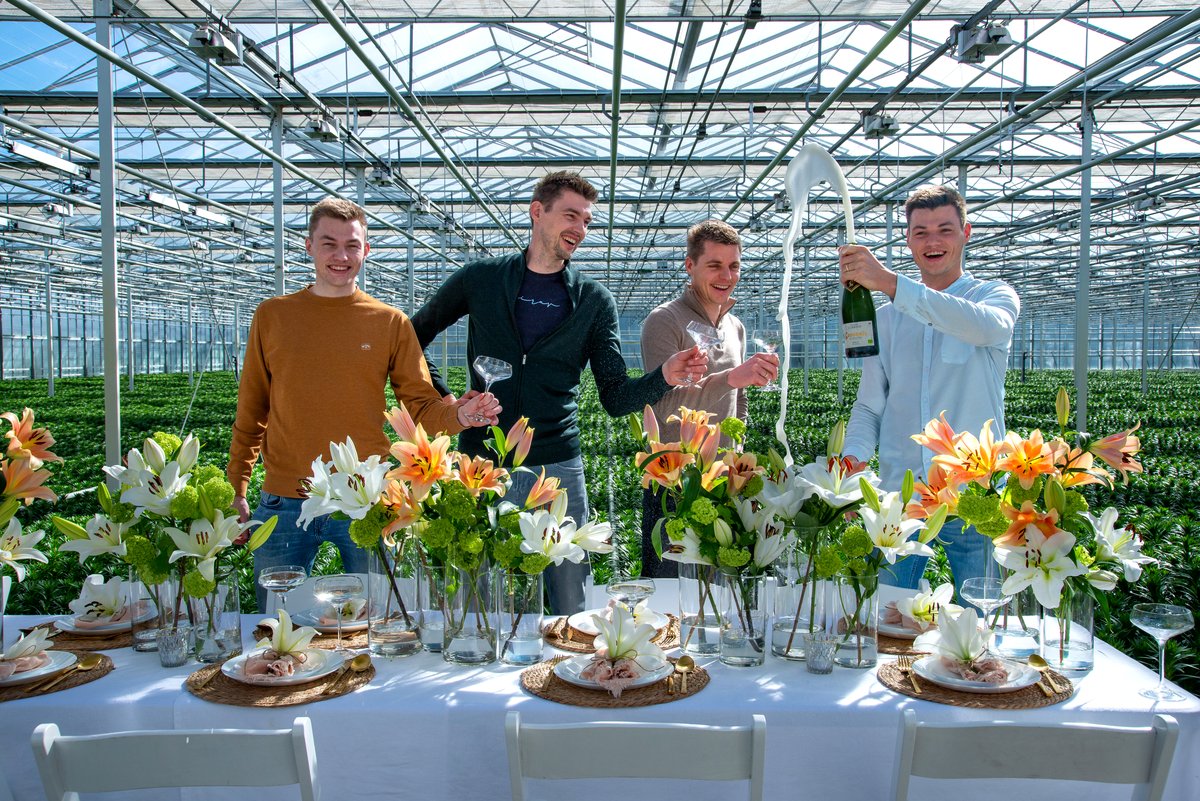
Beyond its constant investment in innovation, new lily varieties, and sustainable cultivation, what appeals to me most is the vision behind it. When we developed the brand strategy, the ambition was put into words very clearly:
We want to change the chain for the better through connection. That starts with ourselves.
For me, the essence is in that last sentence. If you want to stand for connection and collaboration in the market, you have to act on it inside your own company too.
One Customer Day, Different Audiences, One Story
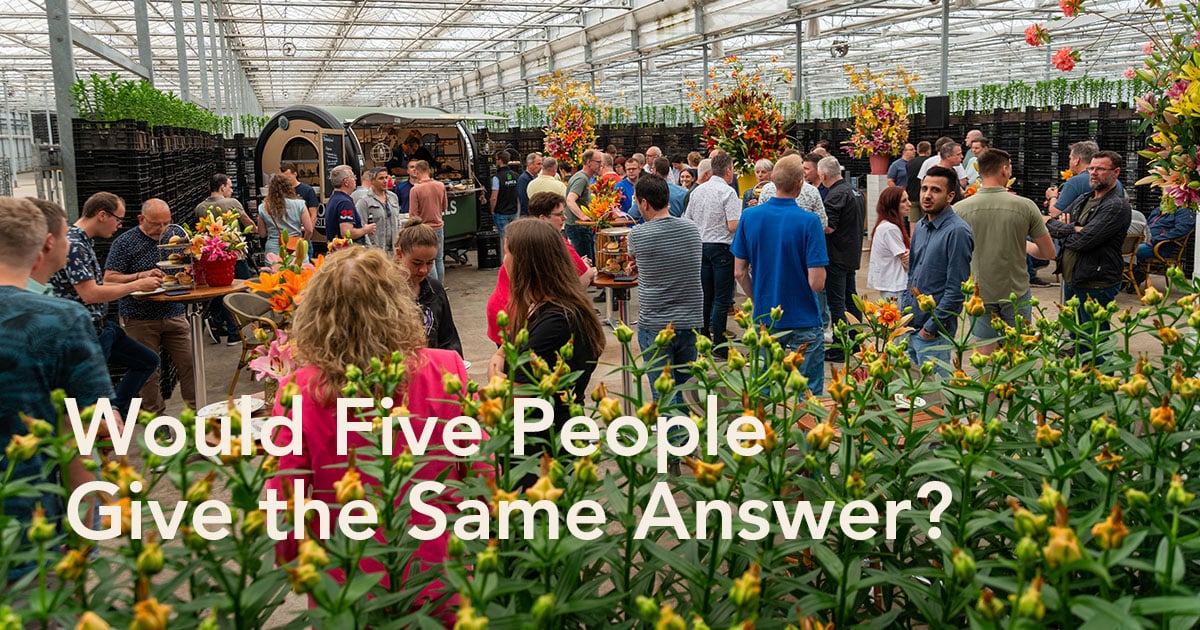
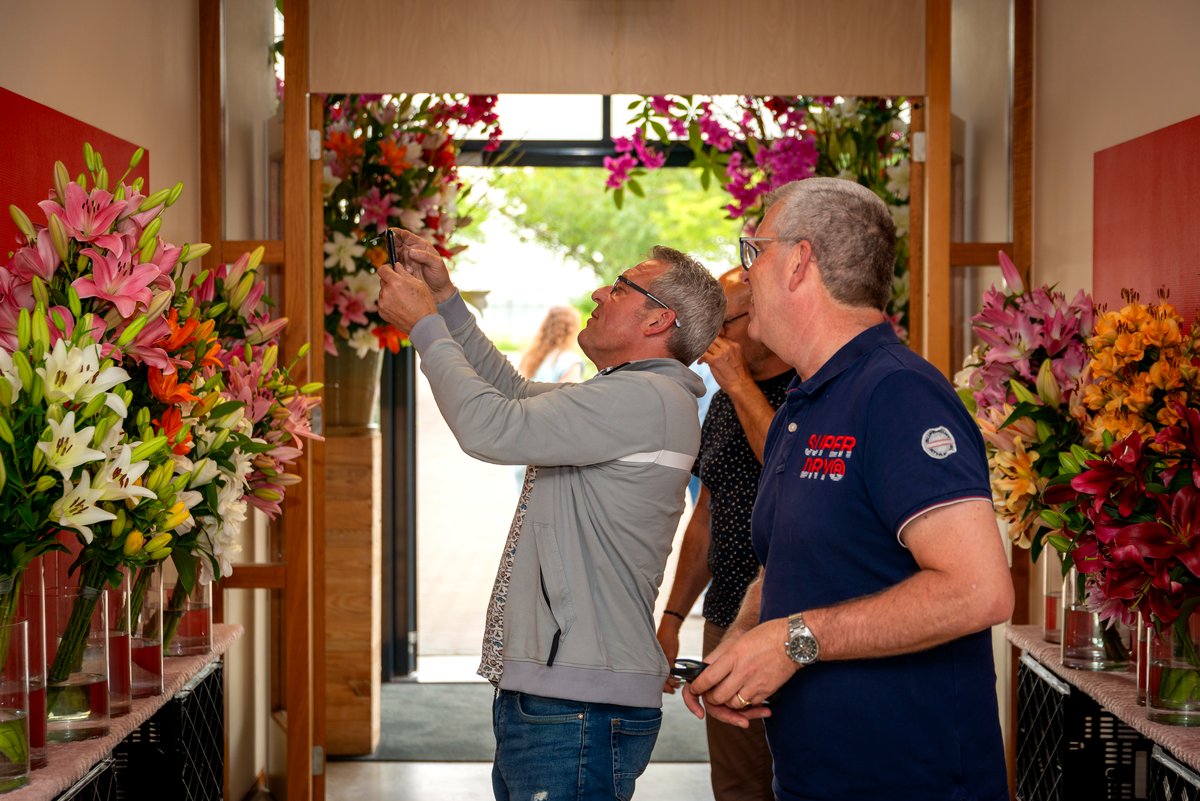
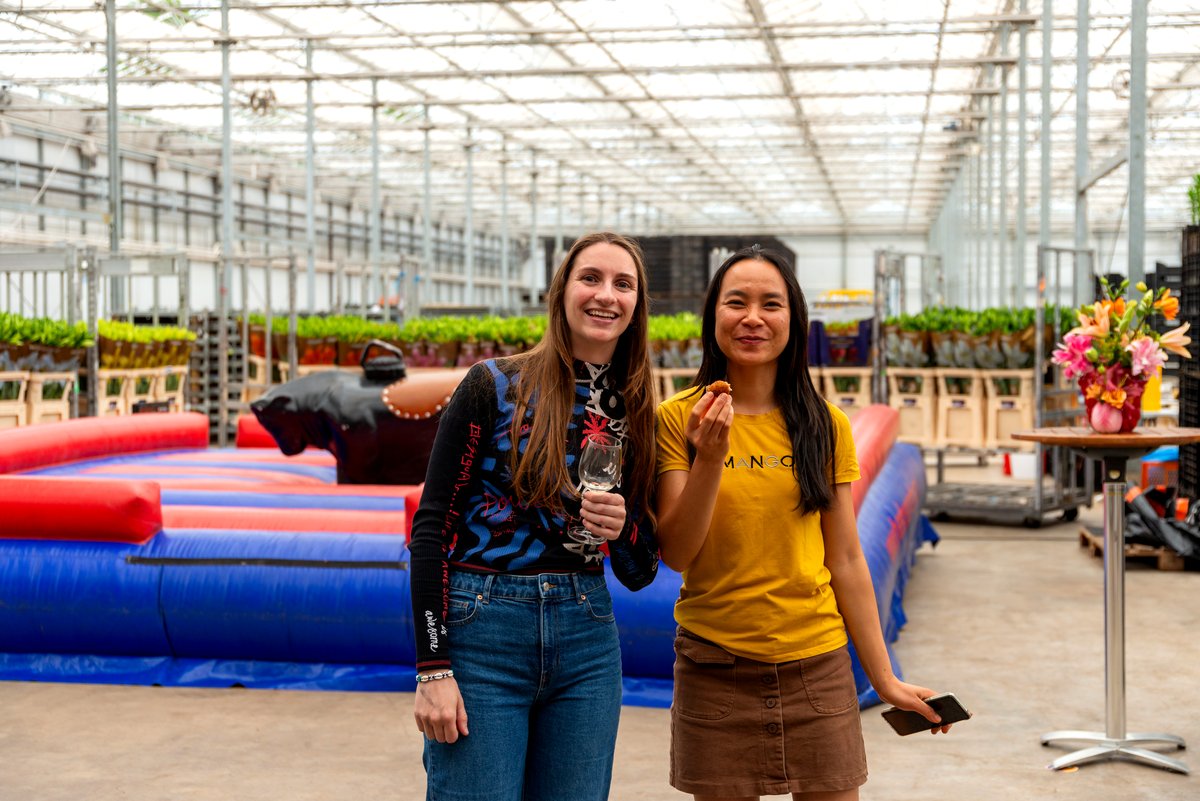
A good example of how we put that strategy into practice was the customer day Bredefleur organized for the opening of its new greenhouse in Moerkapelle. More than 100 customers got a look behind the scenes. But the day was about more than a new greenhouse: it showed what Bredefleur stands for and which direction it is taking.
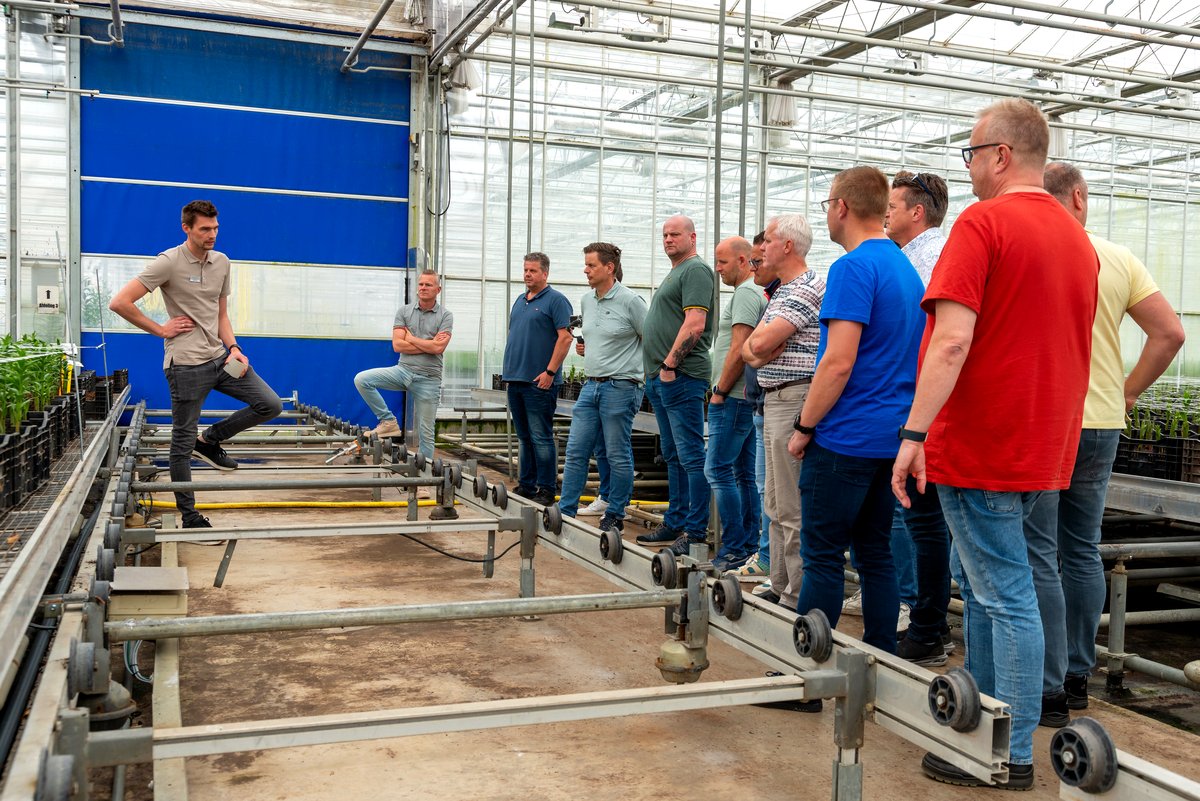
The four Evers brothers each told part of that story from their own responsibility. Thomas spoke about assortment innovation and new lily varieties. Ruben showed how the lilies are now grown on rolling tables. Peter talked about sustainable cultivation and lasting relationships with employees. And Levi covered sales and marketing. Four disciplines, one story about the future of Bredefleur.
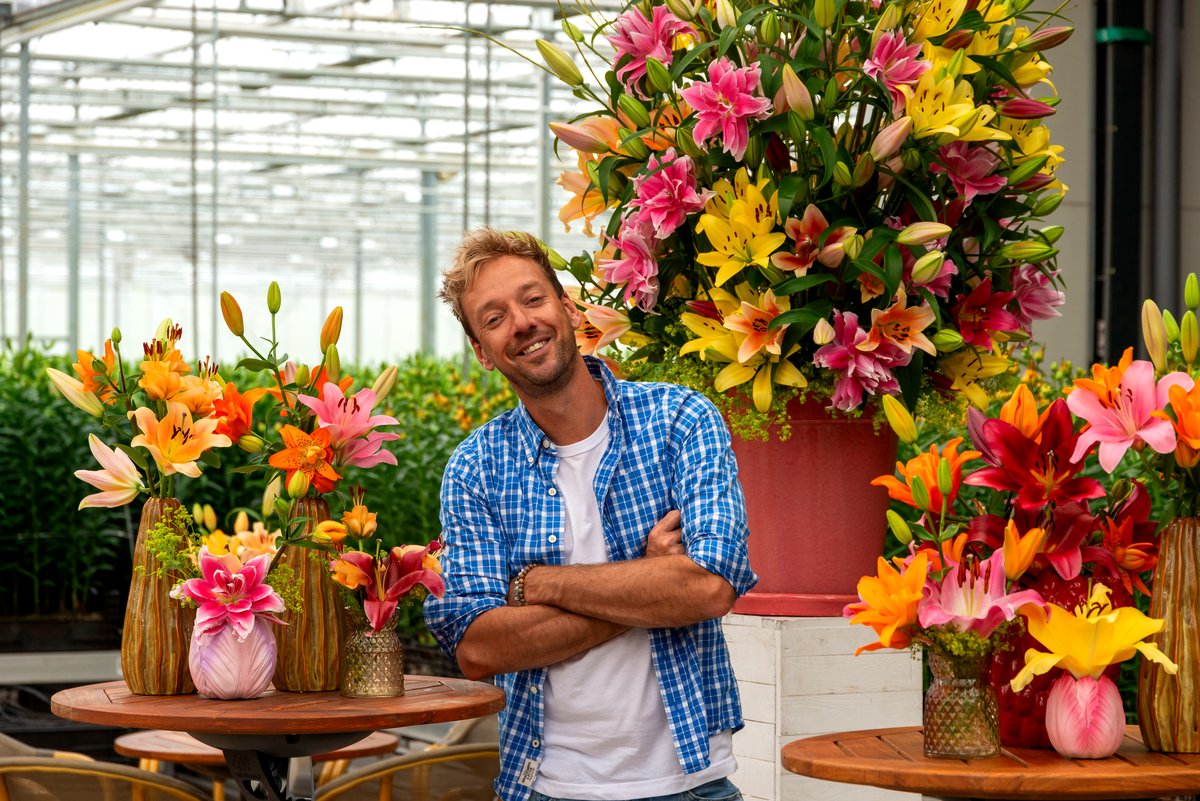
The winners of the #GrowYourOwn campaign were announced, and floral designer Michael van Namen and his team took care of the flower decorations. He was also given a place on the BFF (Bredefleur Friend) platform, where Bredefleur offers florists a stage to show their creativity with lilies. That inspires florists and builds demand for the lilies from the market: a pull effect created with marketing.
From the marketing side, we tailored the day for different audiences, internal and external: invitations to customers and trade press, a press release, a social media campaign, and a blog on the website. At the end of the day, employees joined for drinks and a barbecue, and management explained in a speech why the day mattered and where the company wants to go. What I like is that the strategy wasn't only told but made visible, for customers, florists, trade press, and employees alike.
Marketing as the Connecting Force
This is where I see marketing playing an important role. Not only in creating communication, but in consistently translating the chosen strategy for every relevant audience. What does our mission mean for customers, and how do we make our vision visible to employees?
Management has to carry the strategic direction and act on it. Sales translates it into commercial choices, HR into employee development and engagement. And the people in cultivation, production, and logistics deliver every day what the company promises. Marketing connects those perspectives from the shared strategy, above all by guarding the coherence between what the company wants to be, what it does, and what the market experiences. Not by taking over other people's responsibilities, but by making sure the disciplines strengthen each other. A strong market position comes from everyone acting from the same strategic direction, not from every department doing good work separately. Strong on the inside. Stronger in the market.
Connection Needs Continuity
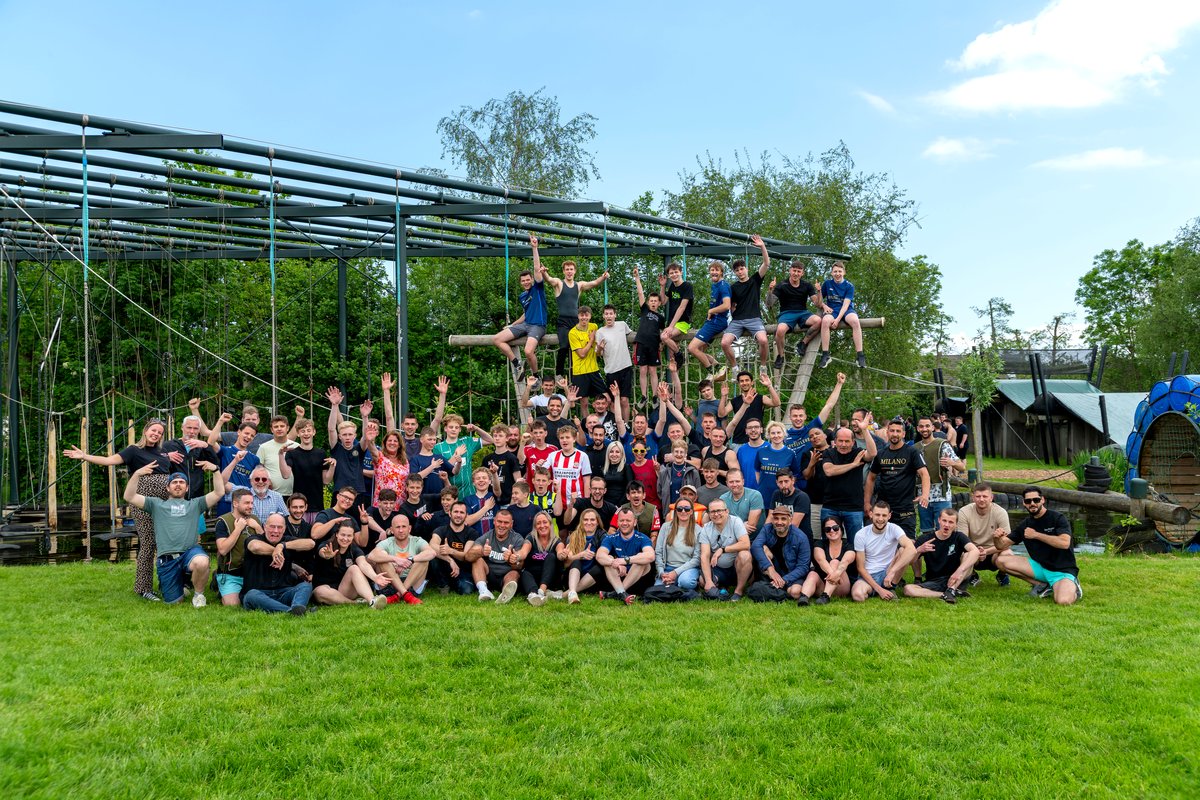
One successful customer day isn't enough to make a strategy come alive throughout a company. That is why Bredefleur also works on internal communication through screens in the canteens at its different locations, and HR organizes activities that bring people together. Do employees understand why certain choices are made? Do they recognize the company's ambitions in their own work? That needs ongoing attention, especially in entrepreneurial companies where new ideas follow each other quickly. A strategy that is clear today won't automatically stay on everyone's mind tomorrow.
Sustainable Growth Starts From Within
In floriculture, sustainability usually means energy, water, and crop protection, but for me, sustainable growth also has a human side. Investing in products, technology, and new markets only pays off if employees know where the company is heading, and departments don't work past each other. A positioning only really comes alive when you see it not only in communication, but also in behavior, collaboration, and daily practice.
In my previous blog, I wrote about the power of collaboration between companies in floriculture. But how well do we collaborate within our own organizations? How can you build a strong position externally if it isn't clear internally what you stand for together?
It can start with a simple question. If I asked five random employees in your company tomorrow where you want to go as a business and how they contribute, would I get roughly the same answer five times? Or does it turn out that the strategy is mainly known by the people who came up with it?
I am curious how you approach this. Because for me, sustainable growth really does start from within.

Header image: During its customer day, Bredefleur brought its vision for innovation, sustainability, and connection to life.