
The roses arrived this morning. By lunchtime, there's a petal on the floor, a small bite missing from it, and a cat sitting next to it looking innocent. So, are roses poisonous to cats? No. The ASPCA lists true roses (Rosa) as non-toxic to cats, dogs, and horses. A nibbled petal may upset a stomach, but the rose itself isn't the danger. The thorns are, and so is what comes with the roses: pesticide residue, the flower food sachet, and any lily tucked into the same wrap. For a cat, that lily is the one to worry about.
Are Roses Poisonous to Cats? What the ASPCA Says
The ASPCA keeps the list most vets and poison lines point to, and its rose entry is short: Rosa species, non-toxic to dogs, cats, and horses. No toxic compounds, no clinical signs listed. That covers the genus Rosa as a whole, about 150 wild species plus every garden variety bred from them, so a long-stemmed red rose, a spray rose, and the climber in your garden fall under the same entry.
Are Rose Petals Safe for Cats?
Yes, but non-toxic doesn't mean completely harmless. The vets at PetMD put it down to biology: cats are carnivores, and a cat's stomach isn't built for plant material.
If your cat chews a few rose petals or leaves, you may notice mild vomiting or loose stools, and you'll often see bits of flower in what comes back up. That should pass quickly. If it lasts longer than 24 to 48 hours, call your vet.
Are Garden Roses Toxic to Cats?
No, the same rule holds outside. The rose bush in your yard is a safe plant to chew. What gets sprayed on it isn't. Ask whoever looks after the garden about pet-safe options for the rose beds, and don't let your cat drink water from puddles near them.

Rose Thorns and Pets: The Sharp End of the Bouquet
Thorn Injuries to the Mouth, Paws, and Eyes
Here's where roses do cause trouble. Sharp thorns can hurt the mouth, and if they're swallowed, they can hurt the digestive tract. Depending on how much a pet chews, that can even mean internal bleeding, PetMD's vets warn. Cats also bat at things with their paws before they bite, and a cat rubbing its face along the thorny stems can catch an eye or the skin.
Thorn injuries are easy to miss. Small wounds from rose thorns can hide under thick fur and turn into an abscess, and a scratched paw pad can make a cat limp. If your pet has chewed or swallowed thorns, a quick vet visit is the safe call, even when it seems fine.
How to Keep Cats Safe From the Thorns
The easy fix happens before the roses come home. Ask the florist to strip the thorns from the lower stems, or do it yourself with a stem stripper before the flowers go into the vase. And a dog that likes to carry sticks around will see a fallen rose stem as one more stick. Pick them up.
Pesticide Residue, Flower Food, and Other Potential Risks
Are Store-Bought Roses Treated With Pesticides?
Cut roses are a farmed crop, grown in greenhouses from the Netherlands to Kenya and Ecuador, and crops get protected against pests and disease. When Belgian researchers tested 90 bouquets bought from florists, 50 of them roses, they found residues of 107 different crop protection products across the samples, and the roses carried the most of the three flowers they tested (Toumi and colleagues, 2016). That study looked at the florists who handle the flowers all day, not at pets. Still, it tells you why vets say toxicity is only a concern for a cat that eats a rose when pesticides or flower food are involved.
In cats, pesticide poisoning shows up as vomiting, drooling, tremors, or seizures, and in severe cases it can kill.
Flower Food and Vase Water
The flower food is the other half. It comes in a small sachet taped to the wrap, and a curious cat or a dog that chews anything plastic will find it. Mix it into the vase water, put the empty sachet straight in the bin, and keep the flower vase somewhere your cat can't drink from it. Vase water and other stagnant water can be toxic on their own, so change it often. If your cat is a vase-water drinker, you already know it. The rest of the vase routine, from the fresh cut to the top-up, is in the guide on how to care for cut roses.

The Real Danger in a Valentine's Bouquet: Lilies
If the roses came with company, check the company. Lilies are the flower vets warn about every February, and for cats they're a genuine emergency. According to the US Food and Drug Administration, the entire lily plant is toxic to cats: stem, leaves, flowers, pollen, and even the water in the vase. A cat that licks pollen off its fur can be poisoned, and kidney failure can follow in less than three days.
Which Lilies Are Highly Toxic to Cats?
That covers true lilies (Lilium) and daylilies (Hemerocallis): Oriental, Asiatic, Easter, tiger, and stargazer lilies among them. Watch the names, too. A Roselily sounds like it belongs with the roses, but it's a double lily, and Pet Poison Helpline lists it with the lilies to keep away from cats. The stargazer lily is the classic one in Valentine's bouquets.
Why Speed Matters With Lilies
Speed matters here. The FDA says treatment that starts 18 hours or more after the cat ate the lily usually comes too late to save the kidneys. Don't wait for symptoms. Dogs are luckier: a dog that eats a lily may get a mild stomach upset, but not the kidney failure cats get.

Check the Rest of the Bouquet
One more bouquet regular to check while you're at it: the ASPCA lists tulips as toxic to cats and dogs, with most of the toxin in the bulb. For everything else in the wrap, the ASPCA's plant list lets you look up each stem by name.
"Roses" That Aren't Roses (Check the Label)
Plenty of plants carry rose in their name without being a rose at all. The ASPCA's all-clear is for Rosa only, so the lookalikes need their own check. Here's how four of them come out.
| Plant | ASPCA listing | Why |
|---|---|---|
| Desert rose Adenium obesum |
Toxic to cats and dogs | Cardiac glycosides |
| Christmas rose Helleborus niger, also called Lenten rose |
Toxic to cats and dogs | Cardiac glycosides, saponins, protoanemonin |
| Moss rose Portulaca, listed as Portulaca oleracea |
Toxic to cats and dogs | Soluble calcium oxalates |
| Rose of Sharon Hibiscus syriacus |
Non-toxic to cats and dogs | No toxic principle known |
Desert Rose: The Succulent Called a Rose
The desert rose is the one people most often bring indoors. It's a succulent with a swollen trunk and a milky sap, sold under names like desert azalea and impala lily, and the desert rose care guide tells you to wear gloves when you handle it. Keep it where no pet can chew it.

Christmas Rose: A Winter Cut Flower
The Christmas rose turns up in winter pots and in florists' buckets as a cut flower, which is how it lands on kitchen tables in January and February. Lovely, and not for the cat. The hellebore guide covers how to keep it.

Moss Rose, Rose of Sharon, and Other Names to Watch
Moss rose is the trickiest name. The ASPCA files it under the scientific name Portulaca oleracea, alias wild portulaca or rock moss, and lists it as a toxic plant. Rose of Sharon, a hibiscus, is safe. PetMD adds primrose and rosebay, another name for oleander.
What to Do if Your Cat or Dog Eats Part of a Rose
Signs to Watch For
For most cats, nothing dramatic. Take the rest of the flower away and check the mouth for a thorn. Then think about what else your pet could have reached. Was there a lily in the bouquet? Did the flower food sachet go missing? Is the vase water lower than it was? From the rose alone, mild vomiting with bits of petal in it is the usual worst.
When to Call the Vet
If there's any chance a cat touched a lily, call a vet now, not tomorrow. The same goes for a chewed sachet, swallowed thorns, drooling, repeated vomiting, or a pet that seems off. Contact your vet or your local poison control center, and have the name of the flower and the flower food packet at hand. In the US, the ASPCA Animal Poison Control Center is one example of a line you can call, and a consultation fee may apply.
Cat-Safe Alternatives to Lilies
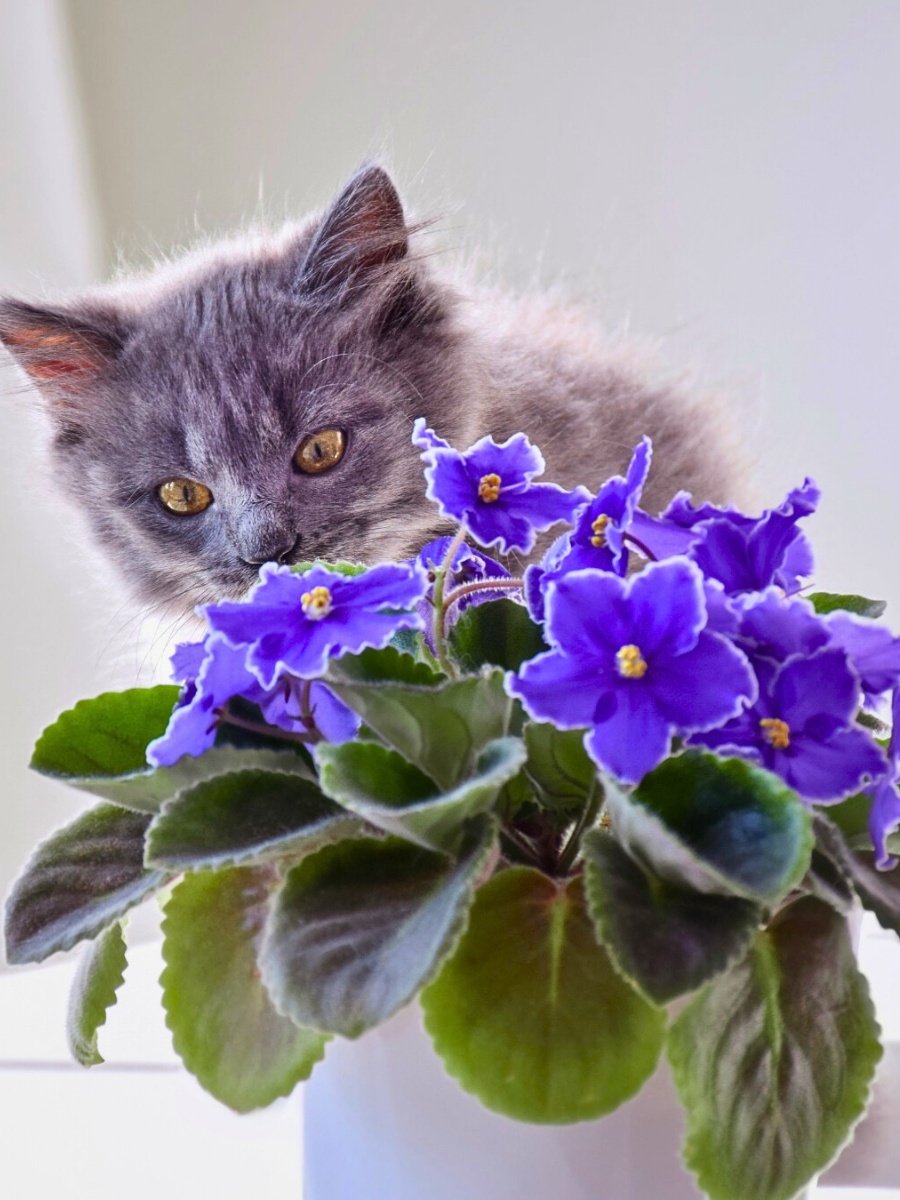
Want more than roses in the vase? The ASPCA lists the Gerbera daisy (Gerbera jamesonii) as non-toxic to cats, dogs, and horses, so it can take the lily's spot in a mixed bouquet. For the windowsill, spider plants are on the same safe list.
A Rose Is the Easy Part
If you share your home with a cat, roses are considered non-toxic, which makes roses safe to put on the table. Strip the thorns, deal with the sachet, keep the vase out of reach, and leave the lilies at the florist. A bouquet of roses alone does the job just fine. Choosing the shade is the fun part: the guides to red roses for Valentine's Day and rose color meanings help with that, and the vase care tips keep them going.

Looking for green company for your pets too? Start with the list of pet-friendly houseplants that are safe for cats and dogs.
Featured image: Rose Ever Red by @red_lands_roses_plc. Header image: Rose Red Naomi by Porta Nova.