Does marketing belong at the management table? I believe it does. Not because marketing should have a say in everything, but because it is often brought in only after decisions are made, leaving out an important link. In many companies in the floral and horticultural industry, both in the Netherlands and internationally, marketing is still organized as an executing function. Management or sales has a request, something needs to be communicated, and marketing gets to work: a campaign, a trade fair, a newsletter, a social media post, a brochure, or a new page on the website. I sometimes sum it up as "you call, we jump."
That's not wrong in itself. Good communication still matters. But when marketing only responds to separate requests, you easily end up with a collection of activities that don't really add up. From which position are we actually communicating? Which direction do we want to strengthen? Which story do we want to tell consistently? And, just as important, do our own employees recognize that same story inside the company?
That is why I think marketing belongs at the management table, as the link that connects the company's direction with its customers and its employees.
From Separate Requests to a Clear Direction
In my previous blog, I wrote that marketing is more than communication. The next question is what that means for marketing's position within a company.
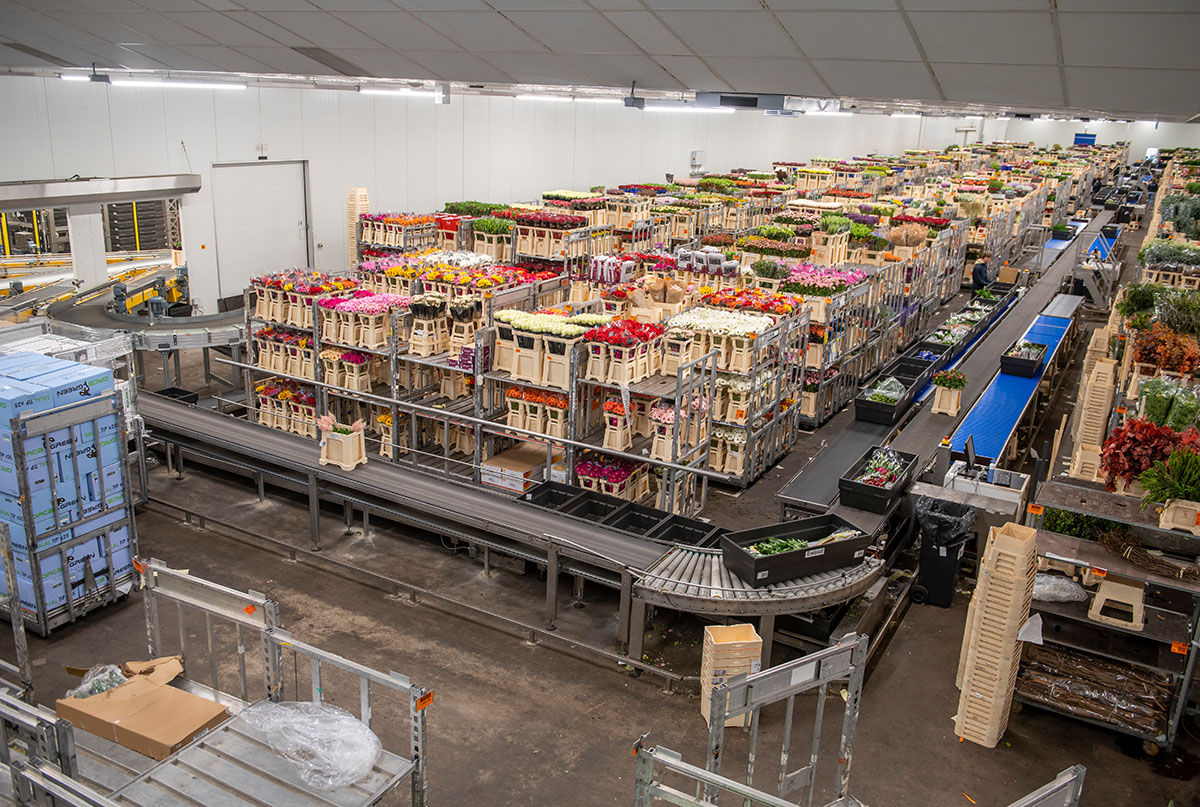
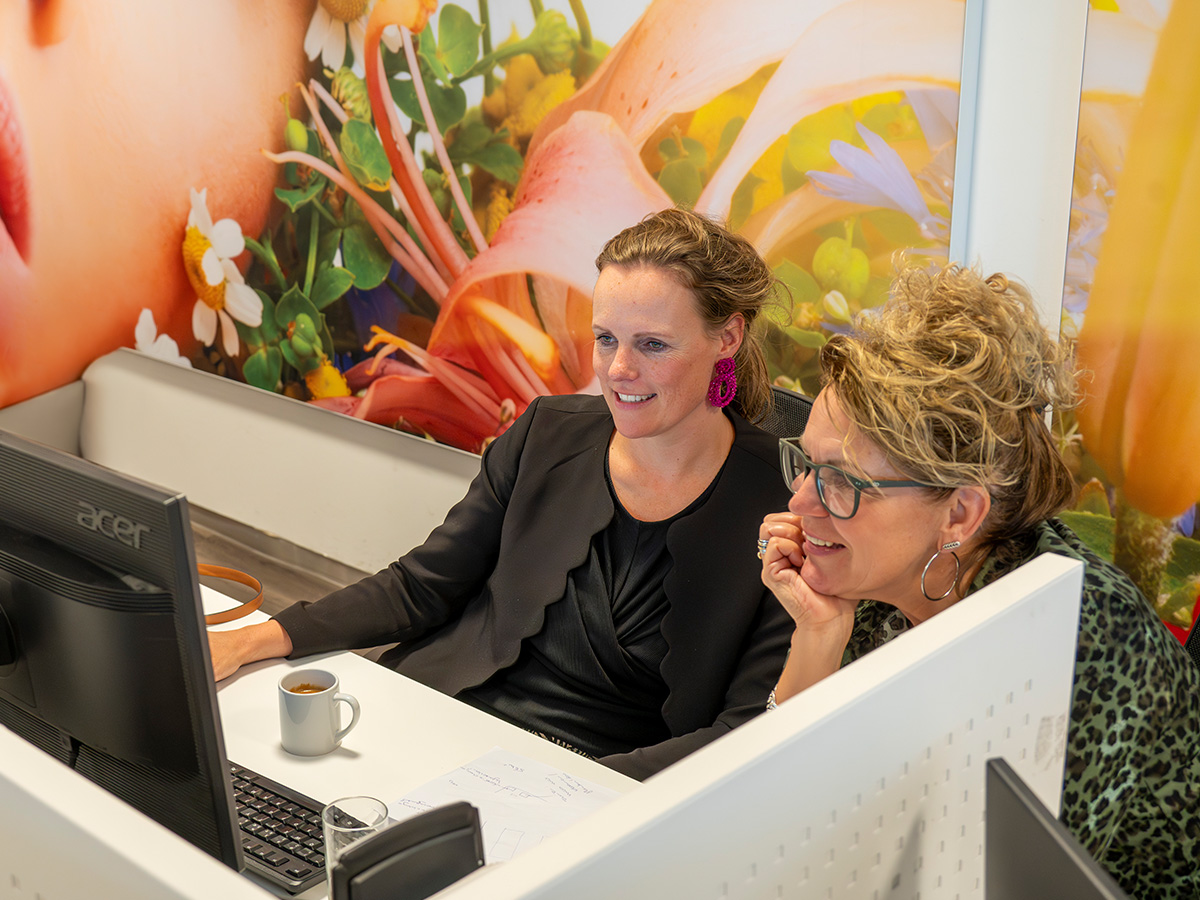
At Heemskerk Flowers, a Dutch exporter supplying flowers and plants to florists across Europe, I have seen that shift up close over the past few years. When I started there, marketing was mainly an executing discipline. The marketer waited for requests from the rest of the organization and then carried them out.
Today, we work very differently.

The foundation is clear: what do we stand for as a company, where do we want to go, and which values matter along the way? From that positioning, we build our marketing and communication structurally. Not an occasional action because someone asks for it, but a continuous effort that follows a clear direction.
That may sound like a small change. Organizationally, it is a big one. Marketing has moved from carrying out separate requests to being a connecting link within the company.

Listening Outside and Inside the Company
Listening is a big part of that role. Not only what we think is going well, but above all what customers and employees experience. At Heemskerk Flowers, we regularly run customer satisfaction and employee satisfaction surveys. The results don't disappear into a report that resurfaces a year later. We incorporate the relevant improvement points into our marketing plan, where they lead to concrete activities, both externally and internally.
Each department brings its own perspective. Sales brings the customer and market perspective. HR knows what is going on within the organization and among employees. Management sets the direction and makes the choices about the company's future.


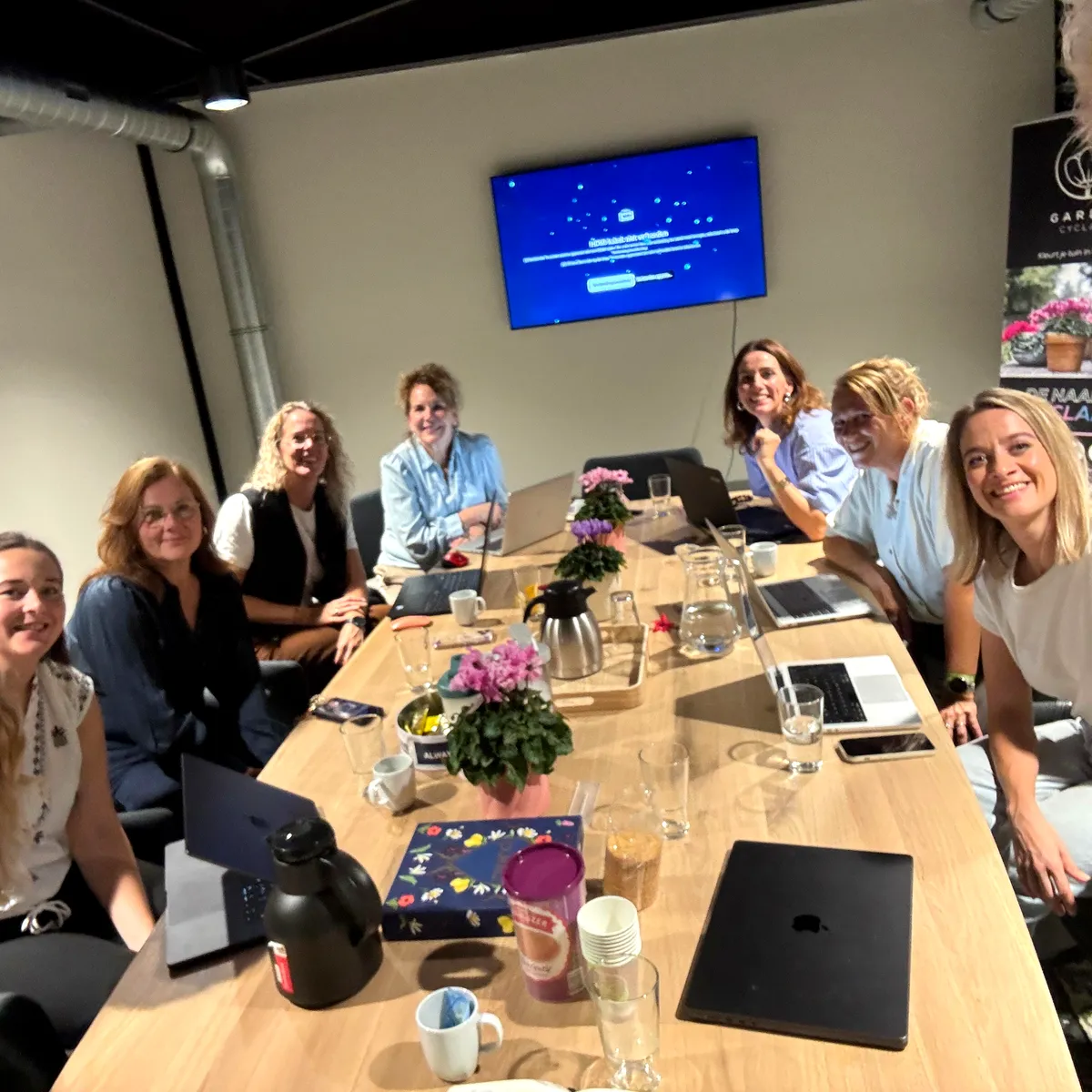
And marketing? Marketing connects these perspectives and helps translate them consistently to the outside world and inside the company. In practice, this means our marketing team has regular, structured conversations with management, sales, and HR. Not to take over their responsibilities. Quite the opposite. Sales stays responsible for sales, HR for personnel matters and more, and management for the company's direction.
But by positioning marketing in between, you create more coherence between what the company wants to be, what customers experience, and what employees need to deliver every day.
A Positioning Only Works When You See It Everywhere
This may be one of the most important lessons I have learned. A vision, a mission, or a set of core values is not, by itself, strong positioning. It only gains meaning when it guides decisions and shows up in behavior, both externally and internally.
You can say you are customer-focused, for example. But do customers actually experience that in their contact with your sales team? You can name sustainability as an important value. But does it receive structural attention within the company? And as an employer, you can tell people what you stand for. But do your employees recognize that story in their daily work?
This is exactly where marketing can play a connecting role. Not by taking ownership of everything, but by asking the same question again and again: do what we do and what we communicate still match the position we have chosen?

How Sustainability Became a Structural Pillar
Sustainability at Heemskerk Flowers is a good example. A few years ago, it wasn't a topic within the company. Today, it is embedded much more widely. A working group with people from different departments now drives it, and sustainability has become a structural theme for marketing as well.
For example, sustainability and organic flowers are becoming more important to some of our customers. For now, it is still a niche, but it is a development that fits our direction and one we deliberately want to respond to. Marketing helped push this forward and now helps make it visible and recognizable, externally for customers and internally for employees, always in close contact with the people who are responsible for the subject itself.
For me, that is the key difference between carrying out a marketing action and making marketing a structural part of the organization.

What Happens When Marketing Leaves the Table?
To be clear, I don't mean that every company should appoint a marketing director tomorrow. For me, marketing at the management table is not primarily about a job title. It is about the position marketing is given, and the position it takes. Is marketing only called in when something needs to be made or communicated? Or is it involved earlier, in the questions of where the company wants to go, which positioning fits that ambition, and how to connect that direction consistently with customers and employees?
That also asks something of marketers themselves. If you want that position, you need to look beyond reach, content, and campaigns. You need to understand where the company is heading, know what is happening in sales, listen to what customers tell you, and understand what HR and employees need. See the connections, ask critical questions, and then help turn it all into one recognizable line. You don't have to do everything yourself, but you do have to make sure it is connected. That may well be one of the biggest changes in the role of the marketer of tomorrow.

Our industry has enormous commercial strength. We are used to switching quickly, spotting opportunities, and above all, getting things done. That entrepreneurial spirit is worth keeping. But as companies grow and markets change, coherence becomes increasingly important: between what we promise and what we deliver, between the outside and the inside, and between management, sales, HR, and marketing.
So for me, the question is not only whether marketing has a seat at the management table in your company. The more interesting question is what happens after marketing gets up from that table. Does it go back to its own department to create a campaign? Or does it make sure that direction, customers, and employees are connected, so the chosen position can be felt and seen throughout the entire organization?
Try this: look at your last five marketing activities. Can you explain, for each one, which strategic choice or positioning it supports? If the answer isn't always clear, you may not have a communication issue. You may have a positioning issue.
I am curious how this works in your company. Is marketing mainly the department that carries out what others come up with? Or has it become a connecting link between direction, customers, and the organization?
Marketing shouldn't only make visible what a company has decided. It should help bring that choice to life, consistently. Because moving from product to position takes more than a good story told to the outside world. It takes an organization that lives up to that story together.