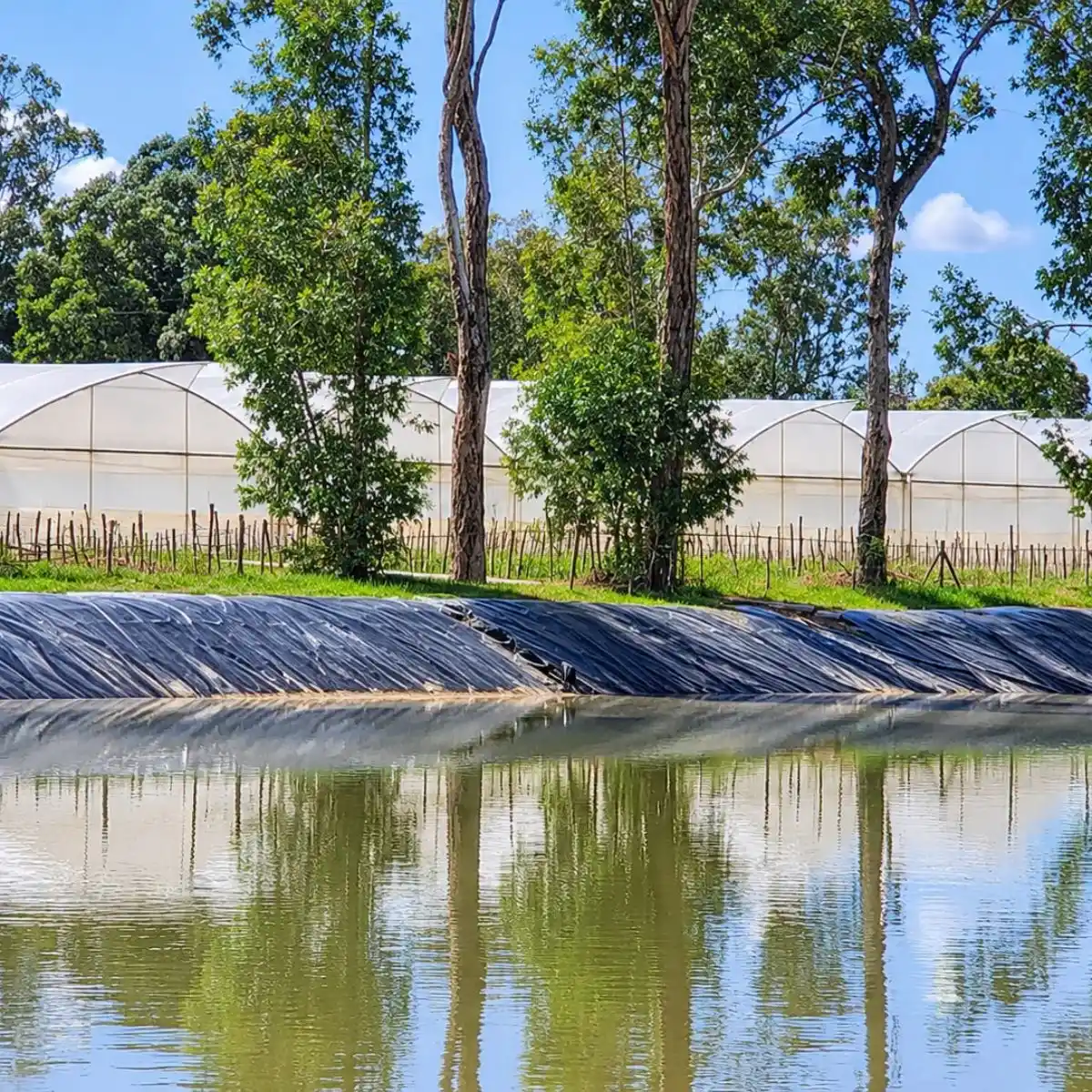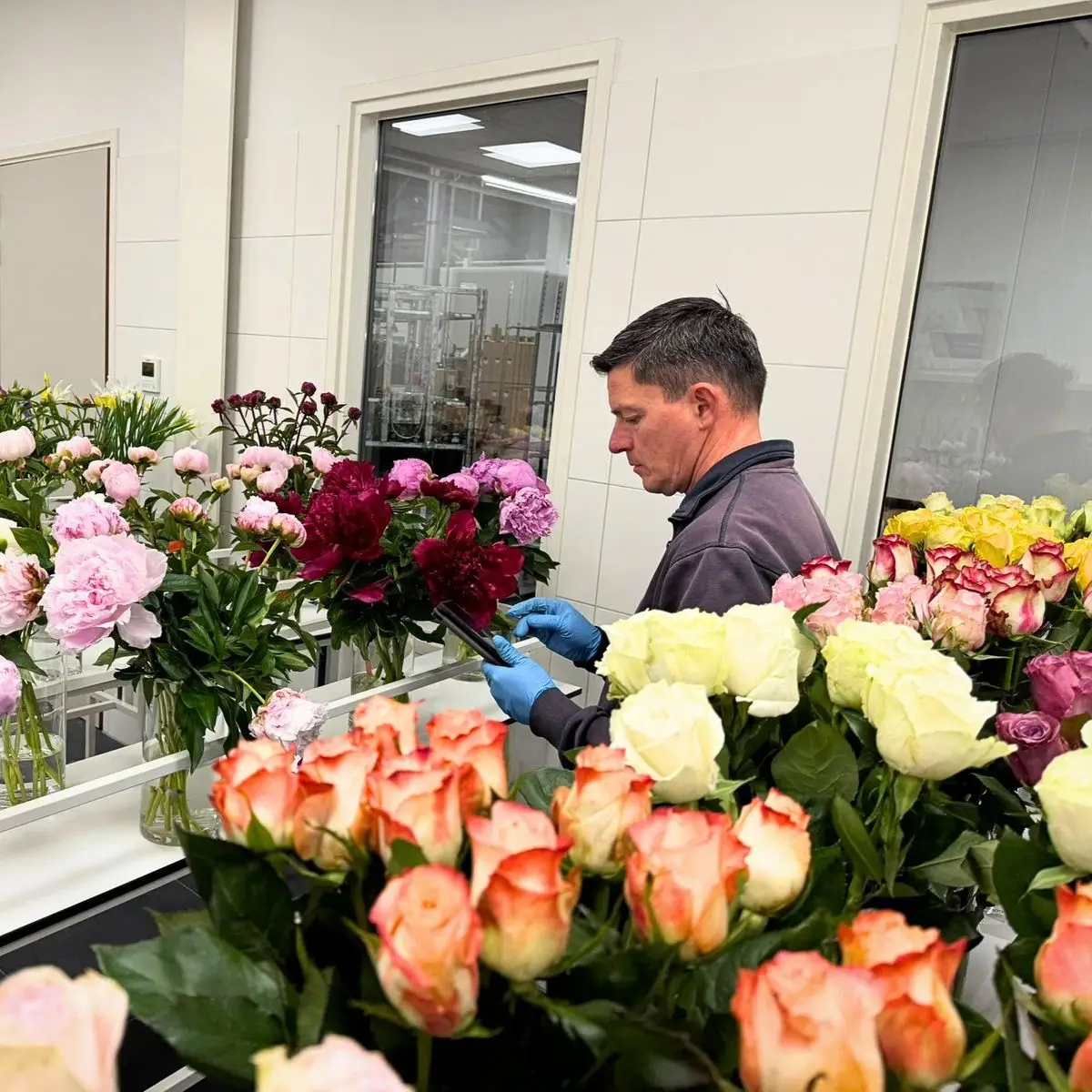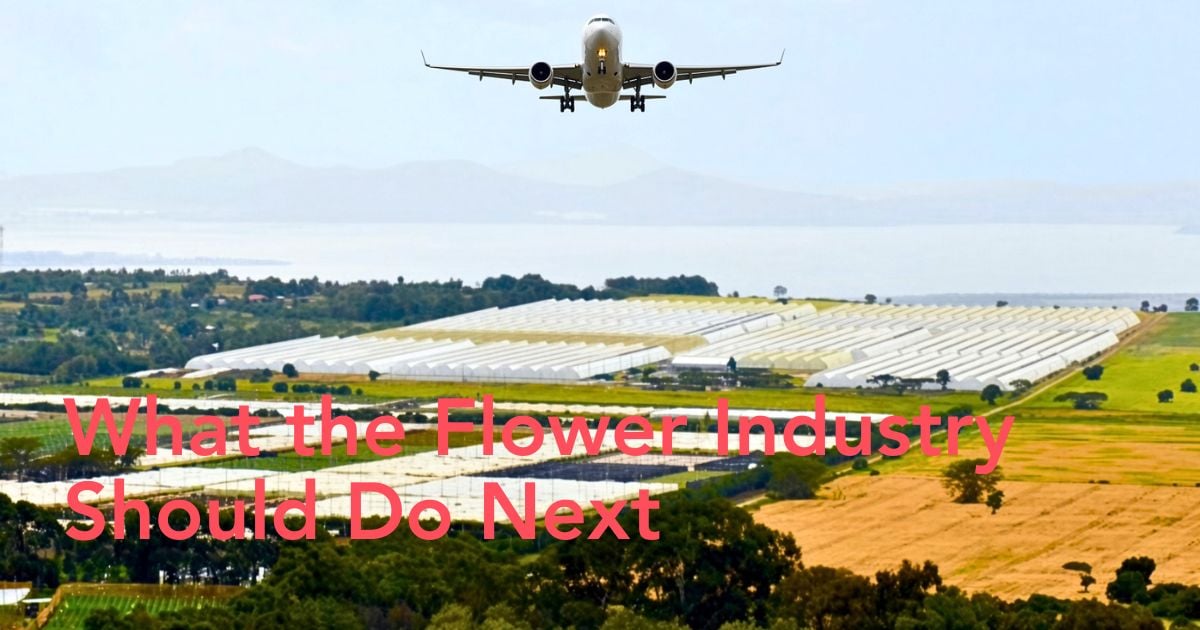
I have stood in the greenhouses in Naivasha. That is where this argument starts for me, because the story I saw there is not the story that gets printed often, or at all. The mainstream printed version is air miles and guilt. A rose comes from Kenya, goes on a plane, and therefore is an environmental failure. It is a clean line. It fits in a headline. But what happens the moment you look at what is actually on the other end of that flight?
What the Headline Version Leaves Out
Kenya's flower sector supports around 500,000 people once you count direct employment together with the work that sits immediately around the farms. The Kenya Flower Council puts direct employment at more than 200,000, and counts millions of livelihoods dependent on the sector in total. Kenya's flower exports earned about KES 81.3 billion in 2025, according to the Kenya National Bureau of Statistics. Kenyan flowers reach 143 destinations, and exports to the European Union alone are worth more than half a billion euros a year.

Colombia employs around 240,000 people in floriculture. About 60 percent of them are women, and a large share of those women are the head of their household. Ethiopia built half a billion dollars of annual flower exports in roughly two decades, starting from close to nothing. Ecuador employs 53,000 people directly in flowers and roughly 120,000 once you count the work around them. It crossed a billion dollars in flower exports for the first time in 2024, and nearly all of that leaves the country by plane.
Those are not rounding errors in someone else's economy. That is the economy in rural areas, in specific towns, for specific families.
The Part Almost Nobody Prints
Here is the inconvenient bit for the air-miles argument. A rose grown under the equatorial sun and flown to Amsterdam often carries a smaller footprint than the same rose grown in a heated European greenhouse in winter. With some exceptions, of course. (Porta Nova is the best example of this exception to the rule).
The reason is not complicated. A Dutch greenhouse in February has to manufacture the conditions that Naivasha gets for free. Heat, light, and the energy to run both. Freight is a real cost in the equation, but so is a gas bill, and only one of those two shows up in the guilt version of the story.
The sun does not send an invoice.
"Flown in, so wrong" is not analysis. It is a reflex. And applied at scale, that reflex would erase hundreds of thousands of livelihoods so that a consumer in Europe can feel cleaner.

The Trade-offs Are Real, and Pretending Otherwise Is Worse
I am not going to tell you this is a solved problem, because it is not, and the people who oversell it do more damage than the critics.
Water use is a genuine issue, and it is watched closely around Lake Naivasha. Freight is a genuine cost, financially and environmentally. Labor standards have to keep getting better, and serious growers know it. The Kenya Flower Council has been raising that bar for three decades, and the industry that exists today is not the industry that existed in 1996.
Concede all of that. The argument still holds. Because the alternative on offer is not "the same flowers, grown better." The alternative on offer is that those farms close and those jobs go, and nothing in the European flower market improves as a result.
Why This Matters More Right Now, Not Less
There is a second number worth putting next to the first one. Research from the International Fresh Produce Association found that 40 percent of US consumers would cut fresh flowers first when grocery prices rise. That makes floral the single most vulnerable category surveyed, ahead of bakery at 37 percent. Industry favorability fell from 55 percent in 2024 to 49 percent in 2026, and the neutral group grew to 42 percent.
Read those two sets of numbers together, and the picture sharpens considerably.
An industry that supports millions of livelihoods is also an industry whose product consumers regard as the first thing to drop. That gap is not a logistics problem, and it will not be closed by a better certification scheme. It is what happens when a sector spends thirty years explaining its costs and almost no time explaining its purpose.
Every time the sector answers the air-miles reflex with a defensive footnote about carbon per stem, it confirms the framing. The flower becomes a thing to be justified rather than a thing that is obviously worth having.

What a Kenyan Rose Actually Is
Naivasha is not an extraction site. The farms there built roads, housing, clinics and schools because they needed the workforce that came with them. One Kenyan farm ended up putting in connectivity that reached well past its own fence line, because it could not run without it and the telecoms had not arrived yet. That is what a long-term employer does when it stays somewhere. It is not charity, and it is not marketing. It is infrastructure that exists because a flower farm needed it to exist.
When I was in Nairobi for IFTEX this year, the thing that struck me was not the varieties. It was how completely the sector has professionalized while Europe was still arguing about whether it should be allowed to exist. And the next edge is theirs for the taking: nobody is filming the greenhouse yet.
What the Sector Should Do Next
- Lead with livelihoods, not with carbon. The strongest fact you have is people making a living from this sector and millions of dependents. Open with it instead of burying it under a footprint calculation nobody outside the industry can check.
- Concede the trade-offs out loud, first. Water and freight are real. Saying so is what buys you the right to be believed on everything else. The defensive version convinces nobody.
- Stop comparing single stems. Compare systems. A heated winter greenhouse against equatorial sunlight plus freight is the honest comparison, and it is the one that gets skipped.
- Publish the labor and water data before somebody requests it. Growers already collecting it should put it out. The ones who go first set the standard the rest get measured against.
- Answer the 40 percent problem directly. If consumers treat flowers as the first thing to cut, the fix is not a discount. It is giving people a reason that has nothing to do with price.
Development you can hold in your hand. That is what a Kenyan rose is, and I have not found a better description of it.
No flowers, no future.
Sources: Kenya Flower Council sector figures, as reported around IFTEX 2026, Nairobi, June 2026. Kenya National Bureau of Statistics, Economic Survey 2026, April 2026. USDA Foreign Agricultural Service GAIN report, "Colombian Flowers and the American Market After Six Decades of Growth," March 2026. International Fresh Produce Association, U.S. Floral Consumer Trends, May 2026. Society of American Florists, 141st Annual Convention program, Amelia Island, 18 to 20 August 2026.