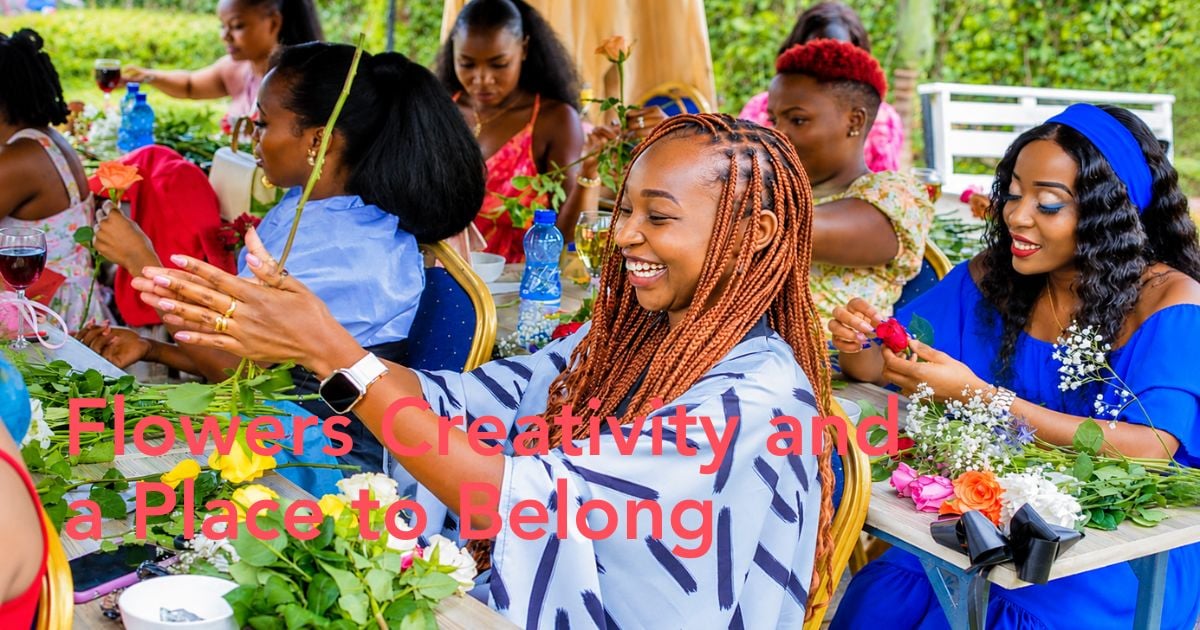
Flowers usually mark life's big moments: celebrations, milestones, grief, love. But I've become increasingly interested in what happens when you take them out of those familiar contexts and place them in people's hands as material for creativity, play, and connection. Today, I facilitate hands-on flower arrangement workshops where people can experiment and make something entirely their own. There's something profound about watching someone who says "I'm not creative" become completely absorbed in the process, working with the flowers rather than trying to control them, and discovering that something assembled on instinct can become a favorite.
I love what happens when arranging flowers becomes a shared experience. We start simple, and by the time we're done, there are flowers everywhere, and the whole room has shifted. People laugh, help each other, take pictures, and show off what they made. I love watching someone look at their finished arrangement and think, I made this. There's real pride in that moment, and somewhere along the way, a sense of community forms around it, with people who walked in as strangers leaving having shared something real.
A Room Imagined With Us in Mind
My residency with Queer African Network (QAN) has given me the space to explore this practice with queer people specifically in mind. For queer people, there's something meaningful in entering a room without first having to question whether you belong, without wondering whether the space was ever imagined with you there.
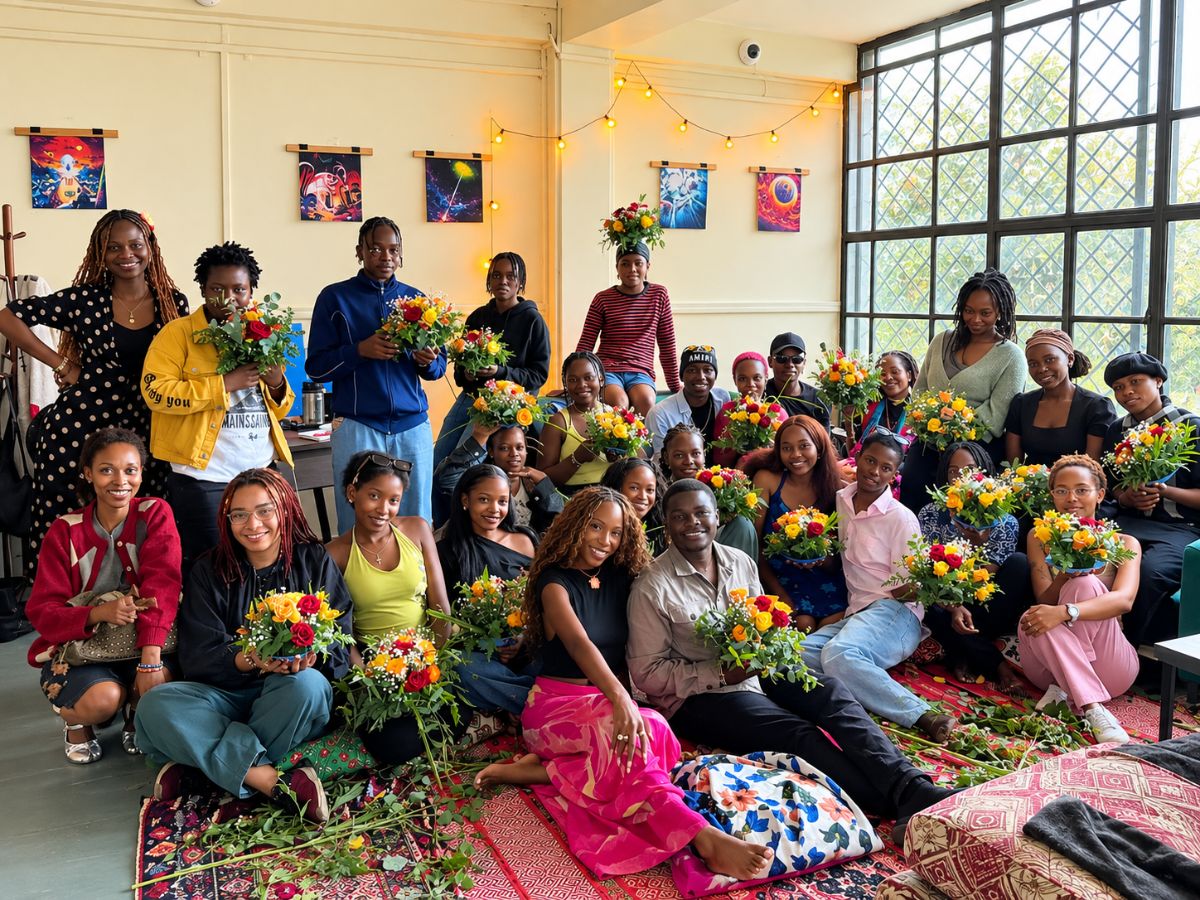
Through QAN, I get to build spaces where people gather around something as simple as flowers and know, without question, that they're welcome. Floral design shouldn't feel like it belongs to a particular type of person or require prior knowledge to take part.
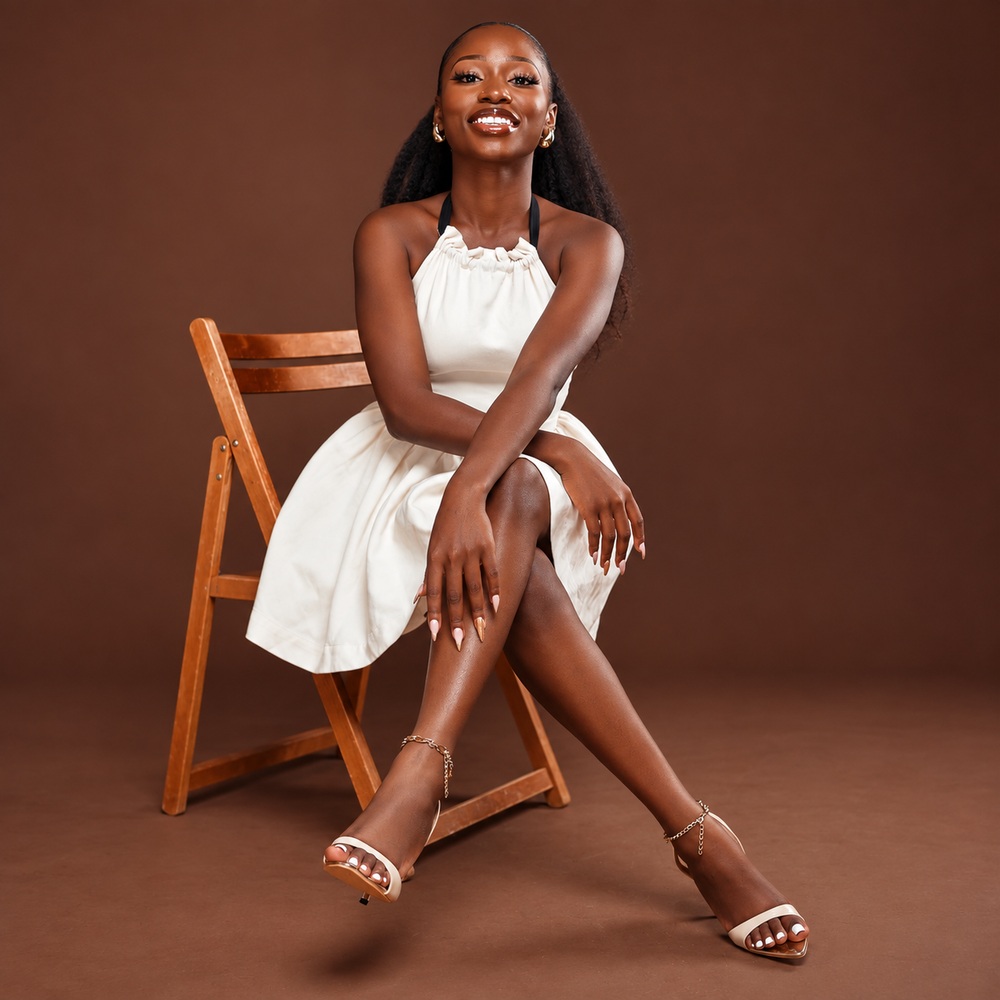
We talk a lot about safe spaces in serious contexts, but people also deserve spaces to have fun, make things, and experience beauty without first figuring out whether they're welcome.
Flowers as a Way Into Bigger Conversations
More recently, I've also started thinking about how these spaces can open up conversations around climate and collective action. I brought this into my most recent arrangement session because flowers are so deeply connected to the environments around us. They depend on soil, water, sunlight, seasons, and the people who grow and care for them. Even when we see them simply as beautiful objects on a table, an entire ecosystem supports them.
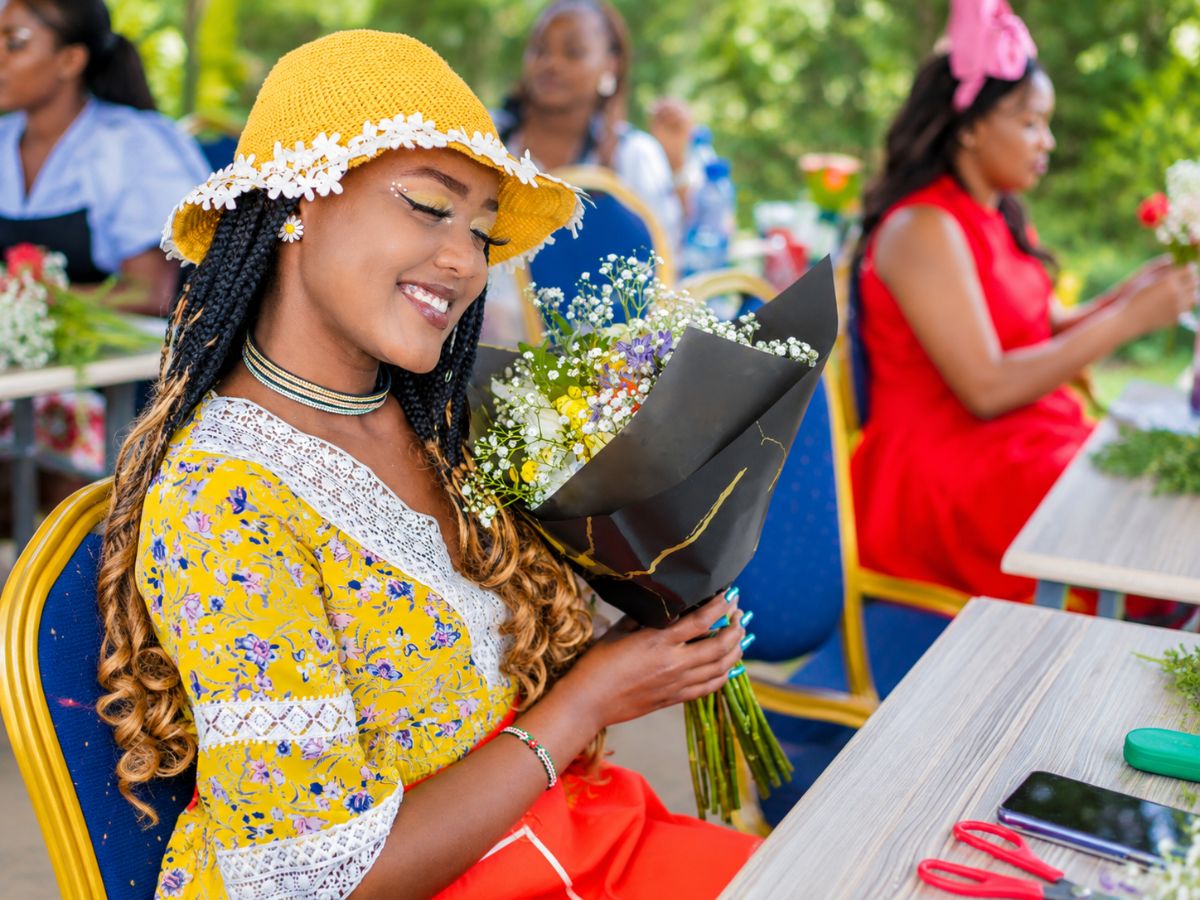
I'm interested in exploring what happens when a creative space can also become a space for reflection and collective action. Climate conversations can often feel overwhelming, because we're confronted with problems that seem much bigger than any one person. But perhaps there's value in beginning with something small and tangible. Flowers can give us a starting point to think about where they come from, what it takes to grow them, how they're transported, what happens to them after an event, and how our choices connect to larger environmental systems. I don't necessarily want every workshop to become a climate lesson. I want to create openings for these conversations to happen naturally. The flowers let us think about care, consumption, waste, seasons, and the environments that sustain us, while still keeping the room joyful.
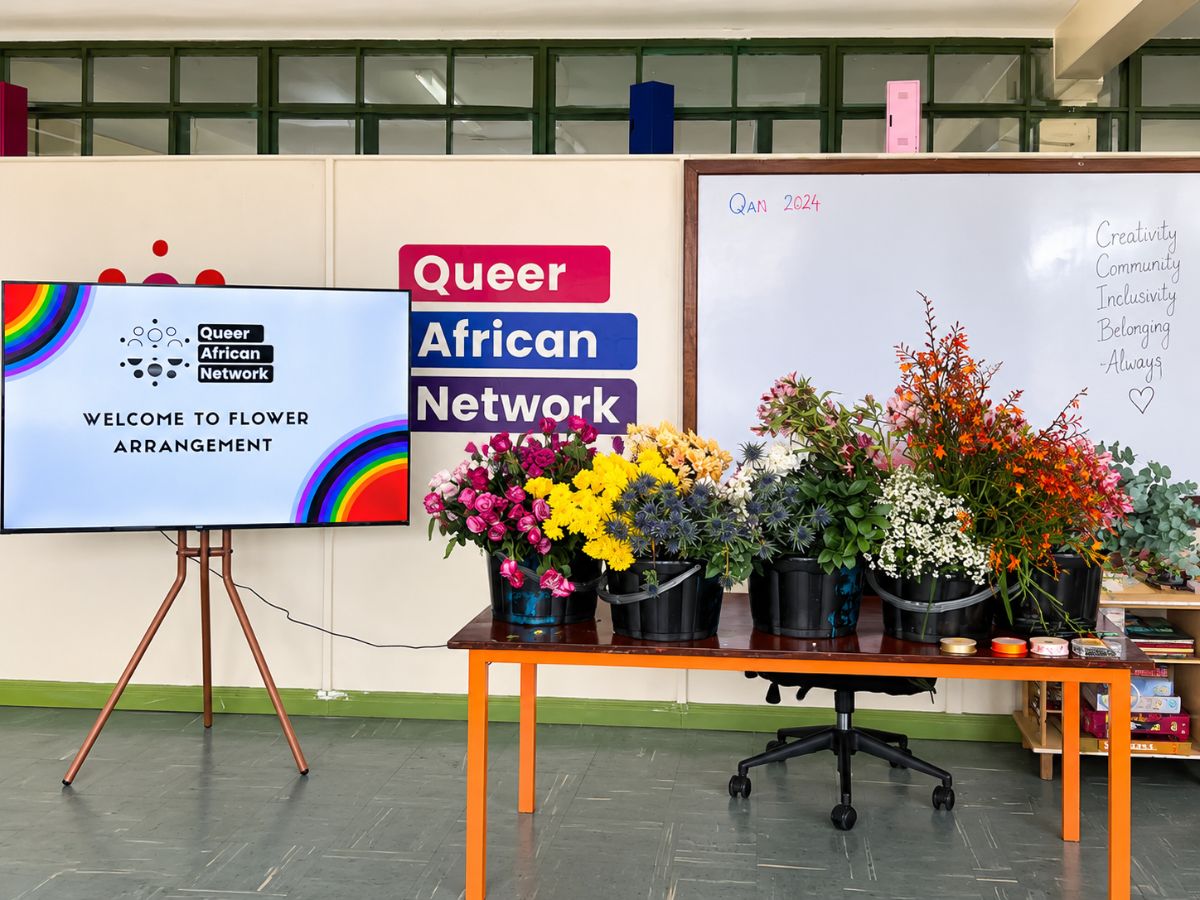
That's where I see my practice growing. Every group is different, which keeps the work interesting, and I'm still learning about flowers, about facilitation, and about what people need to feel comfortable enough to experiment. For now, I'm happy doing exactly this: working with flowers, teaching others to work with them, and building spaces where we can make something beautiful together. Flowers give us something beautiful to work with. But more than that, they give us a reason to gather.