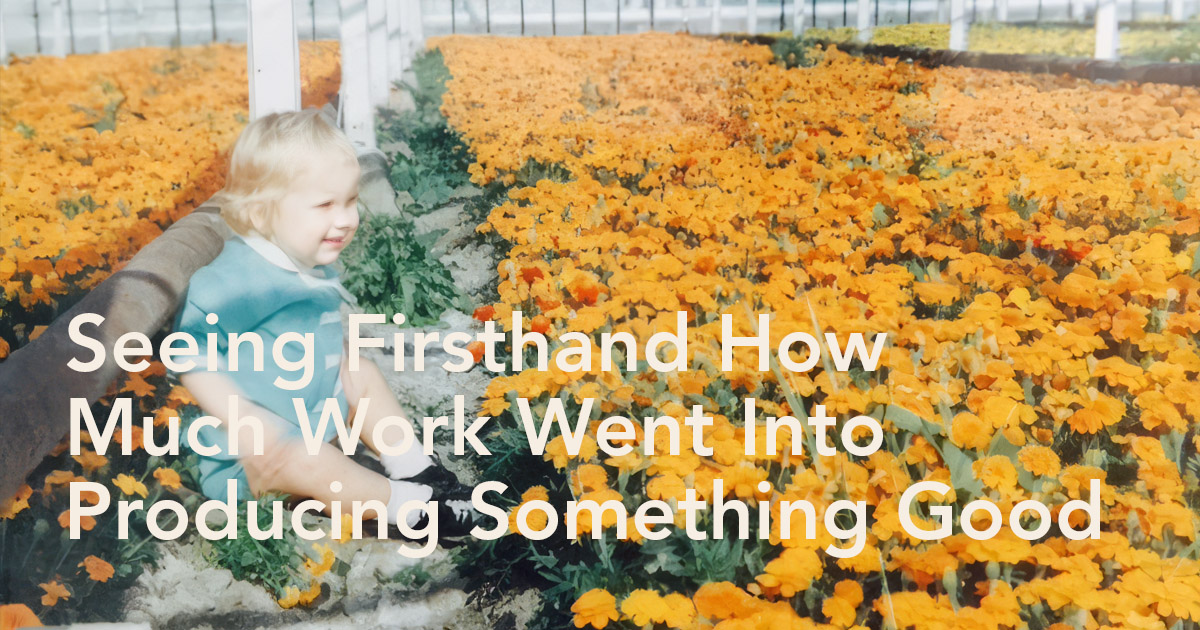
I grew up between the greenhouses of Westland. My father was a vegetable grower, and in his later years he grew bell peppers. I saw firsthand how much work went into producing something good: time, energy, craftsmanship, attention, and quite a bit of pride.
Then the product was ready and went to the auction. What happened after that was largely out of his hands.
Who Bought My Product?
Who bought it? Where did it end up? Why did one customer choose it and another not? What did that customer actually need? There was very little visibility into any of that.
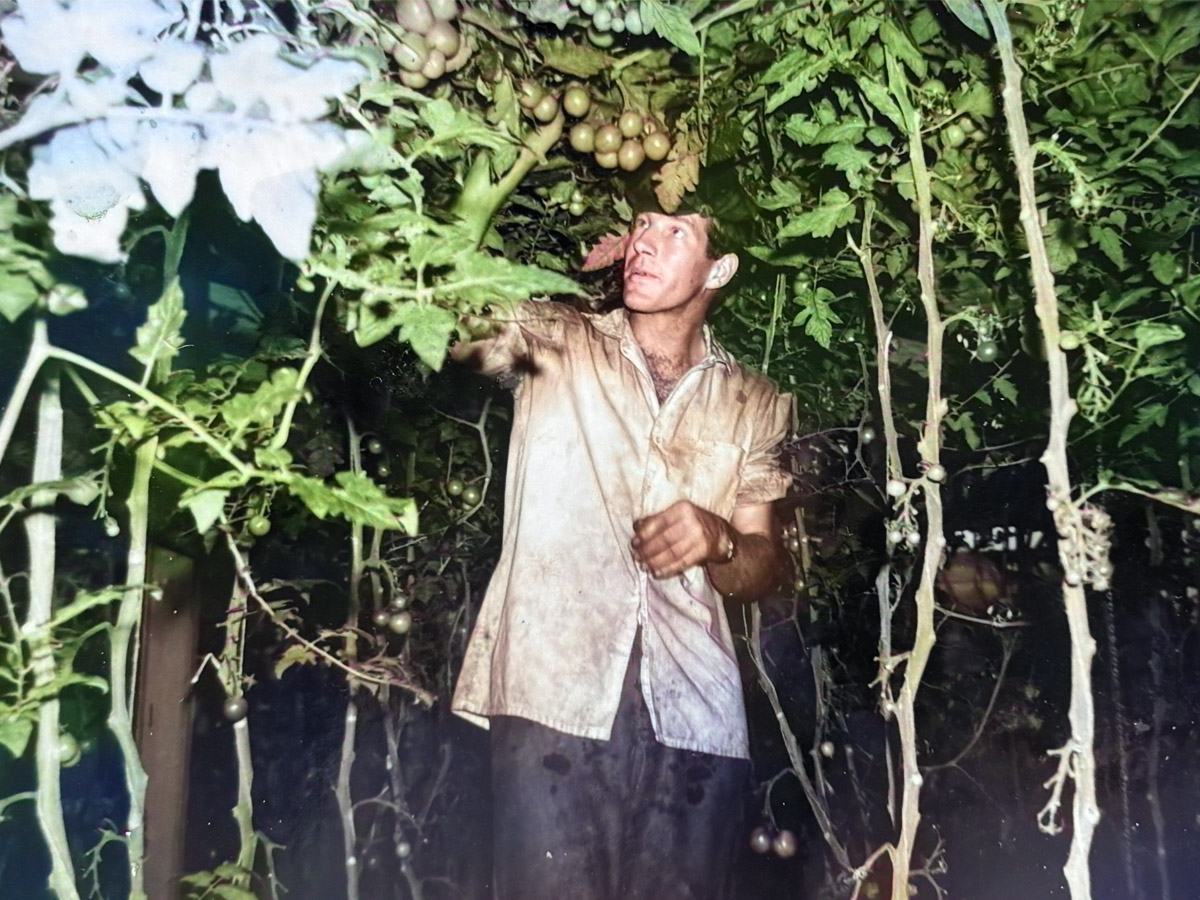
For many years, the system worked. But not always. I still remember products being left unsold and eventually destroyed. Weeks of work, money, and care had gone into something for which there was simply not enough demand at that moment.
I didn't know the words "positioning," "customer value," or "market orientation" back then. But the question behind them has stayed with me throughout my career:
Why are we sometimes so good at making a product before we have really decided who needs it?
Maybe We Are Asking the Question Too Late
Today, my work is in marketing, mainly within (inter)national floriculture. And although the industry has changed enormously, I still see some of the same thinking.
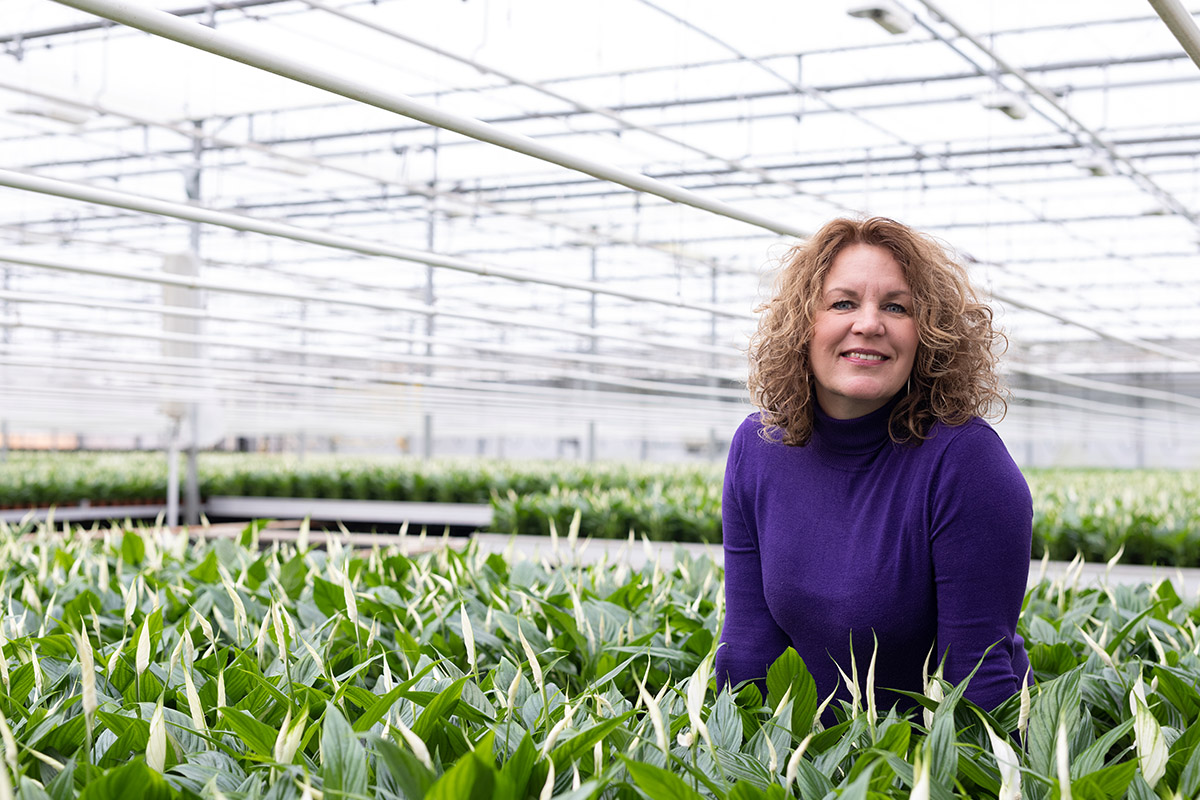
We are very good at growing, breeding, producing, and supplying. That is one of the strengths of this industry.
But quite often, the sequence still goes like this: First, we make something. Then we ask: How are we going to sell it?
What if we start with the question: for whom do we truly want to be of value? What is happening in that market? What does that customer need? Which developments are influencing their business? Where can we add value? And what choices does that require of our organization? That is where market-oriented entrepreneurship begins for me. Marketing starts with the market. That is also where marketing begins for me.
Not just with a campaign, social media, a trade show booth, or a website.
Marketing begins with the market and the customer. With positioning, propositions, innovation, price, and value. Above all, it starts with the choices an organization makes about where it wants to go. That requires alignment across management, sales, marketing, and the rest of the organization. A strong market position isn't created in a single department. It arises when the market, strategy, commerce, and people move in the same direction.
Look Backward From the Florist, Garden Center, or Store
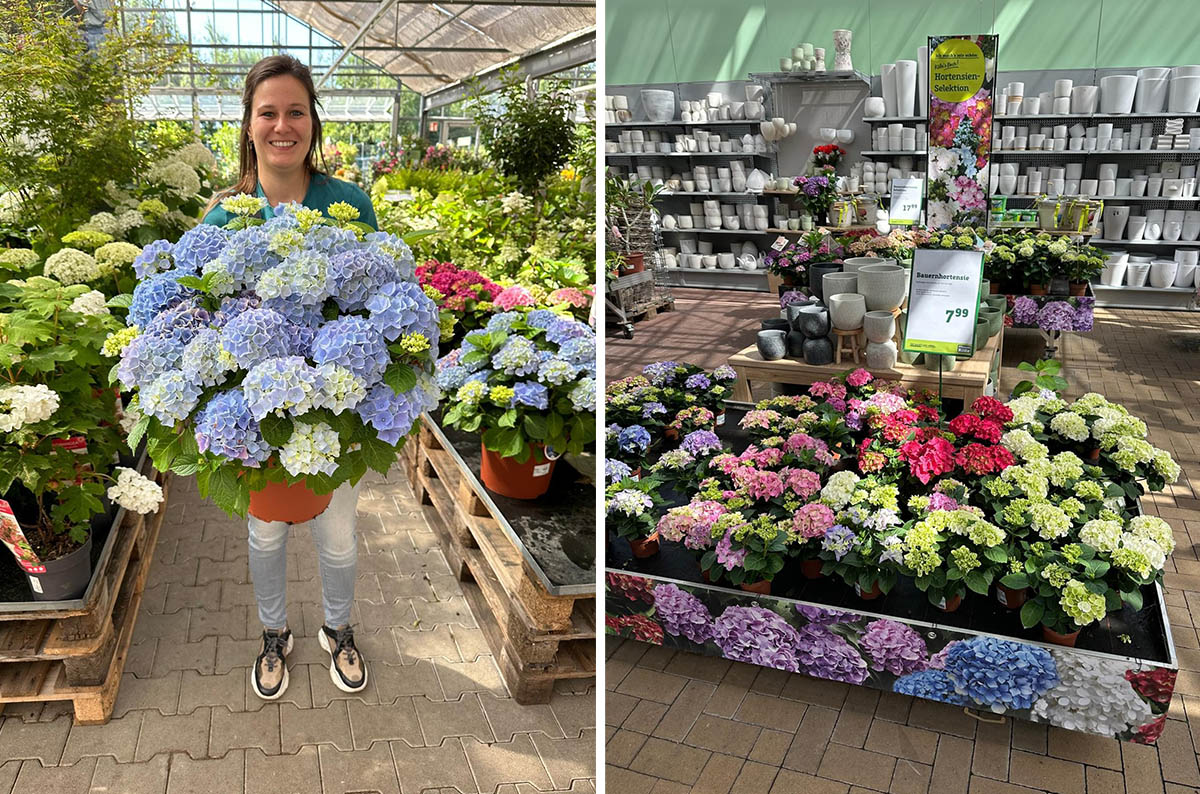
I experienced just how different the conversation becomes when you look at the product from the market's perspective at Sjaak van Schie, an internationally operating Hydrangea grower I worked with. This company fulfilled multiple roles in the chain: it developed and propagated starting material, produced the final product itself, and marketed a portion of it under its own B2B brand.
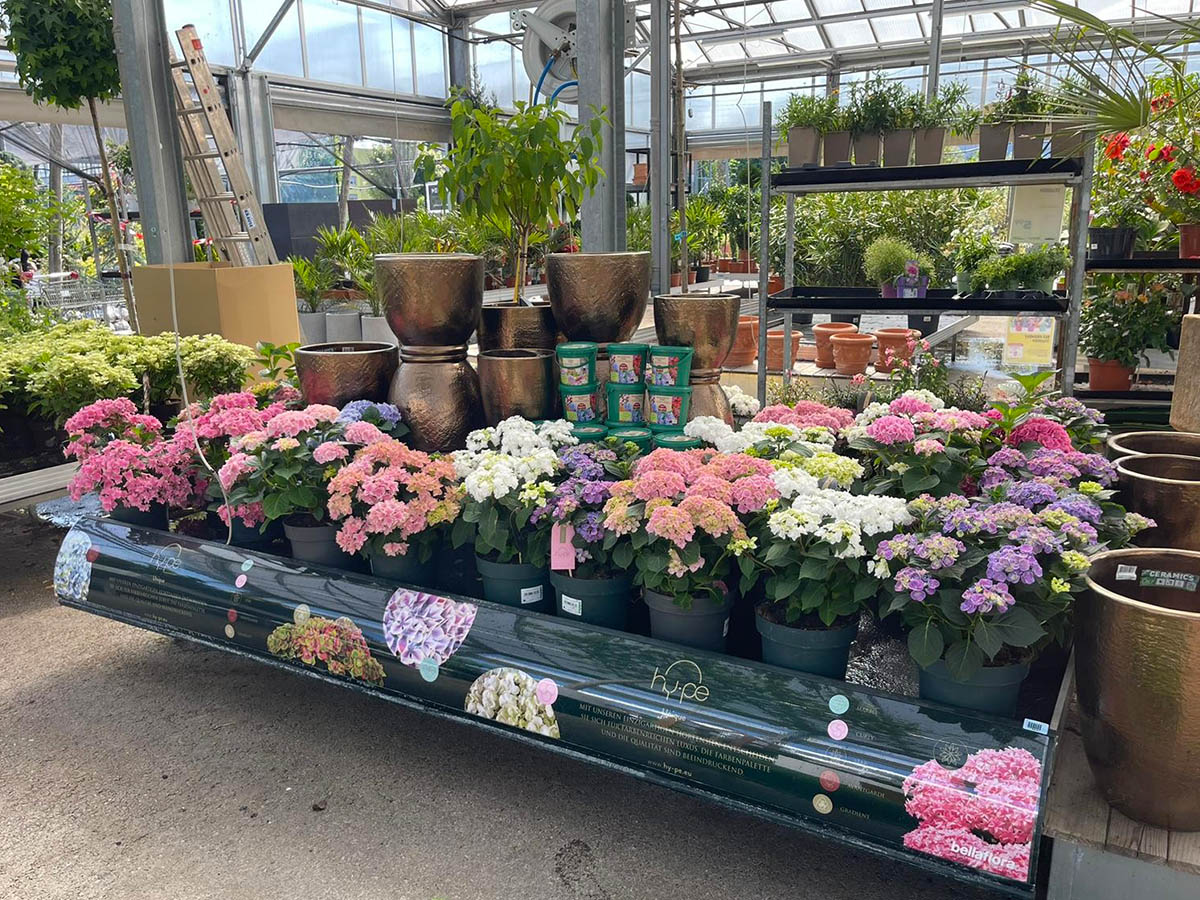
So, together with the sales manager, we didn't start with how we could sell more. We first mapped out the product portfolio. Which products do we have? What are their specifications? For which market segments are those characteristics relevant? And for which are they not?
Next, we looked further down the entire chain. Because the company was also involved in product development, we could reason backward from where it ultimately had to end up: which product is suitable for which shop floor? After all, a product for a specialized sales channel may require different characteristics than a product for, say, a garden center, florist, or DIY channel. In those cases, compactness, sturdiness, ease of use, presentation, or logistical efficiency can be decisive.
As a result, the question shifted from "Which product do we have?" to "Which product fits which market?" and Which market then fits us? After that, we scaled up the scope. Because the company also produced in-house and entered the market with its own B2B brand, we investigated which countries and market segments were truly interesting for that product and that brand. In doing so, we didn't just look at market size. We also considered the B2B brand's characteristics and positioning, as well as local production in various countries. After all, a country may seem commercially attractive, but if a similar product is widely available locally there, that changes your potential position. Thus, a clearer picture emerged step by step:
product → specifications → market segment → retail floor → country → market potential → route to market.
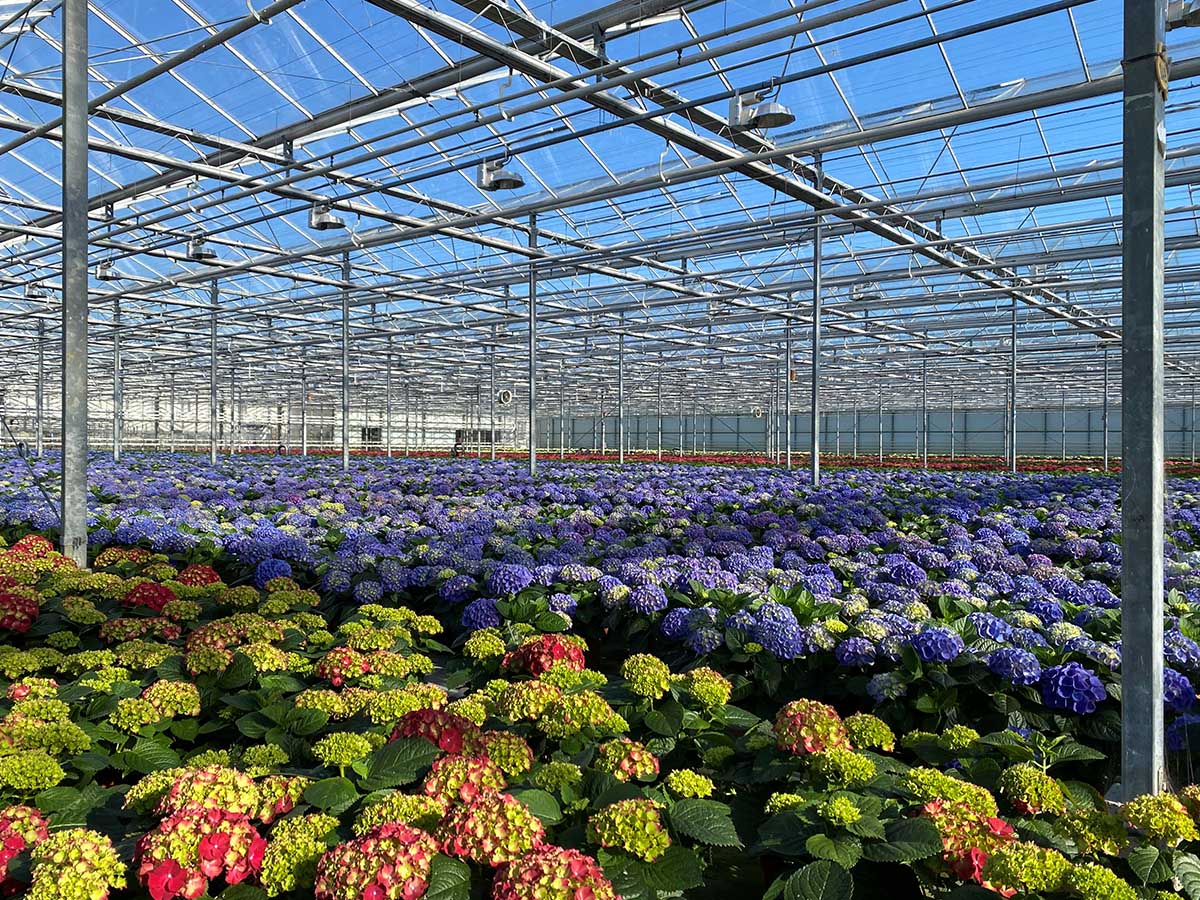
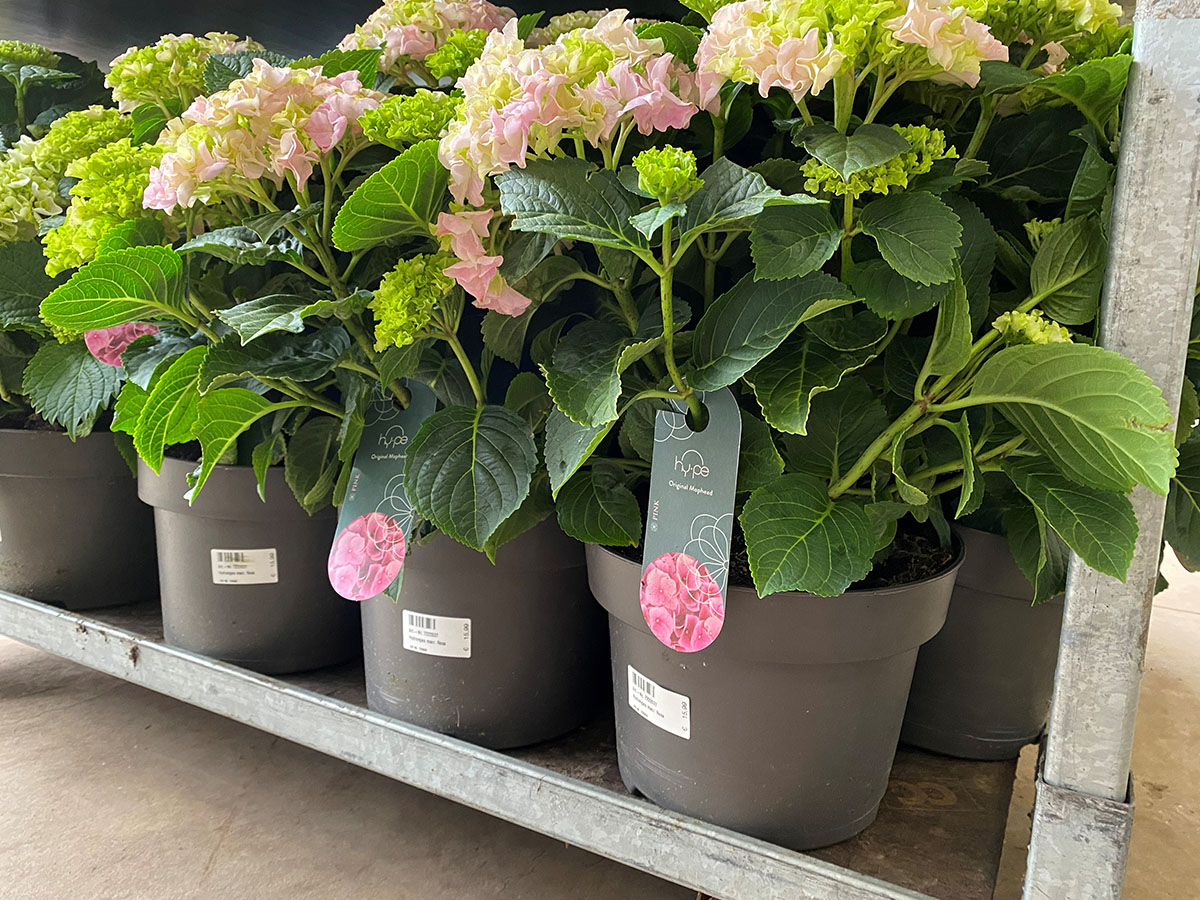
And then we could also look back at the existing commercial chain. If we know which countries, segments, and sales channels we want to land in with our product and brand, are we working with the right exporters and trading partners to get there? That fundamentally changed the conversation. No longer: "How can we sell as many products as possible?" But: "Where do we want to play, for whom do we want to be relevant, and through which partners can we achieve that position?" Or, as I like to call it: "What spot do we want to occupy in the meadow?"
A Good Product Is Not Yet a Position
None of this makes the product less important. You still need a good product. Without that, everything else falls apart. But a good product on its own is not a market position. Position comes from connecting what you are good at with the customer for whom it matters, the market where that customer operates, the value you provide, and the route through which you reach them.
There is another benefit as well. When a company really understands the different markets and sales channels it serves, that knowledge can travel back into product development.
- What are florists, garden centers, retailers, traders, and consumers telling us about what we should develop next?
- What should breeders breed?
- What should growers grow?
- What should suppliers stop producing?
That is when marketing stops being something you add after the product is finished.
The market starts influencing what you make in the first place.
So, Where Do You Start?
Our floral industry is very good at improving products. Better varieties, better quality, more efficient production, smarter logistics. But are we just as good at understanding the markets those products are meant for? That is the question behind my new series on Thursd, The Future of Floral Marketing.
In the coming blogs, I want to explore what market-oriented thinking could mean for our industry. Not because I have all the answers. I don't. Real market orientation starts with listening, researching, asking questions, and occasionally challenging assumptions we have held for years.
So try looking at your own business backward, starting at the florist, retailer, or other place where your product ultimately needs to prove its value.
- Would you still make exactly the same products?
- Would you choose the same countries and sales channels?
- Would you work with the same customers and partners?
- And perhaps the biggest question of all: What position do you actually want your product and your company to have in the market?