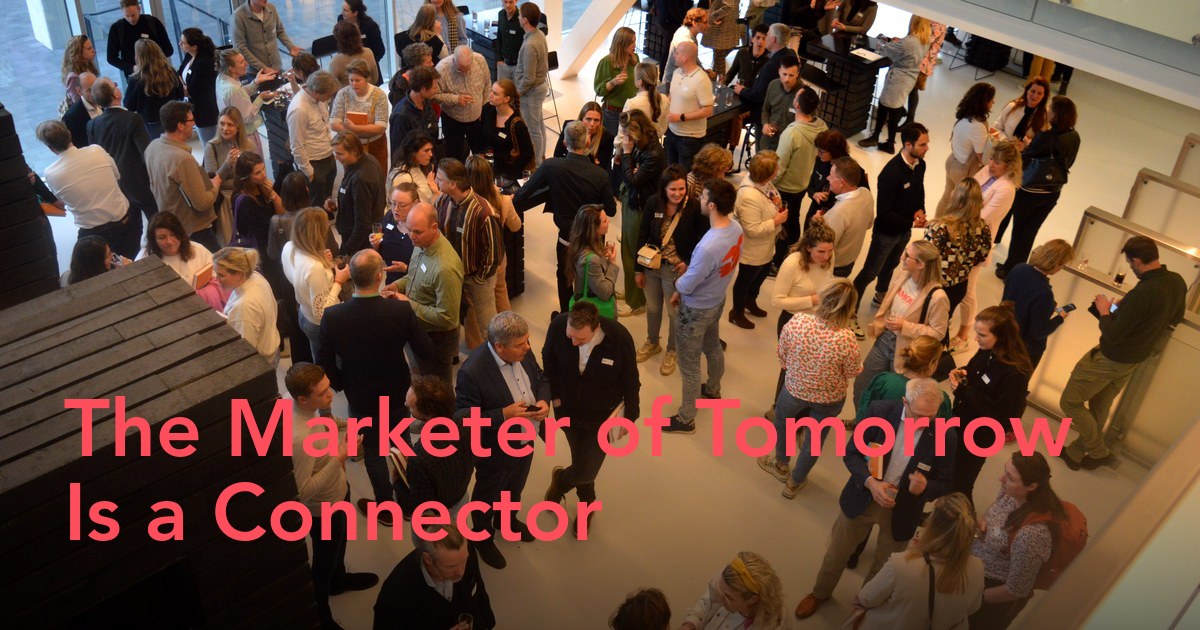
What will the marketer of tomorrow need most? In my view, not more tasks, but the ability to connect. As we invest in new products, cultivation techniques, and digitalization in floriculture, the marketing profession is changing too. The marketer of tomorrow is a connector: someone who brings strategy, people, and the market together. In my previous blog, I wrote that sustainable growth starts from within. This time: who makes that connection, and what does it ask of marketers?
From Executing Requests to Giving Direction
In my years in floral marketing, I have seen the profession change. Marketing used to be mainly promotion and communication; now it increasingly plays a role in positioning, customer insights, and strategic choices. At least, when there is room for it.
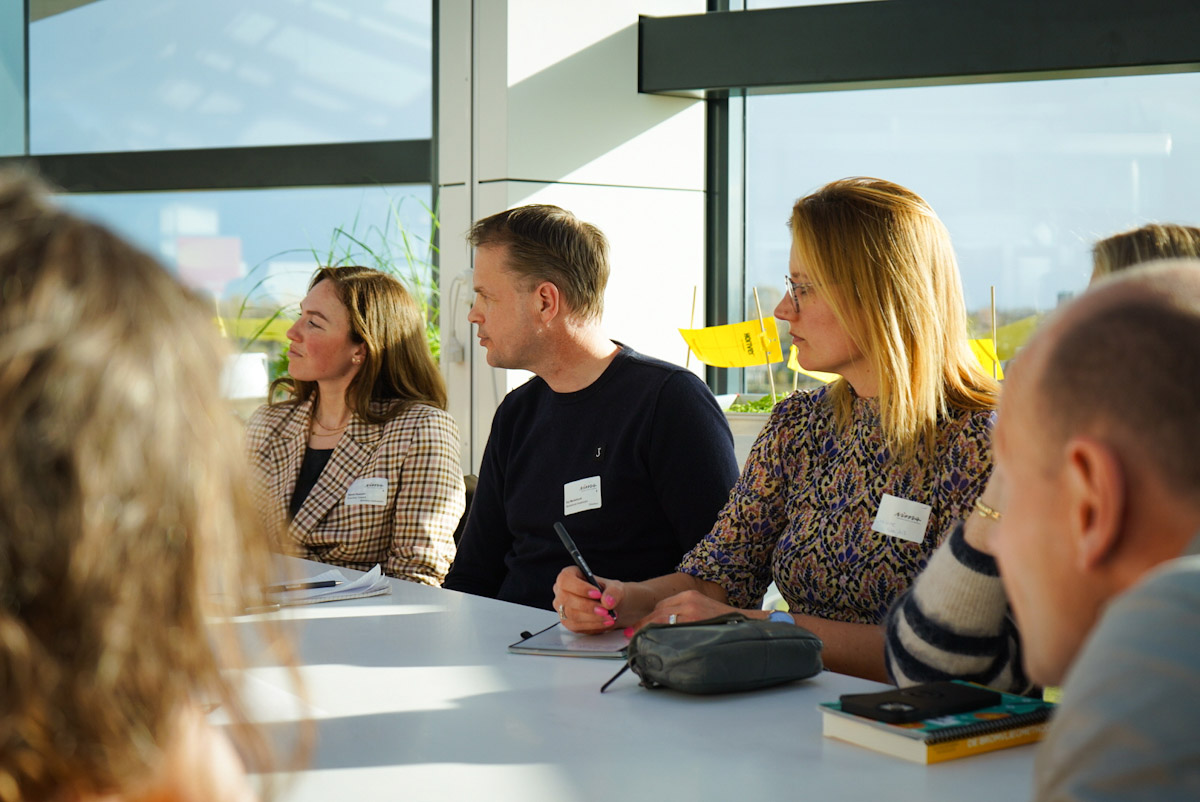
I also see marketing professionals who mostly carry out requests. Sales wants a campaign, management wants a presentation, and of course something has to go on social media. But when does the marketer ask: why are we actually doing this? For which customer? And how does it strengthen our market position? The marketer of tomorrow doesn't just carry out ideas, but thinks critically about which ideas really support the direction of the company.
What Makes the Marketer of Tomorrow Valuable in the Age of AI
With AI, we can develop content, analyze data, and test ideas faster. But if technology supports more and more of the executing work, where does our added value lie? I believe it lies in understanding what customers and the market need, asking the right questions, and translating those insights into choices for the company. And above all, in connecting people and disciplines so those choices are actually carried out.
That takes knowledge of strategy, data, and technology, but listening, asking critical questions, and understanding different interests matter at least as much. Sometimes it also means daring to say that something is not a good idea.
Nobody Has to Know Everything
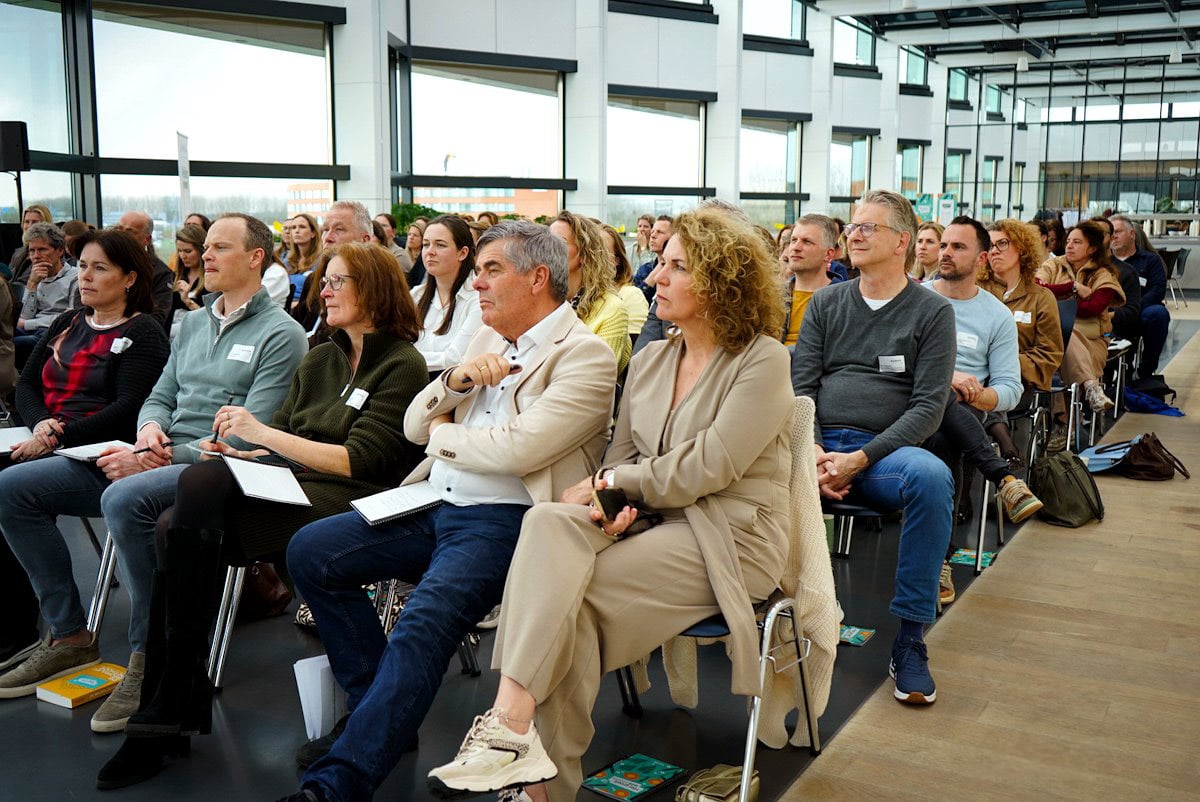
Strategy, branding, content, AI, data: the list of expectations keeps growing. But I don't believe in the marketer who has to be a specialist in everything. It is far more important to understand which expertise is needed, how to make different qualities work together, and how to get everyone contributing to the same goal.
That also asks something of entrepreneurs and management. You can hardly expect a marketer to think strategically if you only judge them on posters, social media posts, or trade fair participation. Don't just give marketing responsibilities. Give it the room and the trust to live up to them.
The marketer of tomorrow doesn't need to be an expert in everything. But they do need to think strategically, take initiative, and connect people to make change happen.
Learning Together With The Floral Marketeers
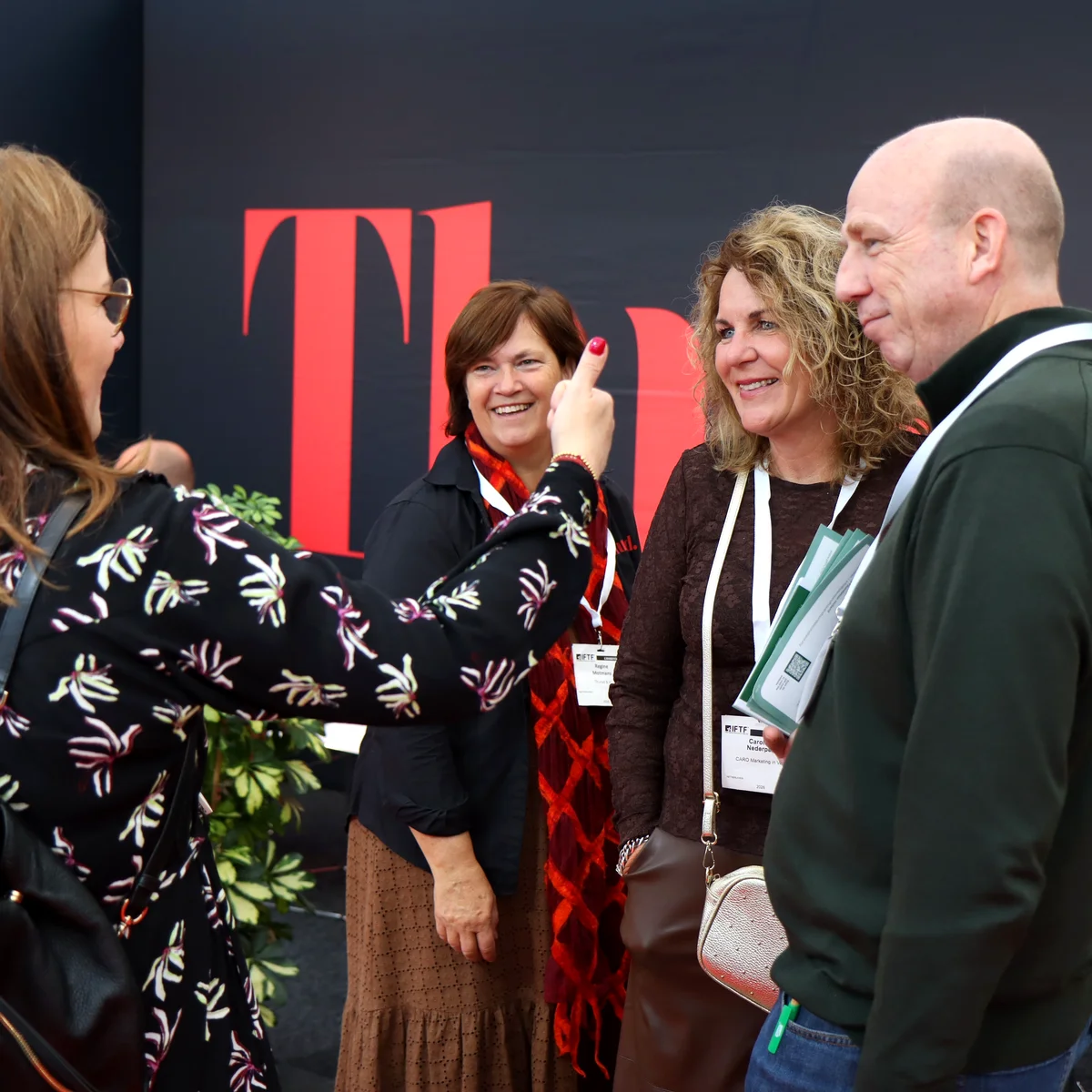
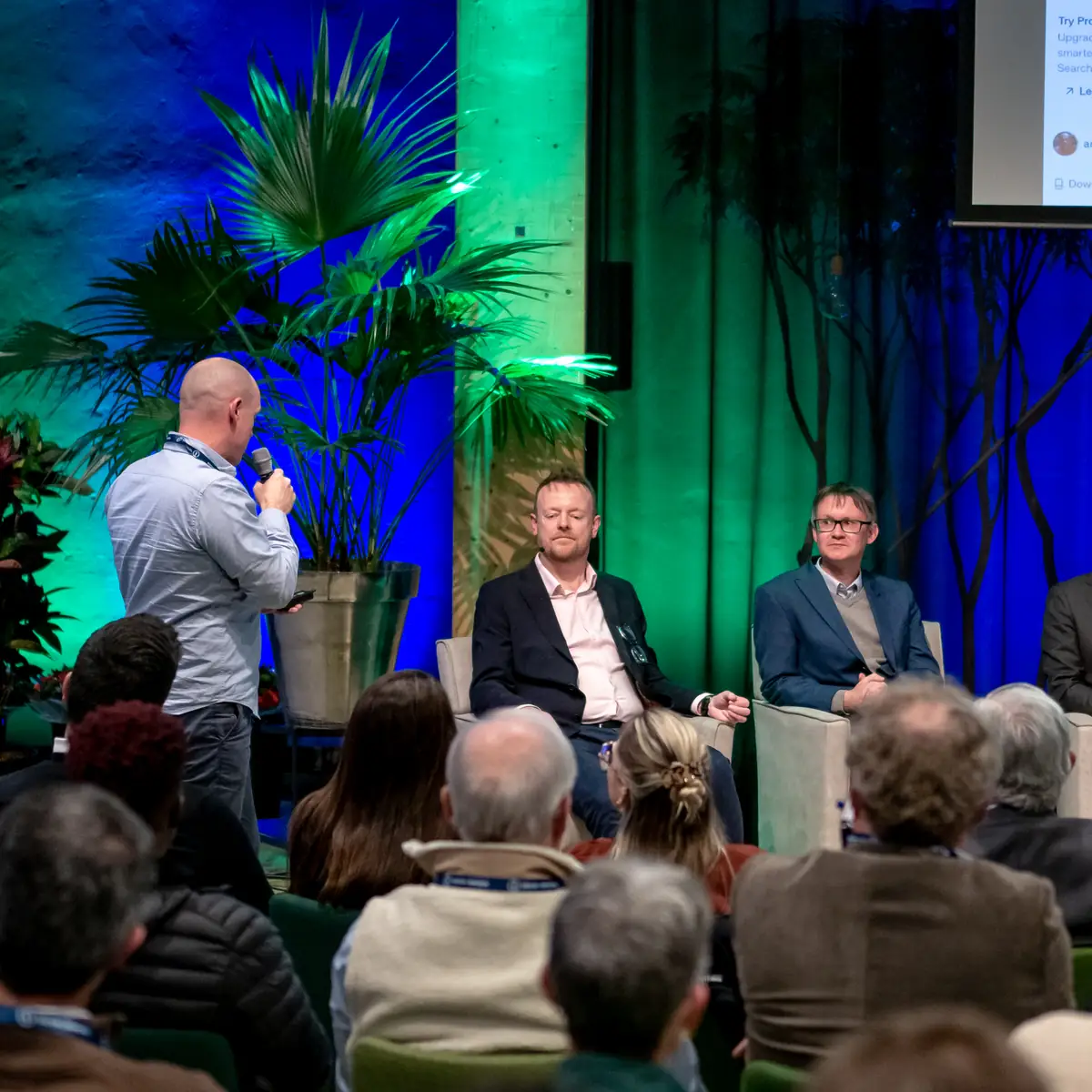
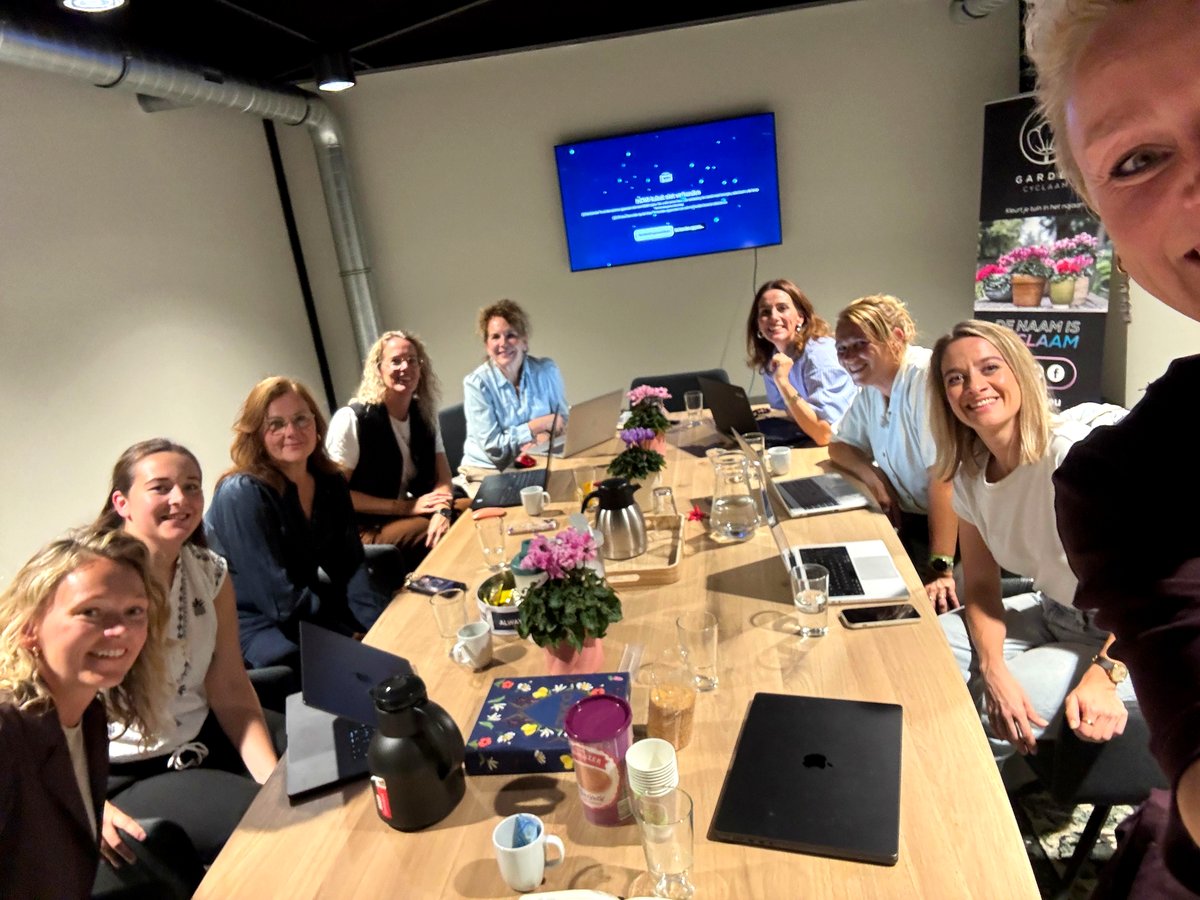
That belief is an important reason why I started The Floral Marketeers, a network where marketing professionals with different backgrounds and experience come together to share knowledge and develop the marketing profession in floriculture.
What is happening around AI is a good example. In a first joint session, we discussed how we use AI, where we get stuck, and what we want to learn. A poll in the group showed we share a lot of interests, from ChatGPT and AI as a personal assistant to integrations and automation, content and creation with AI, and reporting and analysis. Several marketers now want to follow a practical AI training together, and we are working with a trainer on a program that fits our daily practice.
What appeals to me isn't the technology, but what happens when you bring different people together: individual questions become a shared next step.
I also founded The Floral Freelancers, a network of independent professionals with different areas of expertise in floriculture. Its focus is entrepreneurship and making use of each other's strengths. Both initiatives have a different angle but the same conviction: we become stronger when we connect knowledge, experience, and perspectives.
Connecting Starts With Yourself
This past year, I have been learning myself again. In my development program at SiET! Leiderschap, I work on personal leadership, making conscious choices, and turning insights into different behavior. One lesson I take from it: knowing what you want to change doesn't mean you actually do things differently.
The same goes for our profession. We can believe marketing deserves a more strategic role and embrace new technology, but do we then dare to really take on that different role? Do we dare to ask critical questions, give our opinion, and sometimes say no? What I am learning more and more is that connecting doesn't mean keeping everyone happy. Sometimes it means taking a position and putting different interests on the table, however difficult that is. In the end, a marketer's value shows in what they do with their knowledge. And I know from my own experience that this isn't always easy.
Who Gives the Marketer of Tomorrow Room to Grow?
Our industry has plenty of entrepreneurship, product knowledge, and innovative strength. But as the market changes, companies need to ask which customers they want to reach and what value they really add. Marketers can drive that, not by taking over the role of the entrepreneur, sales manager, or HR, but by bringing in market insights, making connections, opening up choices for discussion, and linking people from different disciplines. Change doesn't come from presenting a new strategy. It comes from taking people along, discussing resistance openly, and actually starting to act differently together.

We talk a lot about the future of our products, cultivation techniques, and markets. But do we talk enough about the future of the people who help build our market position? That is a shared responsibility. For marketers, to take initiative and look beyond their own tasks. For entrepreneurs, to create room for development and to really involve marketing in the future of the company.
The marketer of tomorrow doesn't need to know everything or do everything alone, but does need to know how to bring people, knowledge, and strategy together. That is what I try to contribute to every day.
That responsibility lies with both marketing professionals and business leaders.
So here is my question to you. If we decided tomorrow, from scratch, what role marketing should have in your company, would we write the same job description as today? Or does the future call for a very different kind of marketing professional? Because in the end, this isn't only about the future of the marketer. It is about the future of marketing in our entire industry.
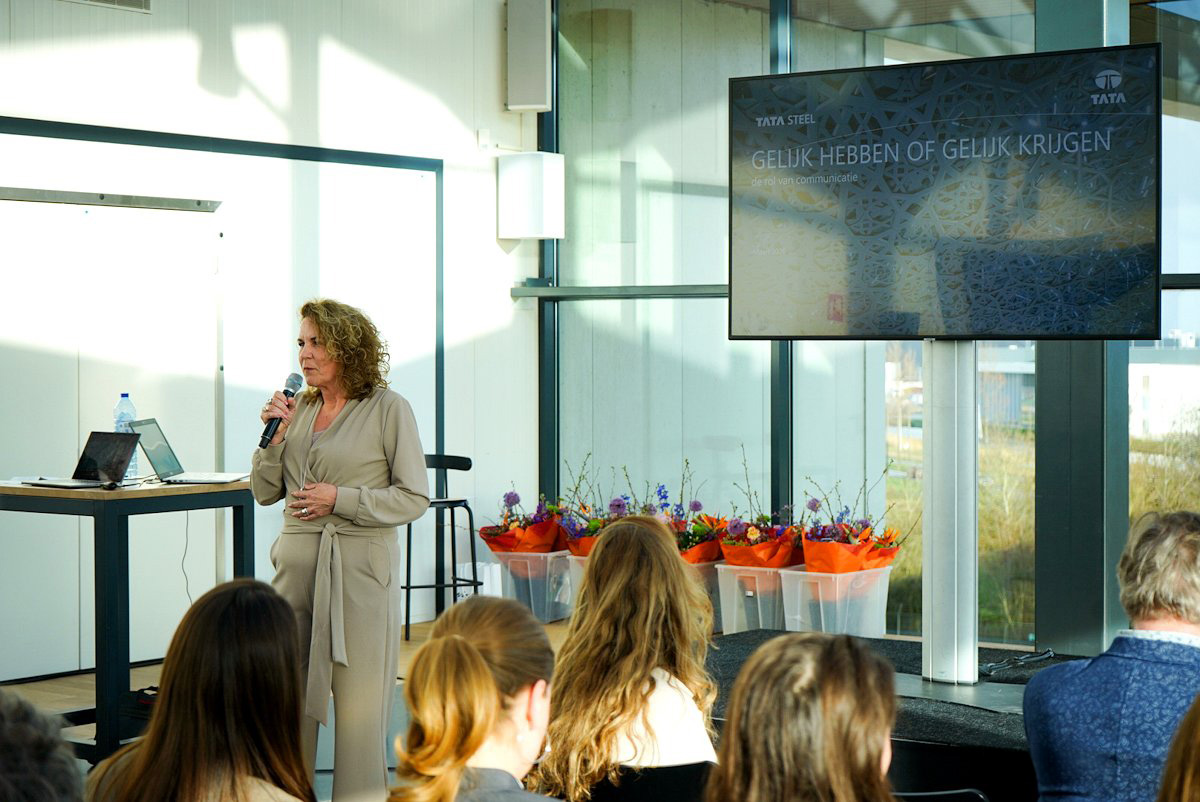
Header and featured images by @caroline-nederpelt.