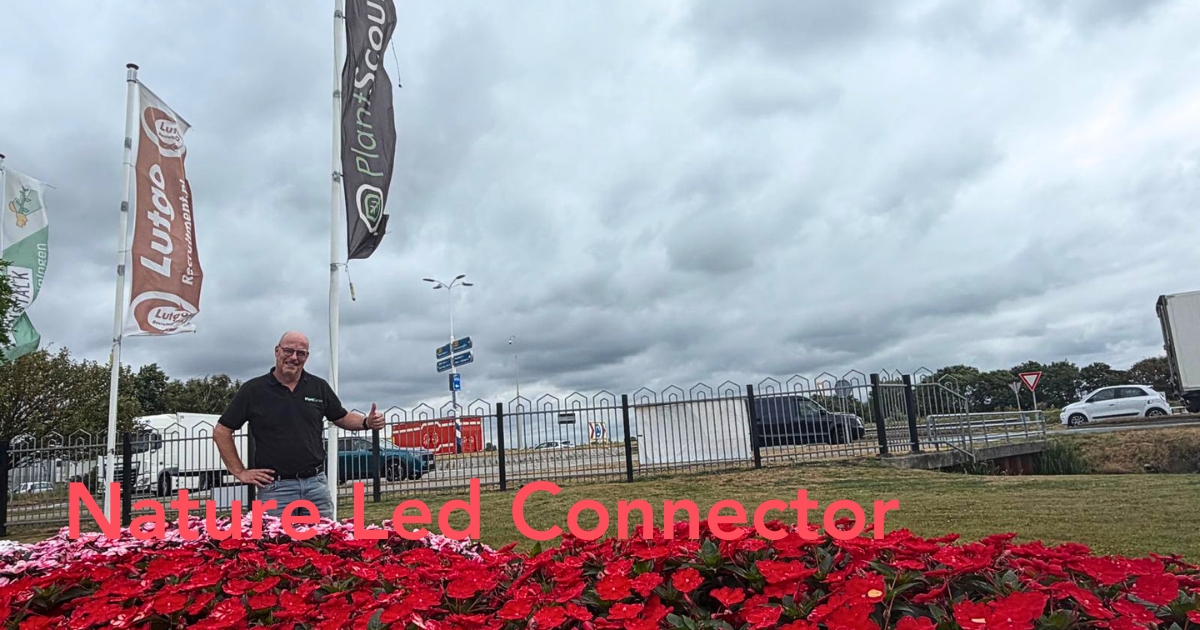
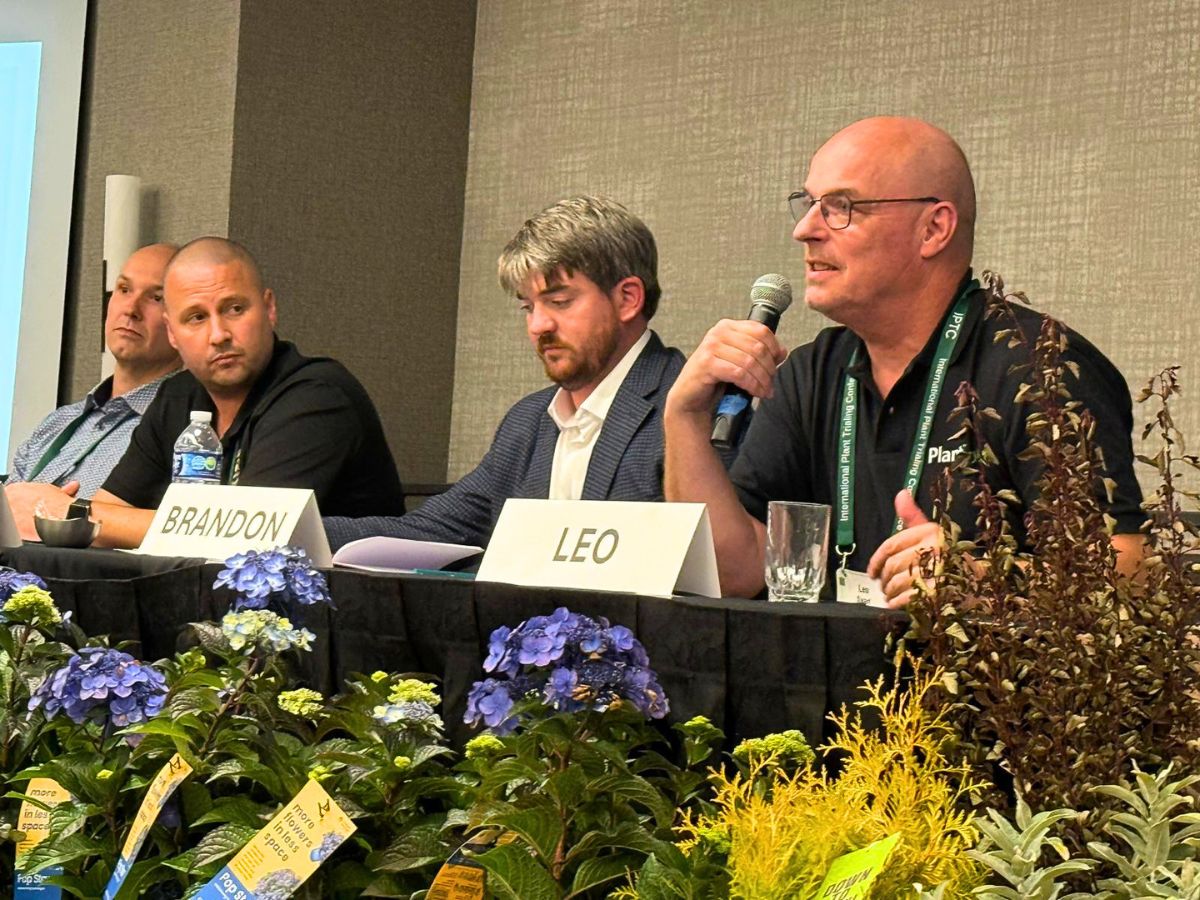
For more than four decades, Leo Swart has built his career around a simple belief: horticulture becomes stronger when people, knowledge, and technology are connected. His journey has taken him from working directly with plants to sales leadership, entrepreneurship, and digital innovation. Today, through Cresultant and PlantScout, he helps businesses collaborate, share data, and create greater value across the horticultural chain.
In this edition of 10 Questions, Leo reflects on the value of taking action, learning through mistakes, trusting intuition, and looking to nature for answers. It is a thoughtful story about curiosity, connection, and the courage to keep moving forward.
Question 1
For those who don’t know you, who are you, and what do you do?
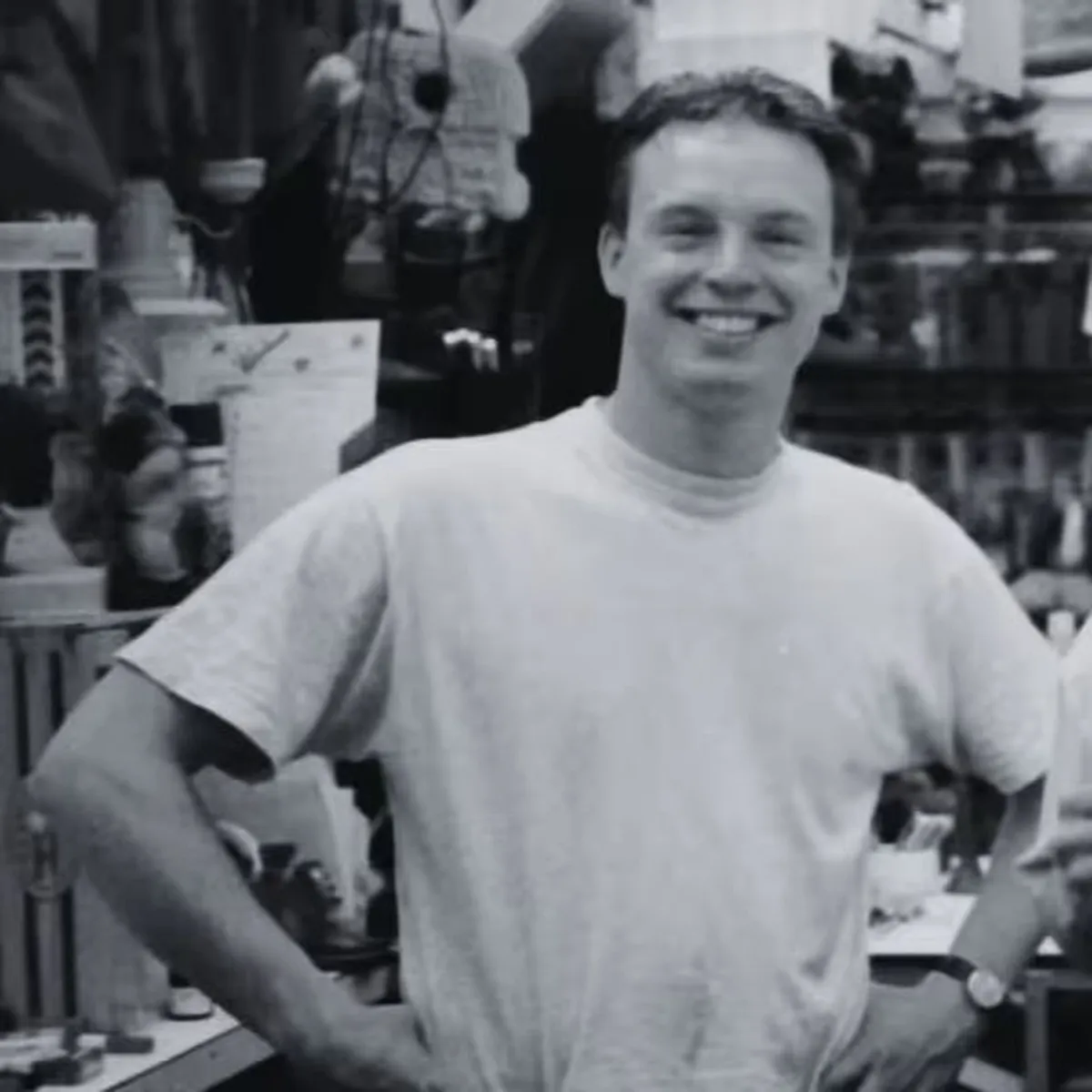
"My name is Leo Swart, 59 years young, and I have been working in the most beautiful industry there is, horticulture, for more than 40 years. I studied tree nursery production and landscaping and started my career literally with my hands in the plants, budding and grafting trees. After travelling through the United States and working for a landscaper in Los Angeles, I became a garden advisor at a garden centre. That is where I discovered something important about myself: I love plants, but I also love people. And especially connecting the two.
I am married to Simone. We have been together for 36 years, and funnily enough, we met at that same garden centre. We have three sons, and one of them also works in horticulture. My career eventually took me from the consumer back through the chain to growers and suppliers. I spent 21 years at Modiform, the last 16 as Sales Director. During those years, I became increasingly fascinated by one question: why is our chain so fragmented when we all need each other?
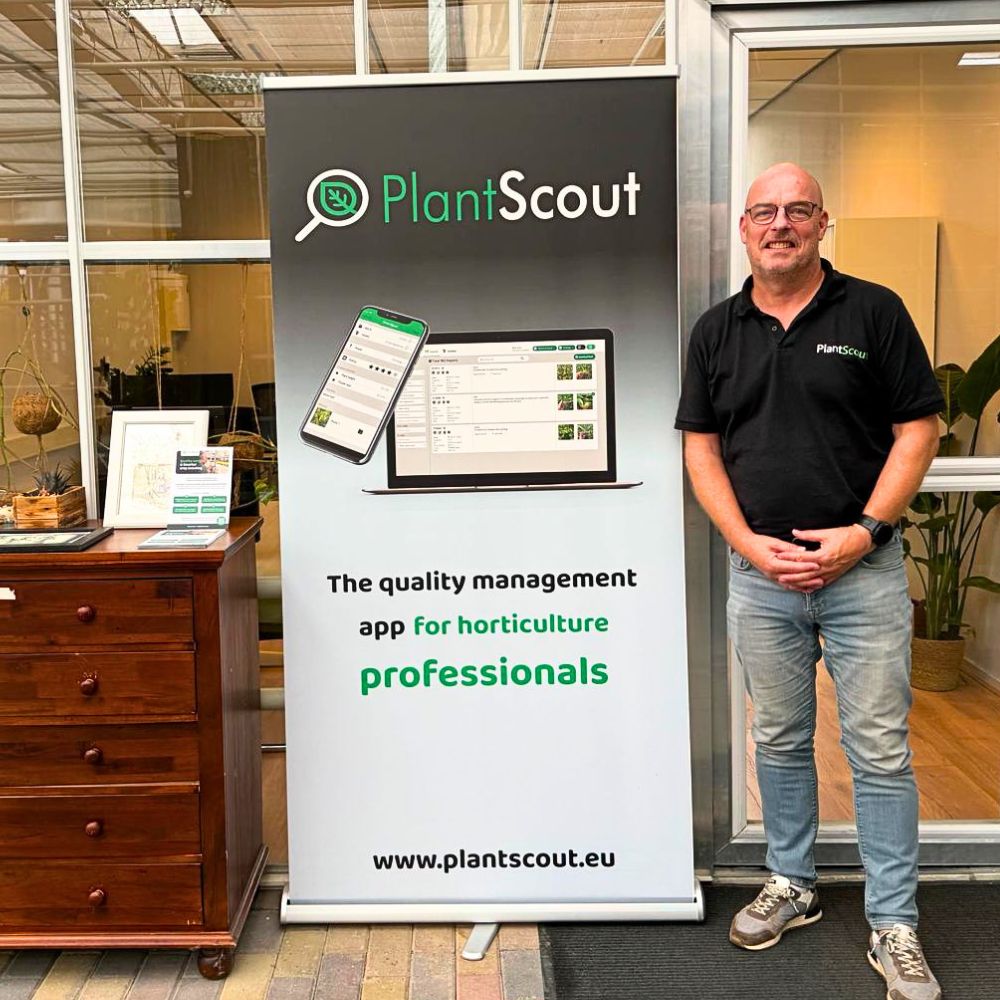
That question eventually led me to entrepreneurship. In 2016, I founded Cresultant, helping companies with co-creation, strategic alliances, and sales. In 2019, I became co-owner of PlantScout, where we use smart mobile technology to connect companies and data throughout the horticultural chain. Today I combine both worlds. Cresultant connects people; PlantScout connects people through data. For me, it is all about the same thing: bringing people together, sharing knowledge, and making the chain a little better."
Question 2
What is so special about your job?
"The first thing that comes to mind is freedom of thought. Being an entrepreneur means you can try things. You can discover what works for you and what doesn’t. And you are free to stumble along the way. I actually like that. At Cresultant, I often see companies struggling with exactly this: stumbling is seen as failure. But making mistakes is the only way to learn. So, stop meeting endlessly and start doing! You can make any idea sound fantastic in a meeting, but you can also talk any idea to death.
Today, one of the most valuable things I can do is hold up a mirror to entrepreneurs: “You say this, but I see that happening.” The challenge is to keep developing instead of developing systems that eventually put everything on autopilot. Risk is part of entrepreneurship. When things become difficult, my instinct is not simply to cut costs, but to shift up a gear and invest in yourself and your people.
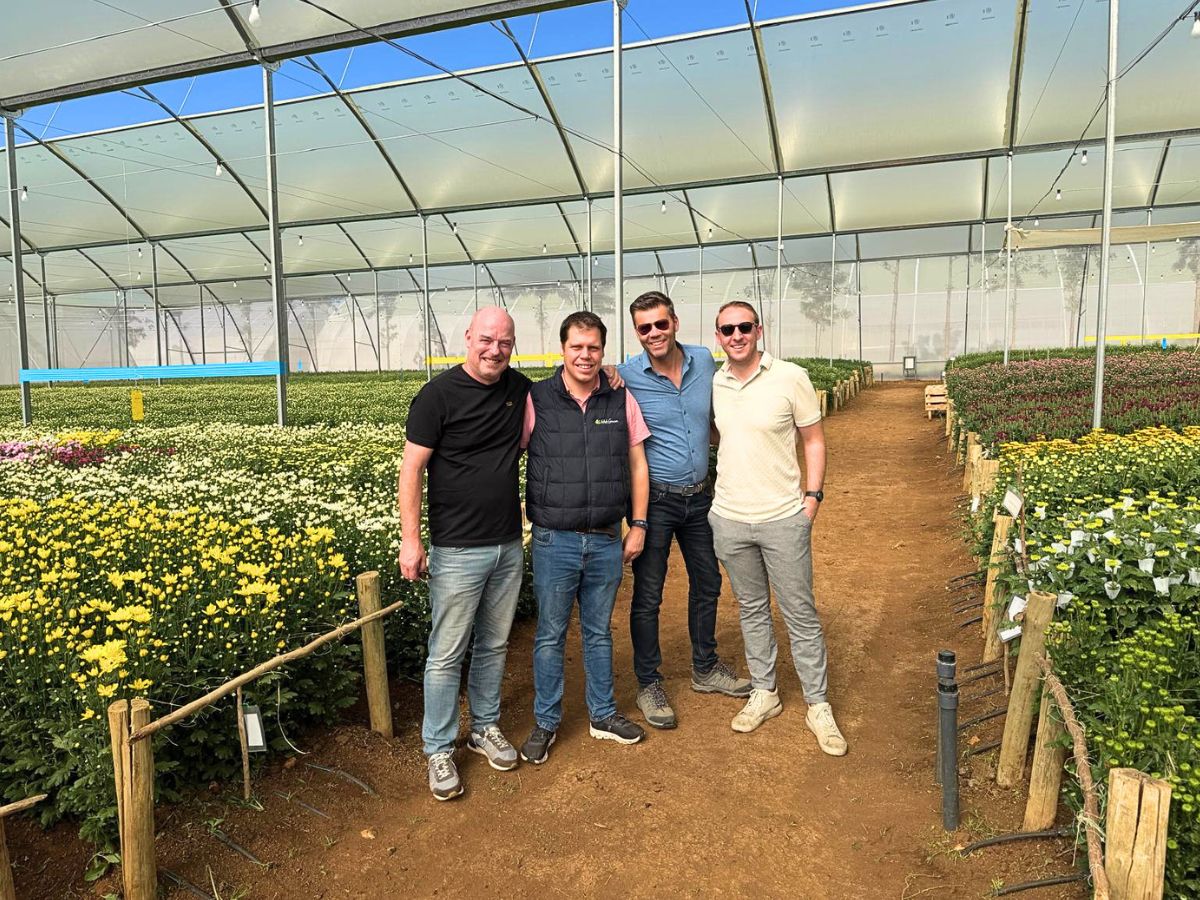
I believe many of the answers you are looking for are already inside you. My role is not to take over the steering wheel. It is wonderful when advice helps an entrepreneur see the way forward and then take the wheel themselves. They have to do it. With PlantScout, I can bring this way of thinking about the chain into practice through an app. That is a dream coming true. Developing from a start-up into a company with customers around the world, and still growing, is very special. We do it with a team that dares to act, make mistakes, and discover.
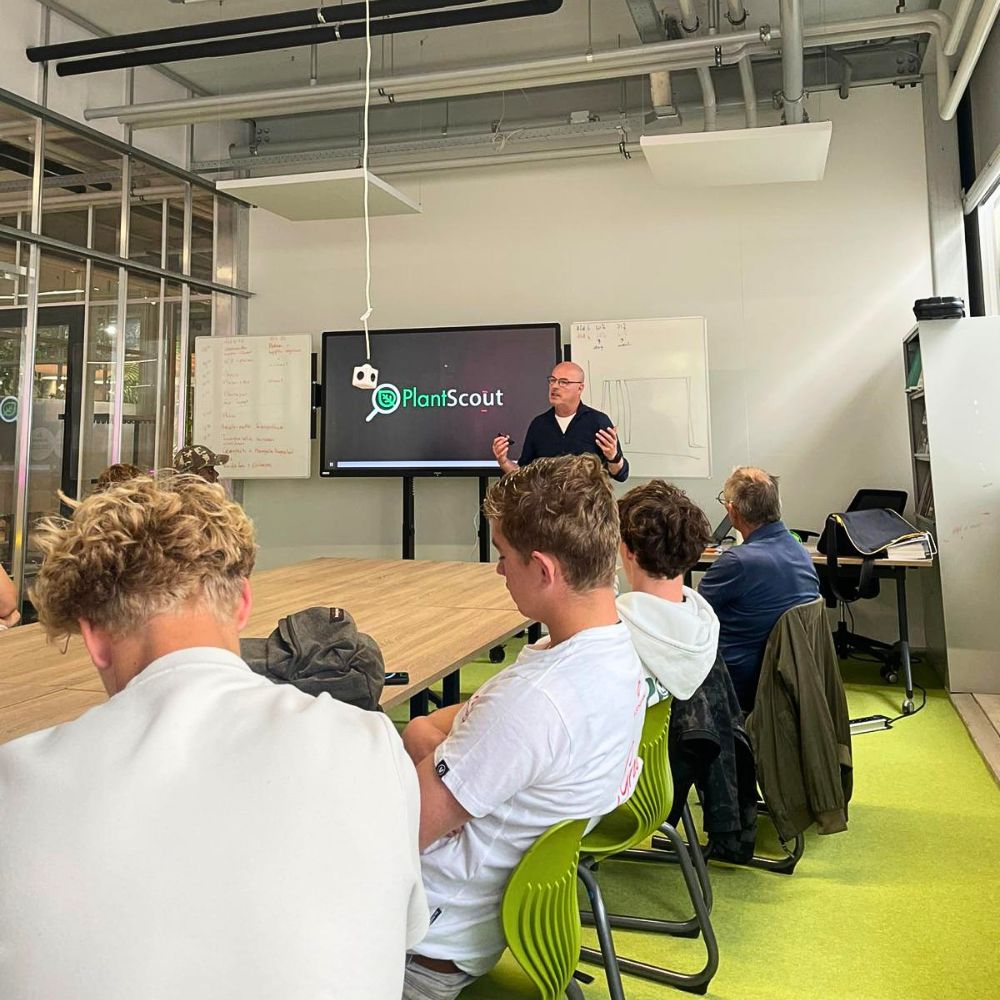
PlantScout started as an app connecting breeders and growers around trial varieties. Today it connects breeding and young-plant companies, growers, exporters, and retailers. From Quality Control to Vaselife, from Growing to Complaints, from IPM crop scouting to Storecheck. Making data transparent throughout the chain is essential. Our industry should not constantly be in a defensive position, making us an easy target whenever the media highlights issues such as pesticide use. We should transparently show what we do very well, while being equally open about what can and must improve."
Question 3
Are there any specific challenges or obstacles you’ve faced at work, and how did you overcome them?
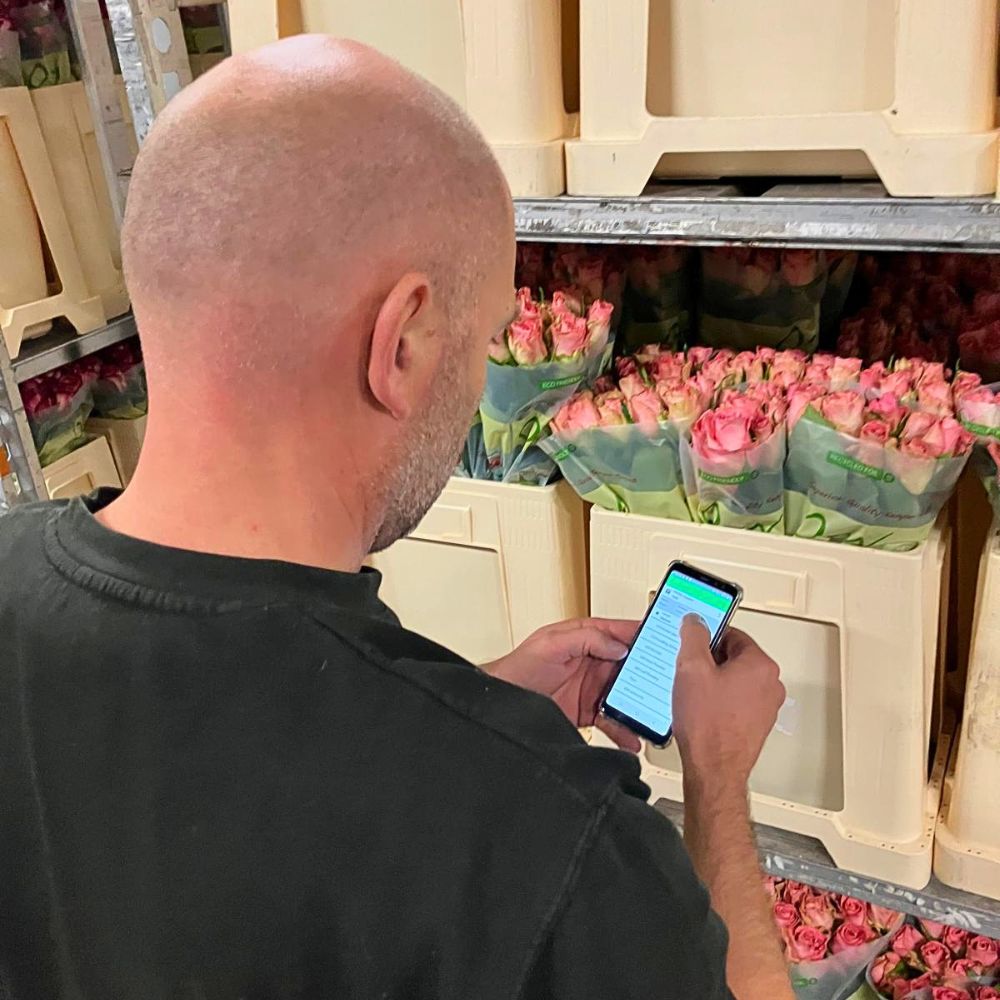
"The first challenge when I started Cresultant was very simple: can I really make it on my own? Your mind quickly goes to “what if it doesn’t work?” instead of “this feels right, I am going to fly.” It was a real transition. I came from a large company with factories and many colleagues, and suddenly I had to do everything myself. Bookkeeping? I hated it. How was I going to deal with that? At first, an assistant helped me a few hours a week with invoices, receipts, and administration. Later she pointed me towards Moneybird, an accounting app, and suddenly bookkeeping became simple even for me. Today I do almost everything myself. Something I once disliked has become something I actually enjoy, especially the feeling that everything is paid, up to date, and correct.
Years ago, one sentence from a YouTube video stayed with me: “Doing is the best way of thinking.” For me, that is really true. Every challenge I meet today, whether through Cresultant or PlantScout, I try to embrace rather than avoid. I become curious about it. Then I start doing. Very often, the way forward appears once you move."
Question 4
How can the horticultural industry strengthen its future?
"You can look at threats as threats, but at the same time they can be opportunities. That sounds obvious! Yet I often see us spending a lot of time describing the threat and everything that is wrong with it. We name it, discuss it, and, at almost the same moment, put it away again. Whether we are talking about new legislation such as the PPWR, which will have a major impact, or the whole discussion around certification, the question should be: “How am I going to solve this for my company, my customer or my supplier?” Not: “Why is this never going to work?”
Here again I see the disconnect between the beginning and the end of the chain. In B2B, we often create partial solutions, but not a solution for the whole chain. At the same time, when the end of the chain asks for a better or more sustainable product, the sacrifices are often expected almost entirely from the production side. The grower has to use more sustainable packaging that costs more, but is told they cannot charge more for it, or even worse, that the product needs to be cheaper than last season. The bill ends up with the producer, who understandably asks: “How?”
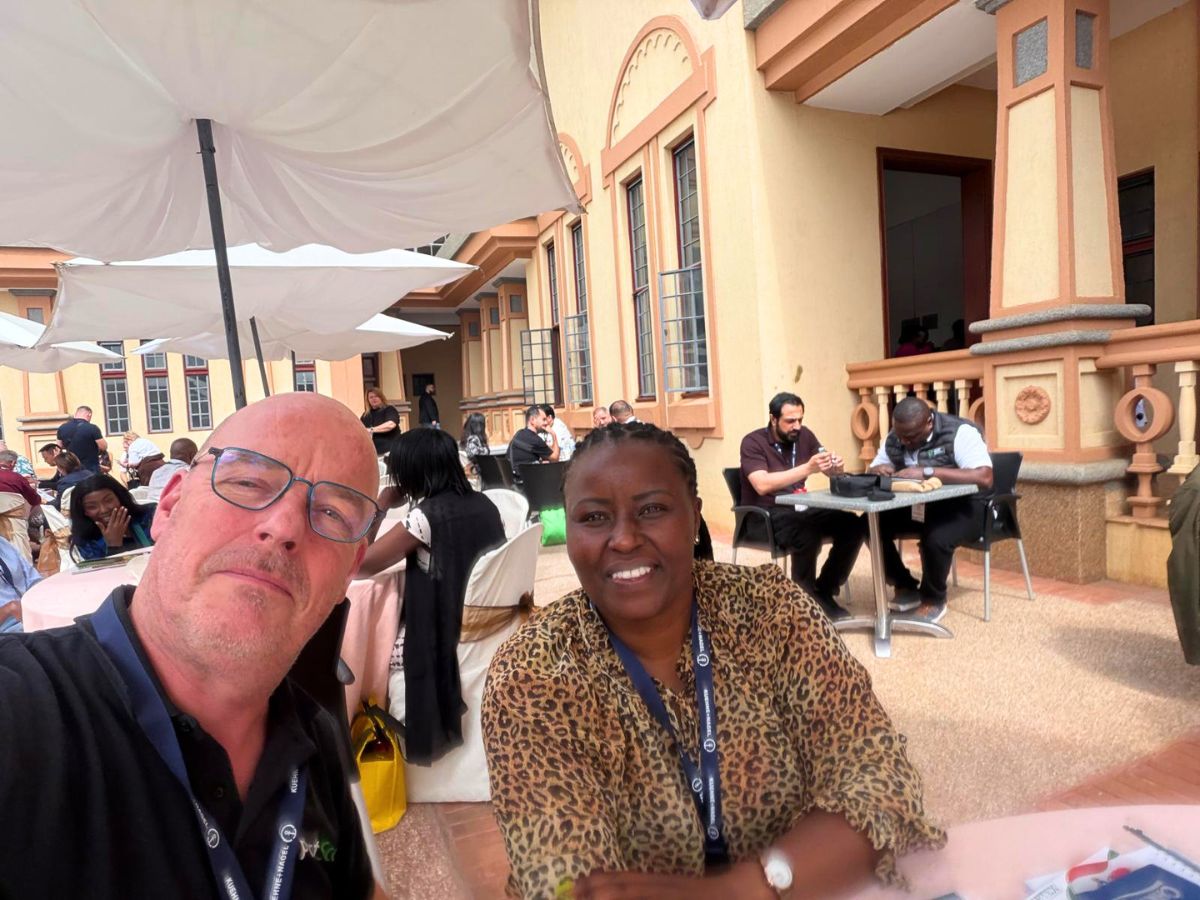
I have experienced that when you bring all chain partners together and share the gain and the pain equally, everybody can actually end up with more. One fact will never change: there will always be a producer, and there will always be a consumer. Everything in between can come and go. That is where I want to help. Winning an order on your own is great, but creating something together with your customer, your customer’s customer, and your suppliers is much more exciting! I would love to see more strategic alliances and co-creation go hand in hand, based on genuine trust."
Question 5
How has technology, such as e-commerce platforms or digital marketing, affected your industry? What strategies have you employed to stay competitive?
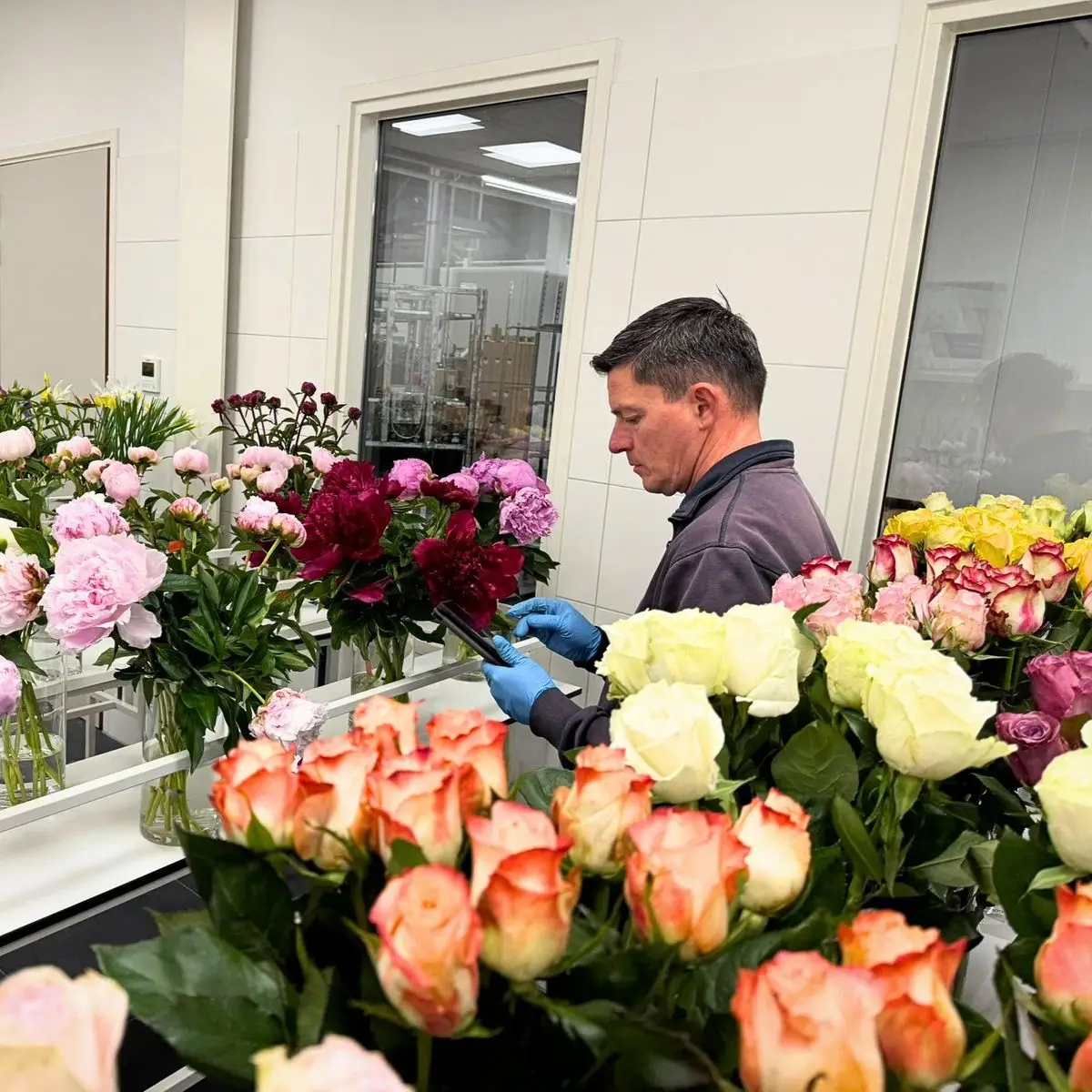
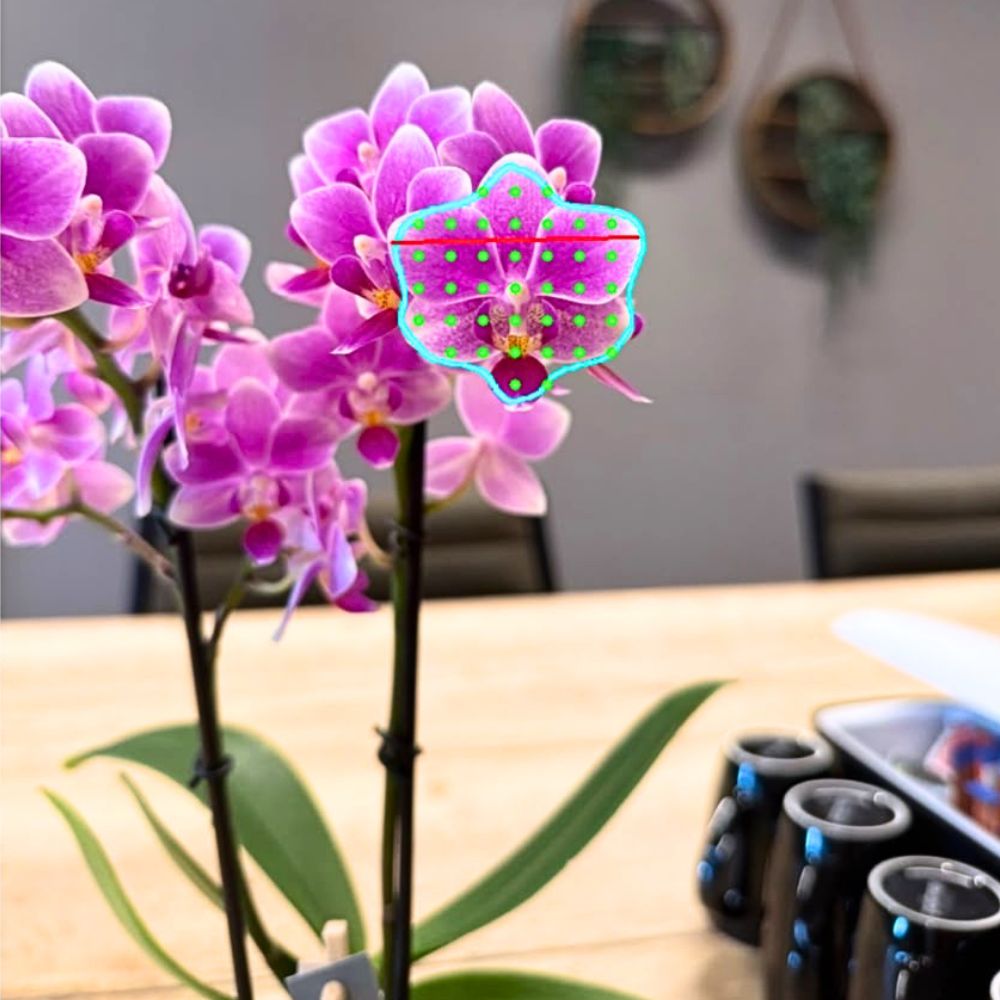
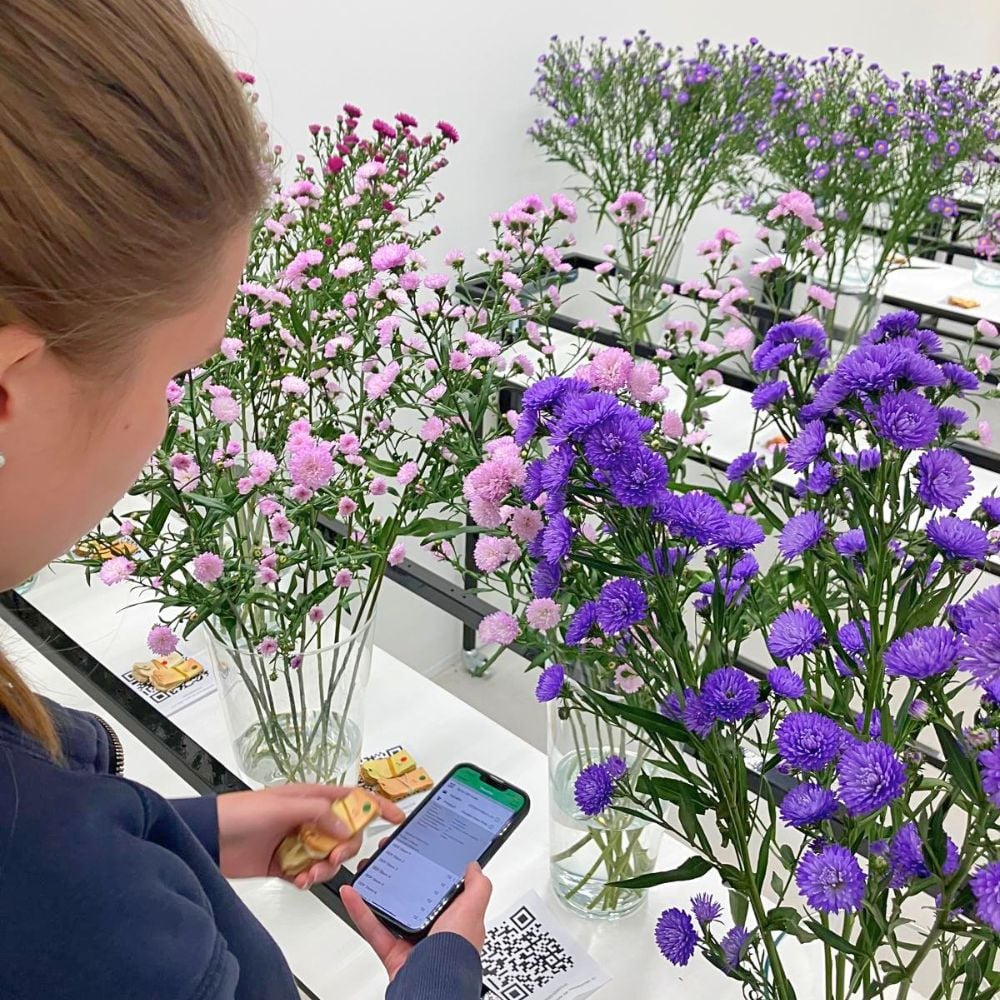
"Of course, today I cannot answer this question without talking about AI. Alongside the many new possibilities we have developed in co-creation with customers, AI is becoming increasingly important both for me personally and for PlantScout. Julian, my business partner, excels in AI and was already working with it before most people even knew what it could become. Today, with PlantScout, we can automatically read labels, including information such as order numbers, measure fruits and berries, measure flowers, and count products using only a smartphone. It is all about making work faster and easier. Combine the photograph with predefined characteristics, and you create a genuinely useful quality report.
Technology has also made the world much smaller. Through virtual meetings, I can give presentations anywhere in the world and show PlantScout working live. That helps enormously, especially for a product that people really need to see and experience. Our strategy is simple: keep investing, keep developing, and keep co-creating with our customers. The goal is not technology for the sake of technology. It is to help companies throughout the chain share their data internally and externally in the easiest and most useful way possible."
Question 6
Who (in or outside the floral industry) is an inspiring example to you? And Why?
"For me, it would be Laozi, the ancient Chinese philosopher. Maybe an unusual answer, but it is actually a very logical one. One thought from Laozi has stayed with me for a long time. In the Tao Te Ching, he writes:
“When the Great Way is abandoned, benevolence and righteousness arise.”
For me, there is something very relevant in that ancient thought. The further we move away from the natural way of things, the more systems we seem to need to compensate for it. We try to control, regulate, certify, and optimize everything, while sometimes forgetting to simply look at how nature works.
Nature is circular. It adapts. It doesn't waste. Everything has a purpose and everything is connected. That also fits our industry. We work with living products every single day, yet sometimes we make the systems around them more complicated than nature itself. Maybe after thousands of years, we are discovering that some of the answers we are looking for were already there all along, right in front of us, in nature. That inspires me enormously."
Question 7
How do you handle stress or difficult moments in your life?
"For me, everything is energy. If you keep feeding negative energy with attention, it grows. The same is true for positive energy. Churchill once said, “Never let a good crisis go to waste.” Simply saying that things are hard or easy. We do that on a massive scale; just switch on the television. The more positive and open question is: “What is this giving me?” or “What can I do with this?” Sometimes I even ask myself: “What is being given to me here?” A crisis or difficult situation can, if you are open to it, force you to discover new ways of dealing with things. I have learned that the answer you are looking for often starts within yourself. If you keep looking for the answer in the unpleasant event, or in the person making life difficult for you, and that event or person does not change, there is a good chance your situation will not change either.
So, I try to steer myself and follow my intuition. That keeps me exploring: could this be done differently? What opportunity might be hidden here? Asking those questions immediately gives me positive energy. It helps me look without judgement and makes it easier to discover a new path or idea. That path is rarely straight. Negative energy pulls me down into my head and overthinking. Positive energy leads me somewhere, towards my gut feeling and intuition. That is how I navigate."
Question 8
What has been the best (floral or non-floral) news for you lately, or in the last year?
"For me, one of the best developments is the growing realization that we need to return to nature. Finally, we increasingly see stories about trees being a natural form of air conditioning. The temperature at ground level beneath trees can be dramatically lower than in a street with no trees, only stone and concrete. And suddenly we are rediscovering something nature has been offering us all along.
For years, trees were sometimes removed because birds left droppings on cars or because clearing leaves in autumn cost too much money. Fortunately, I feel we are starting to see the madness of that. Trees and nature are part of the solution for keeping our cities cooler. They can reduce the need for cooling in houses, while in winter their leaves are gone and sunlight can once again help warm those same homes. What a wonderfully simple, circular system. It brings me straight back to Laozi in Question 6: we need to find our way back to nature. That gives me hope. I have the feeling this awareness is becoming too strong to stop now. So: bring on the trees!"
Question 9
Which is your favorite flower/plant, and why is it good for you?
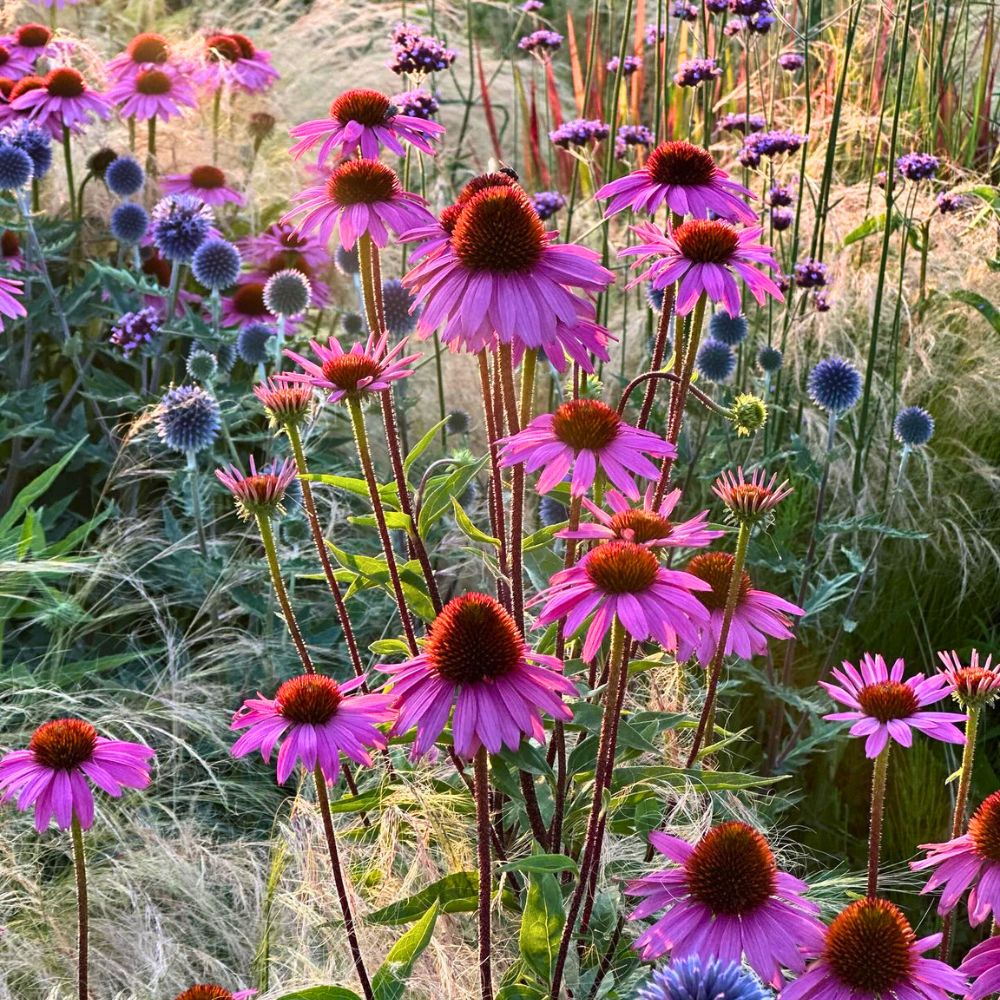
"For a very long time, my favourite has been Echinacea purpurea, the purple coneflower. It is a perennial, and of course today there are many beautiful cultivars, but the species itself has always stayed with me. When I studied tree nursery production and landscaping, I would regularly walk through the school's plant collection and always stop to look at this plant. I still think it is beautiful: the upright habit, the lance-shaped leaves and those wonderful flowers that, with a little imagination, look like small hats standing proudly in the sun.
But what I love just as much is everything that happens around it. Echinacea attracts butterflies, bumblebees and bees into the garden. Its long flowering period, from around the end of June well into September, means we can enjoy it for months, and so can the pollinators that need it. I am happy; nature is happy. A beautiful balance."
Question 10
What are you doing this weekend?
"First of all: into the garden! Looking after whatever needs attention, doing some pruning, trimming the hedges- you really cannot make me much happier than letting me work in the garden. So apparently choosing to study horticulture and landscaping all those years ago was the right decision. I still enjoy the benefits of it, both privately and professionally. Looking after the birds and insects is part of that too. My wife always says in autumn: “I don't know anyone who enjoys raking leaves and taking them to the compost heap as much as you do.” Almost everything that falls or grows in the garden goes back into the garden. Branches are shredded and returned as a natural mulch between the plants. Only the clippings from the Hedera hedge are kept out.
If it is rugby season, there is also a good chance you will find me at the rugby ground of The Dukes in Den Bosch, for me, the most beautiful rugby ground in the Netherlands, right in the centre of the city. I volunteered at the club for around 20 years, doing everything from kitchen duties to serving on the board. For my last five years I was team manager of the first team. Many friendships grew there. Rugby can be rough on the field, but there is enormous respect for referees and opponents. After the match, the home club provides food, the captains speak to each other, and everyone eats and drinks together, including the referee and touch judges. I love that atmosphere. Rugby has played an important role in our family and still does.
There is also a fair chance I will go to a concert. I am a huge progressive rock fan, especially Marillion, a band I have followed for 44 years. And there is a 100% chance I will be in the kitchen at some point. Cooking is another big passion. Sitting around a table for hours, good food, good conversation simply wonderful. And finally, walking in nature. We live close to a canal park that was created a few years ago, so within minutes we can walk straight into nature. Watching birds, observing, being quiet. For me, that is the biggest recharge of the week.
Back to nature... again."
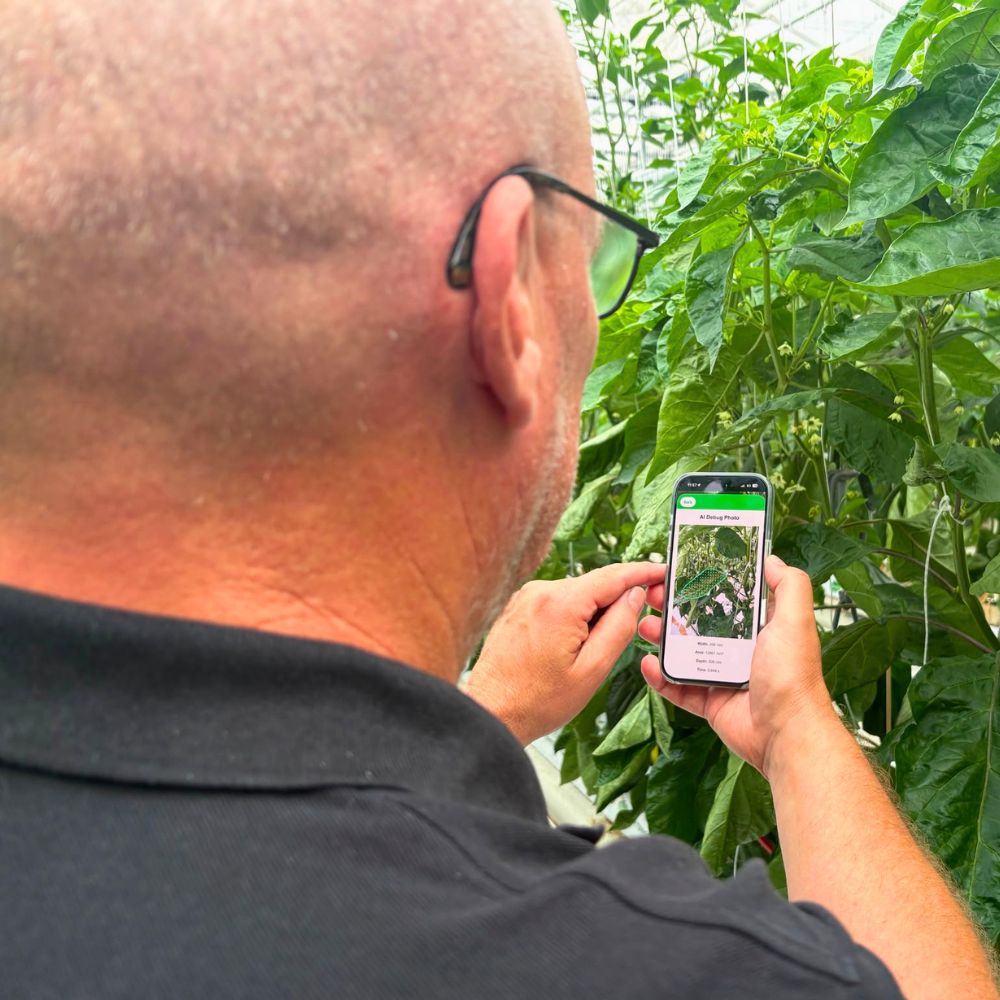
Leo’s journey shows that progress often begins with curiosity, action, and a willingness to bring people together. Whether advising entrepreneurs through Cresultant or developing PlantScout, he continues to challenge fragmented ways of working and promote greater transparency, trust, and collaboration across horticulture. His message is simple: learn from nature, trust your intuition, and start doing.
Want to discover how smarter collaboration and transparent data can strengthen your horticultural business? Connect with Leo Swart and explore PlantScout to see how technology can improve processes and build stronger connections throughout the chain. Know someone who deserves this spotlight? Share their details at edwin@thursd.com.
All pictures courtesy of Leo Swart.