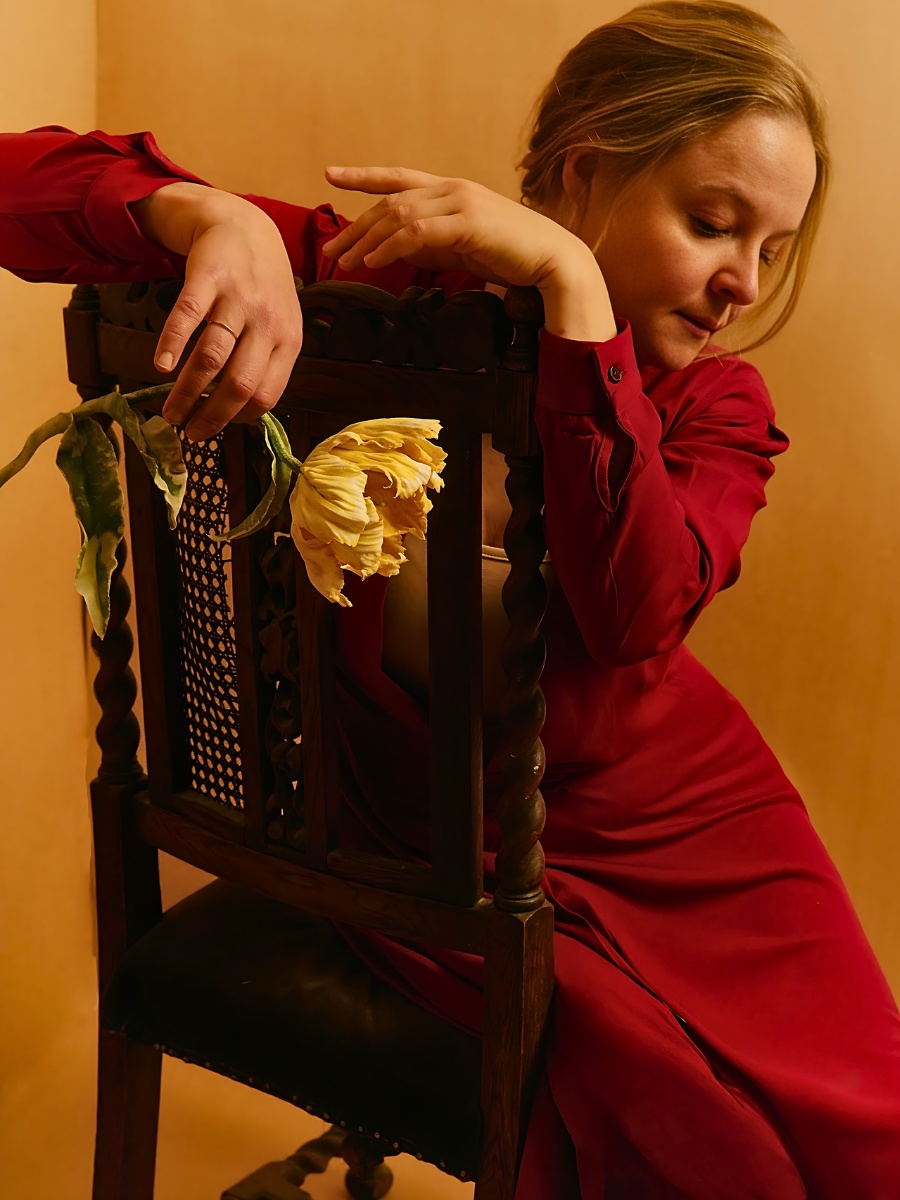
Ever since she was young, Amsterdam-based floral artist Anna Volkova has made sketches of her surroundings, mastering the technique of capturing scenes to perfection. This habit, instilled into her by her father, a renowned documentary filmmaker who taught at the art academy and was a photographer affiliated with the renowned Hermitage Museum (which captures the soul of St. Petersburg), became the basis for her signature work.
Observing Her Surroundings and Capturing Them Perfectly in Sketches
Born in St. Petersburg, a city where art seems to ooze from the architecture itself, Anna Volkova absorbed culture and artistic dexterity from her earliest days. Her childhood sketching exercises were not just about making pretty pictures, but also about training her; she achieved a mind capable of comprehensively observing, noticing the curves (of flower petals), the way light falls across a surface, and the subtle geometry that underlies natural forms.

Her groundwork in classical observation, combined with her later education at the prestigious Stieglitz State Academy of Art and Design in St. Petersburg, and subsequently at Amsterdam's Gerrit Rietveld Academie and Sandberg Instituut, shaped her artistry, understanding beauty in its most natural and essential forms. In her work, Anna in effect links centuries of artistic tradition with contemporary aesthetics, creating artworks that honor the past while speaking directly to the present.
Why Porcelain?
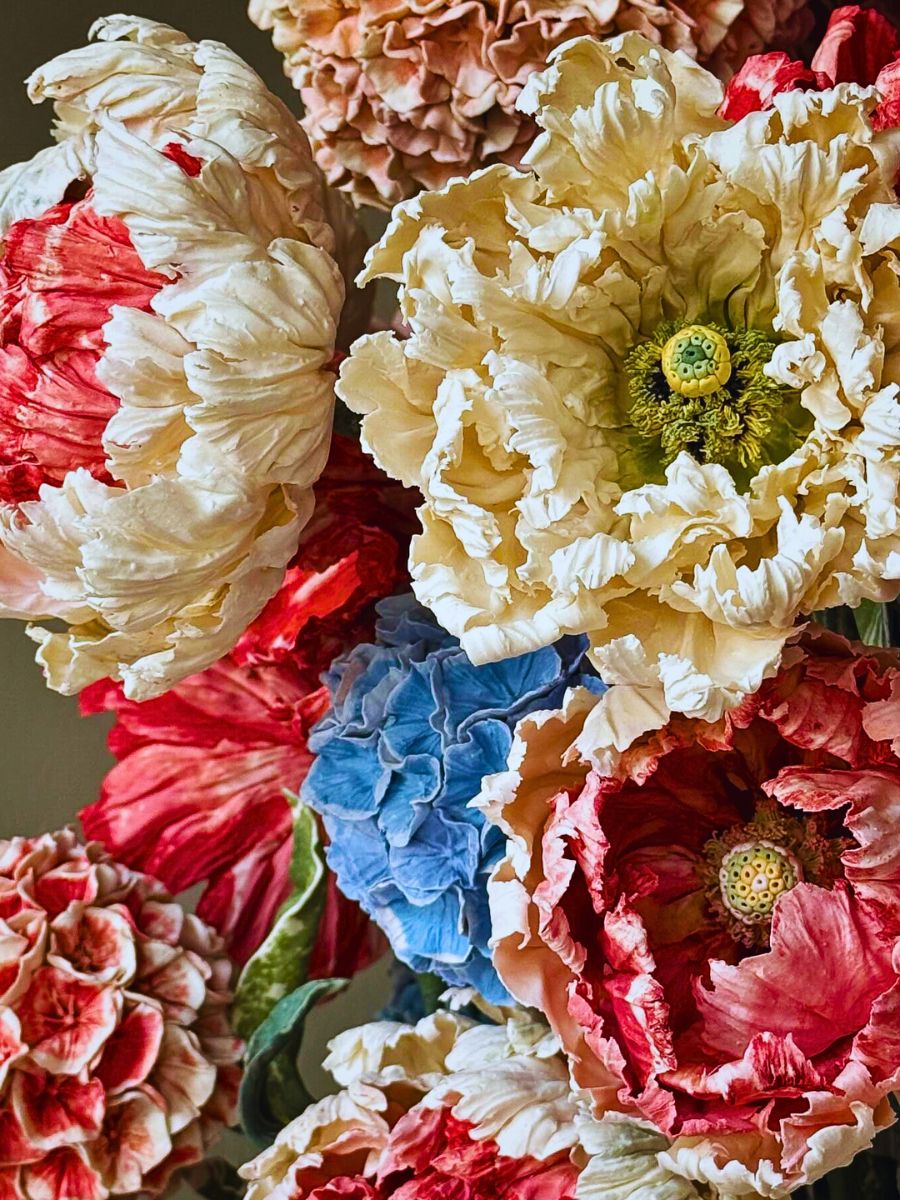
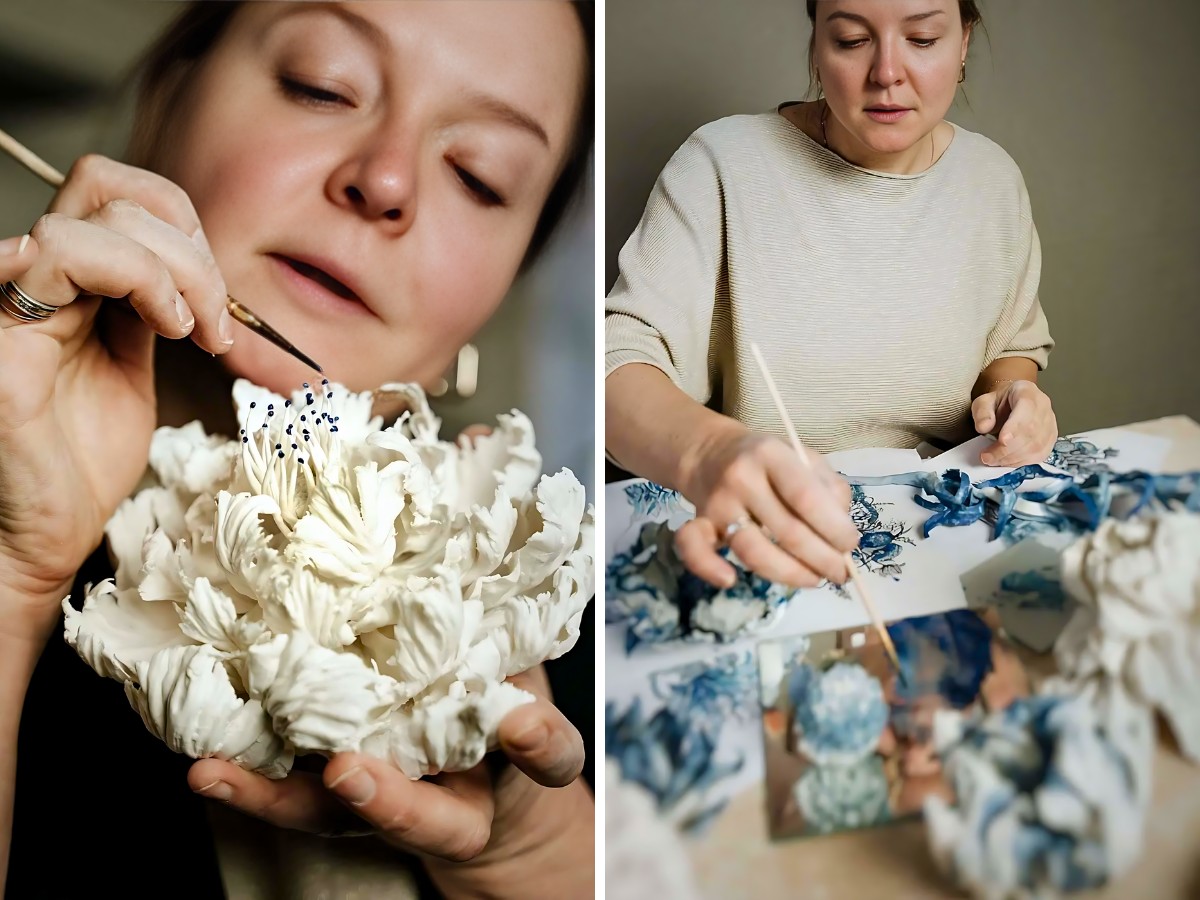
Working with porcelain came naturally for her, drawn by its purity, translucency, and the particular kind of strength that exists only in apparently fragile things. But since she wasn't content with the then-existing techniques, she spent years experimenting with the material, eventually developing her own methods based on ancient Chinese recipes.
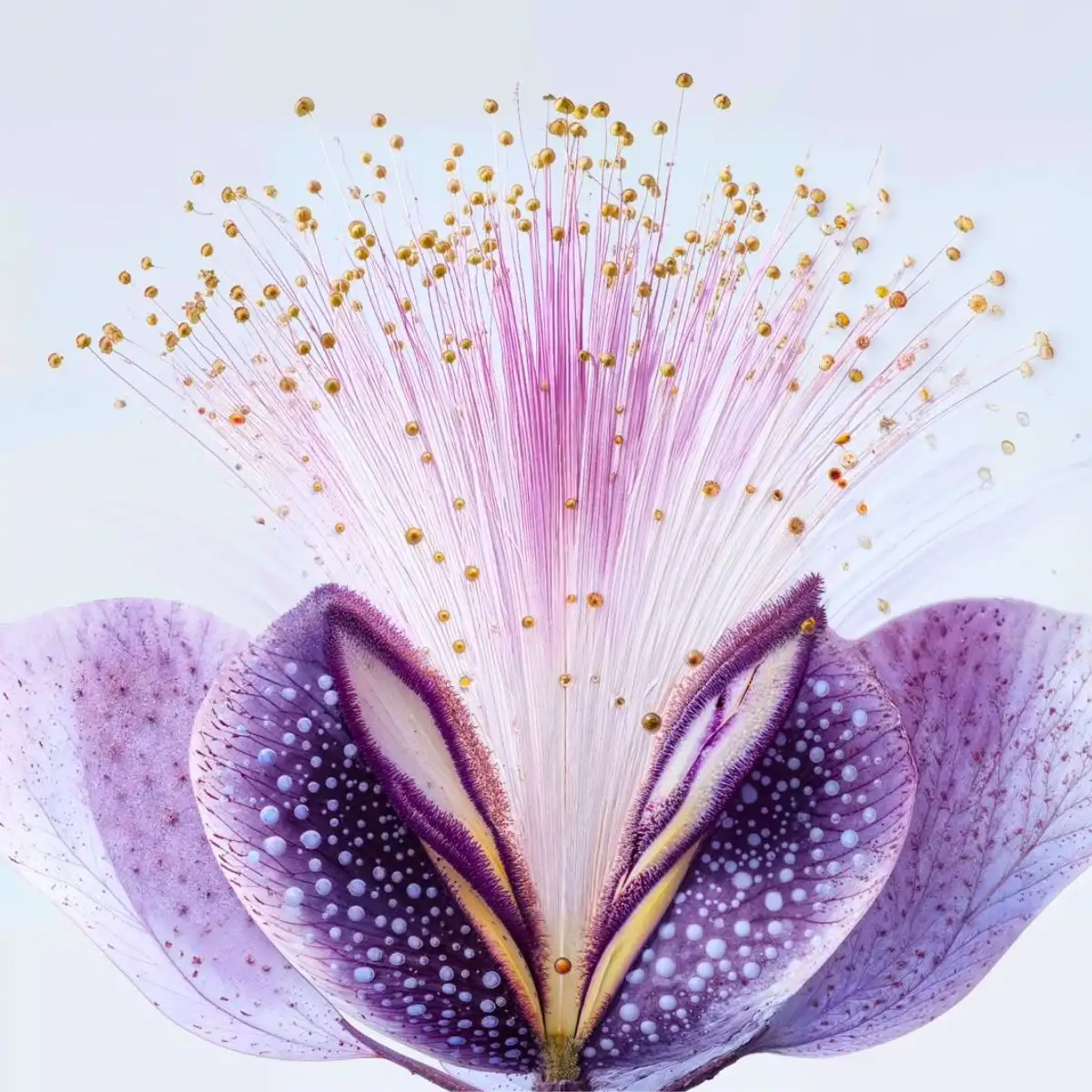
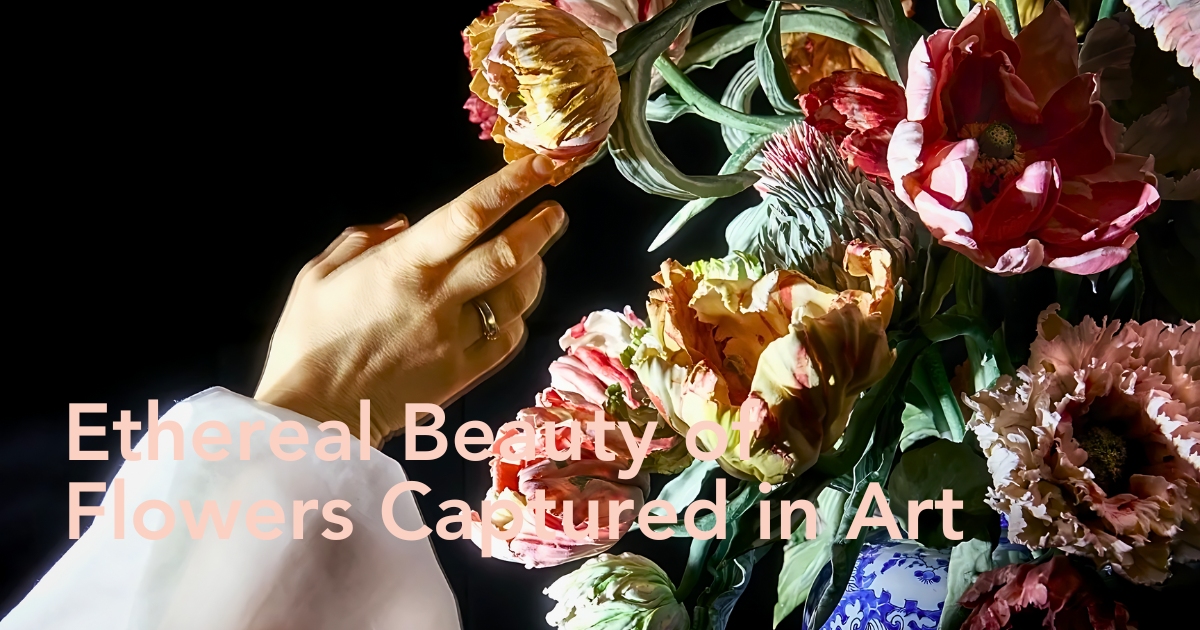
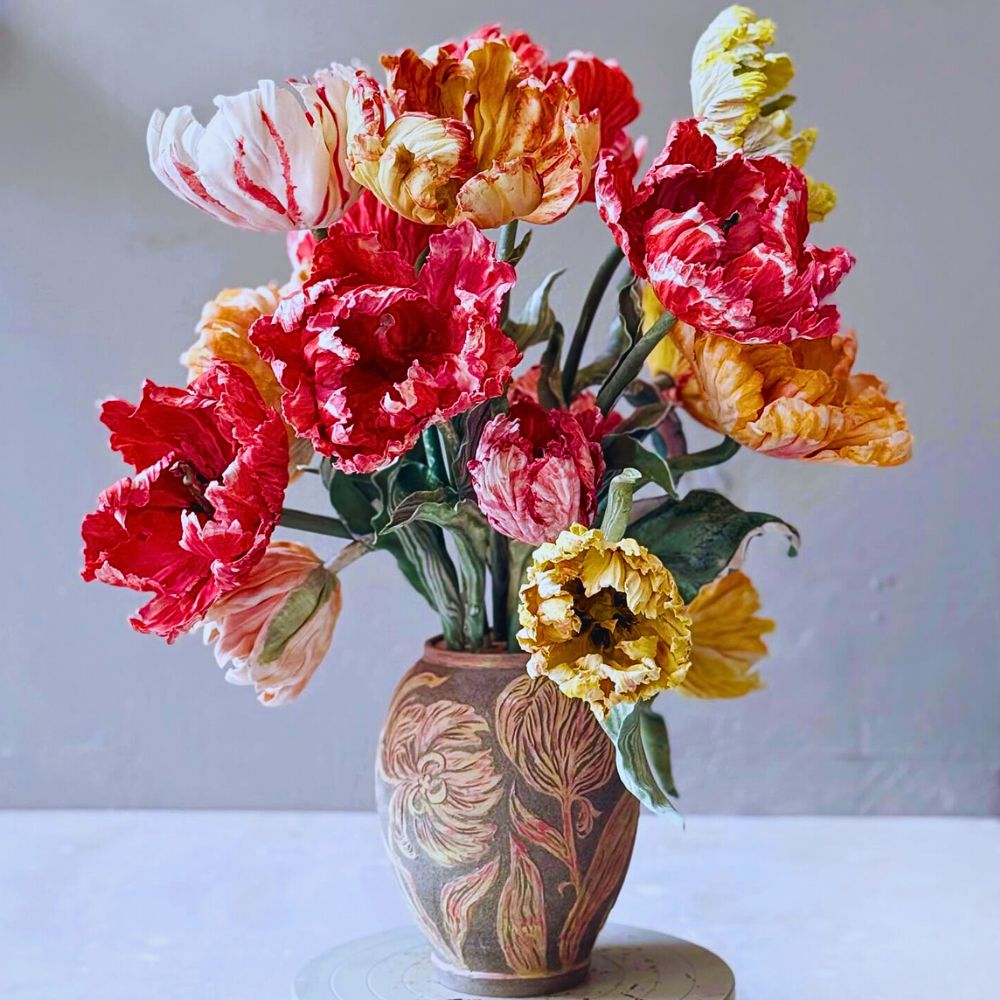
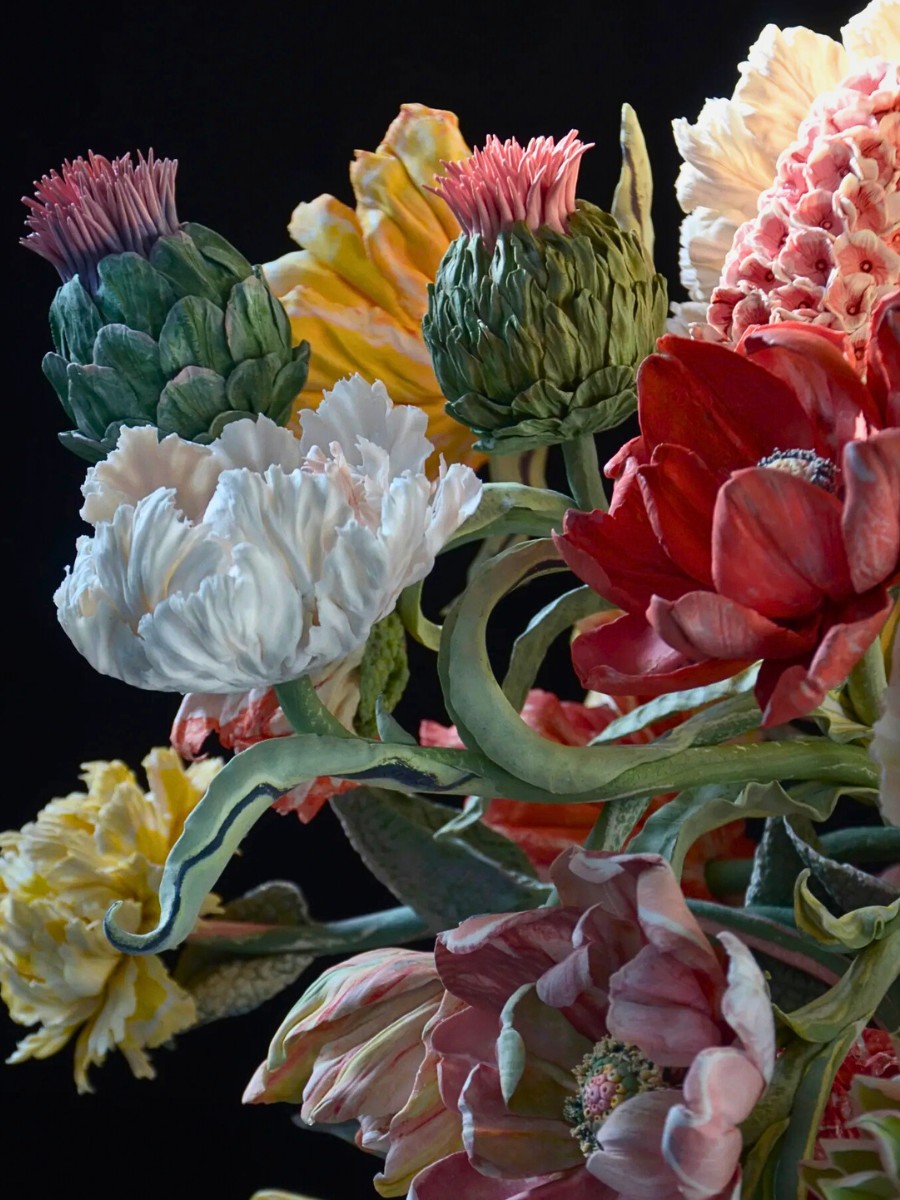
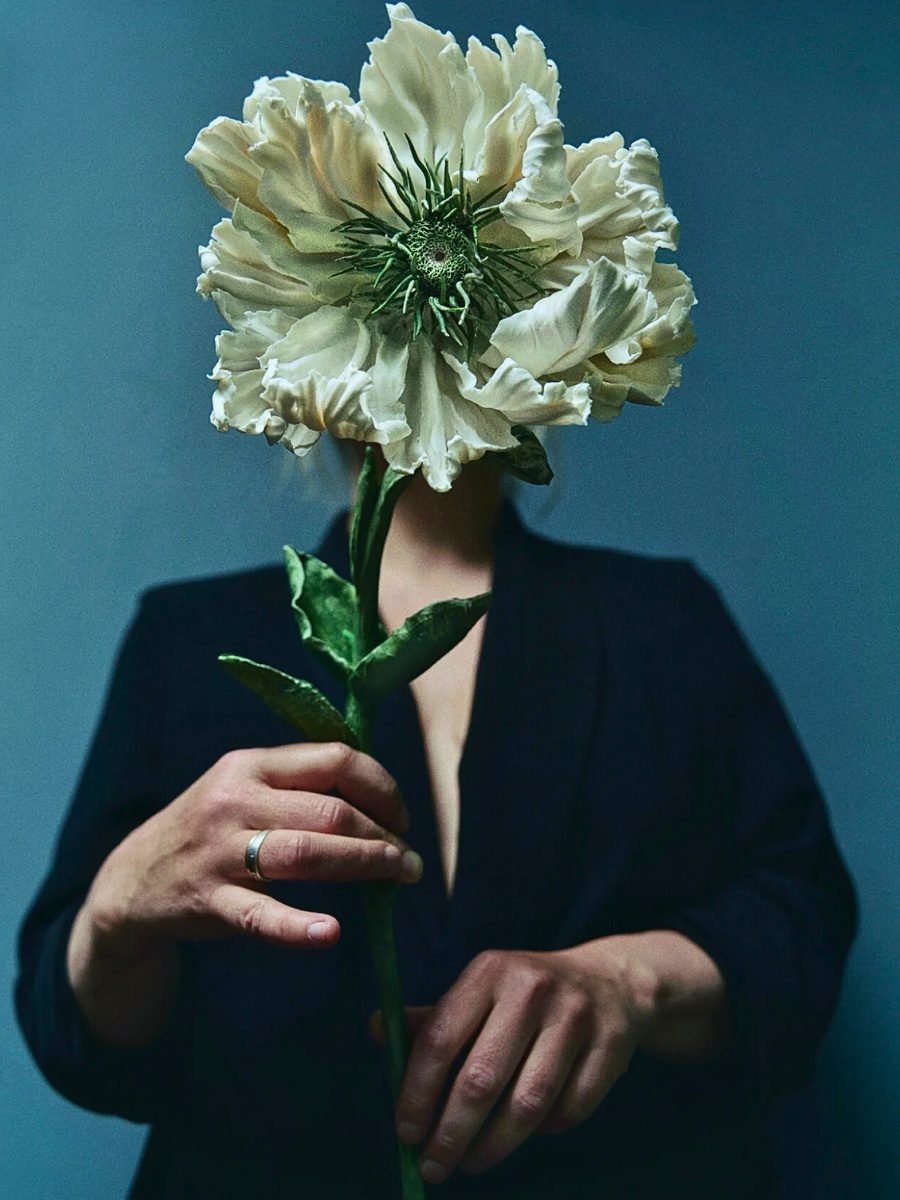
The result has, since, been quite extraordinary. Her pieces, for instance, feature floral petals so thin they seem ready to tremble in an imagined breeze, their surfaces catch and diffuse light like real specimens, and their forms capture the sensual curves and baroque extravagance of nature. Essentially, the varieties, the shapes, the colors, their ephemeral nature, and the fragility of flowers fascinate her.
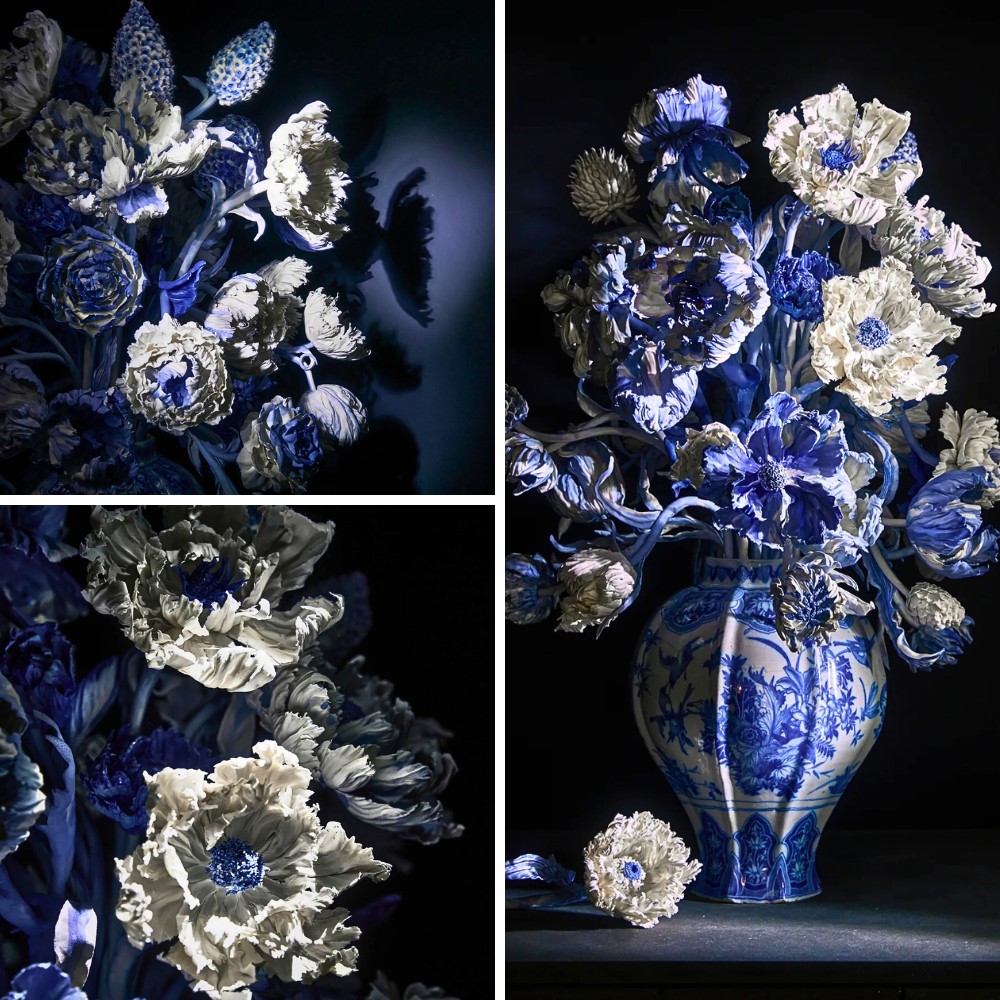
Working, each flower begins as a sketch, and then comes the alchemy of shaping colored or white porcelain into three-dimensional form. The pieces are fired at high temperatures, and it is here that the heat brings out the individual character of each flower, subtle variations in tone and texture that ensure no two are identical.
The Dutch floral artist chooses to leave her flowers unglazed, creating a matte surface that feels almost alive to the touch. The texture recalls actual flower petals, soft and slightly powdery, one would almost feel like touching them, perhaps to just confirm. The fragility of the material, however, demands restraint. Her intimate floral pieces need to be experienced up close to appreciate their full gracefulness.
Her Use of the Language of Color and Form
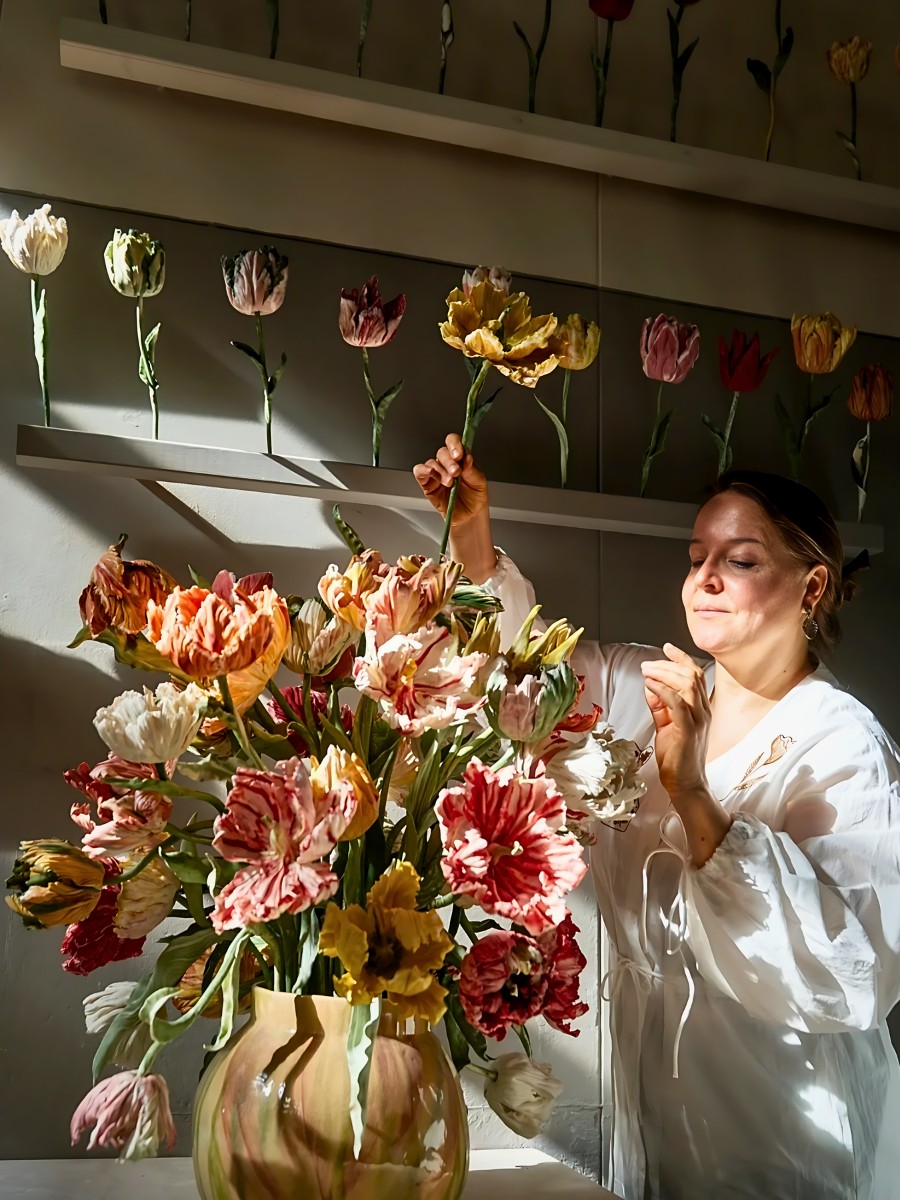
The colors she achieves range from pure whites that seem to glow from within to rich, saturated hues that capture specific varieties in their prime. Her tulips, in particular, have become something of a signature. She, for instance, once created an installation of porcelain tulips for an exhibition at the Peterhof State Museum; so perfect they were that the audience could not believe they were not real.
Elena Kalnitskaya, General Director of the Peterhof State Museum, even remarked:
“For the exhibition ‘The Dutch House. Dreams of Peter the Great’ [at the Peterhof State Museum], Anna Volkova created an installation with 50 porcelain tulips (the Tsar's favorite flowers). Her tulips looked so vibrant that visitors couldn't believe they were made of porcelain. In the dead of winter, they were a blooming oasis in our museum.”
Anna’s work, therefore, shows her understanding of what flowers mean. That these flowers have inspired artists and designers precisely because they embody contradiction: while they may look robust, they remain fragile, they are extraordinary even though they may be common, and remain eternally renewable despite being transitory.
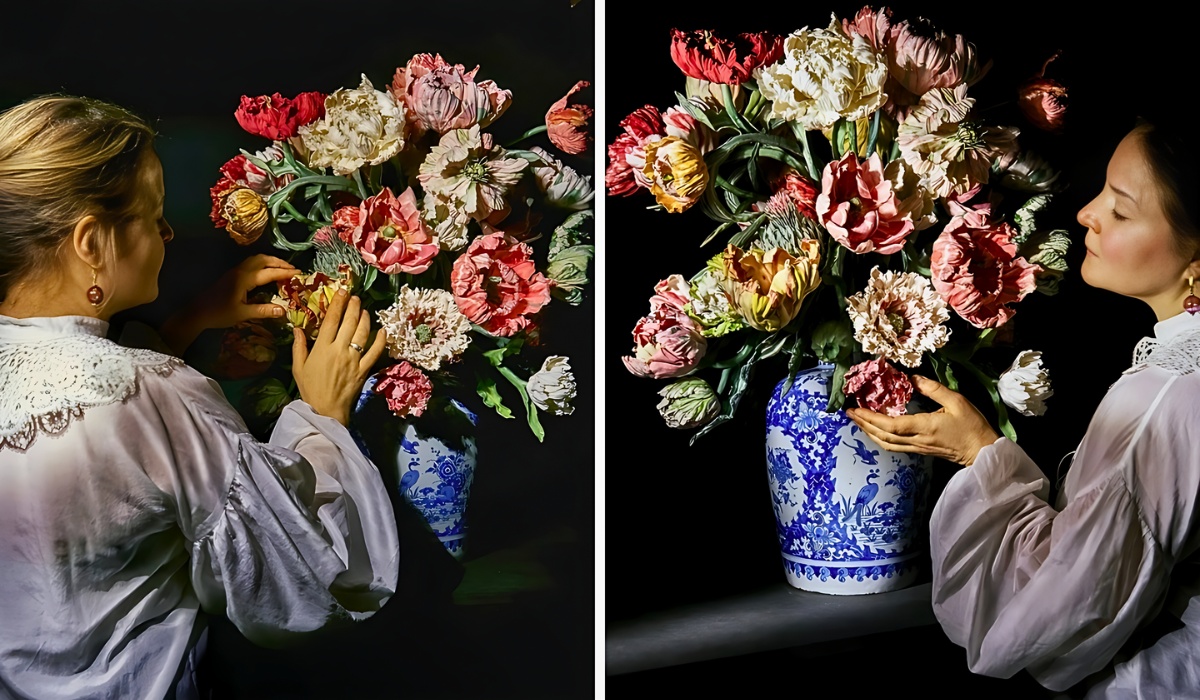
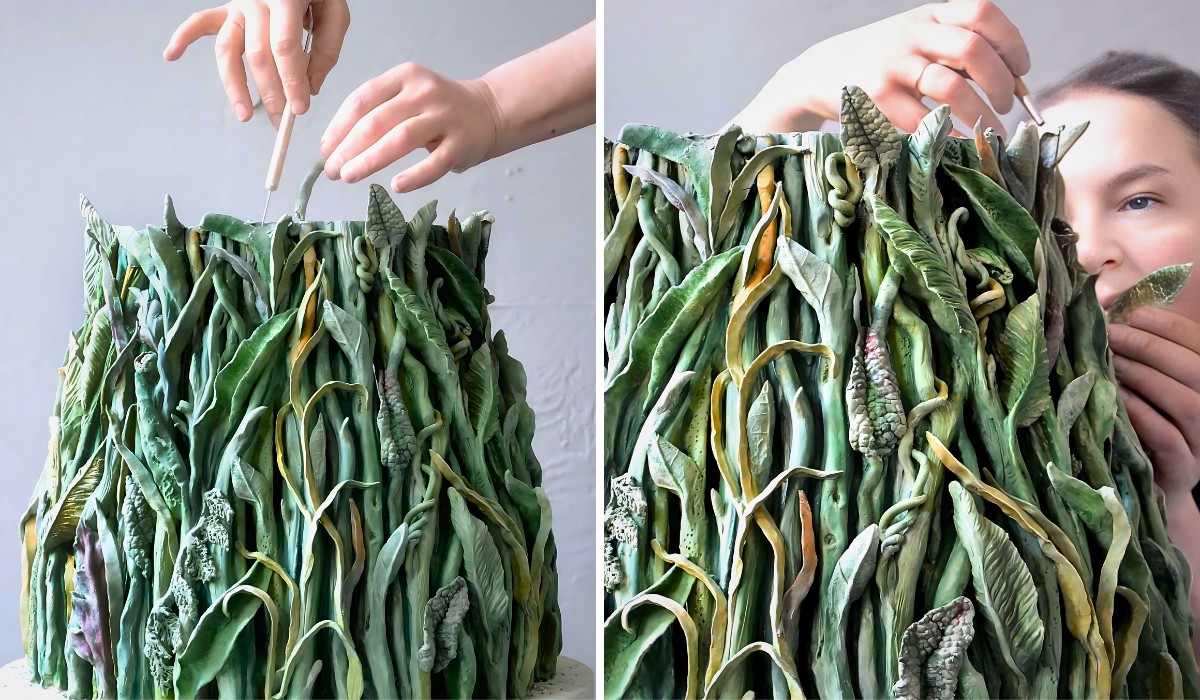
For her, translating these flowers into porcelain does not mean trying to improve on nature, but rather adding a different element to them, so that one can contemplate beauty without the ticking clock of decay and decline.
Through her sensitivity to the natural power of flowers, she captures their vulnerable beauty, holding onto what is fleeting and making it everlasting, creating pieces that are eternal artworks that exist outside the cycle of seasons and senescence.
Creating Large-Scale Mosaic Works and Other Installations
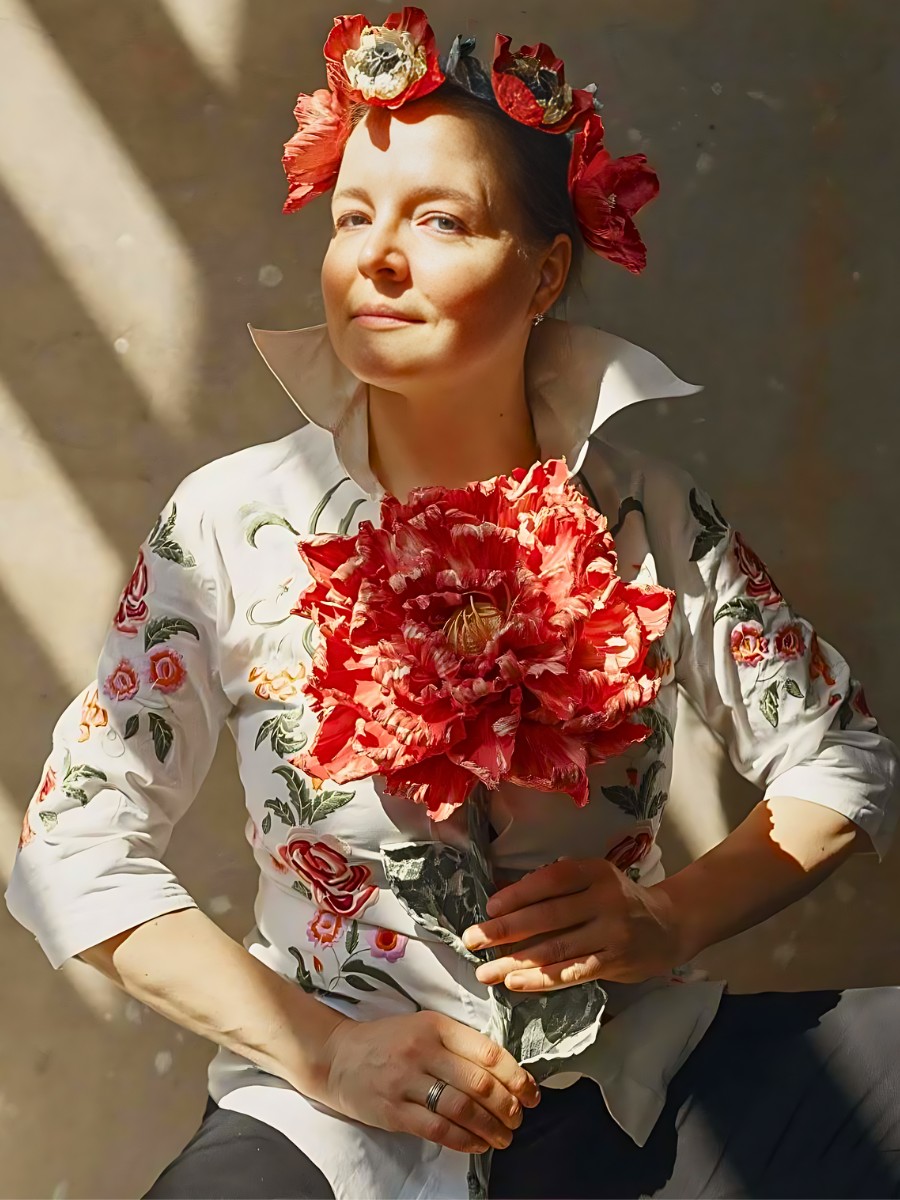
Mosaic is another of Anna’s specialties, showing more of her talent. For instance, her floor mosaic project named ‘My Past,’ created as her graduation task at the Rietveld Academie, immediately caught the attention of collectors and was acquired by the Keramiekmuseum Princessehof in Leeuwarden. She has also created large-scale mosaic installations, some of which exceed 60 square meters.
Her mosaic baptismal font for the Orthodox Parish of St. Nicholas of Myra in Amsterdam is a particularly moving example of how she translates cultural and spiritual concepts into visual form. The work combines technical precision with emotional resonance, creating a piece that functions as both a sacred object and an artwork.
Then there are her ‘Vanitas’ series of wigs, which are sculptural pieces that riff on historical themes while showcasing porcelain's versatility. These baroque confections of sculpted hair show how Anna can shift registers from naturalistic to conceptual without losing her unique touch. She has also pioneered techniques using polyurethane to create stained glass effects.
Her Work Can Be Found in Prestigious Collections
Anna’s work is in some of the most prestigious collections, from the Museum of Fine Arts in Houston to private collections across Belgium, the Netherlands, Great Britain, and Russia. She has also exhibited at venues ranging from the Homo Faber Biennale in Venice to TEFAF in Maastricht. Her pieces have also adorned spaces from the Great Peterhof Palace to galleries across Europe and America.
Notably, what ties all her works together is her devotion to craftsmanship and respect for materials. She seems to understand what each medium she uses wants to become, and thus coaxes out of them more properties and potentials that lesser artists might never discover. You can check out more of her works on her social page and Anna Volkova's website.
Photos and reels by @porcelain.tulip.