Office flowers have a different job from flowers chosen for birthdays, weddings, or romantic occasions. They become part of an interior that employees and visitors experience repeatedly, which means longevity, fragrance, scale, maintenance, and placement matter just as much as appearance.
A reception desk may need an arrangement with enough presence to communicate professionalism as soon as a visitor enters. A boardroom requires something lower and less distracting. Individual desks benefit from compact designs that leave working space untouched. Choosing the best flowers for an office therefore starts with understanding both the flower and the space it will occupy.
Chrysanthemums Are Built for Longevity
Chrysanthemums are among the strongest choices for offices because of their exceptional vase life. Depending on variety, freshness, and care, cut Chrysanthemums can remain presentable for two weeks or longer, reducing how frequently office arrangements need to be replaced.
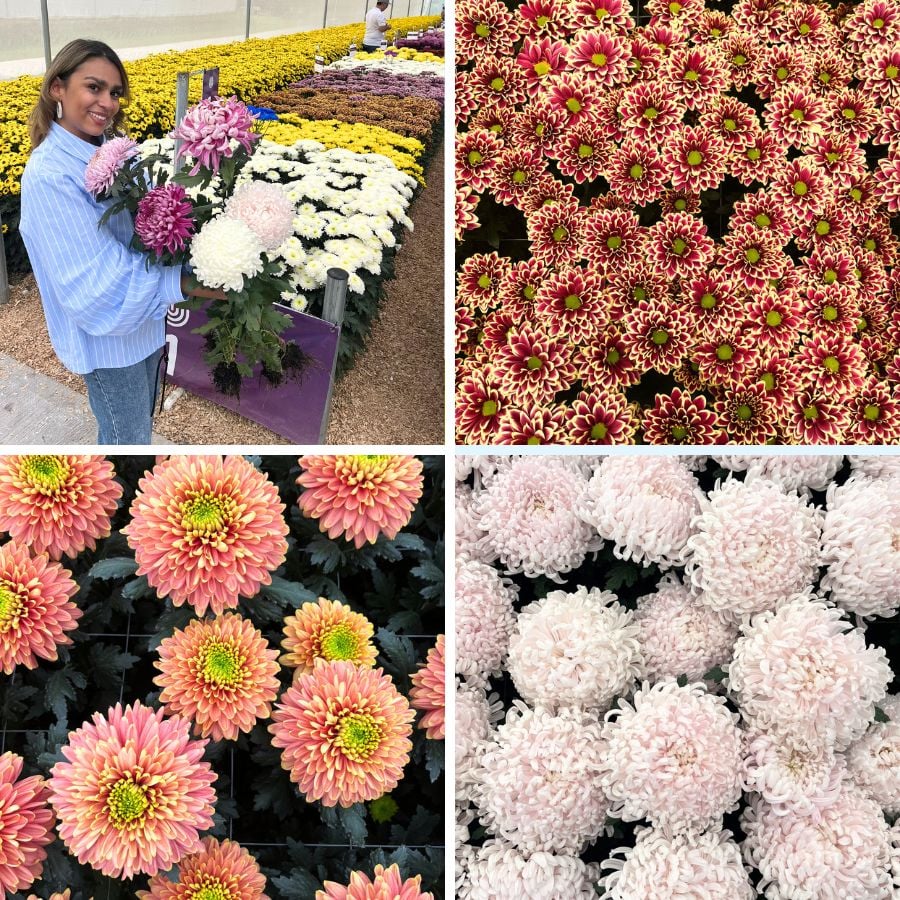
Their diversity is equally valuable. Spray Chrysanthemums create volume from relatively few stems, while disbud varieties can function as individual focal flowers. White and green varieties work particularly well in minimalist corporate interiors, while stronger colors can introduce contrast into creative agencies, hospitality spaces, and less formal workplaces.
For companies maintaining flowers across several reception areas, meeting rooms, or offices, this longevity can also make Chrysanthemums economically practical.
Carnations Deserve Another Look in Corporate Floristry
Modern carnations offer considerably more design possibilities than their traditional reputation suggests. Their ruffled form, extensive color range, strong stems, and long vase life make them highly suitable for environments where arrangements need to perform throughout the working week and beyond.
They can be arranged tightly for contemporary designs or combined with more premium focal flowers to provide structure and volume. Muted peach, cream, burgundy, green, and pastel varieties can work particularly well in sophisticated office interiors.
Their resilience is another advantage. Offices frequently have air conditioning, fluctuating temperatures, and arrangements that may not receive daily attention from a florist. Flowers capable of maintaining their structure under these conditions have a clear advantage.
Alstroemeria Keeps Changing on the Desk
Alstroemeria is particularly useful because several flowers and buds occur on each stem. As mature flowers age, additional buds can continue opening, allowing the arrangement to develop over time rather than reaching its visual peak immediately.
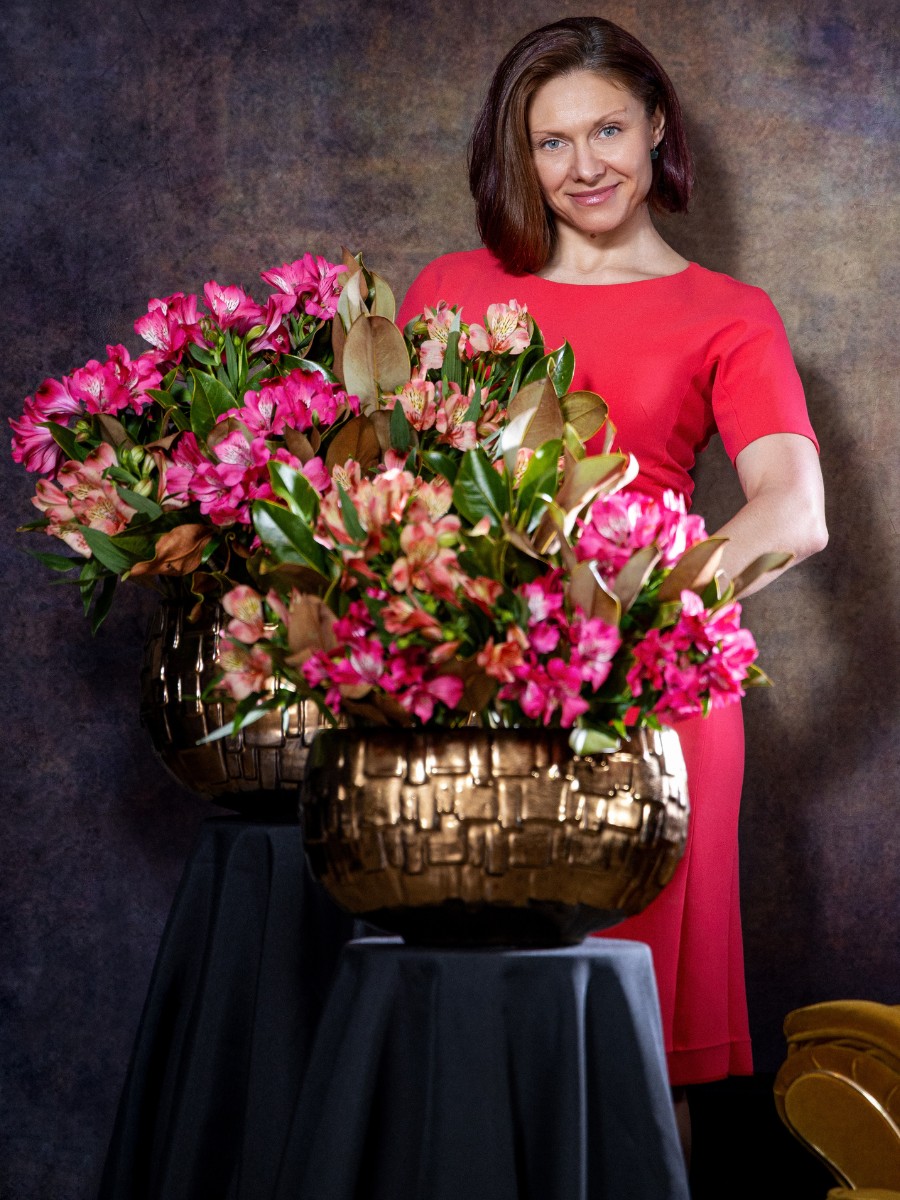
Its relatively long vase life, broad color range, and ability to provide volume make it suitable for reception areas, shared workspaces, meeting rooms, and employee lounges. It can stand alone in informal arrangements or support roses, lisianthus, carnations, and other focal flowers in more structured corporate designs. For weekly office flower programs, this gradual opening characteristic makes Alstroemeria especially valuable.
Orchids Bring Structure to Executive Spaces
Cut Cymbidium and Dendrobium orchids provide a very different office aesthetic. Their architectural forms and strong individual flowers make them effective where fewer stems and cleaner arrangements are preferred.
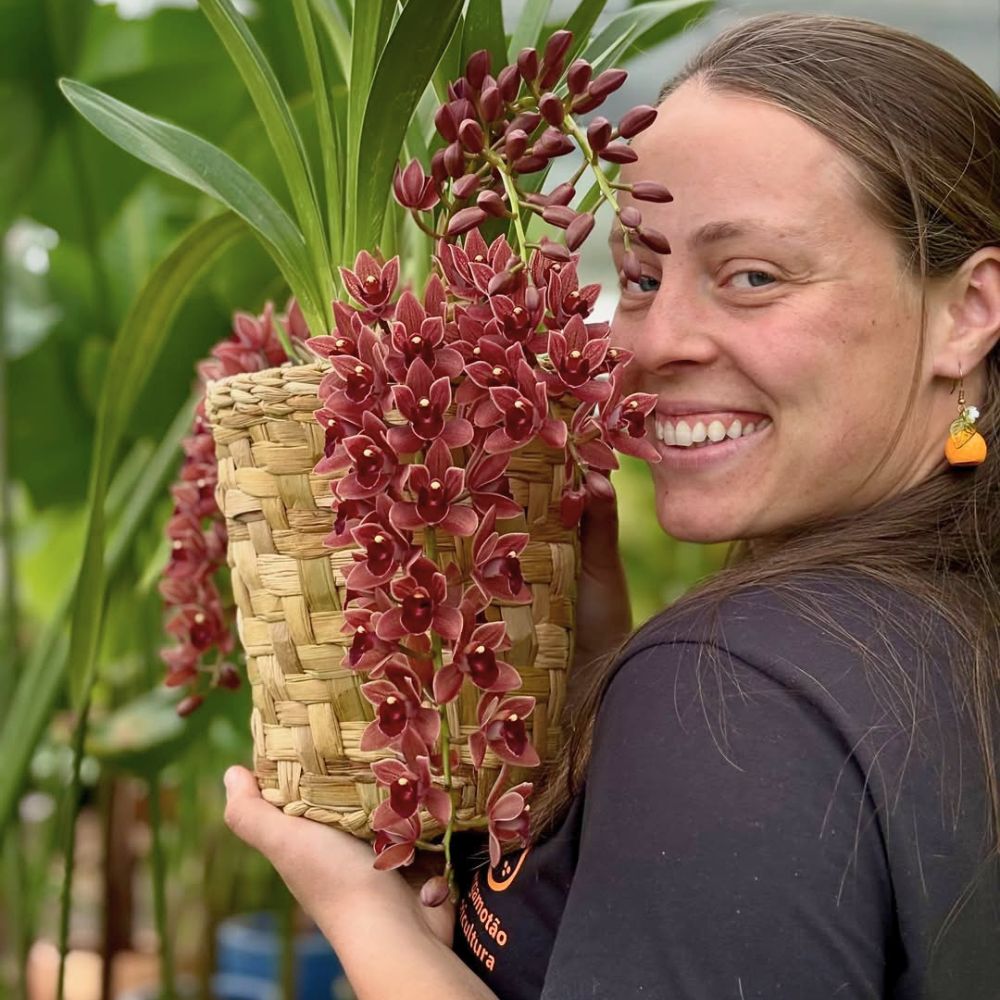
Orchids work particularly well in executive offices, premium reception areas, boardrooms, hotels, showrooms, and businesses where the floral design forms part of the company's visual identity. Their appearance can communicate refinement without requiring an oversized arrangement. They are also useful for minimalist interiors because a small number of stems can create significant visual impact.
Lisianthus Offers a Softer Alternative
Lisianthus works well when an office requires something softer than the strong forms of Chrysanthemums, carnations, or orchids. Multiple flowers and buds along each stem create movement, while white, cream, pink, lavender, and purple varieties fit easily into professional color palettes.
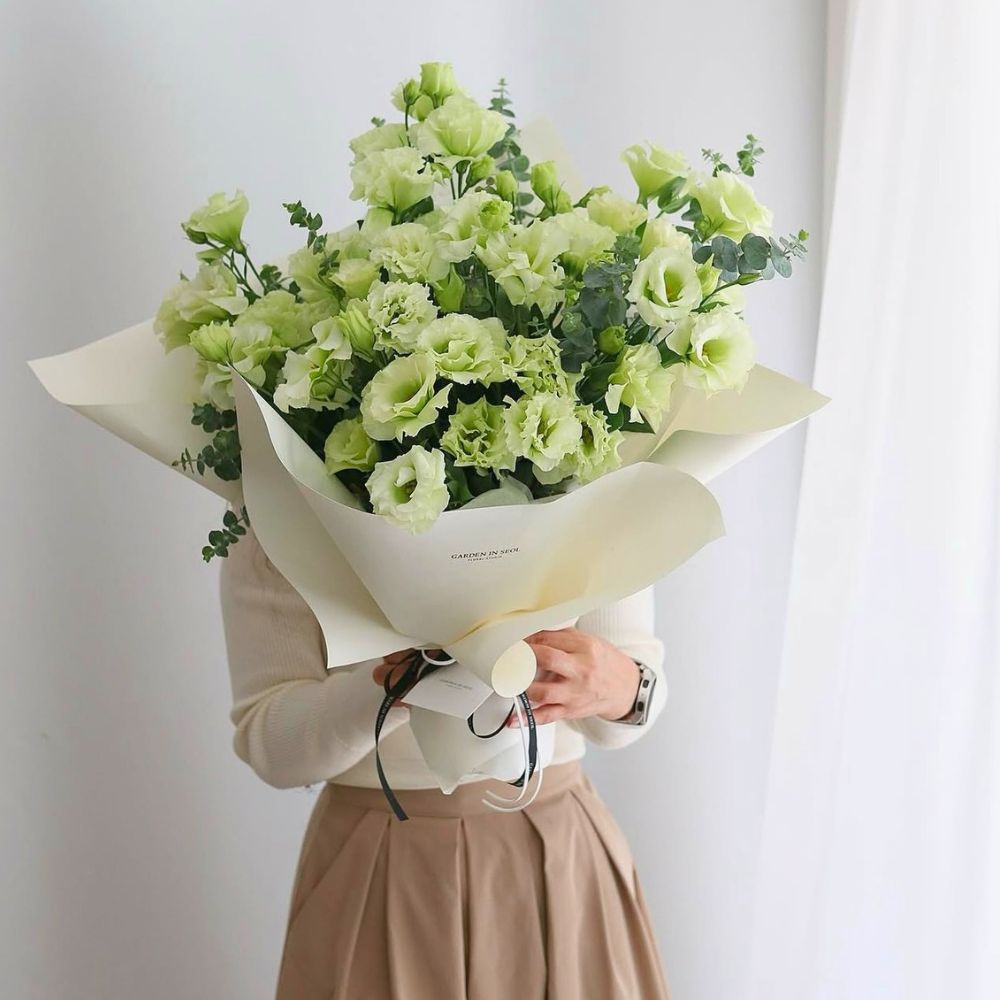
Its vase life can also make it practical for corporate arrangements when flowers arrive fresh and are properly conditioned. Lisianthus combines particularly well with roses, Alstroemeria, and foliage when a company wants an arrangement that feels natural rather than highly structured. White and cream varieties can be particularly effective in reception areas where flowers need to complement rather than dominate the interior.
Roses Can Work When Used With Intention
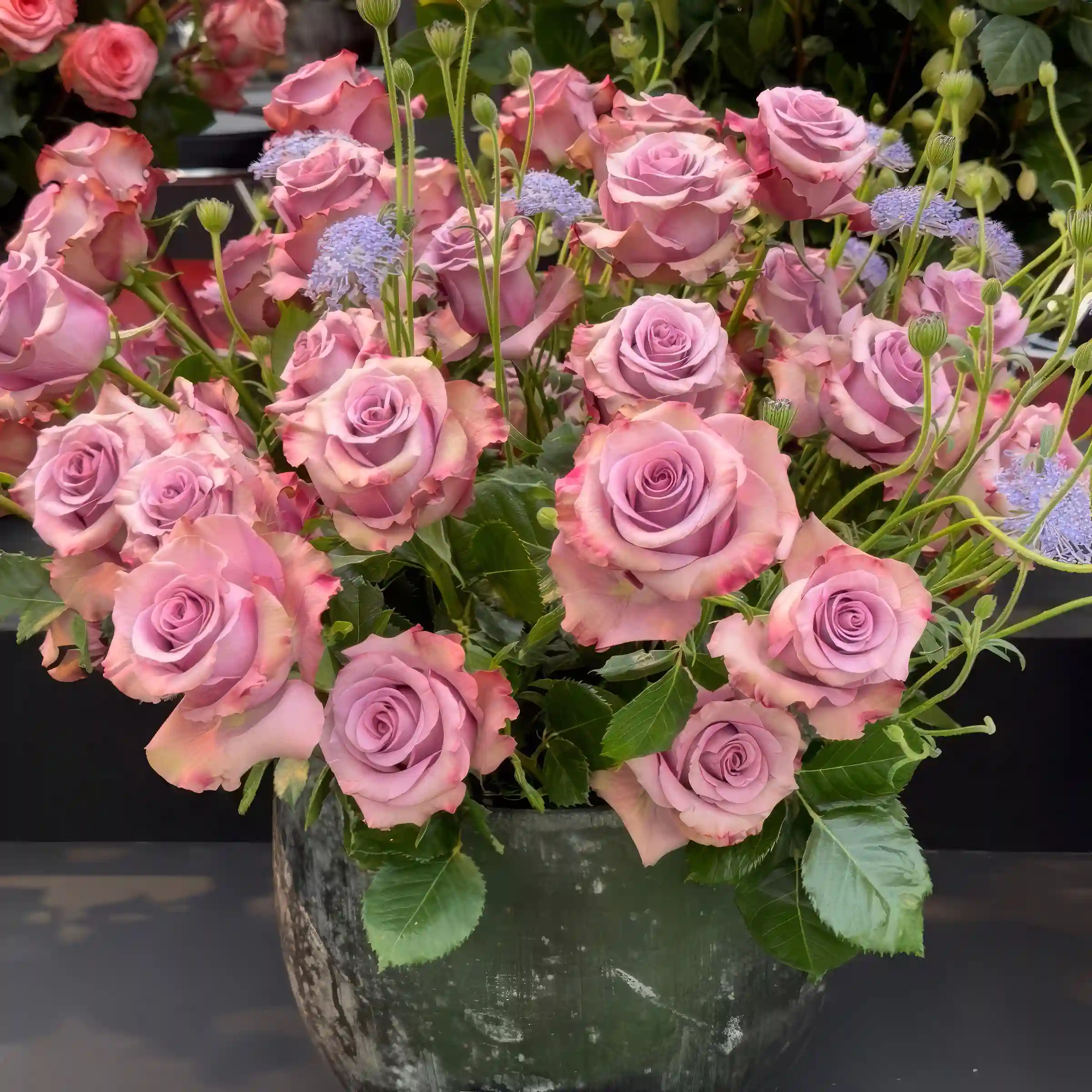
Roses bring familiarity and quality to corporate arrangements, but the context matters. Red roses may immediately communicate romance, which is rarely the intended message in an office. White, cream, peach, yellow, soft pink, and other neutral or contemporary varieties are generally easier to integrate into professional environments.
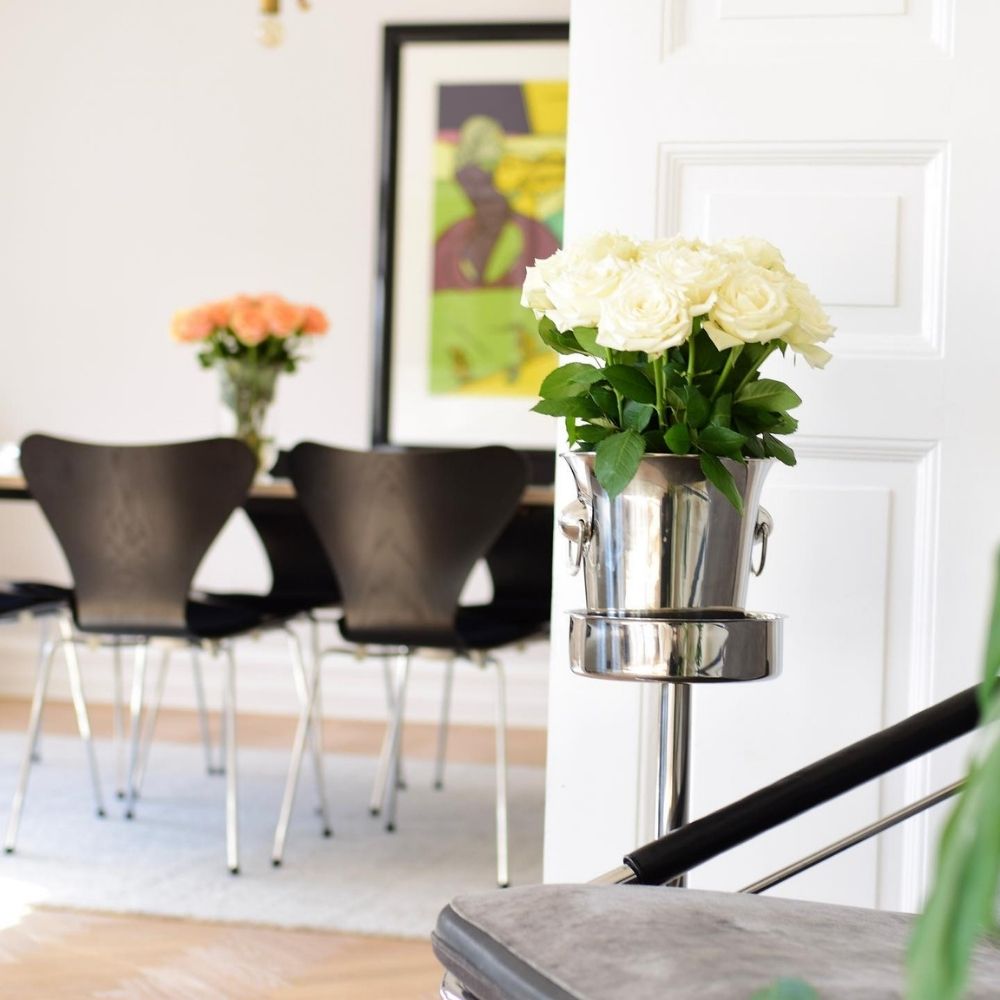
Roses can be particularly effective in client-facing areas where presentation matters more than maximum vase life. Combining them with longer-lasting flowers such as carnations, Chrysanthemums, or Alstroemeria allows an arrangement to retain structure as individual roses begin to age. Rather than automatically making roses the centerpiece, corporate florists can use them selectively to add shape and recognition to a broader design.
Be Careful With Strongly Scented Flowers
Fragrance becomes more important when flowers are placed in enclosed environments shared by many people. A scent that one employee enjoys may be distracting or uncomfortable for another.
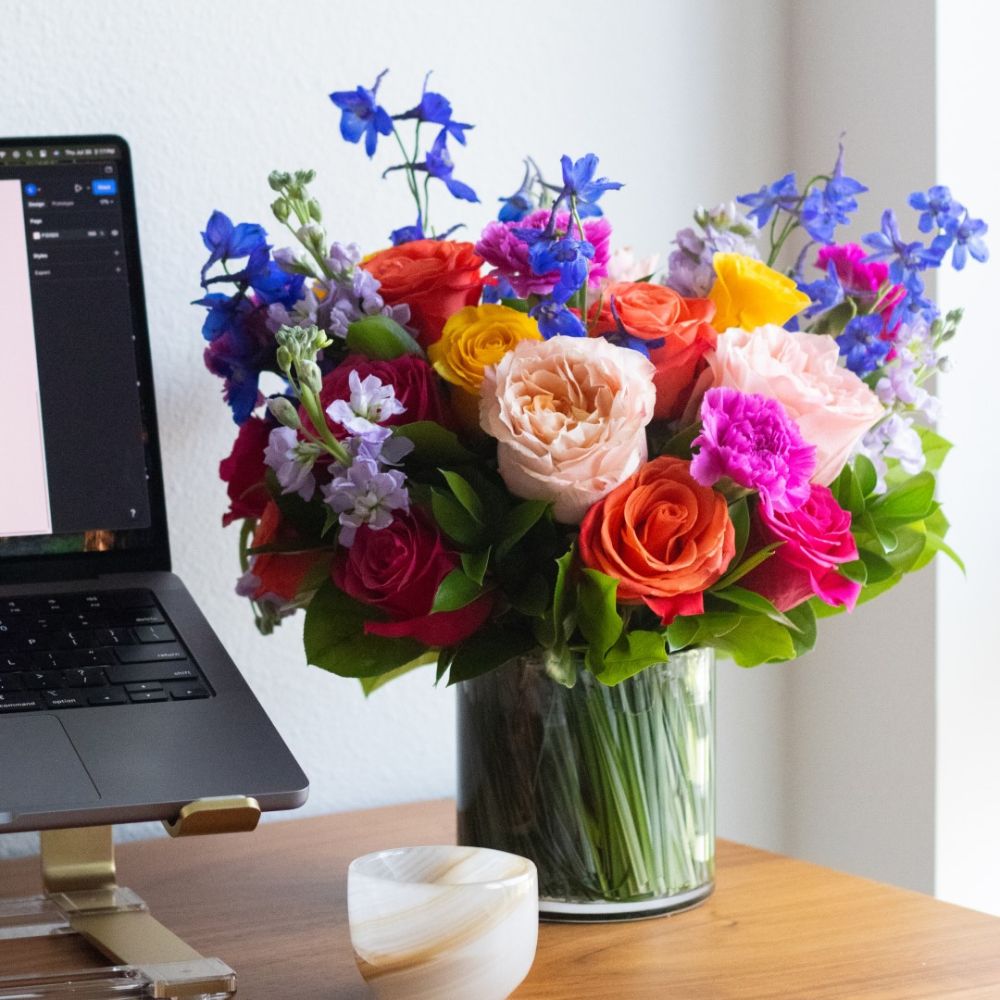
Strongly scented lilies, hyacinths, tuberose, and some highly fragrant varieties should therefore be selected carefully for shared workspaces. They may work in large reception areas with good airflow but can become overwhelming in small meeting rooms or near individual desks. Lilies present another practical consideration because their pollen can stain clothing, furniture, and surfaces. Where lilies are used in corporate arrangements, appropriate varieties and careful handling become important.
The Best Flower Also Depends on Where It Goes
A successful office flower program does not need to use the same arrangement everywhere. Reception areas can accommodate larger statement designs because they are often the first physical interaction visitors have with a company. Boardroom arrangements should generally remain low enough to maintain clear sightlines across the table. Individual desks need compact arrangements that do not interfere with screens, documents, or working space.
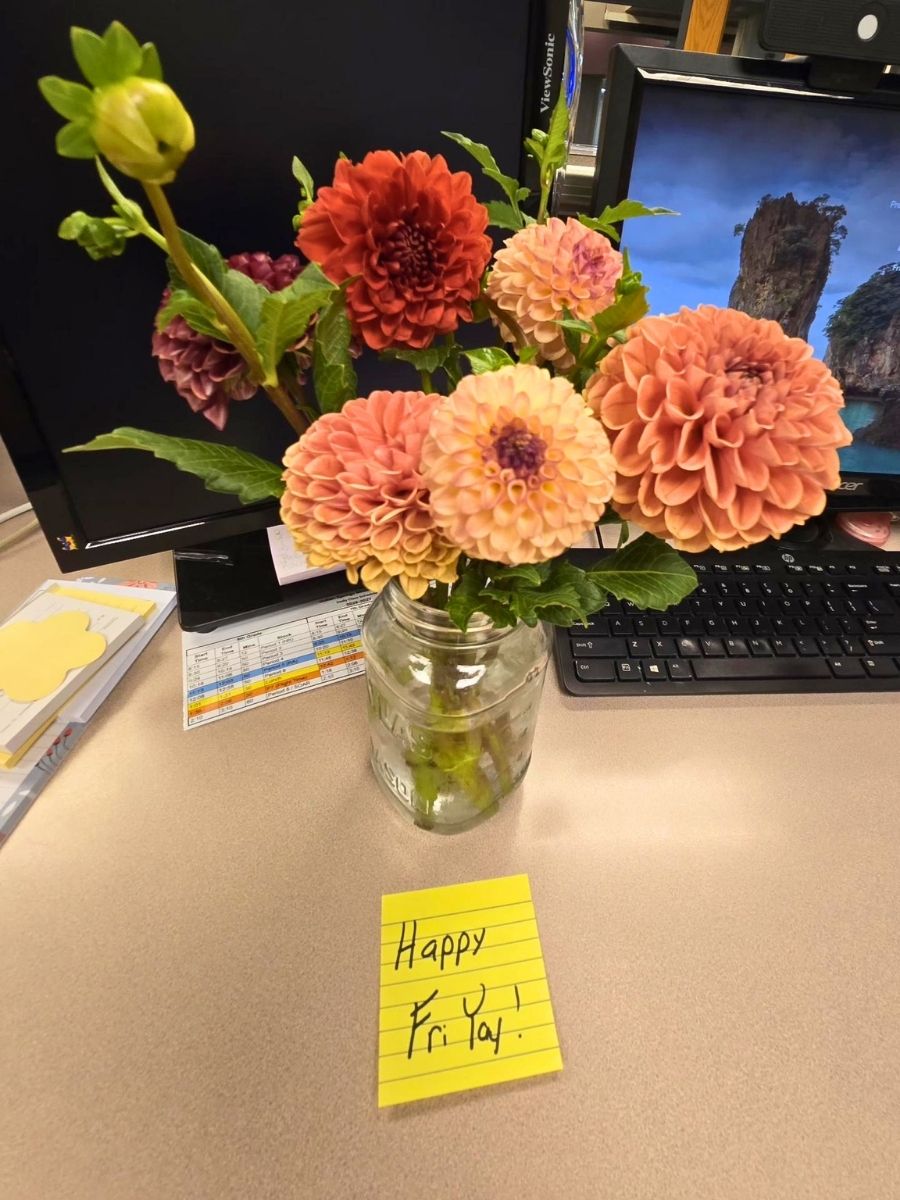
Executive offices can support more distinctive varieties such as orchids, while communal spaces allow for relaxed seasonal combinations. Scale should always respond to the furniture and architecture around the arrangement.
Color Can Become Part of the Company's Identity
Corporate flowers offer an opportunity to extend brand identity into a physical environment. A company whose visual identity uses strong orange tones might introduce orange roses, gerberas, or Chrysanthemums selectively, while a brand built around neutral aesthetics may prefer white, cream, green, and soft pastel arrangements.
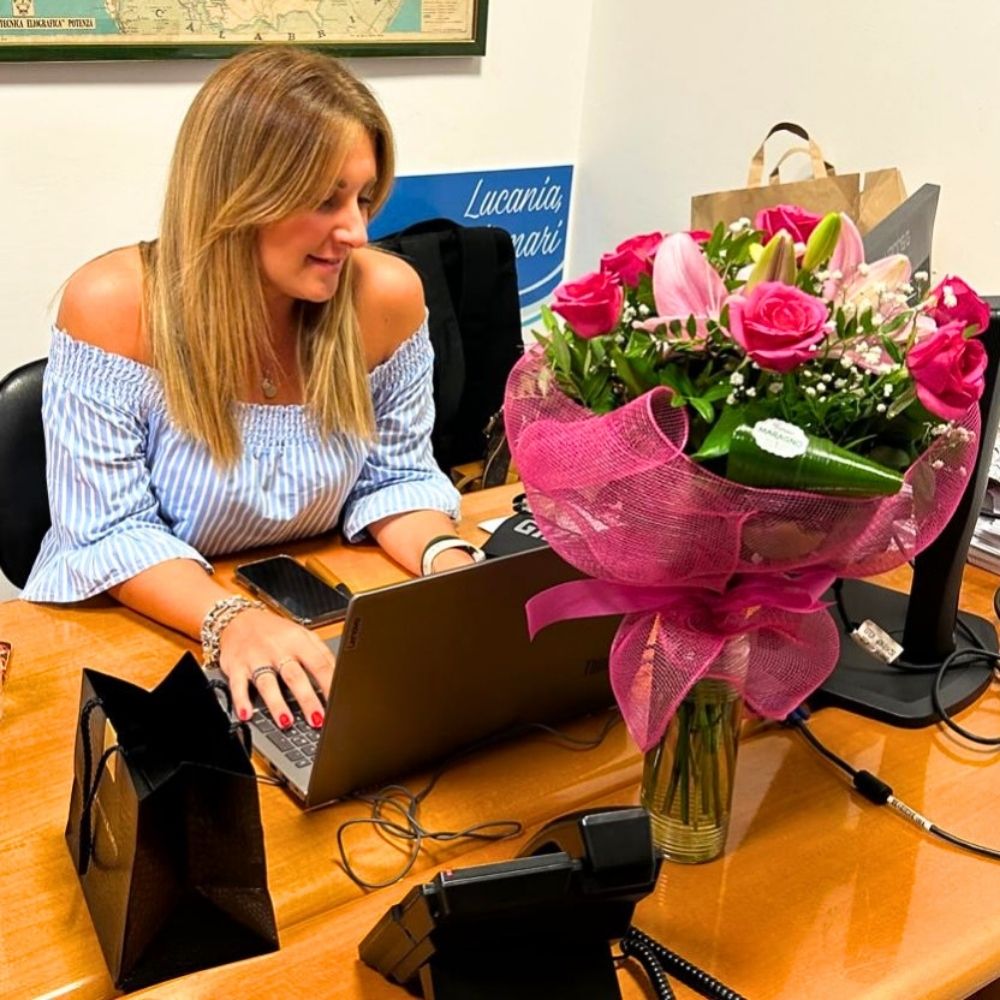
This does not mean matching every arrangement exactly to a company logo. Repeating related colors, forms, or design styles can create continuity between the flowers and the surrounding space without making the arrangement feel overly branded. Seasonal changes can then introduce variation while maintaining that recognizable visual direction.
Good Office Flowers Need Good Care
Even the longest-lasting flowers will perform poorly in dirty water or inappropriate conditions. Vases should be clean, stems should be properly conditioned, and water should be refreshed regularly. Arrangements should also be positioned away from direct sunlight, heating equipment, strong drafts, and air conditioning vents.
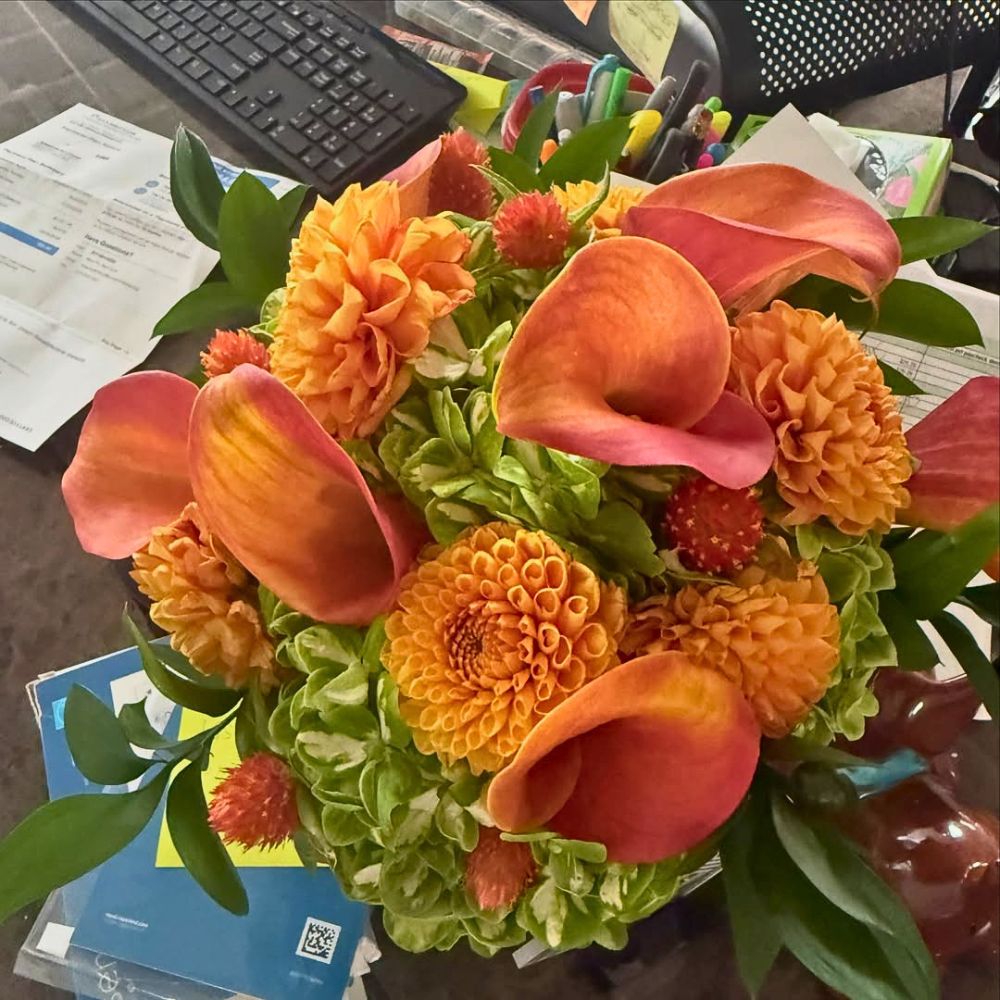
This is particularly important over weekends, when office arrangements may remain unattended for two or three days. Choosing durable flowers and establishing a simple care routine can significantly improve how the arrangement looks when employees return on Monday.
So, What Flowers Are Best for Offices?
Chrysanthemums, carnations, Alstroemeria, orchids, lisianthus, and carefully selected roses provide some of the strongest options for office environments. Each brings something different: Chrysanthemums and carnations offer exceptional longevity, Alstroemeria provides continuous opening, orchids introduce architectural elegance, lisianthus adds softness, and roses bring familiarity and refinement. The better question, however, is not simply which flower looks best. It is which flower works best in that particular office.
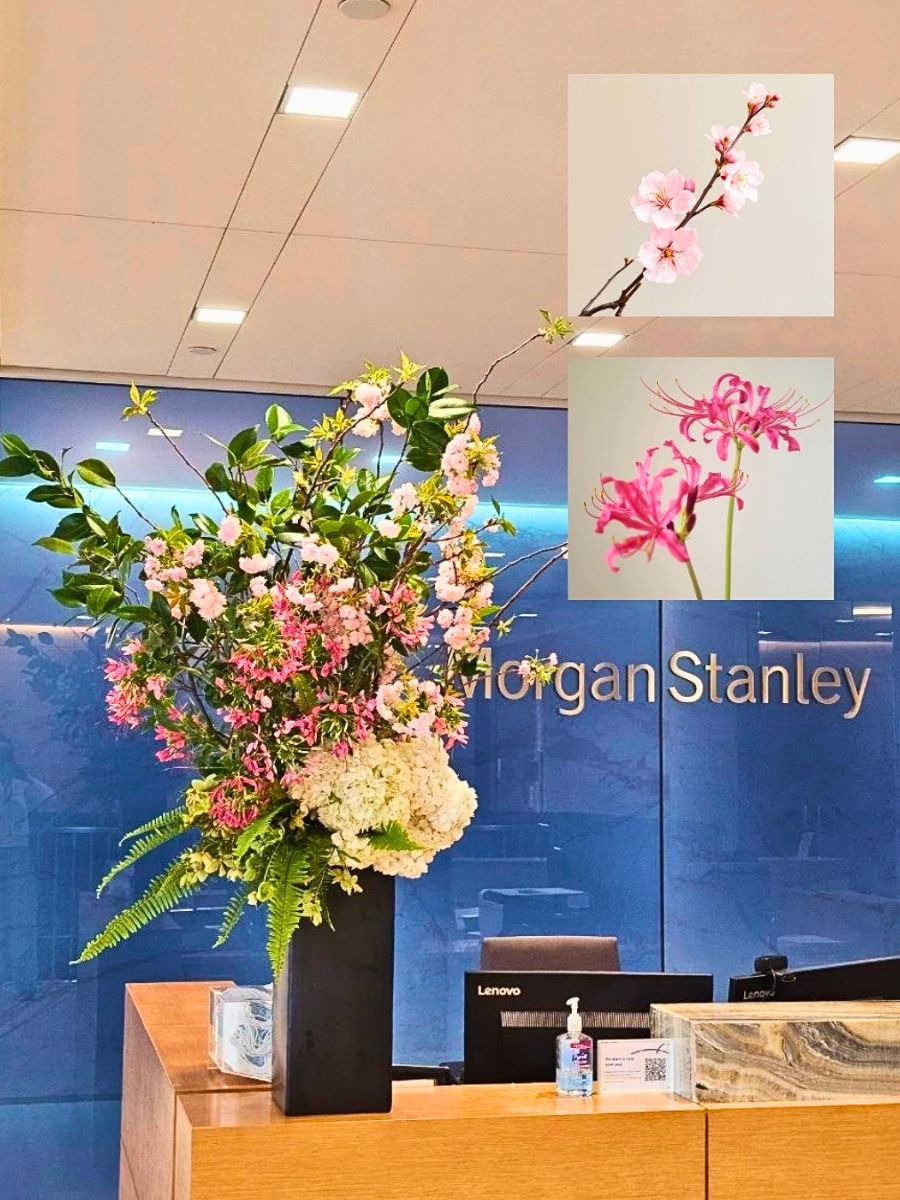
The size of the room, frequency of maintenance, company identity, available light, air conditioning, fragrance sensitivity, arrangement location, and desired atmosphere should all influence the decision. When those factors are considered together, flowers stop functioning as temporary decoration and become a deliberate part of how a workplace looks, feels, and welcomes people.
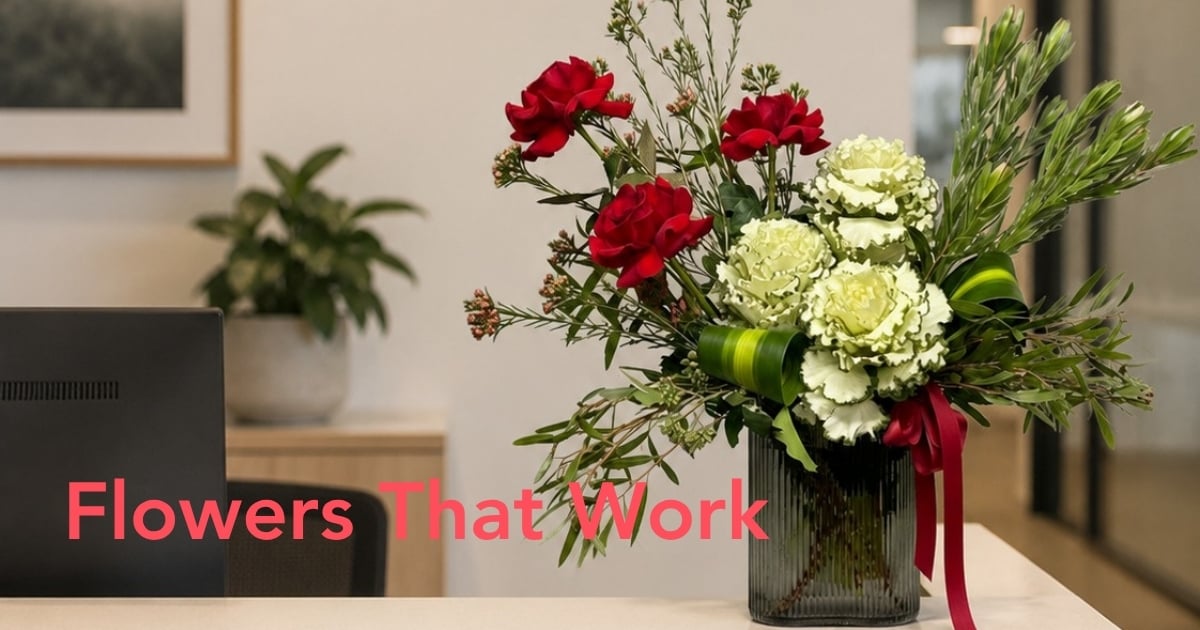
Header image by @scentsationalflowers.