
You might have spotted them trailing from a hanging basket or spilling over a garden wall; hundreds of tiny, star-shaped, sun-like flowers that seem to glow with their own light. If you were unsure, these cheerful plants that bring sunshine to your garden from spring through fall are Bidens.
Also known as Bidens ferulifolia, these low-maintenance, cheery plants bring a burst of energy to your outdoor space, greeting you with a hard-to-ignore enthusiasm. They combine rugged durability with delicate beauty, adding a delightful, lively character.
What Are Bidens Flowers?
Bidens ferulifolia, often called Bidens flowers, are part of the Asteraceae family. They are native to North America, primarily Mexico and the arid, rugged landscapes of Arizona, which explains their heat tolerance. But these flowering plants are tender perennials, usually grown as annuals in cooler climates. And while their name might bring to mind a political figure, these plants have their own distinct identity, certainly no correlation.
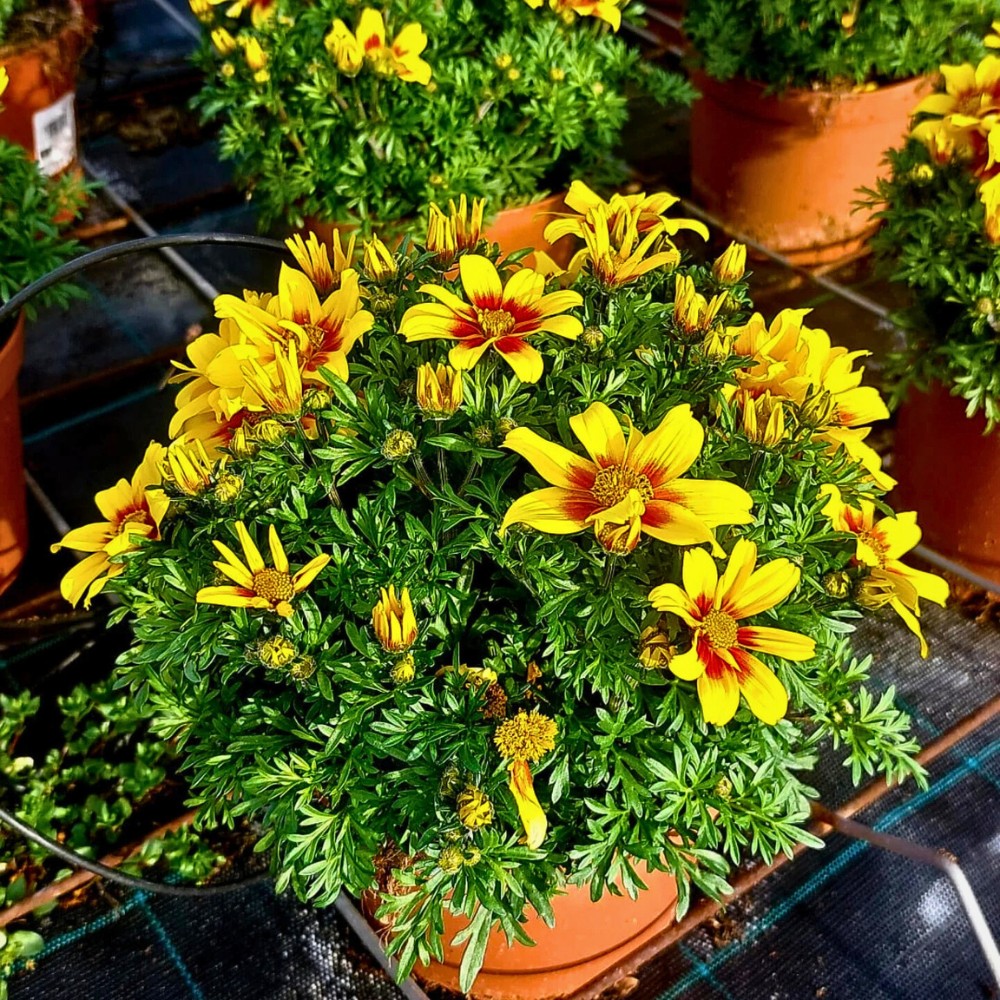
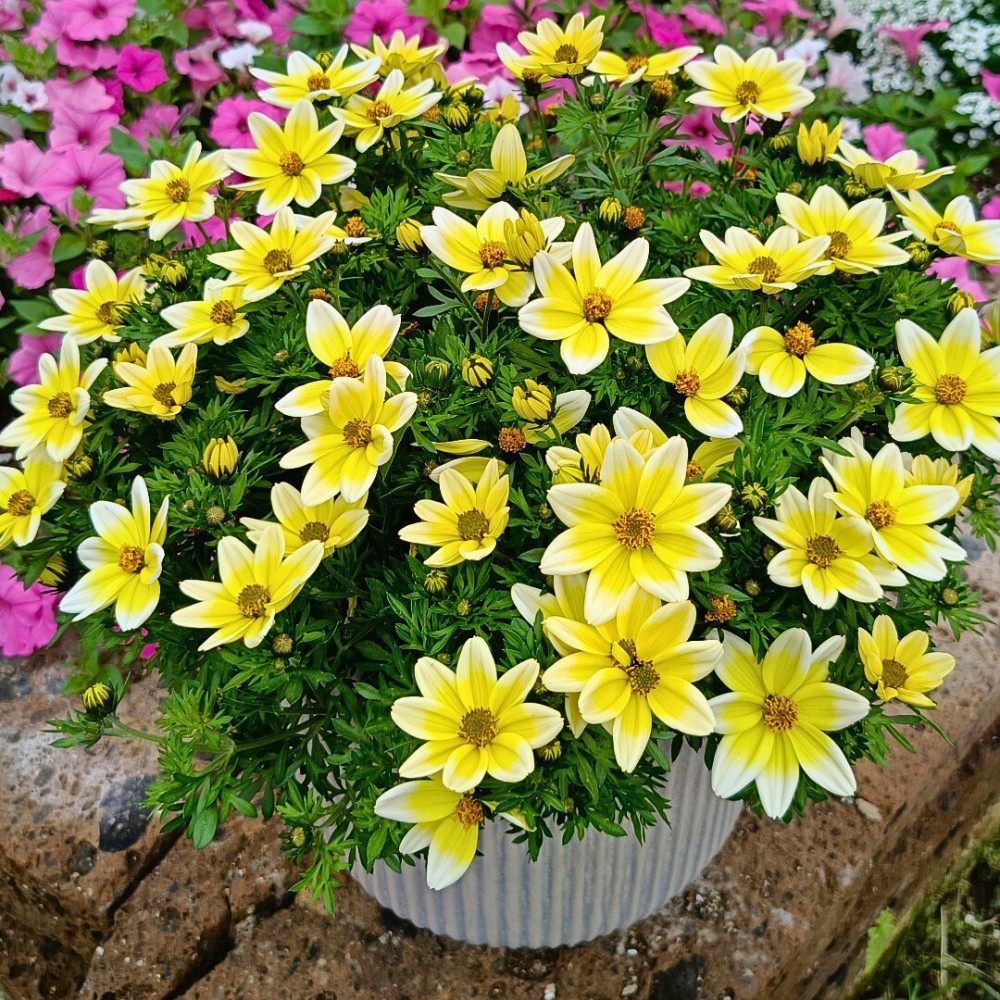
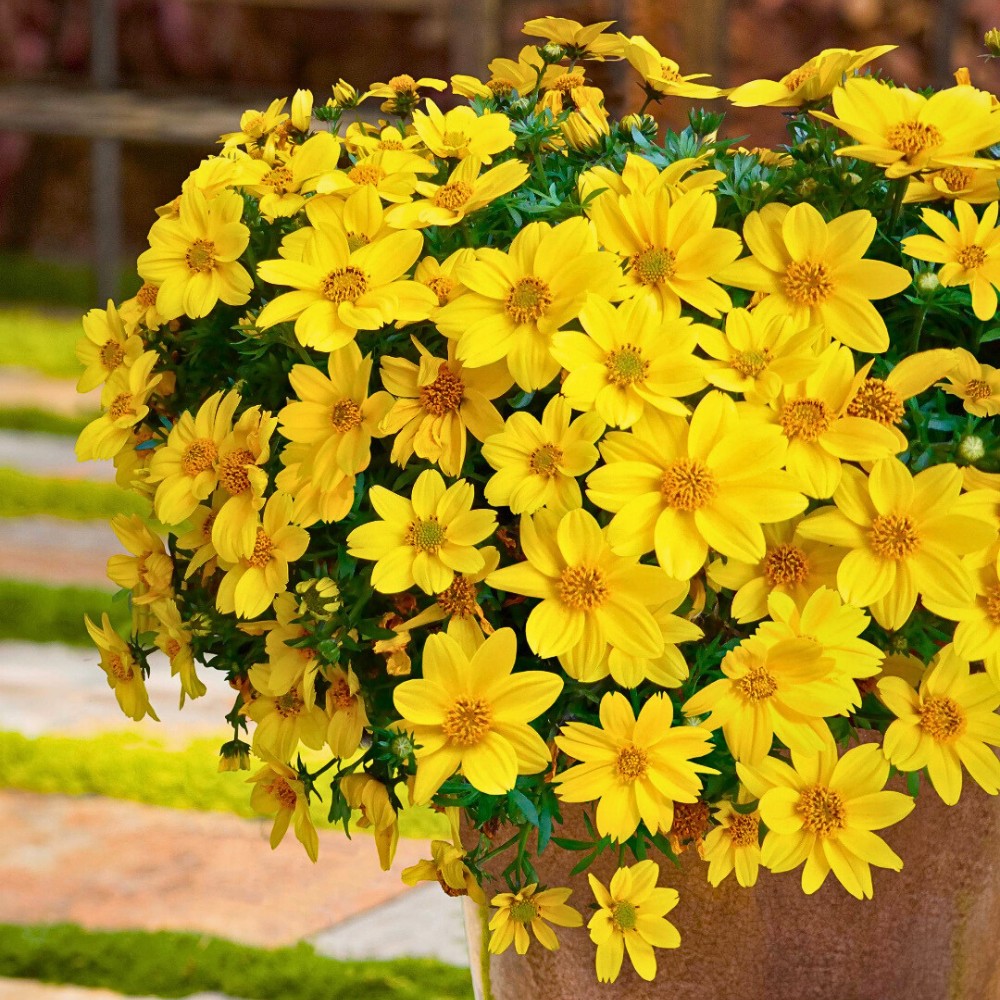
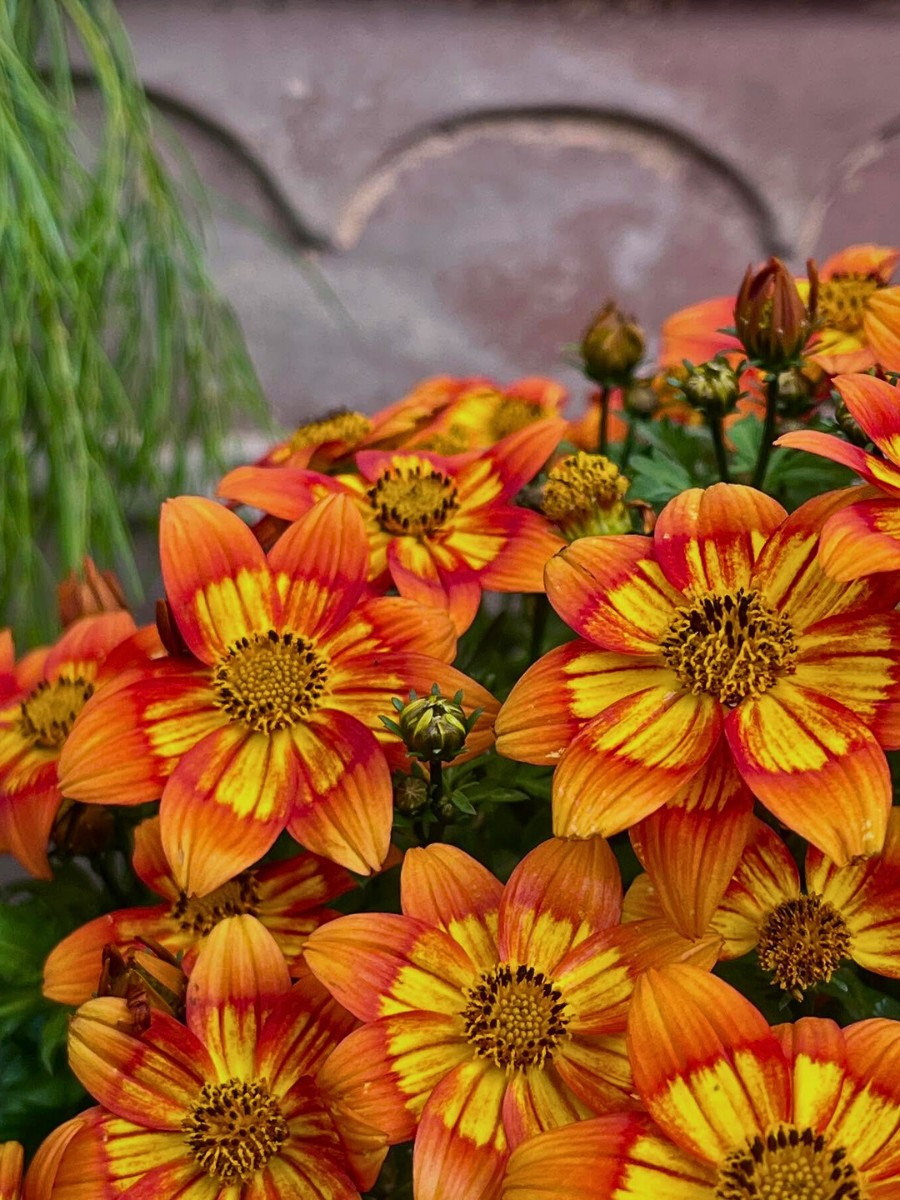
Visually, they are stunning. They feature fern-like, airy foliage that prevents the plant from looking heavy or dense. On top of this green base are numerous five-petaled, daisy-like flowers. The petals are arranged around a darker yellow center, creating that classic daisy shape.
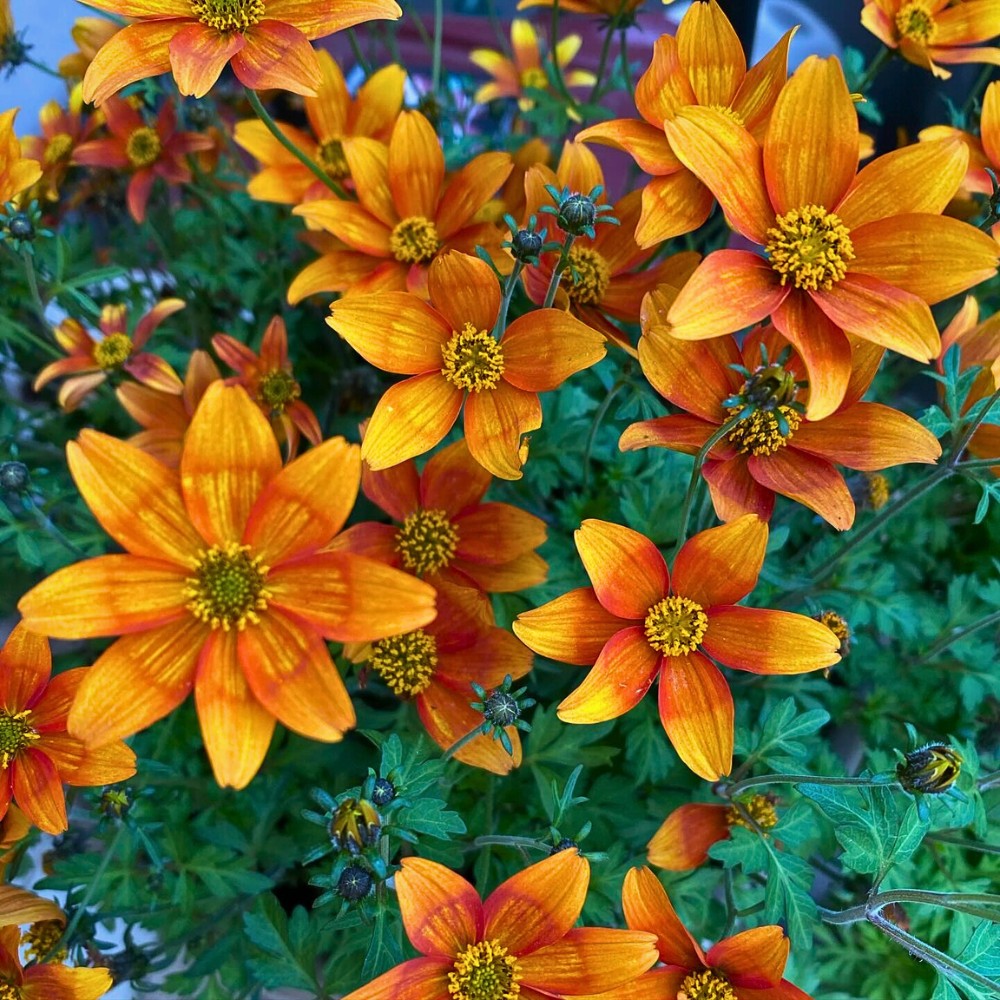
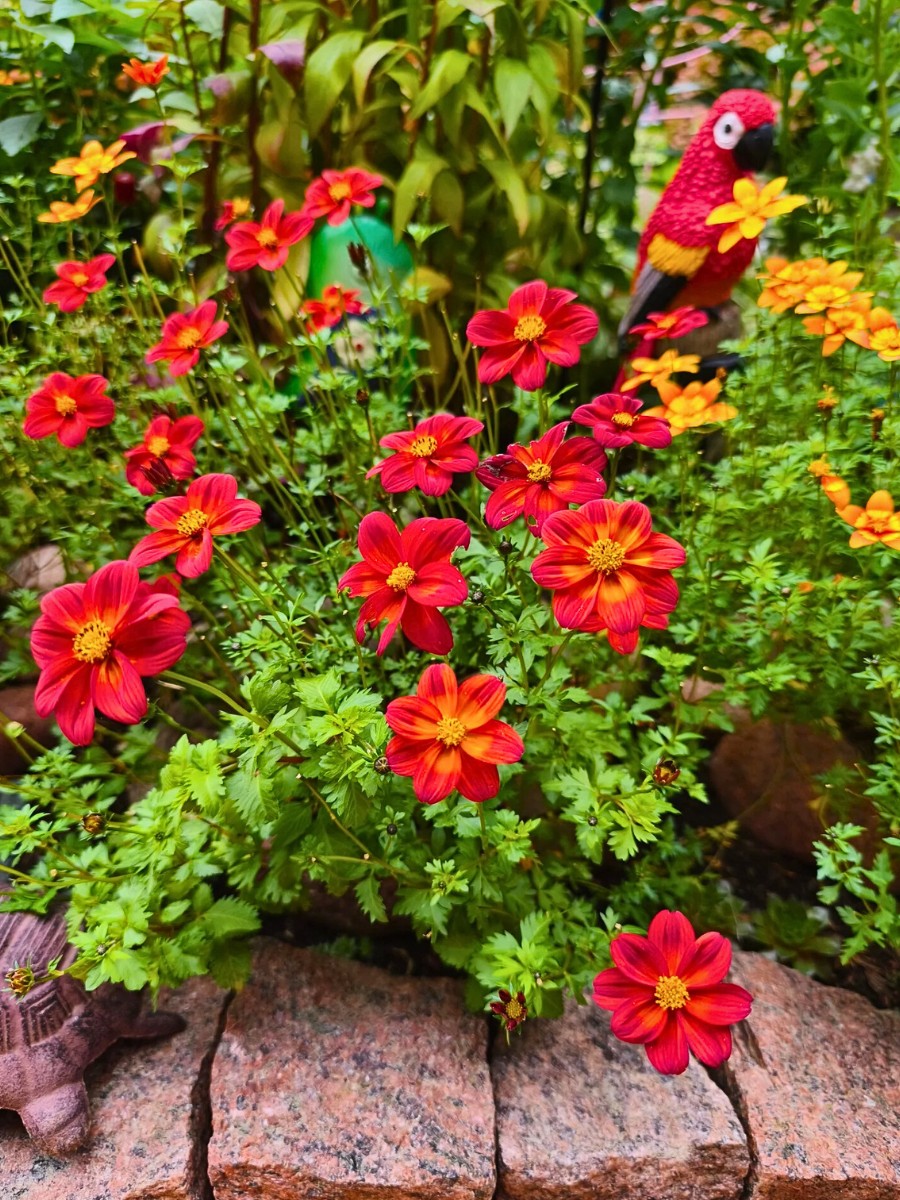
While classic varieties feature rich, bright golden-yellow flowers about 2-7 cms (1 to 3 inches) across, recent breeding has introduced exciting color variations, including white, pink, orange, and bicolors with red and yellow petals that catch the eye from across the yard.
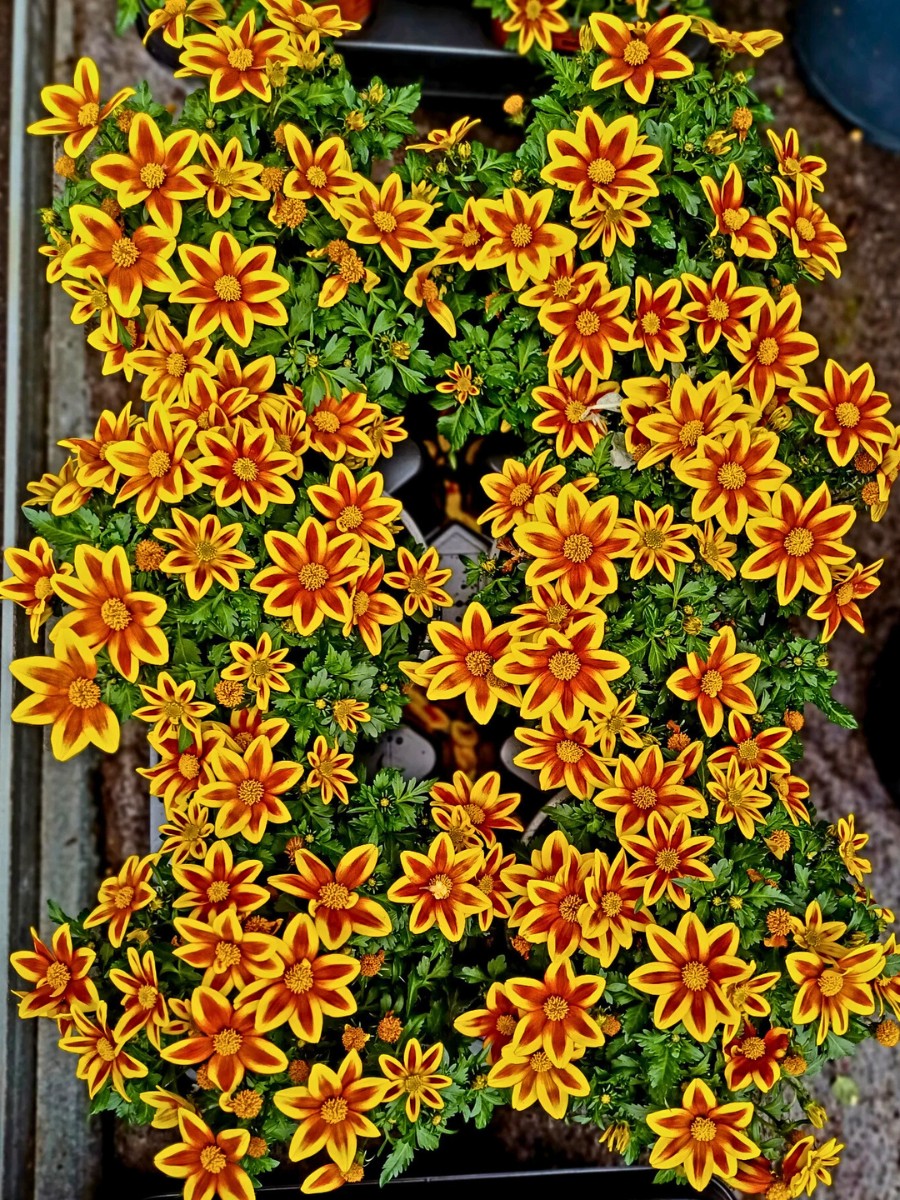
And for their scent, what do Bidens flowers smell like? They are far more subtle. If you lean in close on a warm afternoon, you will detect a light, honey-like fragrance; sweet and mild, often described as distinctively ‘sunny.’ The scent attracts pollinators; while it may not fill a room, it draws bees and butterflies.
The honey scent is most potent when the sun is directly hitting the petals, warming the essential oils within the flower. It is a gentle, natural aroma that never overpowers; the kind perfect for a patio where you want fresh air rather than a cloud of perfume.
Also often called Apache beggarticks or simply tickseed sunflowers, Bidens have become garden favorites for their resilience and cheerful presence. They are aggressive growers (in a good way) and will quickly fill a container or cover a patch of bare ground with color.
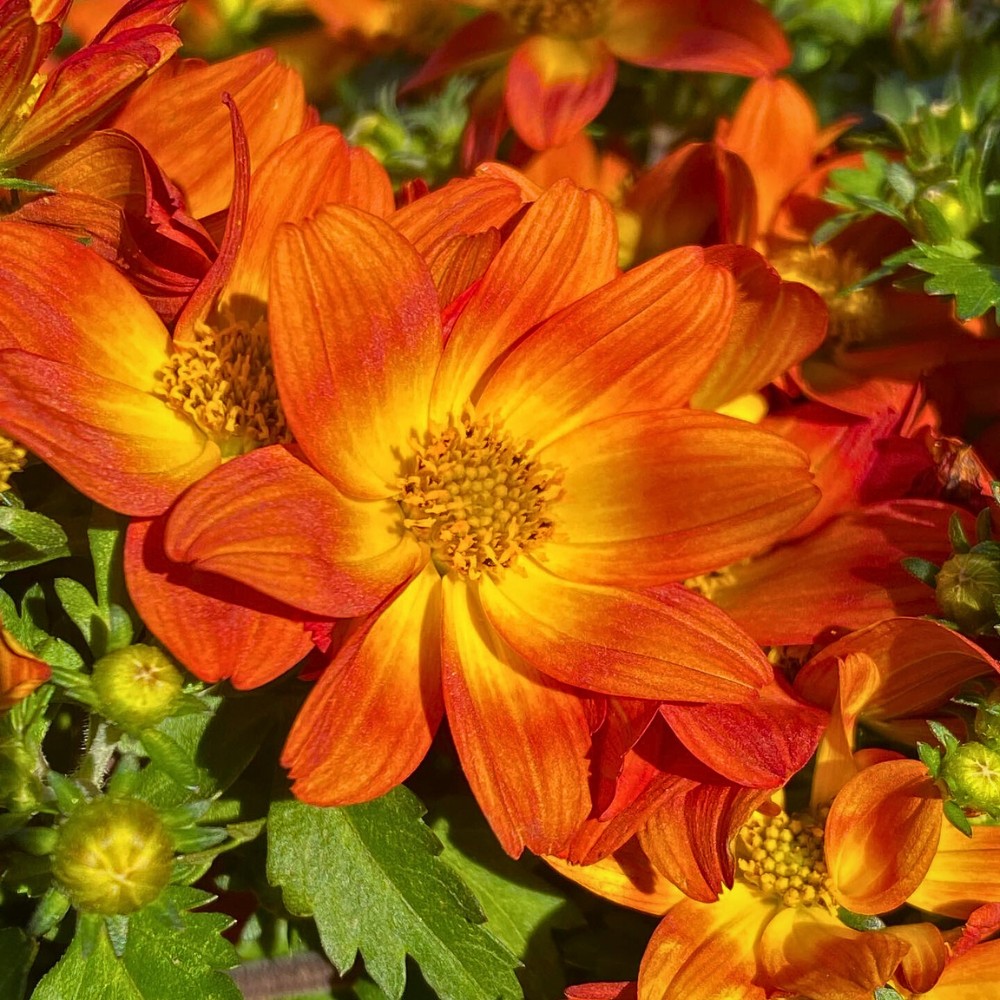
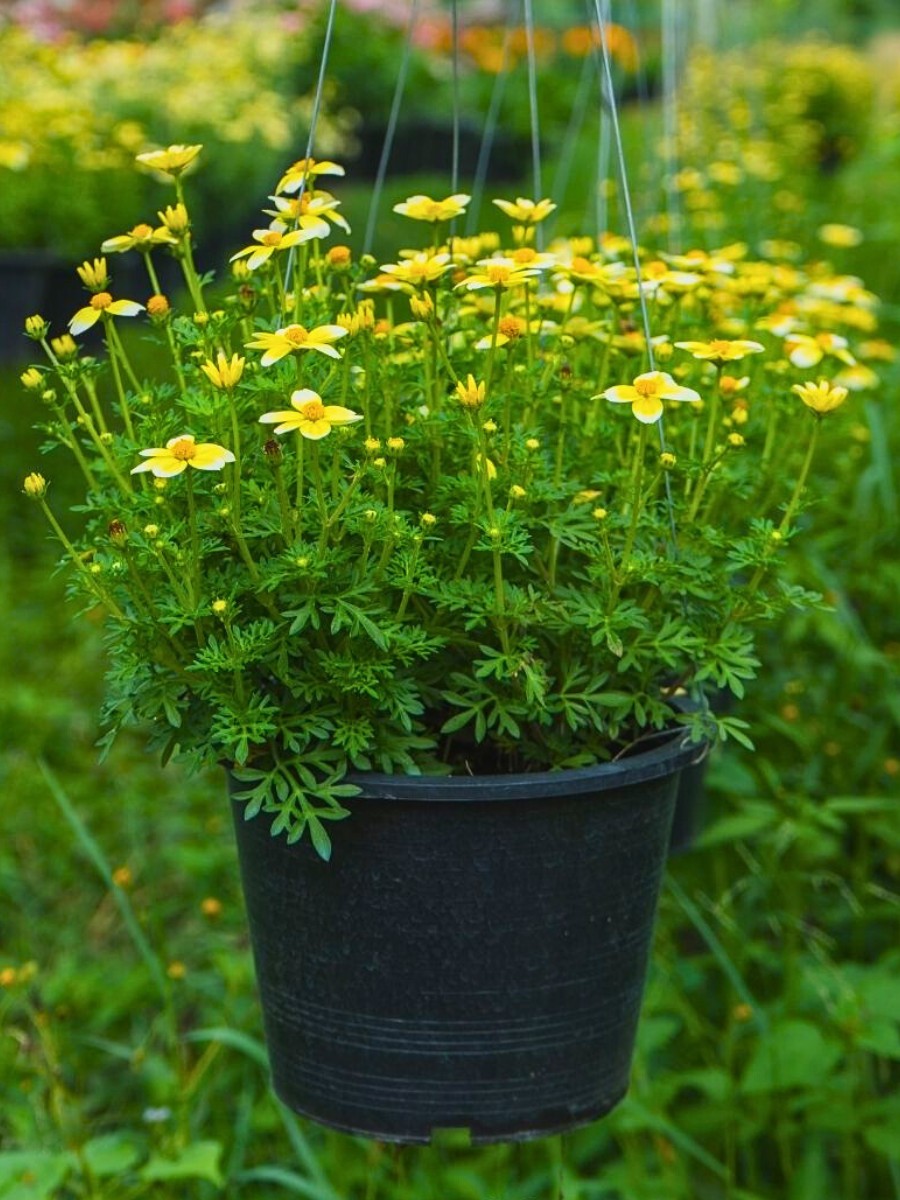
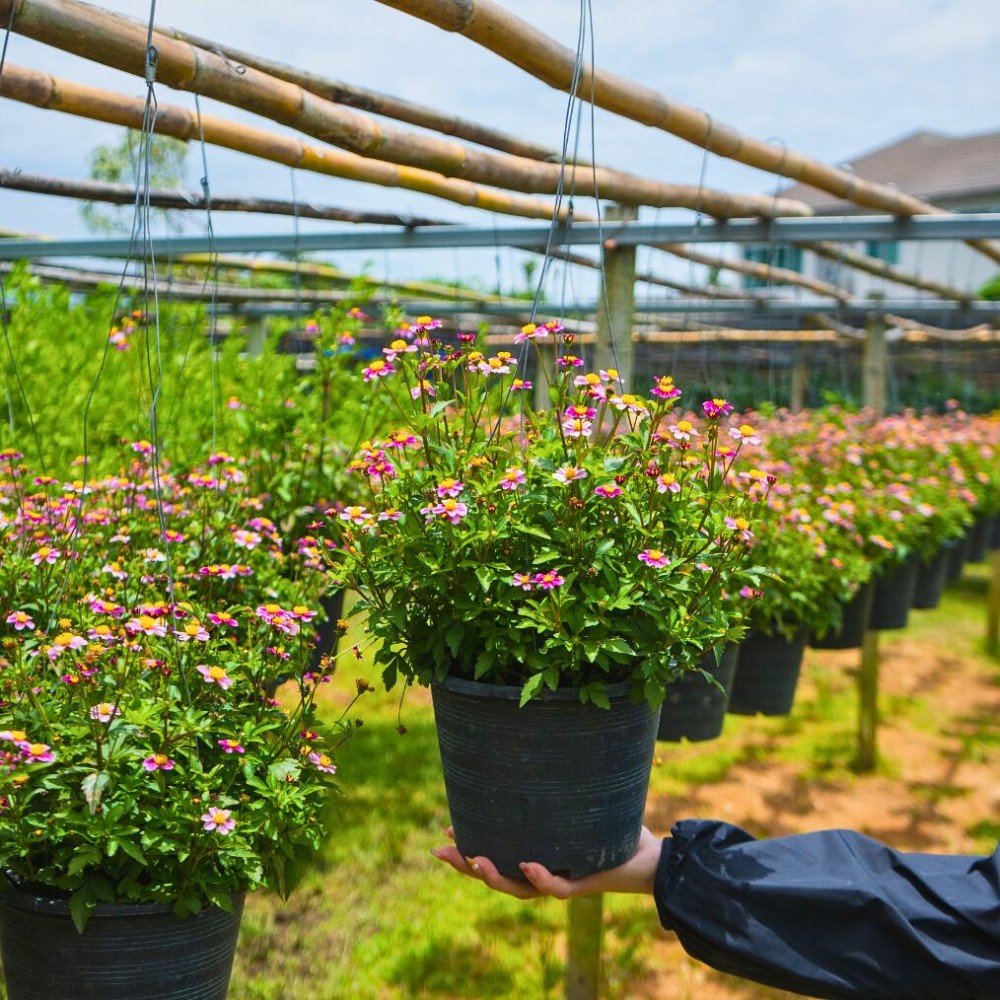
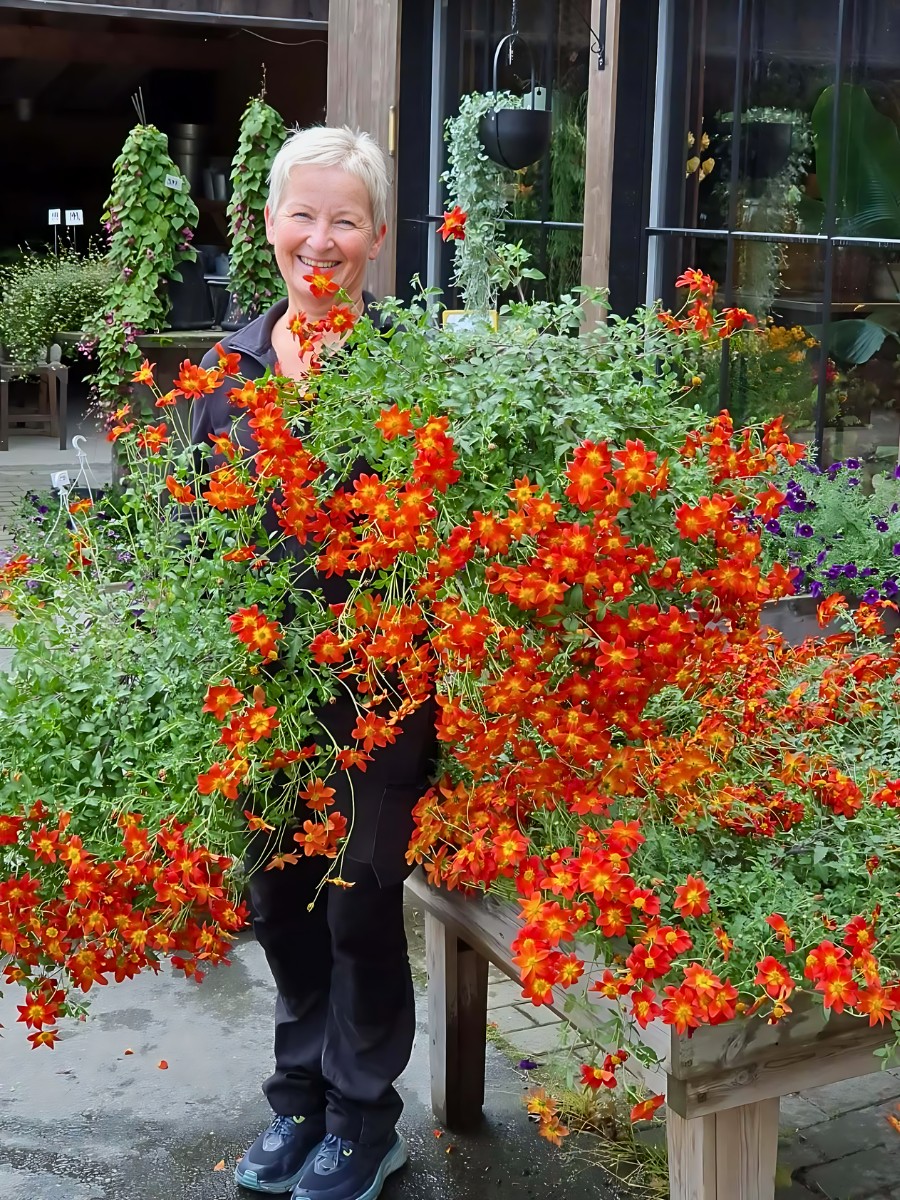
For their growth habit, some remain compact and mounded, reaching only 25-30 cm (10-12 inches) tall and wide, making them ideal for containers and small spaces. Others develop a trailing or spreading form that can extend 60 cms (24 inches) or more, making them ideal spillers for hanging baskets and window boxes. All varieties share that distinctive fern-like foliage composed of finely divided leaflets that add texture even when flowers take a brief hiatus.
In warmer climates where temperatures rarely drop below -5°C (23°F), Bidens can behave as tender perennials, returning year after year. Most gardeners in cooler regions treat them as annuals, enjoying their performance from late spring until the first frost ends the show.
How to Care for Bidens Flowers
One of the best things about Bidens is their easygoing personality. They practically take care of themselves once you understand their basic preferences, making them perfect for busy gardeners or anyone new to growing flowers. While they are incredibly forgiving, it does not mean they are invincible. So, to get that magazine-quality look from these flowers, you need to meet their basic requirements.
Light and Location
Bidens thrive in full sun to partial shade, needing at least four to six hours of direct sunlight daily. Here, they perform best, producing the most flowers and maintaining compact, attractive growth. In shadier spots, plants tend to stretch and produce fewer flowers, though they still survive. Their simple rule is, the more sun they get, the more flowers they give.
Soil Requirements
These adaptable plants are not fussy about soil type, but they love good drainage. Average garden soil works fine, and they tolerate heat, wind, and drought once established. If you are planting them in containers, any quality potting mix will keep them happy. For garden beds, working in a bit of compost at planting time gives them a good start, though it is not required.
Watering Schedule
Because they grow so fast and produce so many flowers, they consume a lot of water, especially during hot summers. Some extra water will do, and they will produce more flowers in return. Water them when the soil surface feels dry to the touch, but avoid keeping the soil constantly soggy. These plants handle dry spells better than they handle wet feet, so when in doubt, wait an extra day before watering.
Container plantings need more frequent watering than garden beds, especially during peak summer heat. If you grow them in hanging baskets, you might need to water them frequently, too, especially when the top inch of soil feels dry. If they dry out too much, they wilt. But they usually bounce back quickly after a drink.
Feeding Your Bidens Flower Plants
Usually, Bidens are not very heavy feeders, but for their profuse flower production, you might want to balance their feeding. Adequate nutrition goes a long way toward keeping them flowering all season. For container plants, use a balanced liquid fertilizer every two to three weeks at half the recommended strength. Garden plantings require a single application of granulated organic flower fertilizer in spring, with an optional midseason boost if plants appear to be slowing.
Temperature Tolerance
These sun lovers handle heat beautifully, continuing to flower through weather that makes other annuals sulk. Deer ignore them and tolerate wind without damage. However, they are sensitive to cold. Frost kills them. While most varieties can handle brief dips to around -5°C (23°F) if protected, sustained freezing temperatures spell doom for outdoor growing.
Bidens Planting and Propagation
Getting Bidens established in your garden couldn't be easier. Garden centers typically carry young plants in spring, ready to pop into your containers or beds once the danger of frost has passed. Space them 25-35 cm (10-14 inches) apart in garden beds to allow for their spreading habit.
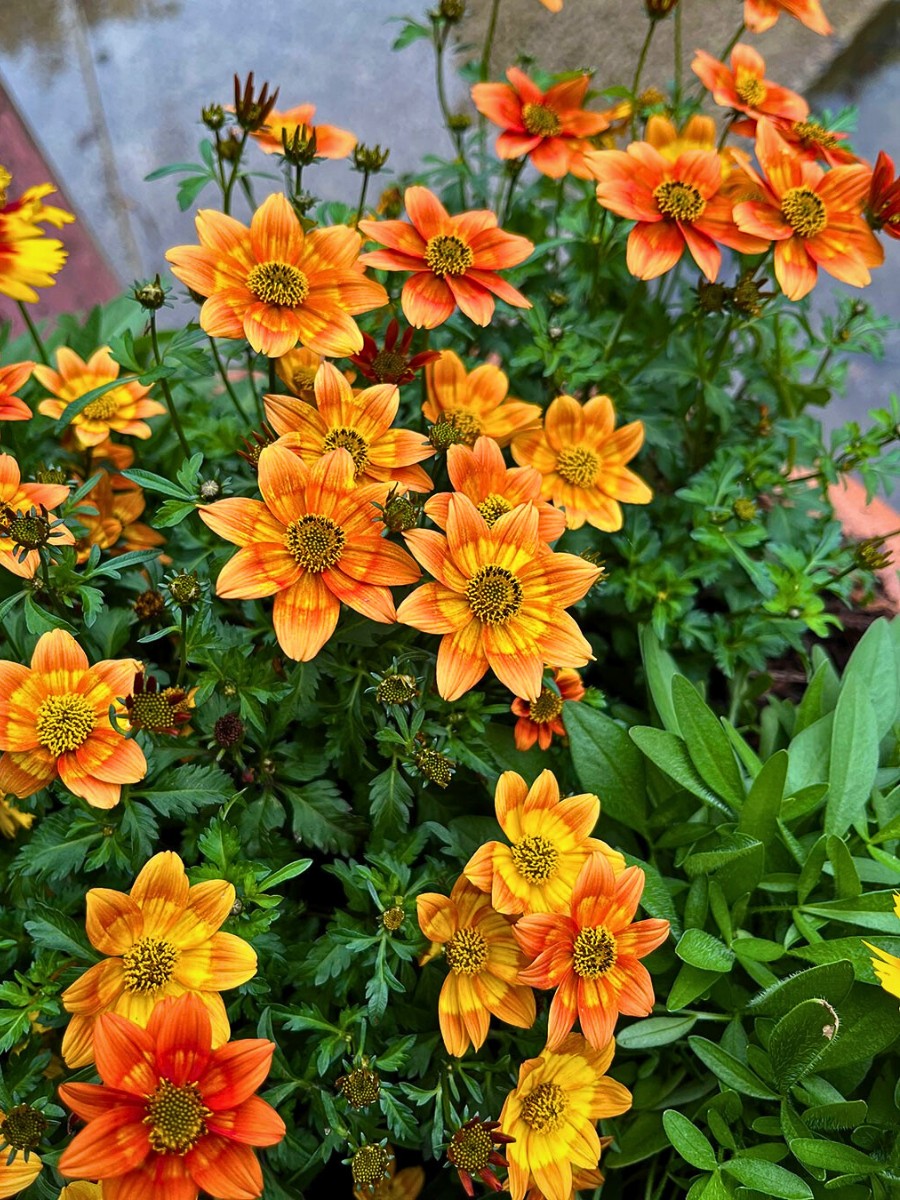
For containers, one plant per 25-cm (10-inch) pot works well, or combine three plants in a 35-cm (14-inch) container for faster impact. In mixed plantings, pair Bidens with other sun-loving annuals that share similar water needs. Their flowers look stunning against purple Verbena or Petunias, and they complement similarly warm-toned plants like Calibrachoa and Lantana.
You can propagate Bidens from seed or stem cuttings. Taking cuttings from your favorite plants in late summer gives you a head start for next season. Simply snip 10 cm pieces of healthy stem growth, remove the lower leaves, and stick them in moist potting soil. Keep them in a bright spot out of direct sun, and roots should develop within two to three weeks.
Do Bidens Need to Be Deadheaded?
Most new varieties are sterile and self-cleaning, so there is no need for deadheading. The flowers shed their spent petals cleanly and produce new buds in their place. Unlike others that demand regular deadheading to keep performing, Bidens keep flowering whether you fuss over them or not. This self-cleaning quality makes them perfect for those who want continuous color without the constant upkeep.
That said, deadheading can improve the overall appearance of the plant, particularly if your variety produces more spent flowers than new ones during certain times of the season. If you notice the plant looking untidy, a quick trim will refresh its appearance and encourage a flush of new growth. For trailing varieties that threaten to outgrow their space, light pruning keeps them under control. If plants become leggy in midsummer, trim them back slightly to encourage bushier growth and fresh flowers.
Bidens Flowers Seasonal Care and Overwintering
Bidens provide reliable color from late spring through fall, typically flowering from May through October in most regions. Their peak performance comes during the hottest months of summer when many other plants struggle. As fall approaches and temperatures begin dropping, these tropical natives will slow down.
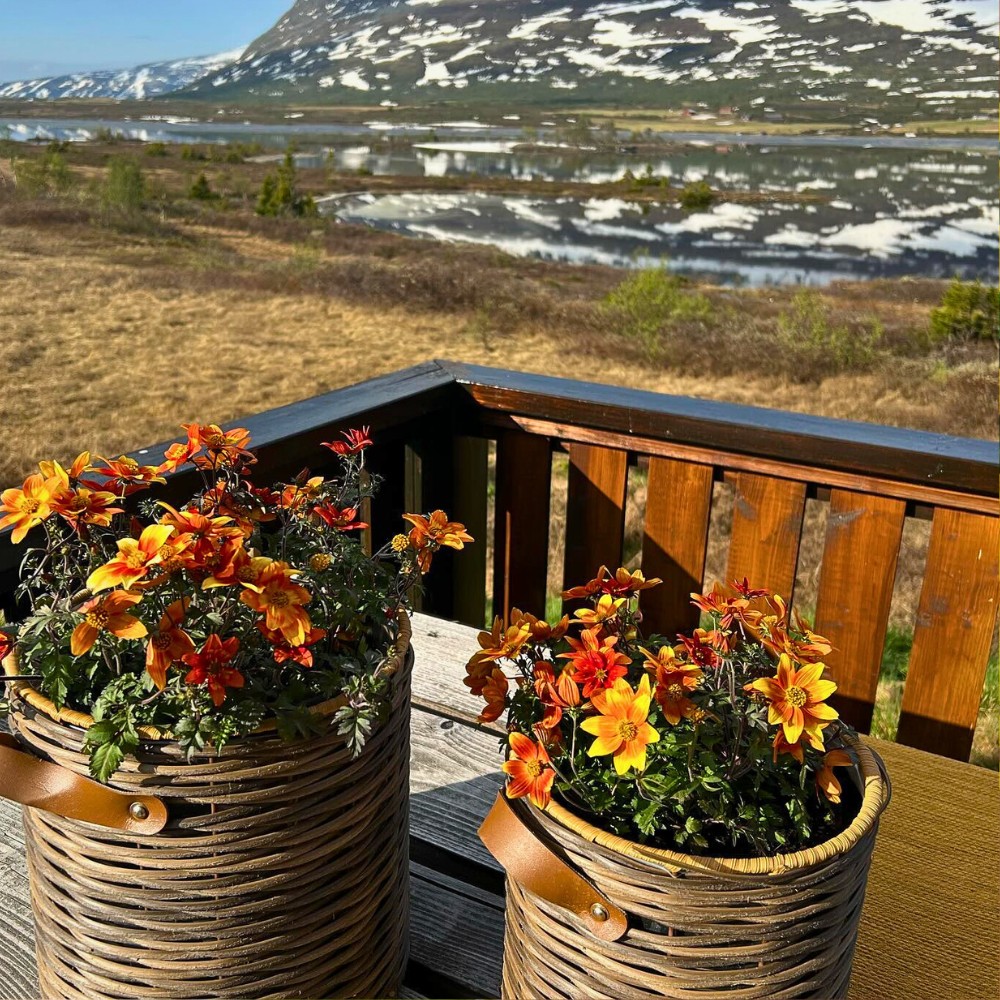
To preserve plants in frost-prone areas, bring potted Bidens indoors before the first frost and place them in a bright, sunny spot. A location that stays above 4°C (40°F) with plenty of light will keep them going through winter, though they will produce fewer flowers during the shorter days.
In very mild climates where temperatures rarely dip below freezing, Bidens can survive outdoors year-round with minimal protection. A 2 to 5-cm layer of mulch helps insulate roots during occasional cold snaps. Cut back leggy growth in late winter to encourage fresh, compact growth as spring arrives.
For most gardeners, treating Bidens as annuals makes the most sense. Compost the plants after frost, confident that replacement plants will be readily available come spring. If you gathered seeds from older, non-sterile varieties, you can sow them indoors six to eight weeks before your last frost date.
Using Bidens in Your Landscape
Bidens are suitable for a range of garden applications. Their trailing varieties work beautifully cascading from hanging baskets and tall containers, creating ‘waterfalls’ of golden color. Window boxes attain instant charm when filled with mounding types that spill gently over the edges.
In garden beds, use Bidens as edging plants along paths where their low-growing habit won't block views of taller plants behind them. Mass plantings create eye-catching drifts of color that draw attention from a distance. They also work well tucked into rock gardens where their drought tolerance helps them thrive in well-drained pockets.
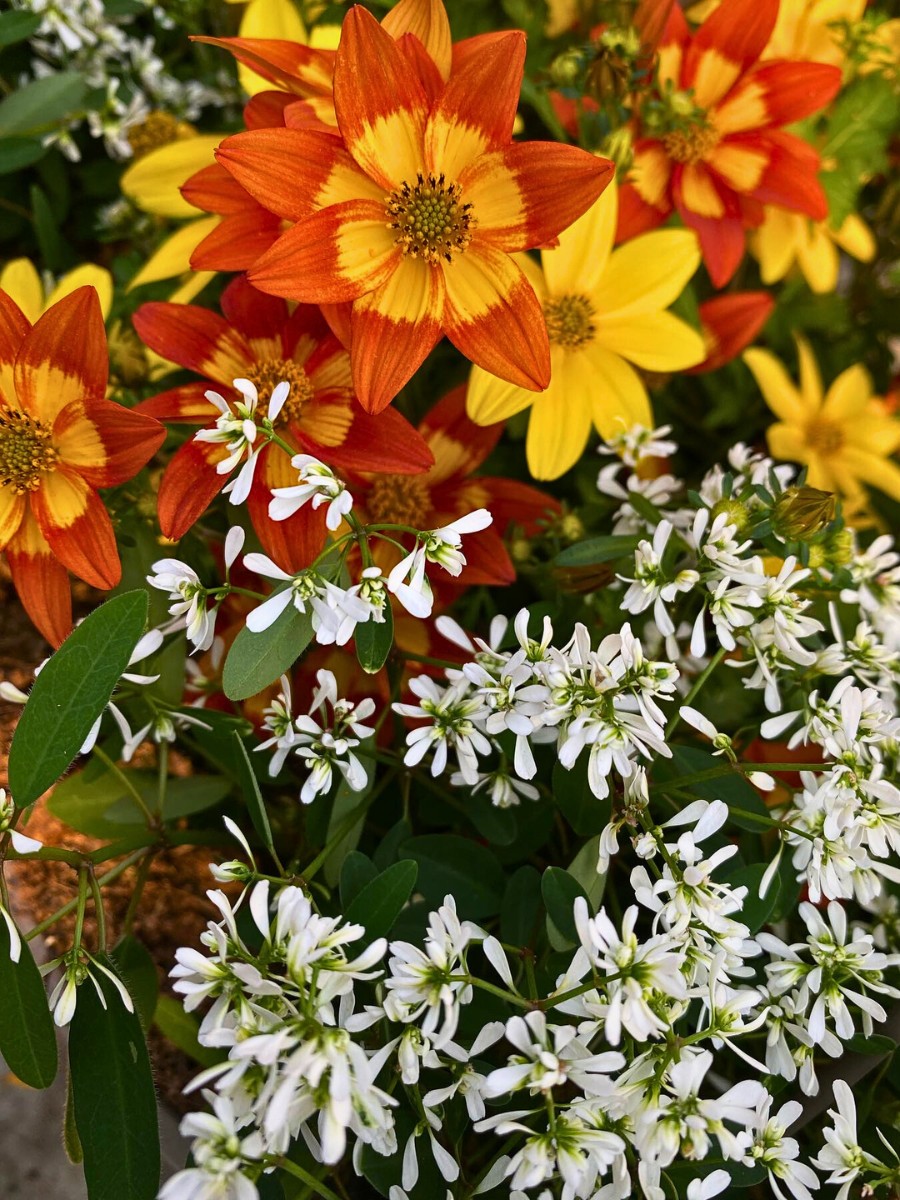
For cottage-style gardens, scatter Bidens among perennials and other annuals to create that carefree, abundant look. Their long flowering season helps fill gaps when spring bulbs fade and before fall Asters take over. The fine-textured foliage provides an attractive contrast to bolder-leaved plants like Hostas or Heucheras.
Container companion planting combinations also work well with Bidens' spiller role in the classic thriller-filler-spiller formula. For instance, tall purple Salvia or an ornamental grass could be the thriller, Petunia or Verbena, the filler, and yellow Bidens, the spillers cascading over the edge. The contrast created is a design trick that makes their colors pop. Also, try pairing Bidens with purple Supertunias or blue Lobelia for a display that easily grabs attention.

Definitely, Bidens deserves consideration whether you're filling your first container or planning extensive garden beds. These unpretentious plants will hardly let you down, and their sunny disposition will brighten your garden and mood throughout the growing season.
Feature image by @patrik.schluessel. Header image by @heidrunmvs.