
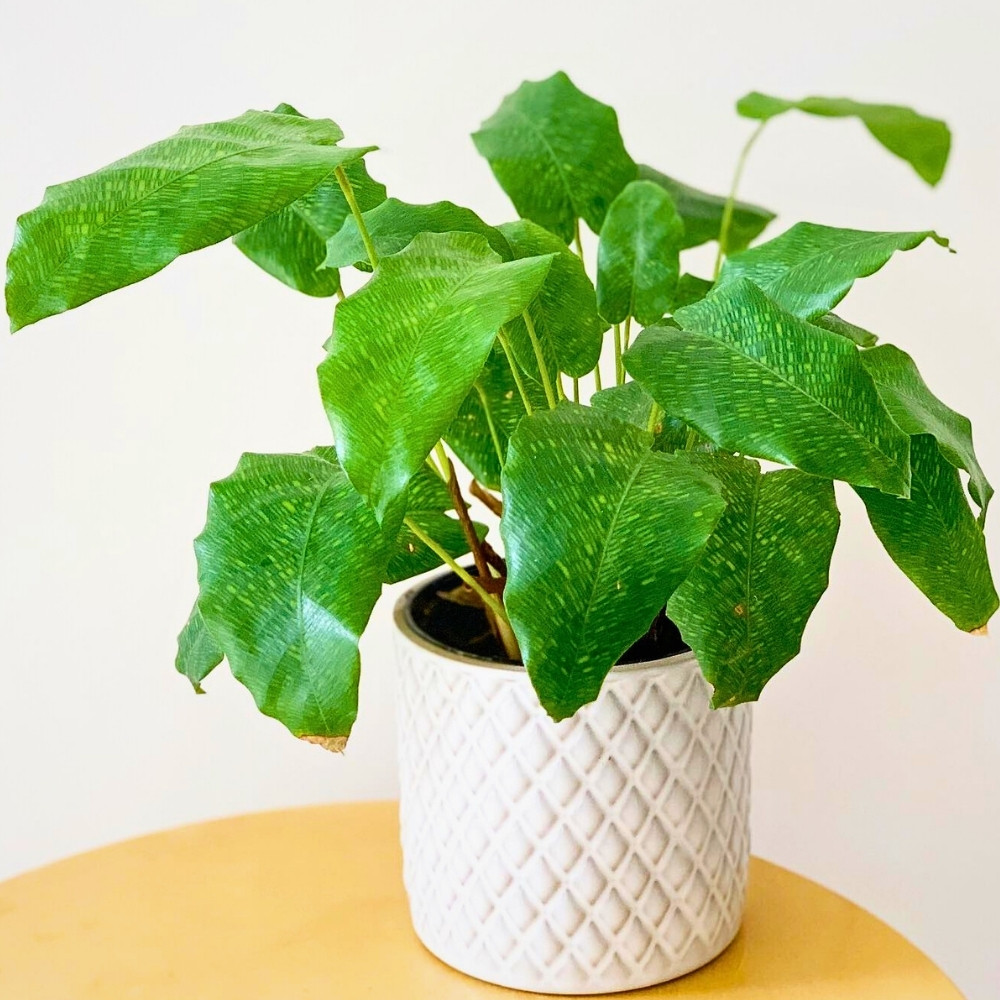
You've certainly found yourself drawn to a plant whose leaves are so intricately patterned that they almost look like an art piece. Calathea musaica is one such; a tropical houseplant that turns heads with its stunning leaf patterns. It features mesmerizing mosaic-like foliage, offering exactly that visual appeal while being manageable for indoor gardens.
Native to Brazil's rainforests, this charming evergreen brings the lush atmosphere of the jungle right into your home. And the best part is, it is more forgiving than many of its finicky Calathea cousins. However, there is more you'd want to know about how to keep this tropical beauty, also known as the network plant, thriving.
Understanding Calathea Musaica
Calathea musaica hails, as you already know, from the tropical rainforests of Brazil (especially the tropical rainforests of Espírito Santo in southeastern Brazil), where it flourishes on the shaded forest floor beneath towering canopies. While commonly known as the network plant or network prayer plant, this beauty has experienced a botanical identity shift.
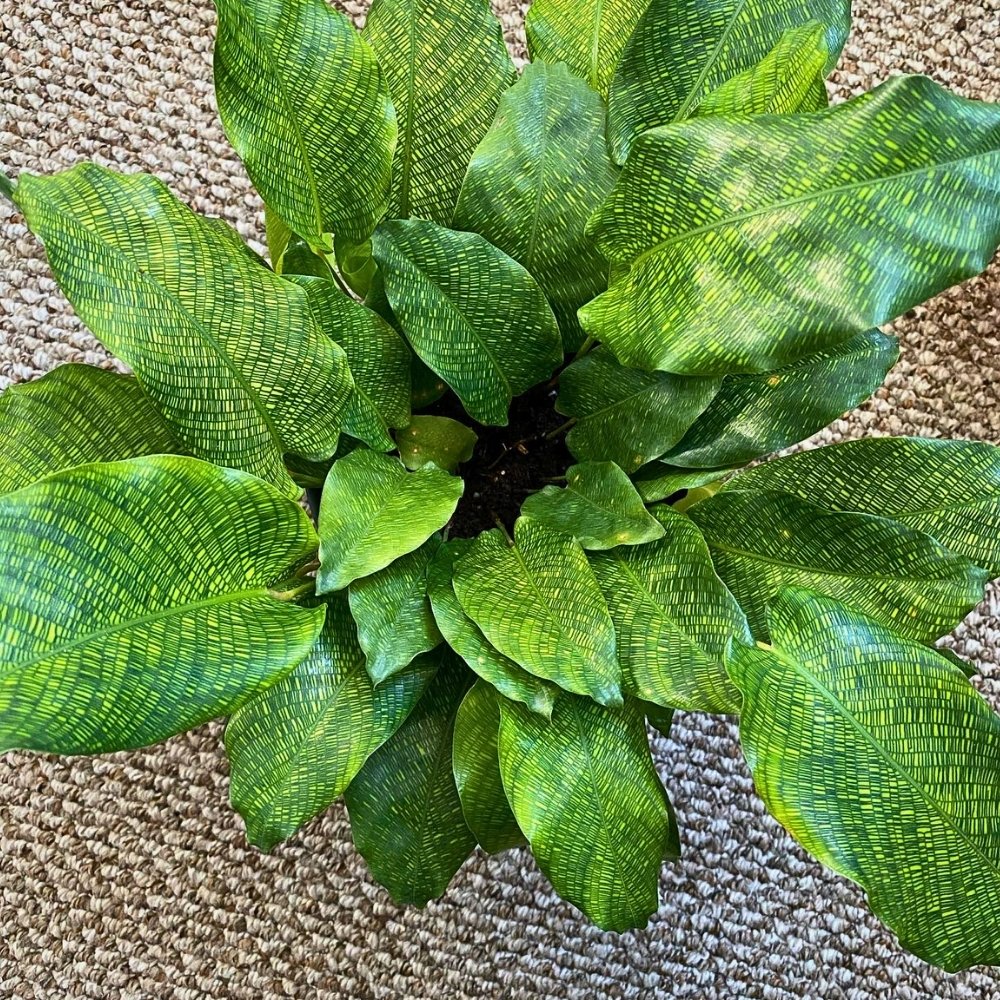
Scientists now classify it as Goeppertia kegeljanii, though most nurseries and plant enthusiasts continue using the Calathea musaica name. The word 'musaica' comes from Latin, meaning 'mosaic,' and once you see the leaves, you'll understand why. The plant also goes by the charming nickname 'network plant' because of the intricate network-like patterns crisscrossing its foliage. Some people say the patterns resemble binary code or a computer network, which explains the moniker perfectly.
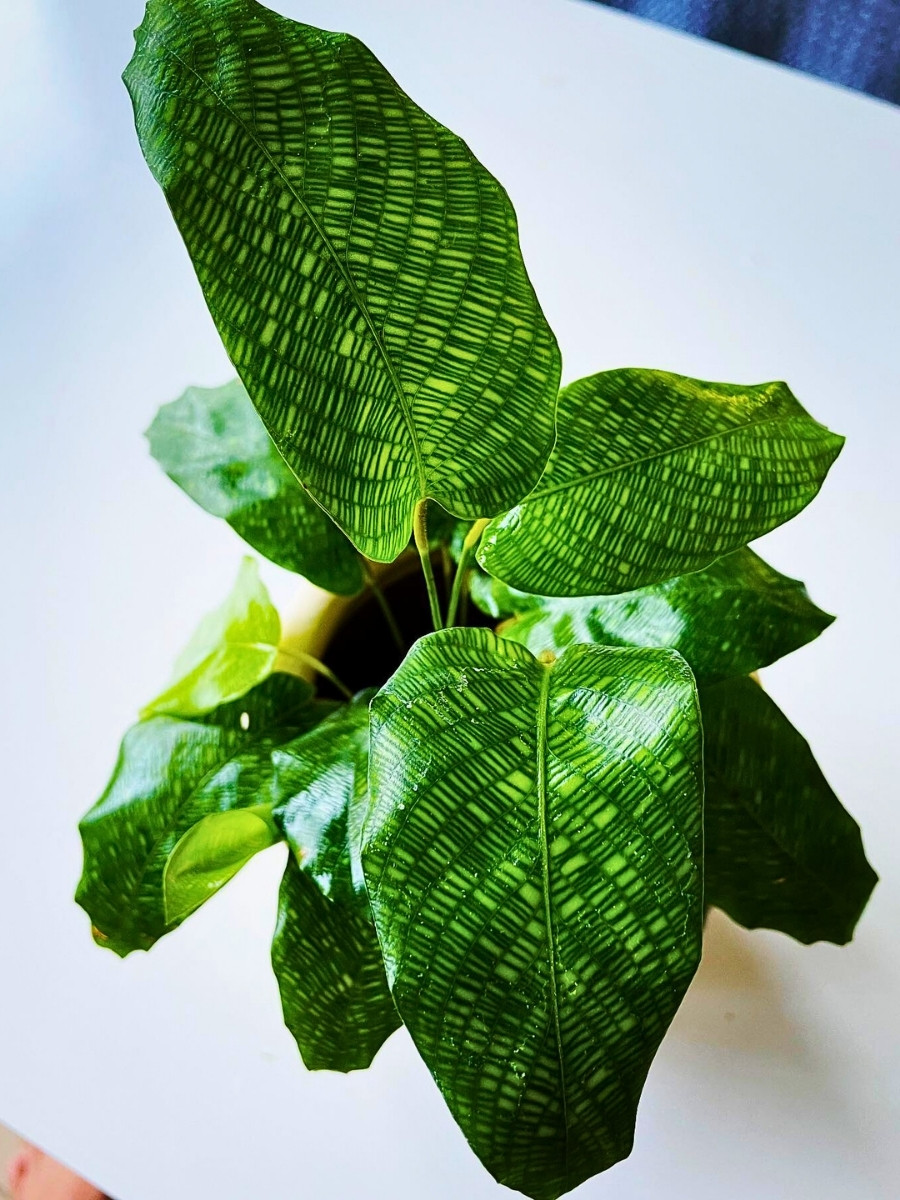
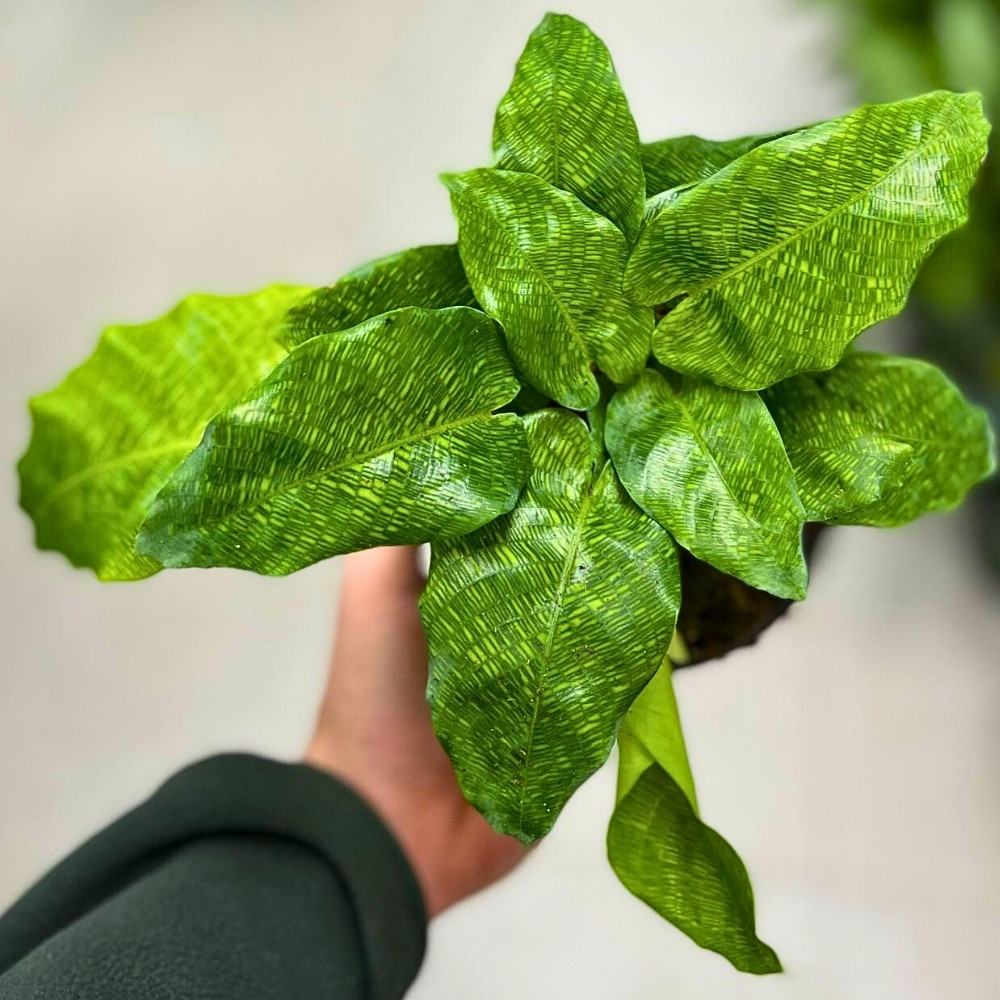
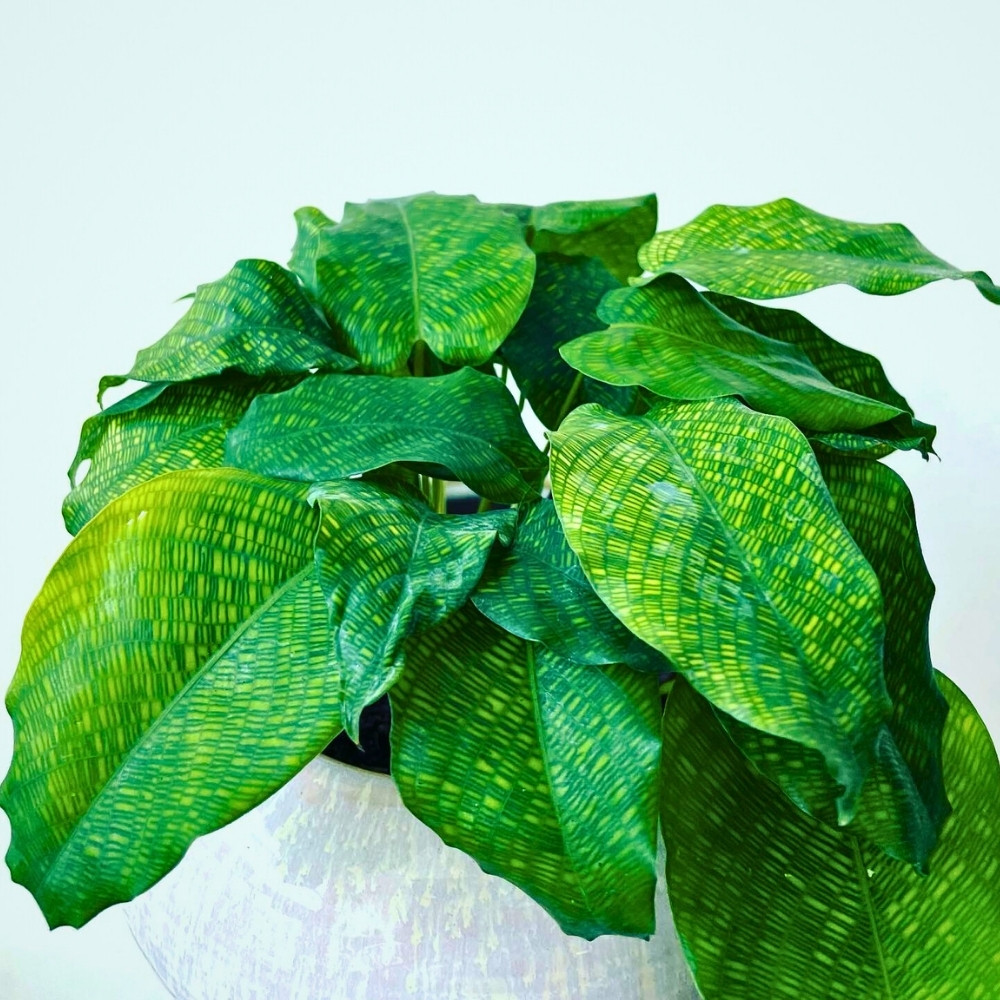
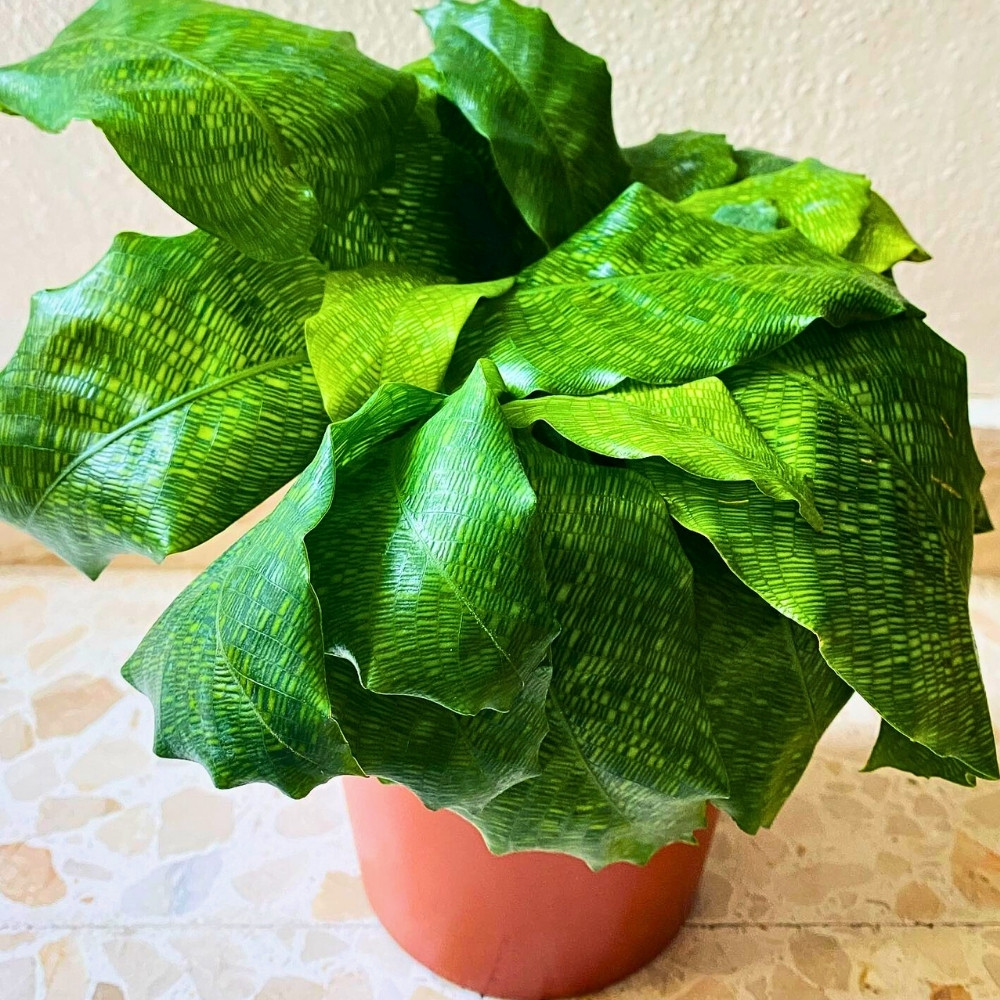
This member of the Marantaceae family shares genetic ties with prayer plants, and you'll notice similar behaviors. It belongs to a genus containing over 300 species, each offering unique leaf patterns and colors. Its understated elegance is what makes it even more appealing. Instead of bold stripes or striking patterns, it displays a refined network of fine lines crisscrossing its glossy, mid-green leaves, creating that binary code effect or intricate mosaic viewed up close.
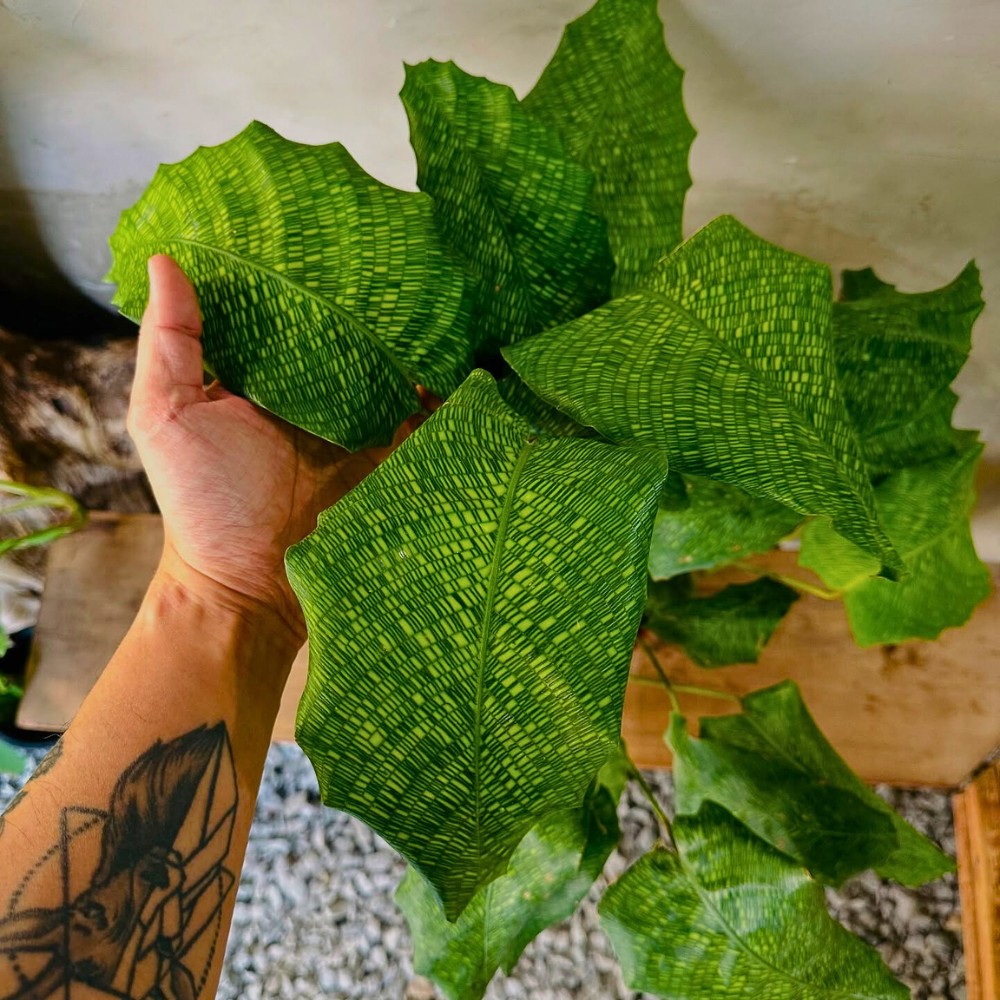
The glossy and waxy leaves not only make them beautiful but also help them retain moisture in their natural humid environment. And while Calathea musaica can produce small white flowers in its native habitat, don't expect these flowers indoors.
Also, the plant exhibits nyctinasty, where the leaves adjust their position throughout the day, spreading out to capture filtered sunlight during daylight hours, while in the evening, the leaves rise and fold inward, resembling hands in prayer. This is part of the plant's natural circadian rhythm.
Mature Calathea musaica typically reaches about 60 cm (2 feet) in height with a spread of 60-90 cm (2 to 3 feet). Its clump-forming growth habit creates a full, bushy appearance that works beautifully on tabletops, desks, or as a floor plant. And while not a fast grower as such, its moderate pace means the plant remains manageable and fits well in most indoor spaces.

Why Bring Calathea Musaica Into Your Home
No doubt, this plant has an aesthetic appeal. But aside from that, Calathea musaica offers several benefits that make it worth a spot in your home or office. First, there's air purification. Like other Calatheas, this plant works to clean the air around you by absorbing harmful pollutants like formaldehyde and benzene, which are commonly found in household products, furniture, and building materials. This plant in your living space means cleaner, fresher air.
Another wonderful benefit is humidity regulation. Through transpiration, Calathea musaica releases moisture into the air, acting as a natural humidifier. This is especially helpful if you live in a dry climate or run central heating during winter. The plant essentially works to create its own comfortable microclimate while benefiting you in the process.
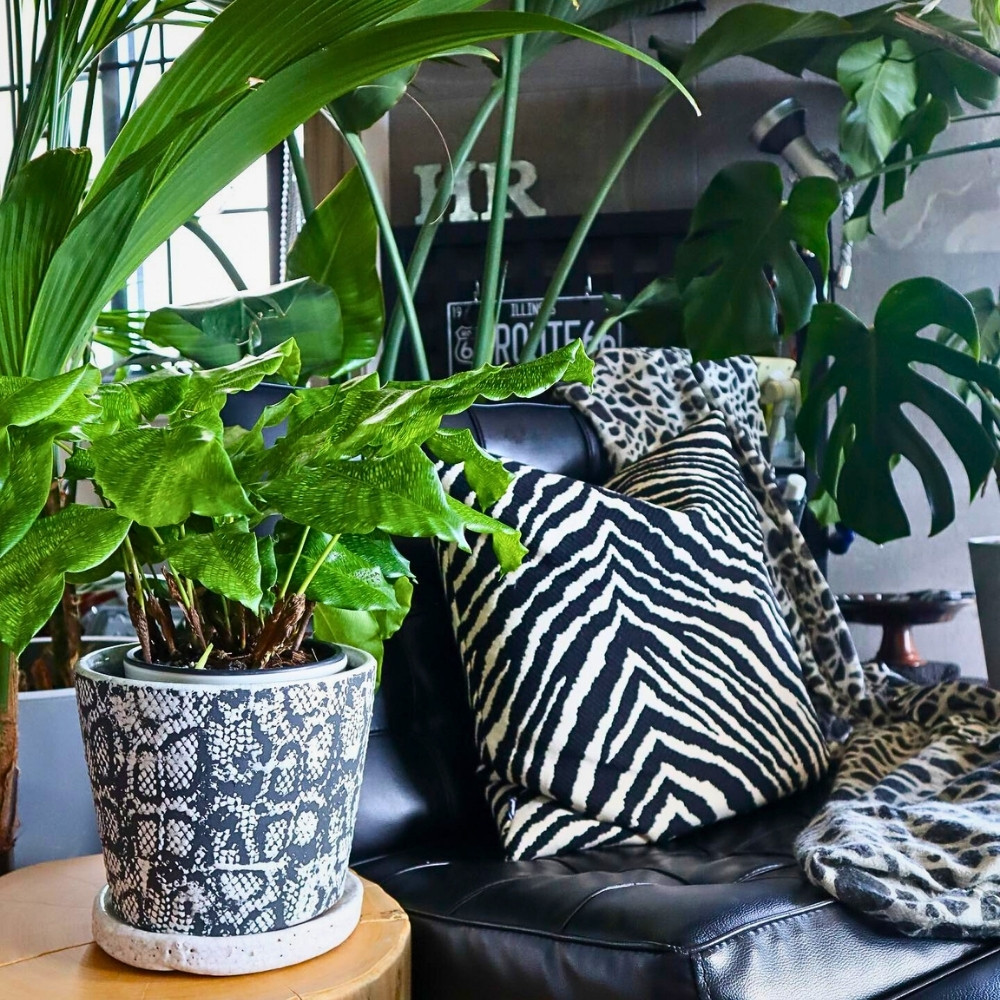
There's also a stress-reduction factor. Research shows that having plants around reduces anxiety and promotes mental well-being. Likewise, the rhythmic movements of the Calathea leaves, as they fold at night and open during the day, create a soothing, almost meditative presence. Many plant enthusiasts find watching these subtle movements calming.
Even more, many plant lovers report better sleep and improved focus when they have Calatheas nearby. Plus, if you have pets or small children, you can relax knowing this plant is completely non-toxic to cats, dogs, and humans, though the sap may cause mild skin irritation in sensitive individuals.

Calathea Musaica Growth Patterns and Expectations
When it comes to growth, Calathea musaica is a moderate to rapid grower when provided with ideal conditions. However, 'rapid' for this plant means steady progress, not explosive growth. You'll notice new leaves regularly, especially during the spring and summer growing season. Each new leaf typically appears larger than the previous one, creating a fuller appearance over time.
The plant's growth rate depends significantly on the conditions you provide. In bright, indirect light with appropriate humidity and reliable moisture, your Calathea musaica will reach its full potential. In less-than-ideal conditions, growth may slow considerably. Some plant parents report that their plants seem to put out one leaf at a time, which is normal.
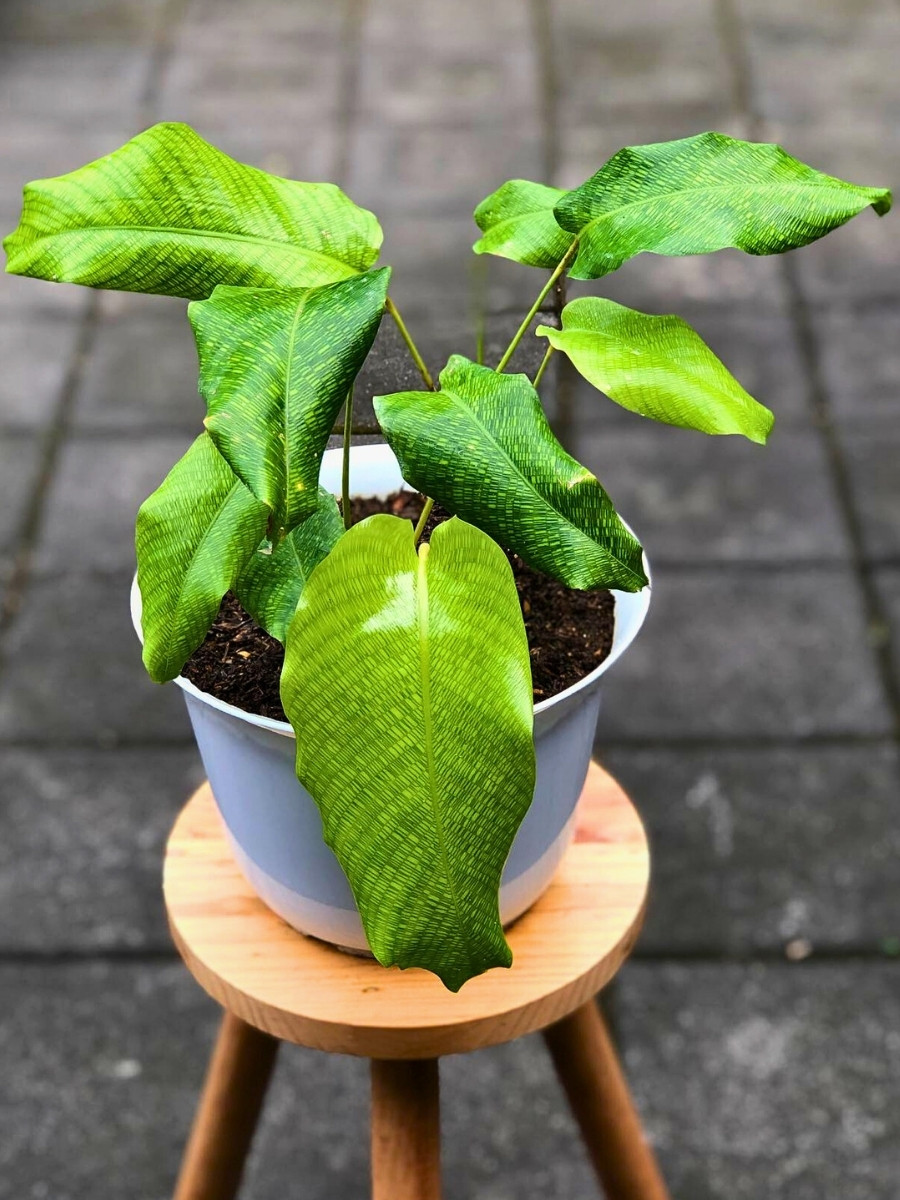
The plant's energy also goes toward sending out new shoots from the sides, sometimes creating several smaller leaves before directing its energy back to the main stem. With proper care, you can expect your Calathea musaica to double in size within a couple of years, growing into a lush, full specimen that becomes a real statement piece in your space. So, here's a simple care and maintenance regimen for this plant.
Choosing the Right Soil Type for Calathea Musaica
The ideal potting mix for this plant should be well-draining yet moisture-retentive, which might sound contradictory, but it is entirely achievable. The goal is soil that doesn't stay soggy but doesn't dry out too quickly either. A winning combination is to mix one part standard houseplant potting soil with two parts peat moss and two parts perlite.

If you don't have peat moss available, you can substitute coco coir or orchid bark. The peat moss or coco coir holds moisture and provides organic matter that feeds your plant over time, while the perlite creates air pockets that prevent waterlogging and allow roots to breathe. Alternatively, you can use a commercial orchid bark mix or a peat-free houseplant potting mix designed for tropical plants.
The key is ensuring the soil drains well while maintaining moisture. Avoid heavy, dense potting soils or garden soil, which will almost certainly lead to root rot and disappointed plant parent moments. Notably, always use a pot with adequate drainage holes. No matter how perfect your soil mix is, without proper drainage, water will accumulate and cause root problems, which is non-negotiable for Calathea musaica success.
Light Requirements for Calathea Musaica Growth
Bright, indirect light maintains the network plant's distinctive leaf patterns. North or east-facing windows work best, offering gentle light without harsh afternoon sun. South or west-facing rooms require positioning the plant several feet from windows or using sheer curtains. For more ideas, explore the best houseplants for shade or dark rooms.
Direct sunlight scorches its leaves, causing bleaching, brown patches, and pattern loss. Insufficient light darkens foliage and eliminates the mosaic patterns. But the plant tolerates medium light better than most Calathea species.
Watering Your Calathea Musaica Properly
Water the plant when the top inch of soil feels dry, especially during spring and summer. This typically means weekly watering; in winter, every two weeks. Water thoroughly until drainage occurs, and then discard the excess.
Also, use filtered, distilled, or rainwater. Tap water chemicals cause brown leaf tips. If using tap water, let it sit 24 hours before applying. Signs of watering issues include wilting (underwatering), yellow leaves (overwatering), brown tips (water quality or low humidity), and curling (inconsistent watering).
Notably, if you tend to overwater, consider using a moisture meter, which takes the guesswork out of watering decisions. Bottom watering is another excellent option, especially if you're prone to giving too much water. Fill a tray with water and place your potted plant on top, letting the soil absorb moisture from below for about 10 minutes.
Temperature and Humidity Checks for Optimal Calathea Musaica Care
Calathea musaica prefers warm, stable temperatures between 18°C and 27°C. Anything within this range will keep your plant happy. Being sensitive to temperature fluctuations, these plants despise cold drafts, which can cause leaf edges to darken and the plant to become stressed. So, keep your Calathea musaica away from windows during winter if cold drafts occur.
Similarly, avoid placing it near heating vents, radiators, air conditioning units, or anywhere with temperature extremes. Rapid temperature changes can cause the plant to drop leaves or develop brown tips. The minimum temperature your plant can tolerate is around 10°C, but it will not do well at such temperatures. If you ever take a potted Calathea musaica outside for the summer, bring it back indoors immediately when nighttime temperatures drop significantly. Maintaining a steady room temperature is more important than achieving the perfect temperature.

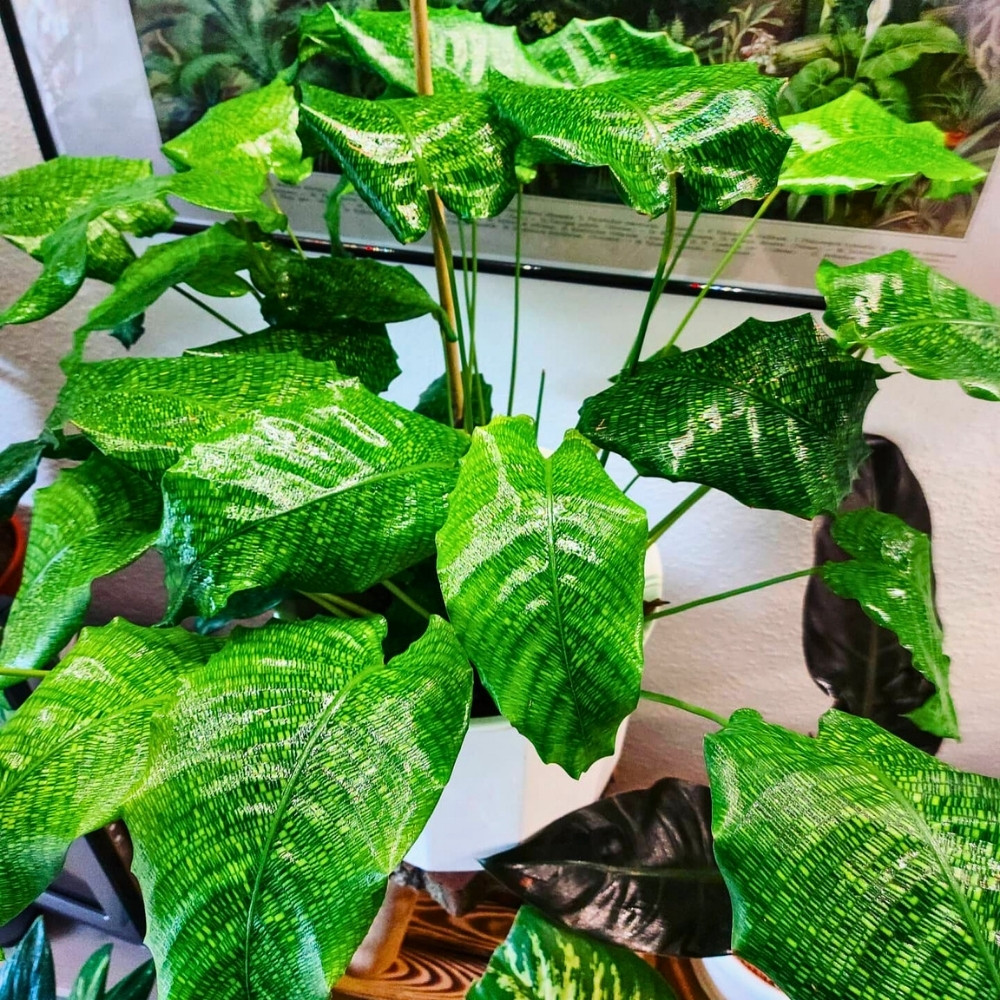
Humidity between 50 and 80% is also ideal. Boost humidity by misting every other day, using a room humidifier, placing pots on pebble trays with water, or grouping plants. Low humidity causes brown, crispy leaf tips and curling. Even so, Calathea musaica's thicker leaves tolerate average home humidity better than most relatives.
Fertilizing Your Network Plant
Feed the Calathea musaica plant two to three times during spring and summer using diluted liquid houseplant fertilizer at half strength. Apply once in early spring, once at summer's start, and once in late summer. Always fertilize after watering to prevent root burn. Organic options like worm castings, fish emulsion, or compost tea work well. Stop fertilizing in fall and winter.
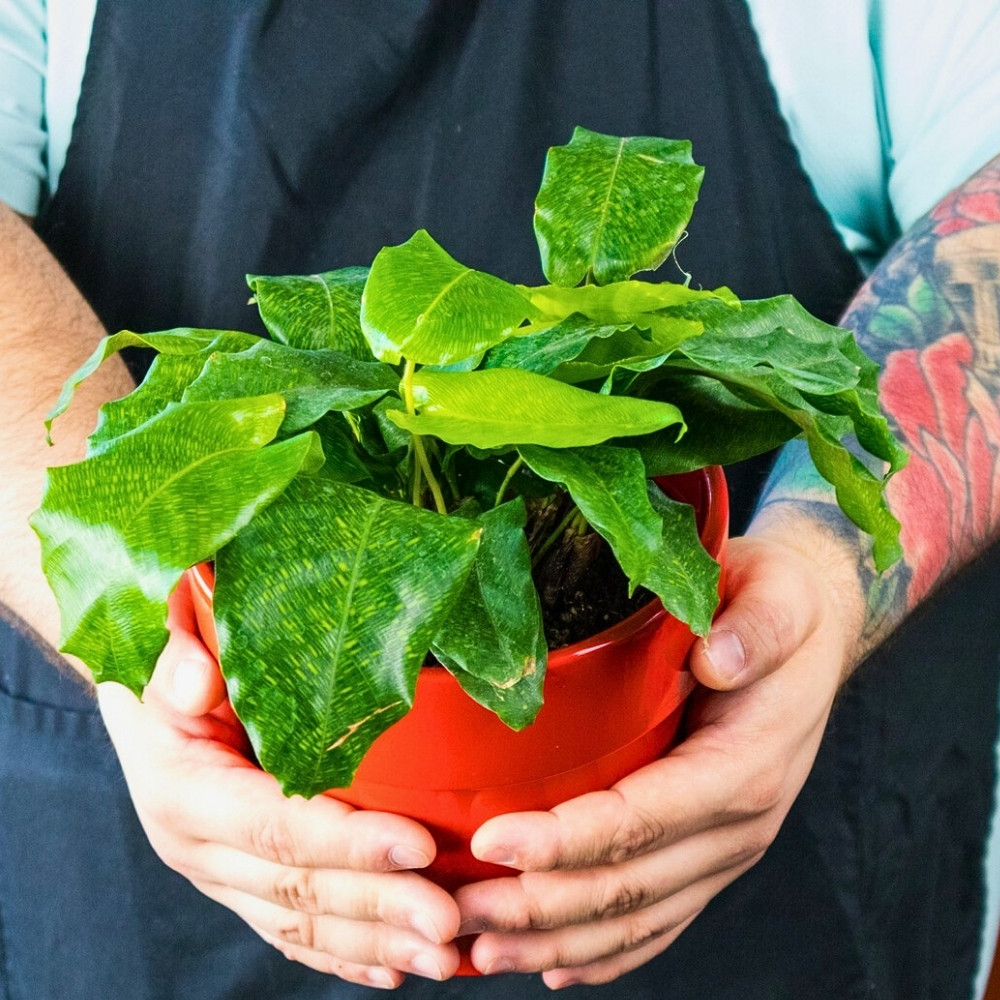
One helpful practice is flushing the soil occasionally with distilled water, which helps prevent mineral salt buildup from tap water and fertilizer that can accumulate in the soil and cause leaf edge browning. Simply pour distilled water through the soil until it drains out, and then resume normal watering.
Repotting Your Calathea Musaica When It Outgrows Its Pot
The Calathea musaica will need repotting every 2 to 3 years or when it becomes rootbound. Signs of a rootbound plant include roots growing out of drainage holes, slower growth despite good care, or water running straight through the pot without being absorbed.

Spring is the ideal time to repot, just as the plant's growing season begins. Choose a pot one to two sizes larger than the current one. No need to jump up dramatically in pot size; a gradual increase provides more control over soil moisture.
Before repotting, prepare your fresh potting mix and assemble your tools. Gently remove your plant from its old pot, and carefully loosen the root ball with your fingers. Look for any brown, mushy roots that indicate rot and trim them away with clean scissors. Healthy roots should be pale or white and firm.
Position your plant in the new pot so it sits at the same depth as it did in the old pot. Fill the remaining space with fresh potting mix and water thoroughly to settle the soil. Your repotted plant may look a bit stunted for a few weeks as it recovers from the transplanting process. This is normal.

Propagation Methods for Your Calathea Musaica
The best way to propagate Calathea musaica is through root division, which is easy and highly successful. The ideal time to propagate is late spring, when the plant is actively growing and has plenty of energy to recover from division.
Start with a mature, healthy plant that has developed several clumps or shoots. Remove the plant from its pot and gently separate the root ball with your hands, teasing apart the sections. If the roots are tightly intertwined, you can carefully use a clean, sharp knife to cut through the rhizomes, ensuring each division has enough roots and at least one or two leaves or shoots.
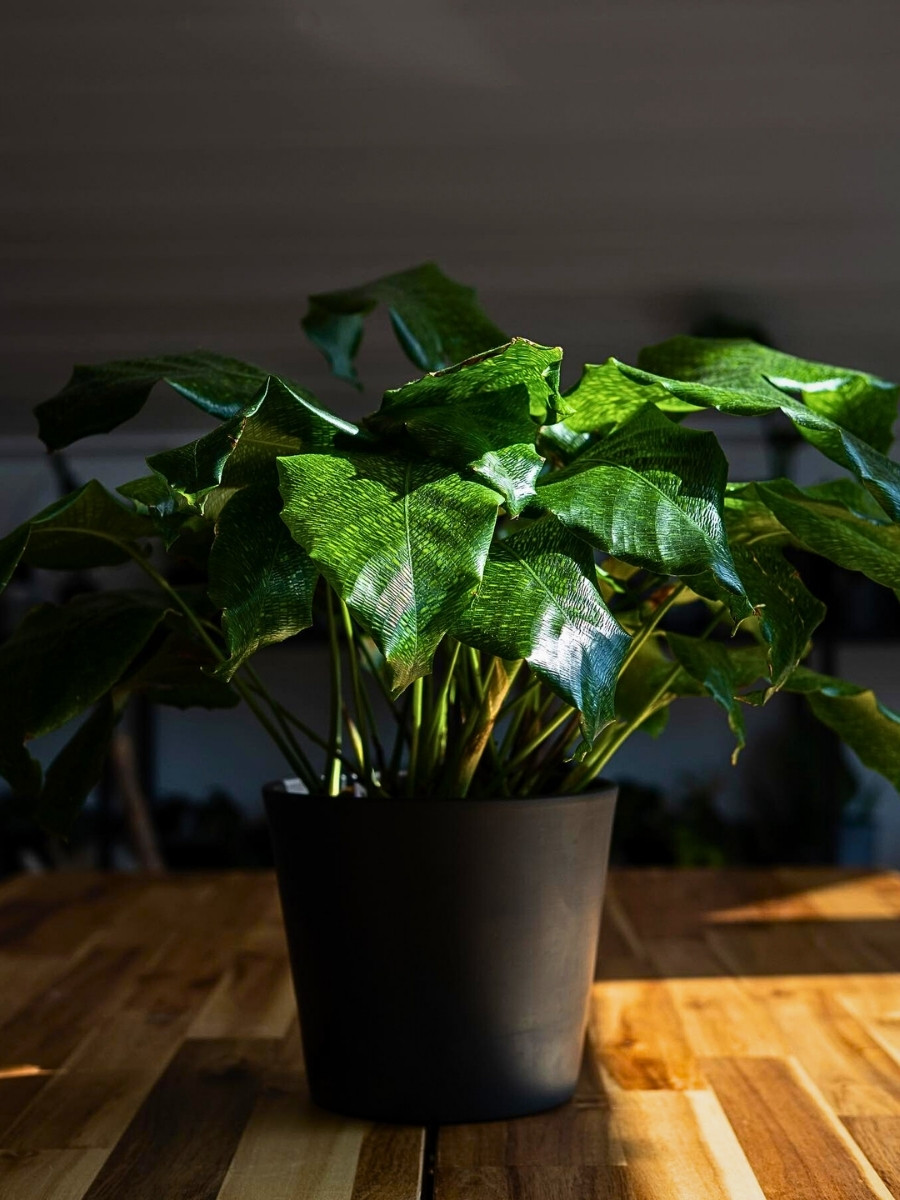
Prepare individual pots with fresh potting mix. Plant each division at the same depth as it was in the original pot and water thoroughly. Place the divisions in a warm, humid spot with indirect light. It is helpful to create a mini greenhouse by covering the new plants with plastic bags or placing them in a propagator to maintain high humidity while they establish new roots.
Growth will be slow at first as the divisions focus energy on developing new roots. Avoid fertilizing for at least a month after division, and keep the soil moist but not waterlogged. Within a few weeks to a couple of months, you should see new growth, indicating that the divisions are successfully establishing.
Pruning and Maintenance Tips
Remove dead or damaged leaves by snipping stems near the soil line. Trim brown tips following natural leaf shapes, and wipe leaves with a damp cloth weekly to remove dust. And avoid leaf shine products, and inspect leaves during watering for pests and assess overall health.
Addressing Challenges and Common Pests Affecting Calathea Musaica
While Calathea musaica is relatively pest-resistant compared to some houseplants, it can occasionally attract unwanted visitors. Spider mites are the most common culprit. These tiny pests create fine webbing on leaves and cause yellowing or speckled discoloration. You'll notice fine silk-like threads, and over time, more pronounced webbing appears.
To fight them, increase humidity around your plant, as these pests prefer dry conditions. Spray the plant with a strong stream of water to physically remove them. For persistent infestations, mix neem oil spray by combining 1 quart of warm water with 2 teaspoons of neem oil and 1 teaspoon of liquid Castile soap. Spray the entire plant thoroughly and repeat weekly until the infestation clears.
Other potential pests include mealybugs, which appear as white cottony clusters, and scale insects, which look like small bumps on stems. Remove these with alcohol-dipped cotton swabs or apply insecticidal soap according to package directions.
Likewise, regular misting and leaf cleaning help prevent pest problems. A soft, damp cloth gently wiped over the leaves removes dust and allows you to spot problems early. With these simple steps, you can have a thriving Calathea musaica plant in your indoor space.
Feature image by @jcchris. Header image by @mybrilliantplants