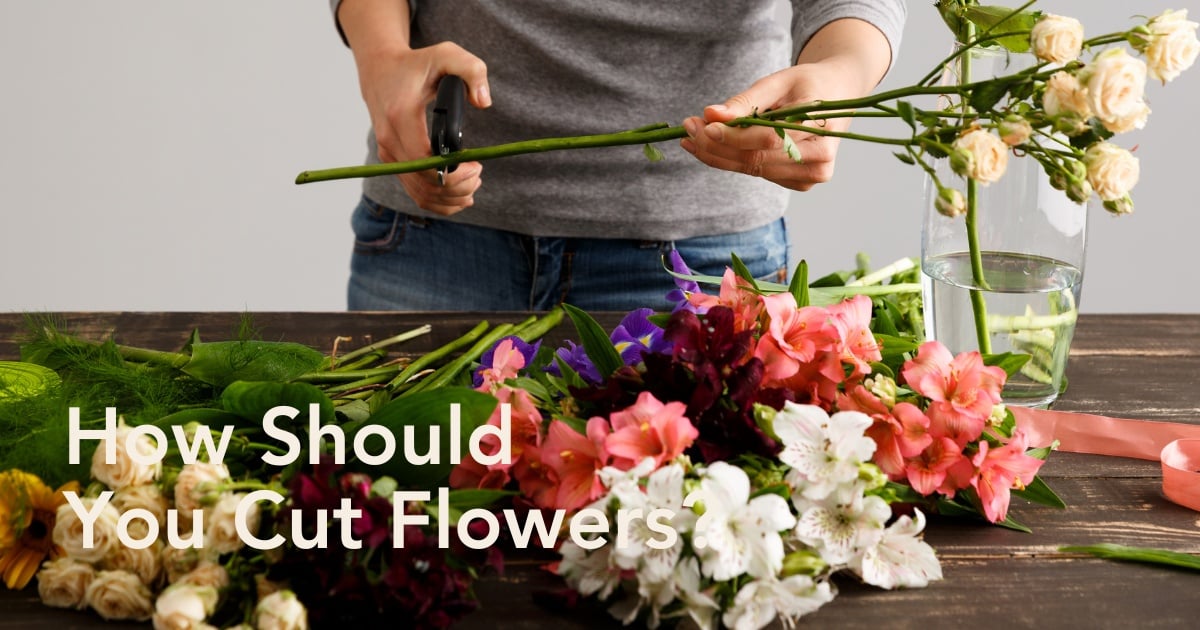
A quick search for flower care tips often turns up a particular instruction again and again: fill the sink, submerge the stem, and make your cut underwater before the flower gets in contact with open air. It sounds like quite an odd extra step for something as simple as trimming a flower stem.
And it turns out florists and researchers do not fully agree on how much it matters. Behind the idea is the science of water absorption, historical floristry traditions, and practical maintenance steps. So the true answer to the misperception is somewhere between old wisdom and modern testing.
The Theory Behind the Advice
The reasoning behind cutting flowers underwater traces back to plant physiology. A living stem pulls water upward through narrow channels called xylem vessels, kept under constant negative pressure by the plant's own transpiration. The instant a stem is severed, this pressure pulls air in through the cut surface, forming a tiny bubble that can lodge in the vessel and block water from moving past it. In the scientific community, this phenomenon is called vascular embolism.
Much like a bubble blocking a straw, this tiny pocket of air creates a physical barrier that restricts the subsequent flow of water up the stem once the flower is placed inside a container. If the air bubble remains trapped inside the tissue, the flower cannot hydrate properly, which leads to early soft heads and drooping leaves. Cutting the stem under the surface of the water prevents this air bubble from entering, ensuring a continuous column of moisture right away.
Historically Used for Specific Floral Varieties
The technique of cutting stems submerged in liquid has historical roots, particularly in traditional Asian floral design. In Japan, the ancient art of Ikebana features a specific practice called mizukiri, which translates to underwater-cutting. Masters of this discipline maintained that trimming flowers submerged in a shallow bowl of water preserves the spiritual energy and physical longevity of the plant.
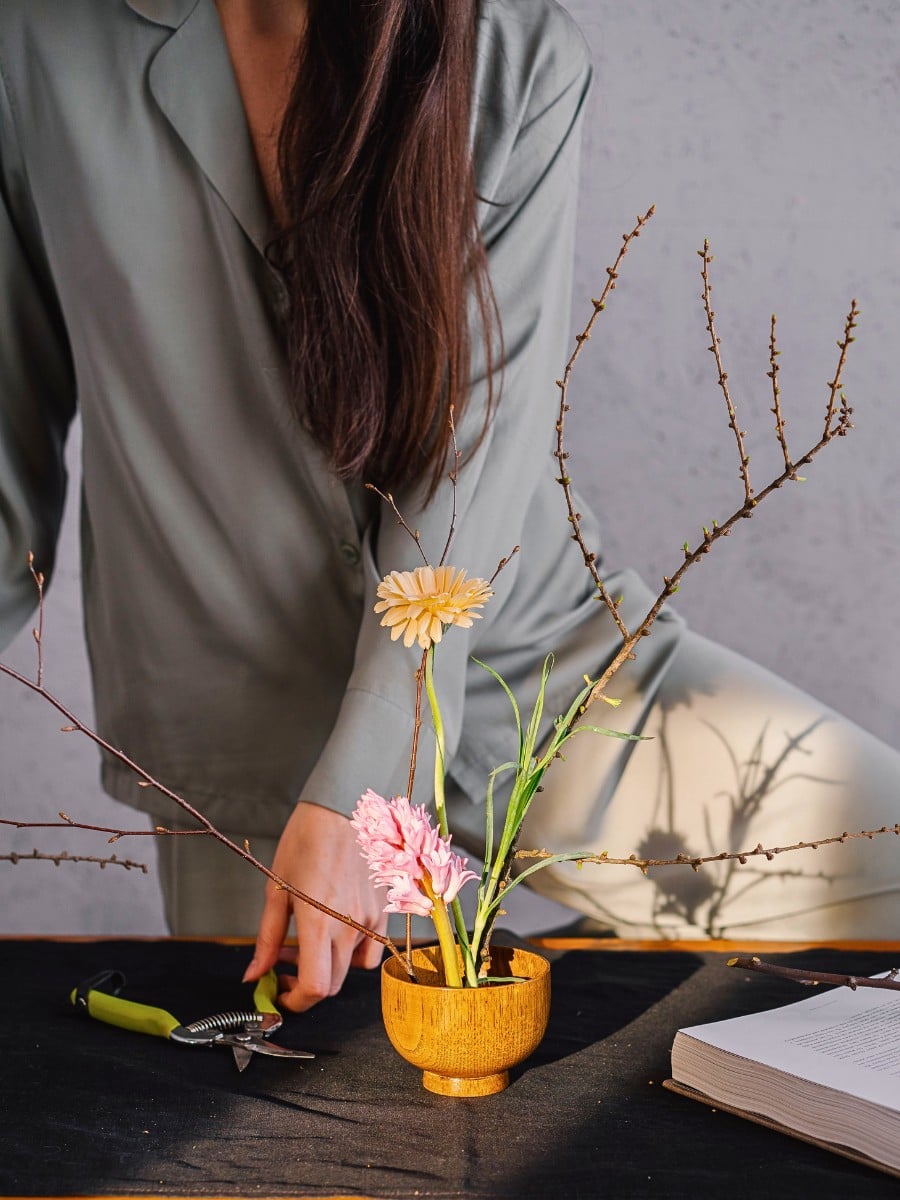
Historically, this method was reserved for highly delicate or hollow-stemmed varieties that are notoriously prone to immediate wilting. In modern floral design, certain varieties are better suited to this technique than others. For instance, Hydrangeas, Hellebores, poppies, and autumn Anemones possess highly sensitive vascular systems that react poorly to even a few seconds of air exposure. For these specific varieties, using the historical underwater method can make a noticeable difference in preventing premature collapse.
What Research Shows
A multi-year trial from Clemson University tested underwater cutting against ordinary air cutting across several common cut flowers, including roses, Gerbera daisies, and Chrysanthemums, and found no significant difference in vase life for most of them. Carnations were the clear exception, holding two to four additional days when cut underwater.
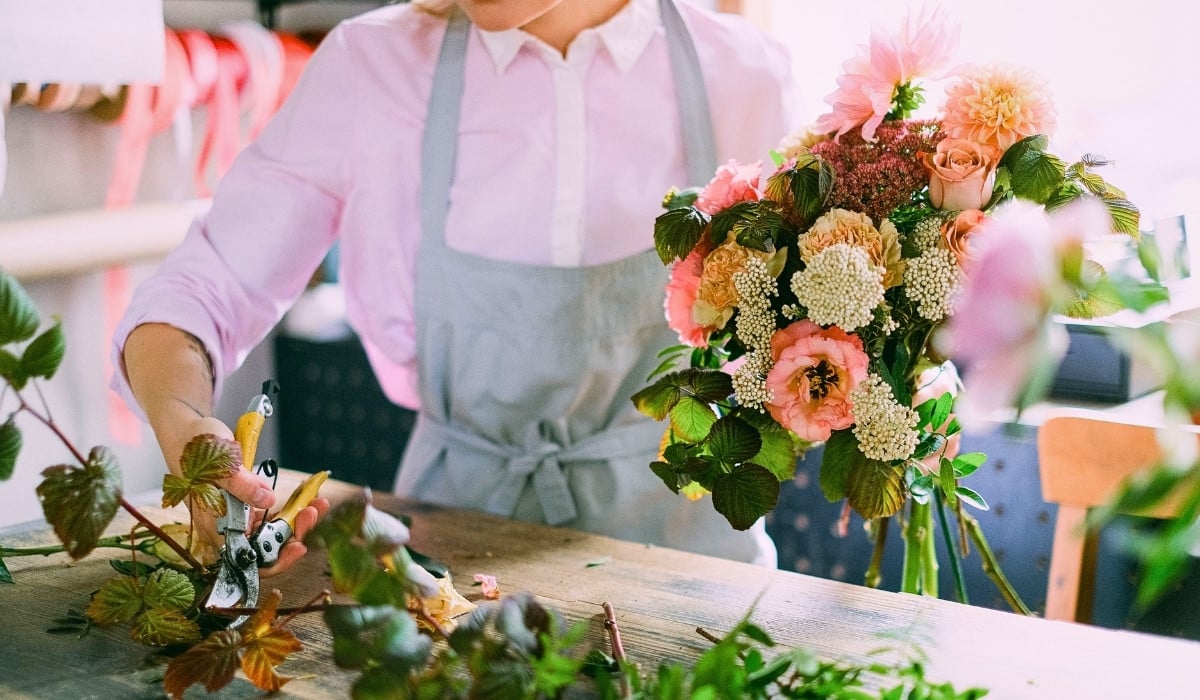
The same study highlighted that the water itself needs to stay clean, since bacteria that accumulate in a reused container can be drawn directly into the stem during the cut, occasionally shortening a flower's life rather than extending it. A floral designer even described underwater cutting as closer to a placebo for most home arrangements, since simply moving a freshly cut stem into water within a minute or two achieves nearly the same result.
Explaining the Practical Arguments Against the Practice
While the scientific logic behind eliminating air pockets is sound, many professional florists argue that the practice is often unnecessary and highly impractical for daily use. Submerging your hands, tools, and heavy stems into a basin of water can be clumsy and creates a messy workspace. More importantly, if the water container used for cutting is not perfectly sanitized, the process can introduce harmful microorganisms into the open vascular system of the flower.
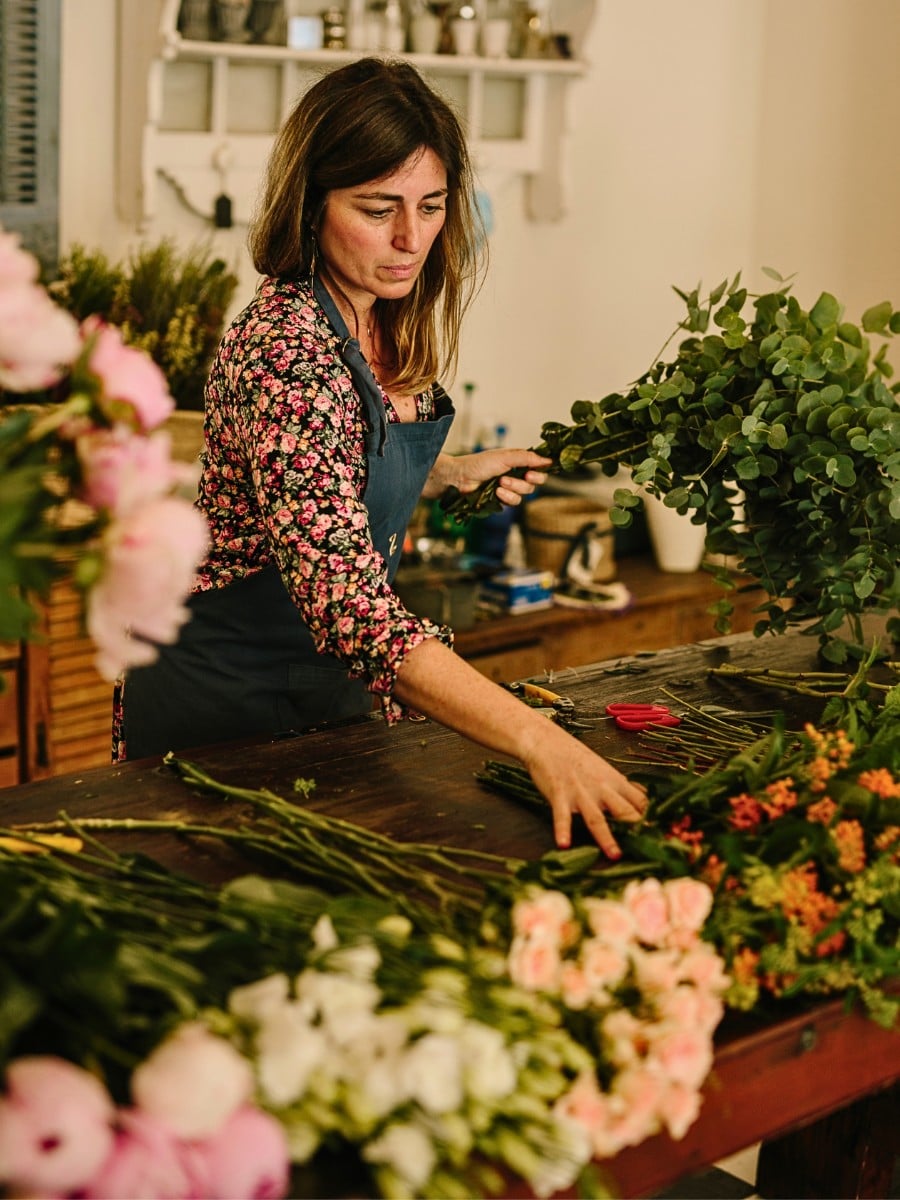
Bacteria and fungi thrive in stagnant water, and cutting the stems in a shared bucket can spread these pathogens from one stem to another. For many hardy commercial varieties, like standard carnations, Chrysanthemums, and hard-stemmed roses, simply cutting them quickly in the air and transferring them immediately into a clean vase with fresh water is more than sufficient. The brief exposure to air does not cause enough damage to impact their overall lifespan significantly.
Where, However, Does the Practice Still Make Sense?
But none of these nuances means the advice is worthless, only that its benefit depends heavily on context. Commercial growers and wholesalers process flowers underwater as a standard step immediately after harvest, when the flowers have traveled long distances and sat exposed to air longer than a few minutes, giving embolisms time to form and travel deep into the stem.
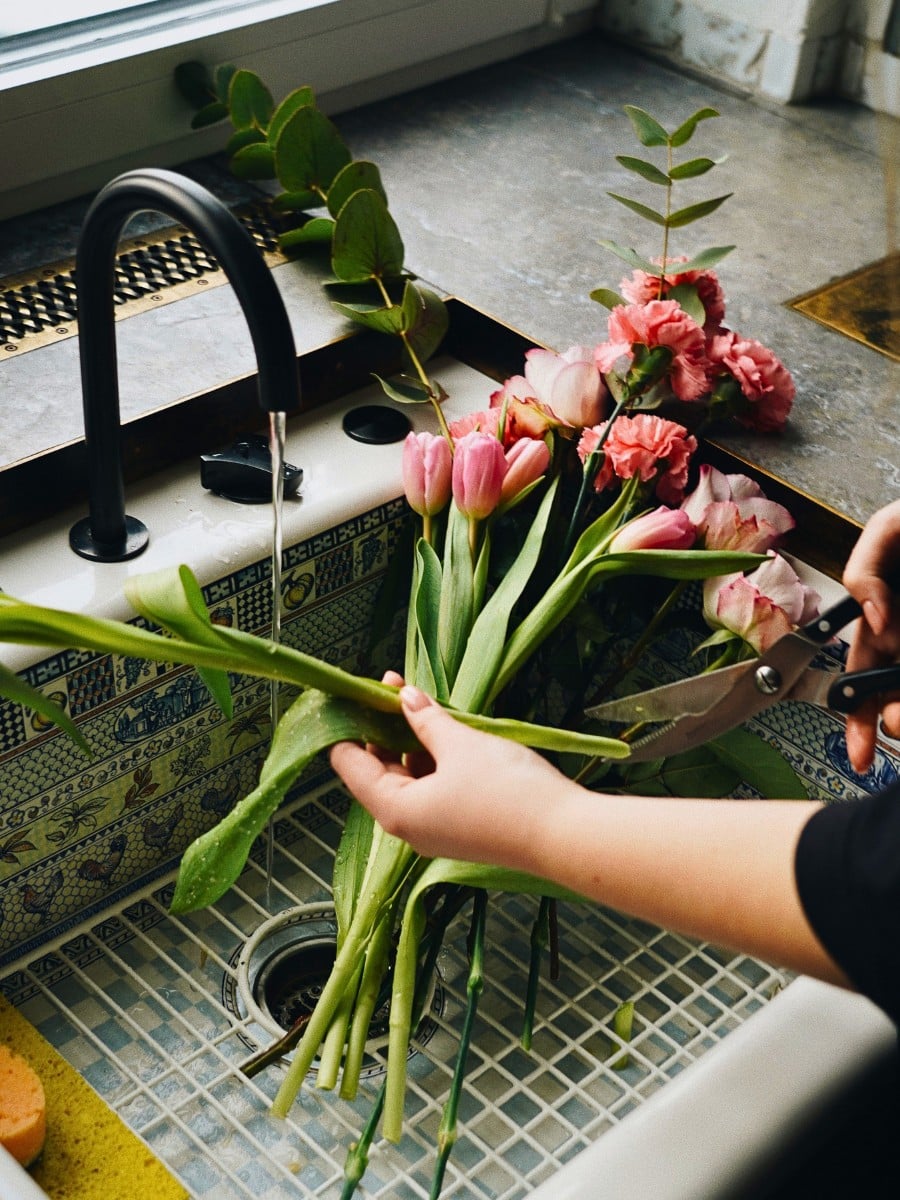
Once these same flowers reach a shop or a home and are properly hydrated, additional underwater cuts become less necessary, since a stem that is already full of water has little room left to draw in air. Woody-stemmed flowers like roses, lilacs, and certain Chrysanthemum varieties also tend to benefit more from the technique than soft-stemmed flowers, since their narrower vessels are more prone to blockage in the first place.
So What Is Most Important to Note?
If underwater cutting is not always the deciding factor, speed generally is. Nearly everyone agrees that the real danger is leaving a stem exposed to air for an extended stretch, whether the stem was cut wet or dry. A flower recut and placed in water within about fifteen seconds acts almost identically whether the blade touched it above or below the surface, while one left sitting on a counter for several minutes risks forming an air lock regardless of how the initial cut was made.
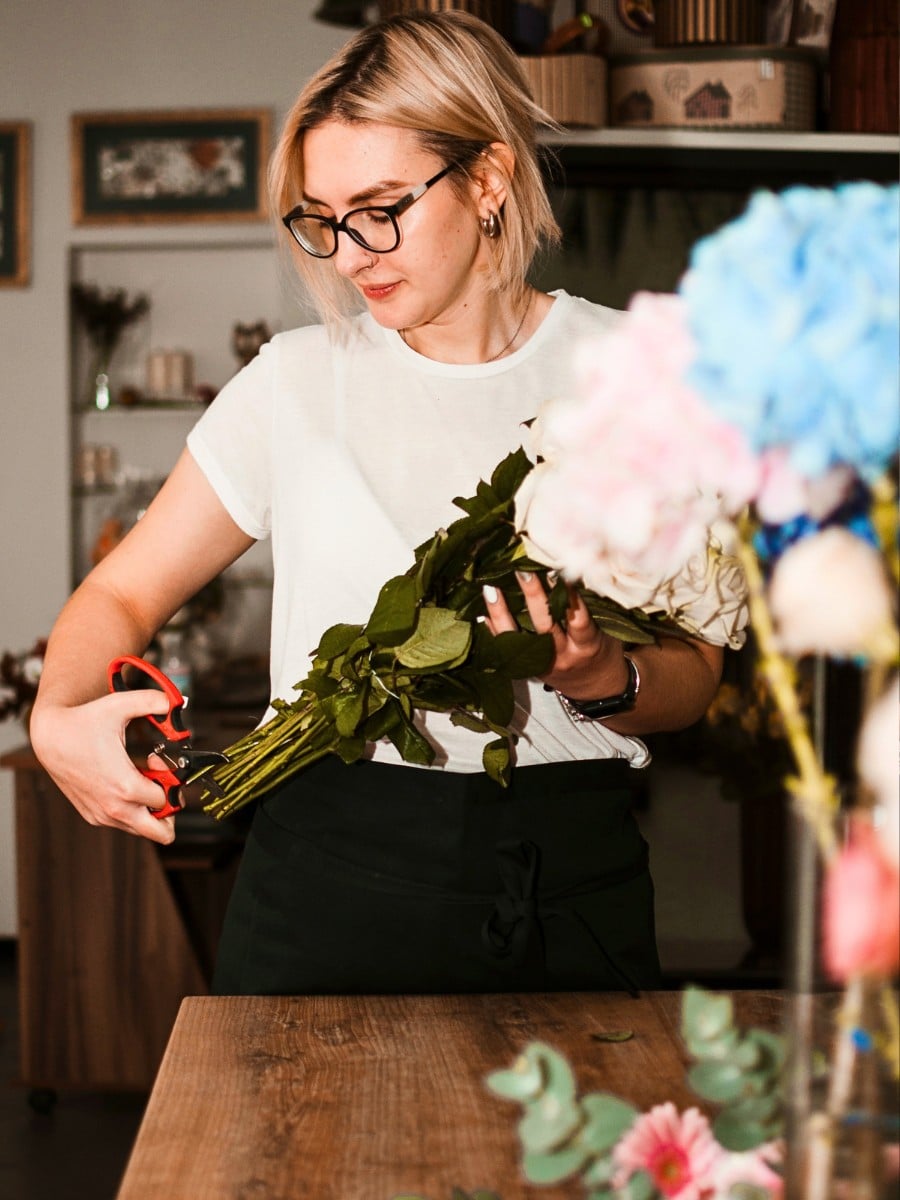
Using a sharp blade also matters just as much as timing, since dull scissors crush stem fibers and seal the very vessels a flower needs open, while a clean angled cut increases surface area and keeps the stem from resting flat against the vase floor. Clean water in the vase and any cutting basin rounds out the advice, since bacteria, and not air, is often the more persistent threat to a flower's vase life.
Notably, for hardy, everyday arrangements, a clean, quick cut in the air followed by immediate placement in a clean vase provides excellent results without the added mess. However, when working with highly sensitive, soft-stemmed varieties or trying to revive a drooping arrangement, using the underwater method is a proven, effective way to restore cellular pressure.

Using historical floristry wisdom and the modern scientific principles provided means you can give the best possible care for your flowers, ensuring they remain fresh and naturally beautiful for much longer.
Featured image by magnific. Header image by cookie_studio