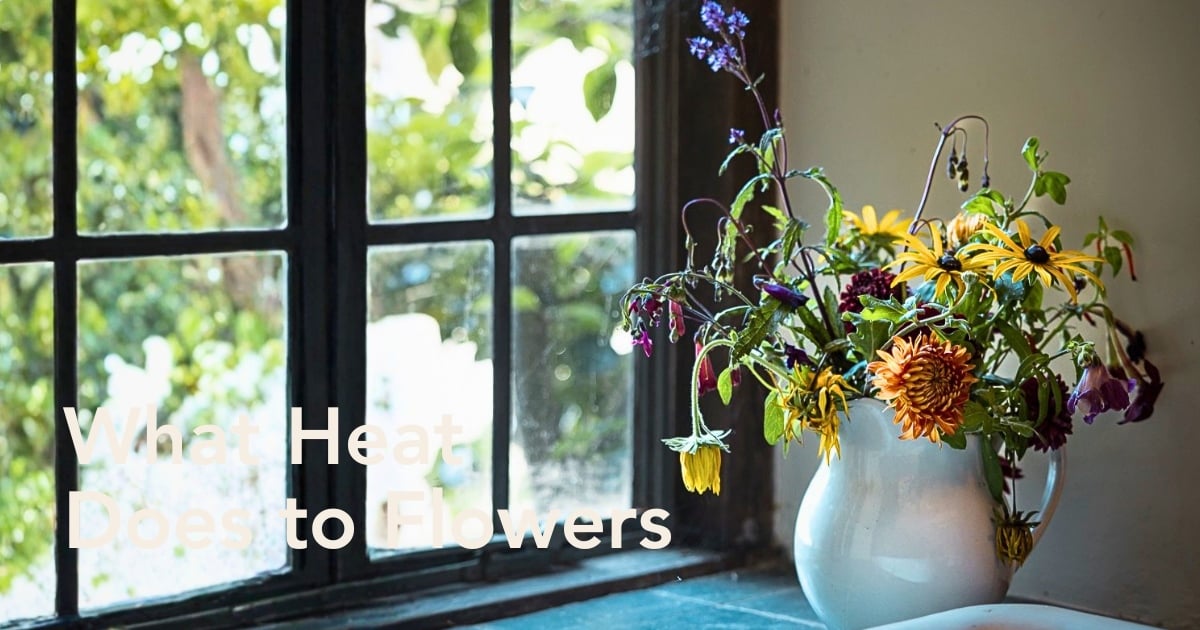
You’ve likely noticed that a bouquet that would have lasted ten easy days in early spring can look tired within a few days once the height of summer sets in. Often, the temptation is to assume something went wrong at the flower shop. Cut flowers in a bouquet or vase should typically last a week or thereabouts before they begin to fade.
In most cases, nothing went wrong. Heat changes the conditions a cut flower depends on to survive. Knowing why this happens much faster to flowers during warm weather is essential for preserving their beauty. It essentially all boils down to understanding what happens inside the stem, which makes the summer wilt easier to manage.
What Does Heat Do to a Cut Flower?
A cut flower has no root system left to draw from. From when it is trimmed and placed in a vase, it relies entirely on water pulled up through the stem to stay upright and hydrated. In warm conditions, flowers lose water through their petals and leaves faster than the stem can replace it, and once temperatures climb past roughly 22°C, most cut flowers are already under real heat stress even indoors.
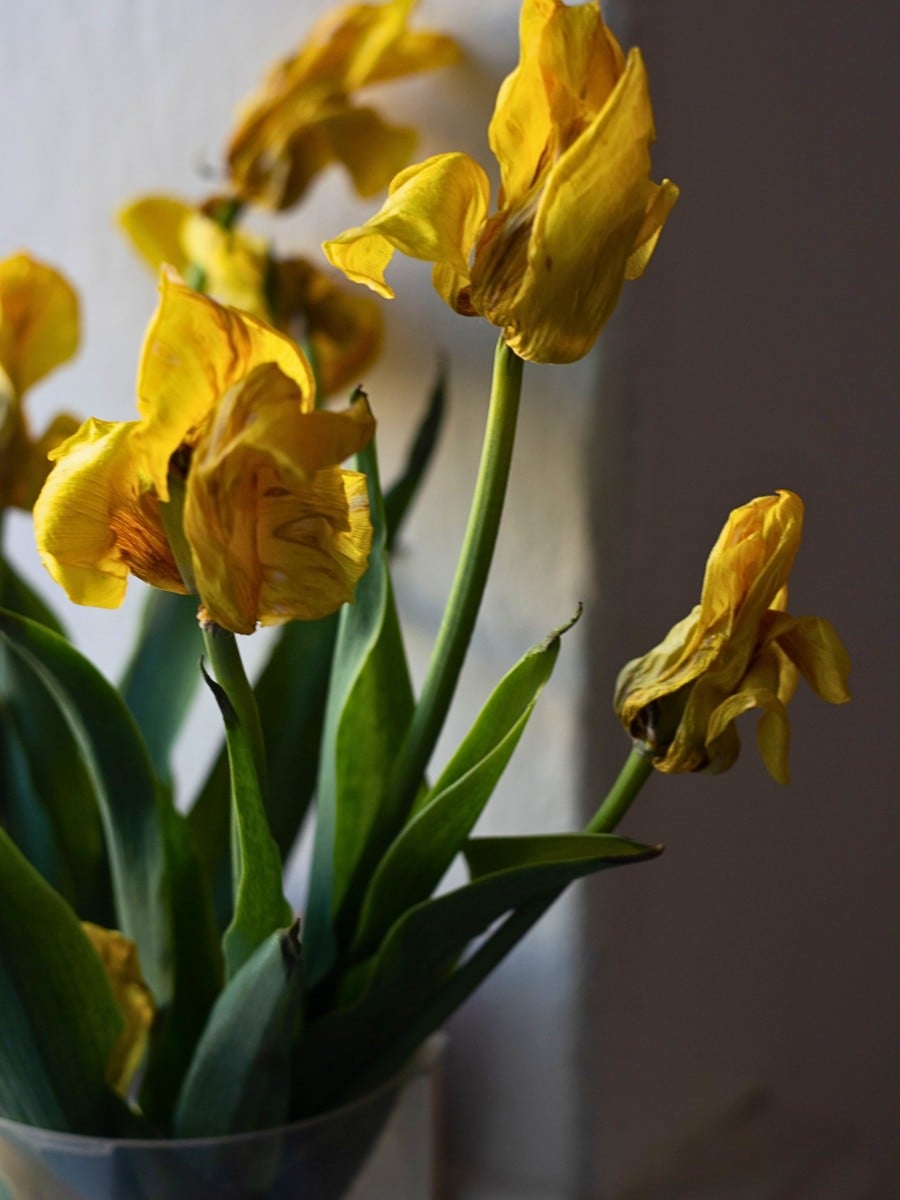
This water loss happens through transpiration, the same process that causes garden plants to wilt during the day and perk back up once temperatures drop at night. Heat also speeds up a flower's natural respiration, burning through the stored sugars a flower needs to keep its petals firm, which pushes the entire flower through its life cycle at a faster pace than it would follow in cooler weather.
In other words, when indoor or outdoor temperatures rise, the rate of evaporation increases significantly, and the flower attempts to cool itself by releasing more moisture into the surrounding air. And because a cut flower no longer has a continuous root system to draw infinite water from the soil, it relies entirely on the limited supply in its vase.
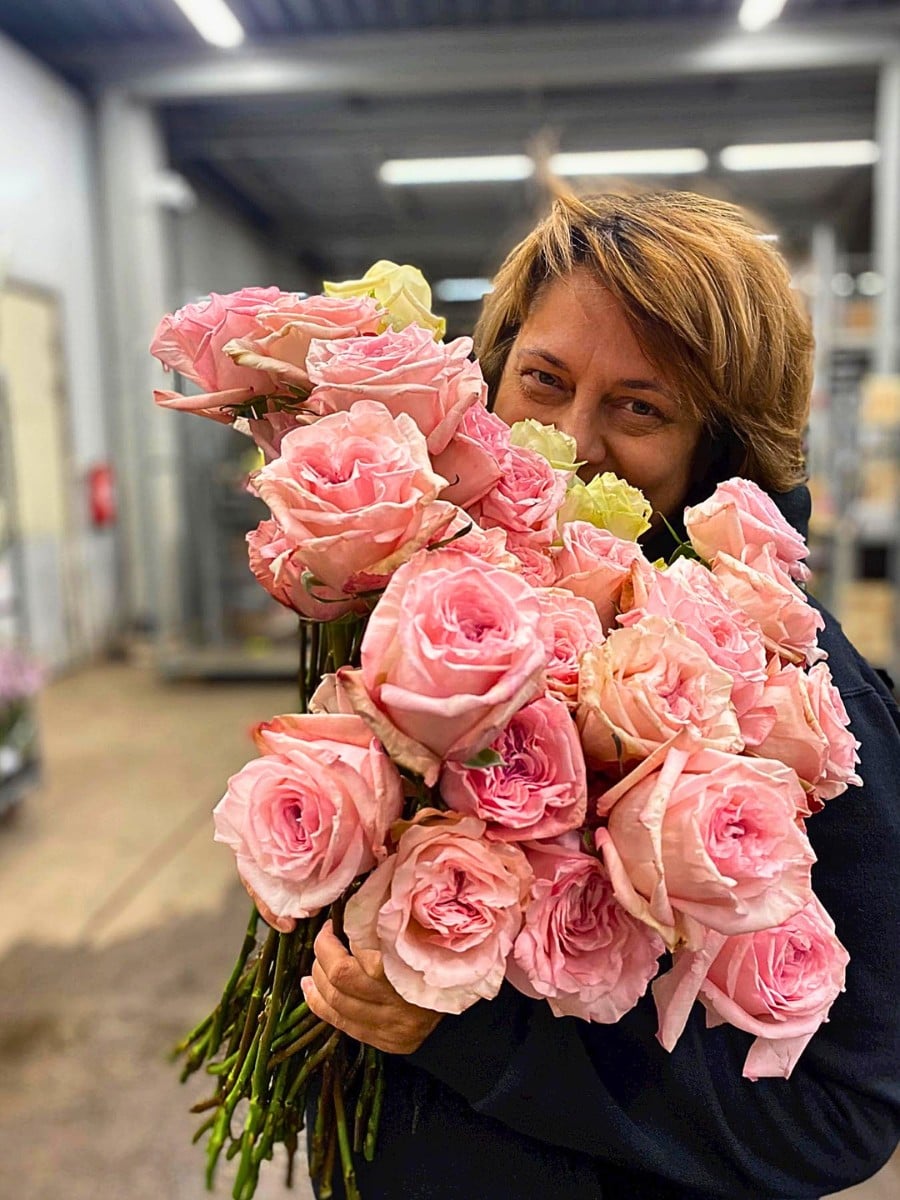
And when the rate of water loss through the petals exceeds the rate of water uptake through the cut stem, the plant cells lose their turgor pressure. This loss of internal water pressure causes the stems to soften and the heavy flower heads to droop helplessly.
A flower that would, therefore, have opened gradually over several days in a cool room can fully unfurl and fade within one or two warm afternoons, which is why summer arrangements sometimes seem to change noticeably from morning to evening.
Warm Water Speeds Up Bacteria
Heat not only affects the flower's longevity directly but also changes the vase itself. Warm weather creates an ideal environment for microbial activity within the vase water. Bacteria, fungi, and algae multiply at an exponential rate when water temperatures rise above room temperature. And as these microorganisms thrive, they form a thick, invisible layer of slime that coats the bottom of the vase and the submerged portion of the stems.
This bacterial growth creates a physical blockage inside the xylem, which are the specialized microscopic tubes responsible for transporting water up the stem. Once the xylem channels are obstructed, the flower can no longer absorb water, even if the vase is full. This condition, frequently called vascular blockage, explains why an arrangement might wilt despite being placed in plenty of liquid.
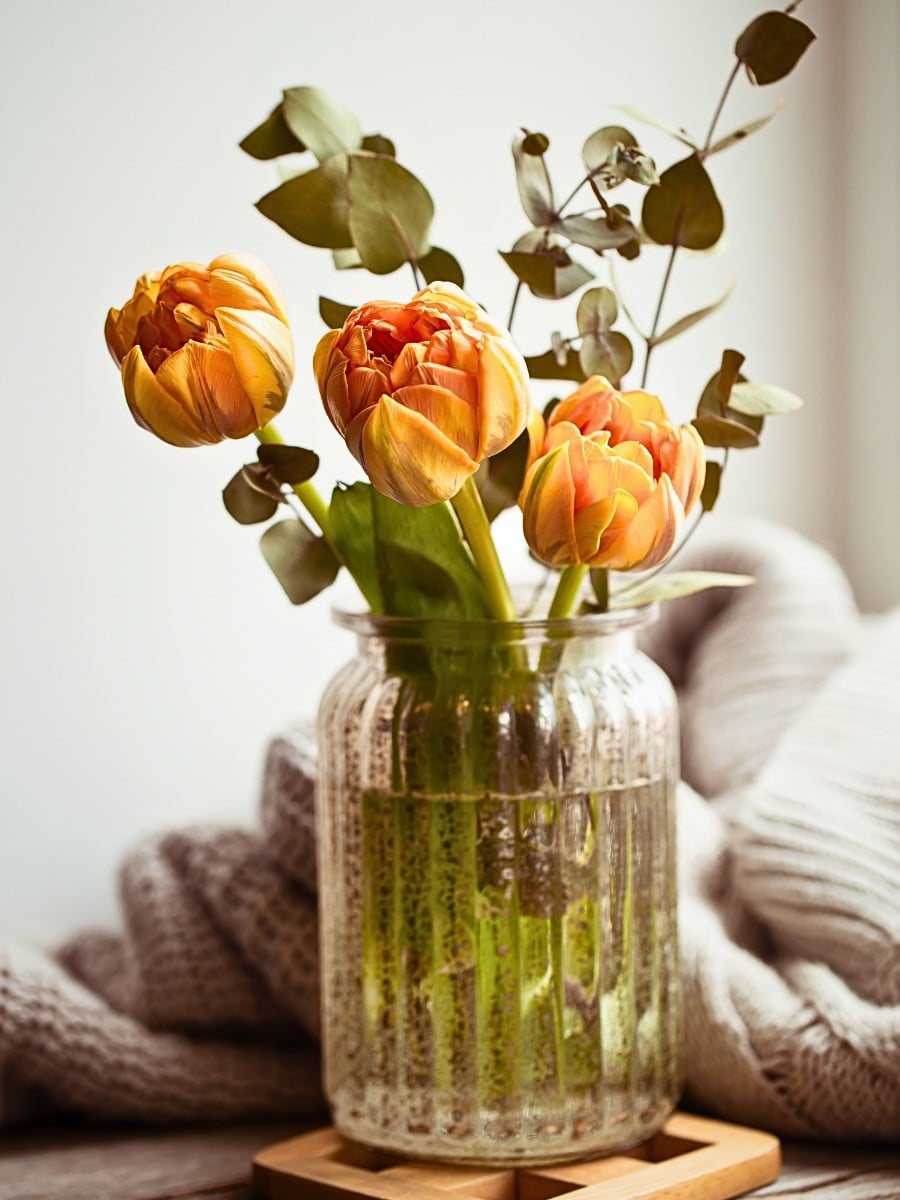
A flower unable to draw water effectively eventually wilts even if the vase itself still looks full, which is why they sometimes droop within a day or two during a heat wave despite receiving what looks like proper care. Furthermore, certain bacteria produce toxins that actively degrade the stem tissue, further accelerating the demise of the display.
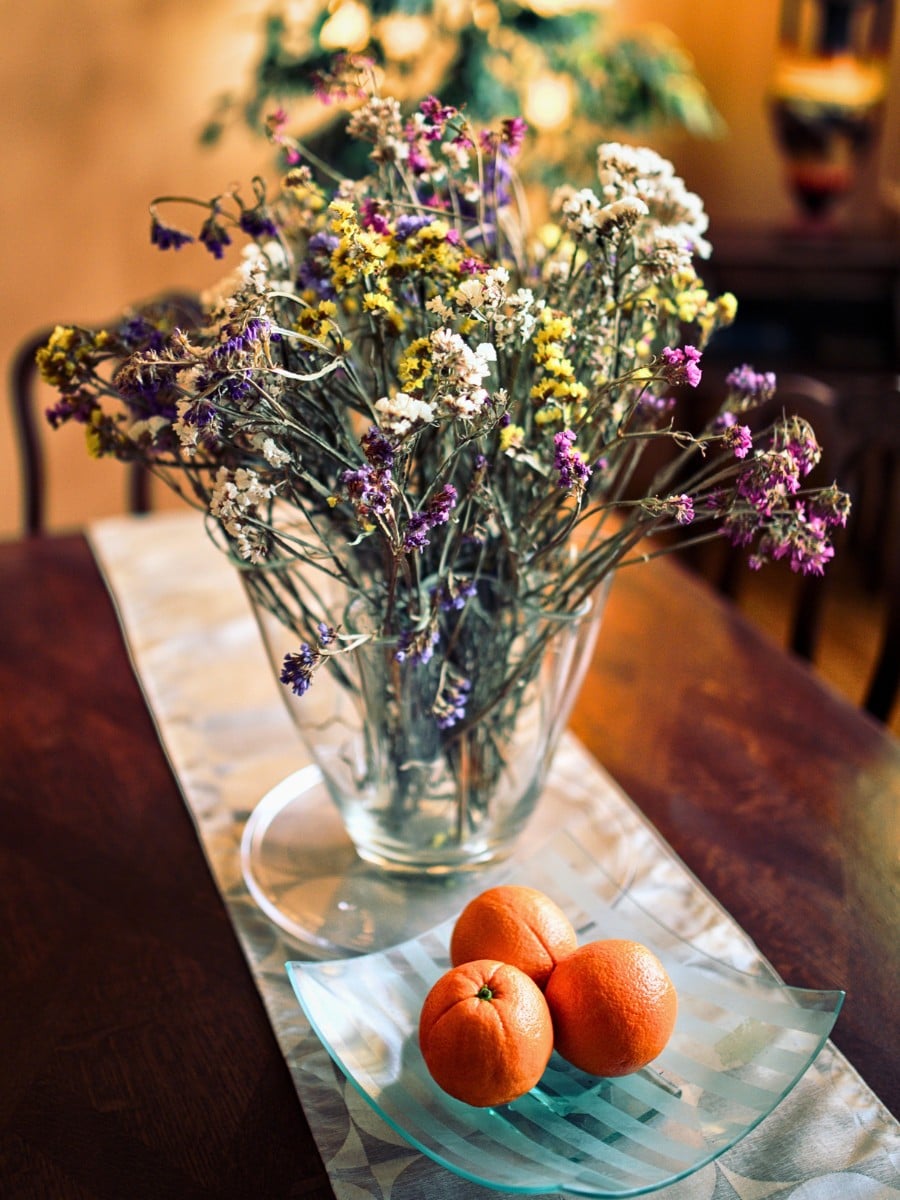
Warm summer air also raises the amount of ethylene gas naturally released by ripening fruit, and cut flowers are highly sensitive to this hormone, which accelerates petal drop and shortens vase life considerably when a bouquet sits anywhere near a fruit bowl. Bananas and other quickly ripening fruit are especially heavy ethylene producers, so a bouquet placed on a kitchen counter beside a fruit bowl during a summer heat wave faces two accelerating problems at the same time.
Accelerated Metabolism and Respiration
Another internal factor accelerated by warm weather is the metabolic rate of the flower, specifically through a process known as respiration. Just like living animals, plants use respiration to break down stored sugars and carbohydrates to generate energy. High temperatures act as a catalyst, forcing the flower to burn through its limited energy reserves at a fast rate.
In the coolness of a professional florist refrigerator, respiration slows to a crawl, maintaining the flower in a state of suspended youth. In a warm summer room, this rapid energy consumption forces the flower to mature prematurely. For example, garden roses and gardenias exposed to high temperatures will open completely within hours, quickly exhausting their vitality and shedding their petals. Once these energy reserves are completely depleted, the cellular structure collapses, leading to irreversible wilting.
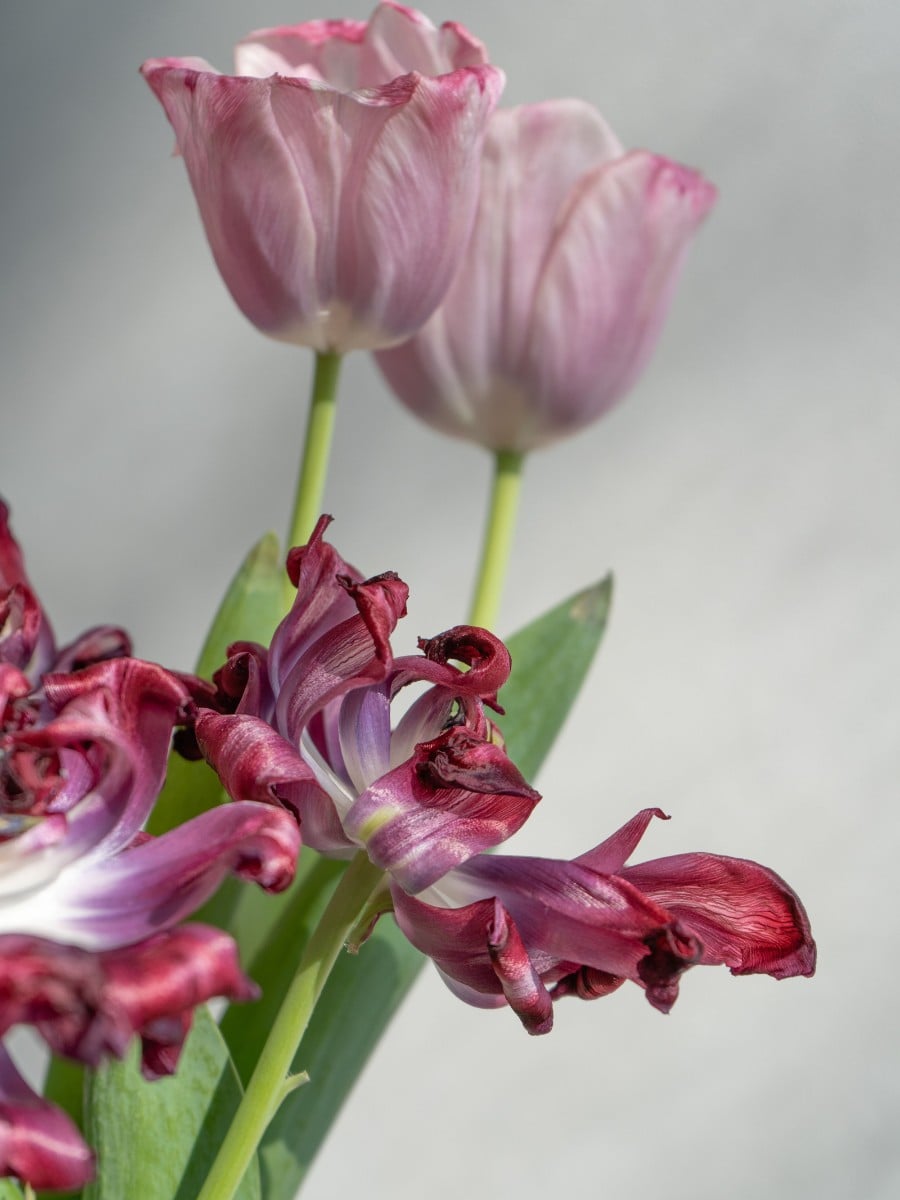
The Summer Paradox
There is also a small irony in all of this. Summer is the season when flowers are most abundant, most fragrant, and most likely to end up on a kitchen table or a porch rail, yet it is also the season least forgiving toward them once they are cut. The very warmth that ripens garden flowers to their fullest also works against them when they are separated from the plant.
So, a bouquet bought at the height of a July afternoon needs noticeably more attention than the same bouquet purchased in early spring or late fall. Outdoor summer events heighten the challenge, since flowers used for a backyard wedding or a patio dinner often sit for hours in open air, sun, and warmth well before anyone thinks to check on them.
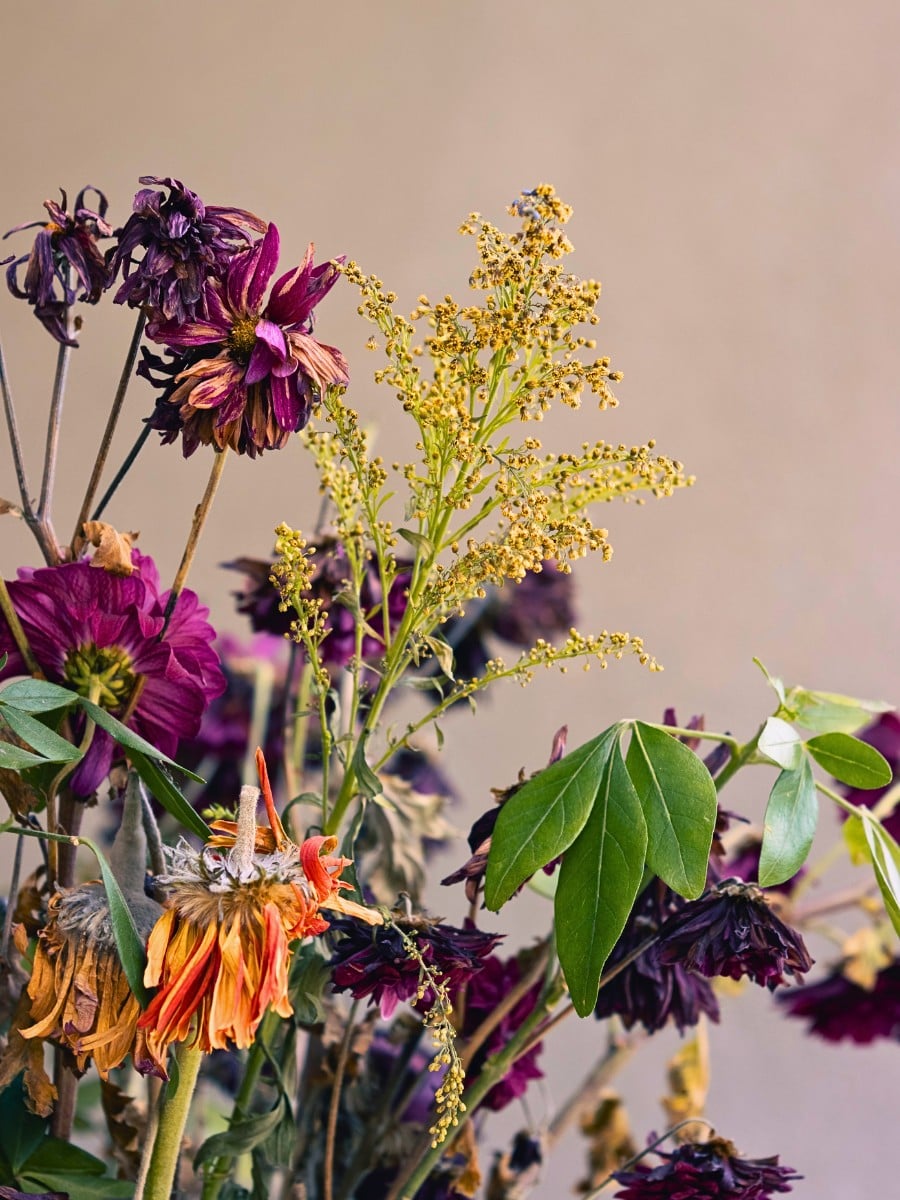
Practical Steps to Counter and Slow Down Wilting
A handful of small habits make a difference as temperatures rise. The first step involves proper stem preparation and conditioning. When trimming stems, ideally do so underwater, since this reopens the channels a flower uses to absorb moisture and removes any bacteria that may have already collected at the cut.
Always use sharp, clean shears and cut at a forty-five-degree angle; this slant increases the available surface area for water absorption and prevents the stem from resting flat against the bottom of the vase, which would restrict water flow.
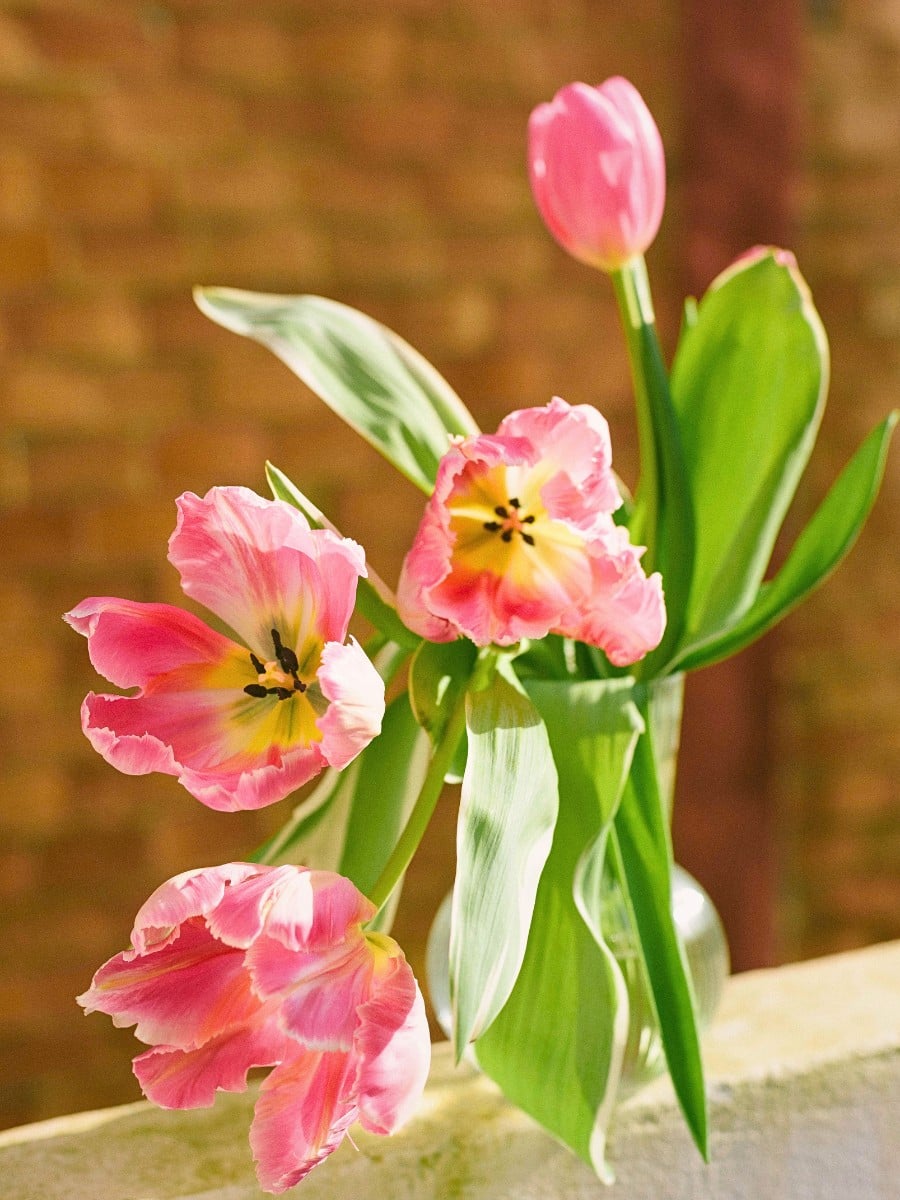
Additionally, remove all foliage that falls below the water line, as submerged leaves rot quickly and feed bacterial growth. Using high-quality floral food is another excellent practice. These commercial packets contain a balanced mixture of carbohydrates to replenish the plant's energy reserves, along with specialized bactericides that keep the water clean and free of harmful microbes.
Changing the vase water entirely every day, and not simply topping it off, provides a fresh, cool environment that prevents vascular blockages. Also, note to use cool tap water instead of warm water when filling the vase, and check the level daily during a heat wave, since flowers absorb noticeably more water when temperatures rise.
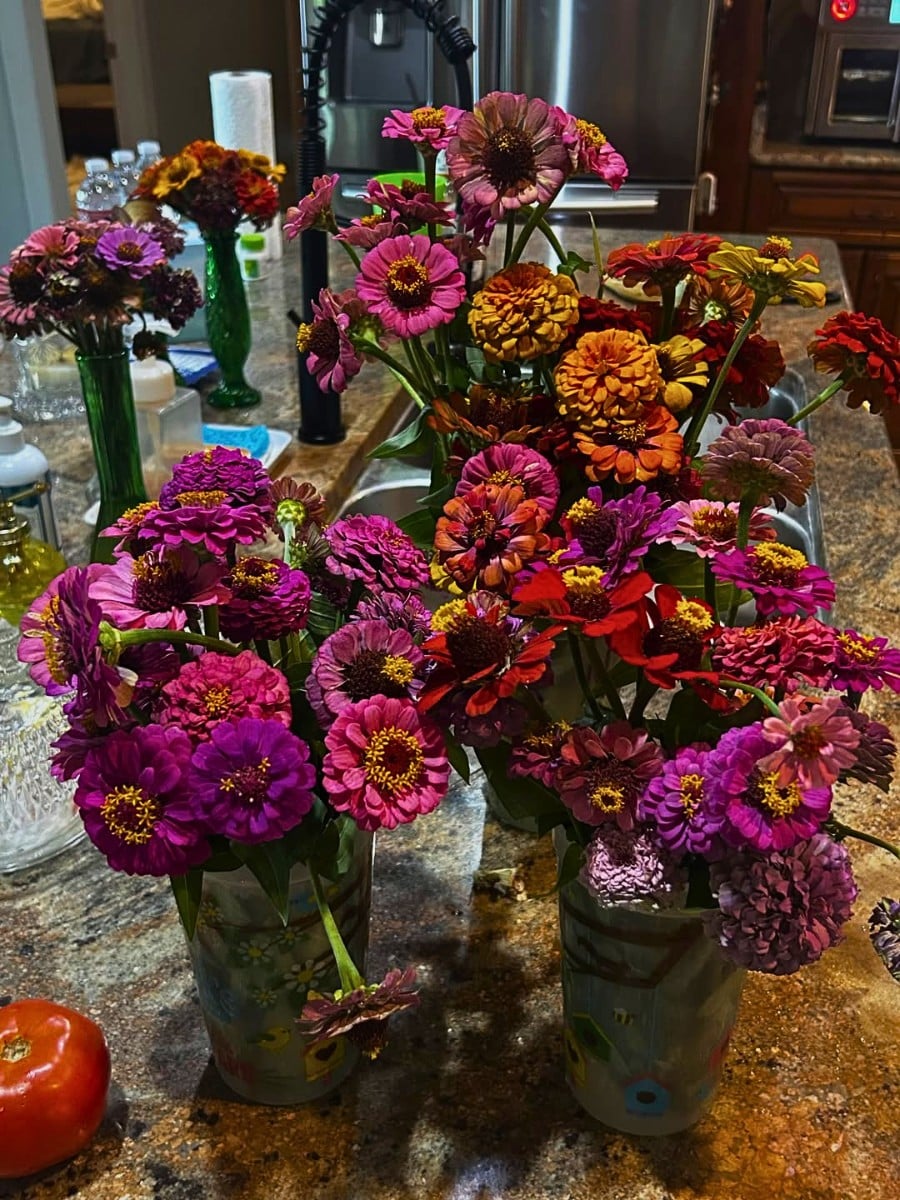
Keep the arrangement away from direct sunlight, heating vents, and any fruit bowl, and choose the coolest spot available in the room, since even indirect summer light through glass can raise the temperature around a vase more than people expect. If the flowers wilt despite this care, submerging the entire stem and flower heads in cool water for about an hour can often rehydrate their tissues enough to bring them back to life, albeit for a few more days.
Featured image by @inside_almaty. Header image by @petergreenway