We all love flowers. And that’s no question. Humans adore floral beauty and are charmed by flowers' scents, colors, and shapes. They share flowers to express emotions and communicate sentiments. But is there more to them? How long, for instance, have flowers been around? And biologically and by nature's sense, were flowers meant to (just) perform these functions? Or are these incidental purposes that flowers find themselves accomplishing?
For all their presence in art, poetry, and daily life, flowers have not been a constant fixture of the natural world. They are a ‘relatively recent’ evolutionary invention that came after hundreds of millions of years of plant life had already passed on Earth. However, their existence is not a decorative afterthought, but a biological solution. In due course, they rather fortuitously took on decorative and aesthetic purposes... quite duly.
Life on Earth Before Flowers
For most of the planet's history, there were no flowers at all. Life must have been really dismal then! Plants had already been moving onto land and existed for hundreds of millions of years, but they reproduced without flowers, relying instead on spores, much like fungi do.
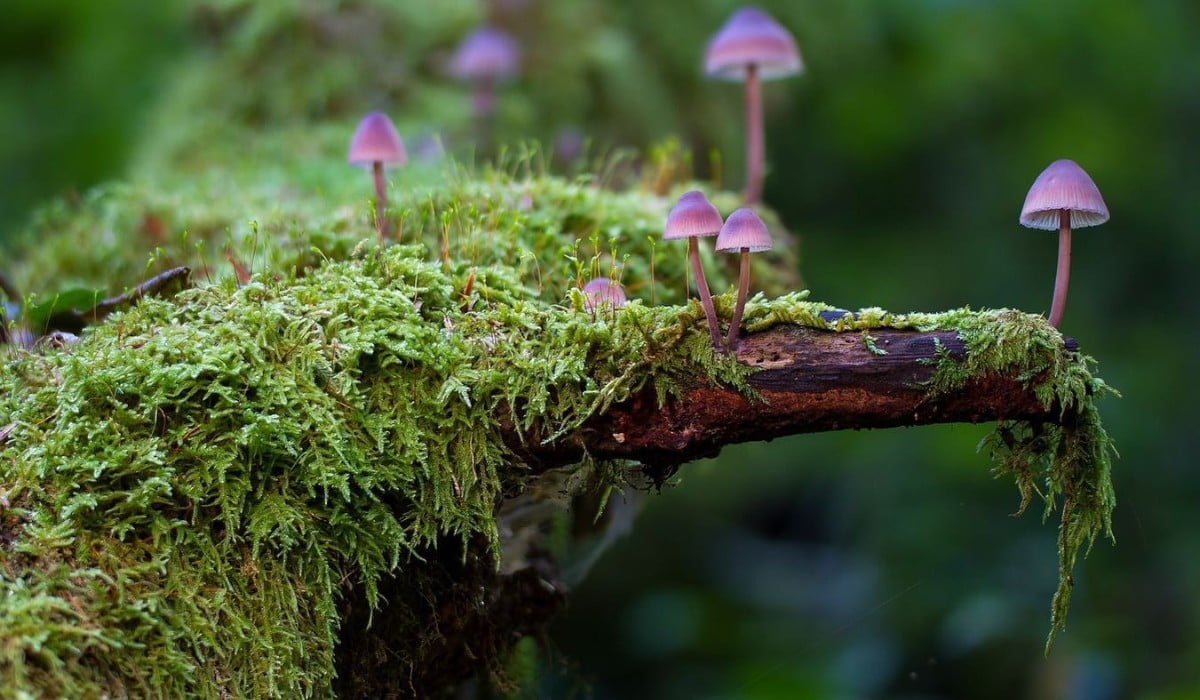
This phenomenon peaked during the Devonian period, approximately 400 million years ago, and was largely dominated by club mosses alongside ferns. The single-celled spores were the only available reproductive units because they could disperse through wind or water, but remained vulnerable and required moist conditions to survive and germinate.
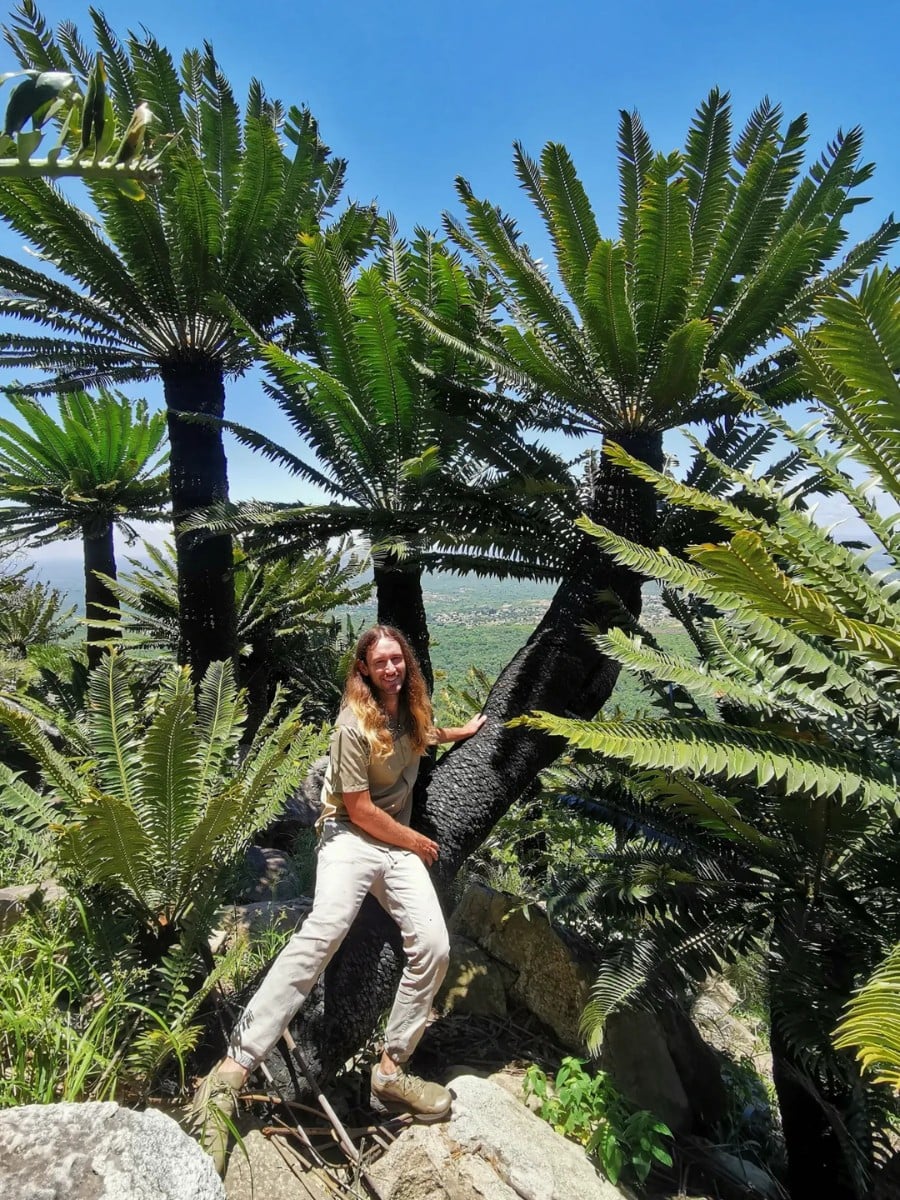
Seed plants, known as spermatophytes, first appeared and dominated forests during the Mesozoic era, the same span of time associated with dinosaurs. Among the earliest were the ‘seed ferns,’ an extinct group that produced seeds but did not flower. These gave rise to the gymnosperms, a group that includes modern conifers, cycads, and ginkgoes.
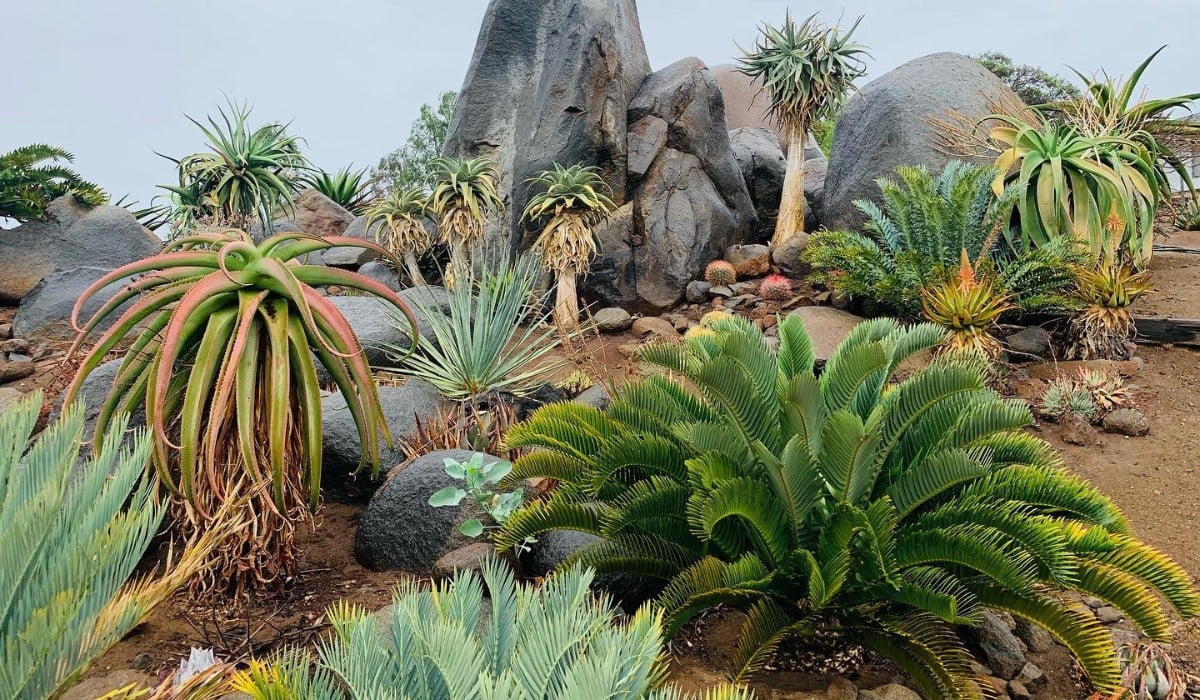
Gymnosperms reproduce through exposed seeds, often borne on cones or similar structures. Their seeds are not enclosed in an ovary (the term ‘gymnosperm’ itself means ‘naked seed’). Back then, they primarily relied on wind for pollination. Male cones released vast quantities of pollen grains that drifted through the air, and hoped enough of it landed on a receptive female cone somewhere nearby.
But this strategy was (and is) inefficient, requiring great energy expenditure to produce pollen in sufficient volume. And success depends on chance encounters. Yet for hundreds of millions of years, this system sustained the dominant plant life on the planet as forests of gymnosperms, including towering conifers and cycads, covered the landmasses during this age of dinosaurs.
Even so, according to Piedmont Master Gardeners, early pollinating insects like beetles and scorpionflies were already visiting these non-flowering seed plants and feeding on their sugary pollination drops nearly 300 million years ago, even before there was anything resembling a flower.
When the First Flowers Evolved
The timeline of flowers' evolutionary leap and development from gymnosperms to angiosperms, or flowering plants, is a debated subject in botany. Fossil evidence points to the Early Cretaceous period, somewhere between 130 and 140 million years ago, as the point when the first true flowering plants, or angiosperms, appeared.
Perhaps the earliest definitive signs of angiosperms are fossils of flowering plant pollen grains from the Early Cretaceous period, dating to approximately 140 million years ago. One of the oldest widely accepted fossil flowers is Montsechia vidalii, a small aquatic plant found in what is now Spain, dating to roughly 130 to 125 million years ago.
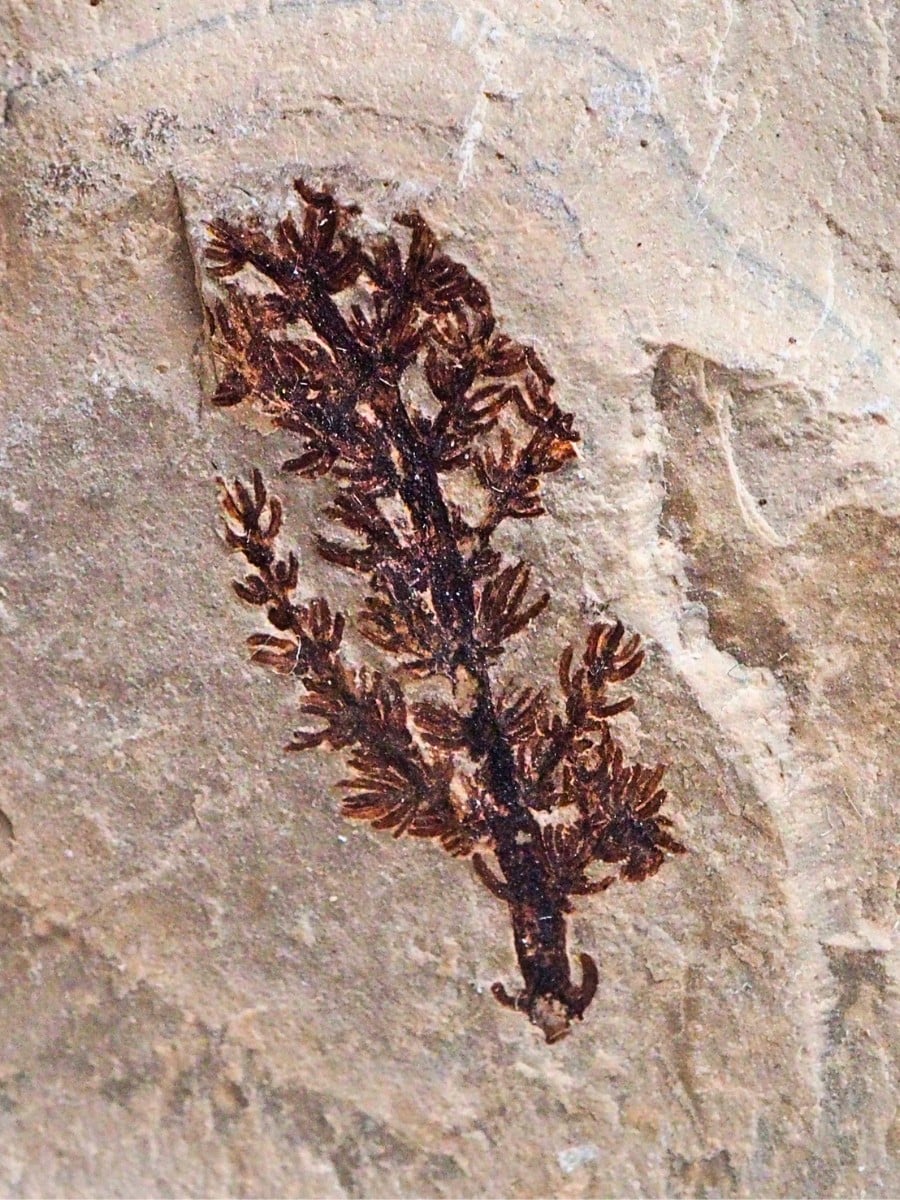
Another close contender is the genus Archaefructus, an aquatic plant discovered in northeastern China and dated to about 125 million years ago. This plant had simple, small flowers and is, similarly, considered one of the earliest angiosperms. But genetic studies make things a little confusing.
Researchers using molecular clock analysis argued that the angiosperm crown group of flowering plants may have originated much earlier, possibly in the Jurassic period or even the Late Permian/Early Triassic, up to 256 million years ago. This idea of a sudden appearance of flowers in the fossil record puzzled scientists. Charles Darwin famously referred to this origin of angiosperms as an ‘abominable mystery’.
His theory of evolution (by natural selection) emphasized slow, gradual transformations over vast spans of time, and the idea of an explosion of varied flower forms in Cretaceous rock layers seemed to challenge this model, since the then-available fossil evidence appeared to show flowering plants emerging relatively abruptly, without clear transitional forms leading up to them.
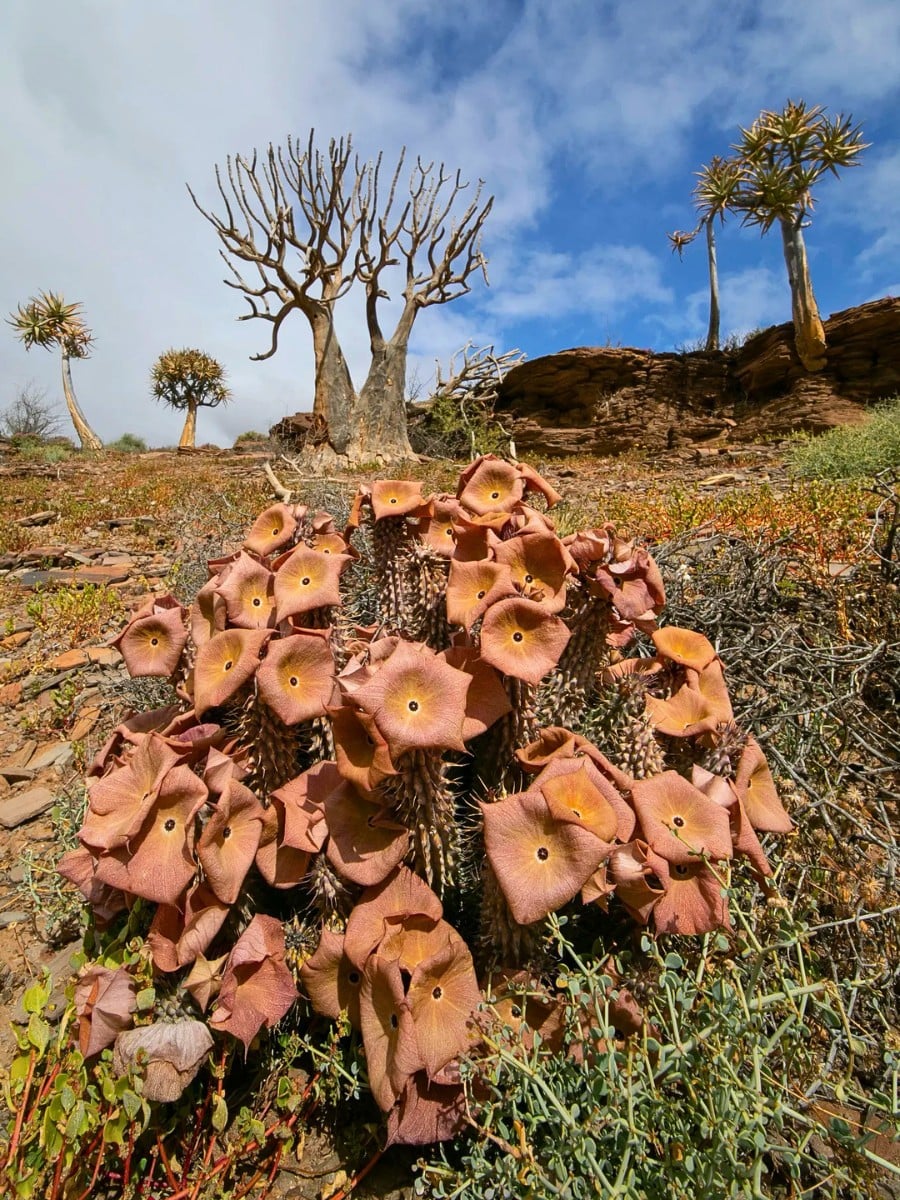
The likely explanation, however, is that these early flowers were tiny, delicate, and rare, making them poor candidates for fossilization. They may, therefore, have existed for tens of millions of years before leaving only minute traces, which were found. The discrepancy between the fossil record and molecular data, therefore, implies a ‘cryptic interval,’ a period during which early angiosperms left no clear fossil evidence of their existence.
Also, these early flowering plants may not only have been small and thrived in habitats unlikely to preserve fossils, but they also closely resembled gymnosperms, making them difficult to distinguish. Several such Jurassic fossils from China have been described as possible angiosperms, including Nanjinganthus dendrostyla, Euanthus panii, and Florigerminis jurassica, a fossil plant dated at 164 million years ago.
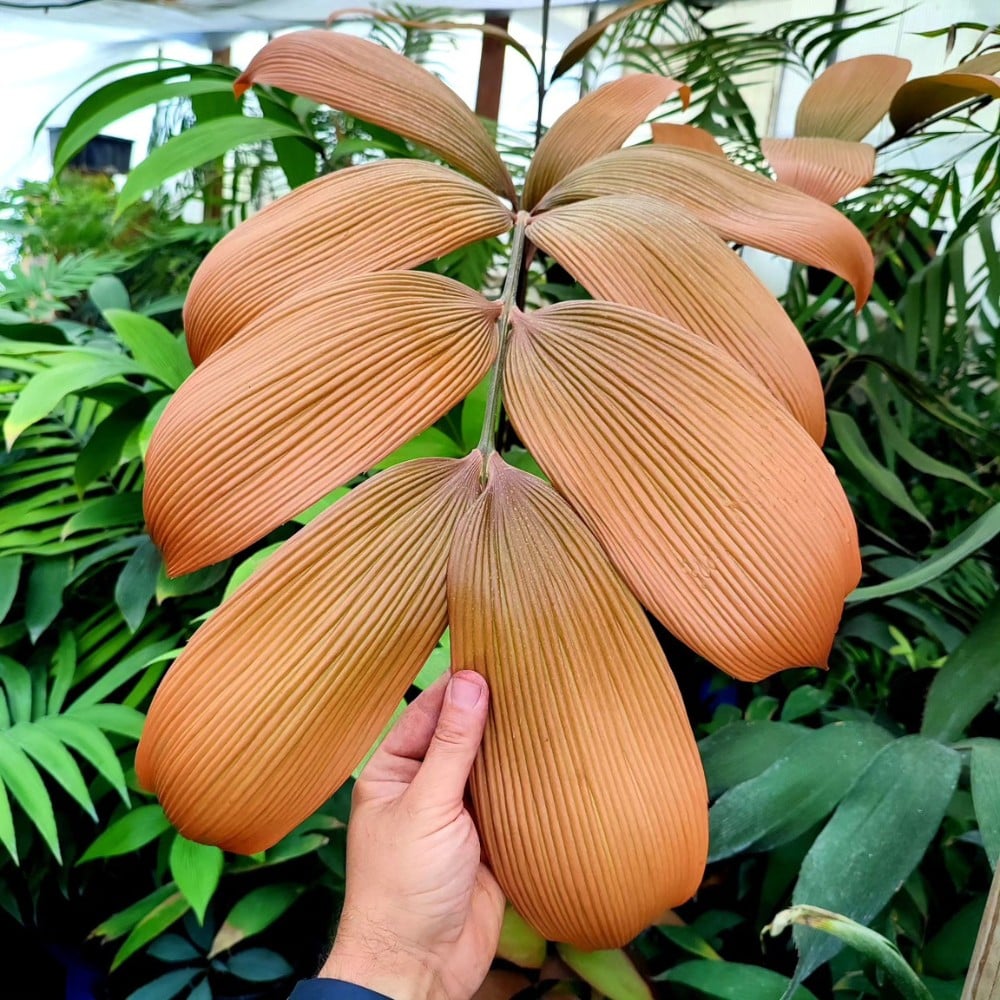
But what is important is that once flowering plants gained a foothold, they diversified with astonishing speed, and by the Middle Cretaceous, these angiosperms had spread across the world and were fast overtaking gymnosperms as the dominant plant group, an evolution so intense that scientists referred to it as the Cretaceous Terrestrial Revolution.
Evolution From Modified Leaves to Complex Structures
The evolution of true flowers did not require them to create new organs. Molecular genetics shows that flowers are essentially modified leaves. The same genes that control leaf and stem development are also responsible for floral formation. Small changes in the expression of these genes, driven by natural selection, produced the first flower-like structures.
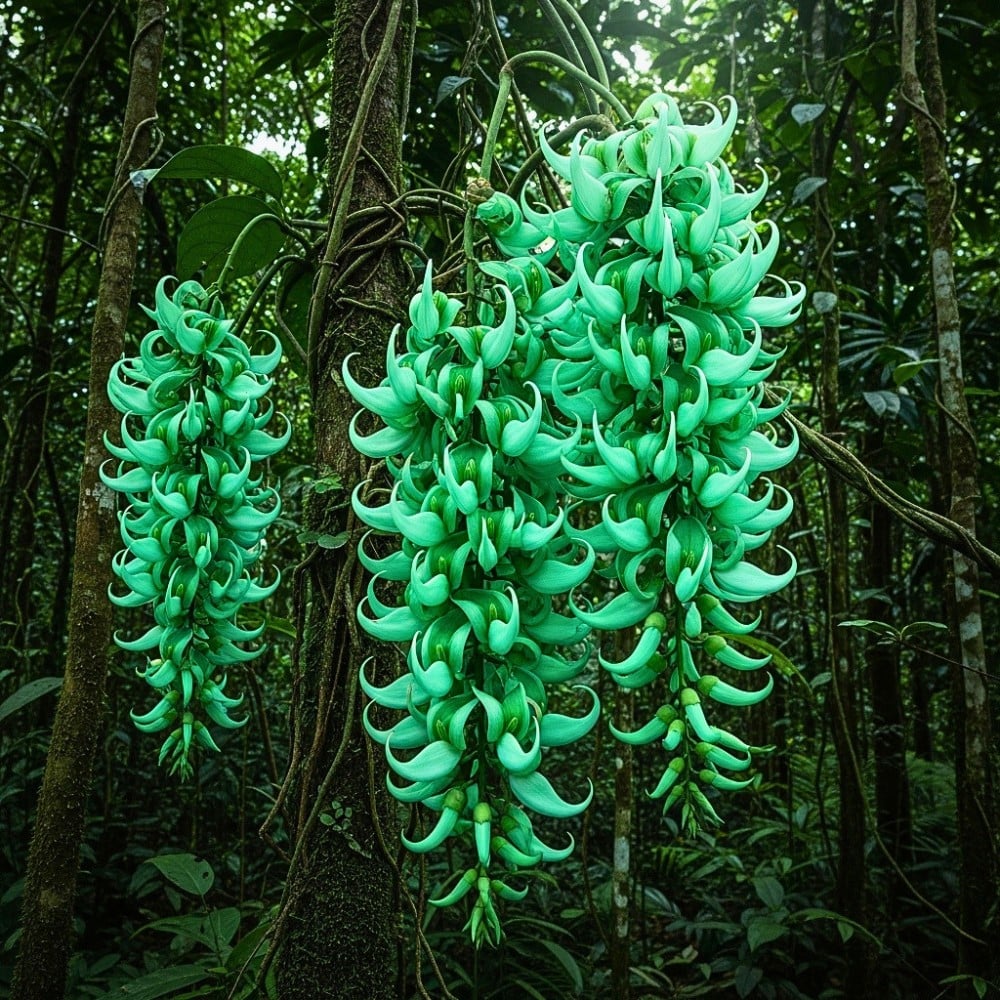
This process is known as exaptation, where a structure evolves for one function and is later co-opted for another. The earliest true flowers likely began as simple clusters of fertile leaves that protected reproductive organs and attracted pollinators. Over time, natural selection refined these structures into the varied forms today seen as petals for attracting specific pollinators, sepals for protecting buds, stamens for producing pollen, and carpels for housing ovules.
However, the precise evolutionary trail from gymnosperms to angiosperms remains uncertain. One leading hypothesis suggests that angiosperms evolved from a group of extinct seed plants known as pteridosperms. Another proposal points to the Gigantopterid, an extinct group sharing certain leaf and stem structures with angiosperms and producing similar chemical compounds used for defense.
Why Flowers Exist
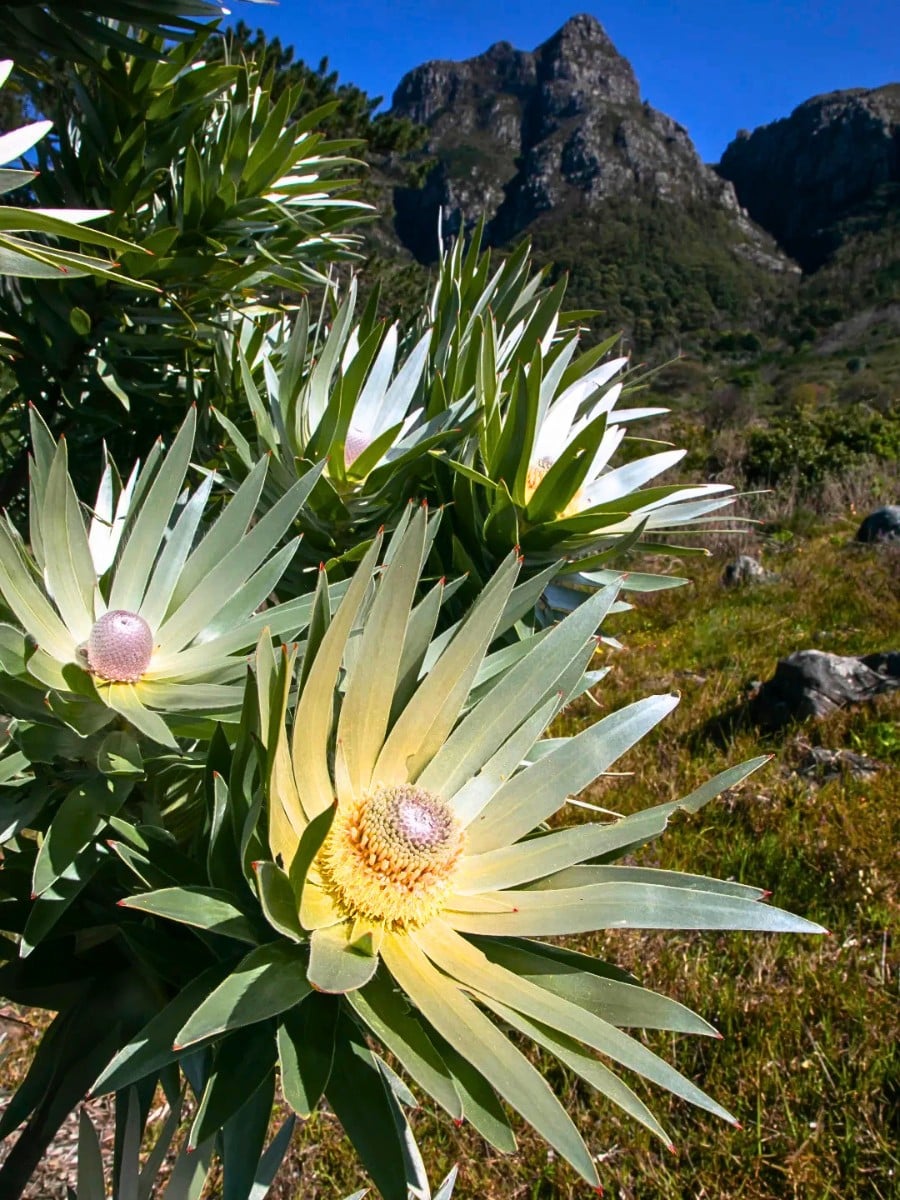
Flowers did not naturally evolve for people. Their color, scent, shape, and beauty were not designed with human admiration in mind but existed for the biological purpose of reproduction. A flower is a reproductive structure that houses the plant's male organs, which produce pollen, and its female organs, which contain the ovules that become seeds.
As noted, before flowers existed, plants depended almost entirely on wind or water to move pollen from one individual to another, a method that wasted staggering amounts of energy and pollen. Flowers solved this by ‘advertising’. Bright petals, distinctive fragrances, and nectar rewards all became forms of communication directed at animals, primarily insects, but also birds, bats, and small mammals.
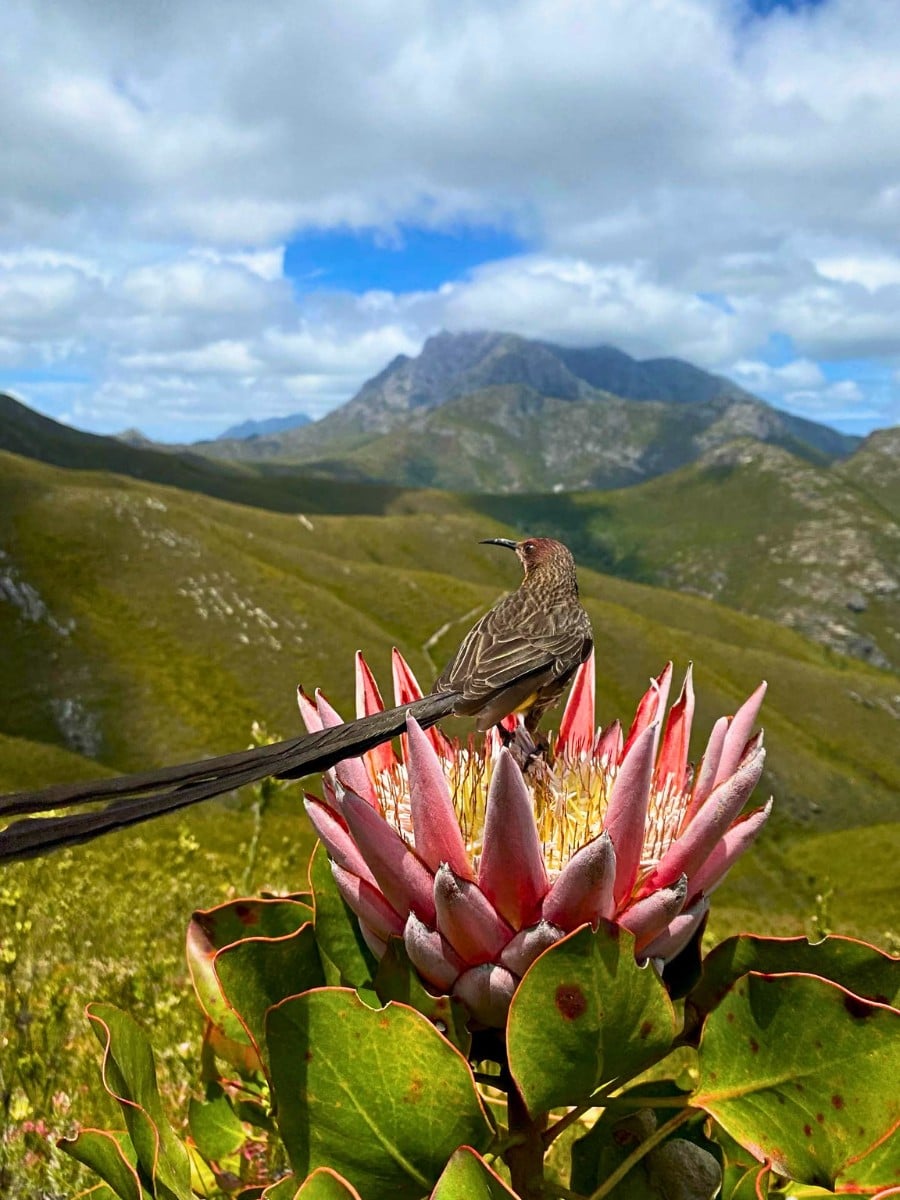
A pollinator visits a flower for food and, in the process, carries pollen to the next flower it visits, which is a more reliable delivery system than releasing pollen into the open air as gymnosperms did. The relationship is mutualistic: the pollinator gets nectar or pollen as food, and the plant gains a reliable means of reproduction. This increased efficiency such that instead of releasing vast quantities of pollen into the air, a flower only produces smaller amounts and delivers them right to visiting pollinators.
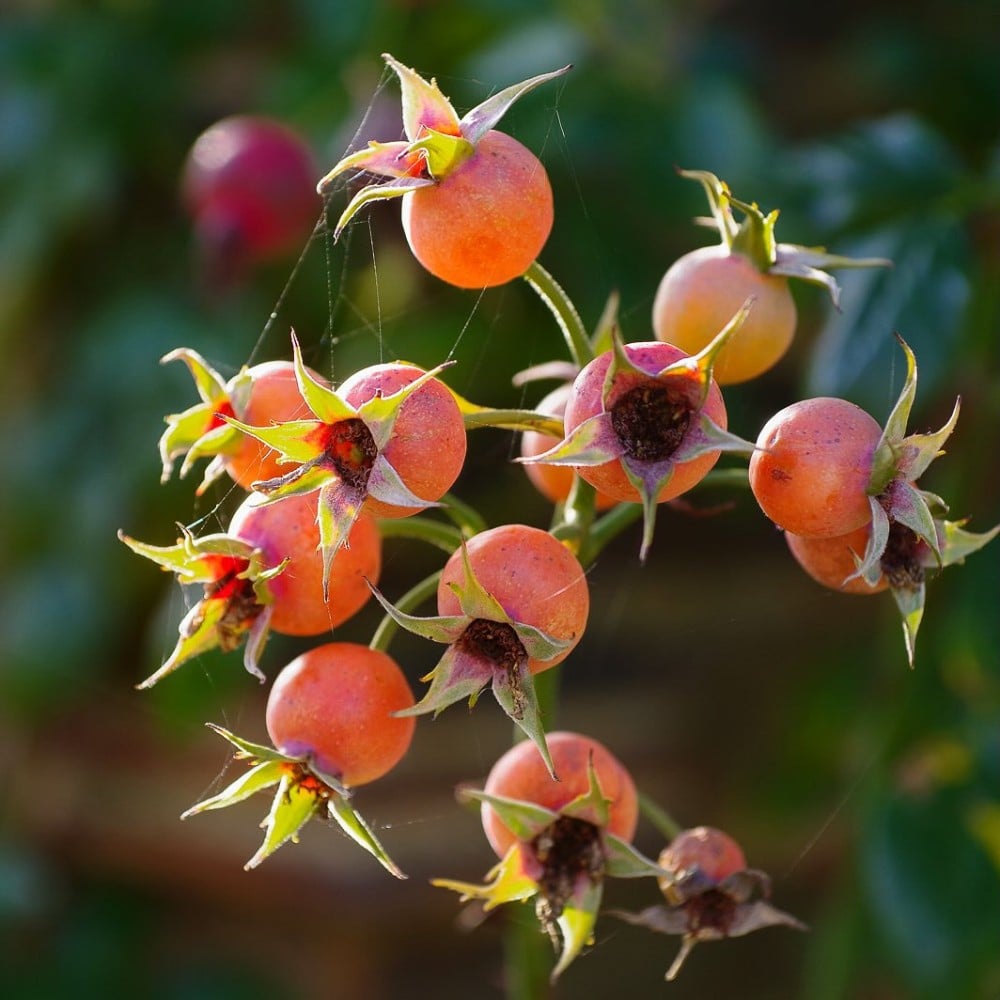
Also, as explained by Biology LibreTexts, flowers and fruit developed together as a pair of strategies, one to attract pollinators and the other to protect and disperse the resulting seeds. Fruit encases the seed and often entices animals to eat it and carry the seed elsewhere, spreading the plant's offspring far from the parent. Neither structure is for decoration, but to solve the same primary challenge of passing genes to the next generation as efficiently as possible, thus guaranteeing angiosperms’ success.
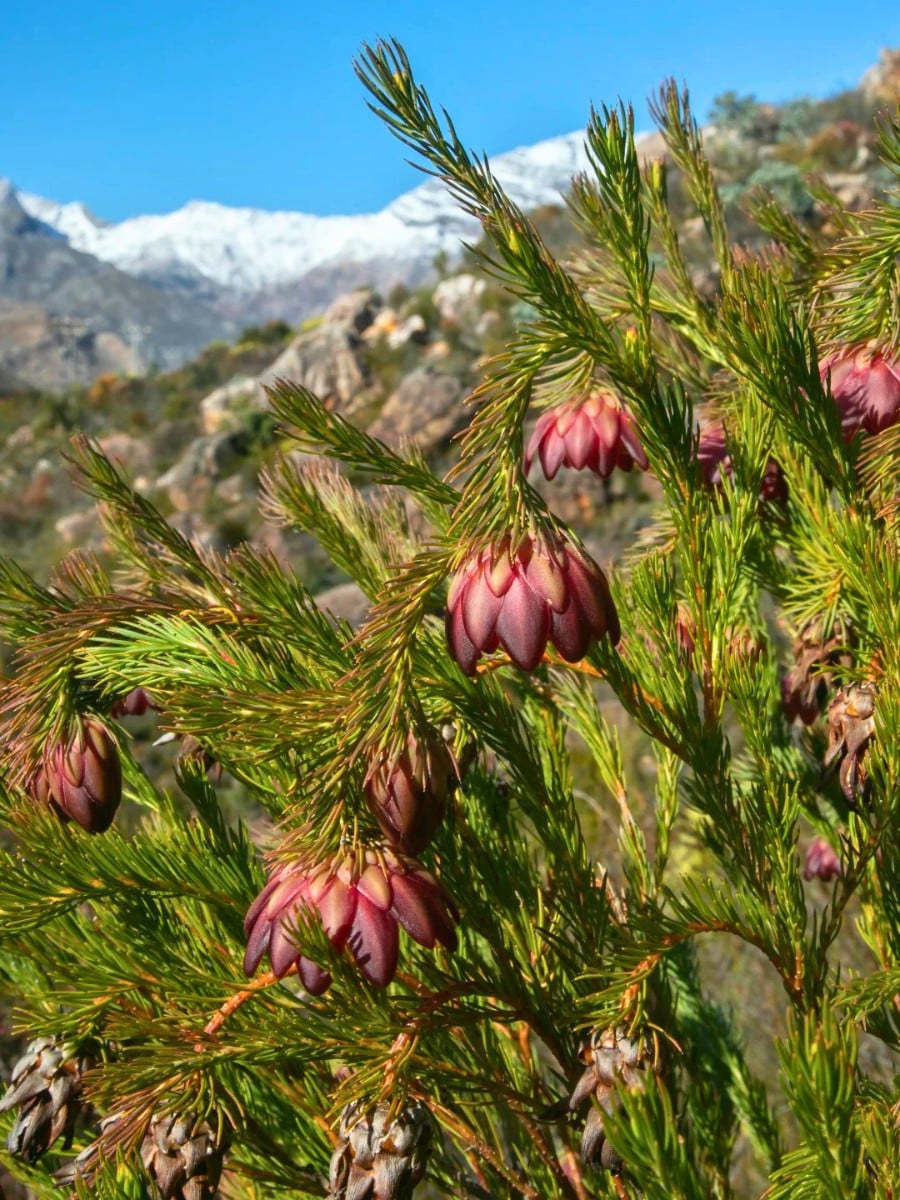
Noteworthy is that the relationship between flowers and their pollinators did not develop in isolation either. It is a classic case of coevolution, where two unrelated organisms shape each other's evolution over time. As flowers became more specialized, so did the insects feeding from them. Bees, for example, evolved from predatory wasps later in the Cretaceous period, developing body structures and behaviors specifically suited to collecting pollen and nectar.
In return, certain flowers evolved shapes, colors, and scent profiles tailored to the preferences of specific pollinator groups. None of them planned this arrangement, but it emerged gradually as individuals slightly better at attracting a partner, whether plant or insect, left behind more offspring.
Flowers as Ecosystem Engineers
Today, the rise of flowering plants has changed the planet as angiosperms account for nearly 90% of all land plant species. Their dominance has reshaped ecosystems, climate, and the course of animal evolution. Flowering plants have higher rates of transpiration than other plant groups, meaning they move more water from the soil to the atmosphere, which has great effects on climate.
Climate models simulating a world without angiosperms show significant reductions in rainfall. In one study, removing flowering plants significantly reduced average annual rainfall in the Amazon Basin and greatly shortened the wet season, and so the area of ever-wet rainforest shrank by 80%. In eastern North America, precipitation dropped by 30-50%, which shows that flowering plants are not passive inhabitants of their environments but active participants shaping them.
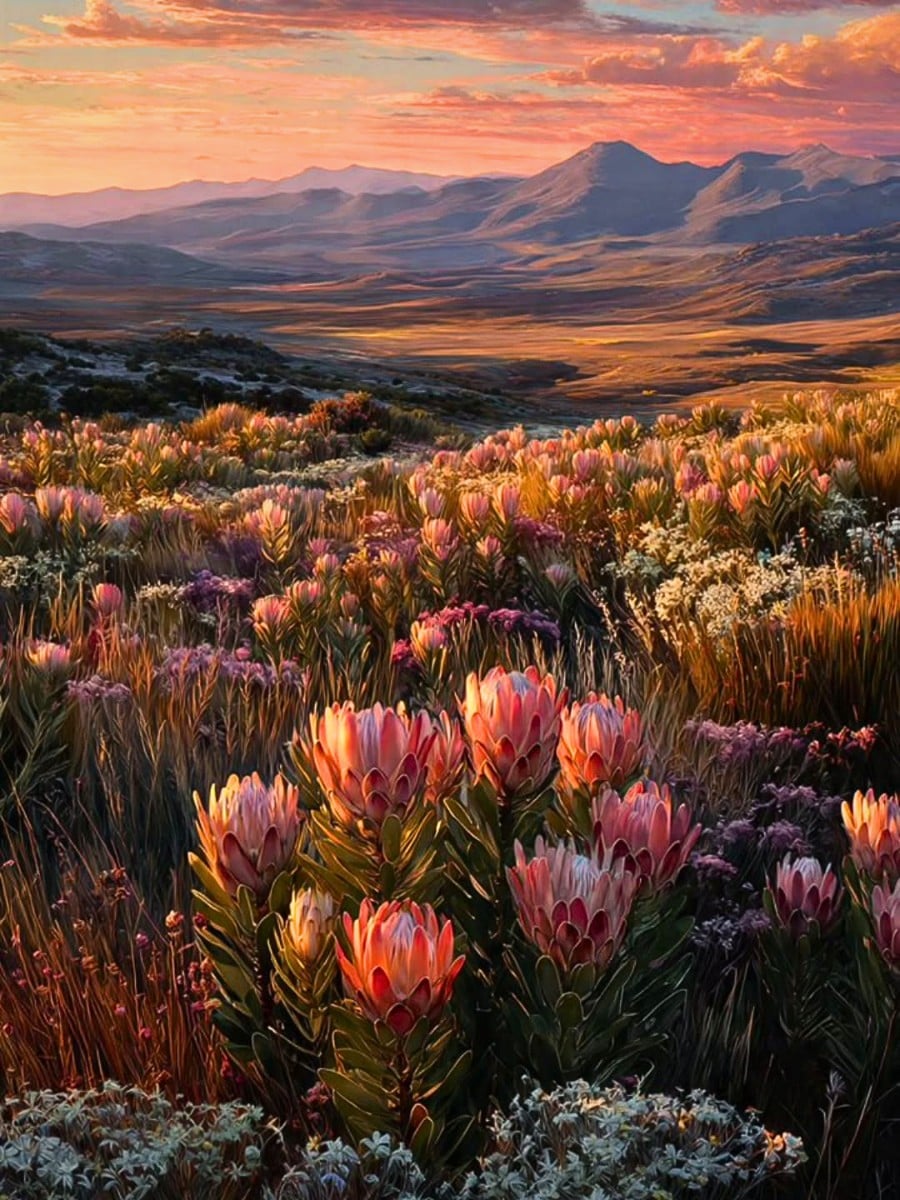
Angiosperms also drive biodiversity, providing food and habitat for insects, birds, and mammals. The diversification of flowering plants during the Cretaceous coincided with an increase in the diversity of pollinating insects. More than 80% of angiosperms depend on animals for pollination, and the loss of flowering plants would cascade through food webs and ecosystems.
It is, nonetheless, important to note that without flowering plants, some life may continue as non-flowering plants, including ferns, mosses, and gymnosperms, would linger on. But the world would be less productive, less diverse, and less hospitable to many forms of life.
Human Appreciation as a Byproduct
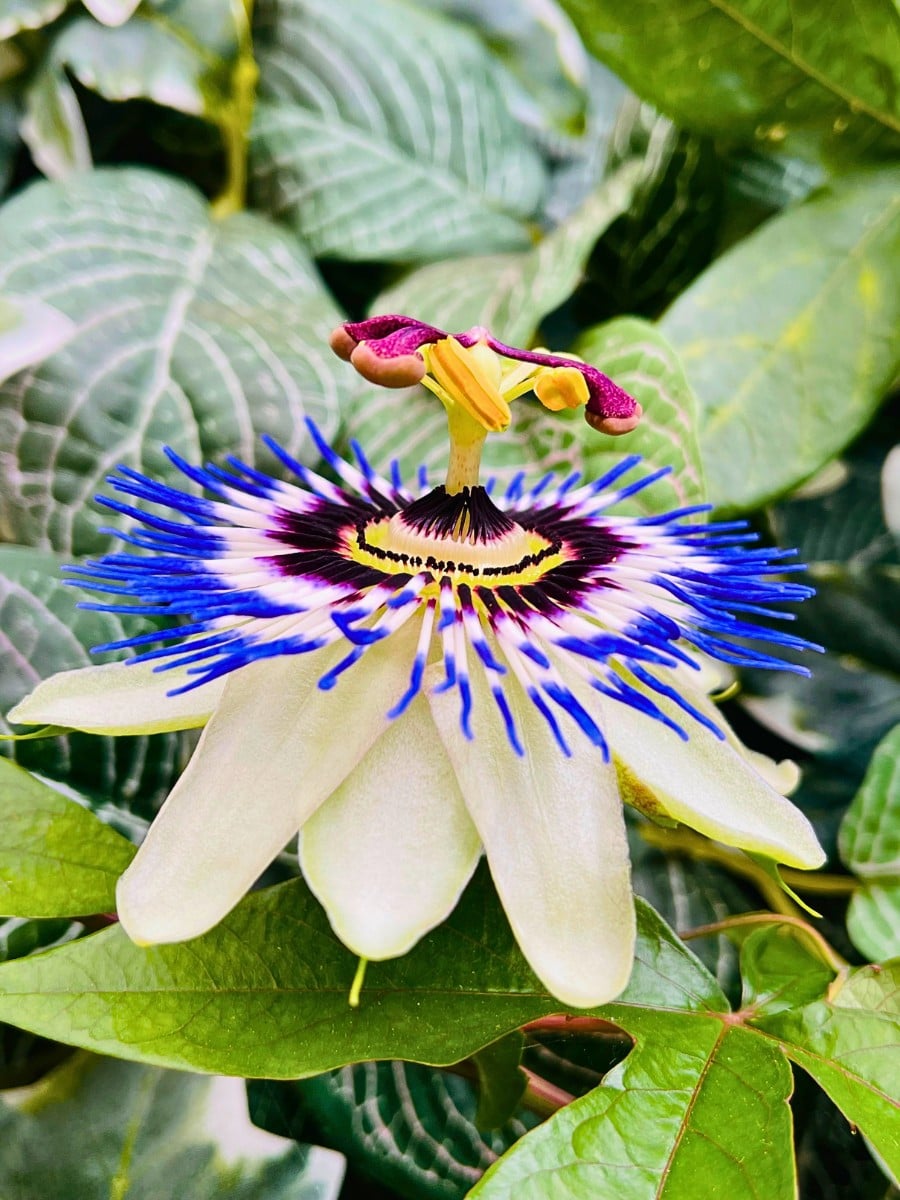
So where does that leave human affection for flowers? It is, in a sense, an accident of biology, though not a futile one. Humans are visually oriented beings with color vision similar in some respects to that of bees and birds, some of the very creatures flowers evolved to attract.
The same pointers that tell a bee “nectar is here” happen to register with human brains as pleasant and beautiful. Fragrance compounds that evolved to travel across a meadow and draw in a butterfly also happen to trigger positive emotional responses in humans.
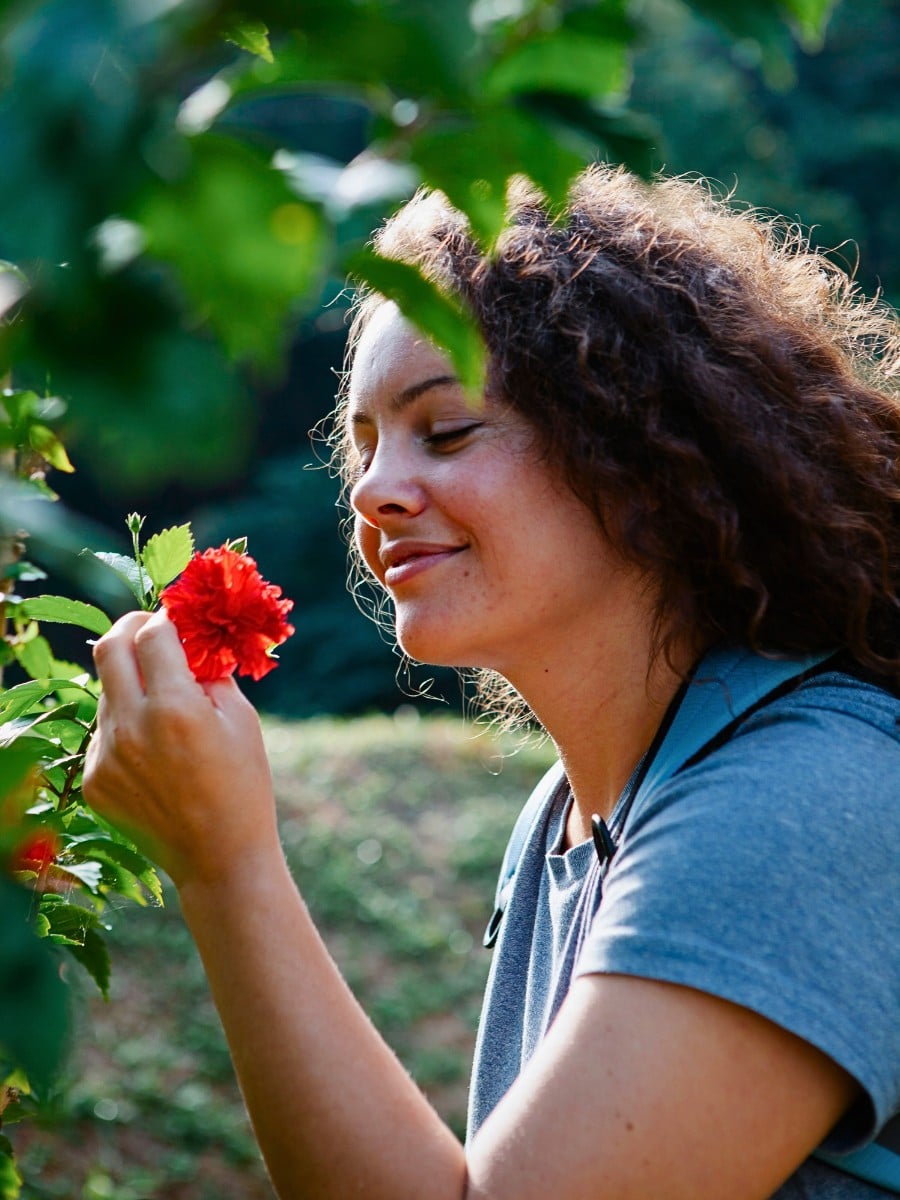
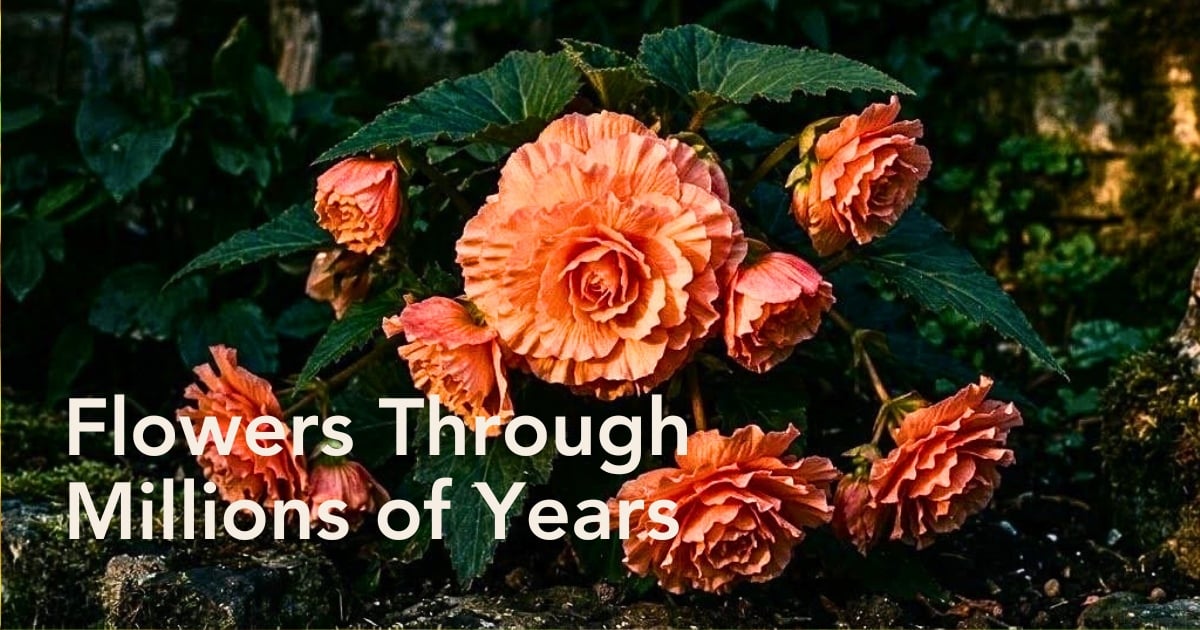
Over the course of human history, this incidental sensitivity turned into culture. People began cultivating flowers for their appearance alone, sometimes breeding out reproductive features and breeding in extra petals, brighter colors, or fragrance, a process that gave features like double flowers and numerous ornamental varieties that would struggle to survive, let alone reproduce, in the wild.
Flowers became attached to ceremonies, religious practices, courtship, and celebration across nearly all human civilizations. But this does not change their original function; it just shows how another individual can repurpose a trait shaped by natural selection for one purpose, for another.
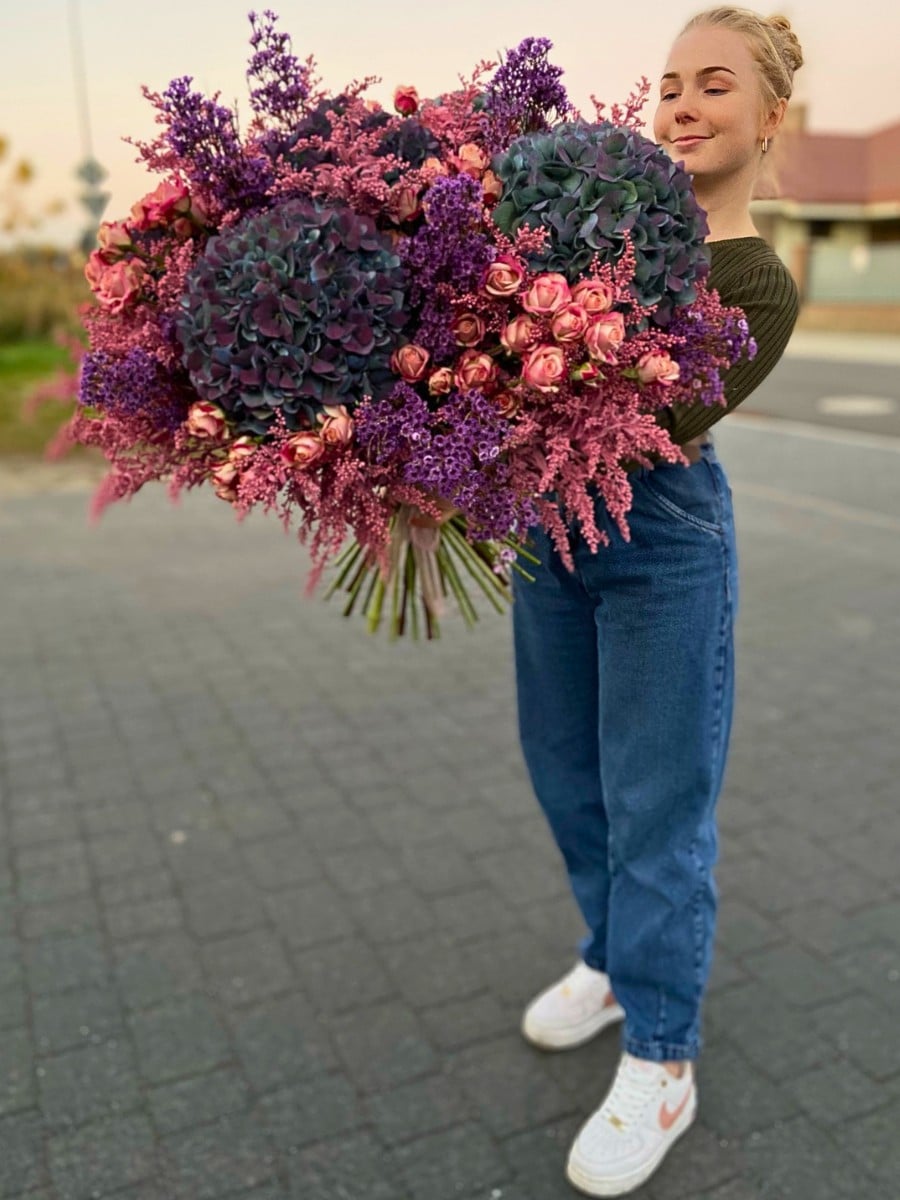
Essentially, flowers exist because they solved a reproductive problem more efficiently than the plants before them. Yet, their beauty is a side effect of this solution and not its primary goal. But this does not lessen what they mean to people today. It just puts human appreciation in its proper context, as a small chapter within the much older idea of their survival and persistence of life.
Featured image by @mr.streptocarpus. Header image by @semlepestkov