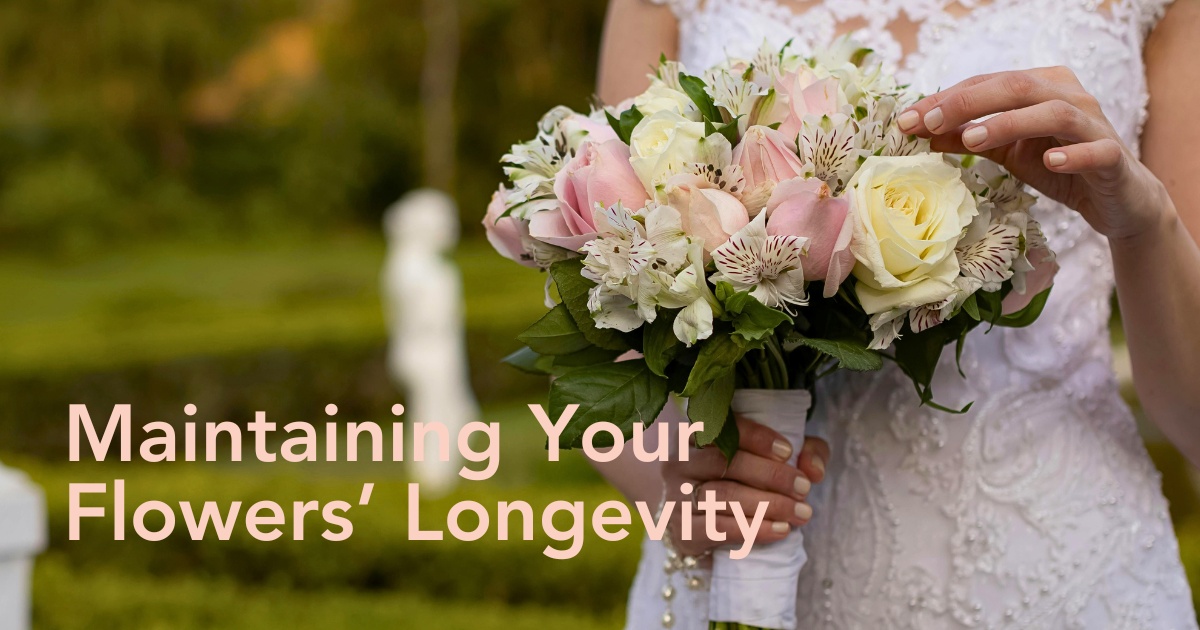
Receiving a bouquet of fresh flowers gives one of the most delightful feelings for anyone. It could arrive for a birthday, a wedding anniversary, a ‘just because’ floral gift, or as a gesture of sympathy. The obvious expectation is that you'd want it to last. And yet, within days, the flowers’ petals begin to droop, the leaves yellow, and the water (in the vase) turns murky. So how long should a bouquet really last, and what can you do to stretch that window as far as possible? There are a few things worth knowing.
How Long Does a Typical Bouquet Last?
The simple (and true) answer is that it depends. Most fresh-cut flower bouquets last anywhere between 5 and 12 days under normal conditions. That is a wide range, and for good reason. The lifespan of a bouquet is shaped by the types of flowers in it, how they were handled before they reached you, the conditions in your home, and how well they are cared for once in the vase.
As a general guide:
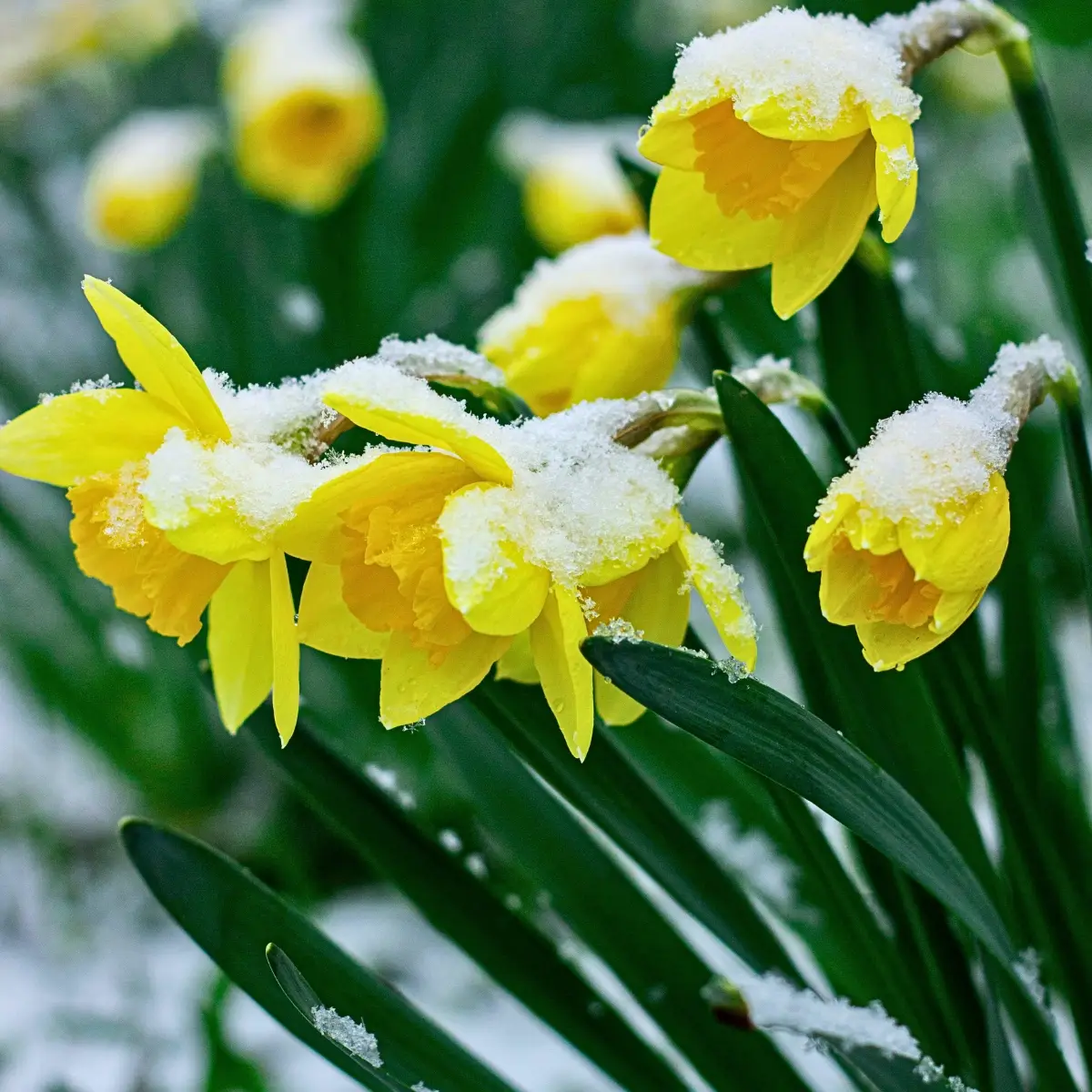
- Short-lived flowers last 3 to 5 days. They include Daffodils, anemones, and sweet peas, and tend to fade quickly. They are beautiful but fleeting.
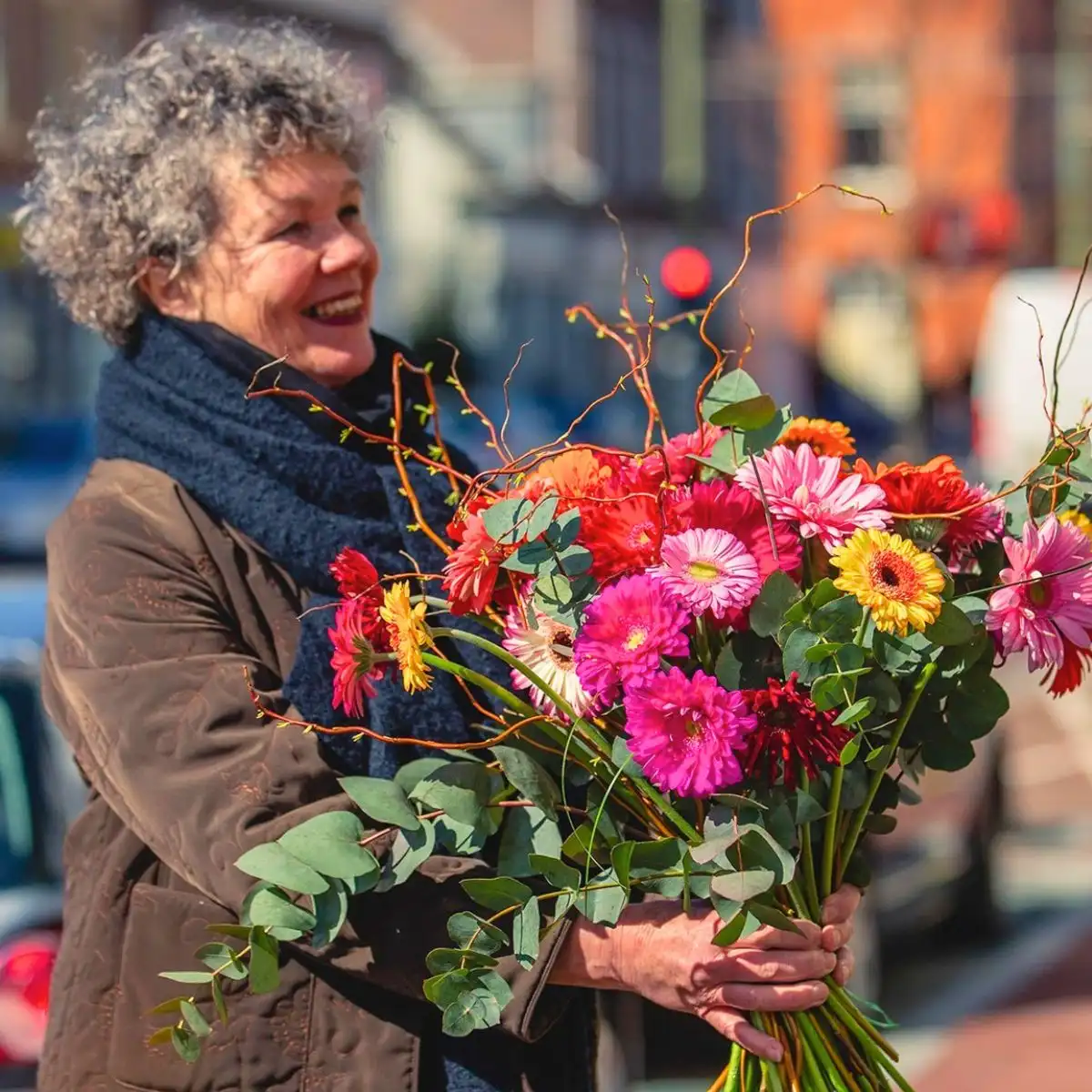
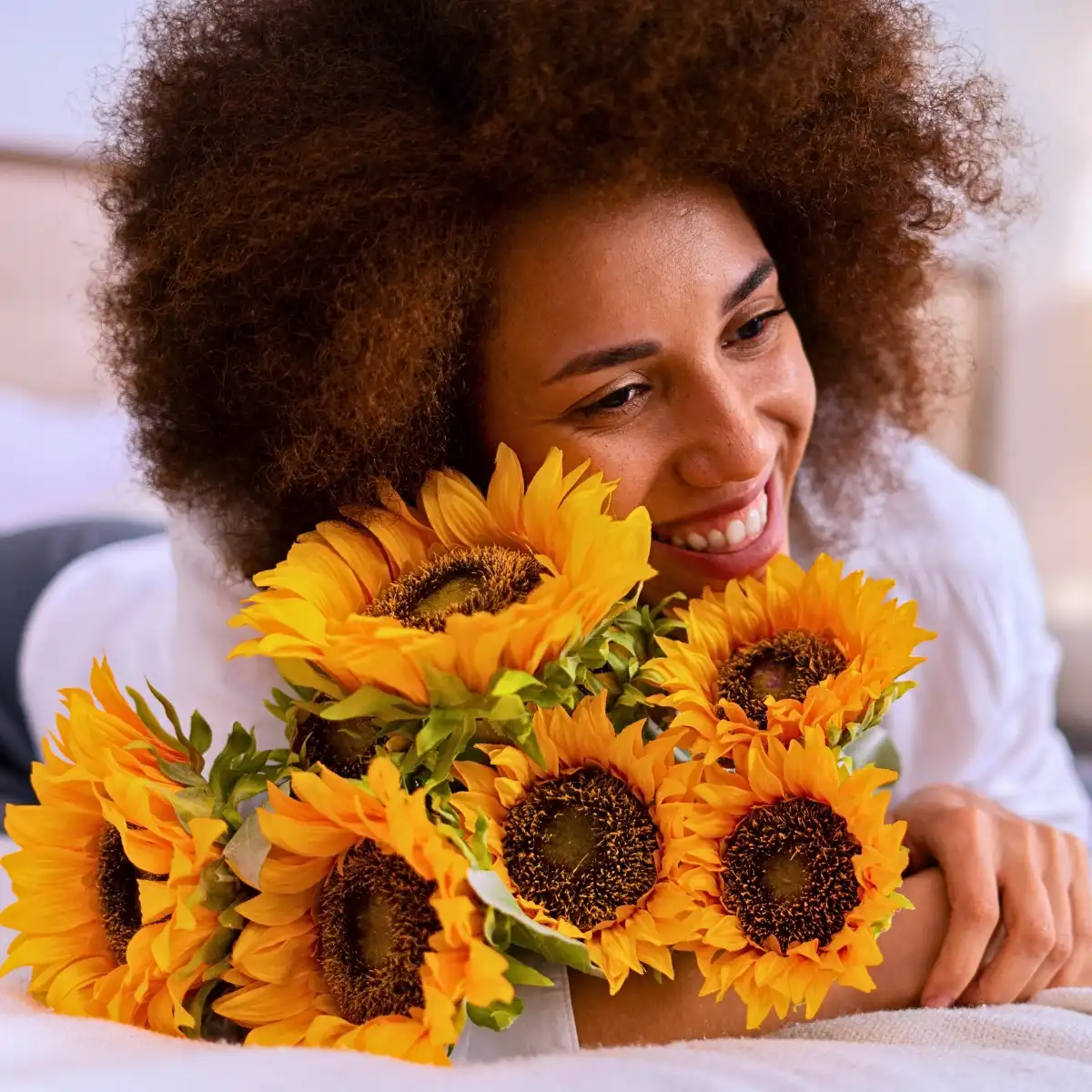
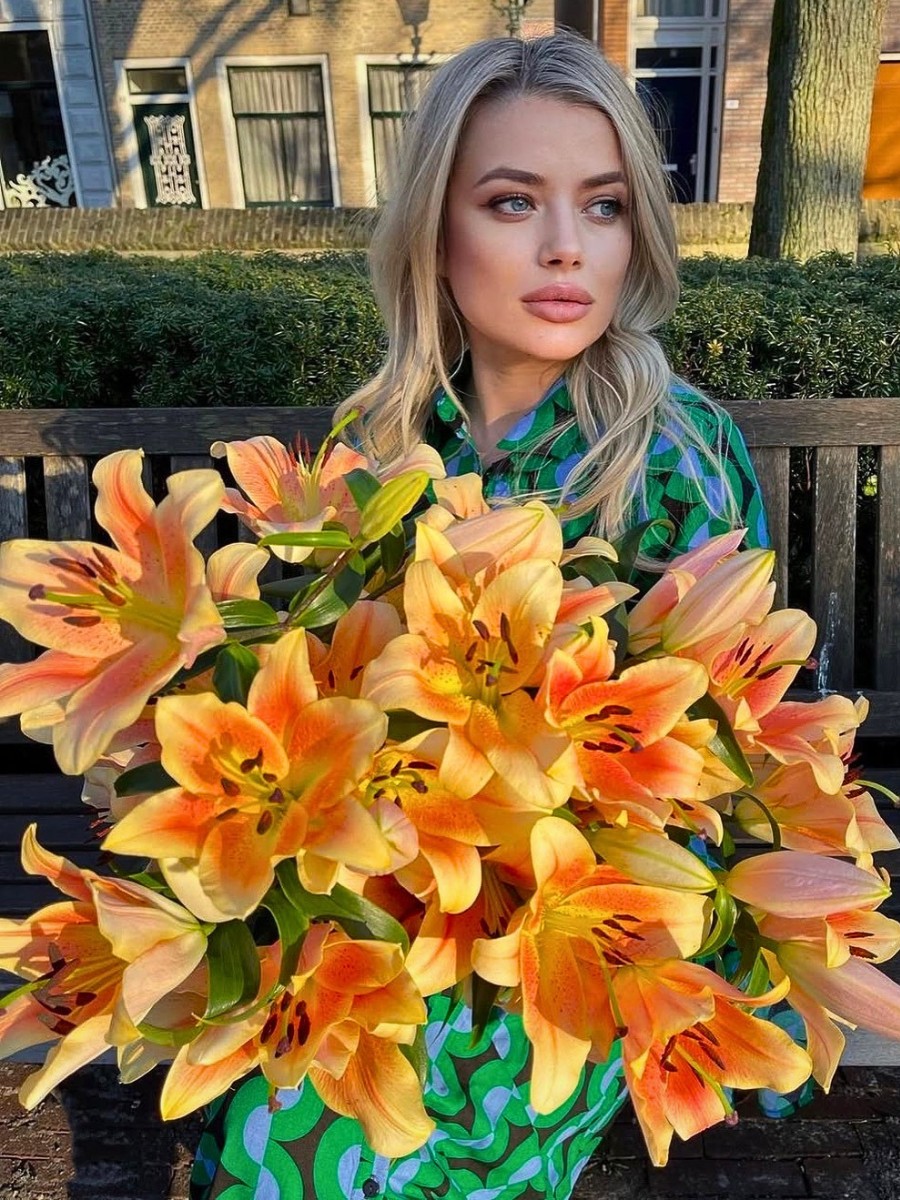
- Mid-range flowers last 5 to 8 days. Roses, tulips, sunflowers, peonies, and Gerbera daisies fall into this category under average care. Of course, they could last longer depending on enhanced breeding technologies and how they are cared for.
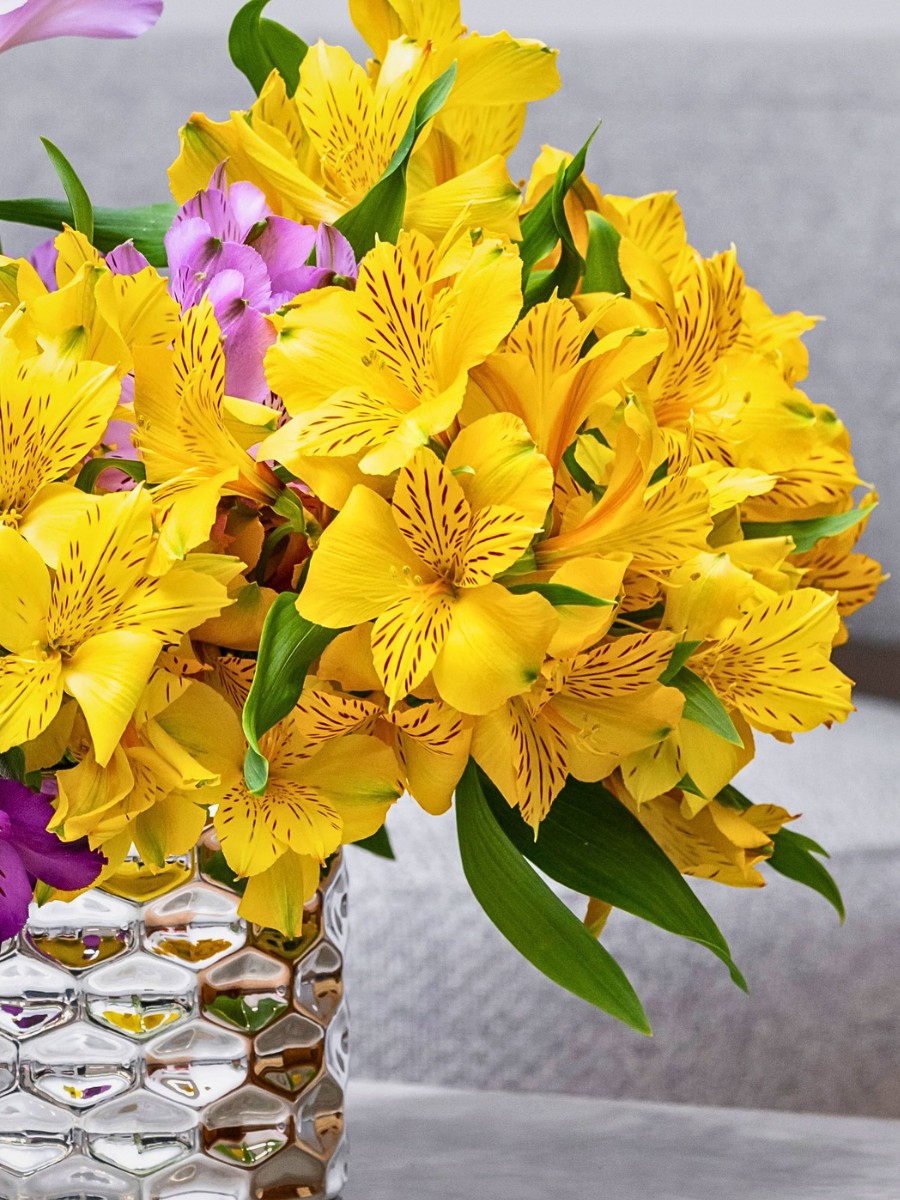
- Long-lasting flowers last 10 to 14 days or more. Chrysanthemums, carnations, Alstroemeria, Lisianthus, and orchids are workhorses that hold their form and color longer than most.
But mixed bouquets, combining several varieties, typically last as long as the shortest-lived flower in the arrangement. You might notice that one weak stem in the bouquet can affect the whole look. So if your gorgeous rose, peony, and tulip bouquet has sweet peas in it, plan accordingly.
What Affects How Long a Bouquet Lasts?
Several factors play into longevity. Freshness at purchase is perhaps the single biggest variable. A flower that has been sitting in a wholesaler's cooler for days before reaching a shop has already burned through a significant portion of its vase life. When buying from a florist, look for tightly closed or gently opening buds, firm petals, and clean, odorless water in the display buckets.
Temperature (and heat) is a flower's enemy. Warm rooms, direct sunlight, and proximity to heating vents all accelerate wilting. Most cut flowers prefer cool temperatures, but the ideal storage range is much colder, typically between 0.5°C and 4°C. In the home, a maximum of between 18.33°C and 22.22°C works. A drafty windowsill in winter, however, is equally damaging.
Ethylene gas exposure is also a factor. This naturally occurring gas speeds up aging in plants and fruits. Keeping flowers away from a bowl of bananas or apples is not just a folk remedy, but scientifically proven. Water quality and hydration are also other factors because flowers drink continuously. If the water is dirty, bacteria multiply and clog the stems, preventing hydration from reaching the petals. Fresh, clean water changed every one to two days makes a difference.
Stem condition is yet another actor. Cut stems seal over time, restricting water uptake. How and when they are cut matters. Even so, these ranges are not fixed rules. A bouquet can last longer if it is handled well from the start, and it can fade early if it spends too long without water or arrives with damaged stems.
How to Make a Bouquet Last Longer
Good care can extend the life of a bouquet, sometimes doubling it. The steps involved are simple and require nothing more than a few minutes of attention.
First, recut the stems at an angle: As soon as you get a bouquet home, recut each stem by about an inch at a 45-degree angle. Do this under running water or in a basin of water to prevent air from entering the stem. The angled cut increases the surface area for water absorption and keeps the stem from resting flat against the bottom of the vase.
Remove leaves below the waterline: Any foliage submerged in water will decompose quickly, feeding bacterial growth. Strip the lower leaves before placing the flowers in a vase.
Use the right vase and the right amount of water: A clean vase is important because bacteria lingering from a previous arrangement will shorten the life of fresh flowers. Fill the vase with fresh, cool water, and add a flower food packet if one came with the bouquet. These small sachets contain a balanced mix of sugar (for nutrition), acidifier (to lower the pH and improve water uptake), and a biocide (to kill, control, or otherwise suppress unwanted living organisms). They work.
Change the water every one to two days: Stagnant water is a breeding ground for bacteria. Every time you change the water, give the vase a quick rinse and recut the stems by a small amount.
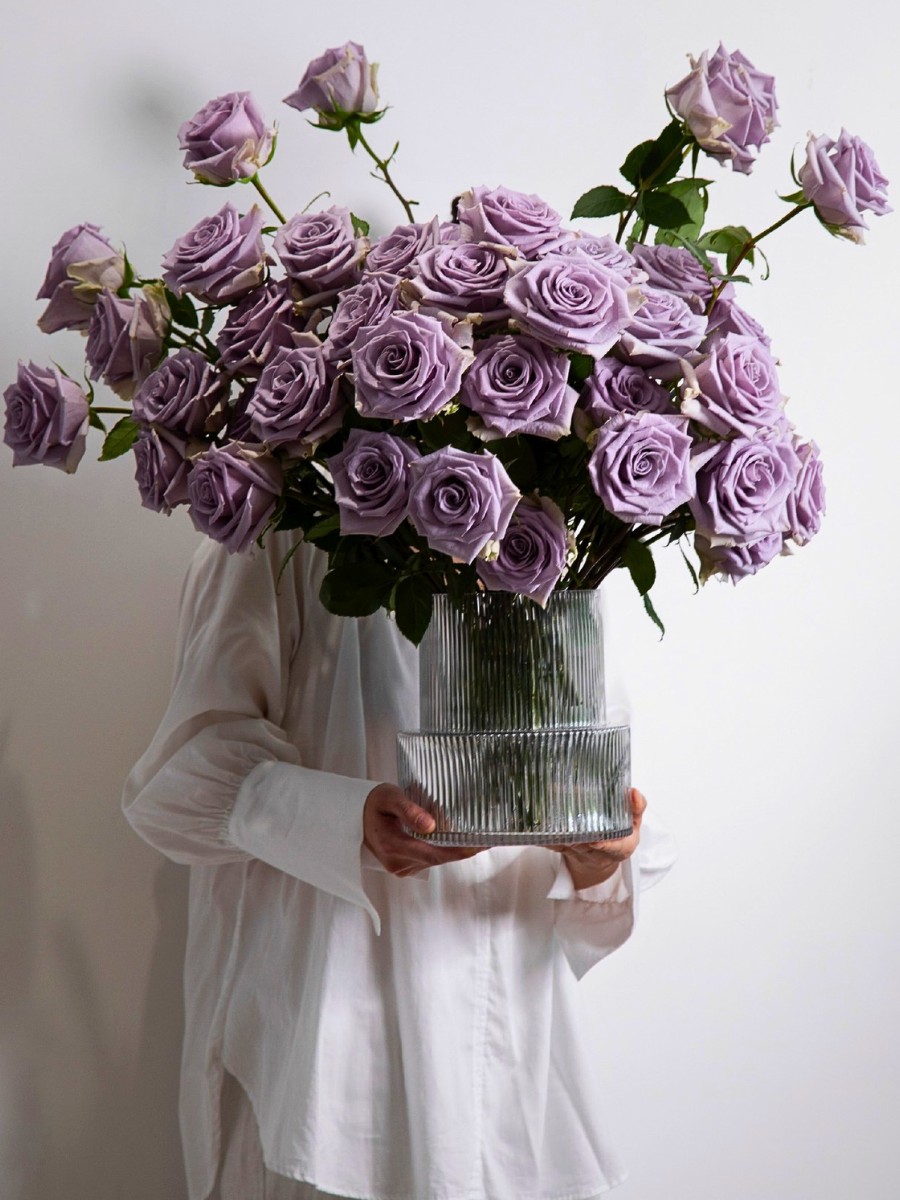
Keep flowers cool and out of direct light: A bright room is fine, but direct sunlight heats the petals and speeds wilting. Avoid placing bouquets near televisions, appliances, or heating and cooling vents. At night, moving a bouquet to a cooler room, or even a cool corner of the kitchen, can noticeably slow aging.
Try the refrigerator trick: Florists store flowers in large coolers for a reason. If you have space, placing your bouquet in the refrigerator overnight, away from fruits and vegetables, can add days to its life. Even a few hours of cool storage each day adds up.
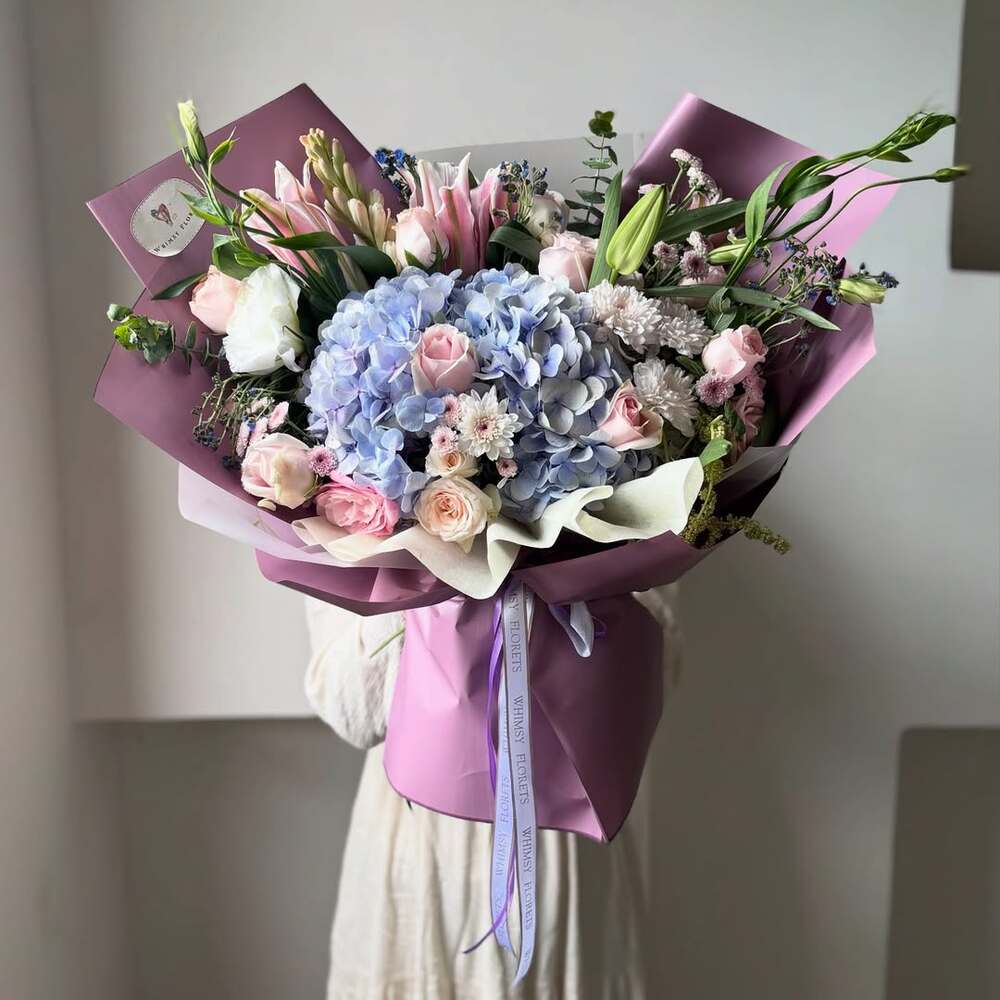
Mist the petals lightly: For flowers that lose moisture through their petals as well as their stems, such as Hydrangeas, a light mist of water once a day can help keep them looking full and fresh.
When Is a Bouquet Past Its Prime?
There is a difference between flowers that are aging gracefully and those that are done; even with careful handling, every bouquet has a natural end. Petals may drop or become soft, translucent, or browned at the edges. Stems may soften and sometimes feel slimy or emit a sulfur-like smell, indicating bacterial decay. The water may also start to smell even after cleaning.
At that stage, the bouquet is no longer at its best (but it has still done its job). Then, the best move is to pull out the damaged flowers and preserve whatever is still standing. Sometimes, individual stems often outlast the bouquet as a whole. Separating the survivors and placing them in a smaller, refreshed arrangement can extend your delight by a few more days.
Preserved and Dried Flowers Offer a Different Kind of Longevity
For those who want flowers that last even longer, the preserved and dried flowers are worth considering. Air-dried flowers, freeze-dried arrangements, and those that are glycerin-preserved can hold their shape and color for a few years or longer with minimal care.
They are a different experience from fresh flowers, of course, but for keepsake bouquets, home decor, and gifting where longevity is more important than freshness and fragrance, they work just as perfectly.
Featured and header image by Bruno Mattos.