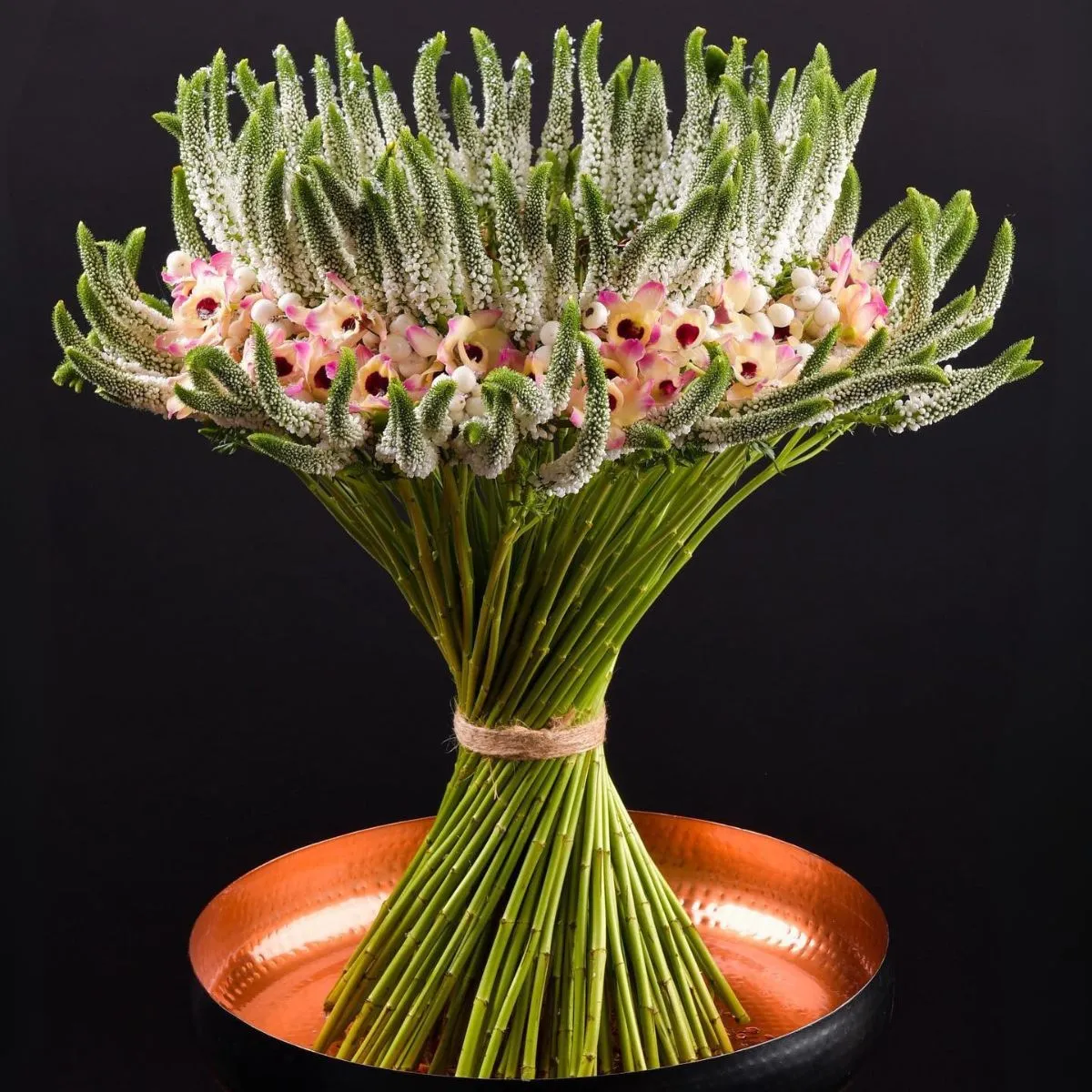

You’ve definitely seen them. Most likely, you have even worked with them on designs a dozen times. These are rosehips, the cheerful, globose, pear-shaped, or flask-shaped beauties. Their sizes vary widely depending on variety; they can be as small as a blueberry or as large as a small crabapple. Their most common colors are vibrant red or orange, though some rare ones may be green, dark purple, or black.
Rosehips are quite an item in floral design. Very often, when you see a vase filled with them, the branches heavy with bright orange or red fruits, or perhaps a design in which they vividly pop up, you’ll mostly notice their atmosphere; their ambiance: autumn vibes, winter festivity aesthetics. That’s the aura they generally present. But have you heard of Rosefruits yet?
Largest Specialized Supplier of These Rosehip Stems
Before you have them in your designs, arrangements, floral installations, or just a vase, there is a story behind their cultivation. And that, precisely, is where Branko Petrovic and Eric Stokman of Rosefruits.nl come into the picture. From Serbia, their duo is building Rosefruits, the trade name for rosehip branches grown in exclusive collaboration between Eric and specialized growers in the southeastern European country, each with more than a decade of experience.
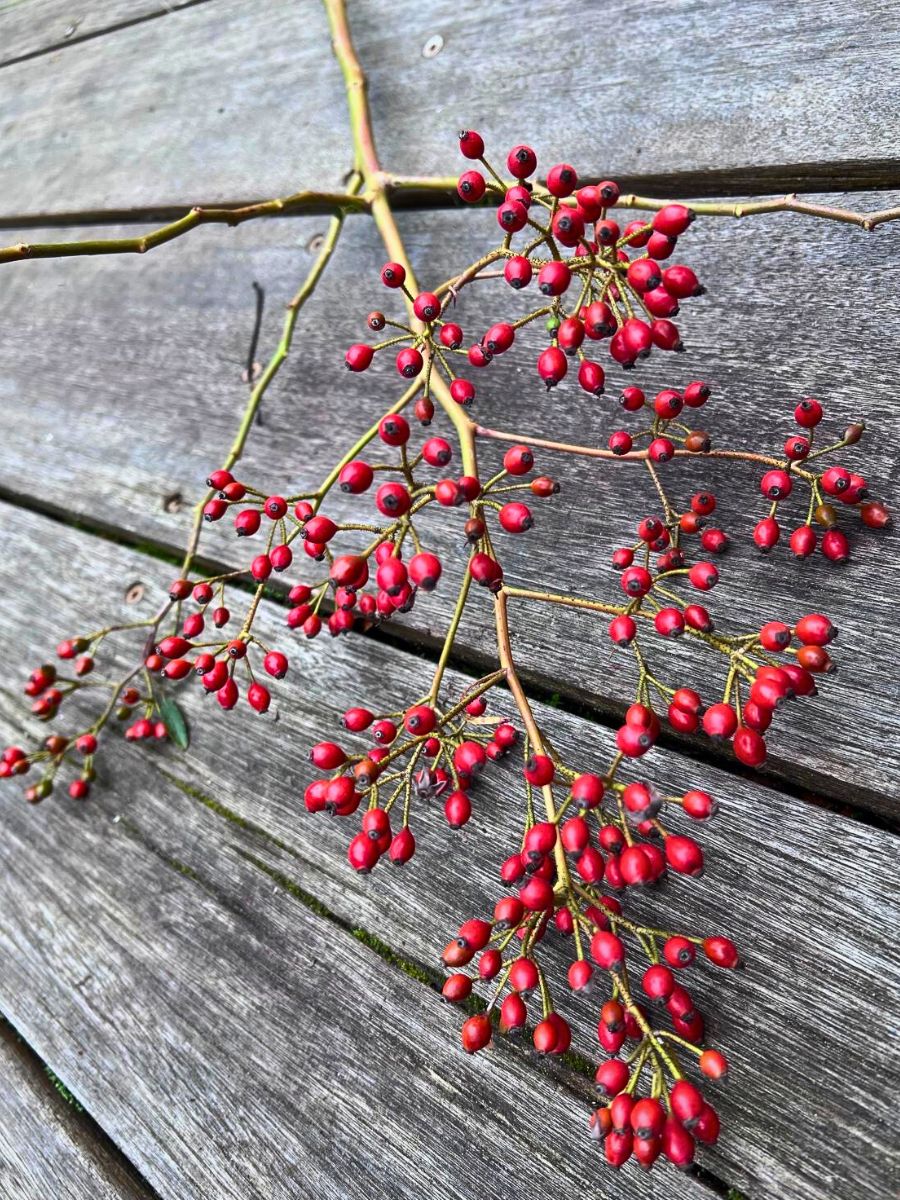
Since 2006, they have focused on producing exclusively rosehips (which they call Rosaefruits or Rosefruits) to meet the growing demand for products with longer, thornless stems and higher quality.
Their collaboration has resulted in the world's largest specialized supplier of these rosehip stems, with the floral products reaching florists through the Radical Wonders label of Coloríginz. Branko notes that through their Rosefruits, they deliver not just beauty but a commitment to doing things the right way.
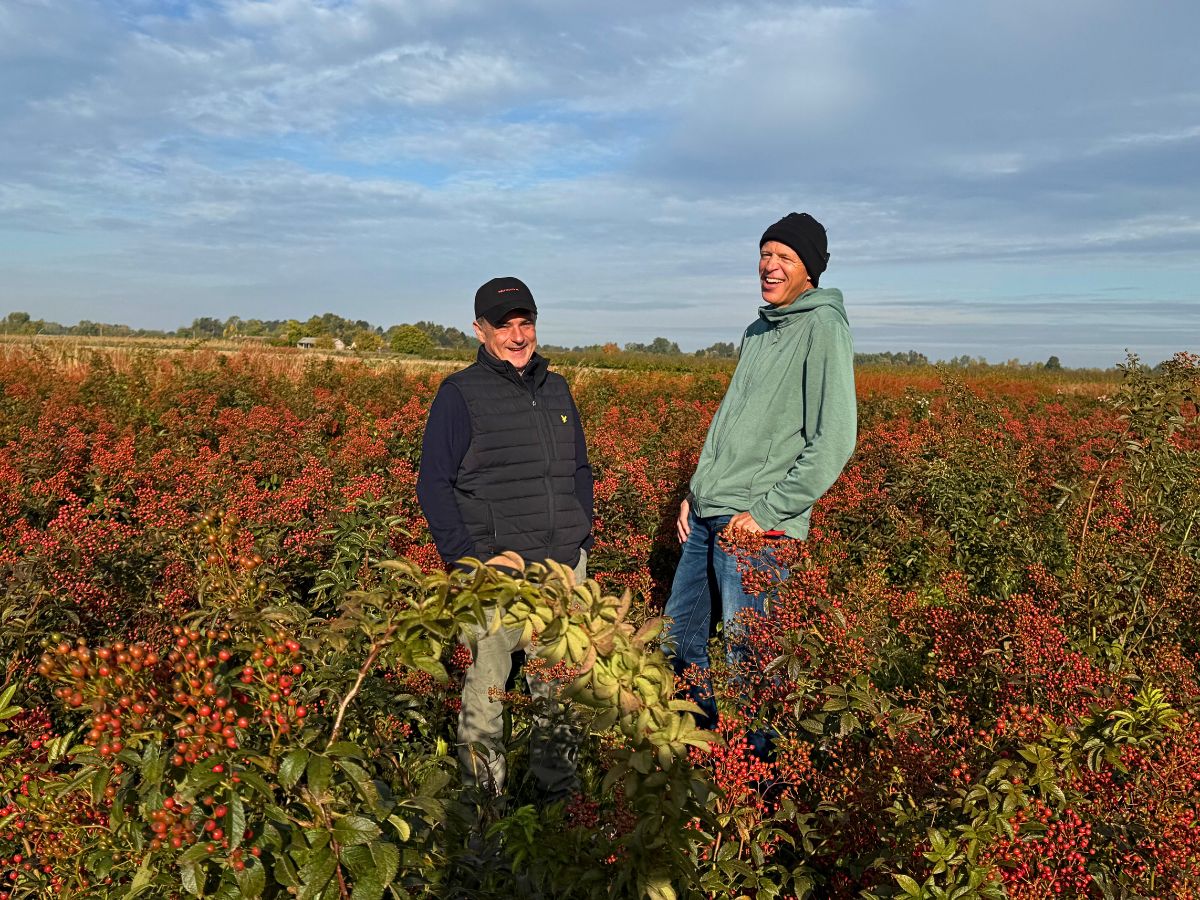
Branko:
“What we deliver is a living product that requires care and love.”
Understanding the Rosefruit Product
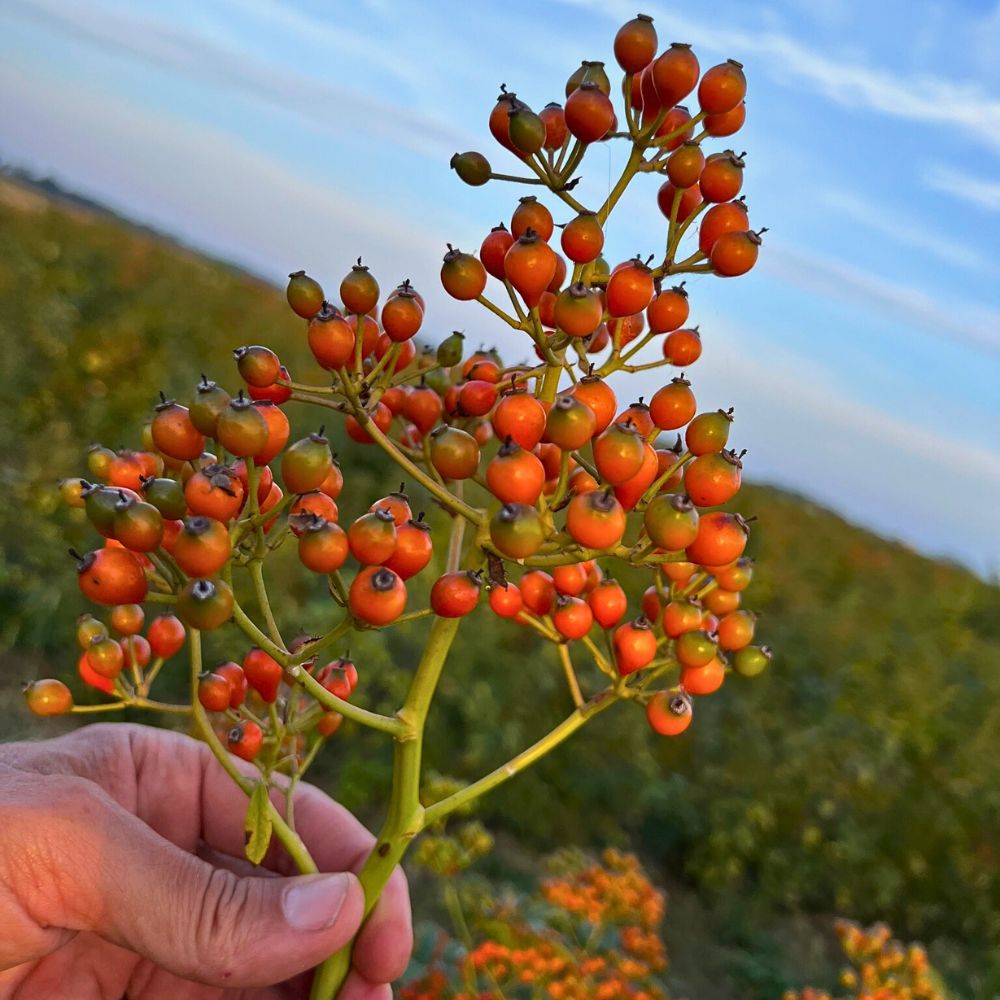
For anyone outside the flower trade, rosehips might need a quick explanation. After a rose blossoms and the petals fall, what remains is the hip, which is the fruit of the rose plant. These hips grow along branches that florists love for their instant structure and warmth in arrangements. One well-chosen stem can anchor an entire bouquet.
Eric puts it:
"Don't think of it as a single rose. Think of a branch that gives immediate shape. One good branch with a few flowers already creates a full bouquet with real artistic value."
Today, the Rosefruits product offers three main varieties. Autumn Rosefruits is their core offering, available throughout the season with small red hips. Then there is Rosefruits Elite, which provides finer fruiting and more elegant stems for florists seeking something special. They are long-lasting, with finer, richer fruiting and elegant stems that offer extra artistic value.
Then there is Rosefruits Tops, the showpiece that grows for two whole years to develop extra volume and form. These statement-making rosehip branches enable florists to build profitable arrangements around a single exclusive branch. They also stand beautifully on their own in designs.
Listening to the Market and What Customers Ask For
As noted, the Rosefruits range did not emerge from a business plan; it grew directly from customer demand. Wholesalers and florists sought a single, universal name for rosehips that would work in any language or market. That request matched how Branko and Eric already operated. They keep short lines of communication with clients and translate their needs directly into the fields. This close relationship drives continuous innovation.

Thornless varieties came about because florists needed stems they could handle safely. Innovation led to longer branches, unique shapes, mildew-resistant varieties, and more affordable options. All these developments happened because someone asked for them, and the team responded to the needs.
Because they are entirely focused on these specialized rosehip branches, the team’s production cycle continues year-round, involving selecting, testing, adjusting, and delivering without other crops to distract them in between.
Eric sums it up:
“We grow nothing else; we work on this (program) twelve months a year.”
The outcome shows at both ends: customers receive a consistent supply that meets their expectations, and behind the scenes, small refinements happen constantly, invisible to buyers but essential to quality improvement.
Sustainably Building From the Ground (Soil) Up
Every year, in Rosefruits’ production, compost is applied to the fields, feeding the organisms that make soil healthy, improving water retention, and helping the plants resist disease. Less chemical intervention, in that case, means more biodiversity, both above ground and below it.

Eric says:
“The soil is alive. If you don't respect that, horticulture will never become truly sustainable. Fully organic is our goal, but not a strict rule; sometimes there’s damage, and the market doesn’t always pay for that.”
But they are working toward fully organic production within the next few years, though they are realistic about the challenges. Still, minor signs confirm they are heading in the right direction. For example, there has been an appearance of edible mushrooms growing among the roses, which Branko mentions, “gives confidence in the soil."

Working With Nature
Also, the timing of rose hip flowering couldn't be better for bees. They arrive exactly when bee colonies need pollen for their next generation. Hives placed beside the fields create a perfect exchange: strong bee colonies ensure good pollination, while the pollen feeds larvae that become the winter bees.
Eric explains:
"Pollen is the main food for larvae. Healthy bees now mean strong bees in winter."
The growing approach replicates the spirit of working with nature. The plants get more space. The team aims for balance in and above the soil. There is minimal interference, allowing for stronger, longer-lasting stems to develop naturally.
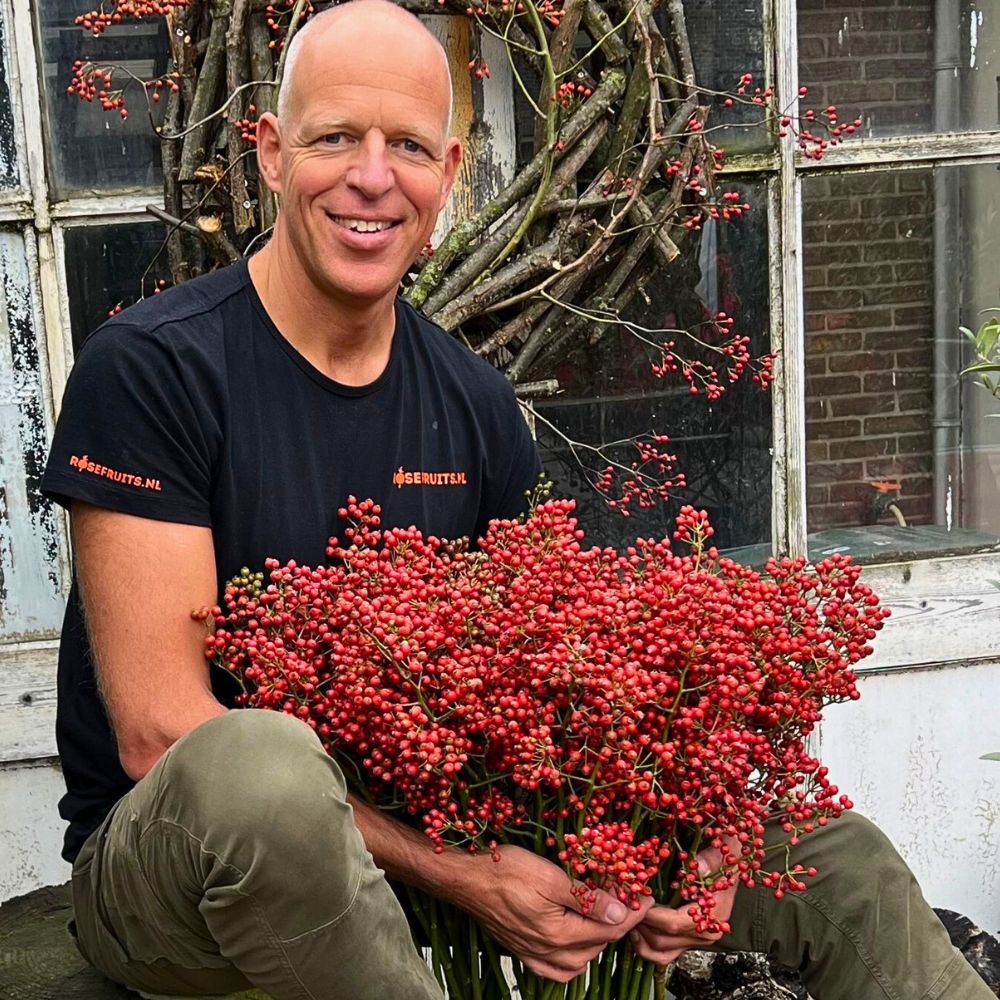
But nature doesn't follow plans and set rules. Recent years have brought quite a few extremes, such as heavy rain, hail, and unexpected frost. Covering twenty-five hectares is not reasonably practical, then. So the team’s strategy involves spreading risk: cultivation occurs at three locations, they choose varieties less sensitive to weather swings, and harvest timing can change when needed.
Eric:
“That way, we reduce frost and hail risk and keep supply as stable as possible.”

Branko adds:
“Nothing is certain. In a few years, the weather could change again. That's why we're building a system that can adapt.”
A Partnership Built on Mutual Values
The Rosefruits product is distributed through an exclusive partnership with Coloríginz, which handles all logistics from Serbia to the market. The arrangement focuses on shared values, as both companies prioritize quality, sustainability, and direct relationships with growers and buyers.
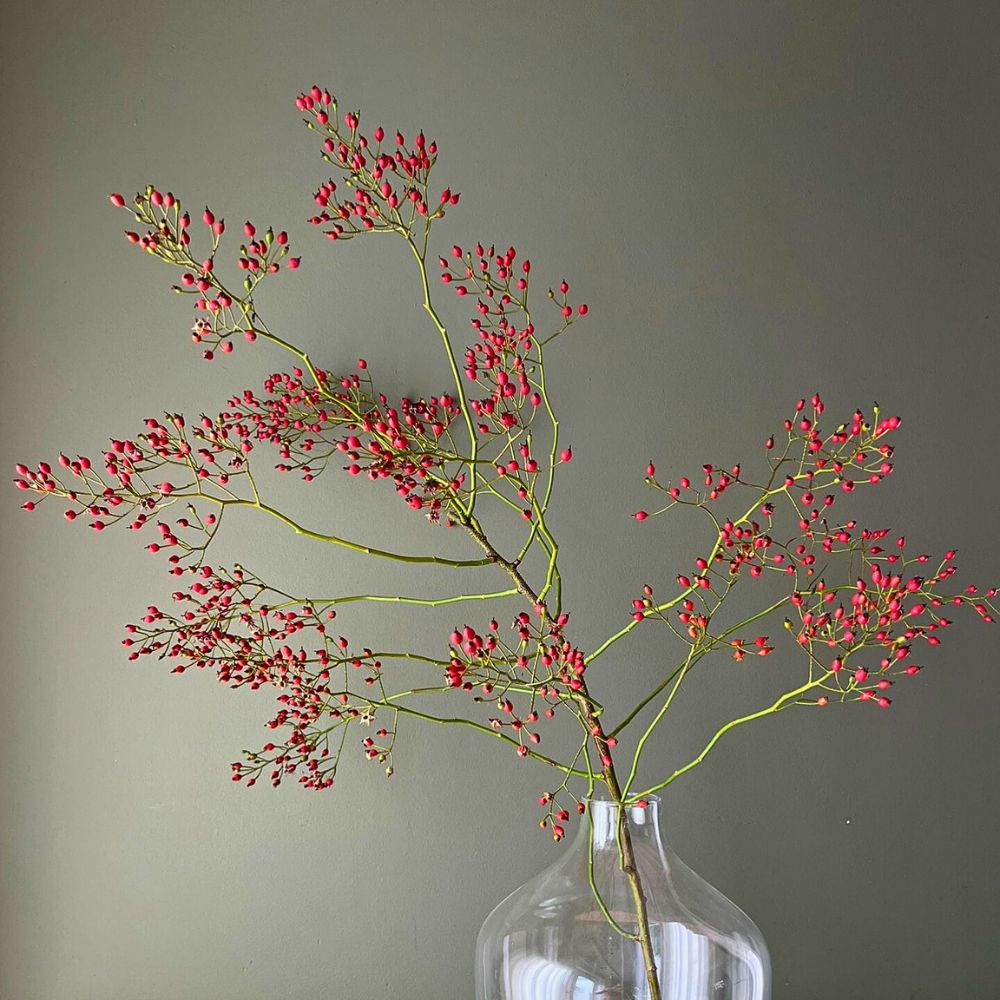
The collaboration between the Serbian farms and Dutch selection expertise has lasted more than a decade, built on mutual respect and goals. Serbia's climate naturally reduces fungal pressure, allowing minimal spraying, meaning no herbicides reach the fields, weeds are removed by hand or with steam, and during flowering, spraying stops completely to protect the millions of bees working the crops. The farms also maintain spacious pathways between rows where wildflowers grow, supporting natural balance.
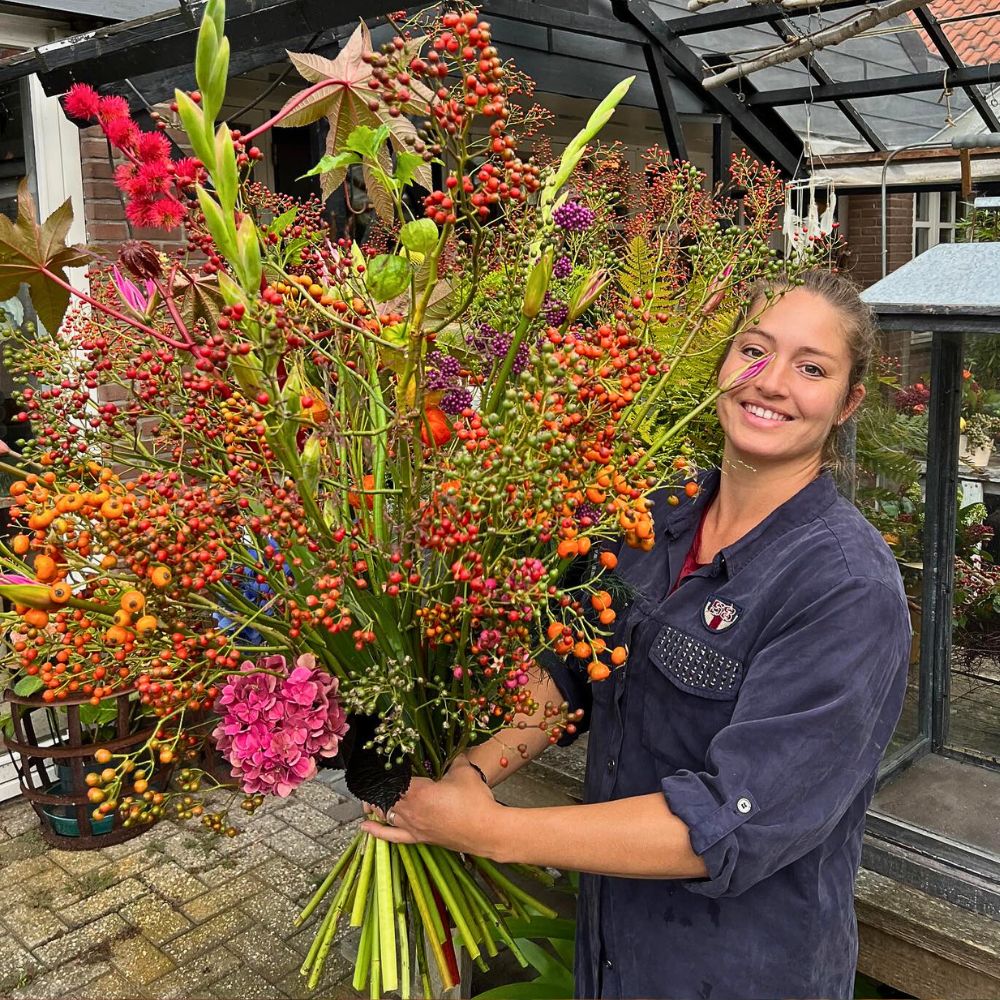
In essence, the Rosefruits product deliberately goes beyond standard certifications such as GlobalG.A.P. and MPS-A, aiming to become entirely organically grown within five years. For their Rosefruits (or Rosaefruits) production, Branko sums up their philosophy in four remarks: “Nature Happy. Bees Happy. Us Happy. Everyone Happy.”
Feature image by @rosefruits.nl. Header image by @rosefruits.nl. Reels by @jasmijn_bloembinders, @petervandelft.flowers, @vanderplasflowersplants.