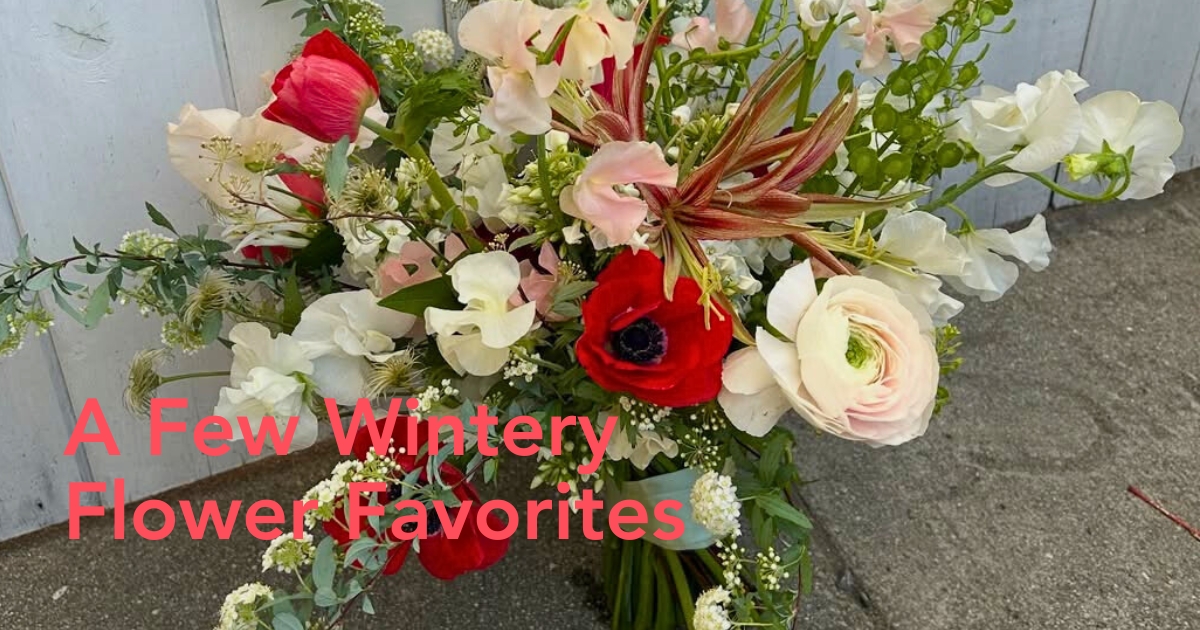
There’s something so romantic about winter weddings. I love hearing the quiet crunch of snow under my boots, seeing the frost sparkle on windowpanes, and soaking in the cozy glow from candlelight. Whenever couples plan a winter celebration, I get many questions about which flowers work best in the colder months. So, whether you’re a fellow floral designer or a couple planning your day, these tips will help you create gorgeous winter flower arrangements.
Why Seasonal Flowers Matter for a Winter Wedding
One of the most frequent conversations I have with winter wedding couples revolves around their floral choices. It’s easy to fall in love with a peony bouquet on Pinterest only to find out it’s not in season for a winter wedding. While it may seem like a minor detail, choosing seasonal flowers is one of the most impactful decisions wedding couples can make.
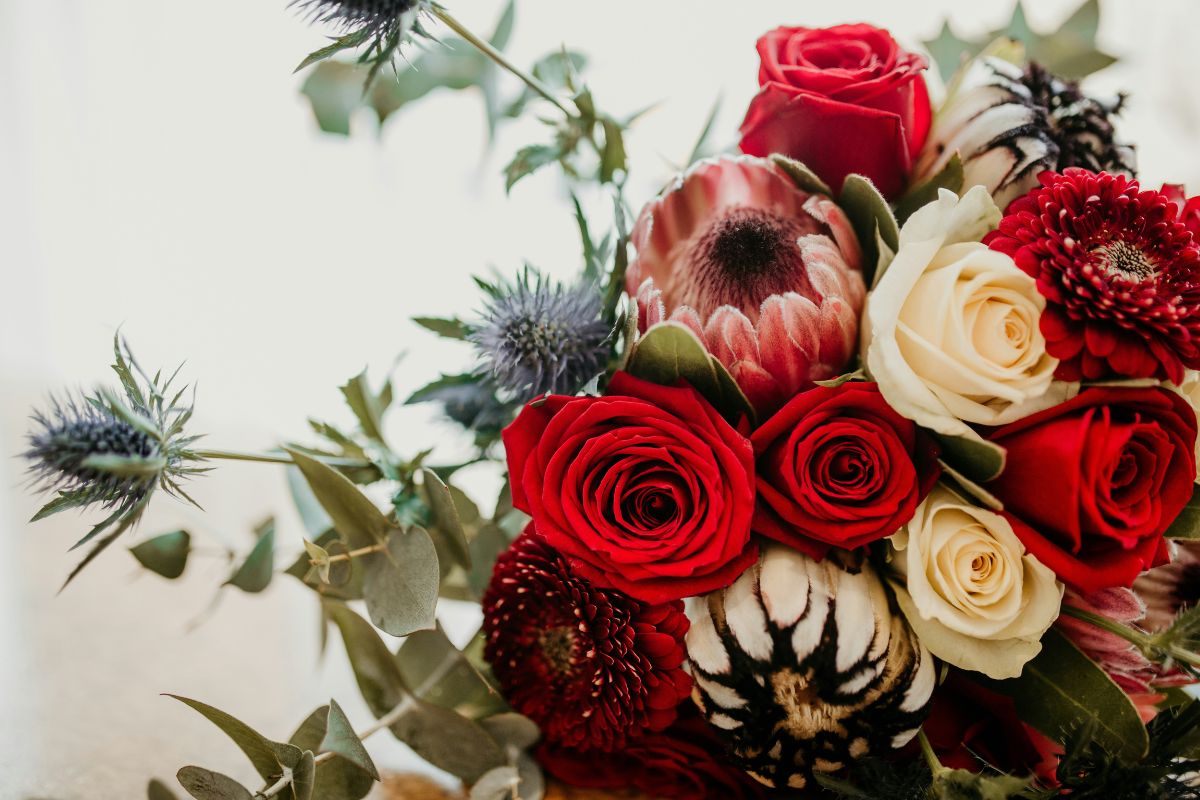
Photo: Alison Cosker of Unsplash
They Are More Sustainable
Choosing seasonal is an eco-friendly act. It reduces a wedding's carbon footprint by supporting regional farmers. A local farmer is less likely to use hormones, pesticides, growth regulators, and preservatives than industrial growers. It’s a choice that feels good, reflecting a more mindful approach to wedding planning that many couples value.
They Tell a More Authentic Story
Flowers are a central part of your wedding’s design story. Using florals that naturally bloom in winter creates a harmonious aesthetic. During my January wedding, I loved how my amaryllis bouquet evoked a certain mood that I won’t get in July. My floral arrangements felt more in sync with the season and made my wedding feel more intentional.
They Are Stronger and More Beautiful
Think of it like going to the farmer’s market versus a grocery store. A strawberry picked at the peak of June is more flavorful than one flown from another country in the middle of winter. Flowers are no different.
Those that bloom during the colder months can withstand the chill. They will hold their shape, color, and freshness from the moment you walk down the aisle to your last dance.
A Guide to Winter Flowers
The thing I love about winter flowers is that they come in shades that really shine during the colder months. Here are some of the ones I love the most.
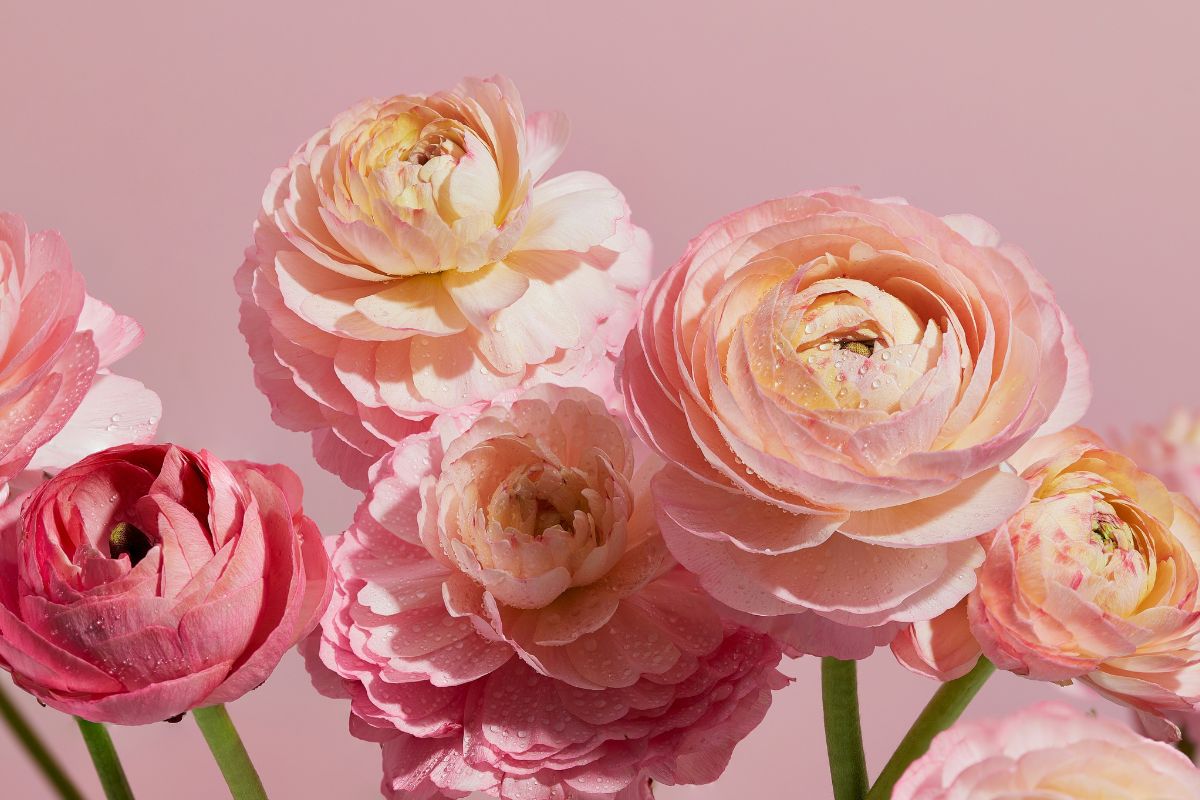
1. Ranunculus
These rose-like flowers have paper-thin petals that create a multi-layered flower. They come in many colors – including soft whites, creams, pinks, oranges, and burgundies – making them versatile. I’ve always believed they look great as a bridal bouquet’s focal point, where their intricate texture can be admired up close.
2. Hellebores
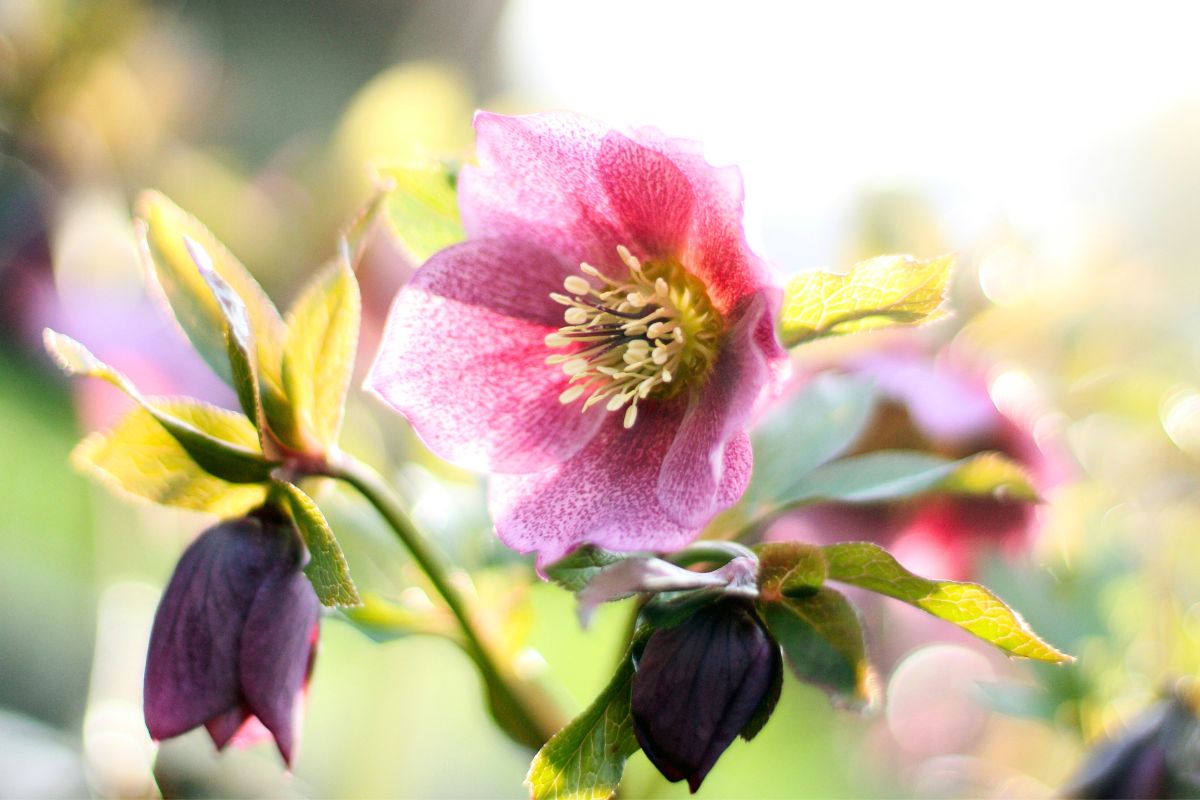
Hellebore is such a weird name for a flower that looks heavenly. It has a unique type of beauty and often features a slightly nodding head, giving it an elegant appeal.
This blossom comes in sophisticated shades, including dusty mauves, deep purples, speckled whites, and antique greens. Hellebores are the perfect choice for a bohemian-inspired or vintage celebration.
3. Snowdrops
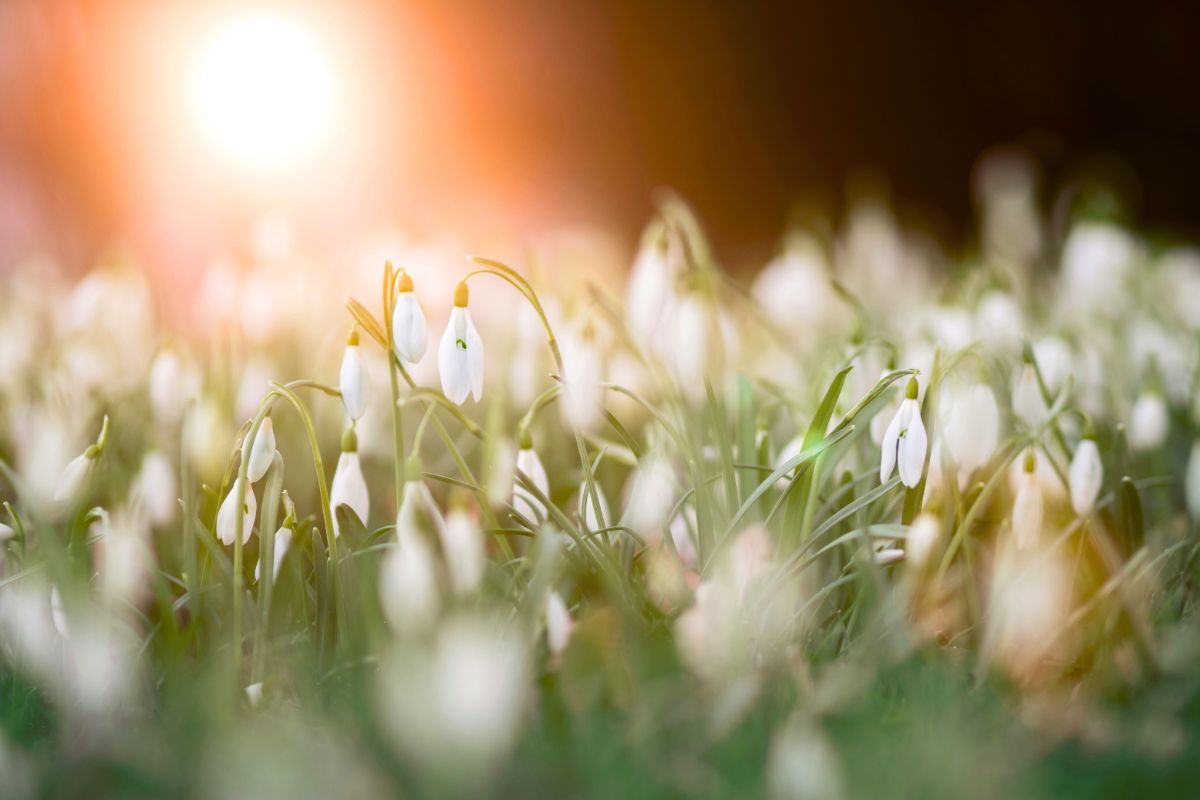
I always look forward to seeing snowdrops. They’re a hopeful sign when winter’s almost over. I love how delicate they are, with a single, bell-shaped white blossom gently hanging from a slim green stem.
They are both pretty and have medicinal properties that can help people with Alzheimer’s disease. Its connection to hope makes it a sweet wedding symbol.
4. Tulips
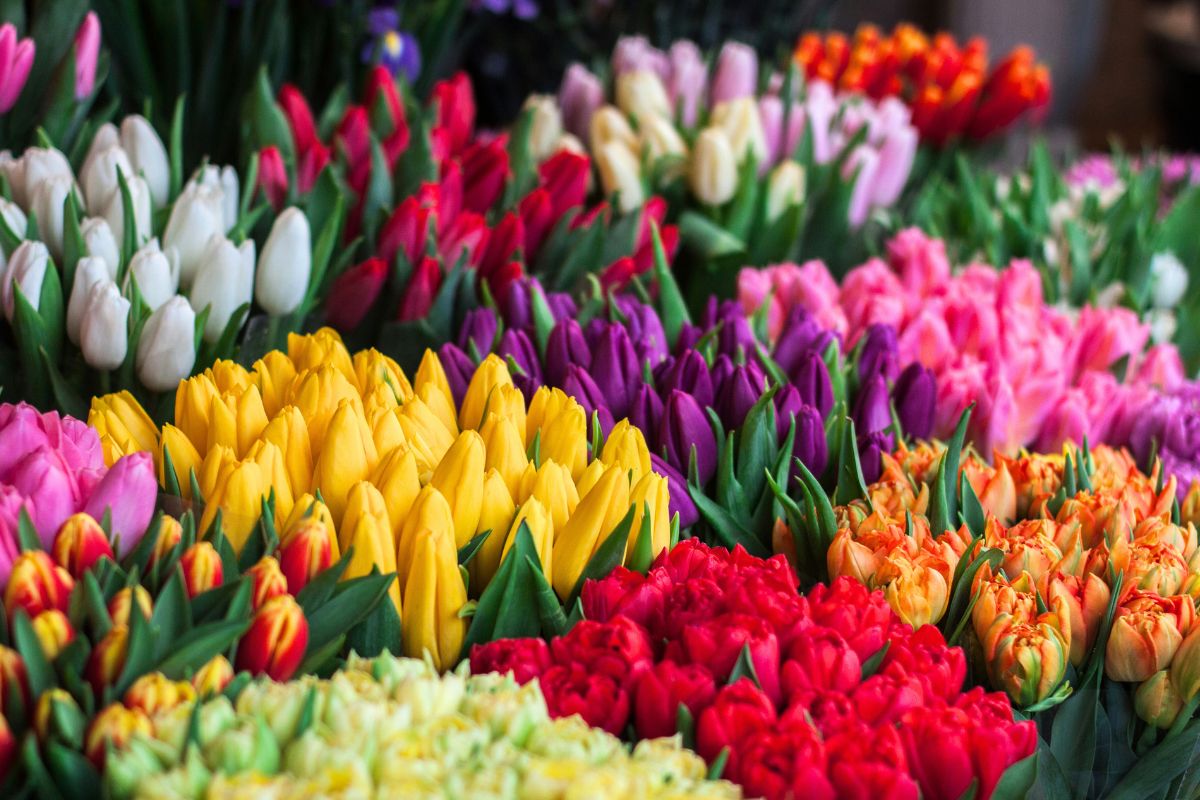
I know many people associate tulips with spring, but I think of them as classic late-winter flowers. I love their clean lines, elegant cup shape, and all the stunning varieties you can find. The good news? They come in unique forms. I’m drawn most to fringed, ruffled parrot and multi-petaled double types. Since tulips come in striking hues, I usually recommend using them as statement blooms rather than fillers.
5. Camellias
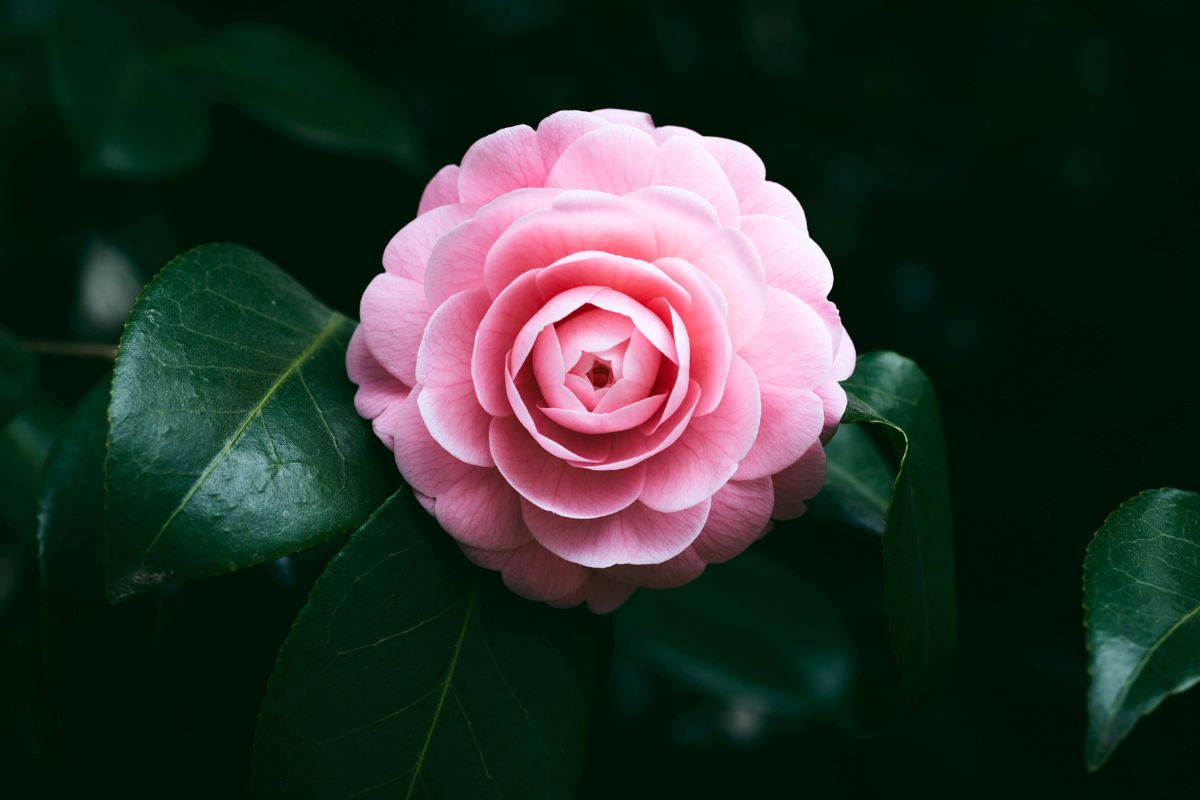
Camellia is a flower of perfect, geometric order and luxurious substance. It's perfectly arranged, waxy petals feel so elegant to me. The way the petals form a symmetrical whorl is gorgeous.
If you’ve ever tried to arrange them, you probably know how tricky they can be. When using Camellias, I suggest floating them in a low bowl of water. It’s a simple look that makes an effortlessly gorgeous centerpiece.
How to Add Seasonal Flowers to a Winter Wedding
A winter wedding is such a great time to move beyond traditional styles and embrace the season’s unique textures and palettes. Here are some of my favorite tips.
Design Centerpieces That Spark Conversation
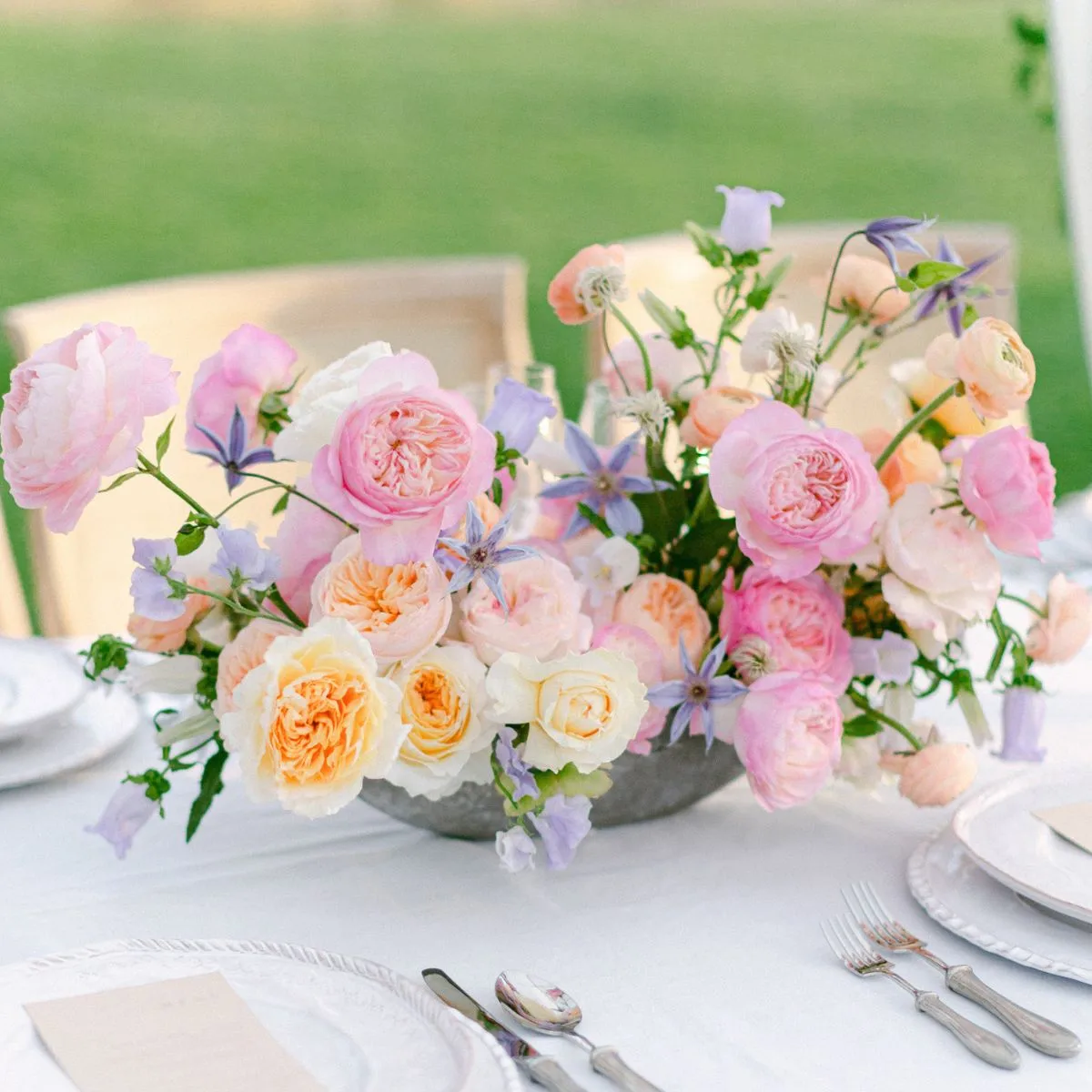
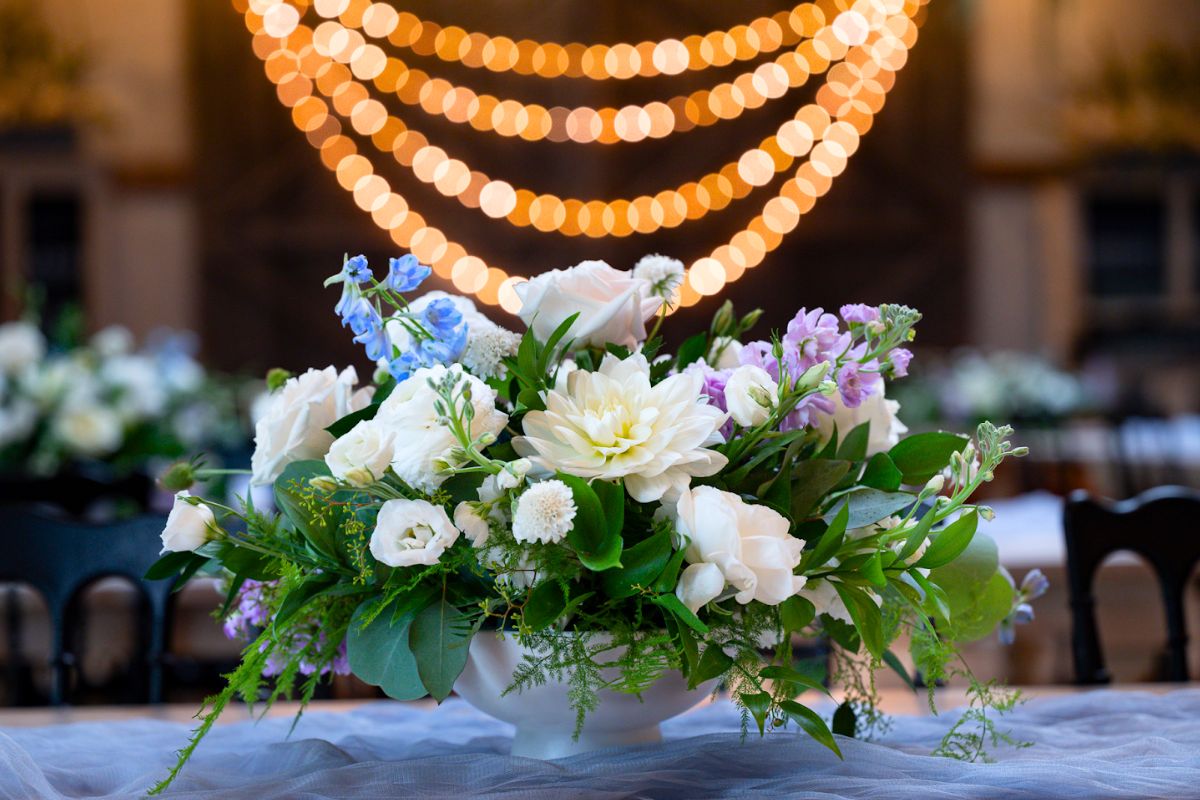
A centerpiece should be an artwork that invites connection and curiosity. Consider mixing large white flowers with accents of delicate light blue and purple flowers to contrast an evening event setting. I also recommend weaving in objects meaningful to the couple, like a collection of unique rocks from their favorite beach trip.
Embrace Textural Contrast
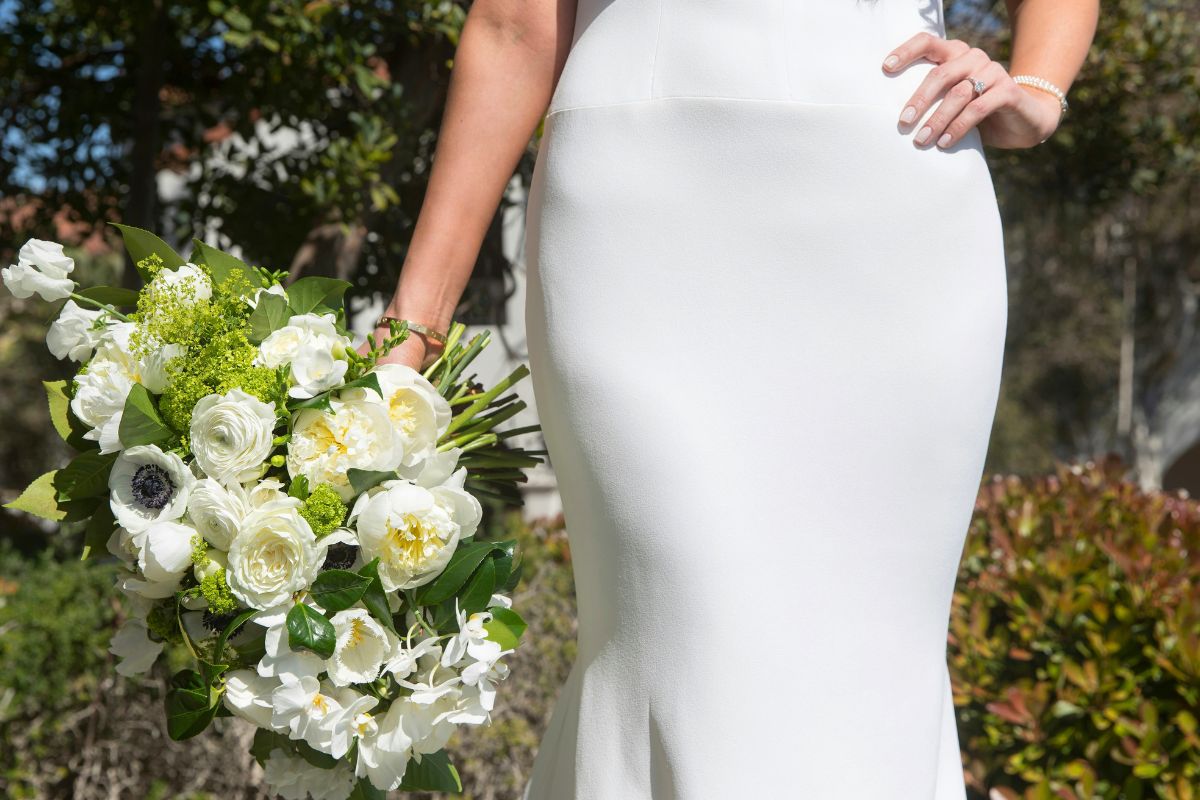
Create a piece that complements the bride’s attire and tells the couple's story. Combine soft, velvety petals of ranunculus with more rustic, hardy elements. I like to weave in silvery dusty miller, brunia berries, or dried lunaria pods to create a winter landscape. Finish with either velvet or silk ribbon.
Create a Grand Wedding Aisle
I like creating an illusion of a wild winter garden by building low, lush arrangements that line the base of aisle chairs. Emphasize upward-reaching gestures using a base of winter elements like pine and cedar, then weave in seasonal flowers like white roses and Cymbidium orchids.
Add Charm With Wearable Winter Florals
I treat boutonnières and corsages as little versions of the bride’s bouquet, using some of the same elements but in a simpler, more playful way. For a minimalist look, use a single interesting element from the bridal bouquet. A sprig of rosemary with a hellebore or a cluster of brunia berries can be more impactful than a rose.
Balance the Colors
A winter wedding isn’t just about mixing whites, greens, and reds. You must balance the colors to ensure your arrangements feel intentional rather than overwhelming. To prevent an all-white look from looking flat, combine large, open petals of white roses, the ruffled layers of ranunculus, and the delicate spray of baby’s breath (Gypsophila). Introduce a 'bridge' color – a muted tone like beige – that can connect the light and dark shades.
Make Your Winter Arrangements Shine
Winter is a time of surprising abundance. Whenever I start to feel overwhelmed, I remind myself to keep it simple by prioritizing texture, variety, and balance. These tips have kept the magic alive in every winter wedding I’ve planned, and I hope they help you bring your vision to life, too.