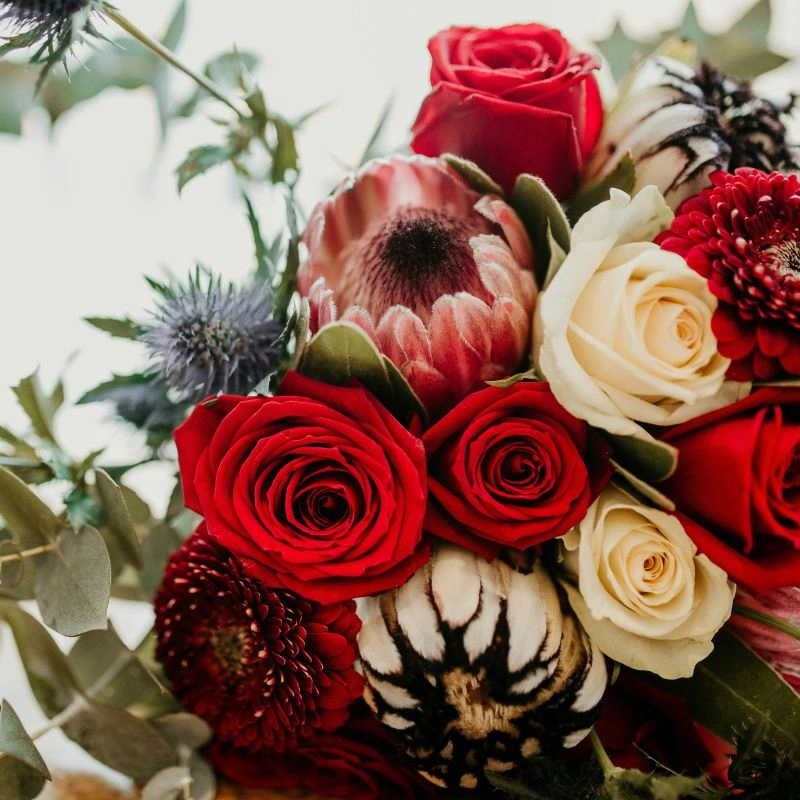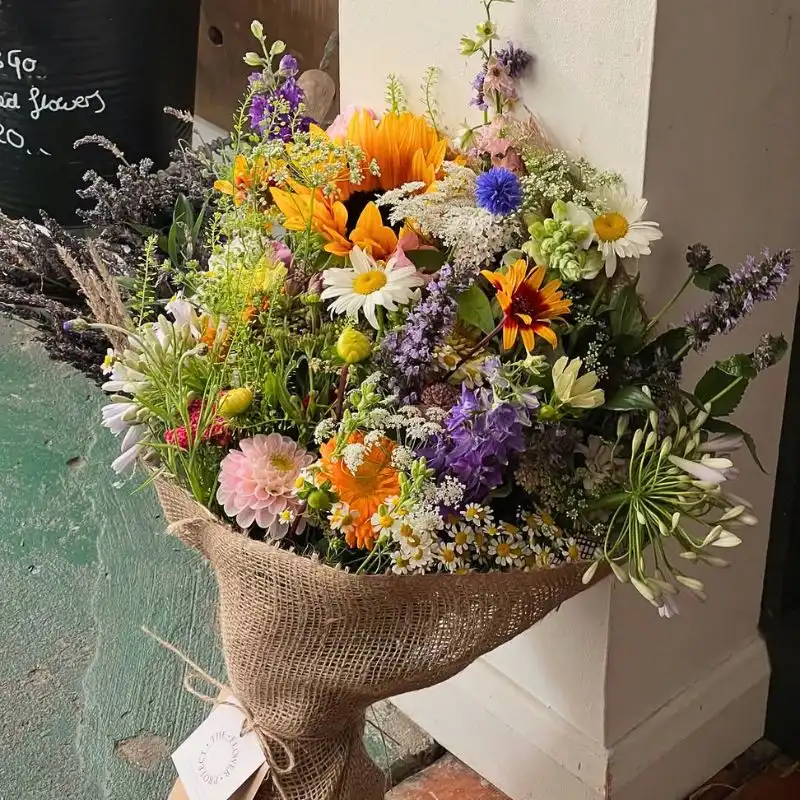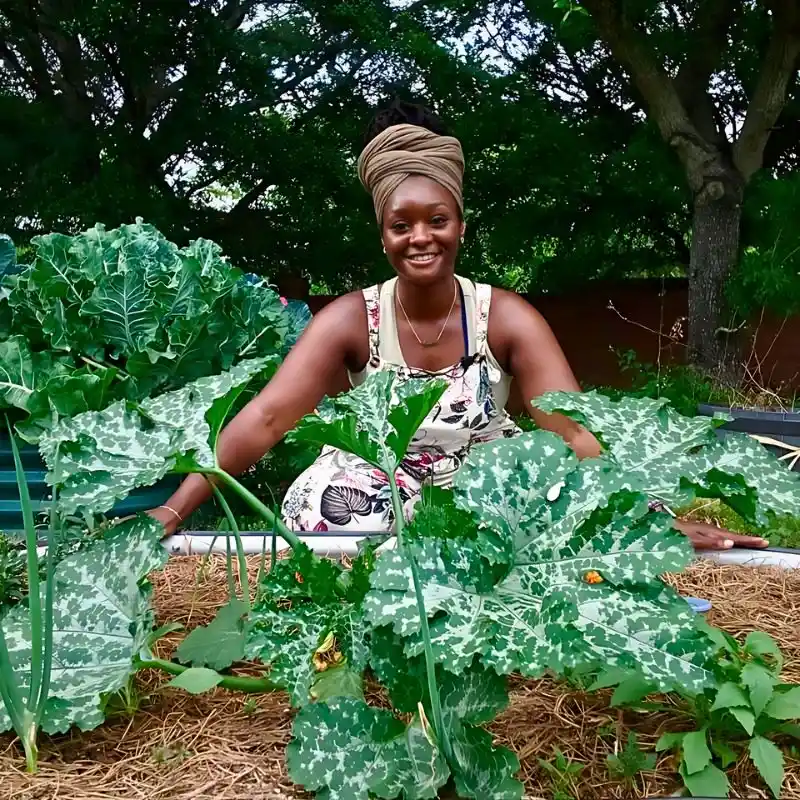
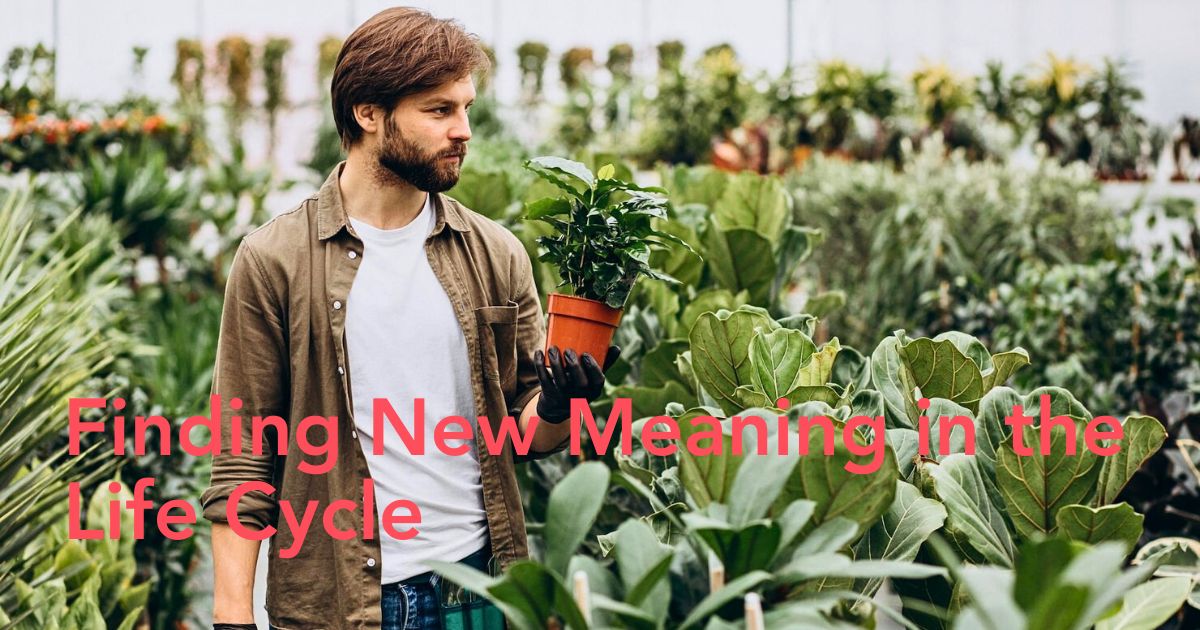
Two of the most unexpected industries are quietly growing in the same direction, and the parallel is hard to ignore once you see it. Eco-floriculture, the movement pushing the flower industry toward sustainable farming, ethical sourcing, and circular supply chains, is sharing a cultural moment with the booming second-hand lingerie and intimate apparel market.
Both are rooted in the same consumer shift: people are buying more consciously, valuing what already exists, and finding new meaning in the life cycle of beautiful things.
For the floral community, this intersection opens a genuinely interesting conversation. If we celebrate the sustainable rose grown without synthetic pesticides, the locally sourced peony, and the grower who invested in drip irrigation to protect a watershed, then it follows naturally that we also celebrate the woman who treats her wardrobe the way a good florist treats her supply chain: deliberately, thoughtfully, and with an eye toward what lasts.
The Environmental Cost of Fast Fashion and Fast Flowers
To understand why these two worlds belong in the same conversation, you need to understand the environmental pressure both industries are responding to.
The fashion industry produces an estimated 92 million tons of textile waste every year, and the lingerie and intimate apparel category is among the most difficult to recycle because of its blend of fabrics, elastic, and mixed materials. Most of it ends up in landfills.
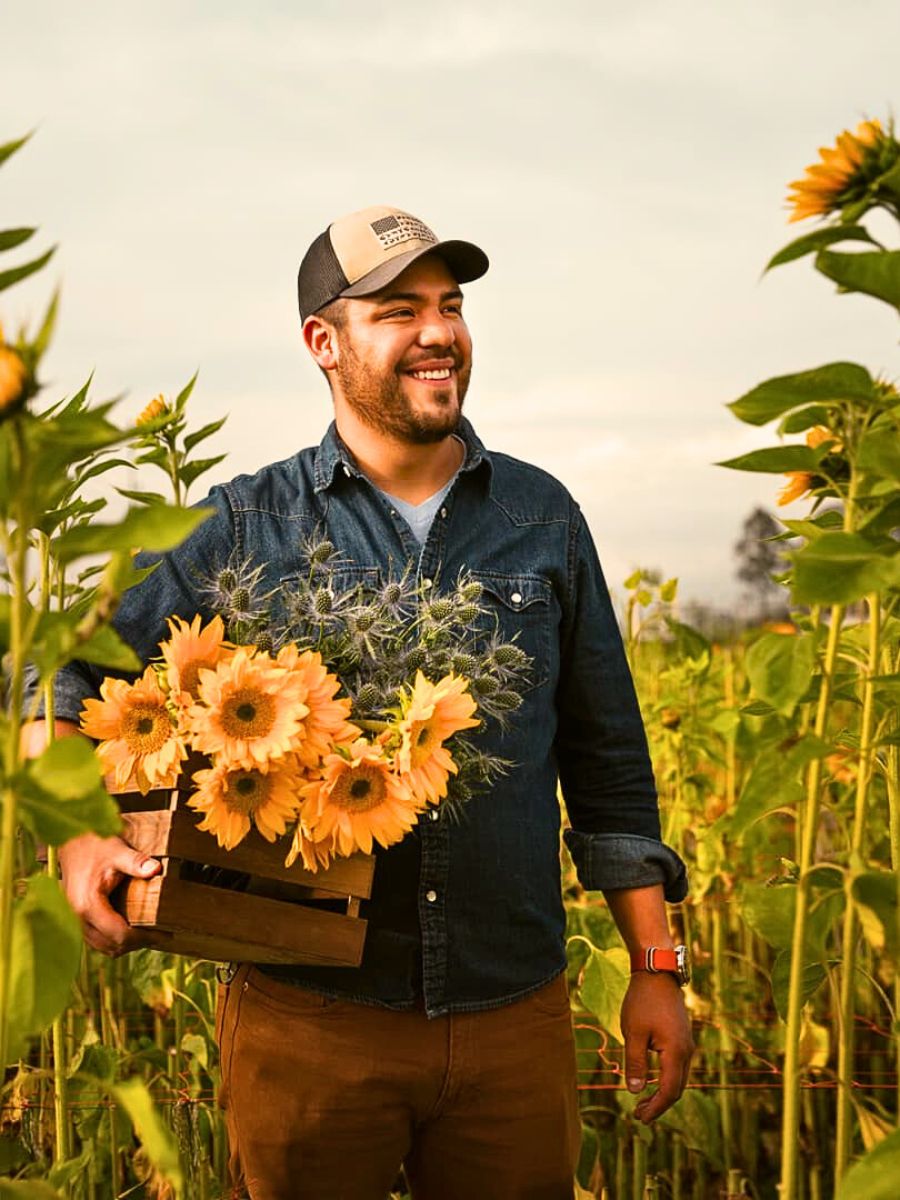
The global second-hand fashion market was estimated at USD 190 billion in 2024 and is expected to grow to USD 521.5 billion by 2034, driven significantly by rising consumer awareness of the environmental costs associated with new clothing production.
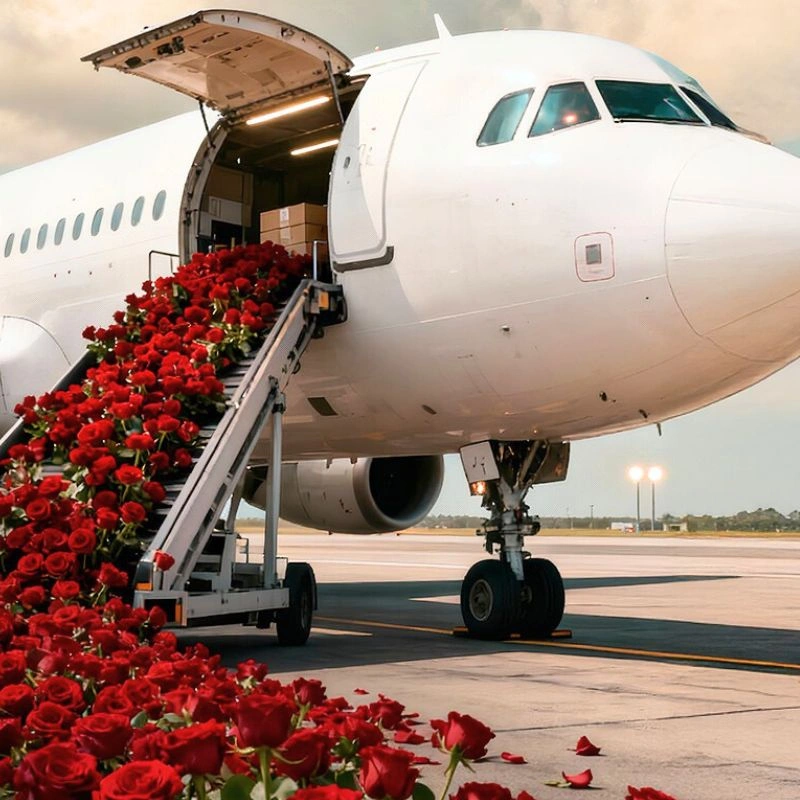
Floriculture faces its own version of this reckoning. Flower cultivation and transportation release significant greenhouse gases, divert water from food crops, and involve extensive pesticide use. A single rose stem may consume between 7 and 13 liters of water during production, and international flower farms in water-scarce regions like Kenya and Ethiopia have measurably overexploited local water sources.
Both industries built their growth on the same unsustainable model: produce more, sell more, discard faster. Both are now being pushed, by consumers and by environmental necessity, toward something better.
Eco-Floriculture Is Already Leading the Way
The floral industry has been grappling with its environmental footprint for over a decade, and the progress made by sustainability-conscious growers is real and measurable.
The Floriculture Market grew from USD 42.69 billion in 2023 to USD 45.12 billion in 2024, with organic farming and biodegradable packaging emerging as significant opportunities for market players appealing to environmentally conscious consumers.
Standards like the Floriculture Sustainability Initiative (FSI) and Florverde Sustainable Flowers (FSF) have pushed growers to protect worker rights, reduce chemical inputs, and implement responsible water management. Integrated pest management, companion planting, crop rotation, and LED greenhouse technology have all gained traction as alternatives to the resource-heavy conventional model.
A nationwide survey of more than 2,000 consumers found that about 60% of respondents said they are more likely to purchase from environmentally responsible florists, and roughly half would pay at least 10% more for flowers with attributes such as local origin or compostable green waste streams.
This is the consumer signal that changes industries. When people vote with their wallets for sustainability, markets adapt. The exact same signal is now reshaping what people buy, wear, and sell in the intimate apparel space.
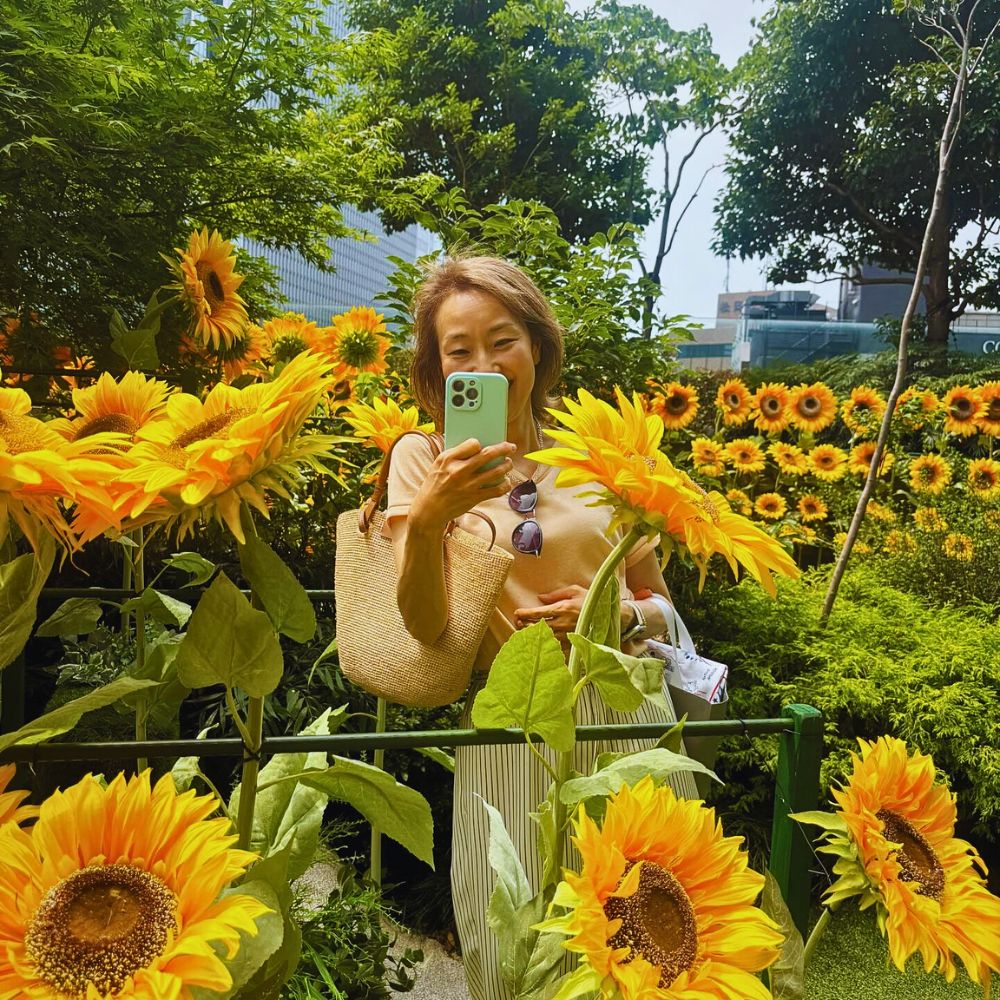
The Second-Hand Lingerie Market Is Having Its Moment
Intimate apparel was one of the last fashion categories to move into resale, largely because of cultural stigma and hygiene perceptions. That hesitation is fading. The secondhand apparel market is projected to reach USD 154.3 billion by 2036, growing at a compound annual growth rate of 11.1%, with digital platforms that facilitate peer-to-peer transactions driving a significant acceleration beyond conventional thrift store models.
Within that broader resale boom, lingerie and underwear have carved out a distinct and growing niche. The motivations behind buying second-hand intimate apparel overlap with those driving sustainable floriculture choices: environmental responsibility, rejection of disposable consumption culture, and a genuine appreciation for quality over volume. Gen Z, in particular, is a key demographic for secondhand fashion, with over 80% expressing interest in renting or buying used clothing, driven substantially by sustainability values and environmental concern.
The lingerie market itself is enormous and still expanding. The global lingerie market was estimated at USD 94.63 billion in 2024 and is projected to reach USD 165.69 billion by 2033, driven by rising body positivity and inclusivity trends, e-commerce growth, and social media marketing that has accelerated both premiumization and global adoption. A meaningful slice of that market is moving toward pre-owned and resale channels as the cultural comfort level rises.
Selling as a Side Hustle: The Circular Economy Meets Personal Finance
One of the most interesting dimensions of this shift is that it has created genuine income opportunities for individuals, not just resale platforms and large retailers. The circular fashion economy is not just changing how people shop; it is changing how people earn.
Women across demographics are discovering that well-maintained, quality intimate apparel holds real resale value. The same ethos that drives sustainable floriculture growers, care, quality, and conscious production, applies directly to how sellers in this space approach their inventory. Items that were purchased thoughtfully, stored well, and presented carefully command better prices and attract more buyers.
Platforms dedicated to this niche have made the process structured and accessible. SofiaGray is one of the leading marketplaces in this space, offering individuals a safe, organized environment to sell used panties and other intimate apparel items to verified buyers.
The platform has built a significant community around this category, with clear guidelines, seller support, and a buyer base that spans collectors, fetish communities, and individuals who simply prefer pre-owned items for environmental or personal reasons.
What makes this model genuinely circular economy in nature is that it keeps garments in use longer, reduces the demand for new production, and creates value from items that would otherwise be discarded.
This is precisely the logic that drives sustainable floriculture: extend the useful life of what already exists, reduce waste at every point in the chain, and find value in what conventional systems throw away.
The Aesthetic Connection: Florals and Intimate Apparel Have Always Spoken the Same Language
Beyond the sustainability parallel, there is a visual and cultural language that floriculture and intimate apparel have always shared. Lace has always echoed the delicate veining of petals. Rose-printed silk, lavender-dyed cotton, and jasmine-white bridal sets are not coincidences; they are evidence of how deeply floral imagery is woven into the way we think about femininity, sensuality, and personal adornment. Here you can read more about: Creating a Floral Dress for a Fashion Show
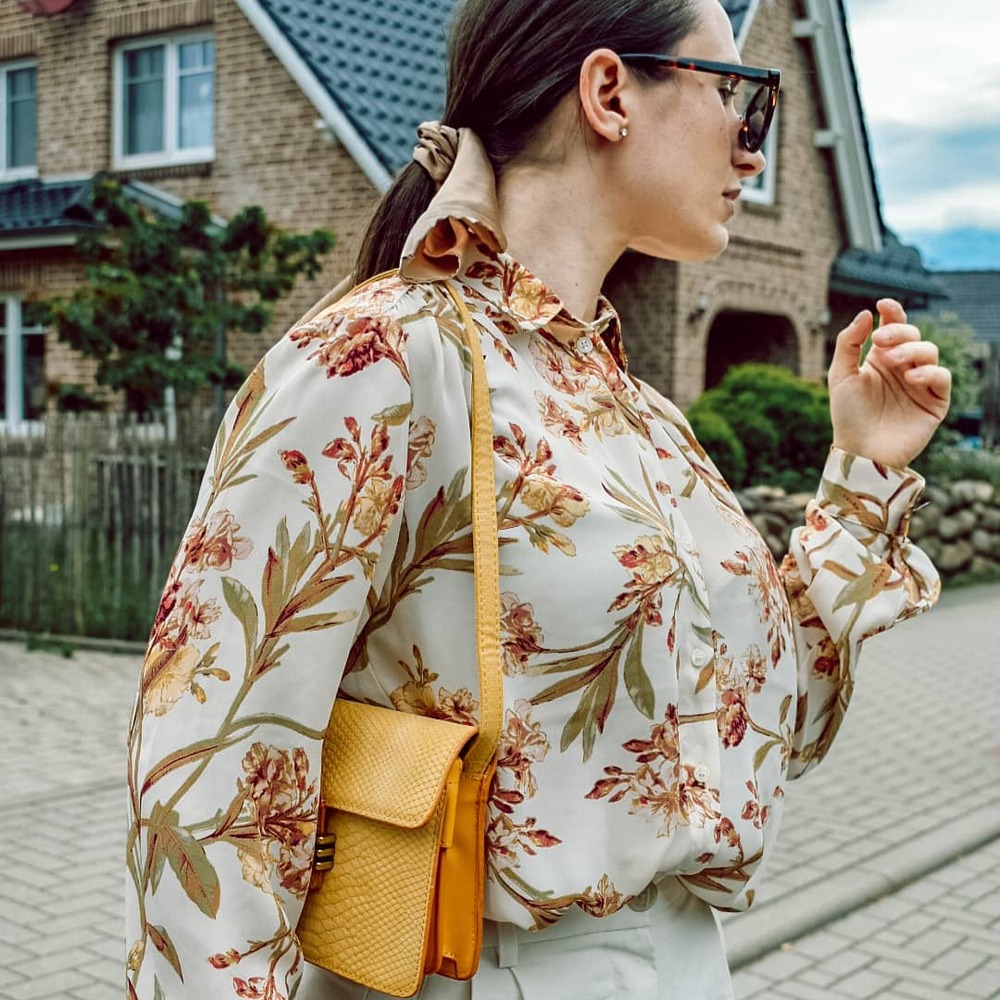
This aesthetic alignment is now playing out in the resale and personal content marketplace. Sellers on platforms like Sofia Gray who photograph their items with rose petals, dried botanicals, pampas grass, or fresh blooms consistently outperform those using plain or sterile backgrounds. The floral industry, in its visual abundance, has become one of the most powerful styling tools available to anyone building a personal brand around intimate items and aesthetic content.
For florists, growers, and floral designers reading this, that is not a trivial observation. The visual language you work in daily has market value well beyond the arrangements themselves. The botanical aesthetic you cultivate is being borrowed, celebrated, and monetized by a growing community of creators and sellers who understand that beautiful staging is its own kind of craft.
What Both Movements Are Really About
Strip away the specifics of cut flowers and lingerie, and what you find underneath is the same cultural movement: a rejection of the throwaway economy and a return to intentionality.
Eco-floriculture says: these flowers were grown carefully, by people paid fairly, using water responsibly, and they are worth more because of it. The second-hand intimate apparel market says: this item already exists, it is beautiful, and sending it to a landfill is wasteful when someone else would treasure it.
Both positions require the consumer, the grower, and the seller to slow down and think about the full life of a thing. What was it made from? Who made it? How long can it last? Who else might want it when I am done?
These are the questions that sustainable businesses, whether they grow peonies in Kenya or list vintage lingerie on Sofia Gray, are asking more loudly with every passing season. And the market, increasingly, is answering.
A Practical Note for the Floral Community
If you are a florist, grower, or floral content creator looking at this intersection with curiosity, here is the practical takeaway: your aesthetic expertise has crossover value that you may not have fully explored.
Your knowledge of how to style botanicals, how to create visual warmth with natural materials, and how to make organic textures feel luxurious translates directly into content creation, product photography, and personal branding in adjacent markets. The skills that make a floral arrangement sell also make a resale listing stand out.
The sustainable economy rewards crossover thinking. Just as a floriculture grower who pivots to regenerative farming finds new markets and higher margins, a creative professional who applies their floral styling instincts to the booming resale and content creator economy may find surprising and rewarding opportunities waiting.
The bloom economy, in both its traditional and emerging forms, rewards those who understand that beauty, sustainability, and smart economics are not competing values. They are, when done right, the same thing.