If you're considering making your flower business more eco-friendly but are unsure about the costs and risks, that’s normal. Many florists want to reduce waste, use safer materials, and work more responsibly. But almost everyone worries that such changes may be too expensive.
In reality, eco-friendly floristry can be affordable and even profitable. The main point is to move step by step. You don’t need to change everything at once. You can start with small actions, look at the results, and see how they affect your budget. When you feel more confident, you can do more.
This article explains each stage in detail. It will help you understand the process, avoid unnecessary mistakes, and make decisions that support your business.
You can find more floral inspiration here: A Guide to Sustainable Floristry
What Eco-Friendly Floristry Is
Eco-friendly floristry is a more mindful approach to work that helps reduce environmental impact while still allowing you to earn money. The core is based on very simple principles:
- You choose materials that can be reused, recycled, or simply composted.
- You try to use less plastic, move away from floral foam, and pay attention to where the flowers come from.
- If you have the option to choose local varieties, prefer them to long-distance imports.
- You also look at everyday processes — water use, how the cooling systems work, packaging, and where your waste goes.
In the United States, the flower market still depends heavily on supplies from other countries. According to the U.S. Department of Agriculture statistics, about 80% of cut flowers sold in the U.S. are imported. The main suppliers are Colombia, Ecuador, and the Netherlands. Such long-distance transportation takes a lot of time, requires chemical treatment to keep flowers fresh, and creates a high carbon footprint. There is also a growing risk that part of the shipment may spoil in transit. An eco-friendly approach suggests replacing some of these imports with locally grown flowers.
It is important to understand that eco-friendly floristry is not a sudden shift or a strict rule. No one expects you to give up all traditional materials. The idea is different: if there is a safer and more convenient alternative that works for your budget and does not interfere with your business, you can try it.
What Falls Under Sustainable Floristry Practices
Sometimes it is hard to understand exactly what underlies sustainable practices in floristry. To make it easier, here are simple, real examples. Many florists in the United States already use them every day. These steps can be introduced gradually, without any risk to your business.
Foam-Free Design Methods
Today, many florists are moving away from floral foam because it contains chemicals that eventually turn into microplastics. It does not break down and remains in the environment. Studies by environmental organizations confirm that this foam releases small particles that enter water and soil. Because of this, more and more florists are seeking alternatives to foam and replacing it with safer options. Among them are:
- Reusable metal flower frogs
- Wire mesh that can be shaped to fit the container
- Natural moss or coconut fiber
- Durable reusable plastic grids that hold stems without foam
Compostable and Reusable Packaging
Plastic bouquet sleeves, shiny ribbons, and synthetic wrapping generate significant unnecessary waste. Because of this, more and more florists are switching to materials that are easier on the environment. Among these options are:
- Kraft paper
- Recycled paper
- Biodegradable wraps made from plant fibers
- Reusable glass vases
Florists who have already switched to kraft paper report that customers respond very positively to it. People like the clean and simple look of this packaging, and it also matters that they can recycle it at home. Many clients choose these options to avoid unnecessary waste.

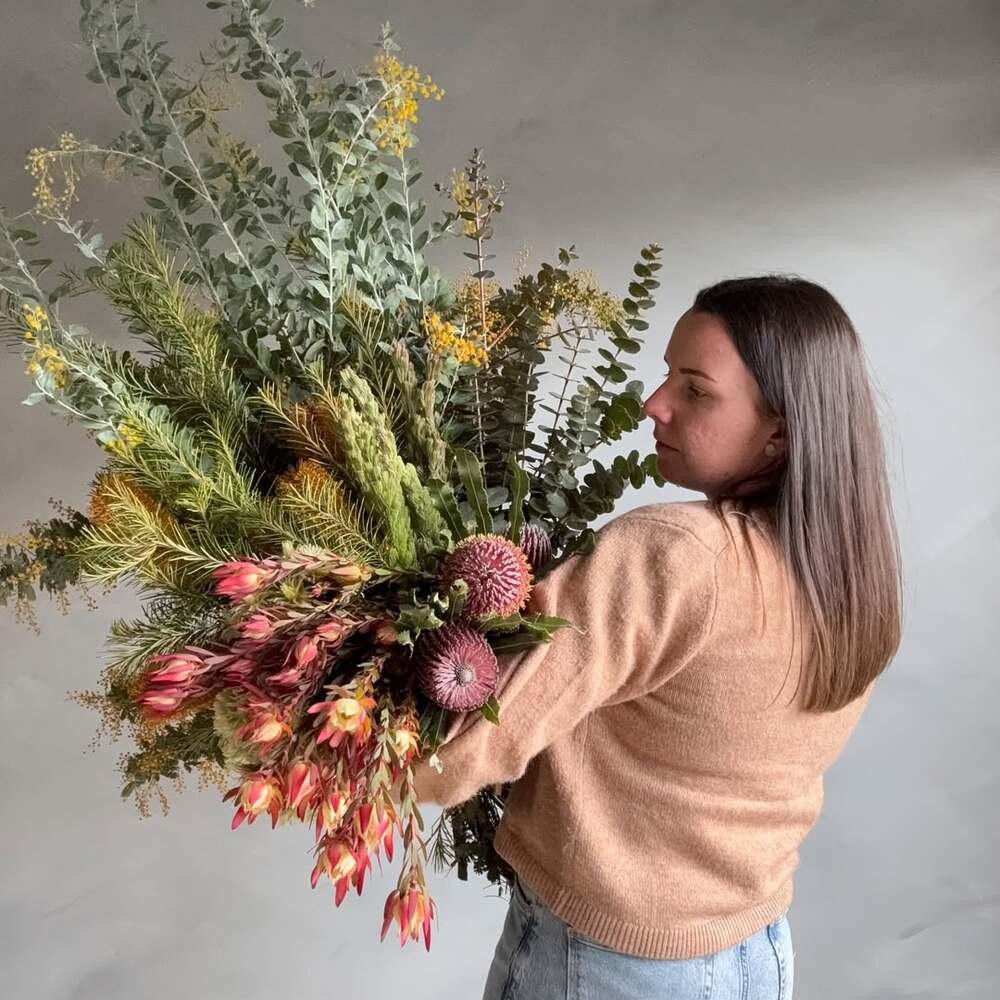
Locally Grown and Seasonal Flowers
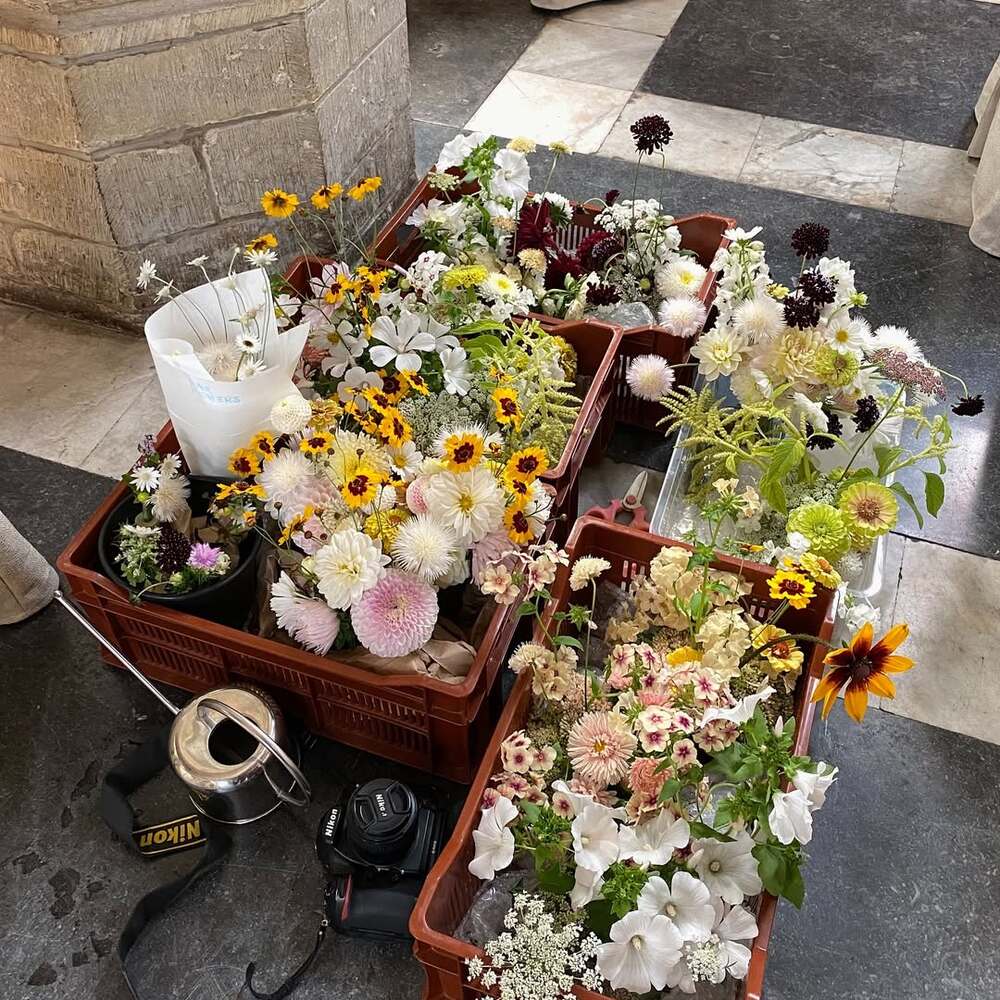
The distance a flower travels to the shop affects its price, freshness, and environmental impact. If you buy flowers from local farmers, you gain many advantages.
- Fewer emissions because the flowers do not need to be transported from far away
- Bouquets stay fresh longer for customers
- You support local growers and the local economy
- You get a unique seasonal selection that large import suppliers do not offer
The modern consumer is keen on sustainably produced flowers and plants, which is why more than 60% of buyers are even willing to pay a little more if they know the flowers were responsibly grown in their region.
Waste Reduction in Daily Operations
Waste often becomes a noticeable hidden expense, but even simple steps can reduce costs. Composting, sorting stems, cutting back on unnecessary orders, and drying leftover flowers for crafts help reduce trash. Many florists work with local composting companies, city recycling programs, or community gardens. Such partnerships usually cost little or nothing.
In some cities, small grants are available for purchasing composting equipment. You can learn about them at your local Department of Sanitation or Department of Environmental Protection — they can tell you whether this support is available in your area.

Why Customers Choose Sustainable Florists
Today, more and more people pay attention to how responsibly a flower shop operates. For this reason, many choose businesses that follow sustainable principles. And there are several clear reasons for this:
- Interest in ecology has grown significantly. Over the past five years, people have been actively thinking about how their purchases affect the environment. Young people and middle-aged families are especially active in this. Many try to reduce the amount of plastic they use and support companies that follow eco-friendly principles.
- Demand for local and ethical bouquets is rising. Many customers are willing to pay a little more for flowers that are grown by local farmers and packaged without unnecessary waste. This is especially noticeable during holidays such as Mother’s Day or Valentine’s Day, when people want to choose a high-quality and ethical gift.
- A sustainable approach helps build trust. When customers see that you pay special attention to materials, waste, and supplier selection, they view your shop as more reliable and thoughtful. This strengthens long-term relationships with customers.
- Eco-friendly solutions help you stand out among competitors. Many shops still use floral foam, plastic sleeves, and imported flowers. When you offer more sustainable alternatives, your shop immediately stands out and attracts attention.
- Sustainability plays an important role for corporate clients. Many companies in the United States set ESG goals and choose partners who support these initiatives. For a flower shop, this can open new opportunities — corporate event design, office arrangements, and long-term contracts.
How Eco-Friendly Choices Reduce Waste and Daily Costs
Replacing your usual materials with more eco-friendly ones inevitably affects your daily work. And, as a rule, such changes are positive: there is less waste, and your fixed expenses begin to decrease.
One of the first changes that becomes noticeable almost immediately is the reduction in plastic use. If you reuse vases more often, switch to kraft paper, or stop using floral foam, the need for consumable materials decreases. At first, eco-friendly materials may seem expensive, but they become much more cost-effective over time because they last longer.
The next point is the volume of trash. When part of the organic waste is composted instead of sent to a landfill, the amount of waste hauled away is noticeably reduced. In many cities, waste removal costs are based on the volume of waste. The less trash there is, the lower the monthly bills.
There is another important effect. Flowers from local growers usually arrive much fresher. They last longer, wilt less often, and this means fewer write-offs. Losses due to wilting are among the most significant expense items in flower shops, and reducing them is immediately reflected in the budget.
In addition, switching to local suppliers reduces dependence on international transportation. Imported batches can be delayed at customs, held up by weather, or face logistical problems. In recent years, import costs have increased: fuel has become more expensive, and florists are also under pressure from rising flower prices due to tariffs. Working with local farms helps avoid these risks and ensures stable deliveries.
New Revenue Opportunities for Sustainable Florists
Eco-friendly floristry is not only an opportunity to reduce expenses. It helps grow the business and opens new ways to earn money.
If you create a collection of foam-free bouquets or work only with local flowers, such bouquets can be sold at a higher price. Customers understand that eco-friendly solutions require more attention and effort, so they are willing to pay a bit more for them. Often, these arrangements become your premium line.
You can also develop subscription formats. Many customers want to receive regular deliveries of eco-friendly bouquets. A subscription offers them this opportunity, and gives you a stable income every month and confidence in your cash flow.
The corporate segment is another promising direction. More and more American companies are incorporating sustainability into their ESG goals and choosing partners who support this approach. If you can show that you work in an eco-friendly way, you are more likely to be invited to design offices, business events, and large corporate projects.
Workshops can also become an additional source of income. You can teach clients how to create foam-free arrangements, care for local flowers, or reuse vases. These sessions are often popular, especially during holiday seasons.
In addition, you can sell reusable vases, containers, and accessories. People value practical, durable items that help reduce waste in everyday life.
Financial Planning for Implementation
Financial planning helps you switch to sustainable floristry safely. Break the process into clear stages.
Calculate Initial Investments
Before switching to more sustainable materials and approaches, it’s important to understand the cost. The simplest step is to write down all possible expenses.
Usually, the list includes:
- Eco-friendly materials
- Staff training
- New tools or additional storage space
- Composting containers
- Updates to the website and marketing materials
- Work with local suppliers
- Test batches of new designs
When the list is ready, add all the amounts together. This will give you a clear idea of what initial investments you will need.
Estimate the Payback Period
When you already know how much you need to invest, it’s important to understand when these investments will pay off. Calculating this is simple:
Payback period = total investments ÷ annual additional profit
To calculate this additional profit, you need to evaluate a few points:
- How much can you increase the price of eco-friendly bouquets, and how much would that bring in over a year?
- How much money will you save thanks to a smaller amount of waste?
- How many bouquets can you realistically sell?
For most florists, the payback period is between one and three years. These are realistic numbers because customers respond well to an eco-friendly approach and are willing to support such solutions.
Manage Cash Flow During the Transition
Managing cash flow is one of the most common problems for small businesses. To keep the situation under control, it’s important to move gradually and avoid making sharp changes.
Start introducing eco-friendly products one category at a time. Do not remove traditional materials right away — keep them available until you see that the new line is performing steadily. Monitor sales daily or weekly to identify which products sell well and which may need adjustments.
Discuss payment terms with suppliers. Sometimes they are willing to offer more flexible deadlines, and this helps keep more free funds on hand. Try not to touch your reserve fund — it is needed for unexpected situations and slow sales periods.
Use budgeting tools. For example, YNAB (You Need A Budget) helps track cash flow and plan expenses in advance. This approach reduces stress and gives a clearer understanding of what is happening with your finances.

Use Government or Local Support
In many states and cities across the United States, there are programs and funding options for short-term cash needs that help businesses working toward sustainable development and are in urgent need of funds. Before making changes, it is worth checking which options are available in your region. Here are some of the useful resources:
- Regional Small Business Development Centers (SBDC)
- Local economic development offices
- U.S. Department of Agriculture programs that support local farmers
- City recycling and composting initiatives
- SBA grants that help upgrade equipment and increase energy efficiency
How to Keep Operations Efficient During the Switch
When you transform floristry through eco-friendly practices, it is important to maintain order and clear organization. This will allow you to transform your operations without mistakes.
- Figure out your supplies. Talk to local farmers and ask them questions: which flowers they can supply, what seasonal limitations exist, and how often deliveries can be made. This gives you an understanding of the situation and helps you avoid material shortages.
- Reconsider the order placement process. If you begin working with local suppliers, keep in mind that you will now have to order more often, in smaller batches. This reduces waste but requires more precise planning.
- Train your employees in new techniques in advance. It is important to introduce employees to eco-friendly approaches in floristry beforehand, since many are used to working with foam and cannot imagine the process without it. But with a bit of practice, this no longer seems like something new or difficult. The calmer and clearer the training goes, the faster the team will adapt.
- Track the amount of waste every week. Even a 10–15% reduction already noticeably increases profits.
- Do not forget about customers. Tell your clients that you support eco-friendly consumption. For example, you can write on your social media: “This month we are switching to compostable packaging.” This helps attract attention and lets clients understand what is happening and why you are making changes.
- Keep internal records. Note expenses, materials, and results. This gives you a clear picture and helps you make more confident, well-grounded decisions.

How to Measure Results and Adjust the Strategy
To understand how well sustainable practices work in your shop, it is important to measure KPIs. Numbers give an honest picture and help you notice in time what needs improvement.
Watch the following metrics:
- Sales of eco-friendly and regular products
- The average price of a bouquet in each category
- The cost of materials
- The volume of waste
- Customer reviews and comments
- The number of repeat purchases
- Changes in profit margin
If the indicators are growing, it means you are moving in the right direction. If there is no progress, the strategy should be reconsidered. Sometimes it is enough to adjust prices, update the supplier list, or improve customer relations for the situation to improve.
Common Mistakes Florists Should Avoid
When switching to sustainable practices, it is easy to make mistakes that slow down the process or lead to unnecessary expenses. Here are several points to keep in mind.
- Do not switch to the new system too quickly. First, make sure there is demand for it.
- Do not expect that customers will pay more on their own. They need to understand why the eco-friendly product costs more.
- Do not skip staff training. New methods require skills and time.
- Do not buy large batches of eco-materials until you have checked their quality.
- Do not forget to track expenses. Without monitoring, you can miss important changes.
- Consider the seasonality of local flowers to avoid supply shortages.
- Do not offer only expensive options. Customers should have a choice, including a more affordable, eco-friendly line.