If you ever walked into a plant shop and felt oddly drawn to a trailing vine with thick, cupped leaves that seemed to gleam under the light, there is a good chance you were looking at the Hoya Chelsea plant. This charming cultivar of the Hoya carnosa is winning over plant lovers for very good reasons.
The Hoya Chelsea plant has a quiet appeal that sneaks up on you. Its heart-shaped leaves look like little green saucers catching light, and its arching vines give the place a soft, relaxed feel. Plus, it is low-maintenance, beautiful in all facets, and has a way of making a space feel a little more alive. Here is everything you need to know about it.
What Is the Hoya Chelsea Plant?
The Chelsea Hoya plant is, as you know already, a cultivar of Hoya carnosa, one of the most widely grown species in the Hoya genus. Officially known as Hoya carnosa 'Chelsea' (or Hoya carnosa ‘Chelsea' wax plant), this plant belongs to the Apocynaceae family and originates from East Asia and Australia, where hoyas naturally grow as epiphytes, climbing and trailing through trees in humid, warm environments.
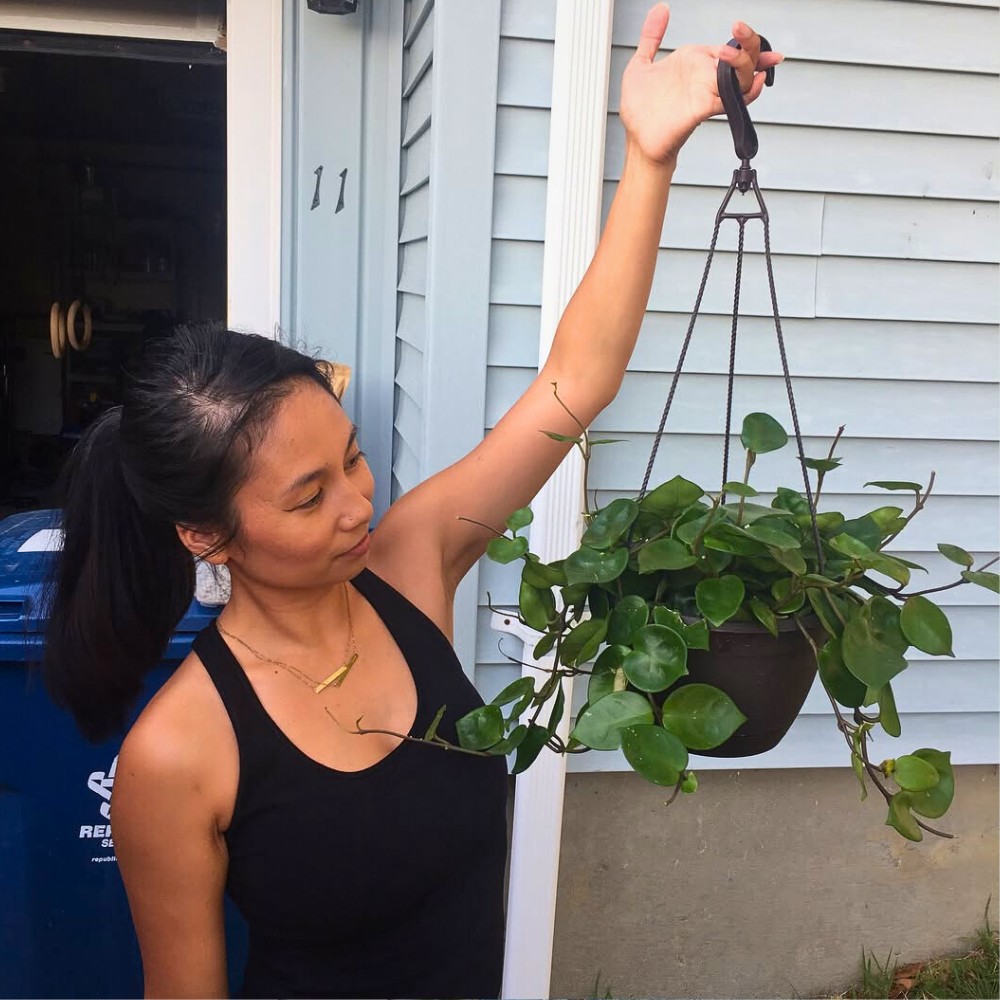
It shares the same easy-going nature as classic Hoya carnosa, but its leaves are shorter, thicker, and much more deeply cupped, giving the plant a dense, plush look on the vine. You will often see it sold under several names, like Chelsea Hoya plant, Chelsea wax vine, Hoya Chelsea, Chelsea Hoya, or Hoya carnosa ‘Chelsea.’ All of these refer to the same trailing houseplant.
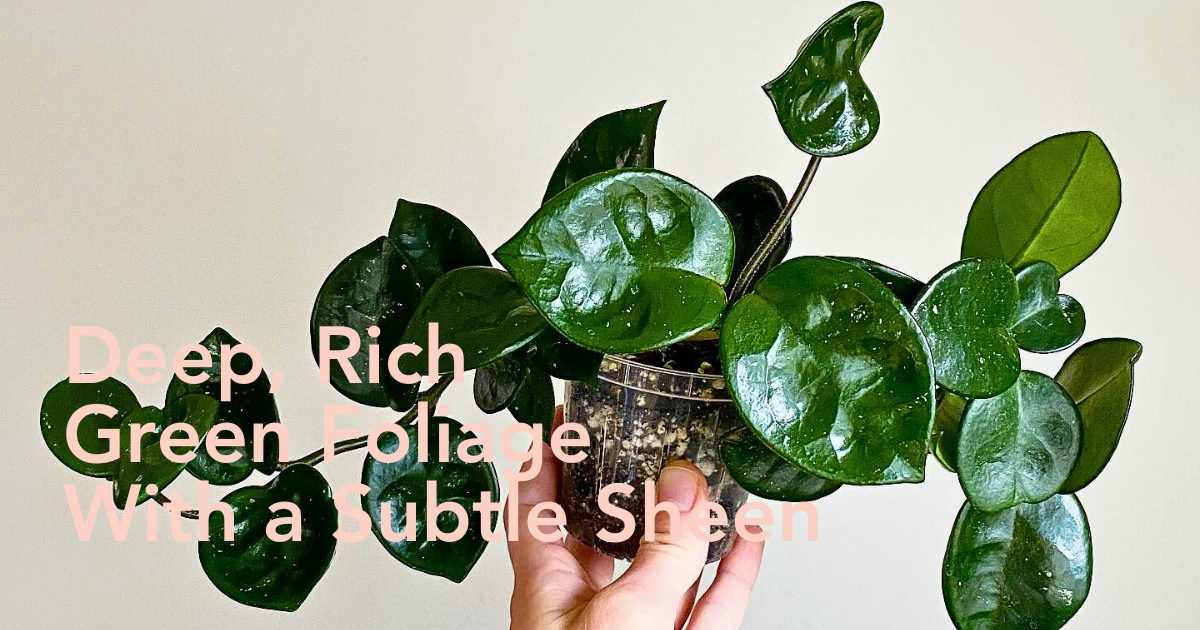
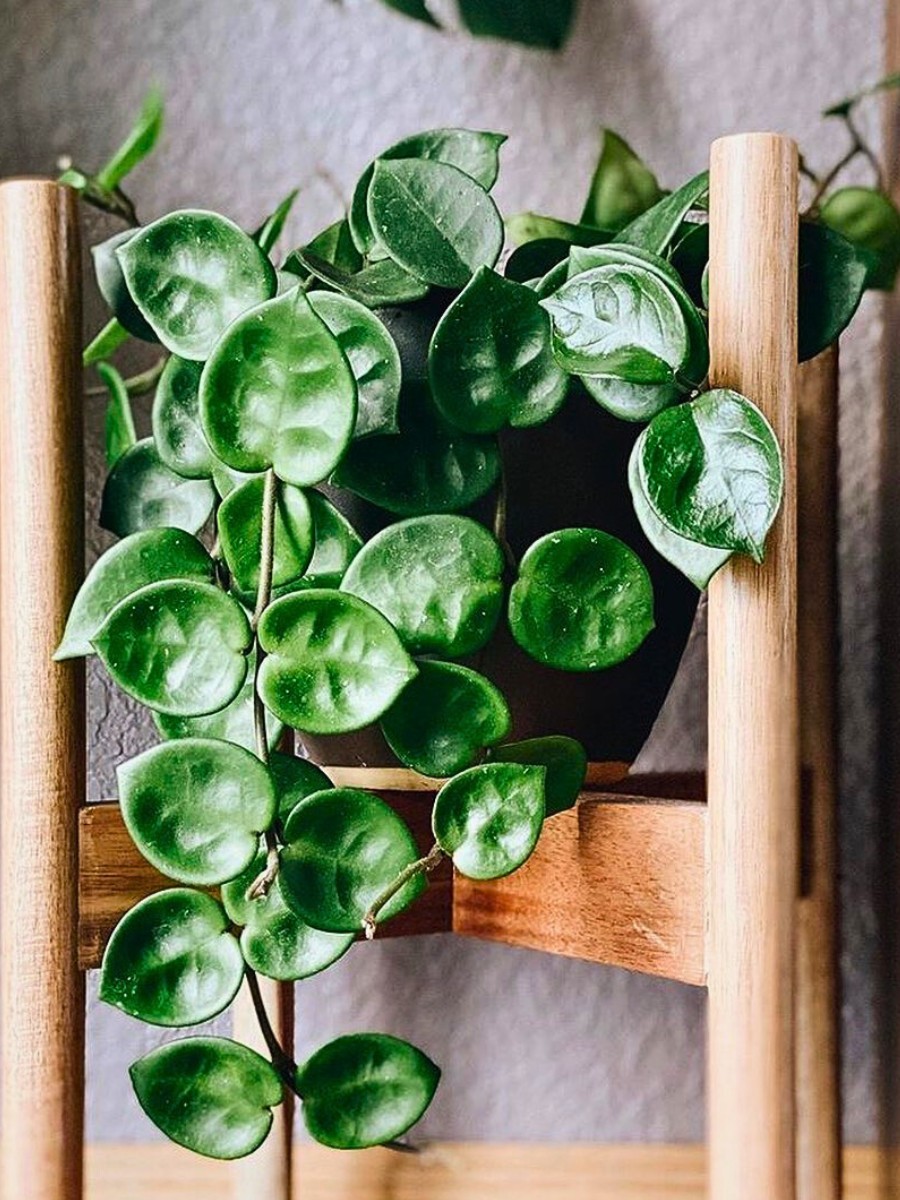
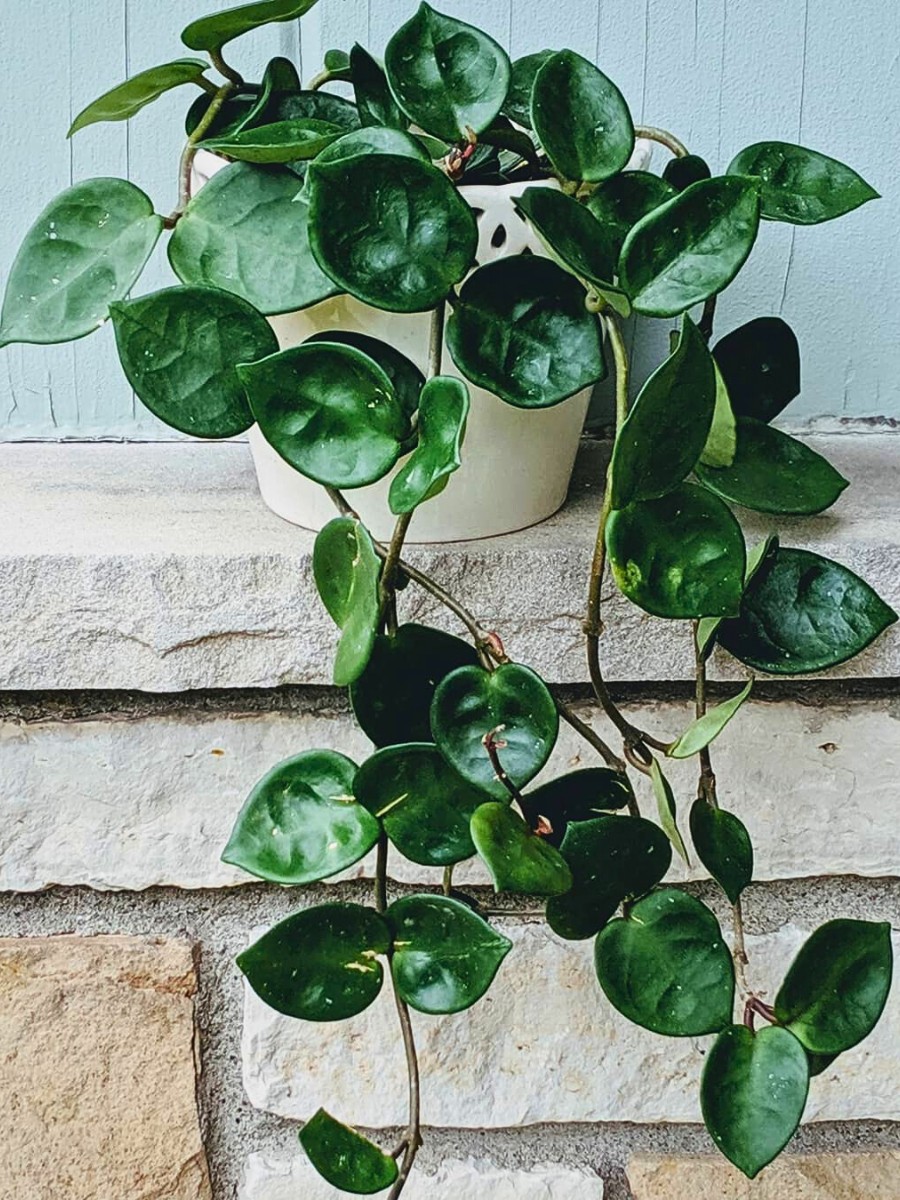
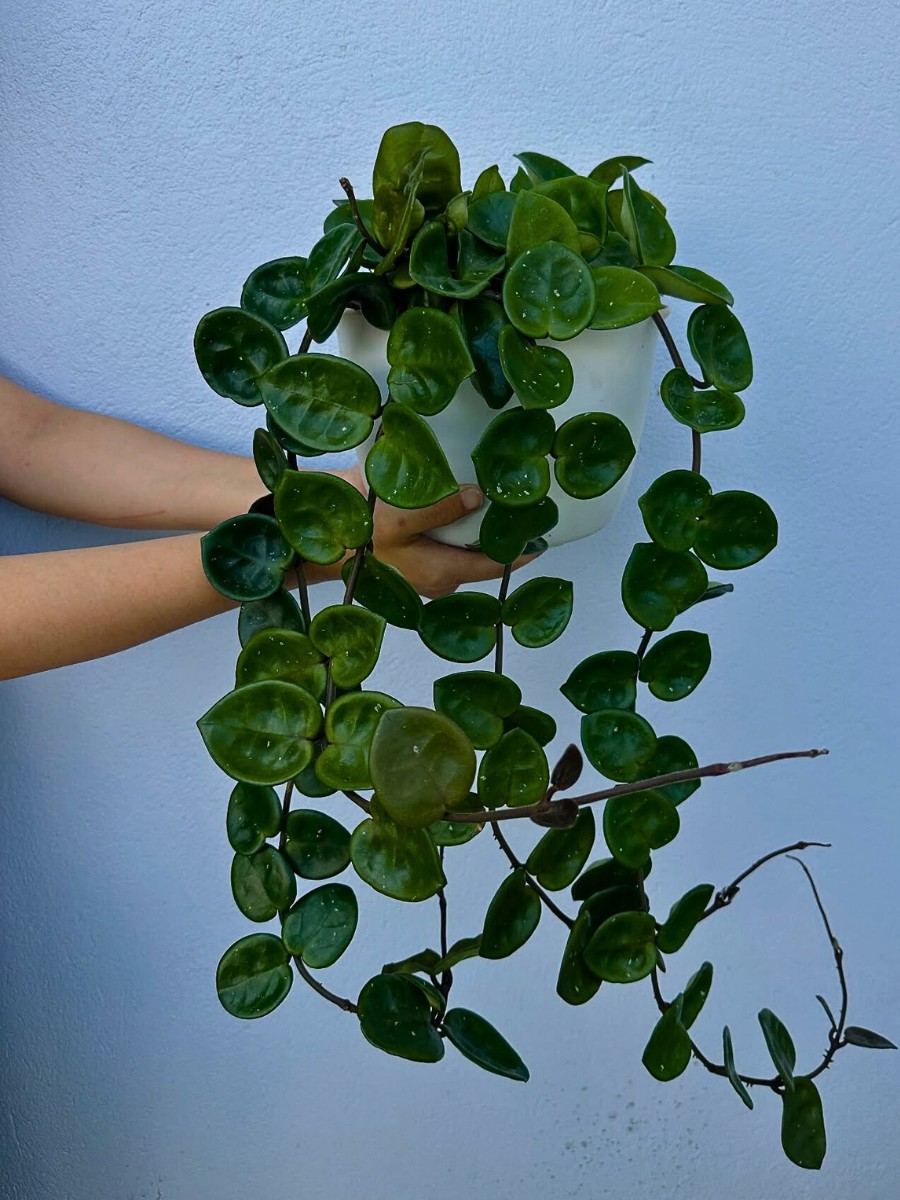
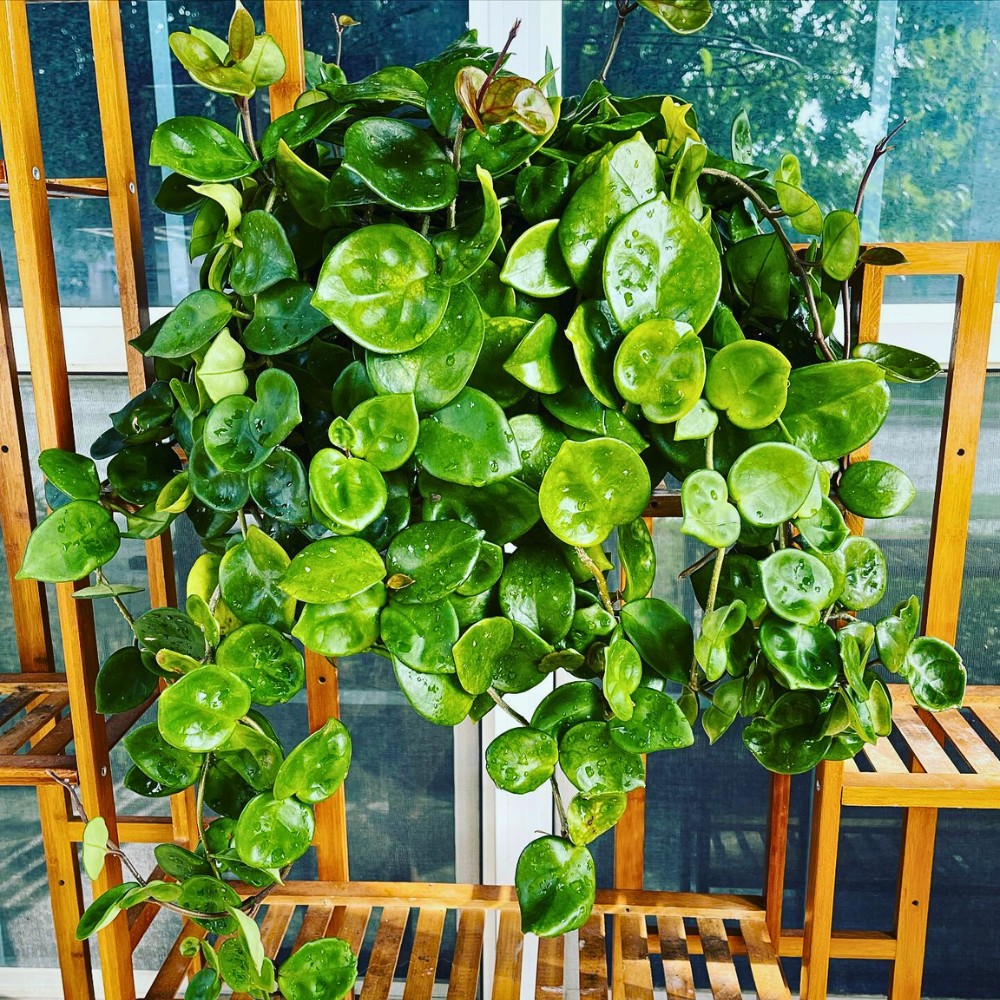
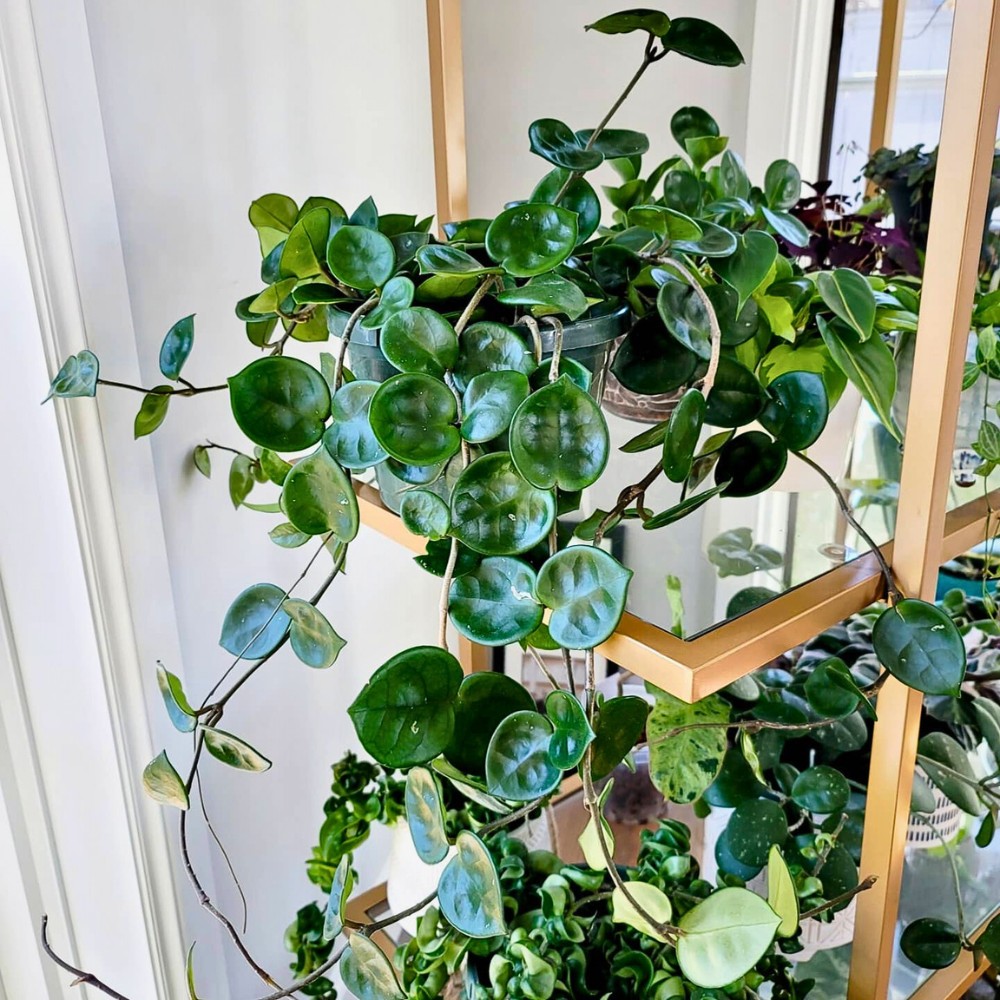
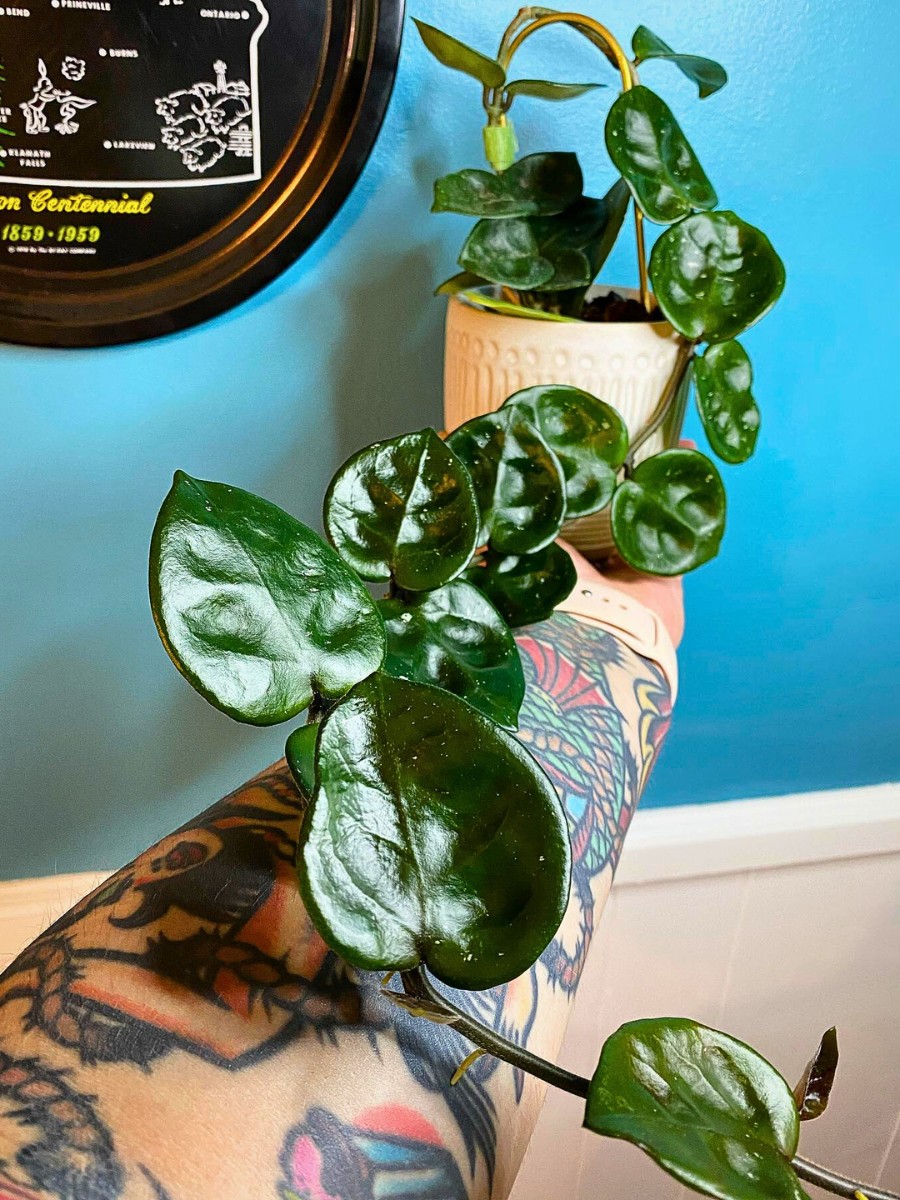
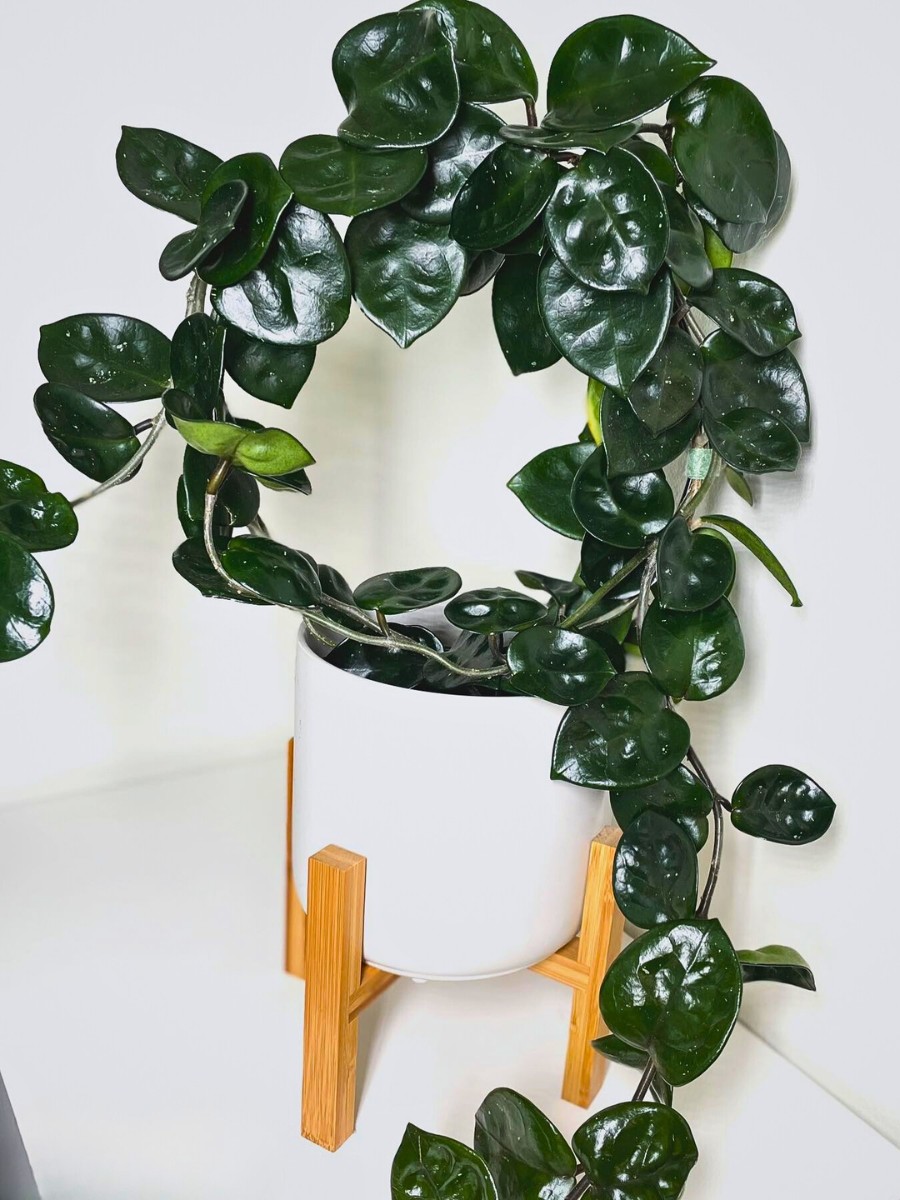
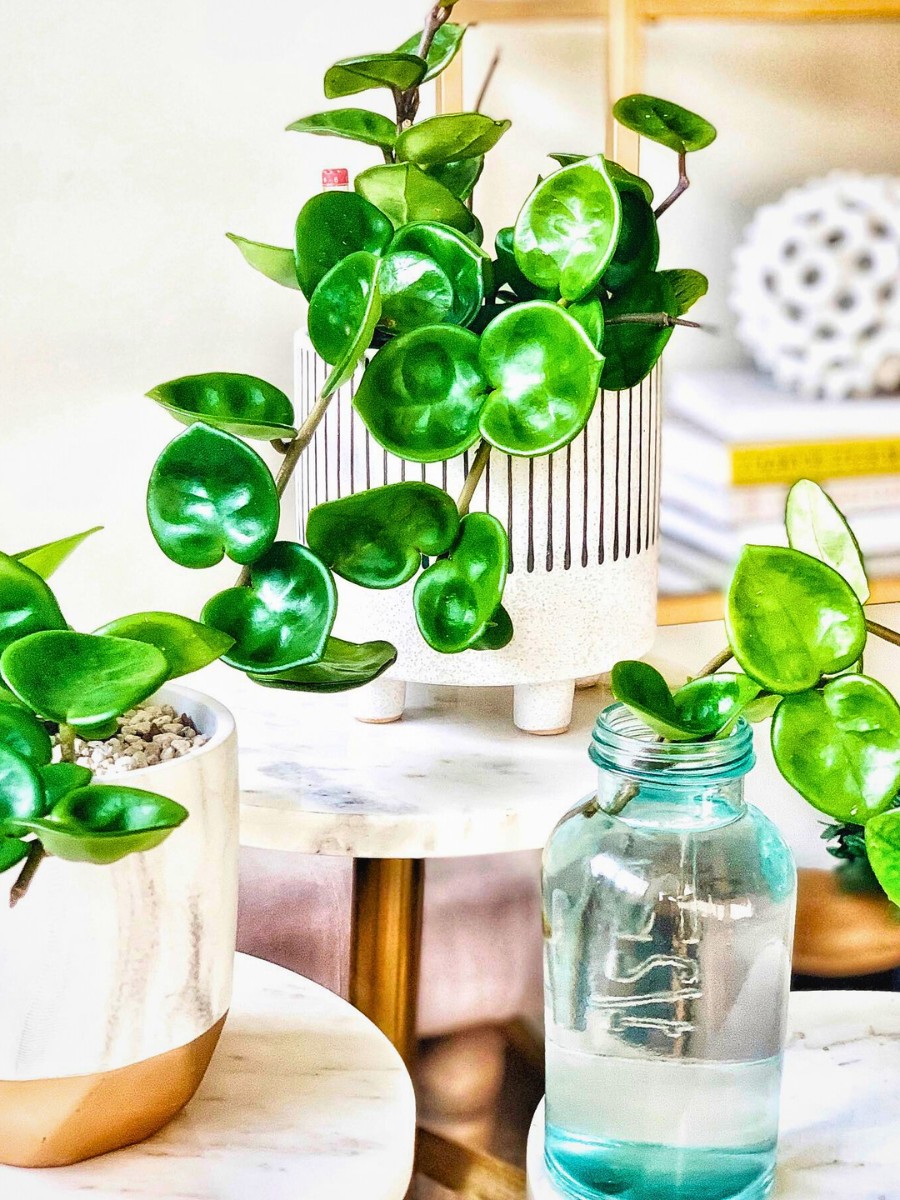
But the Hoya carnosa Chelsea wax plant is different from the standard Hoya carnosa in its leaf shape. The leaves of the Chelsea are distinctly cupped or spoon-shaped, curling slightly inward at the edges. They are thick, succulent-like, and have a waxy surface that gives the plant its common name: the wax plant. The color is a deep, rich green with a subtle sheen that easily catches light.
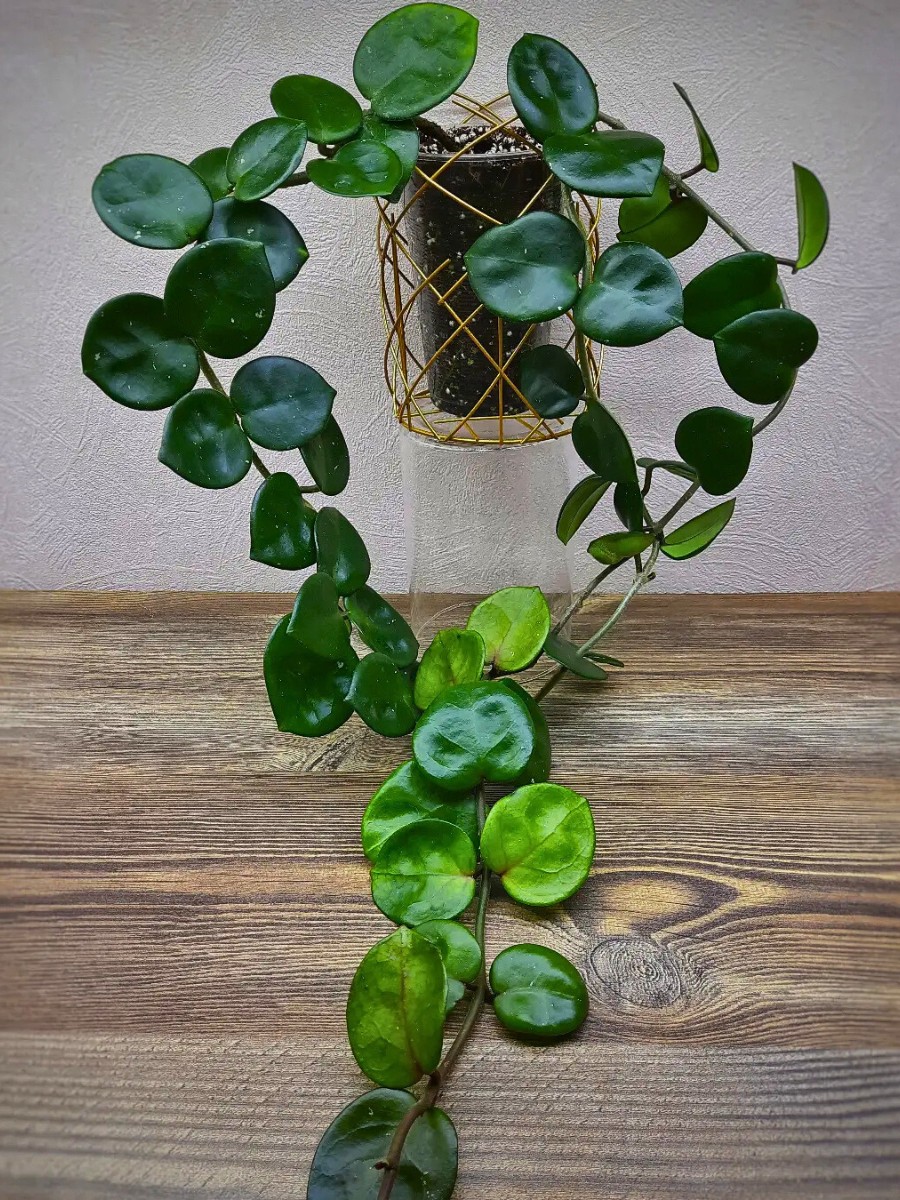
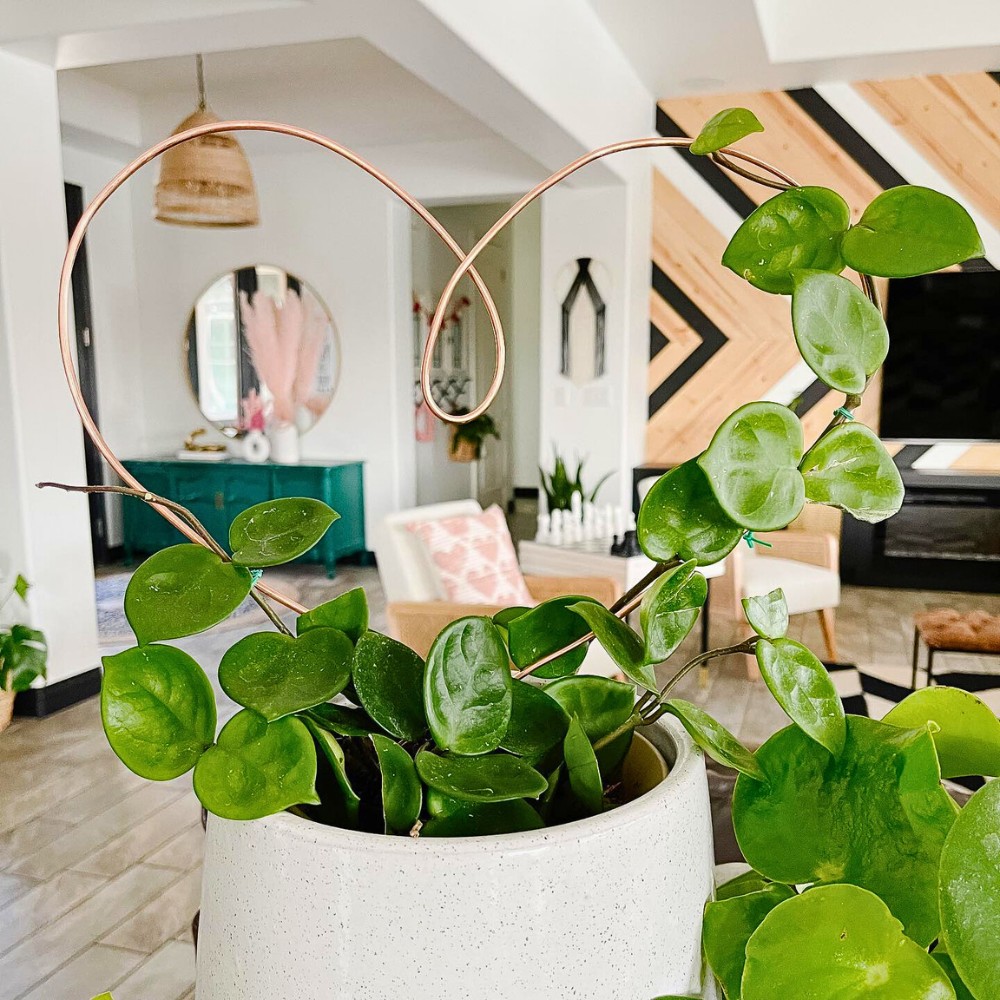
This vining plant looks wonderful in a hanging basket, trailing from a shelf, or climbing up a small trellis. It grows at a moderate pace and will eventually produce long, cascading vines that fill out beautifully over time.
What Makes Hoya Chelsea Unique?
What makes Hoya Chelsea unique? There is quite a combination of features working together. The most immediately recognizable feature of the Chelsea Hoya is the shape of its leaves. Unlike the flatter leaves of a standard Hoya carnosa, Chelsea's leaves are noticeably concave, almost like little green spoons. This gives the plant a textural quality that looks different from every angle. The leaves are also thick and semi-succulent, helping the plant store water.
The carnosa Hoya group is already known for being forgiving, but Hoya Chelsea takes that quality a notch higher. It tolerates lower light than many tropical plants, adapts to a range of humidity levels, and does not demand constant attention. For one who loves plants but has a busy lifestyle, Chelsea tends to be a very satisfying choice.
Also, Hoya Chelsea flowers are one of the most pleasing features this plant can offer. They appear in clusters called umbels, and each flower is star-shaped with a waxy texture, a pale pink to white color, and a deep pink or red center. The flowers carry a mild, sweet scent that is particularly noticeable in the evening.
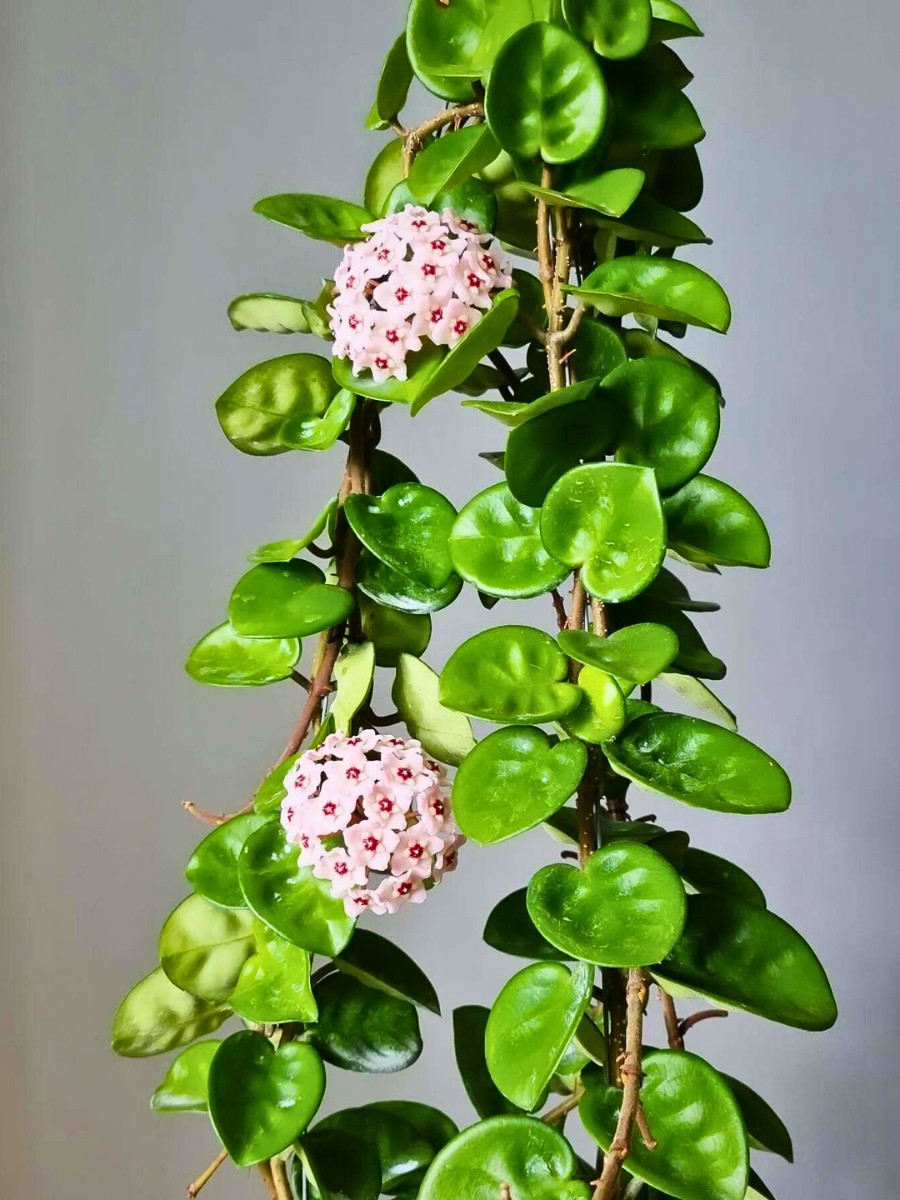
Once a plant matures and is kept in the right conditions, these flower clusters can appear repeatedly from the same points on the vines, called spurs or peduncles. It is, however, important never to remove these spurs after flowering, because new flowers will grow from the same spots year after year.
Is Hoya Chelsea Rare?
How rare is Hoya Chelsea? Compared to some of the more sought-after hoyas in collector circles, Chelsea is really on the more accessible end of the spectrum, though some growers still consider it a relatively rare cultivar, especially compared with standard Hoya carnosa.
It tends to show up more often in specialty plant shops, garden centers, online aroid or hoya sellers, and small nurseries than at big box garden centers. That said, availability can still vary depending on where you live and the time of year.
But then again, if you are looking for it, you could find the Hoya Chelsea available at specialty plant shops like the Plant Chica in California, which is a well-regarded plant shop, alongside some others. For collectors on the West Coast or those comfortable ordering online, this plant shop is worth checking out.
That said, the answer to “Is Hoya Chelsea rare?” is slowly changing. As more collectors share cuttings and more growers propagate the plant, its availability keeps improving, while the prices have become a bit more accessible. While it could still be a plant you may need to hunt for, it is no longer out of reach for the average houseplant enthusiast. That said, here are some of the most trending houseplants for you to check out.
How to Care for Chelsea Hoya
Caring for Chelsea Hoya is not complicated. This plant is practically one of the easier hoyas to maintain and keep happy.
Light Requirements
Does Hoya Chelsea need direct sun? Not exactly, though it appreciates brightness. The ideal situation is bright, indirect light, such as a spot near an east or west-facing window where it gets several hours of gentle sun. It can tolerate lower light conditions better than many houseplants, though it will grow more slowly and may be less likely to flower in dim spots.
Direct afternoon sun can scorch the leaves, so if you are placing it near a south-facing window, a sheer curtain between the plant and the glass is a good idea. Morning sun, however, is gentle enough to be perfectly fine and can, in fact, encourage flowering.
Watering
The thick, waxy leaves of the Hoya carnosa 'Chelsea' store water, which means it is far more tolerant of underwatering than overwatering. The best approach is to water thoroughly and then allow the top 2 to 5 cm of soil to dry out before watering again. During the active growing season in spring and summer, this might mean watering every 7 to 10 days. In fall and winter, you can scale back considerably.
Root rot is the main issue to watch out for, and it almost always comes from soil that stays wet too long. A well-draining potting mix, such as a cactus or succulent mix combined with some perlite, works very well.
Humidity and Temperature
As a tropical plant, Hoya Chelsea appreciates humidity levels of 40% to 60%. Most homes fall within this range, which is partly why it adapts so well to indoor life. It is not as fussy about humidity as some other tropical plants, though it appreciates occasional misting or a spot near a humidifier during dry winter months.
Temperature-wise, keep it somewhere between 15°C and 30°C. It does not tolerate frost, so if you bring it outdoors in summer, bring it back inside before nighttime temperatures drop below 10°C.
Fertilizing
During the growing season, feed your Chelsea Hoya with a balanced liquid fertilizer diluted to half strength, roughly once a month. A fertilizer slightly higher in phosphorus can encourage flowering. Do not fertilize in fall and winter when growth slows.
Potting and Repotting
The carnosa Hoya group, including Chelsea, essentially flowers more reliably when slightly root-bound. So there is no urgent need to rush repotting. When you do repot, move up just one pot size, and choose a pot with drainage holes. Terra cotta pots work particularly well because they allow the soil to dry out more evenly.
Hoya Chelsea Plant’s Common Problems and How to Handle Them
Even with an easygoing plant like the Hoya Chelsea plant, a few issues can come up now and then. Yellow leaves are usually a sign of overwatering or poor drainage. Check the soil and adjust your watering routine. Leggy, stretched growth happens when the plant is reaching for more light. Moving it closer to a bright window usually helps.
Pests such as mealybugs, spider mites, and aphids can occasionally find their way to hoya plants. A regular inspection of the undersides of leaves, combined with a quick wipe-down with neem oil or insecticidal soap when needed, tends to keep things under control.
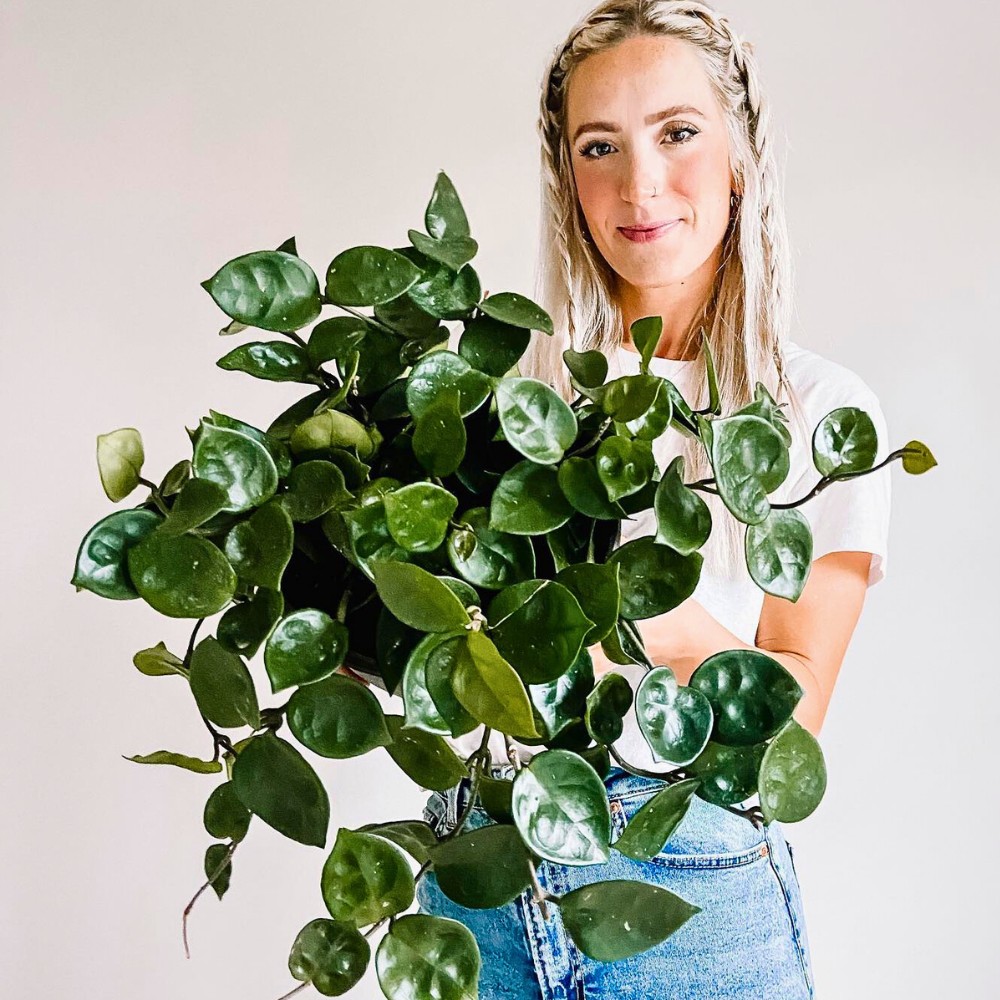
Not flowering is also a common concern. Chelsea needs to be mature enough to flower, typically a few years old, and it needs adequate bright light and a slightly cool, dry rest period in winter to trigger blooming. Patience and the right conditions usually pay off.
Why People Fall for the Hoya Chelsea
Growing a Chelsea Hoya is quite satisfying. It does not call for much, nor does it throw tantrums when you forget to water it once in a while. It grows steadily and fills out beautifully.
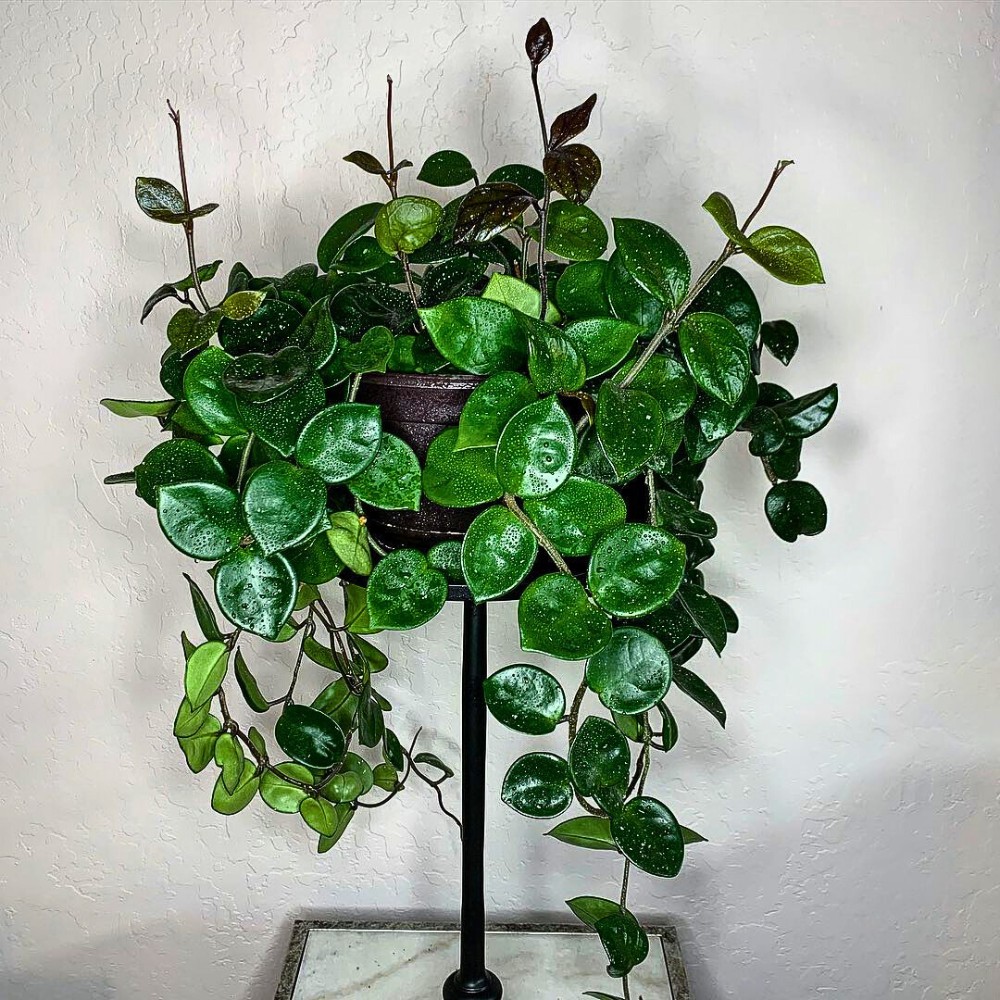
And eventually, it brings forth those pleasing clusters of the gorgeous, fragrant star-shaped Hoya Chelsea flowers. This plant, basically, fits into a wide range of home styles, from minimalist to lush and botanically abundant. It is one of those houseplants that you will definitely be delighted with.
Feature image by @houseplusplant. Header image by @hooked_on_hoyas.