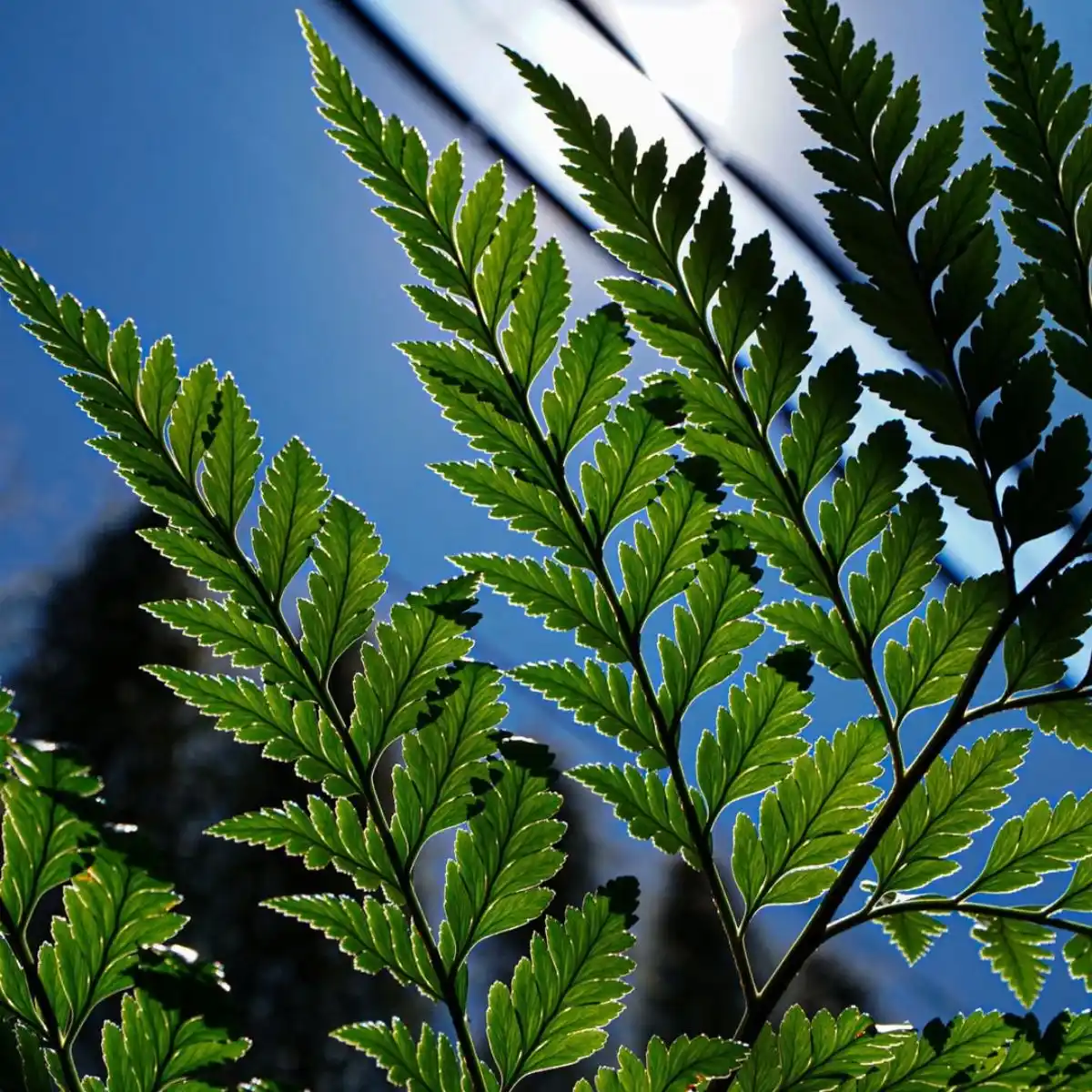

Foliage often works behind the scenes in floral design, yet it shapes almost every arrangement. It adds volume, supports focal flowers, introduces texture, and creates the movement that gives a design its natural flow. In many cases, foliage is what holds an arrangement together visually. Its performance, however, depends on much more than how it was grown. The way foliage is handled after harvest has a direct impact on how long it maintains its color, structure, and freshness. Keep reading to know TAK's greatest secrets to having great quality and longer-lasting cut foliage.
Tips by TAK on How Proper Postharvest Care Keeps Cut Foliage Looking Its Best
At TAK Global, postharvest care is built into every stage of production. From the moment each stem is harvested until it reaches florists and wholesalers around the world, every step is designed to protect quality and extend vase life. The lifespan of cut foliage begins the moment it leaves the field. Freshly harvested stems continue to respire, lose moisture, and react to changes in temperature. Managing those first hours correctly makes a significant difference in how the foliage performs later in distribution, retail, and floral design.

Harvesting at the correct stage of maturity is the priority. From there, stems are handled carefully to prevent bruising or mechanical damage before entering the cold chain as quickly as possible. Rapid cooling removes field heat and slows natural plant processes, helping foliage retain its appearance throughout transportation. Maintaining stable temperatures from farm to destination is one of the most effective ways to preserve quality.

Hydration Is One of the Most Essential Steps for Long-Lasting Foliage
Like cut flowers, foliage continues losing moisture after harvest. Without proper hydration, leaves gradually lose firmness, shine, and flexibility. Several simple practices that can help extend vase life are:
- Recutting stems before placing them in water
- Using clean buckets filled with fresh water
- Replacing the water regularly
- Sanitizing containers and cutting tools between uses
- Keeping foliage away from direct sunlight and excessive heat during processing
These small steps help foliage maintain the fresh appearance designers and customers expect.
Consistent Cooling Protects Quality
Temperature management continues to play an important role long after harvest. Most commercial foliage performs best when stored between 2°C and 4°C (35°F–39°F). At these temperatures, respiration slows while stems remain hydrated and healthy. Consistency is equally important. Frequent temperature changes can create condensation, increasing the risk of disease and reducing overall product quality during storage and transportation.

The Hidden Impact of Ethylene
Ethylene is a naturally occurring plant hormone that accelerates the aging process. While many foliage varieties are more tolerant of ethylene than cut flowers, prolonged exposure can still affect their appearance by causing yellowing, leaf drop, and a shorter vase life. Preventing unnecessary exposure starts with good handling practices throughout the supply chain.
Keeping foliage away from ripening fruit, maintaining proper airflow in storage areas, removing damaged plant material promptly, and following strict sanitation protocols all help reduce ethylene-related damage. Remember that regular cleaning of work areas, hydration tanks, cutting equipment, and transport containers helps reduce bacterial contamination that can block water uptake and shorten vase life. Together, these practices contribute to foliage that stays fresh and market-ready for longer.

Clean Working Conditions Support Better Performance
One of the simplest ways to improve postharvest quality is to maintain clean equipment and workspaces. Bacteria can quickly develop inside hydration tanks, buckets, cutting tools, and transport containers. Once bacteria enter the stems, water uptake becomes less efficient, shortening vase life. Routine cleaning throughout the entire handling process helps maintain consistent performance and gives every stem the best possible start.
By the time foliage reaches wholesalers, retailers, and florists, much of the work has already been done. Proper handling at this stage allows that quality to continue all the way to the customer. A few everyday practices make a noticeable difference. TAK recommends:
- Keeping foliage hydrated whenever possible
- Avoid placing displays near heating or air-conditioning vents
- Rotating inventory using a first-in, first-out system
- Remove damaged stems as soon as they appear
- Maintaining cool display conditions whenever practical
When these steps become routine, foliage remains fresher for longer and performs more consistently in finished designs.

Four Foliage Varieties by TAK Global Known for Their Longevity
One reason foliage remains such an important part of floral design is its ability to outlast many fresh flowers. Certain varieties maintain their appearance for several weeks, giving designers a lasting structure while reducing replacement costs.
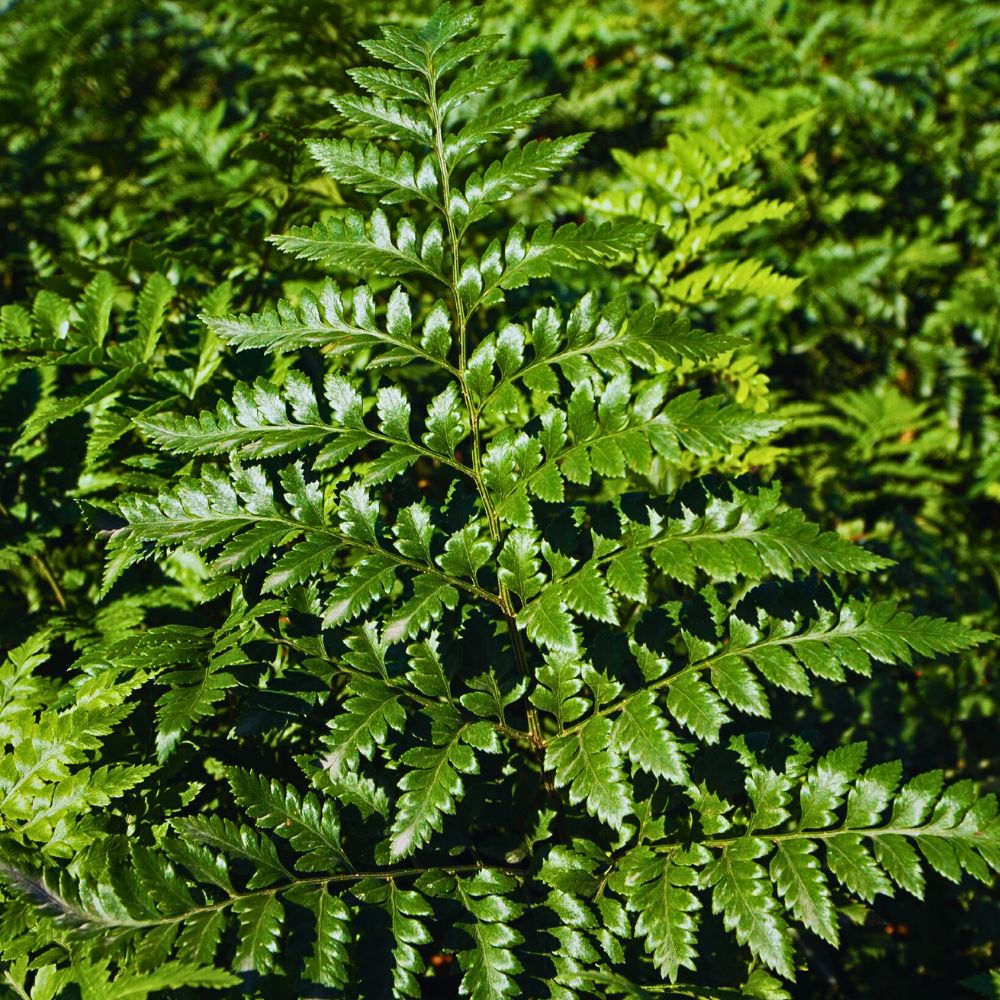
Leatherleaf Fern (Rumohra Adiantiformis)
A long-time favorite among florists, Leatherleaf Fern provides rich texture and dependable structure across a wide range of designs. Under proper care, it typically lasts 30 to 45 days, making it one of the industry's most reliable greenery options.
Aralia (Fatsia Japonica)
Recognized for its large, distinctive leaves, Aralia brings bold texture to arrangements while maintaining its decorative value for 25 to 40 days. Its architectural shape makes it especially useful in contemporary and tropical-inspired designs.

Aspidistra (Aspidistra Elatior)
Aspidistra is appreciated for its durability as much as its elegant appearance. Its broad green leaves can remain in excellent condition for 30 to 60 days, making it one of the longest-lasting foliage varieties available commercially.

Ruscus (Ruscus Hypophyllum)
With its clean lines and naturally graceful form, Ruscus has become a staple across wedding work, event floristry, and everyday bouquets. Its average vase life ranges from 30 to 45 days, offering dependable performance throughout the supply chain.

Remember that the average vase life varies depending on harvest maturity, storage conditions, transportation, and postharvest handling. For florists, wholesalers, and retailers, dependable foliage means fewer losses, greater flexibility, and stronger customer satisfaction. At TAK Global, every stage of production is designed with that goal in mind. Sustainable cultivation, rapid cooling, careful grading, and controlled logistics all contribute to foliage that continues performing long after it leaves the farm.

Photos courtesy of TAK