In the floral markets, there is always a quest for varieties that combine aesthetic distinctiveness and strong field performance. Every so often, meeting these demands requires partnerships among the relevant players, such as breeders and growers, to successfully produce flowers with that combination.
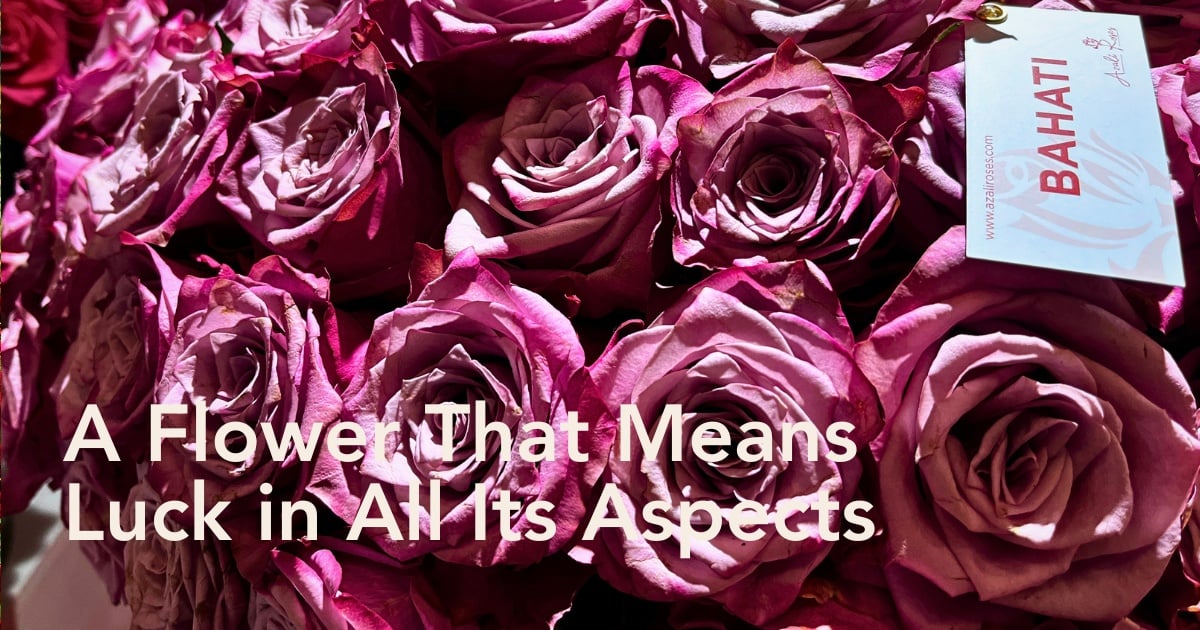
Bahati®, a rose presented by renowned breeder De Ruiter through their East Africa (DREA) facility in Naivasha, is one such variety, grown by Kenyan grower Azali Roses Ltd. From all indications, it is a strong one when it comes to farm cultivation and market reception, at least going by the words of Rathan Kedambadi, the grower’s Managing Director.
Bahati® From Genviv, Through De Ruiter East Africa
A successful cut flower variety begins with research and selection to address specific market needs. This rose was developed with that in mind, addressing definite needs in the flower supply chain. The name means luck or good fortune in Swahili, which says a lot about its development and production context in East Africa, specifically Kenya.
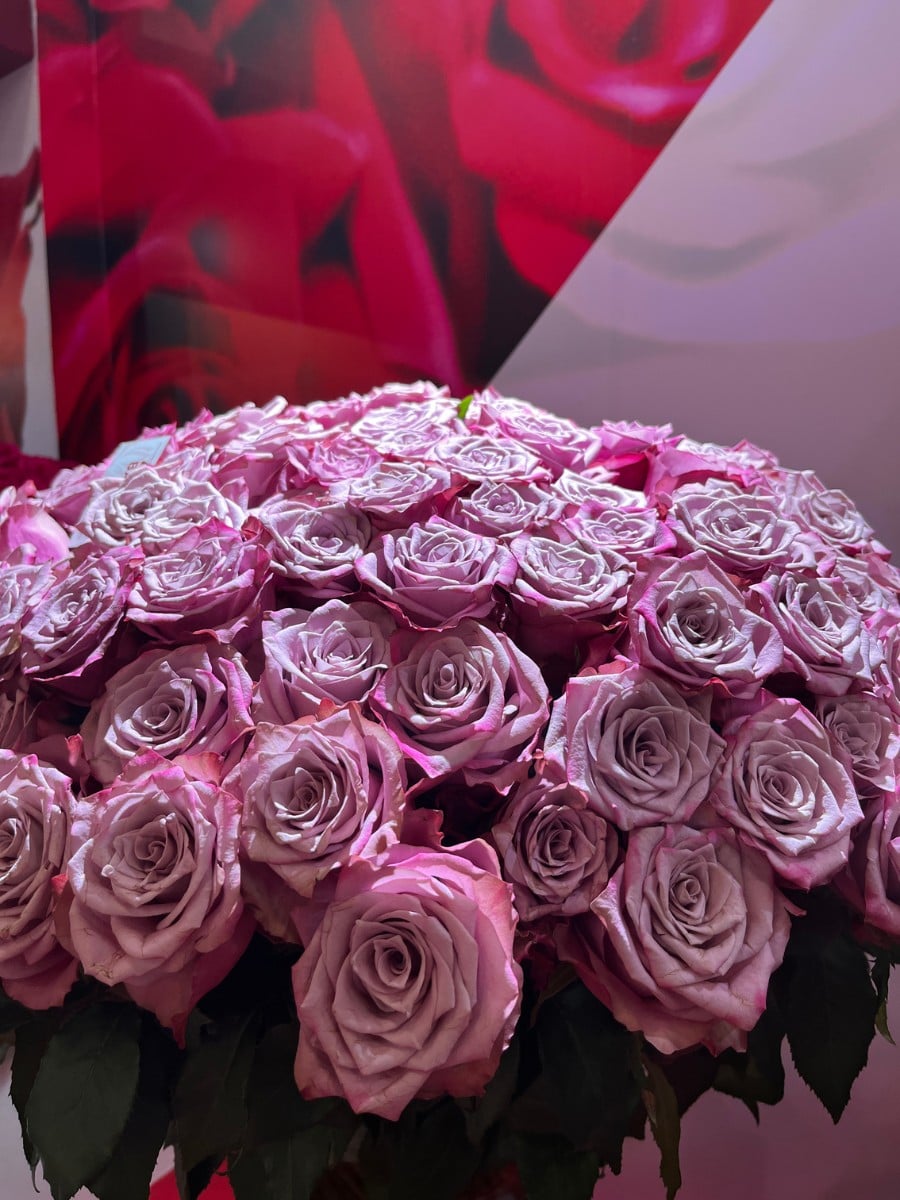
De Ruiter places this variety within its DREA'ME collection. This is a collection of premium varieties selected to meet specific commercial criteria in the Middle East, including long vase life, sturdy stems, large flower heads, and consistent color presentation. This means the variety meets high standards relevant to this market segment.
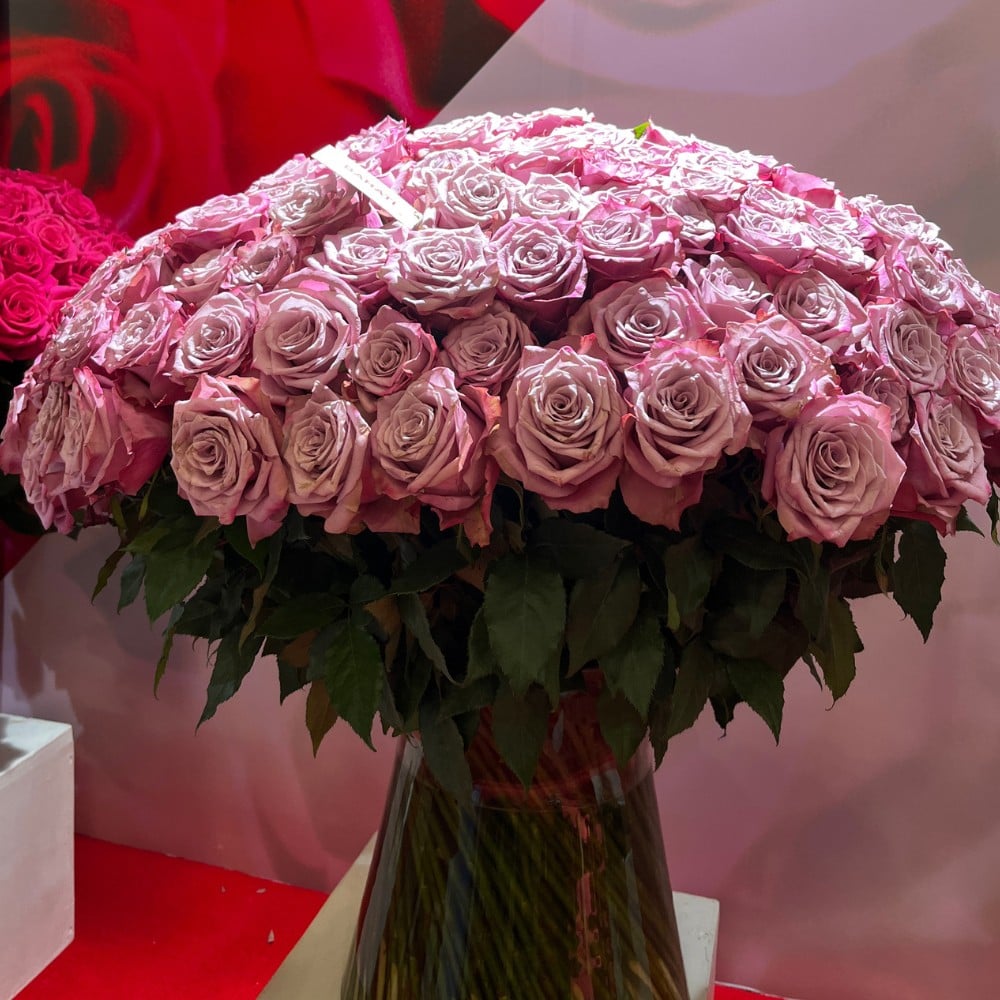
The color profile is a key feature of Bahati®. It features a lavender hue with subtle earth tones on the outer petals. This mauve palette is an ideal transition color in floral design, filling the space between traditional pinks, deep purples, and neutral tones. The flower opens slowly and reliably, which helps predict shipping schedules and gives florists sufficient time to work with the material.
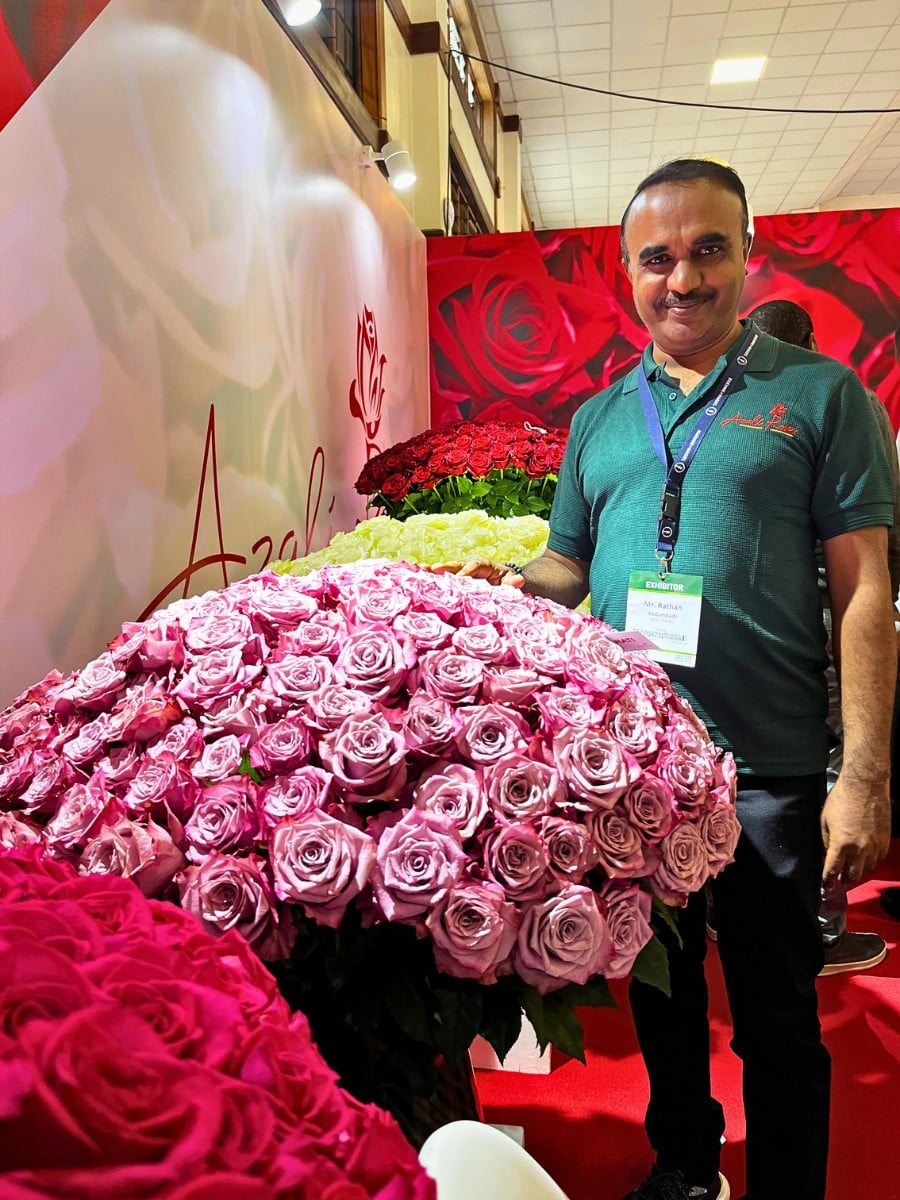
At 1,900 meters, this variety typically produces 140-160 stems per square meter per year, with stem lengths ranging from 50 to 80 centimeters and head sizes between 5.0 and 5.5 centimeters. It grows even larger at higher altitudes. This variety’s vase life is another of its strong advantages. It has an impressive vase life of 12-14 days, and the flowers stay fresh and look good for a long time.
Cultivation at Azali Roses Ltd in Nakuru
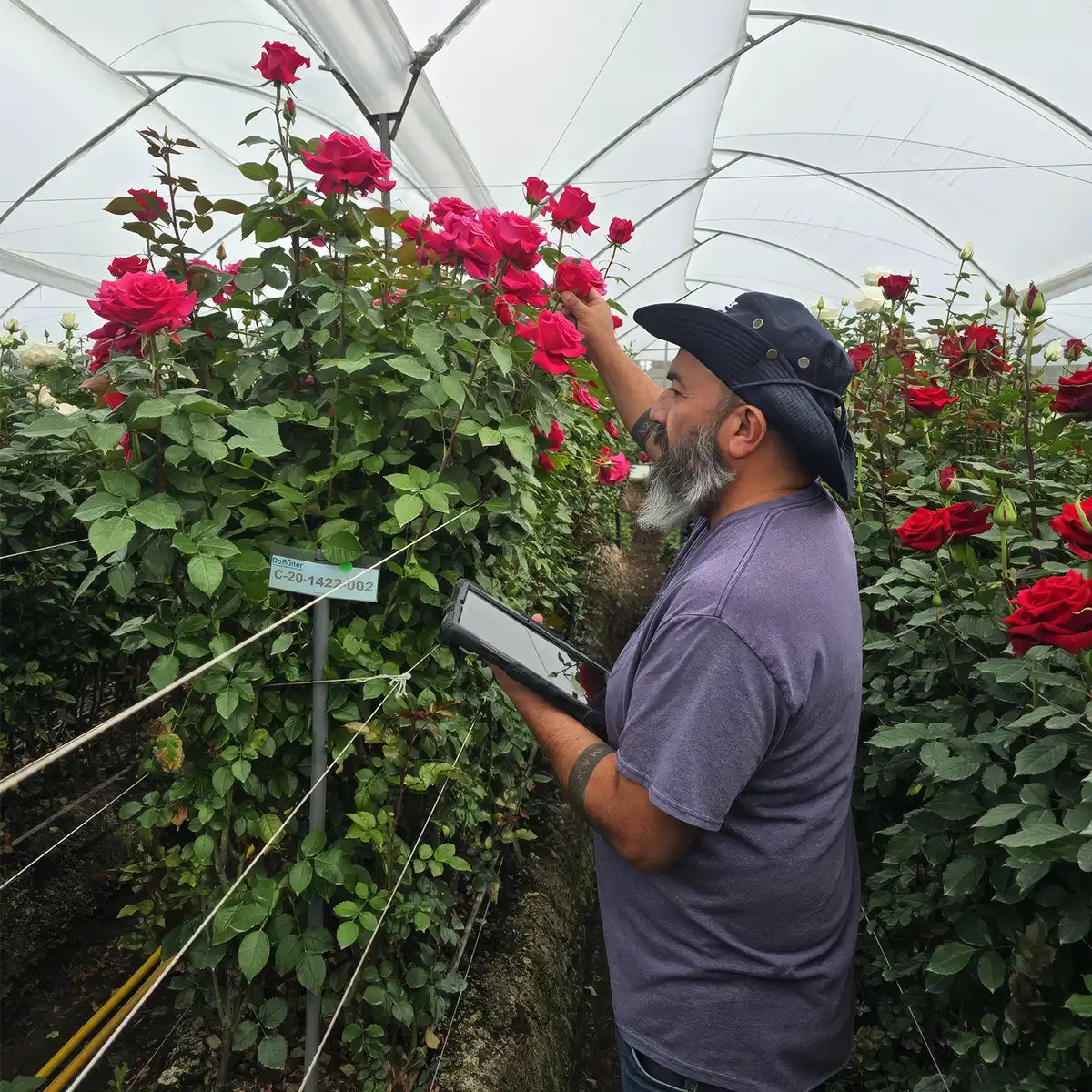
A flower variety can only achieve its potential if grown under appropriate environmental conditions. Azali Roses Ltd cultivates Bahati® at its production facility in Nakuru, Kenya. The grower is, quite coincidentally, located in the Bahati area of the County, a rather fitting connection between the region's name and the flower's name.
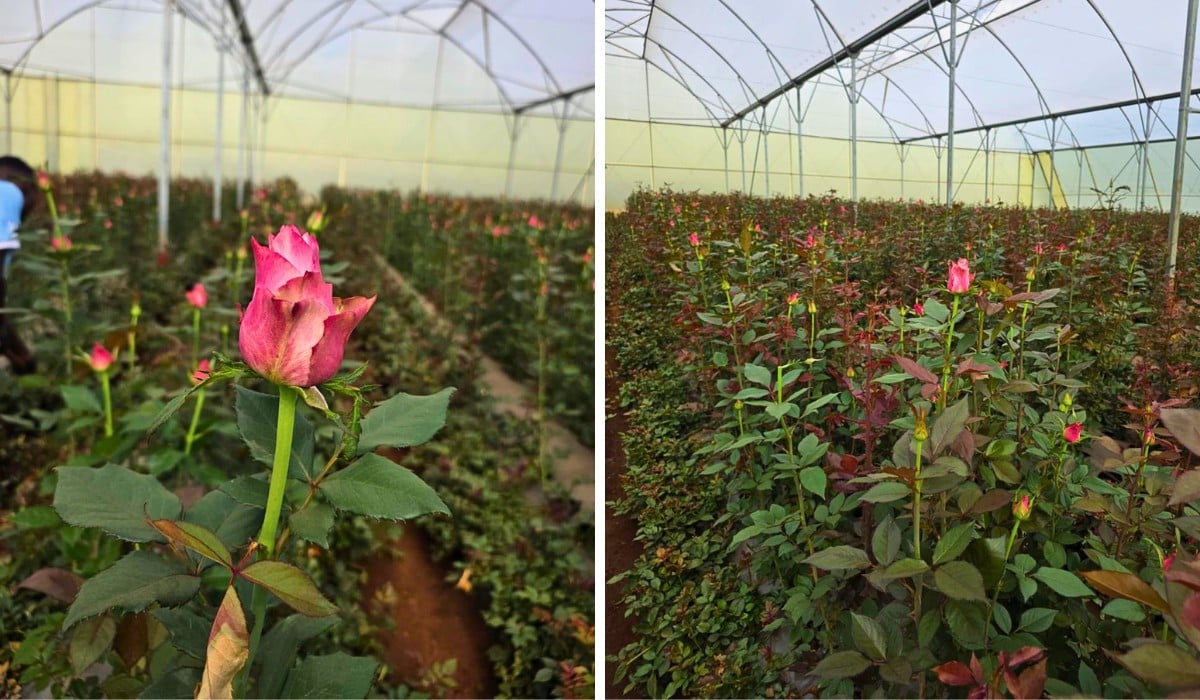
The geographic conditions in Nakuru are highly suited for high-quality rose production. The farm sits at an altitude that provides deep solar radiation during the day and cool temperatures at night, a thermal variation that delays the development of the flower bud, allowing the plant to build a larger flower head and a thick, sturdy stem.
The local volcanic soil contains essential minerals that support growth and root development. Azali Roses Ltd, according to Rathan, applies specific floriculture practices to manage this variety and others, in which the grower monitors irrigation, crop protection, and nutrition to maintain ideal qualities and prevent common fungal infections such as powdery mildew and botrytis.
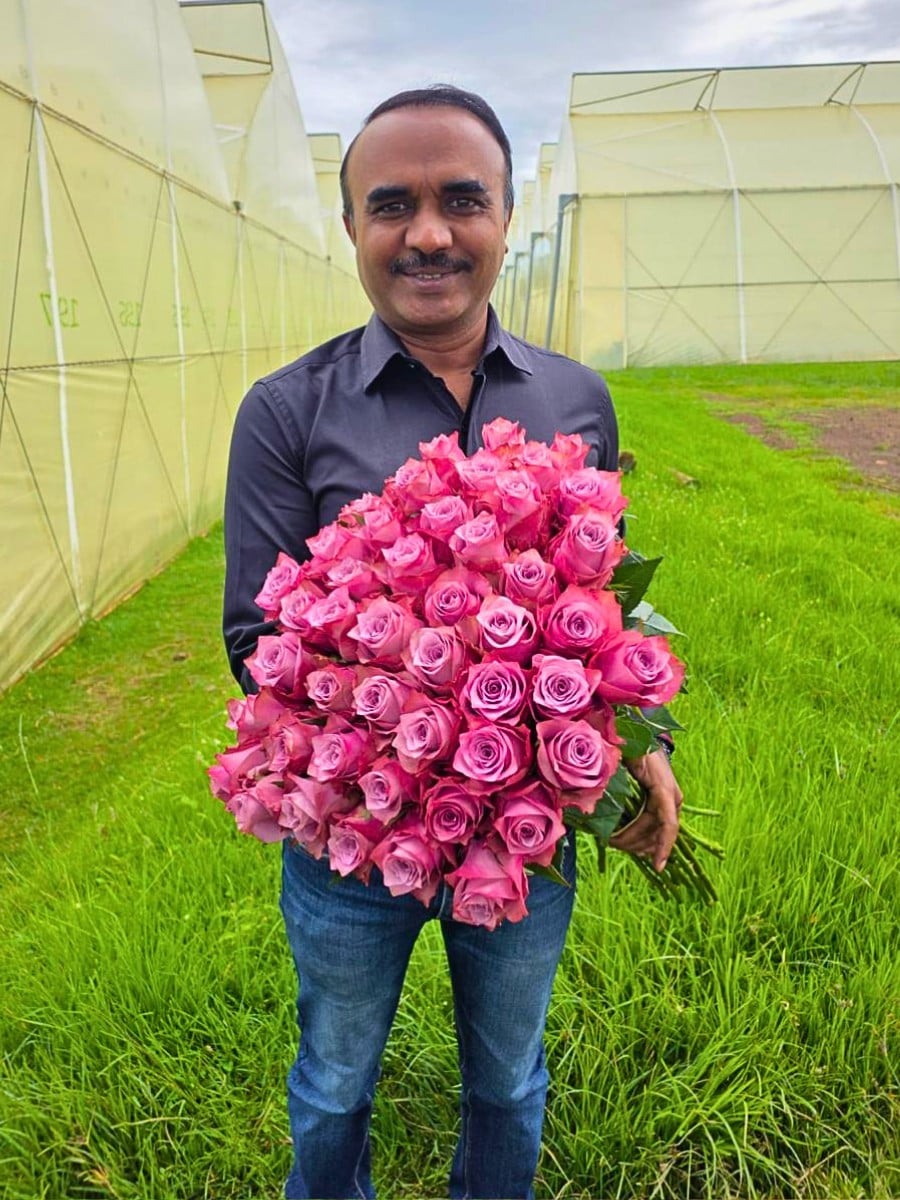
These management practices ensure the lavender tones remain stable throughout the production cycle, avoiding discoloration that often occurs under variable climatic conditions.
Why Bahati® Is a Strong Choice for Floral Design
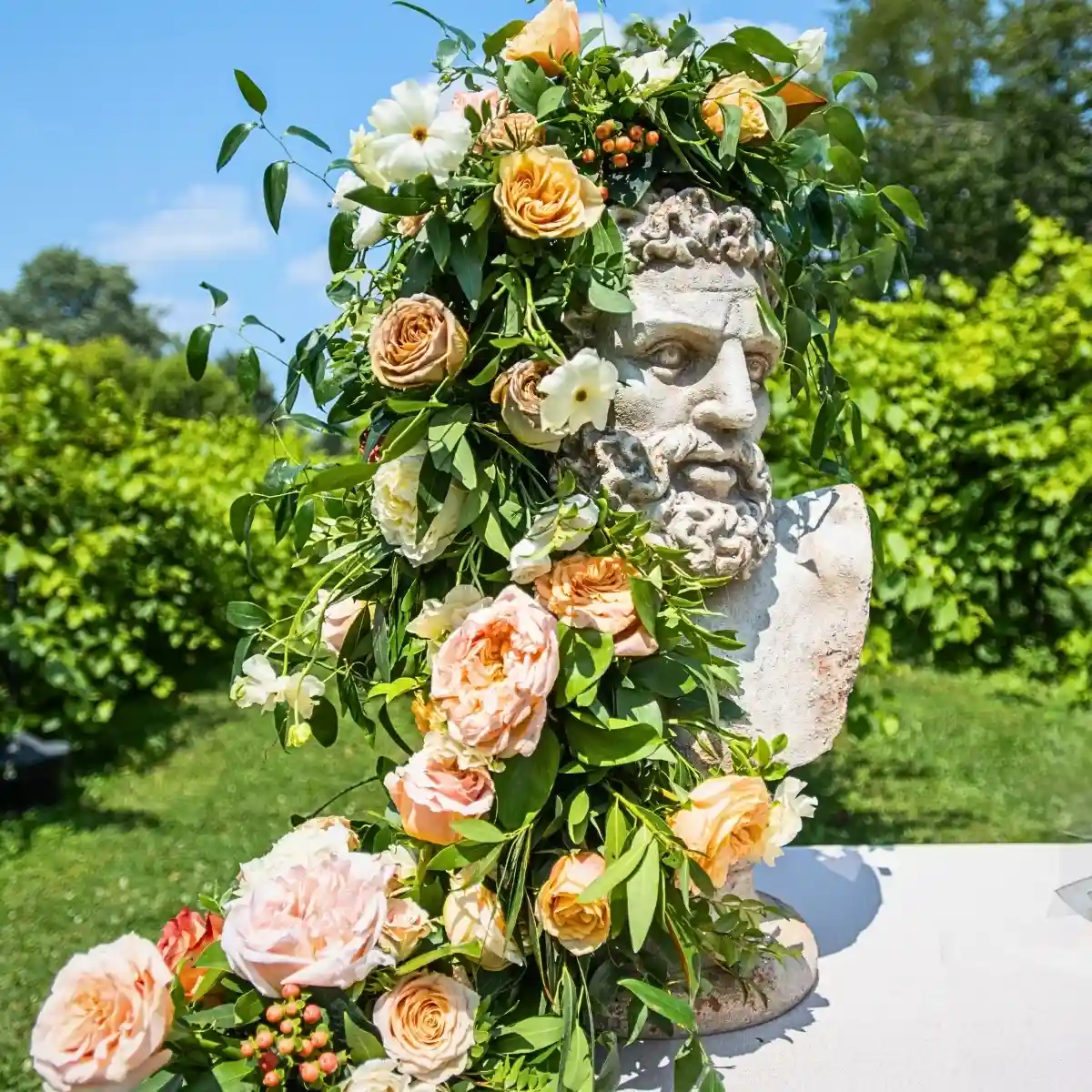
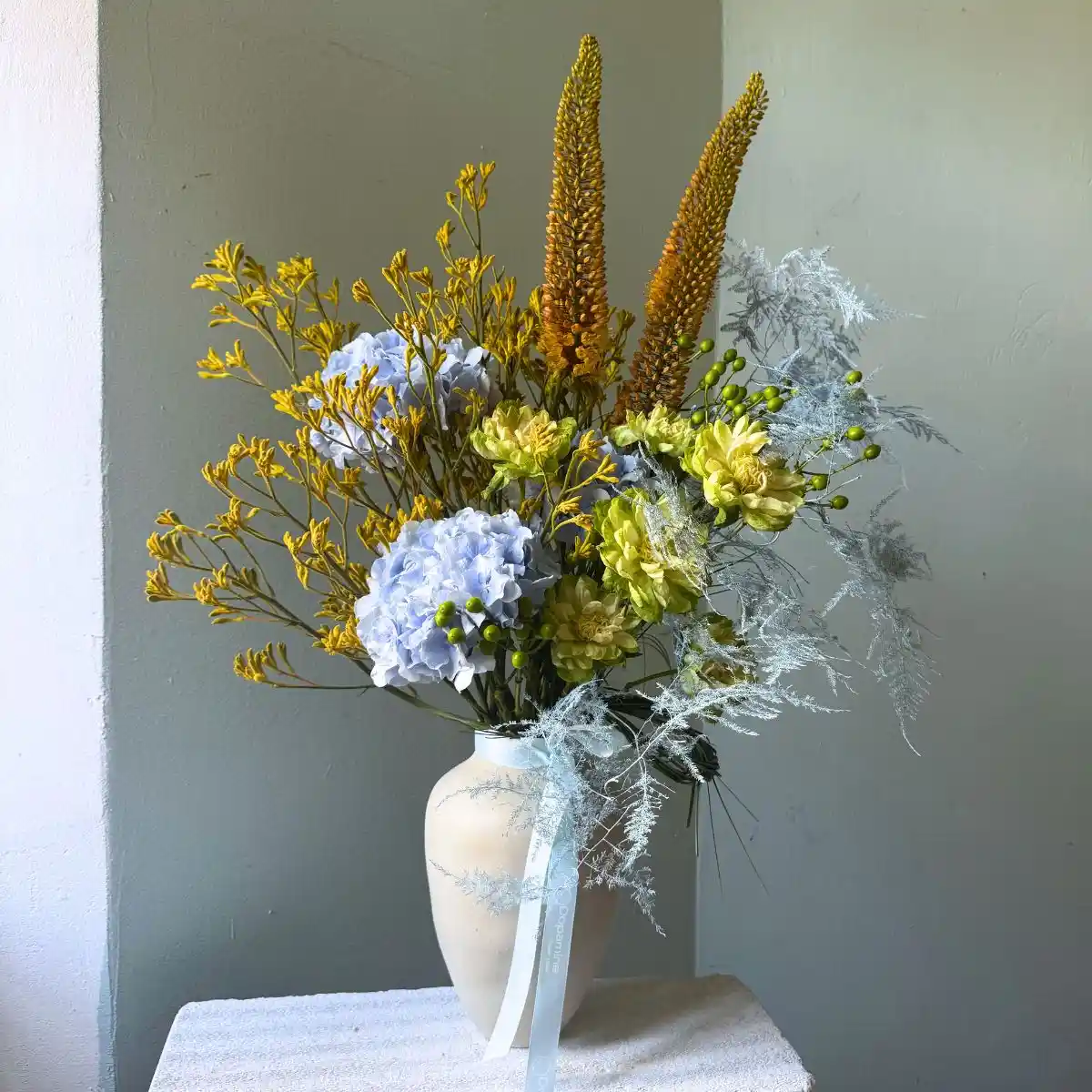
Florists, event planners, and designers generally seek flowers that provide visual impact and structural reliability. And Bahati® performs well in all these fronts. It works well in contemporary and classical floral arrangements, where its composite lavender-mauve tone makes it a useful component across different color schemes. But there is more to this rose.

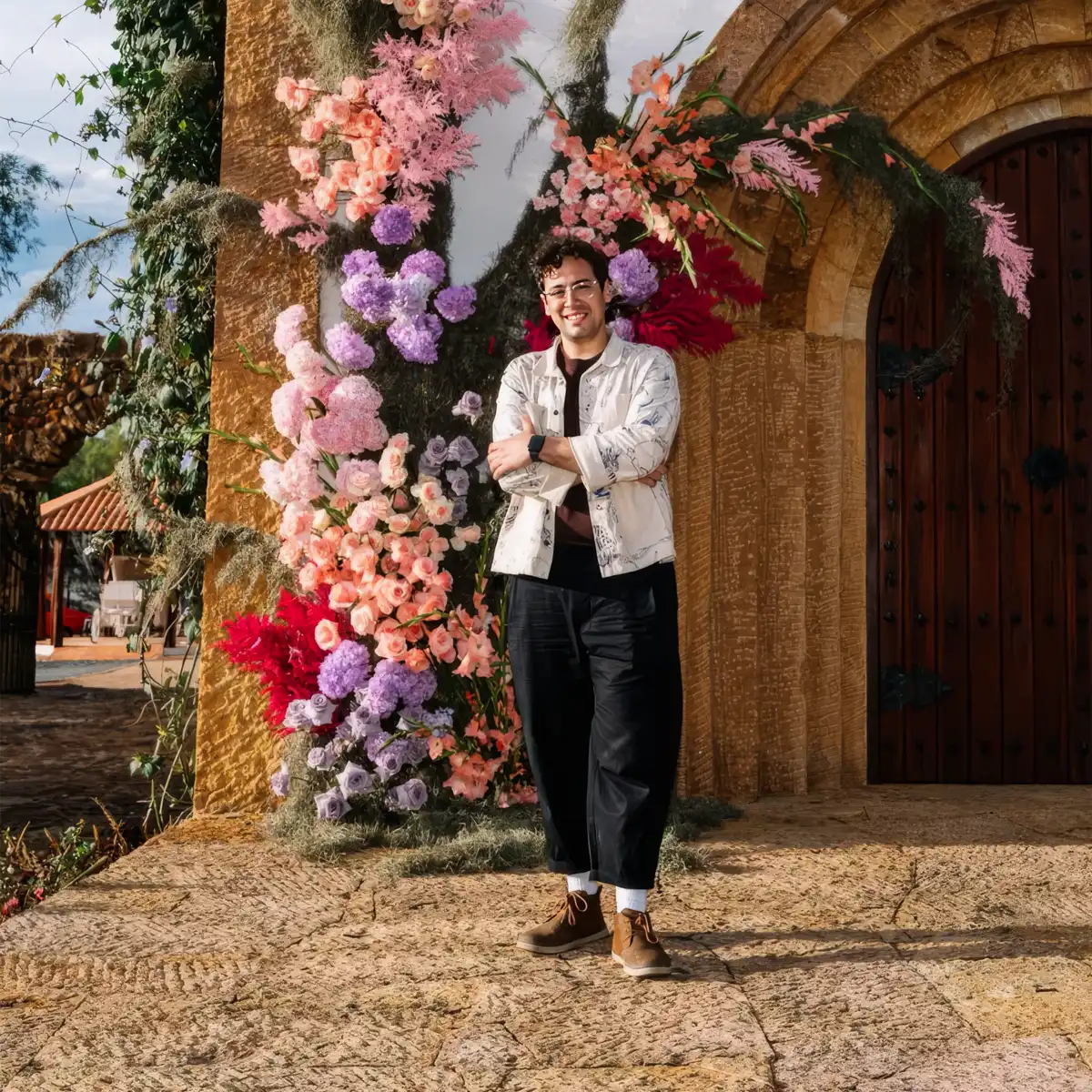
Kazi Hafijor Rahman Sagar, who is a floral designer and event planner at Ivy Flowers & Chocolates in Bahrain, has previously worked with this variety in his designs, and the results, for him, have been nothing short of impressive.
Kazi:
"The first thing that caught my attention when I opened the boxes was the quality of the roses. The color was rich and inviting, the head size was impressive, and the stems were strong and healthy. These are the details every florist notices immediately because they often determine how a variety will perform throughout the design process."
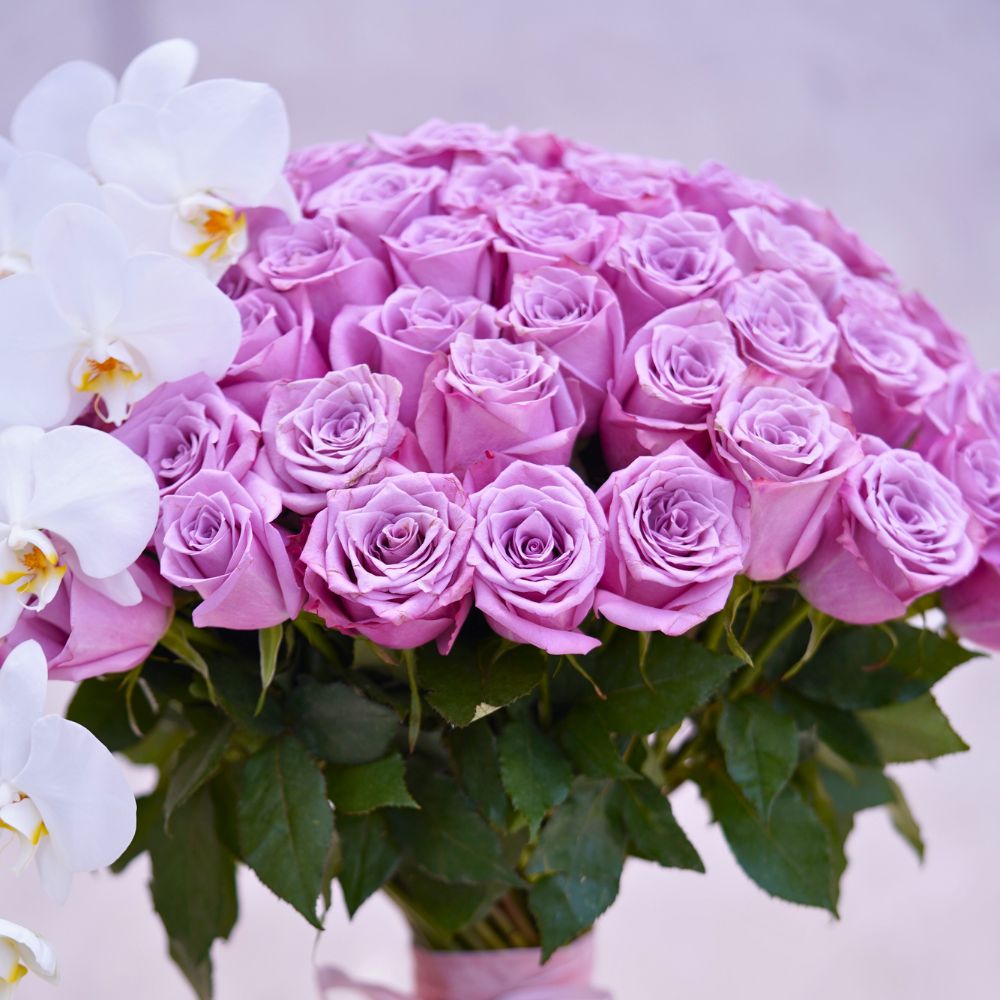
The color of Bahati®, Kazi notes, stood out for him as he worked with this variety. It brings warmth, depth, and presence to a design while remaining versatile enough for different styles and occasions. Whether it is used in large installations or smaller arrangements, the variety naturally draws attention without overpowering the overall composition. Here's what this rose offers.
- Color versatility: The muted purple tones complement soft pastel palettes, green foliage accents, or deep autumnal shades.
- Petal strength: The thick petal structure resists bruising during transport and handling, keeping arrangements looking clean.
- Opening profile: This rose opens into a symmetrical rosette shape, providing good visual volume in large installations.
- Vase performance: It maintains its structural integrity for over twelve days when provided with standard flower food and clean water, making it a reliable option for retail florists.
In practice, Bahati® provides useful color depth when combined with cream, peach, or deep burgundy, as well as other variety colors, and its straight, thornless stems make creating arrangements fast and efficient, which is an important factor in commercial floral operations that manage high-volume events.
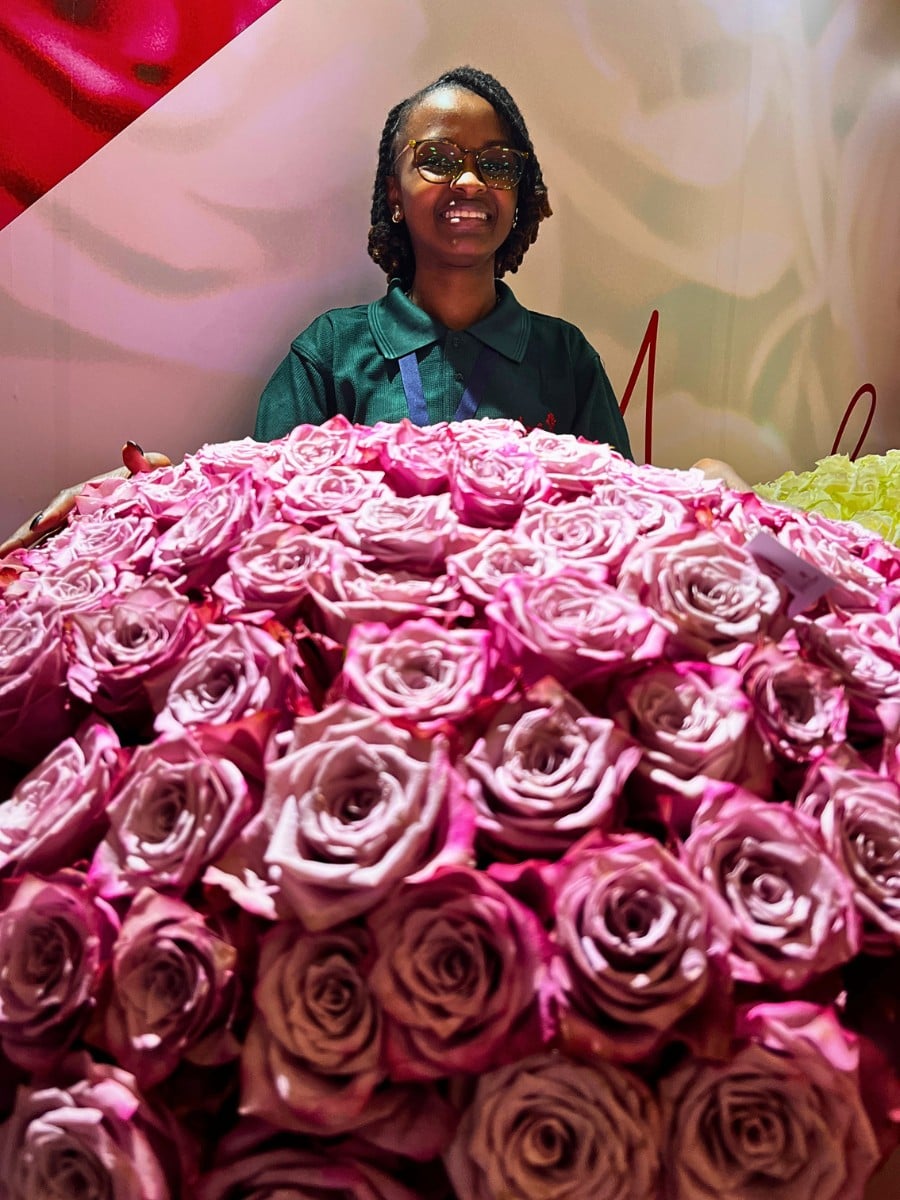
With its strong performance in all these metrics, Bahati® looks strong in the market. It has all it takes to make good returns for growers and buyers, which explains why more growers are trialing it and showing strong interest. DREA is, on the other hand, growing the capacity to supply sufficient planting material once the growers are ready to scale up.