For many couples, the season popular for weddings runs from May through October. But still, weddings happen across the year, and nothing communicates love and passion quite like a red rose. So, breeder United Selections presents Rose Red Love, a premium red variety made for discerning growers who have wedding and event florists, planners, and general floral designers in mind.
But then again, looking at this rose, you’d admit it doesn't just stop at wedding work. Valentine's Day and Mother's Day are both celebrations of love, and this variety comes in handy even on such special days. With Red Love roses, growers, therefore, have a variety with great year-round potential.
A Premium Red Rose Bred With Distinction in Mind
United Selections, as already known, is recognized for standout varieties; think Madam Red, Jumilia, Rise & Shine, and Nova Vita, among many others. Red Love perfectly fits therein, continuing the breeder's tradition. This premium red has a deep, rich color and holds its tone from when it opens through its entire use in bouquets, vases, and other designs.
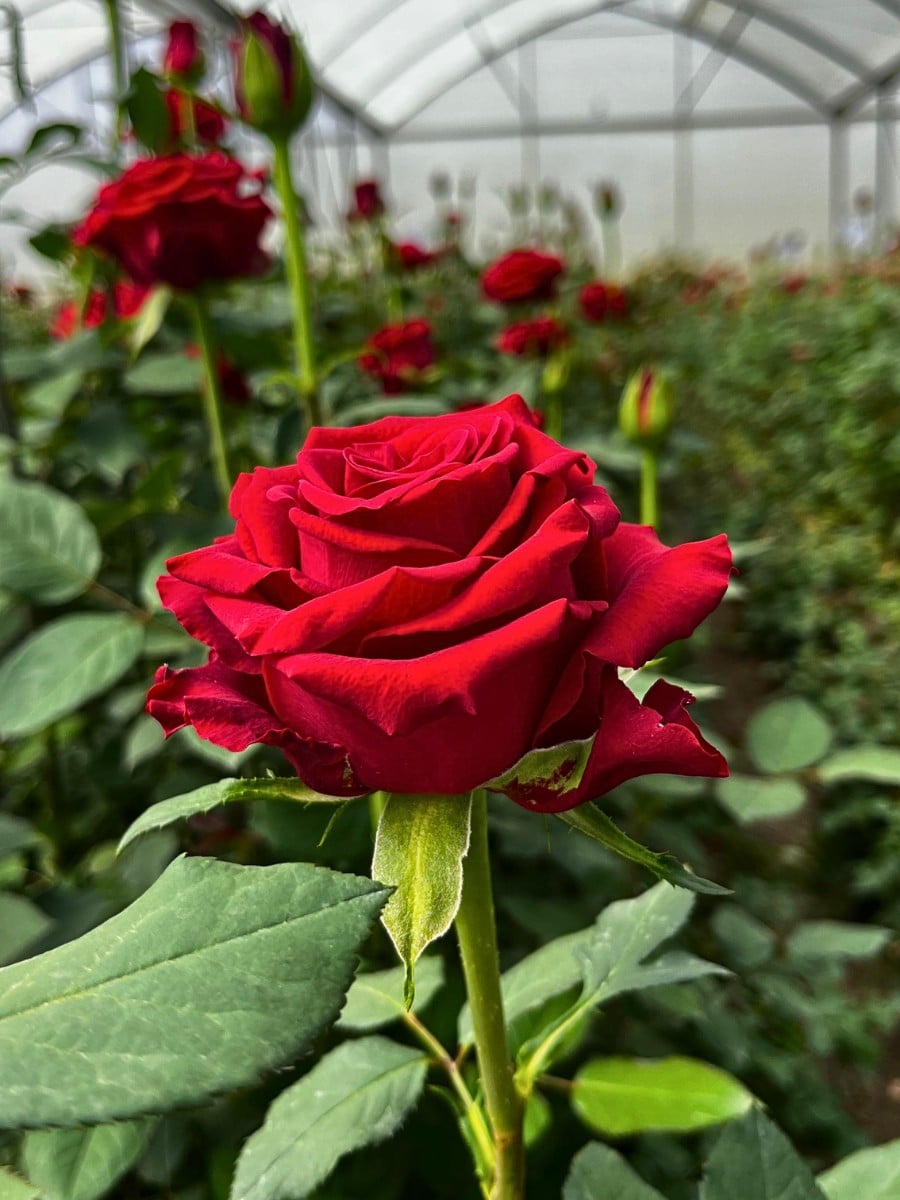
It comes as no surprise that at the IFTEX in June, where it was ‘formally’ introduced, it was quite an attraction. Its color, impressive presentation, and ability to maintain its freshness throughout its vase life made it a favorite. Such a reception at a major industry event is a strong sign of a variety with the power to influence and stay in the market.
Red Love combines premium quality with outstanding production performance. It is highly productive, produces large flower heads of over 6 cm, has a strong stem length profile between 50 and 80 cm, carries relatively few thorns, and is well suited for long-distance transport.
Yet another of its distinguishing characteristics is its elegant opening behavior. The flower opens slowly but beautifully into full bloom, making it attractive throughout the entire supply chain, from grower to florist and consumer. Its substantial presence is what designers and florists would love. But this rose’s vase life is worth discussing further.
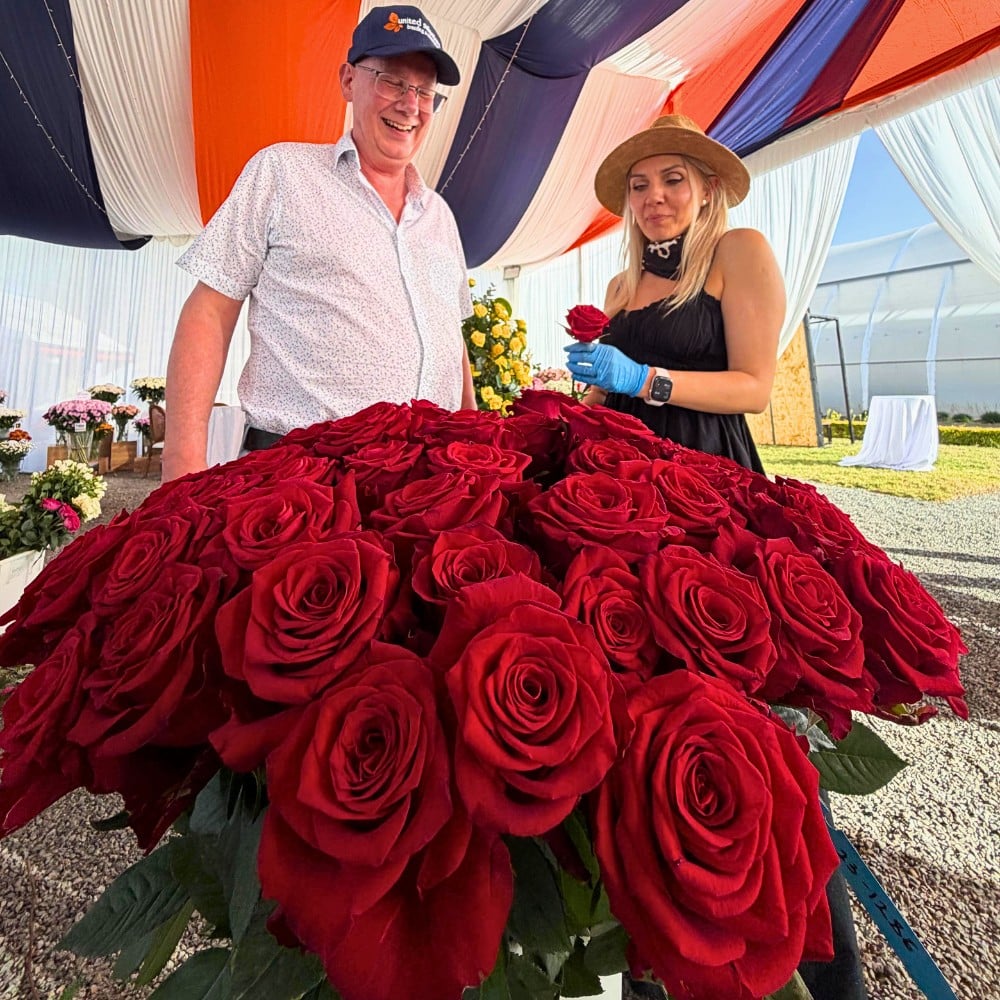
Cut flower buyers, whether they are running a wedding studio or a neighborhood flower shop, need flowers that hold up well even after the sale. Yet Red Love has been bred with that in mind. It offers extended freshness, which keeps flower arrangements looking their best for longer, a consistency that precisely makes a variety worth recurrent orders.
The Ideal Field Performance
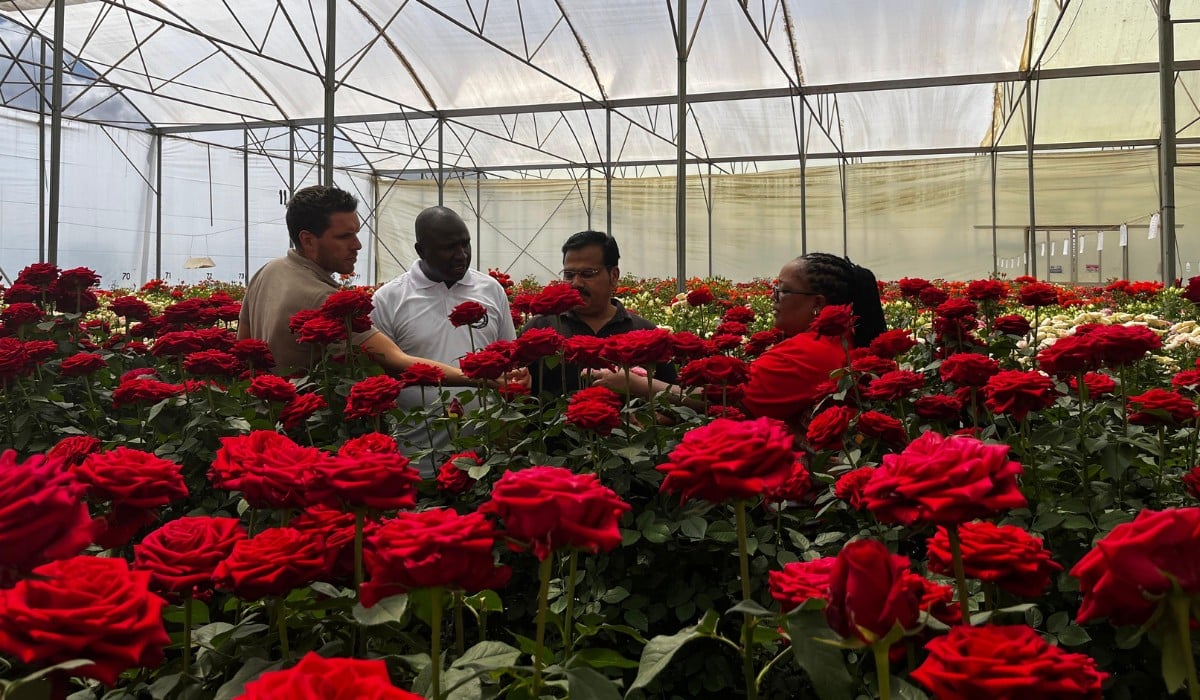
A flower’s beauty only matters if the variety also performs well in production. Yet this is where Red Love offers quite a lot, just as well. It is a vigorous, highly productive variety that produces long, straight stems suited to a range of grades, from standard lengths through premium sizes. The range gives growers flexibility to serve different segments of the market with one variety.
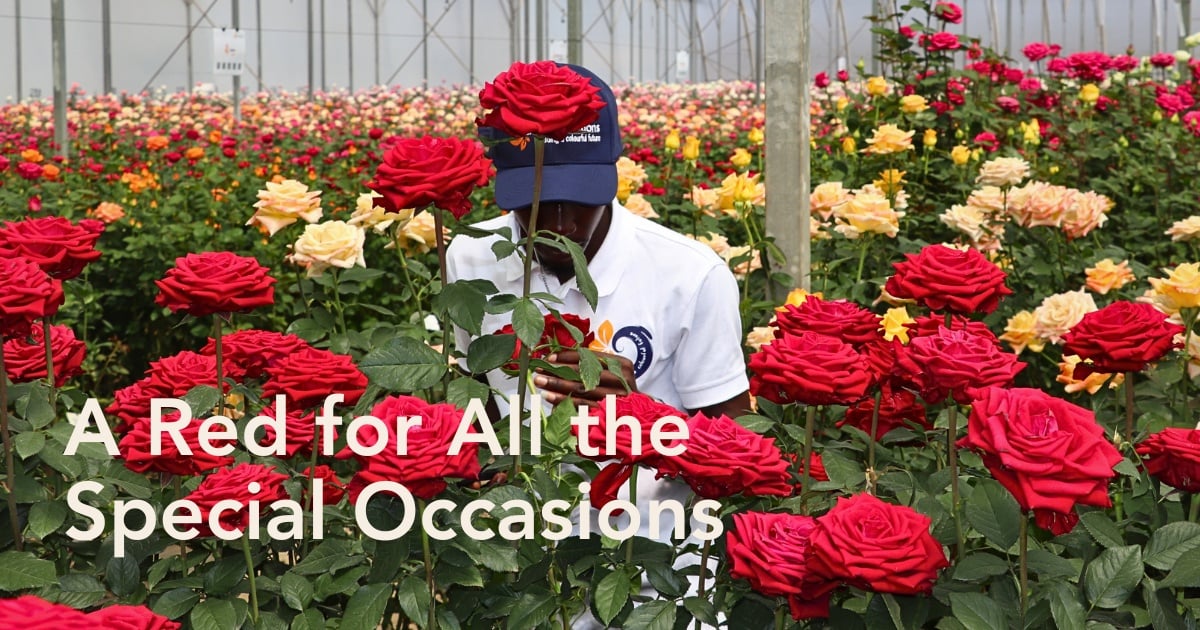
A showcase of the Red Love rose.
Handling is another area where Red Love stands out. Its minimal thorn count reduces the time and labor spent on de-thorning and grading, which lowers post-harvest costs and speeds up the movement from field to cooler. Combined with strong, manageable growth habits and the fact that it does not demand much maintenance to produce high-quality flowers, this rose means excellent commercial performance for growers and the supply chain.
For a grower, all these characteristics mean profitability. Fewer labor hours, higher grade-outs, and strong yields all add up through a full production cycle. And when the high productivity is paired with a red variety that sells well throughout the floral calendar's busiest windows, the return on investing in Red Love is easy to determine.
Why Red Love Fits Different Celebrations
The meaning of red roses often cuts across several occasions and special days. During wedding season, couples and designers look for red varieties that picture beautifully, hold their shape through long ceremonies and receptions, and pair well with other flowers in bridal work. Yet Red Love checks all these boxes, with straight stems and reliable grading that make it easy to create bouquets, centerpieces, and ceremony arrangements with a uniform, refined look.
The same qualities that make Red Love a wedding favorite also make it a natural fit for other major flower occasions. Valentine's Day remains one of the busiest days of the year for red rose sales, and buyers often expect a rose with a deep, saturated color paired with a long shelf life.

Mother's Day follows a similar script, with demand for reliable red and mixed arrangements that hold up through travel and gifting. A variety that does well during weddings, Valentine's Day, and Mother's Day gives growers three distinct and very important sales windows in one flower, which is why it is a reliable option to look at, instead of relying on heuristics and other inconsistent varieties.
Positioning Red Love for Peak Season Demand and Beyond
The wedding season, Valentine's Day, and Mother's Day often come with a surge in red rose demand, and buyers during these timeframes are typically willing to pay for quality and reliability. For a grower, planning year-round Red Love roses’ production and enhancing production around the peak periods puts one in the pole position to capture the demand.

Because the variety retains its color and form so well after being cut, and also travels and stores with fewer losses, this is an advantage worth having in mind. Florists and wedding designers, for their part, will in turn have a supply they can plan around. A red rose with a consistent grading and a proven vase life takes away much of the guesswork from sourcing for a wedding order or a holiday rush.
So, would you love to have a red rose that offers the rare combination of a striking, deep red color, a substantial head size, an excellent vase life, and field performance that supports strong yields and easier harvesting?

Red Love offers all these and more, making it a fitting choice not only for the wedding season but also for Valentine's Day, Mother's Day, and other occasions where a reliable, beautiful red rose is called for.
The first commercial stems of this variety are expected in the market towards the end of 2026. But until then, the focus is on planting it at selected growers to ensure a strong market introduction and sufficient production capacity.