There is no legal limit on the pesticide residue that can sit on the flowers you buy. For the food on your plate, there is. For the bouquet on your table, there is not. Nobody eats a rose, so for decades the rule book simply skipped it. That gap is now being noticed. How the industry responds over the next year or two will decide whether pesticide residue on flowers becomes a story we tell on our own terms, or a headline somebody else writes for us.
Why Food Is Regulated and Flowers Are Not
The logic is old and, on its surface, reasonable. MRL's, the Maximum Residue Levels that run across the EU food system, exist because we ingest food. Flowers are ornamental. You handle them, you smell them, you throw the water away. So the regulatory machinery that governs a tomato never extended to a tulip.
But the idea that you do not eat it was always a thin defense. Florists handle stems with bare hands all day. Residues end up in vase water, on worktops, in the air of a closed shop. Studies in Europe have found pesticide residues on bouquets and matching traces in florists themselves, even when gloves were worn. And consumers no longer separate their values by product category. If they expect transparency from their groceries, they will expect it from their flowers too.
Why Food Has the Rule and Flowers Are Next
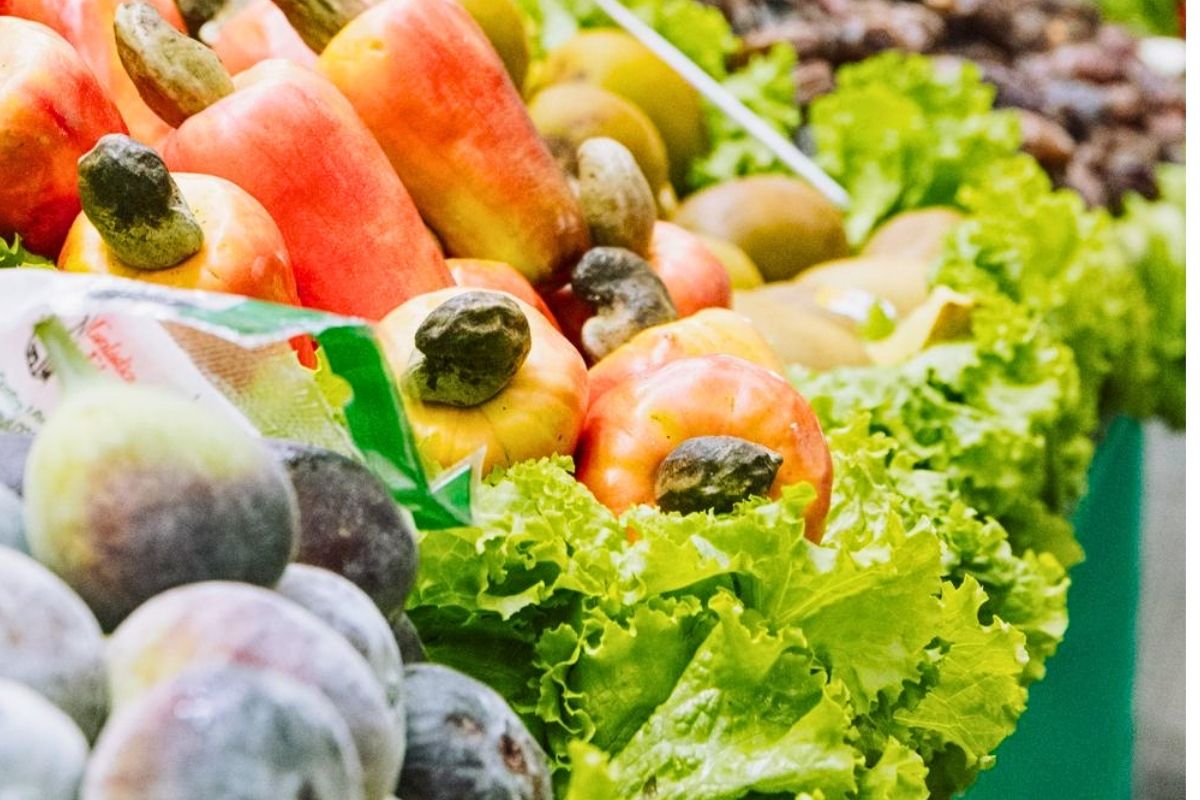
In January 2026, France drew a hard line. It banned imports of food carrying residues of five pesticides that are already banned for use inside the EU: mancozeb, thiophanate-methyl, carbendazim, benomyl, and glufosinate. The decree covers food, things like mangoes, avocados, grapes, and citrus. It does not cover cut flowers. When importers challenged it, France's highest administrative court let it stand. Read that again. The principle is now established in European law. If a substance is too dangerous to use here, its residues are not welcome on imports either. That logic was written for food, and nothing about a rose makes it immune to the same reasoning. People have already noticed.
Around Valentine's Day, the French consumer group UFC-Que Choisir tested fifteen bouquets. Every one carried pesticide residues, between seven and forty-six per bouquet, and residues of pesticides banned in the EU turned up in two-thirds of them. The group is now demanding three things: residue limits for flowers, an import ban on flowers treated with EU-banned pesticides, and mandatory labeling of origin and treatment. The French horticultural body Valhor pushed back, citing a German study that found no consumer risk and arguing that the trade is already compliant and transparent. Both positions can hold part of the truth. The point is that the argument is now public, and right now it is being had without us.
The Netherlands is on the same track. In January 2026 the Dutch food and product safety authority, the NVWA, warned that roses and other cut flowers imported from outside the EU often carry high residue levels, that they are not inspected the way food is, and that they pose a real risk to florists, auction staff, and importers. It said it would step up sampling at the border. Weeks later, it reported that most inspected Dutch growers were no longer complying with existing rules. The direction of travel could not be clearer.
The Uncomfortable Part: The Rule Created the Behavior
Here is what the sector needs to say out loud, before someone outside it says it badly.
Part of the reason residue runs high on some imported flowers is the inspection regime itself. At the European border, we demand visually clean, pest-free stems. A single thrips or a trace of disease can mean a shipment is rejected and destroyed. The NVWA itself notes that imported flowers are treated intensively precisely to meet those plant health standards. So some growers, facing the cost of a rejected load, spray hard right before loading. Not because it grows a better flower, but because it passes a visual check.
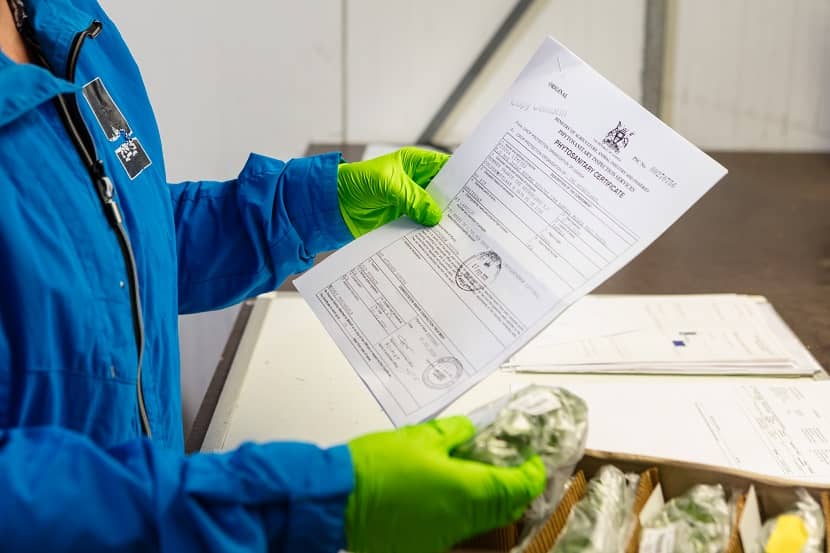
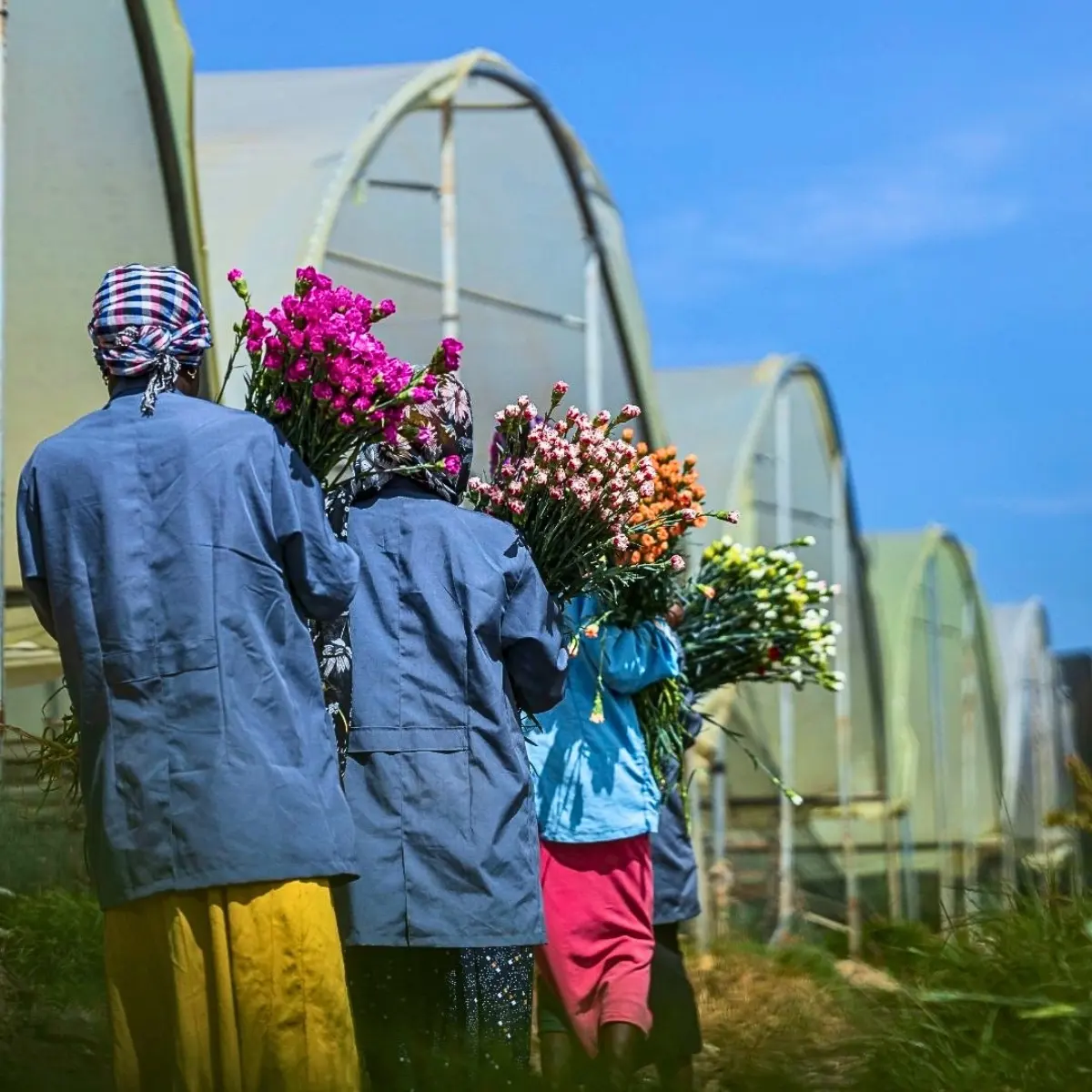
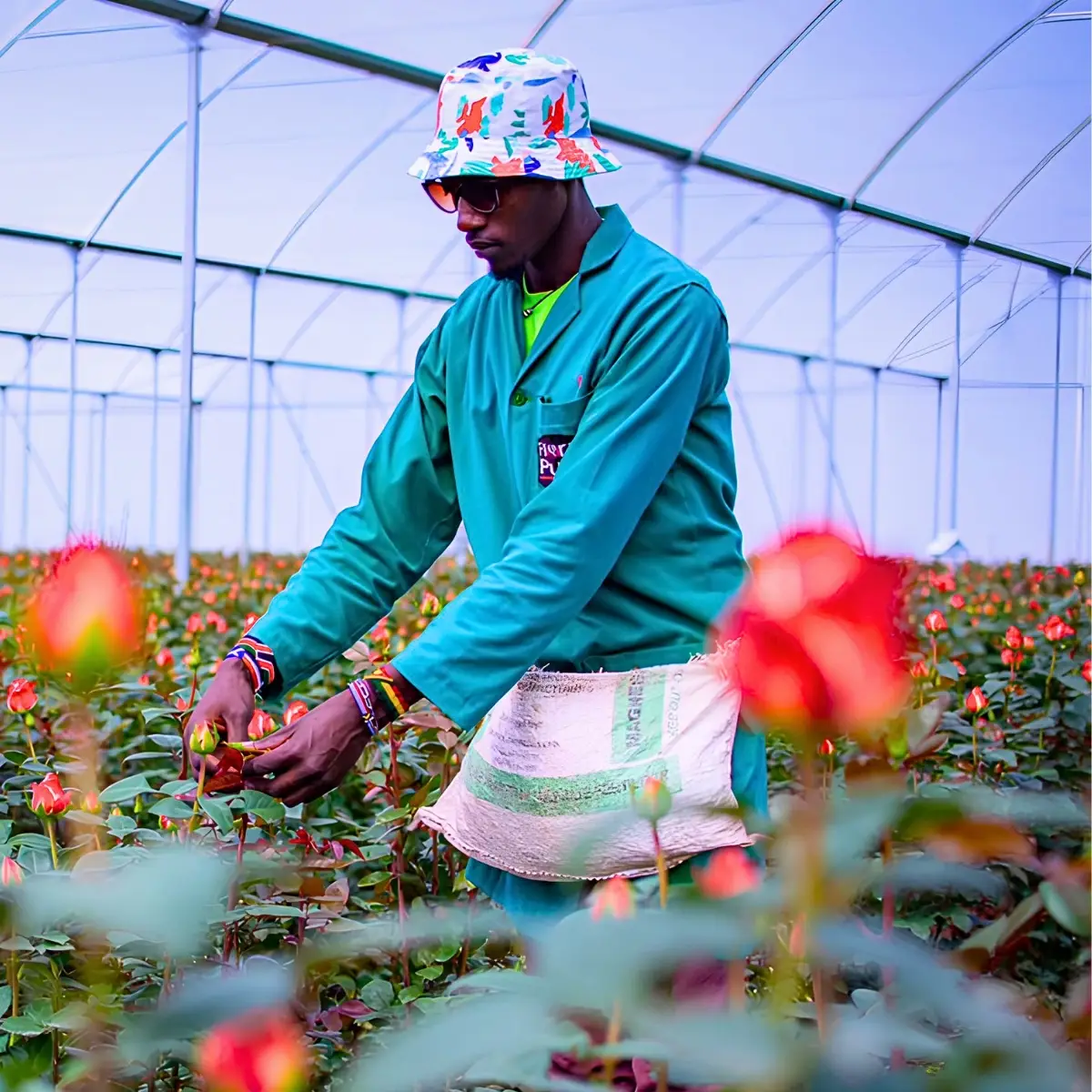
The rule asks for a clean-looking stem at the border. It does not ask how that stem got clean. The incentive points in exactly the wrong direction, toward more spraying, closer to shipment, with less time for residues to break down. This is not an argument against imported flowers. Kenya, Ethiopia, Ecuador, and Colombia grow superb products, very often under rigorous certification schemes such as MPS, Fairtrade, and Rainforest Alliance. It is an argument for honesty about a system that quietly rewards the thing everyone claims to want less of.
Why Transparency Is the Opportunity, Not the Threat
The instinct, when a story like this surfaces, is to go quiet and hope it passes. That is the wrong instinct, and it is the one that has cost this sector before.
The grower, breeder, or trader who gets ahead of this, with real standards, real residue data, and a willingness to show the work, will own the trust that comes with it. The ones who wait will be defined by the worst headline written about them. In a market where buyers and consumers increasingly choose on values, verified transparency is not a compliance cost. It is a competitive moat.
Transparency is not a threat to floriculture. Avoiding it is.
"There is no legal limit on the residue on the flowers you buy. For food there is. The sector that gets ahead of that with real standards and real data will own the trust. The sector that waits will be defined by its worst headline."
What the Sector Should Do Next
- Get ahead of the data. Growers who can show residue testing, not just certification logos, will be the ones buyers reach for first.
- Fix the incentive, not just the symptom. A border check that rewards last-minute spraying needs rethinking at the regulatory level, and the sector should be in that conversation rather than reacting to it.
- Talk about it openly. The story is coming either way. Floriculture is far better served telling it with context, jobs, certification, and efficient chains, than letting it arrive as a scandal.
No flowers, no future. But only if the future is one the sector is honest enough to build.
Sources: NVWA report on residues in imported cut flowers (January 2026); French import decree on EU-banned pesticide residues (January 2026, upheld by the Conseil d'Etat, May 2026); UFC-Que Choisir bouquet testing (February 2026).
Featured and Header image by Anna Shvets on pexels