Sustainability has become one of the most discussed topics in floriculture. Buyers increasingly ask about environmental impact, growers are under pressure to reduce inputs, and consumers want greater transparency about how flowers are produced. Yet for many farms, sustainability can sometimes feel like a list of requirements to be completed.
For Florapura, sustainability is viewed differently. For founder Simon van der Burg, sustainability is not a destination or a certification to be achieved. It is a continuous process of improvement, learning, and investment. It is about asking what can be done better today than yesterday and being willing to explore solutions that may take years to fully realize. As a relatively young farm, Florapura is still building many of the systems and structures that will define its future. But rather than waiting for perfect solutions, the team has chosen to begin the journey now.
Looking Beyond the Obvious
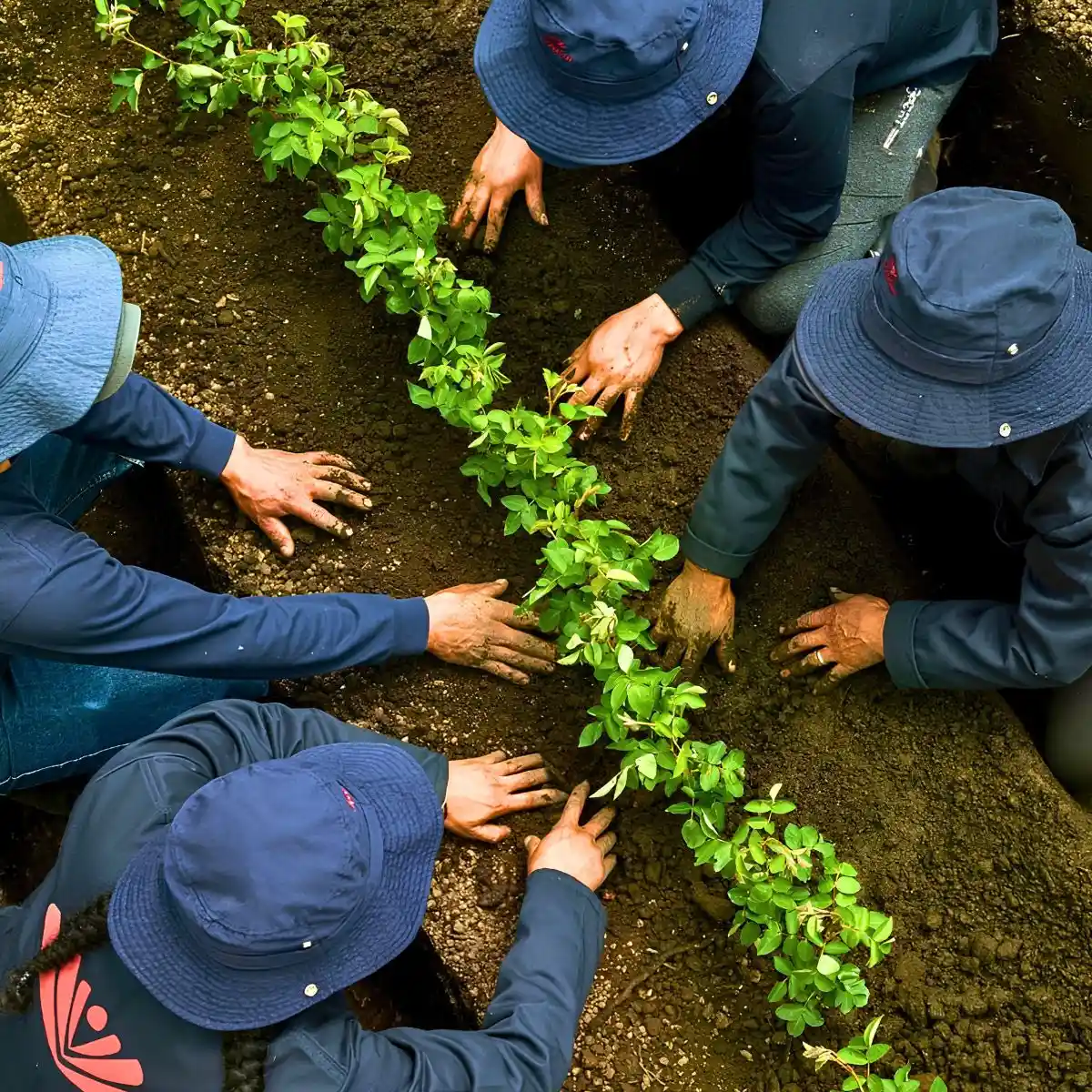
Many sustainability discussions in floriculture start with familiar topics such as solar panels, recyclable packaging, water collection systems, and responsible resource management. Florapura has already implemented several of these measures, including solar energy installations, recyclable sleeves, and water harvesting systems.
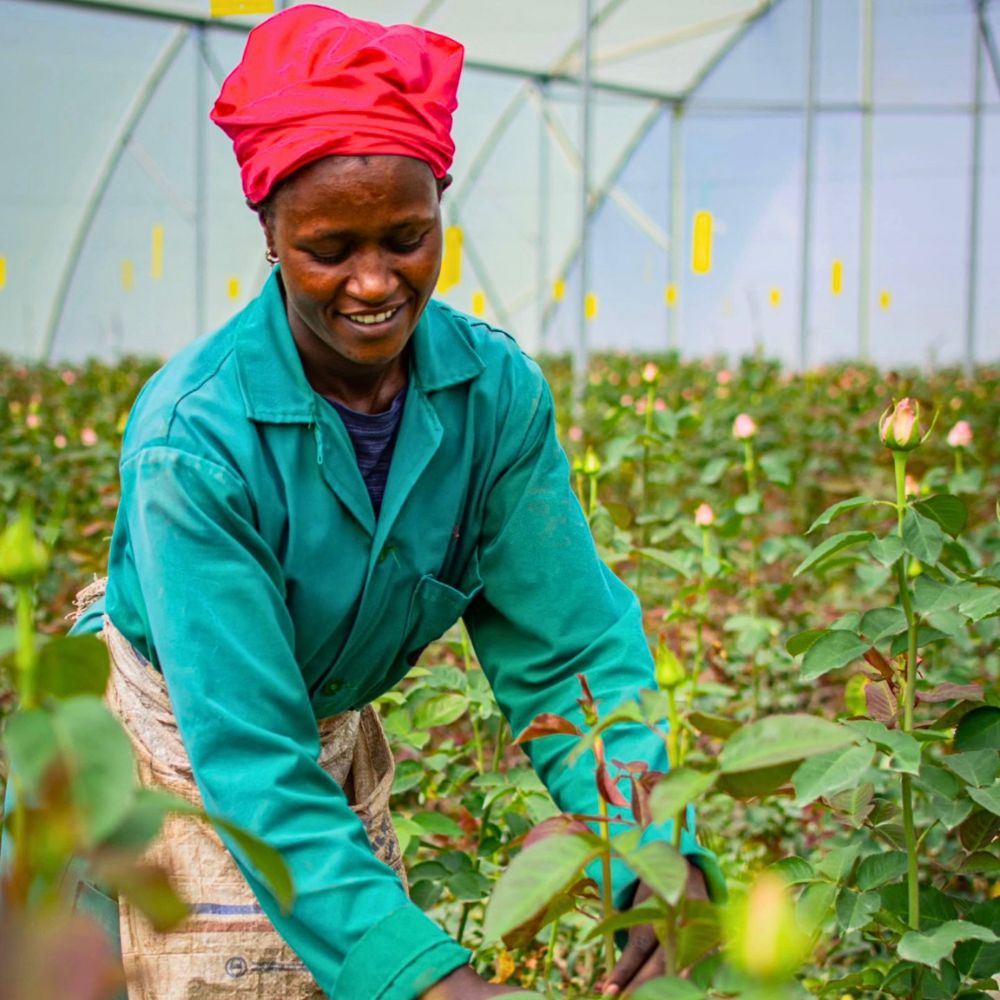
Yet Simon is quick to point out that these are only the beginning. The challenge, as he sees it, is identifying what comes next. Water recycling, wastewater management, composting, energy storage, and greater self-sufficiency are all areas currently being explored. For a farm that is not yet three years old, the ambition is not simply to keep pace with industry expectations but to continuously raise the standard.
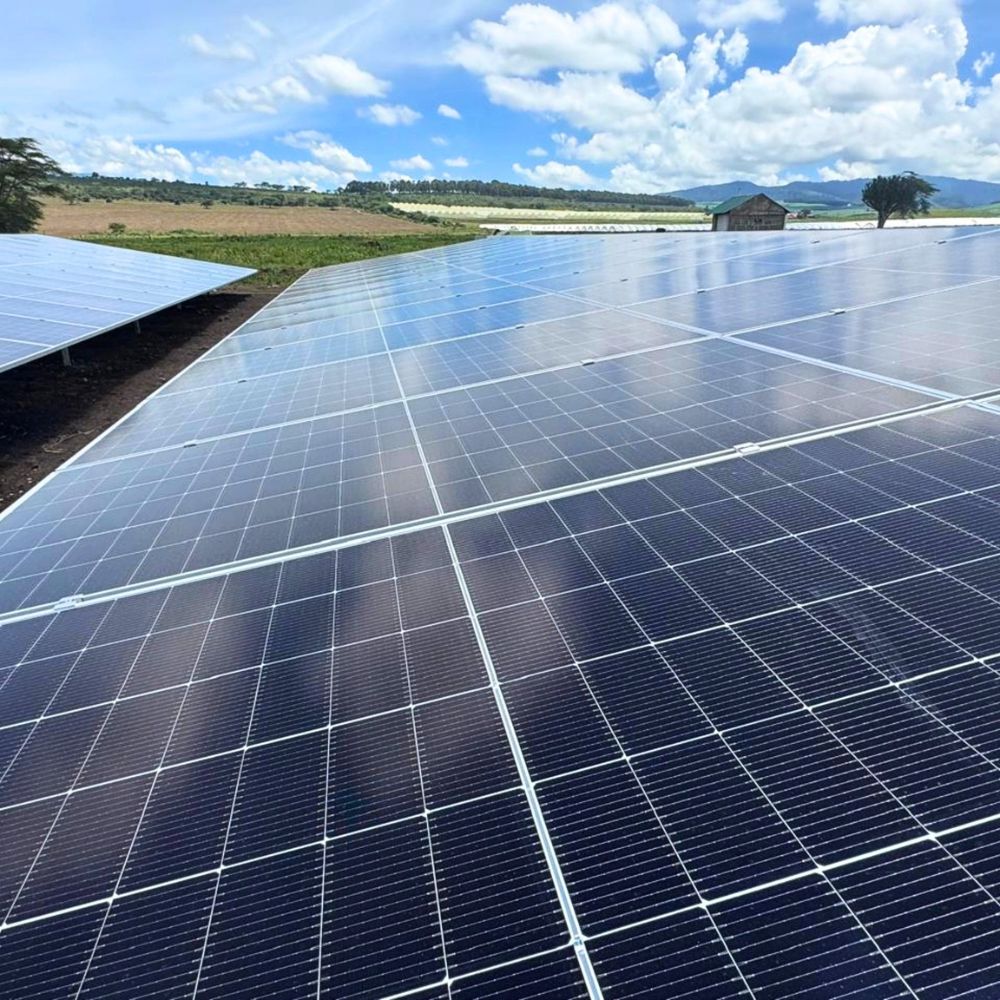
Rather than focusing only on what has already been achieved, Florapura spends considerable time looking ahead. The question is no longer whether sustainability matters, but how the farm can continue advancing toward more efficient and responsible production systems.
Reducing Inputs Through Better Growing Practices
One of the most interesting aspects of Simon's perspective is his honesty regarding disease resistance and crop protection. While plant breeders continue developing varieties with stronger resistance characteristics, Simon believes the industry is still in the early stages of fully realizing that potential. For now, many of the greatest opportunities lie in improving cultivation practices and maintaining healthier crops through proactive management.
"The better you manage your crop, the fewer diseases you get, and the less you have to fight them."
That philosophy shapes much of Florapura's approach. Rather than relying solely on corrective measures, the farm focuses on creating growing conditions that reduce pressure before problems arise.
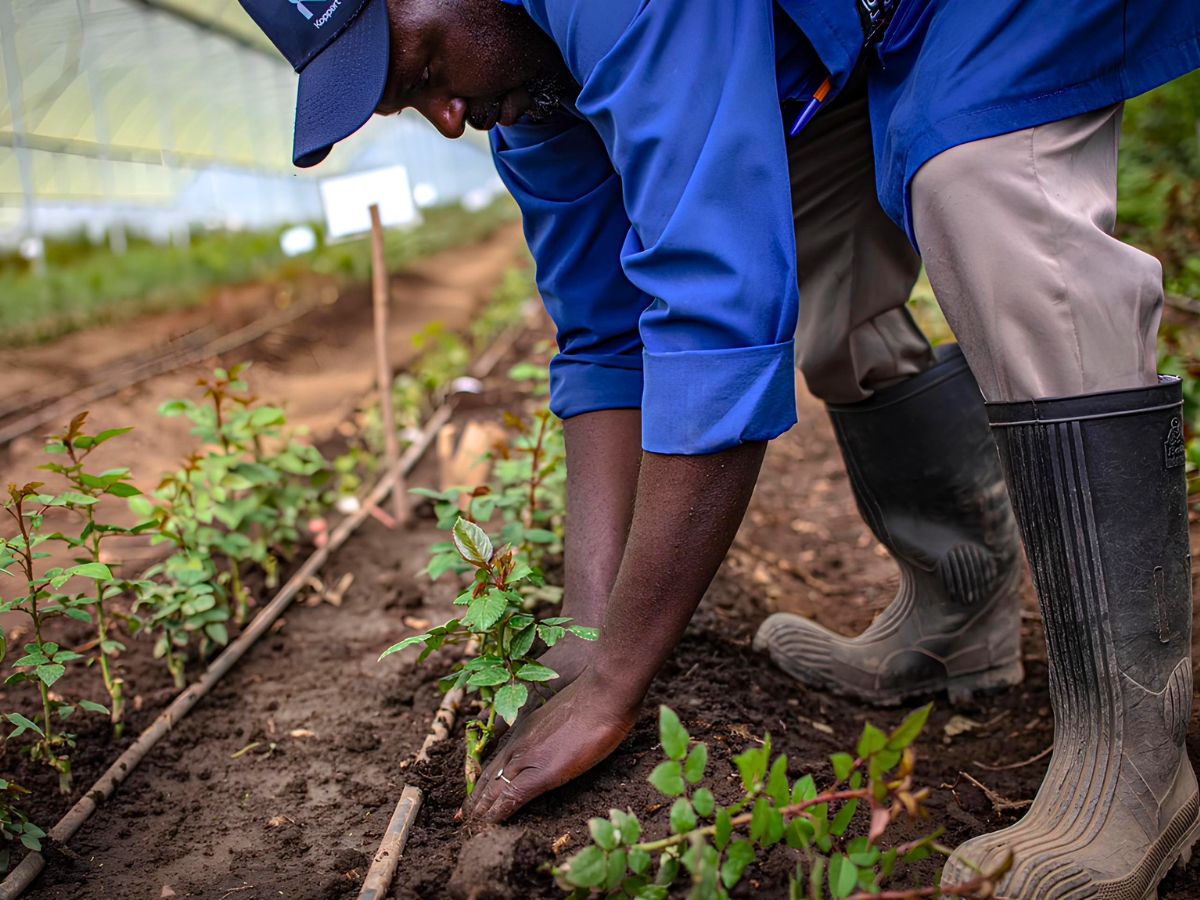
Biological predators, bio-pesticides, sticky traps, physical netting, careful monitoring, and hands-on crop management all play a role in protecting plant health. In many cases, manual intervention remains one of the most effective tools available. The objective is clear: whenever possible, reduce dependence on harsher interventions while maintaining the quality standards customers expect.
Learning From Other Industries
Innovation often comes from unexpected places. While many growers naturally look within floriculture for new ideas, Simon believes there is significant value in learning from other sectors. Conversations with specialists in biological vegetable production, renewable energy systems, and off-grid infrastructure have sparked new thinking about what might be possible at Florapura in the years ahead.
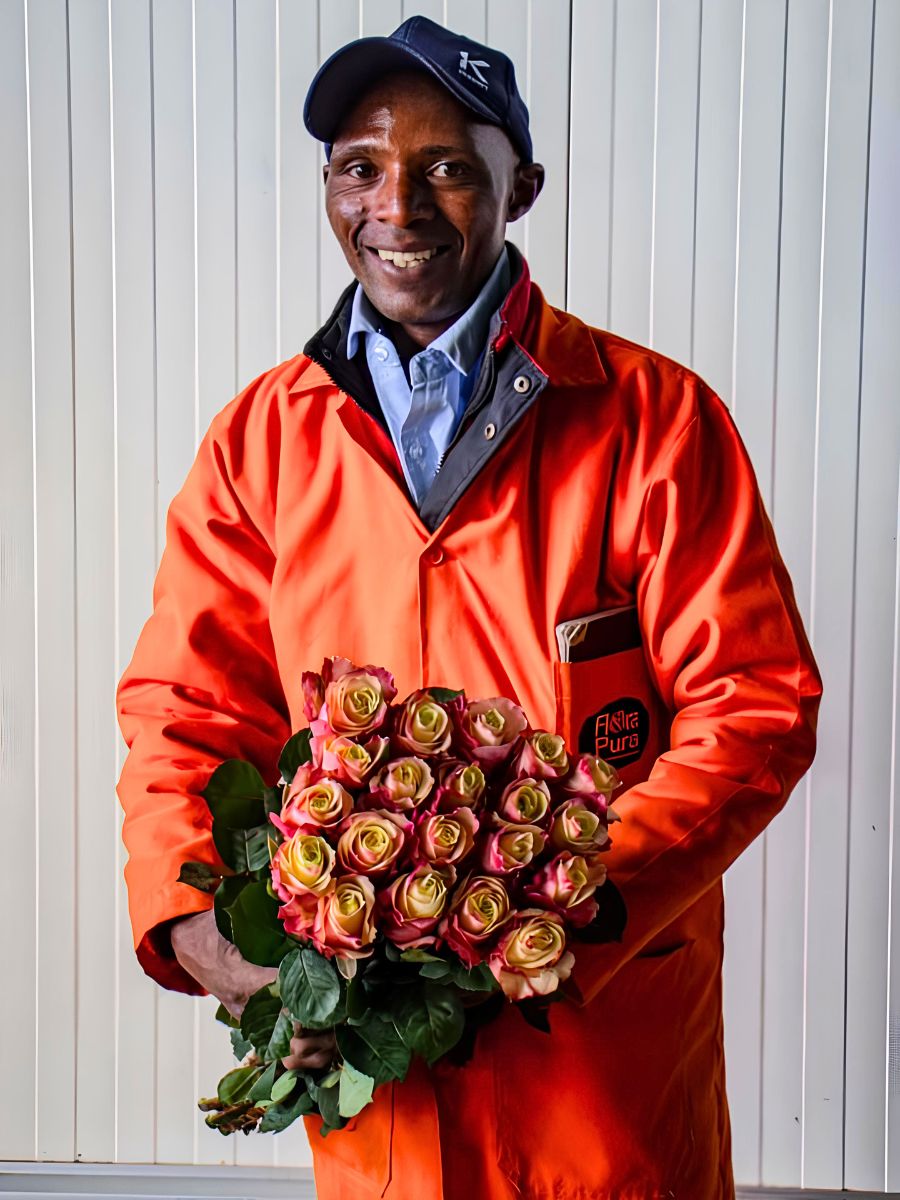
One example comes from a former classmate in the Netherlands who produces vegetables using highly biological growing methods. Although applying those same systems to commercial flower production may still be some distance away, the concept continues to inspire Florapura's long-term vision.
The willingness to learn from industries outside floriculture reflects a broader mindset. Sustainability challenges are rarely unique to flowers, and solutions can often emerge from entirely different fields. For Simon, curiosity remains one of the farm's most important resources.
Sustainability Is Also About People
While environmental initiatives often receive the most attention, Simon believes sustainability cannot be separated from the people who make production possible every day.
"People are your main asset."
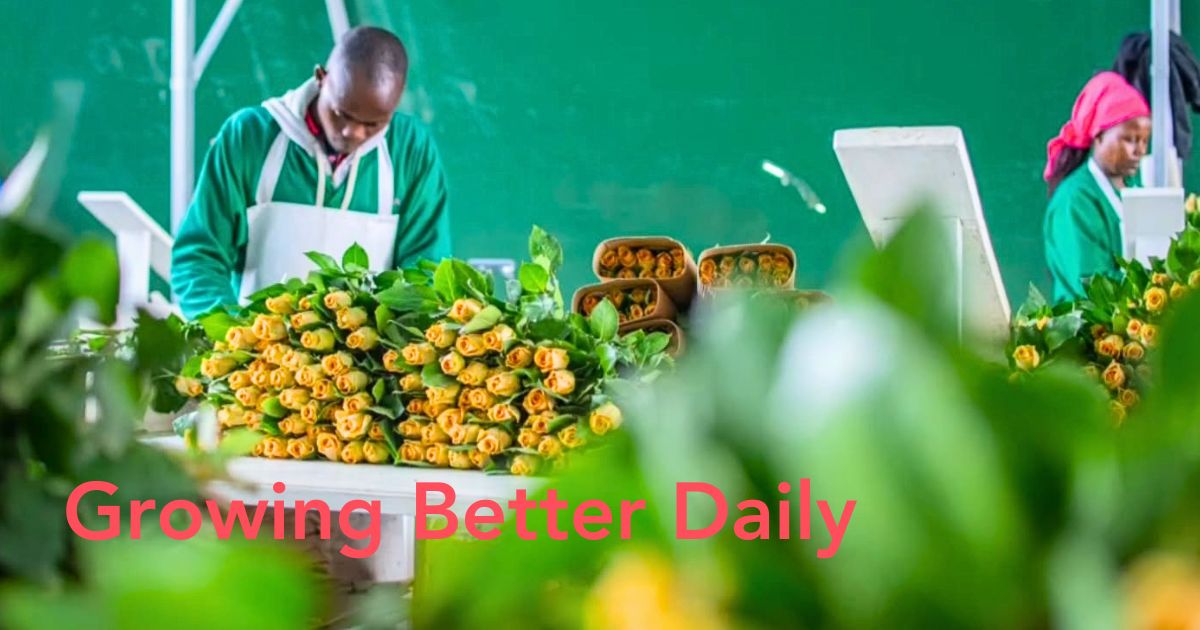
That belief influences many of the decisions being made at Florapura as the company grows. The farm pays above standard industry minimums because Simon believes employment should provide more than basic survival. His goal is to create opportunities for employees to build stability, support their families, and plan for the future.
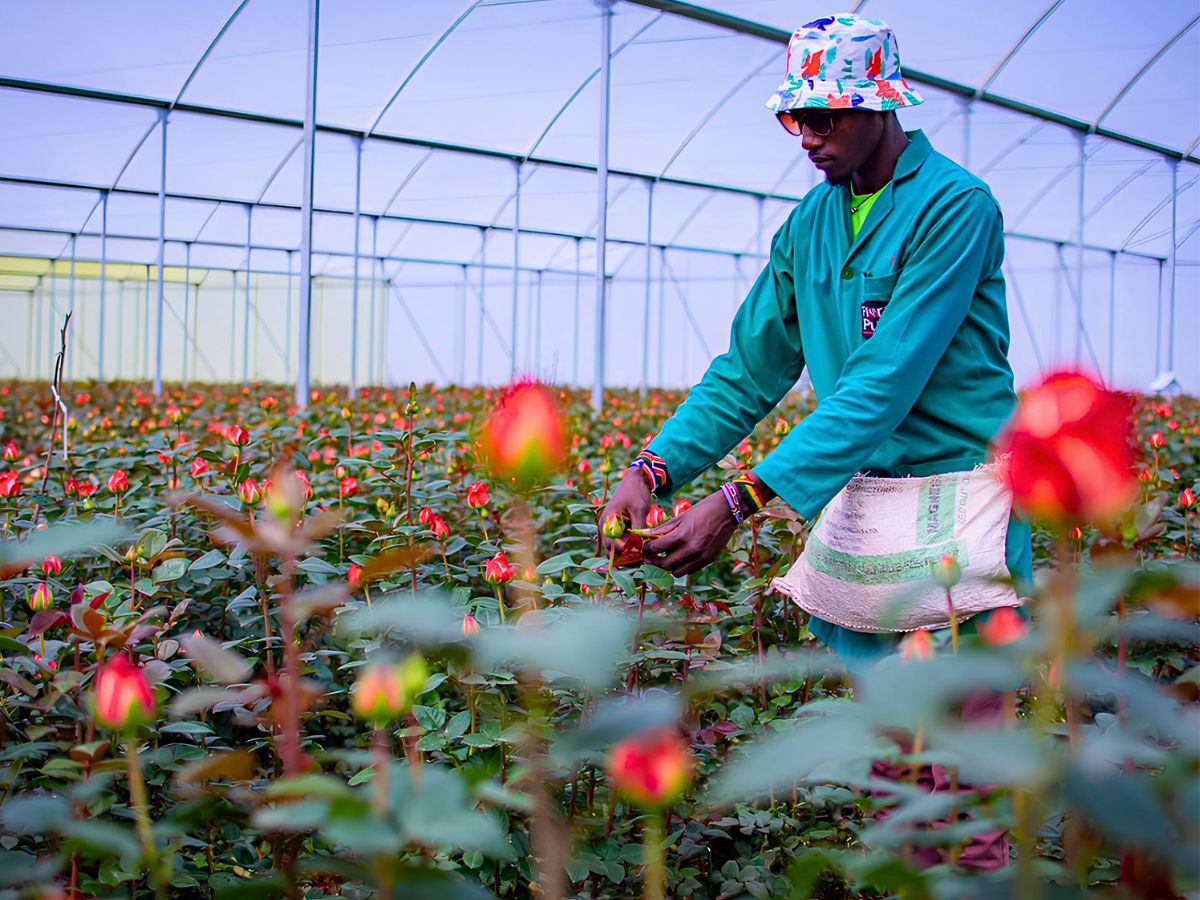
Recently, Florapura expanded medical coverage to include employees and their immediate family members. The intention is to reduce one of the most significant financial burdens many households face and provide access to quality healthcare when it is needed most. Looking ahead, education support and other employee-focused initiatives are already part of the broader vision. For Simon, sustainability is not only measured by environmental indicators but also by whether the people behind the business can thrive alongside it.
Creating a Culture of Ownership
One of the advantages of a young company is the opportunity to build culture from the beginning. At Florapura, the objective is not simply to create a workforce but to develop a team that feels connected to the success of the farm. Simon places high expectations on performance and accountability, but he believes those expectations must be matched by meaningful rewards and genuine appreciation.
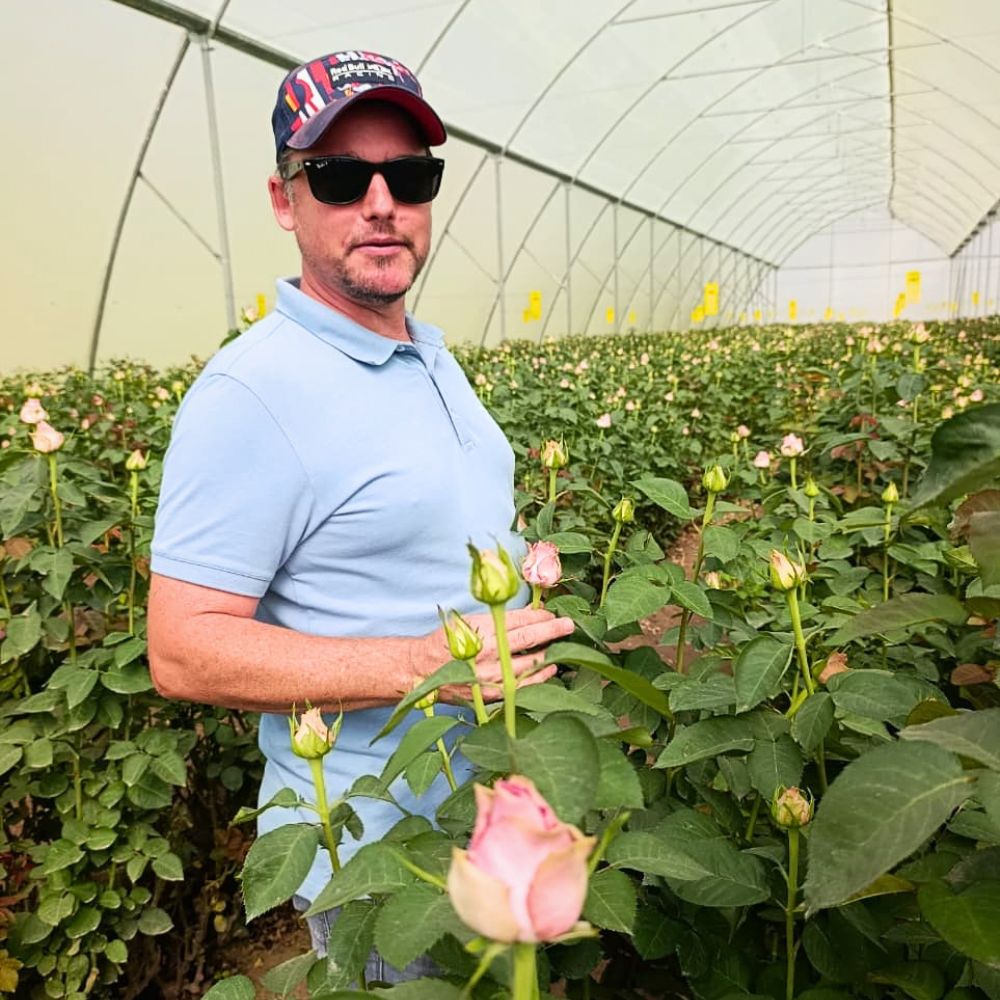
The results can often be seen in the everyday details. Employees understand what matters, take initiative, and increasingly demonstrate a sense of ownership over their work. Rather than waiting for instructions, many take responsibility for maintaining standards because they feel invested in the outcome. That culture is reinforced through actions rather than words alone. From employee bonuses during successful seasons to celebrations and recognition events, Florapura strives to ensure achievements are shared across the team. For Simon, these moments are not expenses. They are investments in loyalty, motivation, and long-term success.
Building for the Future
Perhaps the most defining aspect of Florapura's sustainability journey is its willingness to acknowledge that there is still much work to be done. The farm does not claim to have solved every challenge. It is still exploring new technologies, evaluating new methods, and searching for better ways to operate. But there is a clear commitment to keep moving forward.

Whether through reduced chemical dependence, improved water management, renewable energy, employee wellbeing, or innovations yet to be discovered, the direction remains the same. For Florapura, sustainability is not about reaching a finish line. It is about continuously asking what comes next and having the courage to begin building it today.
Pictures by @flora_pura_roses.